
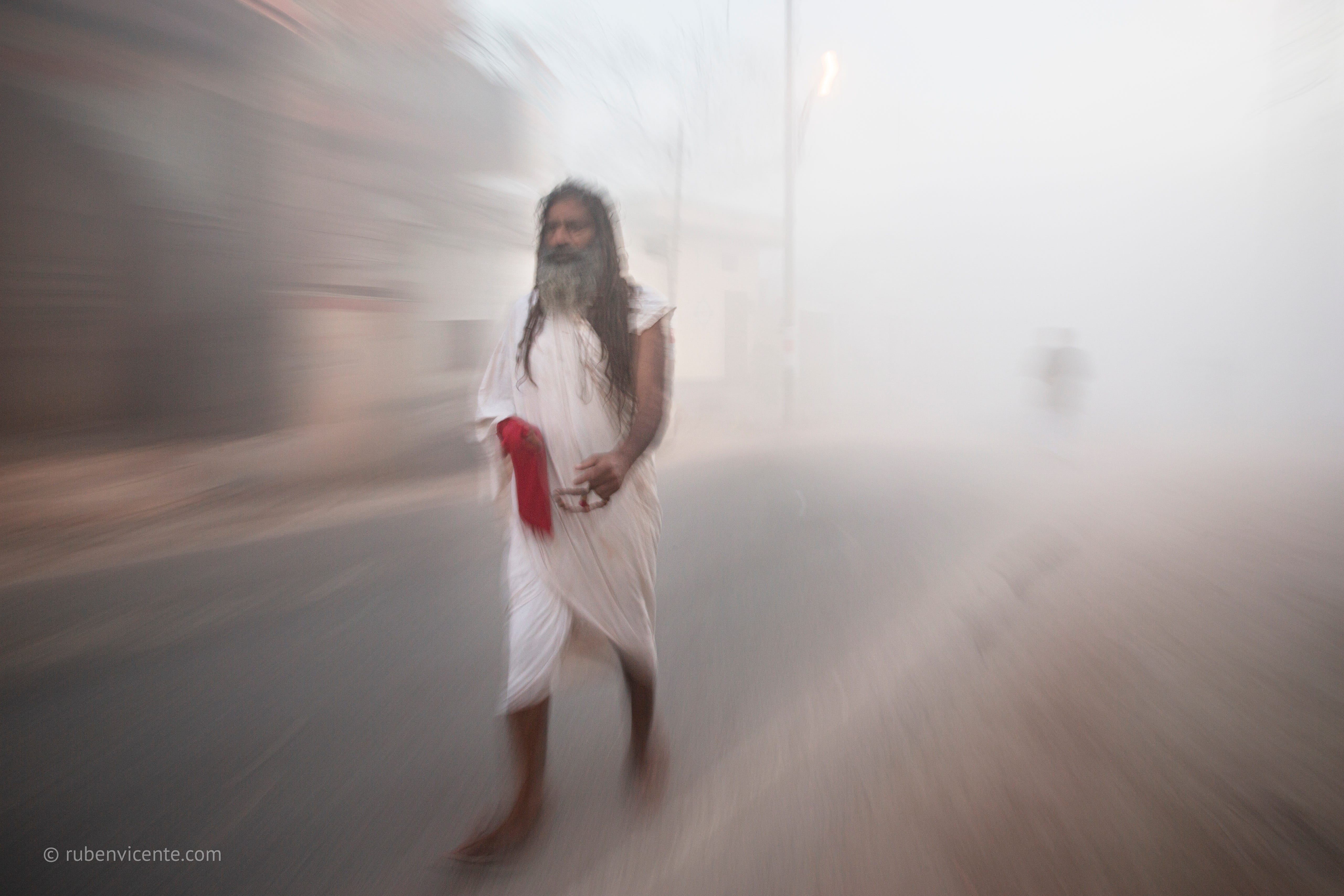
“(…) Hare Krishna, Hare Krishna, Krishna, Krishna, Hare, Hare (…)”. In contrast to the warm afternoons, the air is chilly now. The warm yellow star still hasn’t arrived on the horizon. The fog is so dense that the hearing comes before sight. The Krishna mantra slowly arrives and, with it, the barefoot devotees taking on the early morning Parikrama. These Vaishnava Hindu pilgrims may come from all over the world to walk the 15 km journey around the sacred city of Vrindavan.
0:00
-1:21
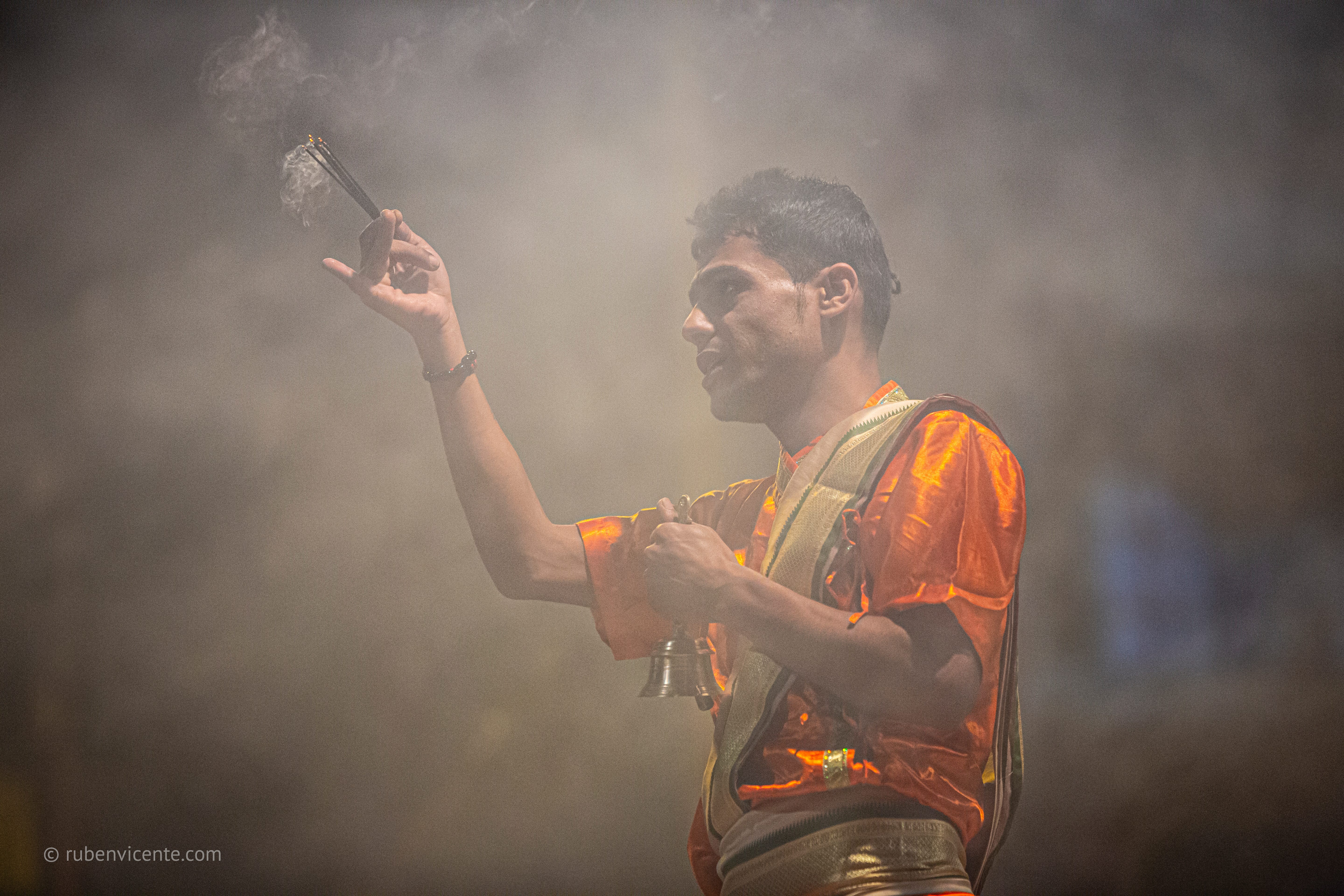
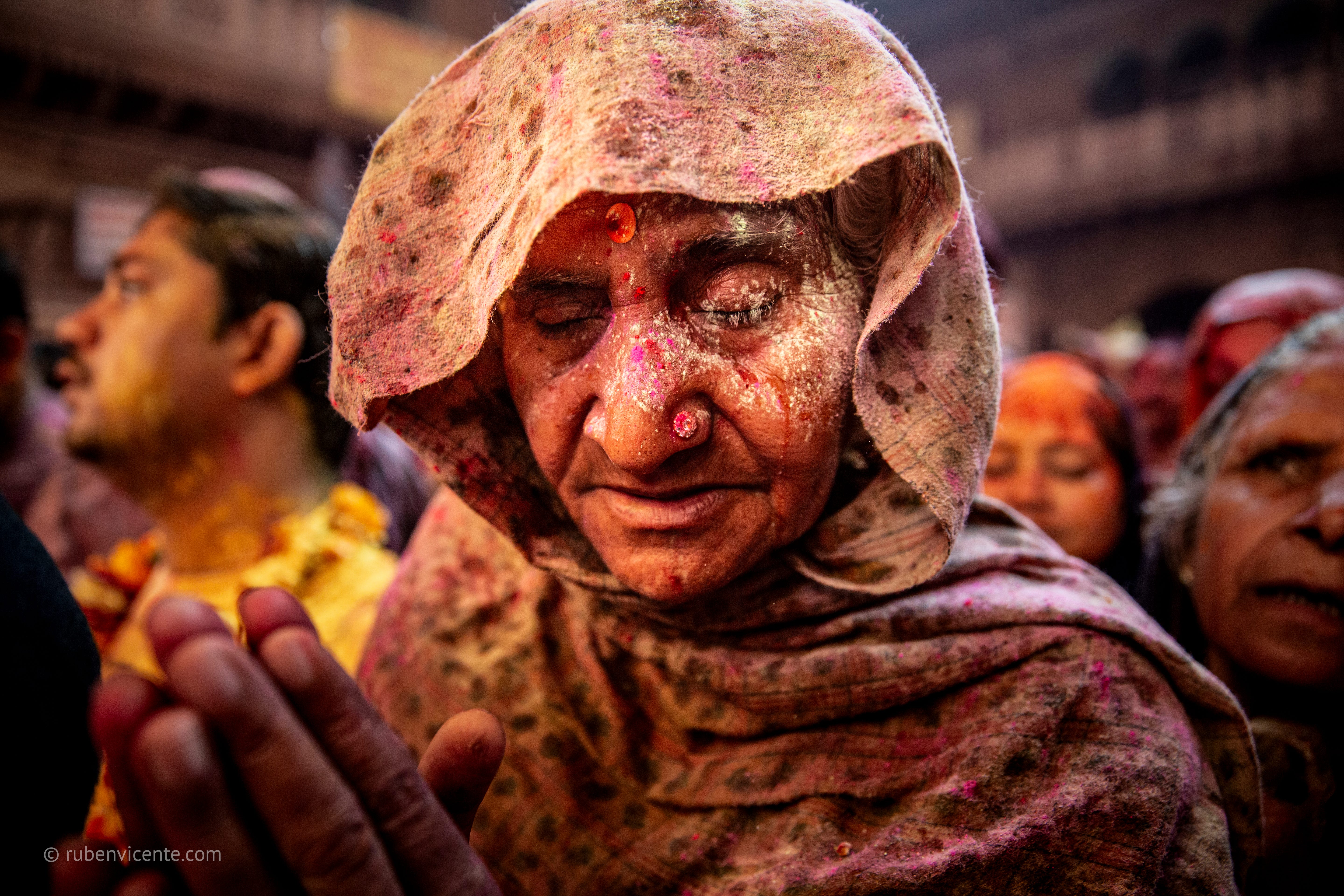
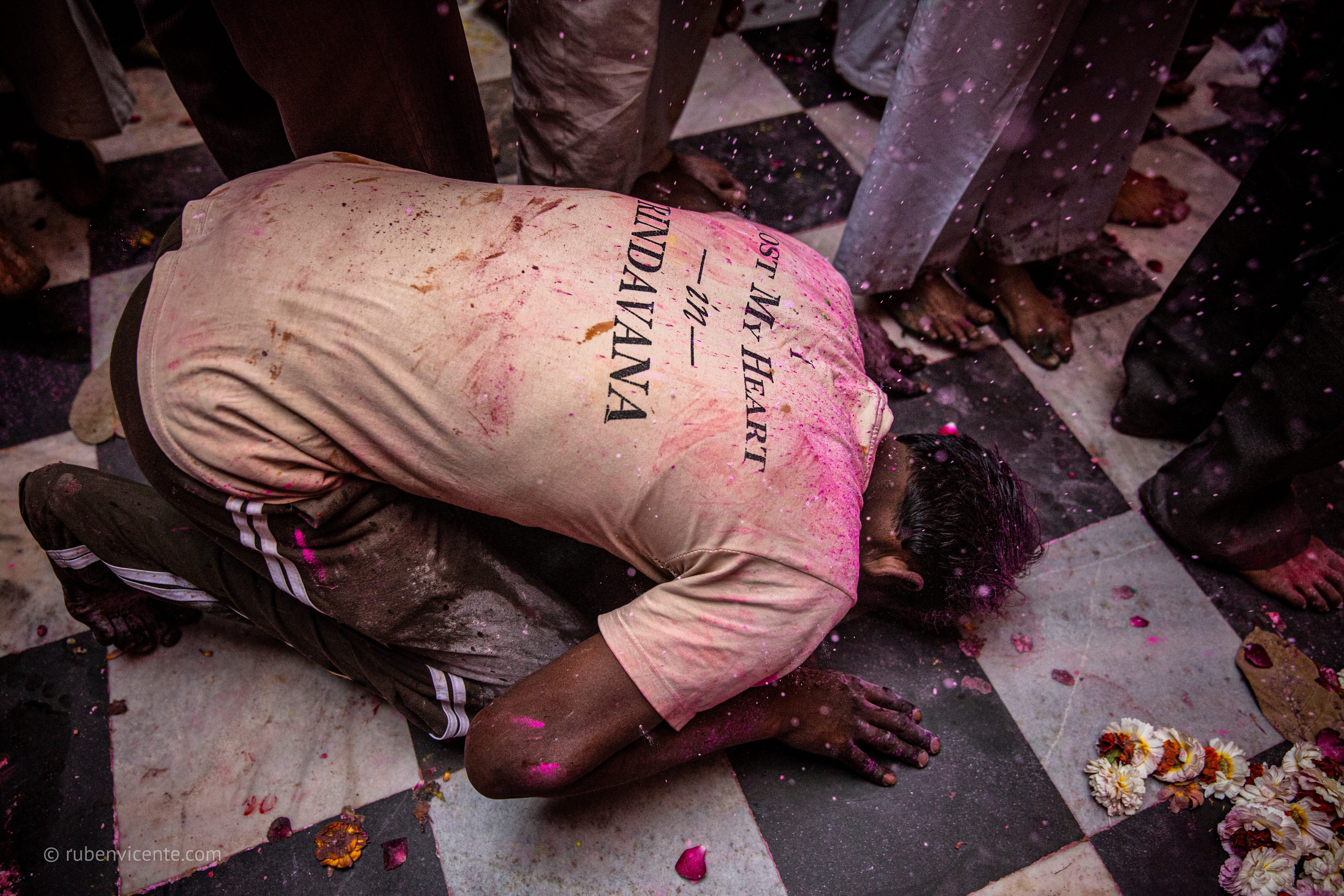
Always a subject that has captivated my interest, faith and devotion have occupied the minds of humans probably since we, as a species, started to gain consciousness. In some ways, it has been a way to explain natural phenomena that couldn’t be understood with the knowledge at the time. Eventually, over the millennia, faith was sustained by acts of devotion. Groups that had the same beliefs gathered and formed religions. Religions evolved to guide and present a path to the faithful. Ultimately, people search for comfort in their faith, a meaning to their actions and a safe passage to whatever comes next, if anything.
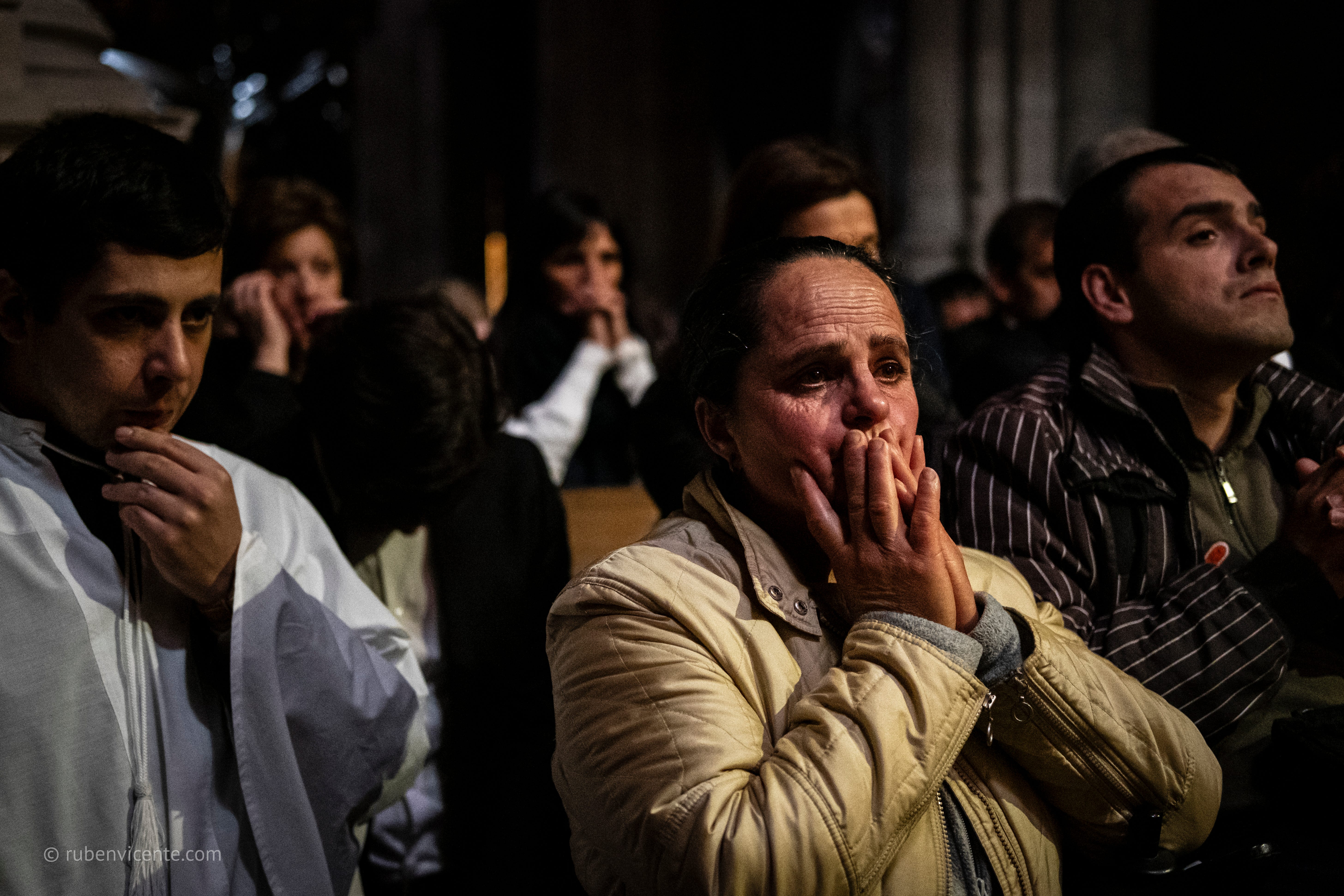
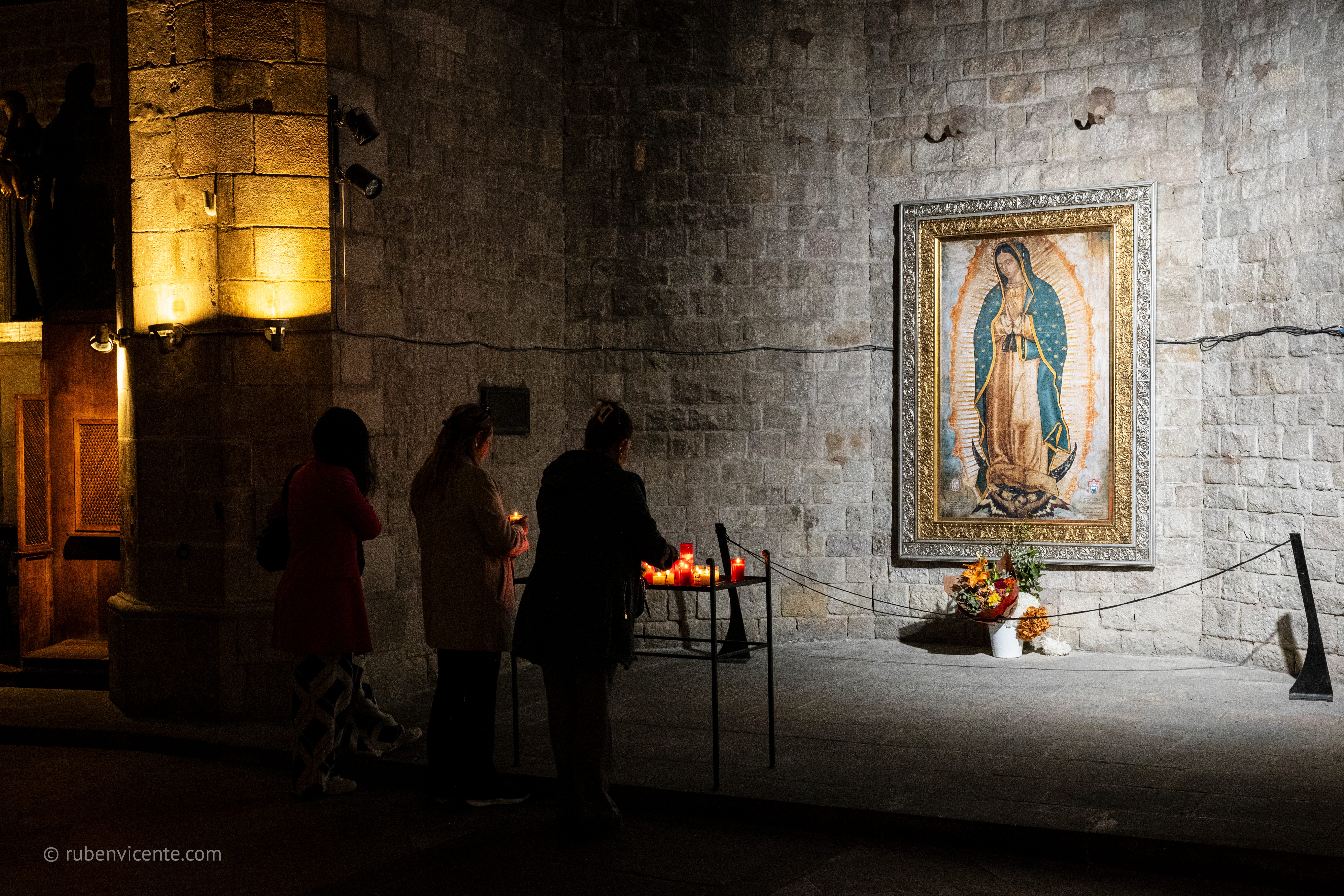
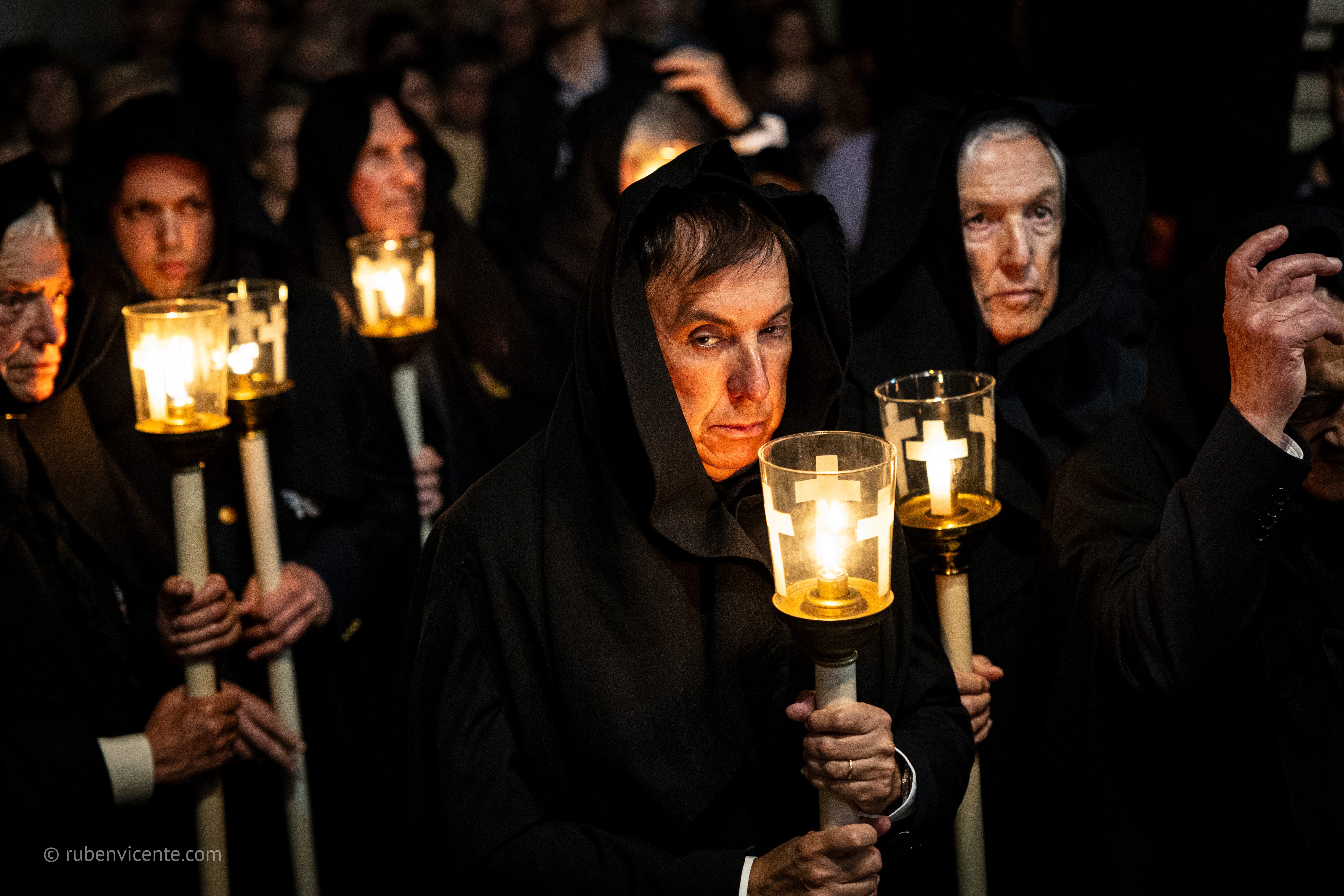
Development psychologist Deborah Kelemen coined the term promiscuous teleology as the habit of humans seeing a purpose everywhere. How many times have we heard “things happen for a reason”? She argues that this search for a purpose is not a product of culture or religion, but rather a cognitive default built into the human brain, which makes faith feel natural and intuitive, regardless of background.
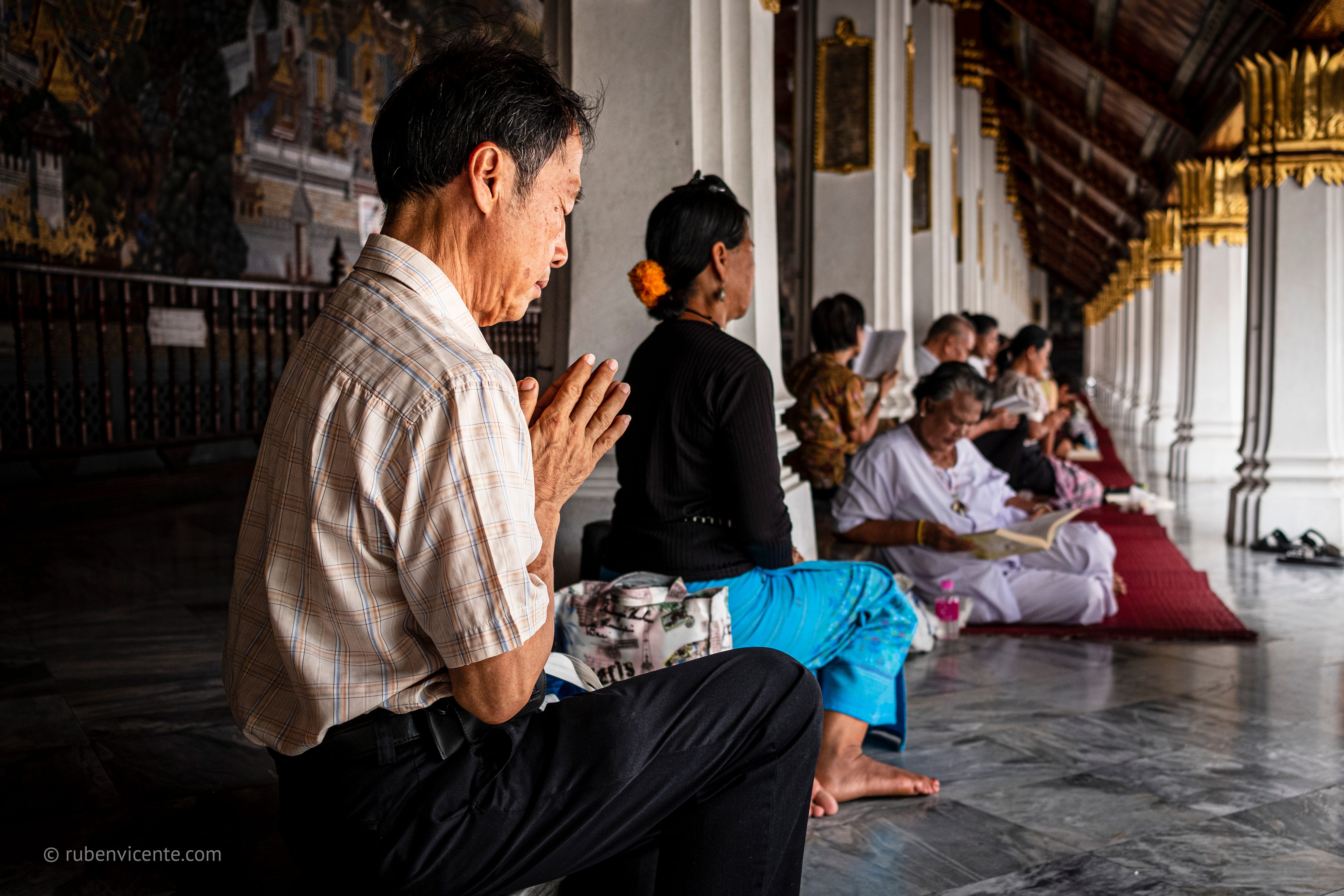

Cognitive anthropologist Pascal Boyer states that religious beliefs are formed because the way our brains are cognitively wired, making it difficult not build these beliefs. Social exposure and cultural influences then lead people in the direction of a certain faith. He gives the example that the child of a Zen Buddhist will not become an evangelical Christian or a Zulu warrior without the relevant cultural experience.
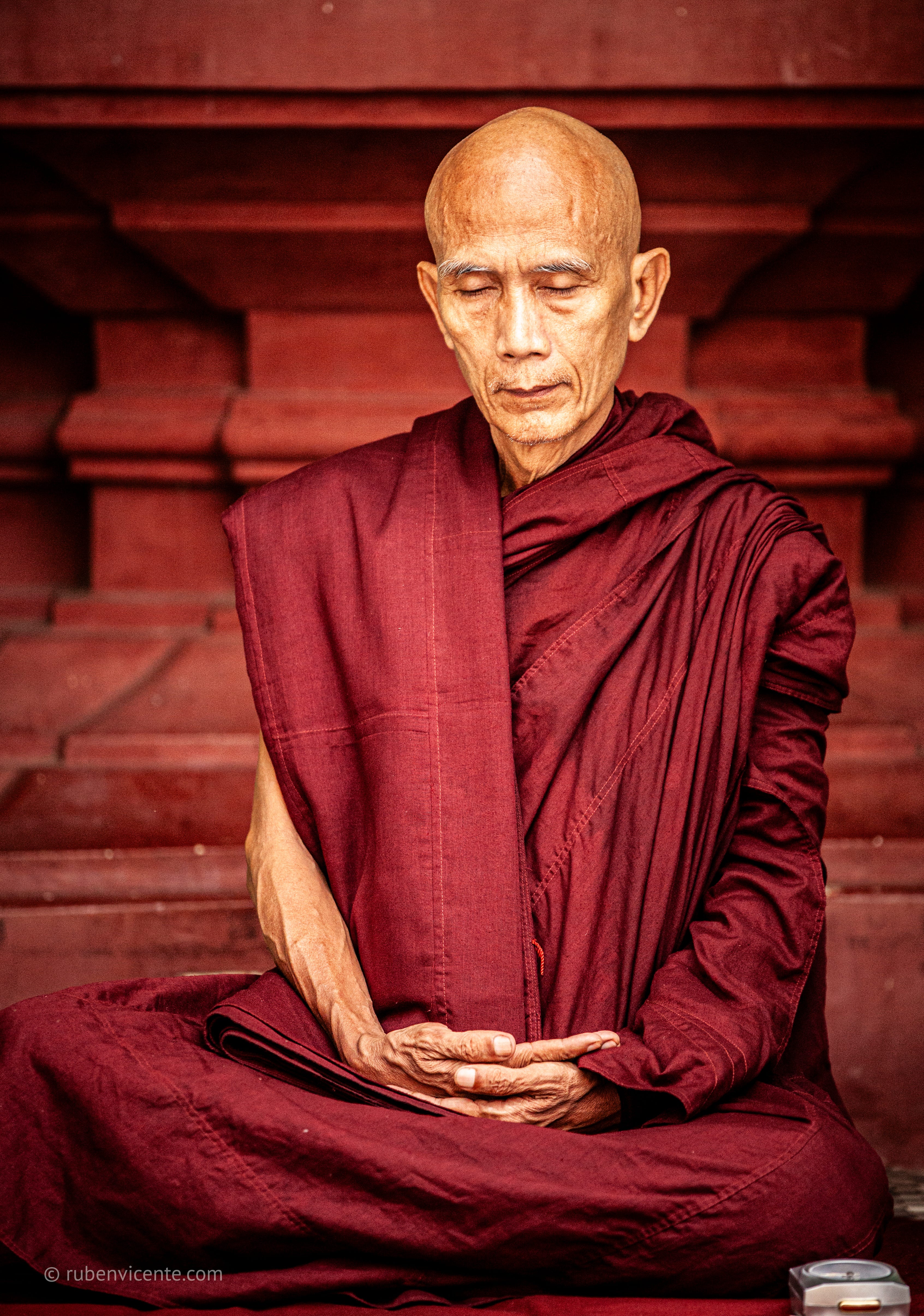

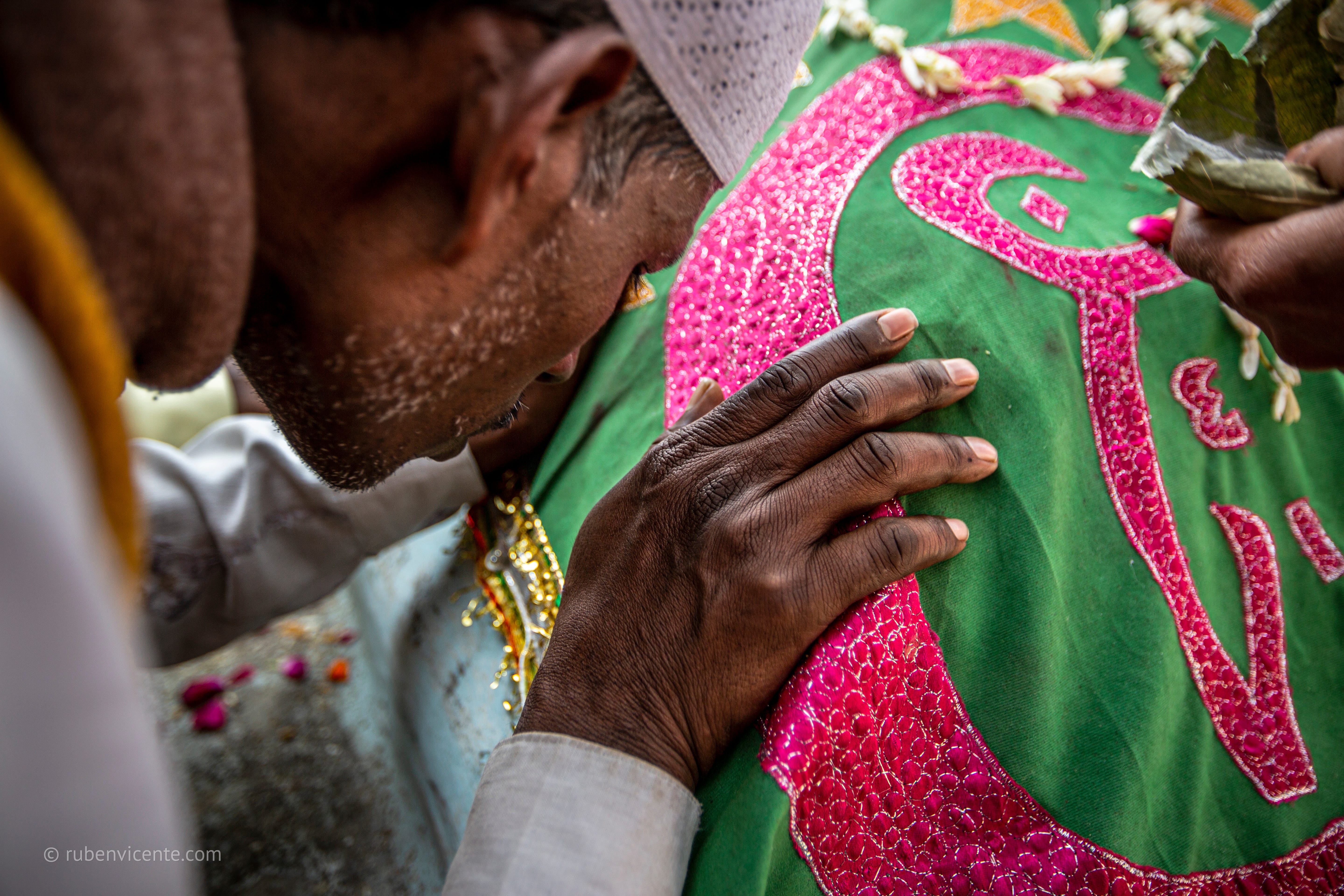
Different cultures experience faith in different ways. It can be something hidden, almost unconscious, or it can manifest itself with deep emotion. Some look for help, some for forgiveness, others search for an explanation or a comforting hug. In the Bible, faith is described as “the substance of things hoped for, the evidence of things not seen” - Hebrews 11:1. In Islam, faith without devotion is incomplete and devotion without faith is hypocrisy. If faith were a tinder, devotion would be the flame. Devotion is faith made visible and tangible.
0:00
-0:34
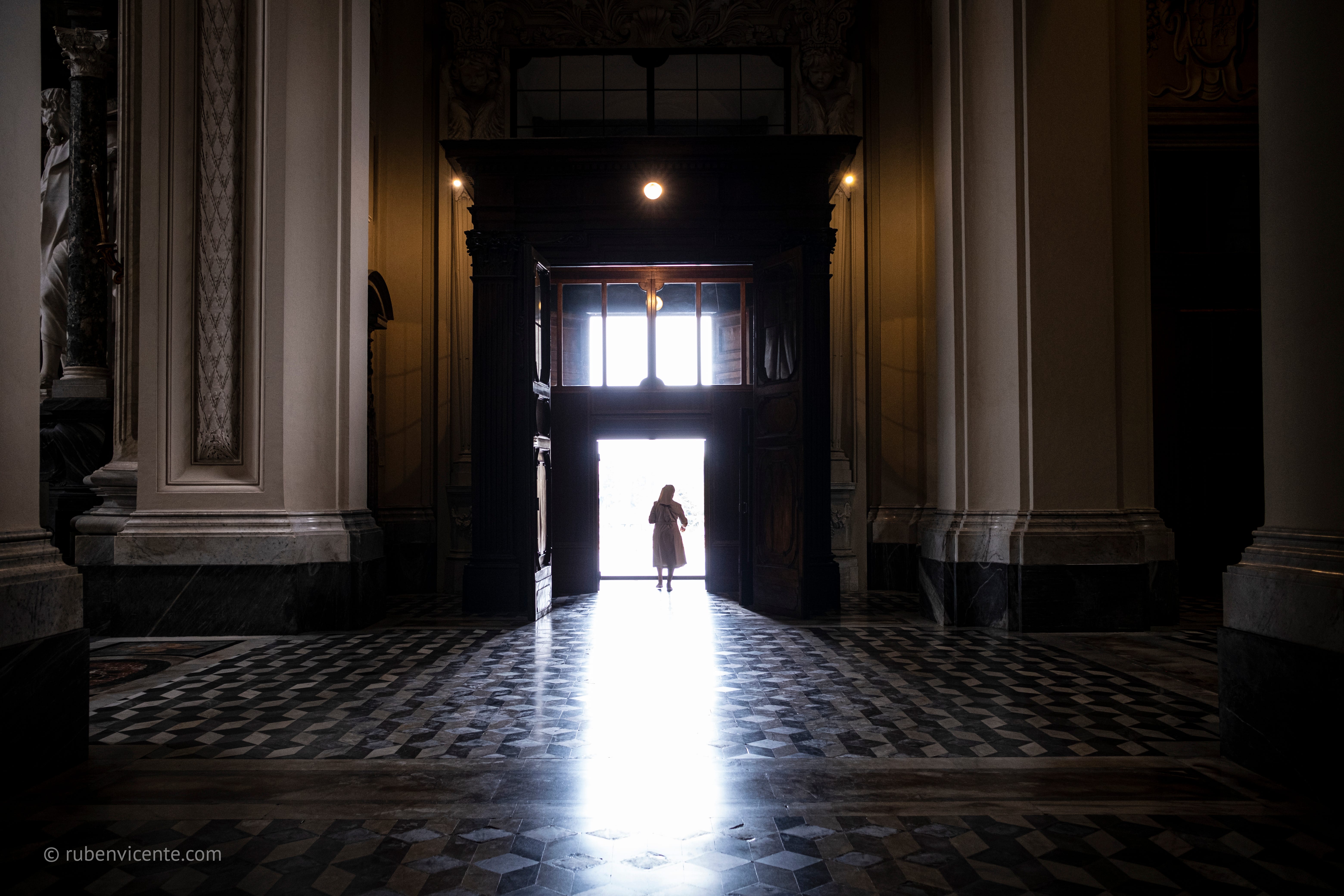
The melodic call to prayer - the Adhan, echoing through the minarets of the Marrakech Medina, the golden Buddha statues and stupas of Myanmar, the impressive masterpieces that are Rome’s churches, the quiet and peaceful Shinto shrines and Torii gates, the often chaotic and colourful Hindu temples, the dark catholic Easter processions. They all have deeply shaped the devotees that continue to practice their faith according to their beliefs. They too have certainly shaped who I am.

In the TV series The X-Files, agent Fox Mulder had an iconic UFO poster in his office - “I WANT TO BELIEVE”. He needn’t have worried. Science tells us our species was born to do precisely that.”
0:00
-1:00
If you enjoyed this article, please consider supporting my work with a paid subscription or a small contribution on the link below.
Comments
Nothing yet. Say the first thing.
Sign in to join the conversation.