
I’m probably unemployable.
I don’t say that with panic anymore. I say it as a fact, and one I’ve taken a long time to make peace with. I’ve been a designer four times, a head of design three times, and a managing director twice. My CV doesn’t read like a cohesive story. It reads like someone who kept finding the edge of things and jumped to the next thing.
If you’re a hiring manager, that’s a problem. If you’re someone trying to build something real, it might be the most useful thing about me.
When I was leaving college, someone asked what I wanted to do with my life. I said: “I want to be an expert.”
That answer hasn’t changed. Everything else has.
The clearest version of that expert feeling came from design sprints.
In 2017 I was handed Jake Knapp’s Sprint book as a leaving gift. I read it cover to cover on a family holiday in Sardinia over two days.
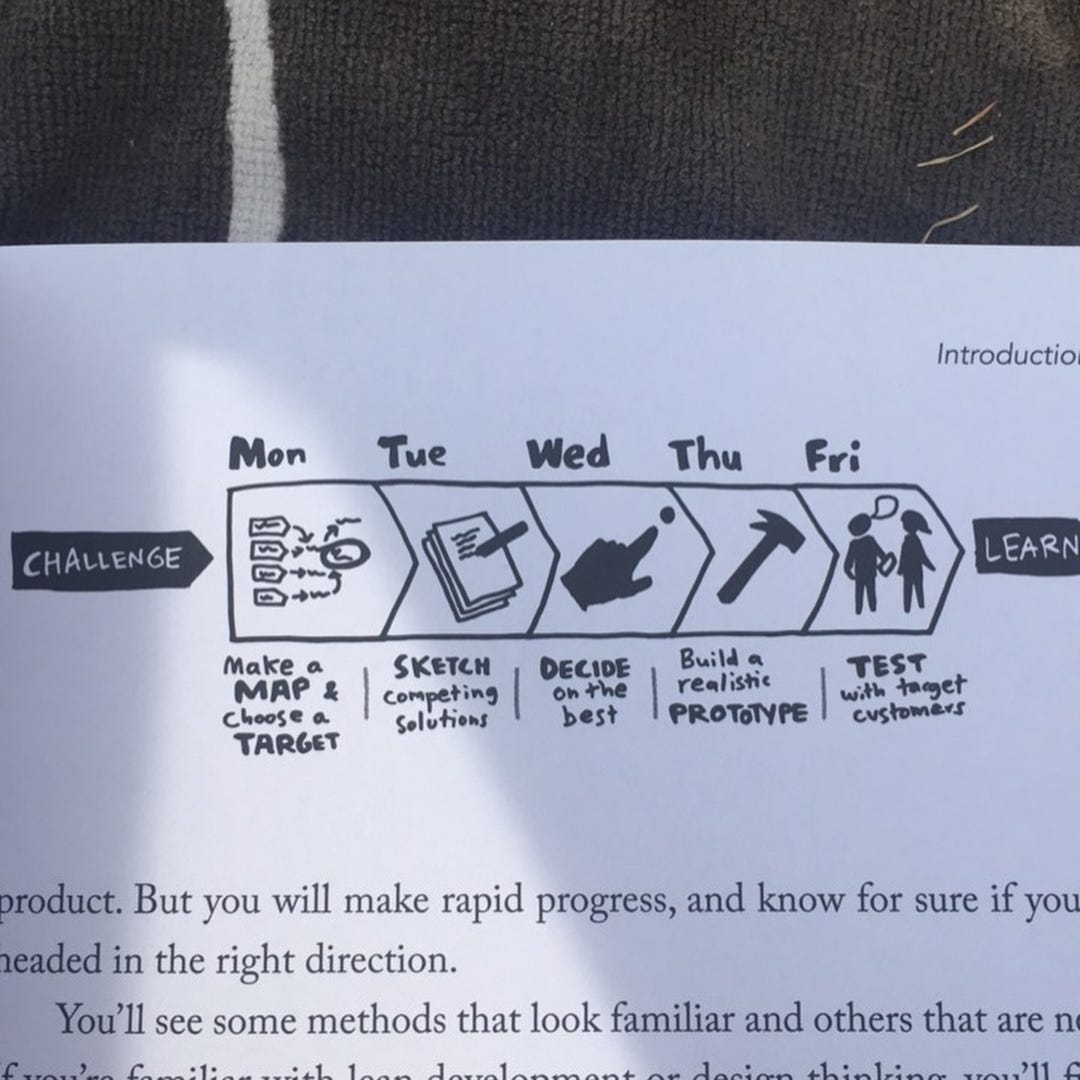
Something clicked. Designers tend to blow the start of a project, asking for ten weeks of discovery, rarely getting it, and burning client budget before a single decision gets made. The sprint gave me a container and a way to move fast with a degree of confidence.
After ten sprints, I was finding my feet. After fifty, I was in a flow state. After a hundred, I flew to Copenhagen to attend Jake’s bootcamp - not to learn how to run one, but to learn how to teach one. See it, replicate it, repeat.
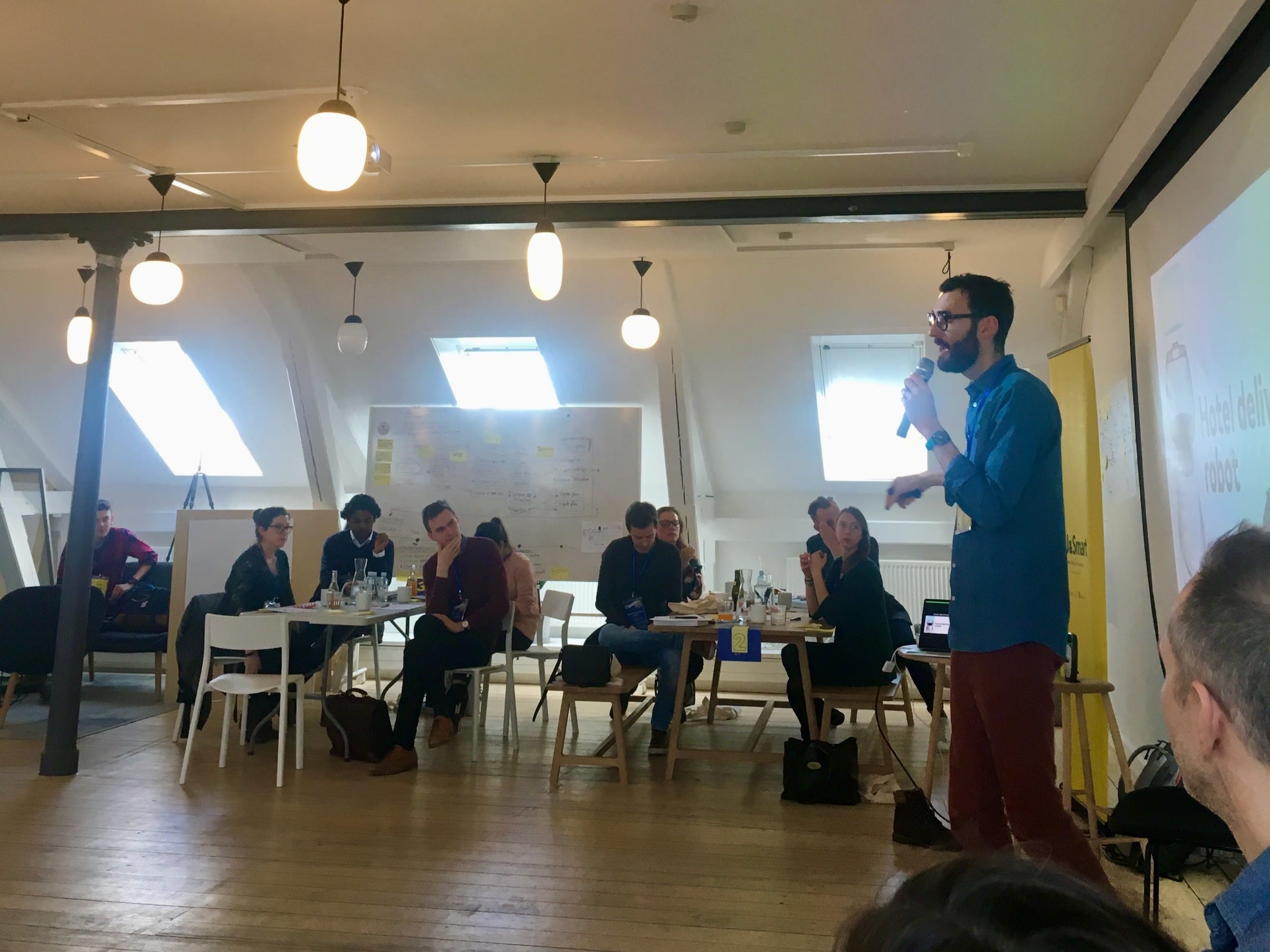
At my peak, Mariano Suarez-Battan, the co-founder of Mural, told me I was the eleventh best facilitator in the world. I let that go to my head a little.
I ran webinars, podcasts, tie-ups with Mural and Butter. When COVID hit and remote became the only option, I was already there. I led a workshop at the first online Google Sprint Conference. I had a global audience and a community I’d never felt before.
And then, slowly, I stopped believing the sprint was enough.
In the summer of 2022 I left to start my own product studio.
Two years in, things looked decent on paper. £200k in sales, a 43% profit margin in year two, projects finishing on time. We didn’t borrow a pound. We ploughed profits back in.
Then in August 2024, I stopped everything.
I could see the writing on the wall. AI was reshaping the economics of product work faster than I could adapt. Mature agencies were starting to suffer. Getting to the clients we actually wanted would take funding I didn’t have and talent I couldn’t yet afford. And then two clients left at the wrong time.
I went through a few rounds of depression. Drank a bit too much. Lost most of the confidence I’d spent years building. That’s the honest version, and I’m not going to dress it up.
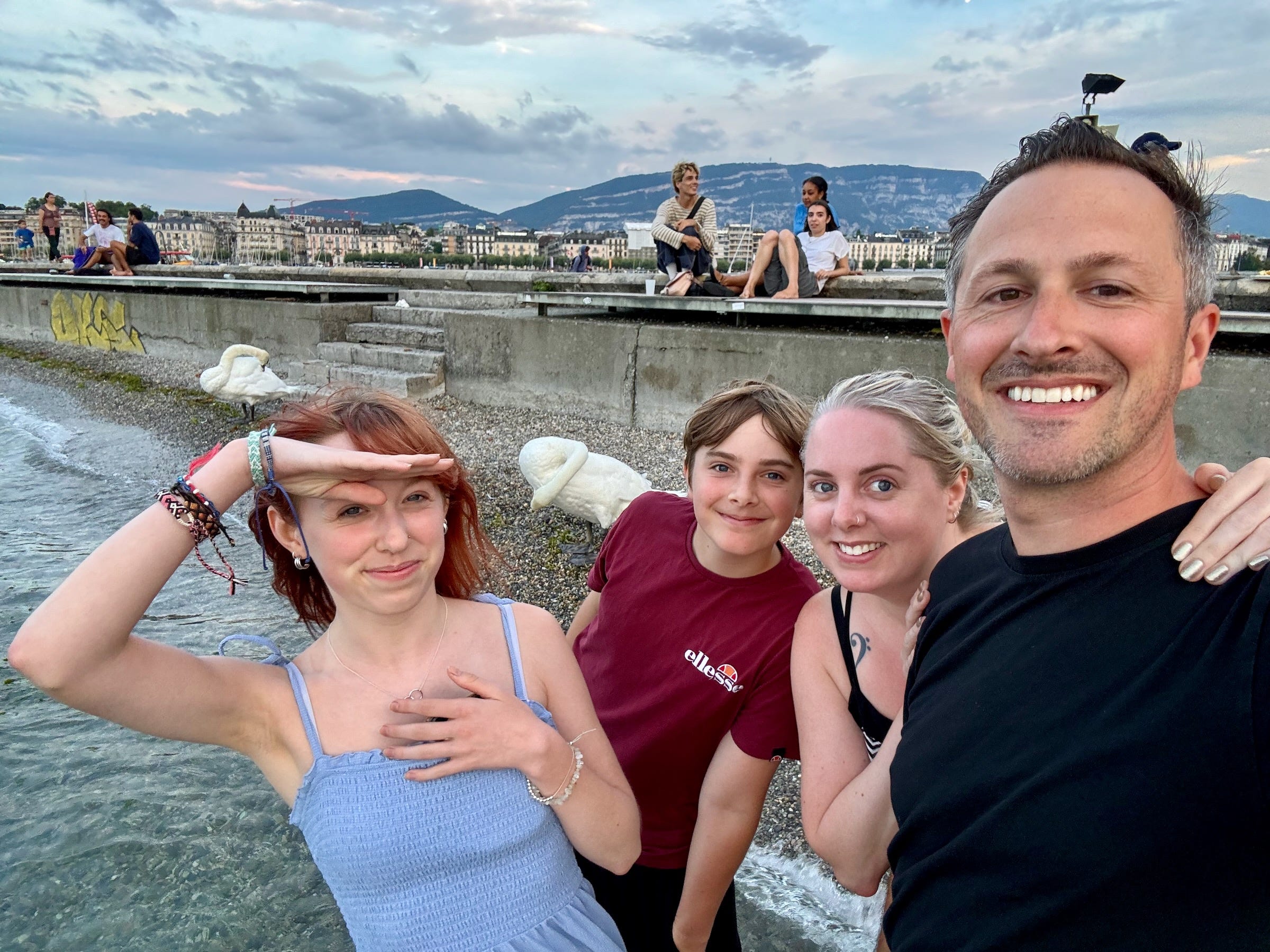
We took a family holiday to Provence. I spent most of it decompressing and sending job applications into the void. Most came back with a polite no.
When you’ve been a founder, you can’t easily go back. You’ve seen too much. The craft - design, strategy, facilitation - stops being the whole job and becomes one part of a larger system. You start thinking in terms of revenue, margin, positioning, leverage.
I now prefer to describe my work like this:
Delivered a new checkout experience, resulting in a 3x increase on the business case and an additional £1.1M in annualised revenue.
Not: We designed some screens.
That shift in how I talk about work is the shift in how I actually think about it. Strategy and execution aren’t separate disciplines. They’re the same thing, viewed at different distances.
The sprint taught me how to move fast inside a problem. What I’ve spent the last year learning is how to choose the right problem in the first place and how to hold a hypothesis long enough to know whether it’s worth building.
I’m not here to look back. I’m writing because something is genuinely changing in how products get built, and most of the frameworks people rely on were designed for a different era.
Building with AI shifts the risk earlier. Not into execution, but into thinking. Into whether you’ve framed the right problem before a single line of code gets written or a single screen gets designed. That’s where I’ve spent the last year, and it’s what I’ll be writing about here.
Each post will be practical and specific. I’ll share what I’m working on, what I’m testing, and where I’m wrong. I’ll bring in photos from the work - workshops, whiteboards, trips that shaped how I think - because this stuff happened in rooms with real people, not just in theory and forums.
If you build things for a living, whether inside a company or for yourself, I think you’ll find something useful here.
If you’re at the beginning of something, a career pivot, a product bet, an idea you can’t stop thinking about, I wrote this for you. The journey so far has taught me one thing above everything else: you have to keep going, keep searching, and be willing to unlearn faster than you learned in the first place.
The confidence comes back. It just looks different the second time.
Comments
Nothing yet. Say the first thing.
Sign in to join the conversation.