
roseandscroll.com | support@roseandscroll.com | (980) 428-9647
Facebook | Instagram | YouTube | Spotify | R&S Store




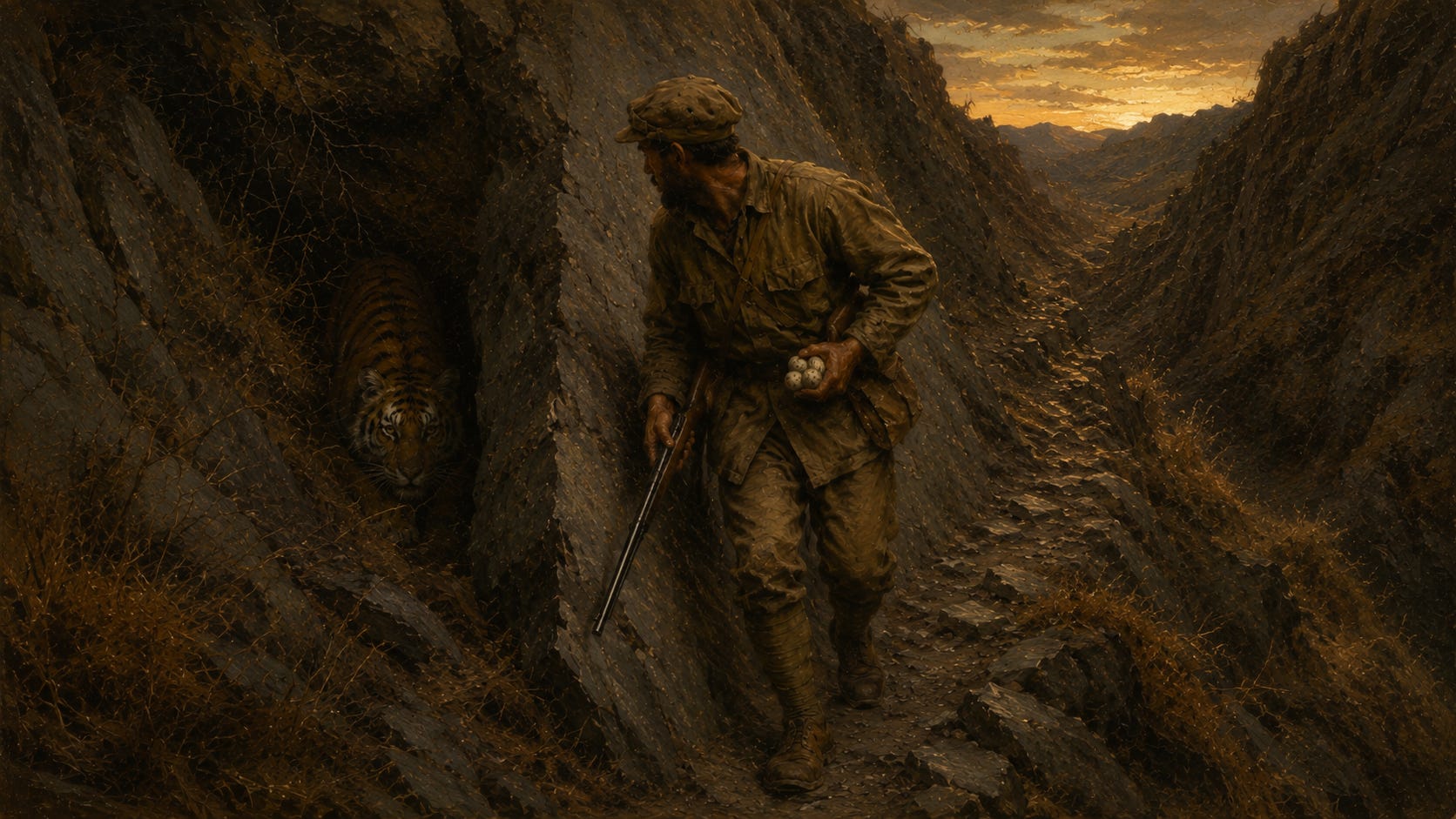
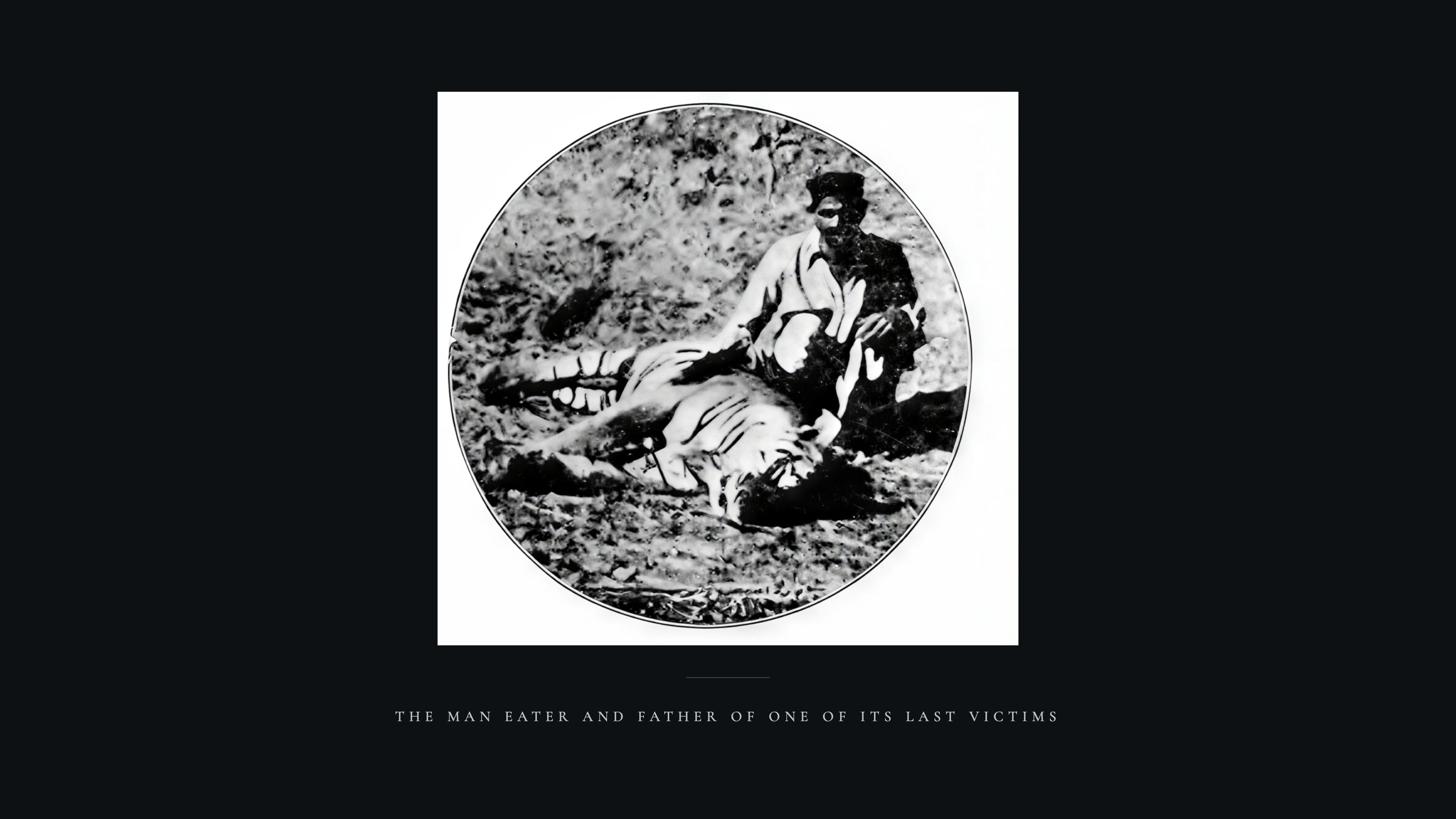
On an April evening in 1930, in the hills of northern India, a man eased down a narrow ravine — a clutch of nightjar eggs carried with care, a rifle at the ready. He stepped clear of a great slab of rock, looked back over his right shoulder — and straight into the face of a man-eating tigress.
The rifle lay across his chest, pointing away from her. To bring it to bear, the muzzle would have to travel three-quarters of a circle. One-handed. So slowly that the movement itself could not be seen.
The man was Jim Corbett — and those few seconds have been argued over for ninety years. At the centre of the argument stands one particular rifle, with a number in a London gunmaker’s ledger, and a silver plaque engraved with the wrong initials.
But this is not the story of that rifle. It is the story of all of them.
The Rose & Scroll Fine Gun Journal presents…

This feature was created in collaboration with Ian Douglas, author of Undiscovered Corbett, published by Merlin Unwin Books. The book is available in the United States through independent bookstores and major online booksellers, and directly from the publisher in the United Kingdom.
Douglas found Corbett the way generations of readers have — as a child, in the pages of the books, “at once fascinated,” as he writes, “by his tales of the Indian jungles.” That fascination set the course of a life: forty years in nature conservation across the United Kingdom, Europe, and Asia, among the birds and mammals of the forests and wetlands; fifty years of returning to India; and beneath it all, decades of research into the man himself. Corbett ended as a conservationist. His chronicler began as one.
The research produced a book of discoveries rather than retellings — Corbett’s own previously unpublished writing, private letters, and ninety photographs never before printed. At the heart of Douglas’s research are Rigby’s ledgers, the surviving W.J. Jeffery day books, and the private hunting journals of Nawab Sultan Hussain of Barh — written in Persian script and presented in translation from the Urdu.
A man’s battery, read closely, becomes a kind of biography. Corbett’s begins with a broken gun.

The first gun Corbett carried was already a wreck when it arrived, and he loved it anyway.
Edward James Corbett was eight years old, a boy at Naini Tal raised on Fenimore Cooper, who had already worked his way up the small arms of childhood — catapult, pellet bow, a homemade bow and arrow — when his cousin Stephen Dease presented him with an old muzzle-loading shotgun. It had begun life as a double. The right barrel had split in use, and the gun had been reduced to a single-shot, the damage bound up with copper wire. It was heavy and unwieldy and Jim was immensely proud of it. For two years he carried it through the forests around Naini Tal and Kaladhungi, learning the coordination of hand and eye, learning fieldcraft, learning the woods.
The first gun established a pattern: practical use mattered more than finish or price. The cabinet begins with copper wire.

The second gun was never his. The Naini Tal Volunteers kept a cadet company at Jim’s school, drilled and equipped with the .450 Martini-Henry carbine — a single-shot, but high velocity for its day — and probably in the winter of 1885–86, at the age of ten, Jim was offered the loan of one from the company armoury. The conditions of the loan are the interesting part: the rifle was to be properly cleaned, and the used cartridge cases returned.
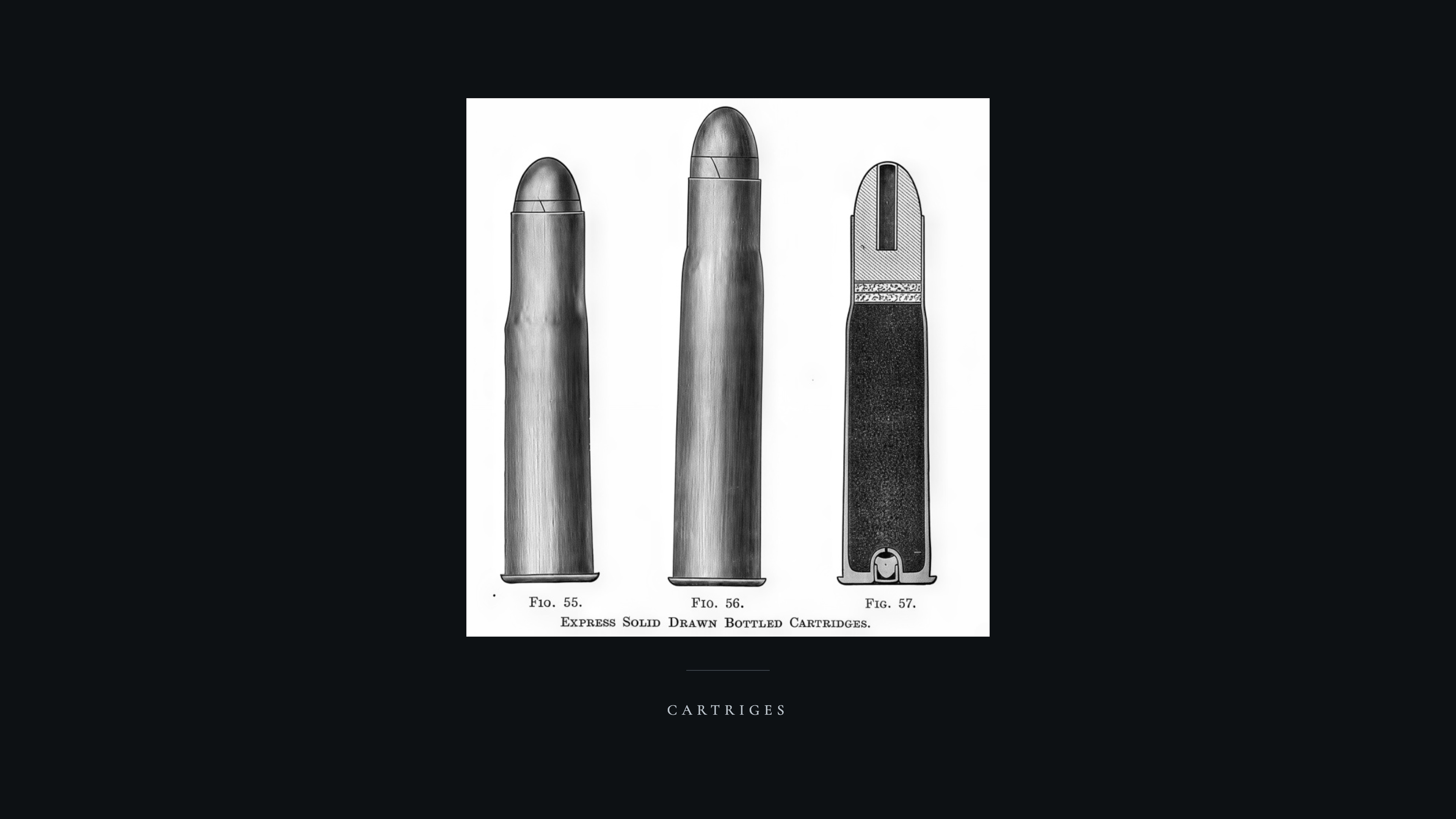
Return the empties. It was standard military practice, and it opens a door onto a world the modern shooter has largely forgotten: the economy of brass. A centre-fire case was designed to expand on firing until it sealed the breech perfectly, and it could be resized, re-primed, recharged and re-bulleted several times before it was spent. The armoury held the tooling, usually by Joyce & Co.; the knowledge passed from old soldiers to cadets. Every cartridge was an object with a working life, like the rifles themselves. The company sergeant major, generously, kept the boy in ammunition — and so equipped, Jim wandered where he chose in the jungles around Kaladhungi, and shot his first leopard at the age of ten and a half.
Hold the Martini in mind. A rifle of this pattern will reappear, decades on, on the road to the most consequential hunt of the whole story.

In the winter of 1892–93, seventeen and a half years old, Corbett left Kumaon for Bihar and a railway job. Douglas notes a detail of the period that deserves to be better known: hardware stores in small Indian towns sold guns alongside tools and building materials, stocked by departing British officers offloading their weapons at the end of their service. Quality secondhand arms could be had for a fraction of the price of new. Before leaving for the railway’s headquarters, Jim acquired a used British-made BSA .303; passing through Lucknow, he added a used BSA 12-bore. Two working guns for a working man, both previously owned, both immediately put to feeding the camp.
It was at Mokameh Ghat, where he would spend twenty-two years managing the trans-shipment of goods across the Ganges, that the cabinet acquired its social life. In November 1901 he met the Nawab Sultan Hussain of Barh — Trinity College, Cambridge; a double-breasted suit spotted across a railway platform — and the friendship that followed is one of the central discoveries in Douglas’s research. The Nawab kept a shooting journal, volumes of which survive, written in Persian script, and which Douglas presents in translation from the Urdu.
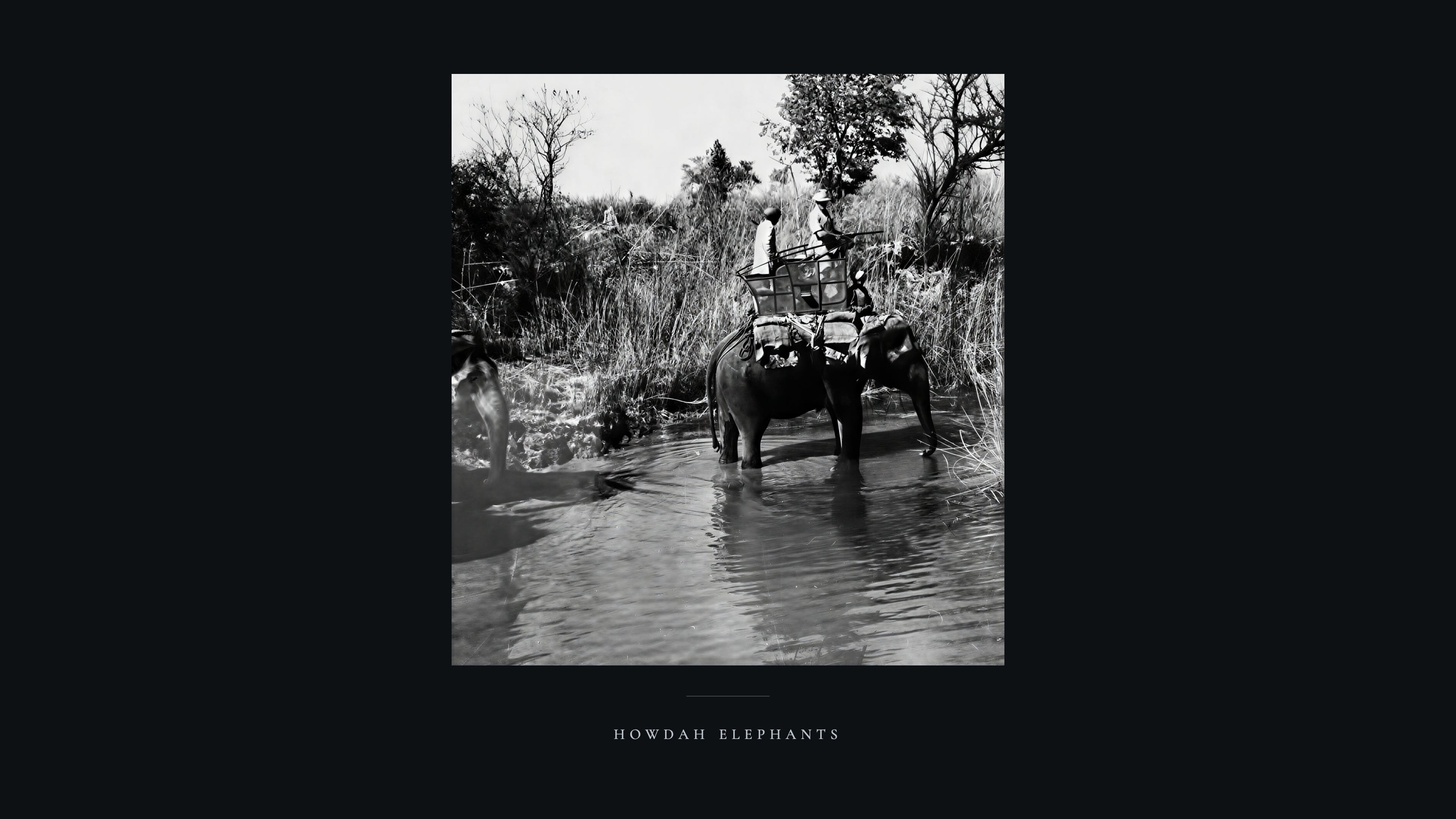
Through the journals we watch the young railwayman received into a princely sporting world. At the Christmas shoot of 1901, Jim shot his BSA hammer gun while Tom Kelly, the station master, borrowed Jim’s .303; the first evening’s bag ran past three hundred duck and geese to sixteen guns, and when the elephants beat the riverside grasses next day, a boatload of the wild boar was sent back, in the care of the station master, as a feast for the labourers who worked under Jim. On the second day Jim was stationed in the favoured place beside the Nawab and lent a Joseph Manton pigeon gun chambered for 2¾ inches.
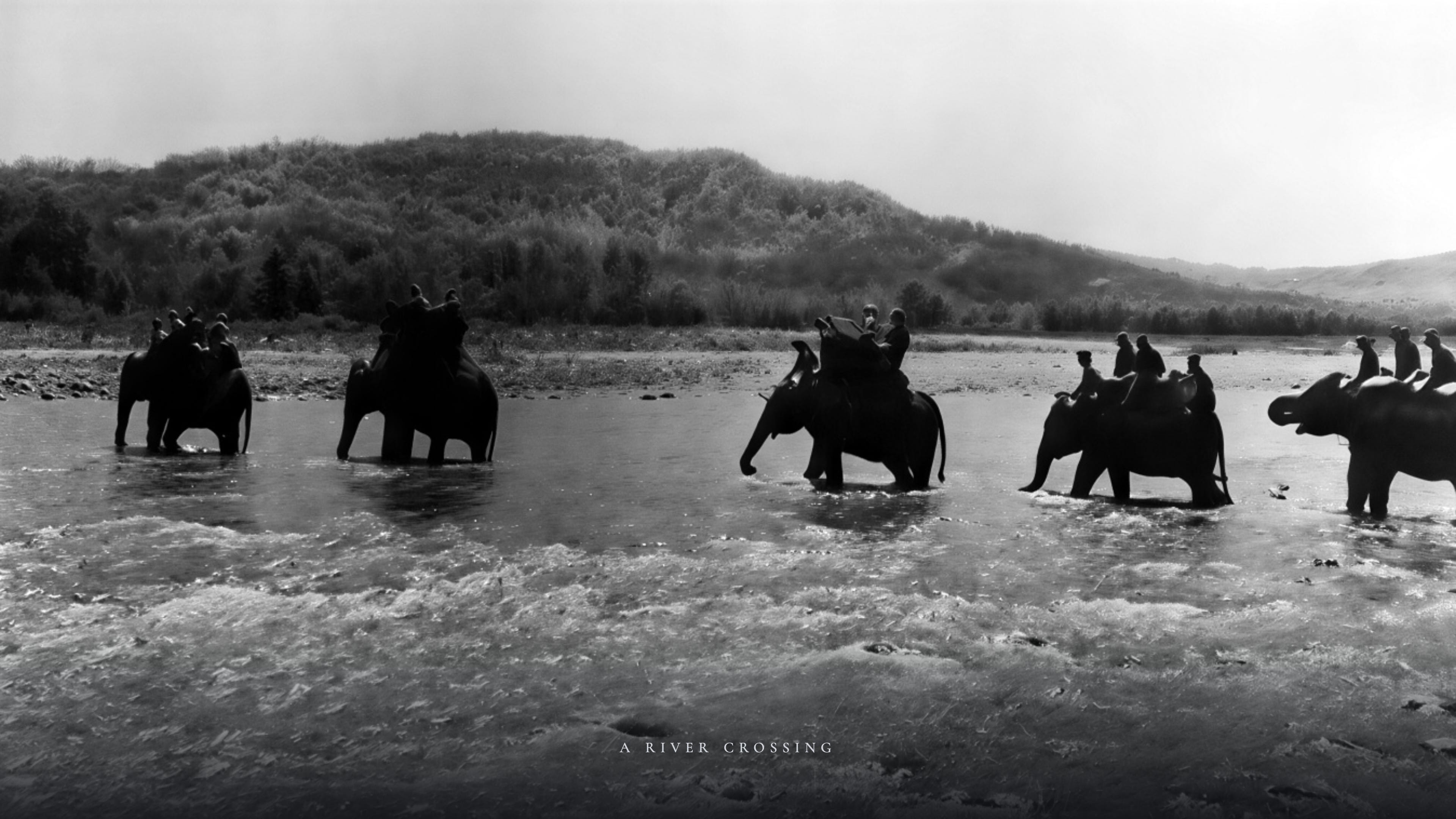
A journal entry from January 1902 records the Nawab sailing his barge downstream to collect Jim and Kelly, a line of six boats and a kitchen boat in tow, for a shoot that yielded 452 duck in an afternoon and a morning. In another entry, Jim asks leave to try the midnight flights of greylag geese raiding the winter wheat; the Nawab, doubtful that shooting geese on their feeding grounds at midnight was quite fair sport, granted permission anyway, wrote a slip for two hundred cartridges from his armourer, and lent the barge. The party came home after dawn with exactly four dozen geese.
The cabinet fills with working guns; the life fills with friends.

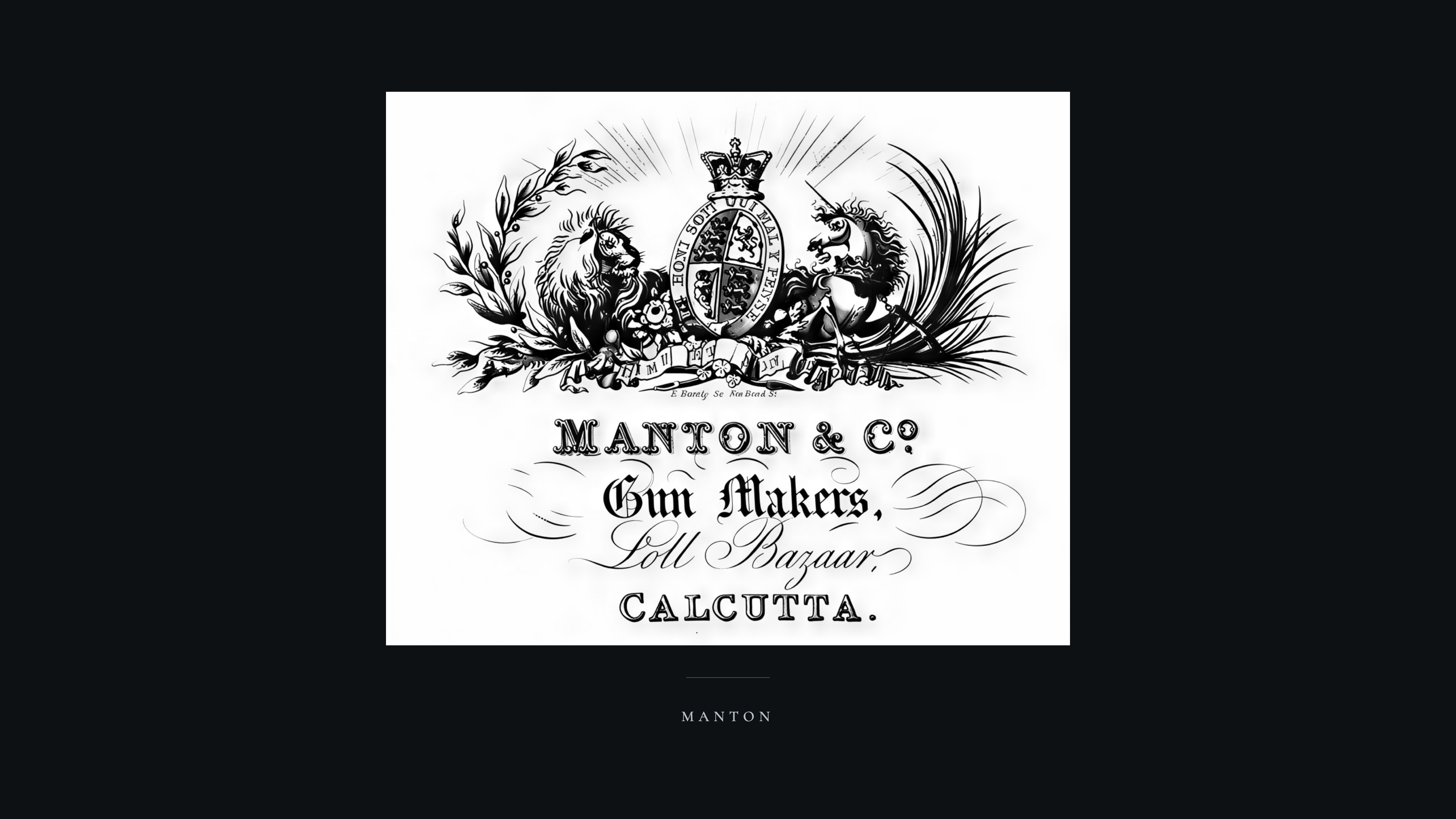
In the summer of 1906, the Nawab gave Corbett a rifle. The two men, both in Calcutta on business, spent their days at the showrooms of Manton & Co. There, with Jim’s full agreement, the Nawab ordered a new W.J. Jeffery .450/400 Nitro Express double rifle. He then passed on the rifle it replaced: his Jeffery .450/400 Black Powder Express, a hammer gun thought to date from about 1895 with a Jones underlever, the strong, deliberate, twin-lugged action developed in 1859, in which the lever must be worked by hand both to open and to relock. It was an excellent rifle by a well-respected maker — one which, bought new, would have been far beyond Jim’s means. The Nawab’s own note of the gift survives in his papers, recording his pleasure in arming “my young friend” against, among other things, rogue beasts and tigers past their prime.
And then the gun disappears. Douglas is candid about this: the gifted Jeffery is never specifically mentioned again. A generous gift from a close friend is unlikely to have been quickly passed on, and Corbett may well have kept separate batteries at Kumaon and Mokameh — but the record simply goes quiet.
What the record offers instead is a ghost. Soon after the gift, Corbett’s writing begins to mention a heavy double — a .500 Express firing modified Cordite — with no maker named, no origin given. Douglas suggests it may have been on loan, or bought used. This is the rifle Corbett describes taking to Champawat in 1907, against a tigress the authorities had spent years failing to kill — army officers from the Almora cantonment, Government-appointed shikaris, a paid reward that proved premature; and it surfaces again in The Temple Tiger, where Corbett describes cocking both hammers, and then struggling to reload because the underlever was held by two lugs on the trigger guard. That, as Douglas observes, is a precise description of the same action as the gifted Jeffery — though the calibres differ, and he is scrupulous in stopping short of declaring them one gun. Two descriptions of underlever rifles, then, one gifted and one unnamed, moving through the same years; a resemblance, and a mystery the ledgers cannot close.
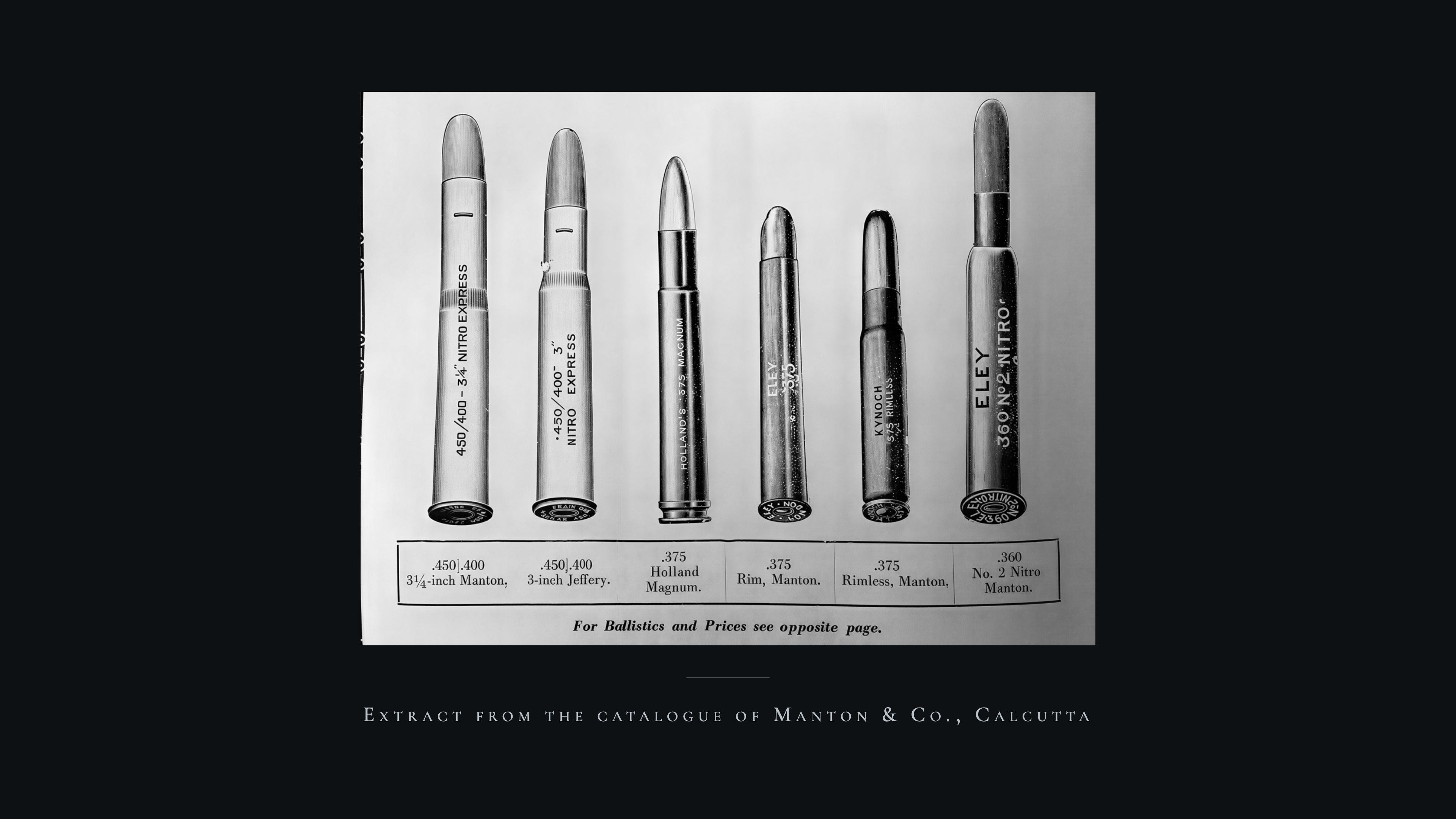
The terminology itself tells a story. Cordite became available in 1891, producing pressures beyond those for which older black powder rifles had been designed. A generation of sportsmen with perfectly sound Black Powder Express guns wanted the new power without the new bill. The trade’s answer was modified Cordite — the propellant reformulated with less nitro-glycerine, burning at a lower temperature and placing less strain on old chambers. A “modified Cordite rifle” was thus usually an old Black Powder Express gun granted a second life. The unnamed .500 appears to have been just such a survivor: yesterday’s technology, in experienced hands, against a tigress that had defeated every previous effort the district could mount. It worked. And then it, too, vanished.

The confusion is common and worth correcting plainly: the famous Rigby did not kill the Champawat tigress. The Champawat was won with the unnamed rifle — and, in the preliminary goral hunt Corbett describes, a single-shot Martini firing black powder, an echo of the borrowed carbine of his boyhood; elsewhere he writes of taking his first tiger with an old army rifle, almost certainly a .577/450, bought for fifty rupees from a seafaring man he suspected had stolen it. The tools of the first man-eater were old, cheap, borrowed or anonymous.
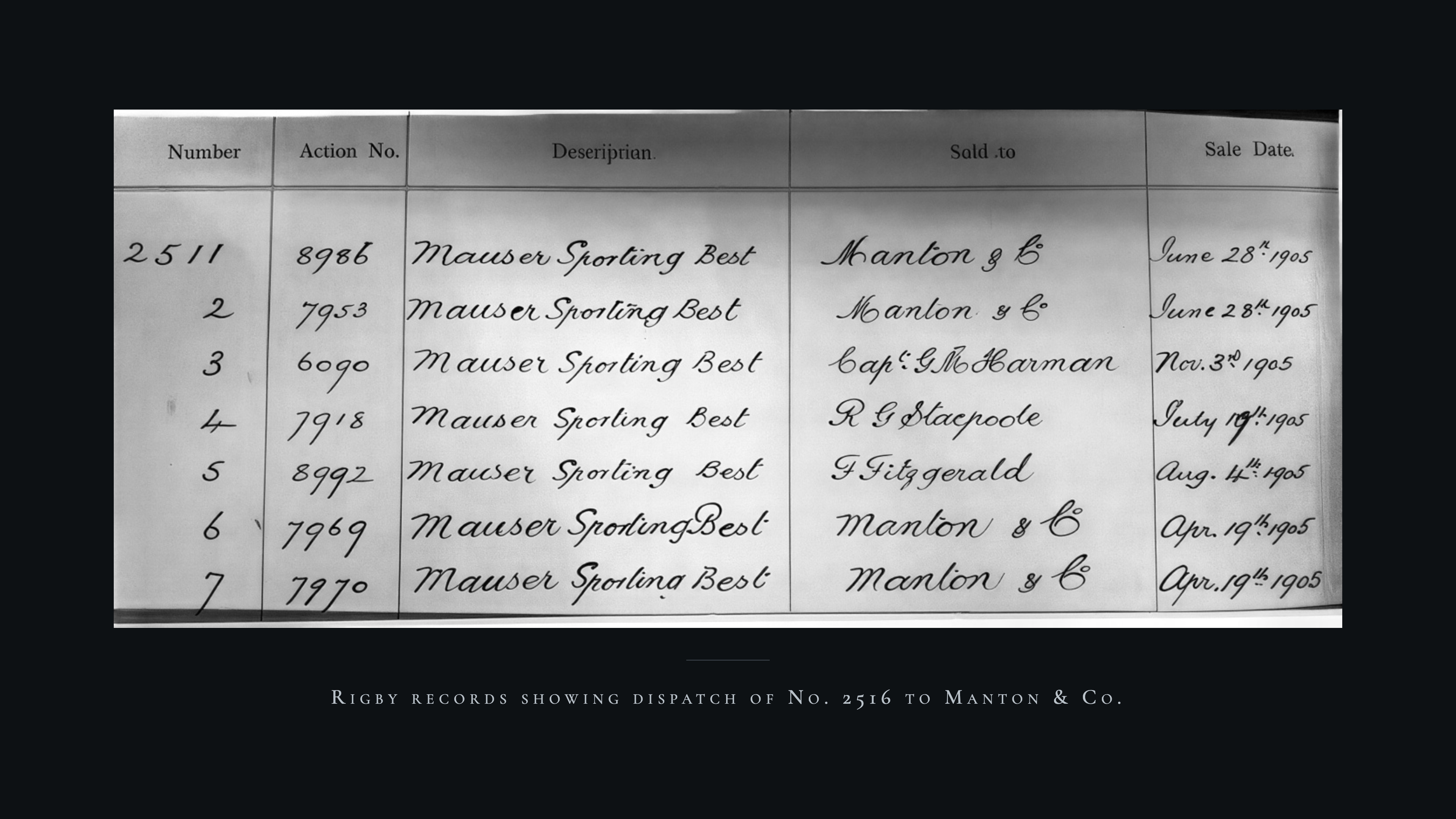
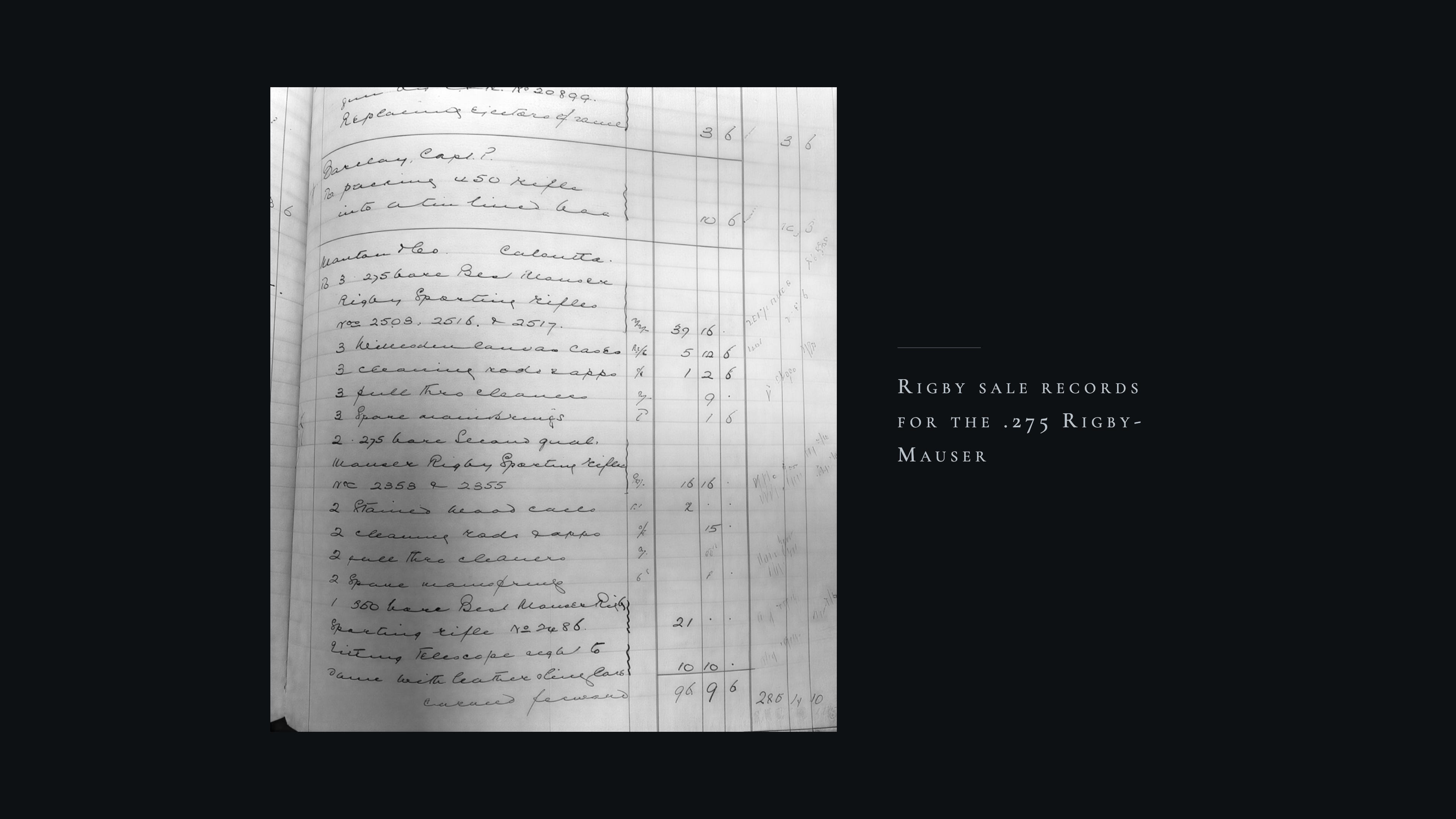
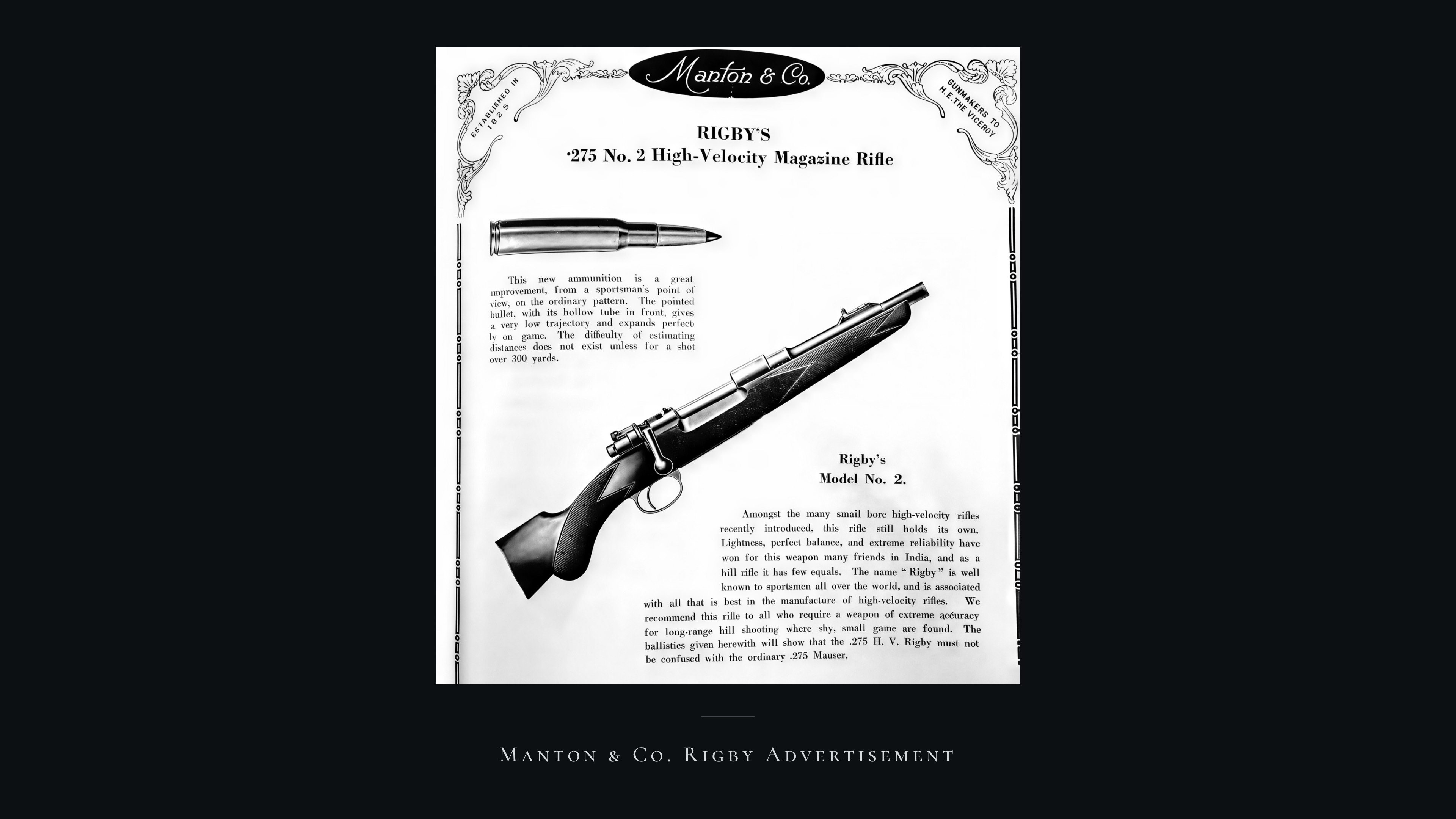
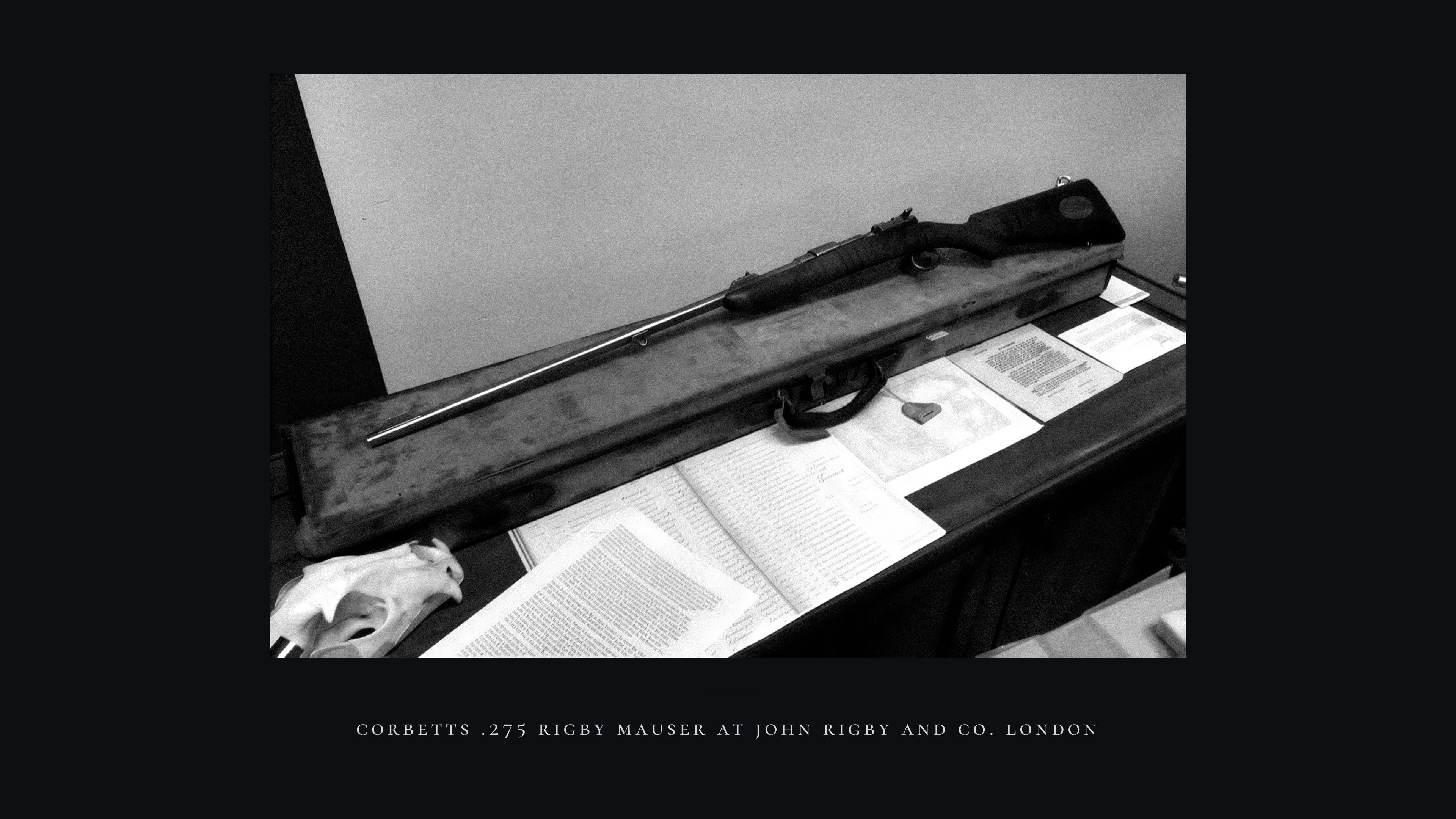
The Rigby was the reward. Sir John Hewett, Lieutenant-Governor of the United Provinces, had a rifle purchased from Manton & Co. of Calcutta and presented to Corbett — at a Durbar in Naini Tal, by Jim’s own account — in recognition of Champawat. Rigby’s ledgers, which Douglas reproduces, show an original order from Manton’s dated 19 April 1905, for three best Mauser sporting rifles, numbers 2508, 2516 and 2517, at £39 6s. Number 2516 became Corbett’s. A .275 on the Mauser 98 action, it carried five 7×57 rimless cartridges in the clip magazine and a silver plaque let into the stock — engraved, incorrectly, to “Mr. J. G. Corbett.” He was Edward James.
The campaigns of number 2516 need only be named, because Corbett himself narrated them for the world: Rudraprayag, Talla Des, Chowgarh. But Douglas’s book restores the physical cost that the published accounts omitted or softened, and two episodes belong to the rifle’s biography.
The first is Talla Des. In February 1929, at Bindukhera, a heavy rifle was discharged close beside Corbett’s head; the blast scorched the lining of his left ear and burst the eardrum. His response was to go hunting — he set out for the Talla Des man-eaters that April, by his own reasoning to distract himself from the pain, and conducted the entire campaign with his left eardrum destroyed and his hearing badly impaired, the injury worsening into an abscess as he hunted. The magazine readers of 1930, Douglas notes, were spared the full significance of what he achieved on that trip.
The second is the accident. In notes written after her brother’s death, Maggie Corbett recorded an evening at Kaladhungi — the date is lost; either side of the Great War — when Jim, following a tiger’s prints across a river in fading light, slipped on a wet rock. The rifle shot from his hand, the butt struck stone, and the piece discharged past his head. He recrossed the stream over a fallen tree and walked home hiding a hand that had been furrowed open, his shoulder peppered, what Maggie called Cordite up his arm. Douglas’s reconstruction is a model of quiet forensics. The rifle was the .275; he argues that it was most likely loaded with a 173-grain round-nosed bullet, probably jacketed in nickel. What struck Corbett was not shot but the splash of the bullet off rock — jacket fragments, lead and stone. Maggie, raised among black powder guns, reached for the vocabulary of her girlhood. Douglas finds the likely mechanism in the Rigby’s three-position safety: carried at the intermediate position, it could be thumbed off quickly and could also be jolted to fire by just such an impact. Pure bad luck, on loose wet stone, in failing light. In both episodes, a rifle injured the man — but only in the second was it the rifle he carried.

Which brings the story back to that hillside — to five o’clock on the evening of 11 April 1930, and the most analysed few seconds in the literature of shikar. Corbett is easing down a narrow nala, a clutch of nightjar eggs cupped in his left hand, the rifle placed in his right by Madho Singh, who has whispered that something has growled — and stepping clear of a giant slab of rock, he looks back over his right shoulder straight into the face of the Chowgarh tigress. The rifle lies diagonally across his chest. To bear on her, the muzzle must travel three-quarters of a circle, one-handed, so slowly as to be imperceptible. It does. That same evening he writes to Maggie: a bullet through the heart, no sitting up and no fuss — and, he is careful to add, the eggs unbroken.

Readers have debated for ninety years whether the feat was physically possible. Douglas gave it the most direct practical test available. At Rigby’s London premises, wearing white cotton gloves, Marc Newton — Rigby’s managing director — handed him number 2516. As archivist Diggory Hadoke read from the firm’s own copy of Jungle Stories — the privately printed 1935 first telling — Douglas reenacted the motion: rifle across the chest, imaginary eggs in the left hand, the muzzle swung slowly and without tremor through three-quarters of a circle until it came to bear. Entirely possible, he concluded; absolutely plausible. The adjoining gunsmiths, who had stopped work to watch, applauded when Hadoke closed the book.




The Rigby is the famous rifle. By Douglas’s documented tally, it is not the one that accounted for the most man-eaters.
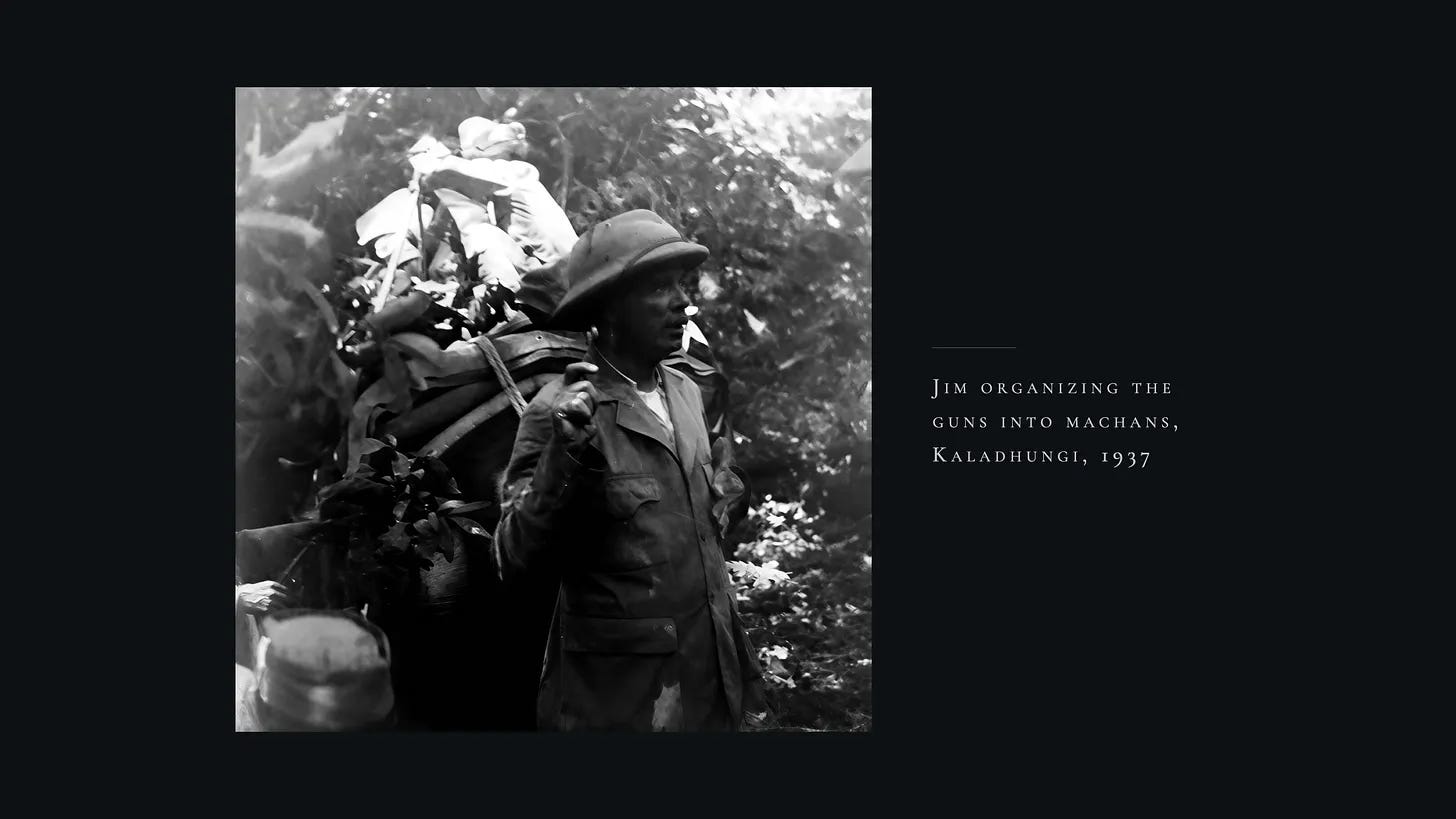
That distinction belongs to the other great rifle in Corbett’s battery: a W.J. Jeffery & Co. .450/400 3-inch Nitro Express, built around 1909 and probably bought in India in 1911 or 1912. Where and how Corbett acquired it is unrecorded — Douglas raises, as speculation only, the possibility that the Nawab’s old Black Powder Express rifle went in part-exchange — but its likeness to the rifle the Nawab had bought new at Manton’s in 1906, which Jim had years to handle and admire in the field, can hardly be coincidence. Douglas’s inference is that Corbett chose a pattern he had learned to trust in the Nawab’s hands.
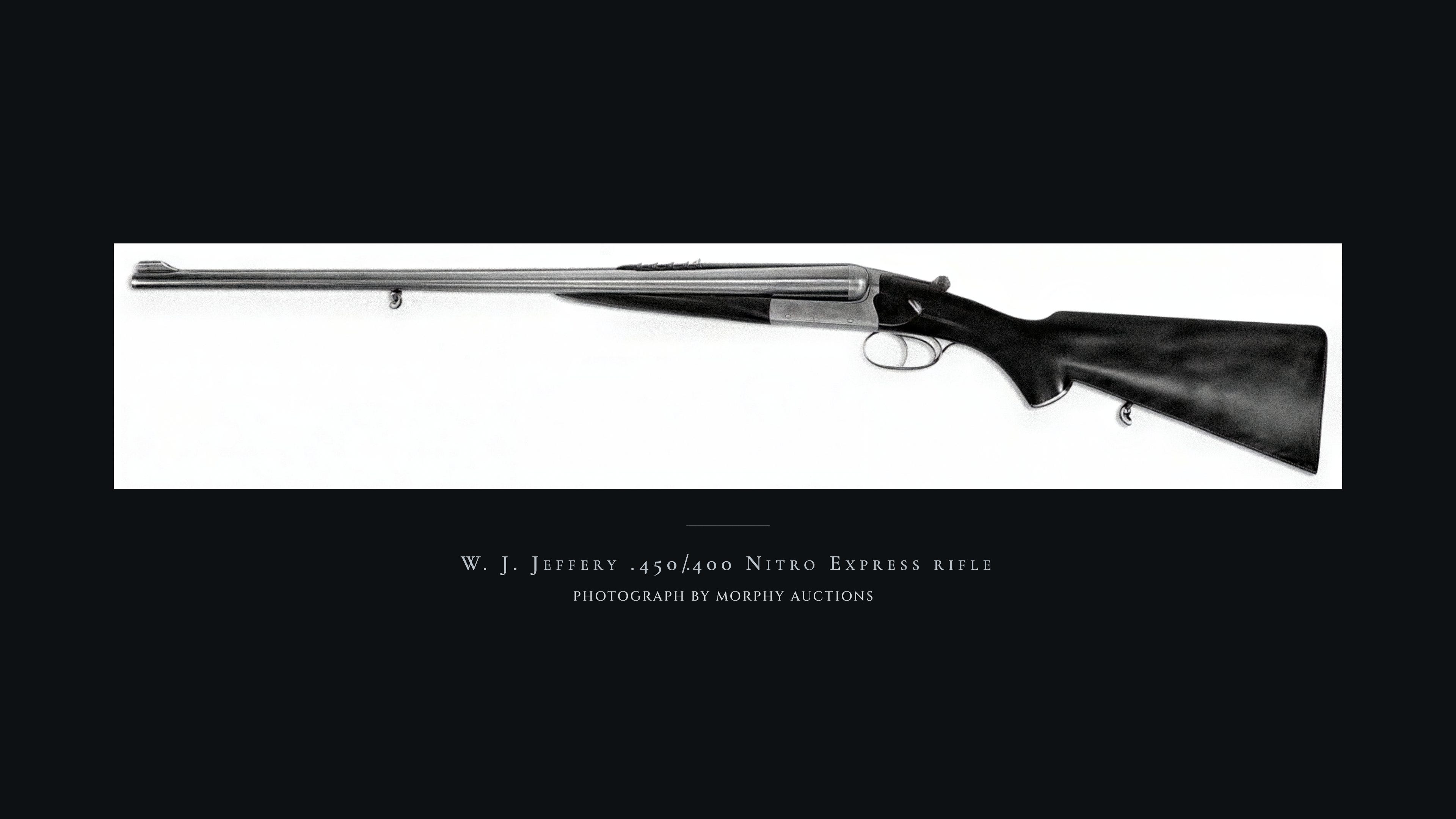
Its record is the working ledger of Corbett’s career: the grown cub of the Chowgarh tigress; the famed tiger known as the Bachelor of Powalgarh, shot in 1930 at what was probably the culmination of Corbett’s sporting life; the man-eaters of Mohan, Kanda, Chuka and Thak. Through the interwar years the .275 and the .450/400 travelled almost as a pair, the light magazine rifle and the heavy double, each covering the other’s weaknesses — the classic Indian battery, reduced to two guns and perfected.
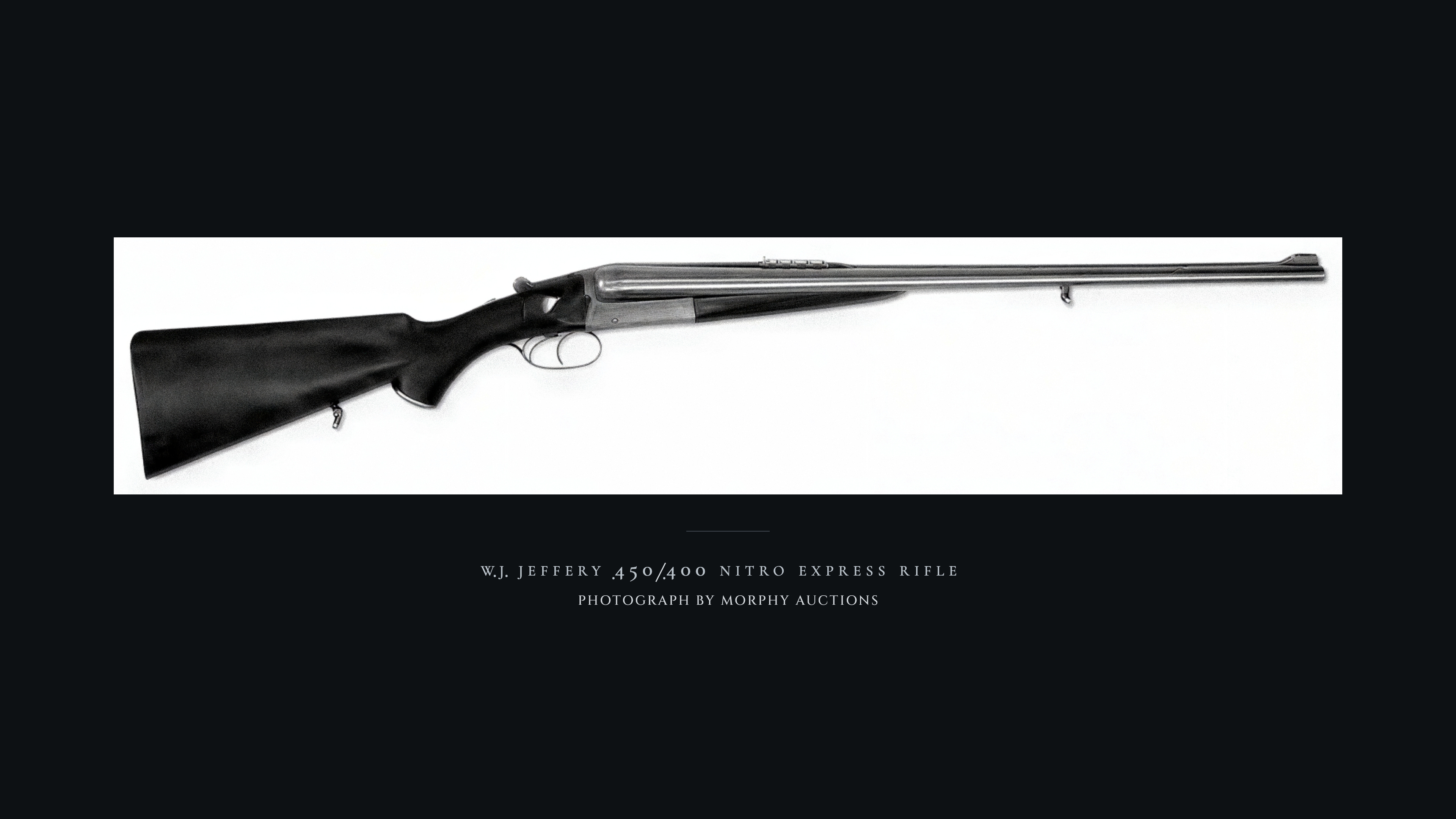
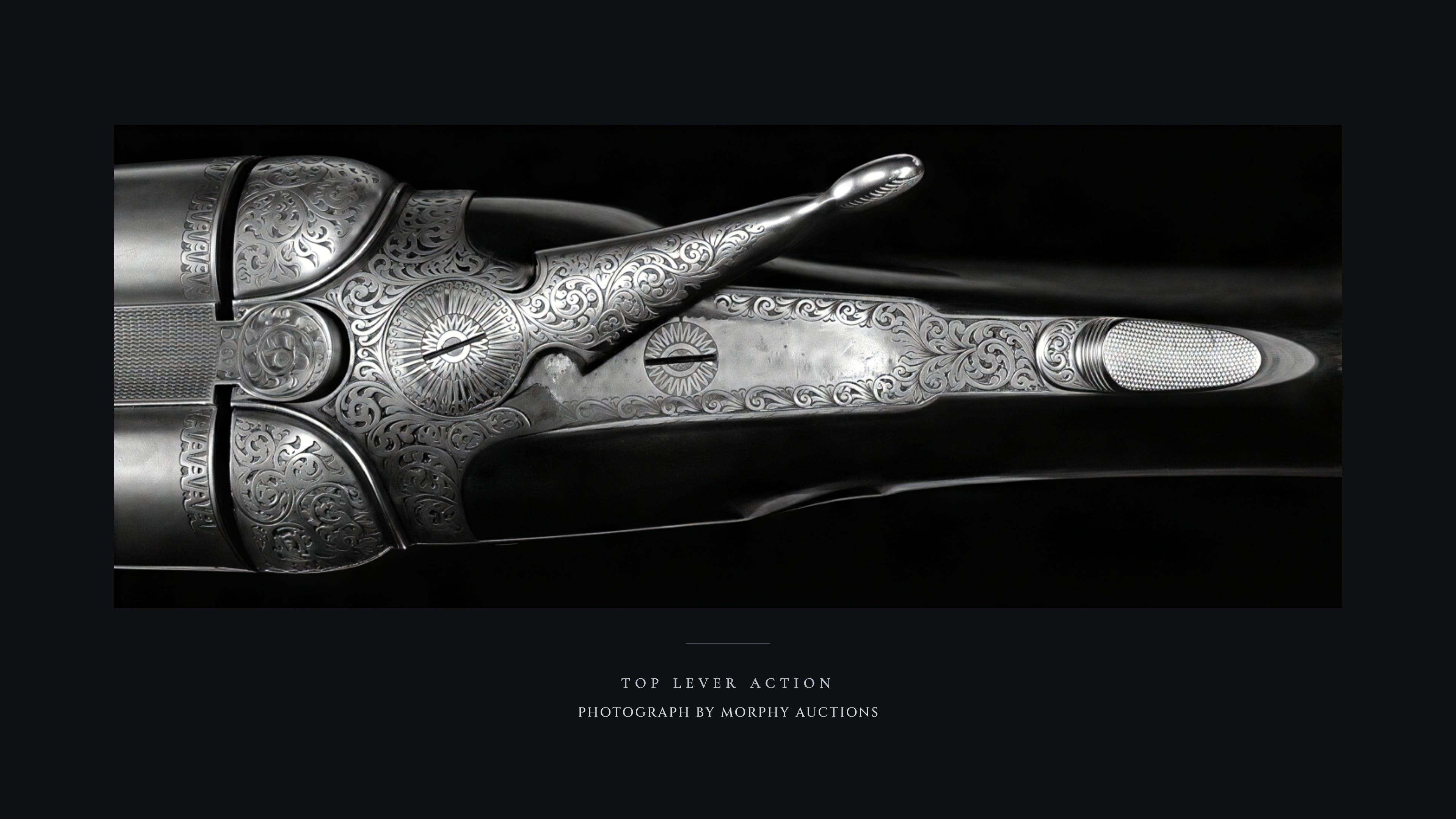
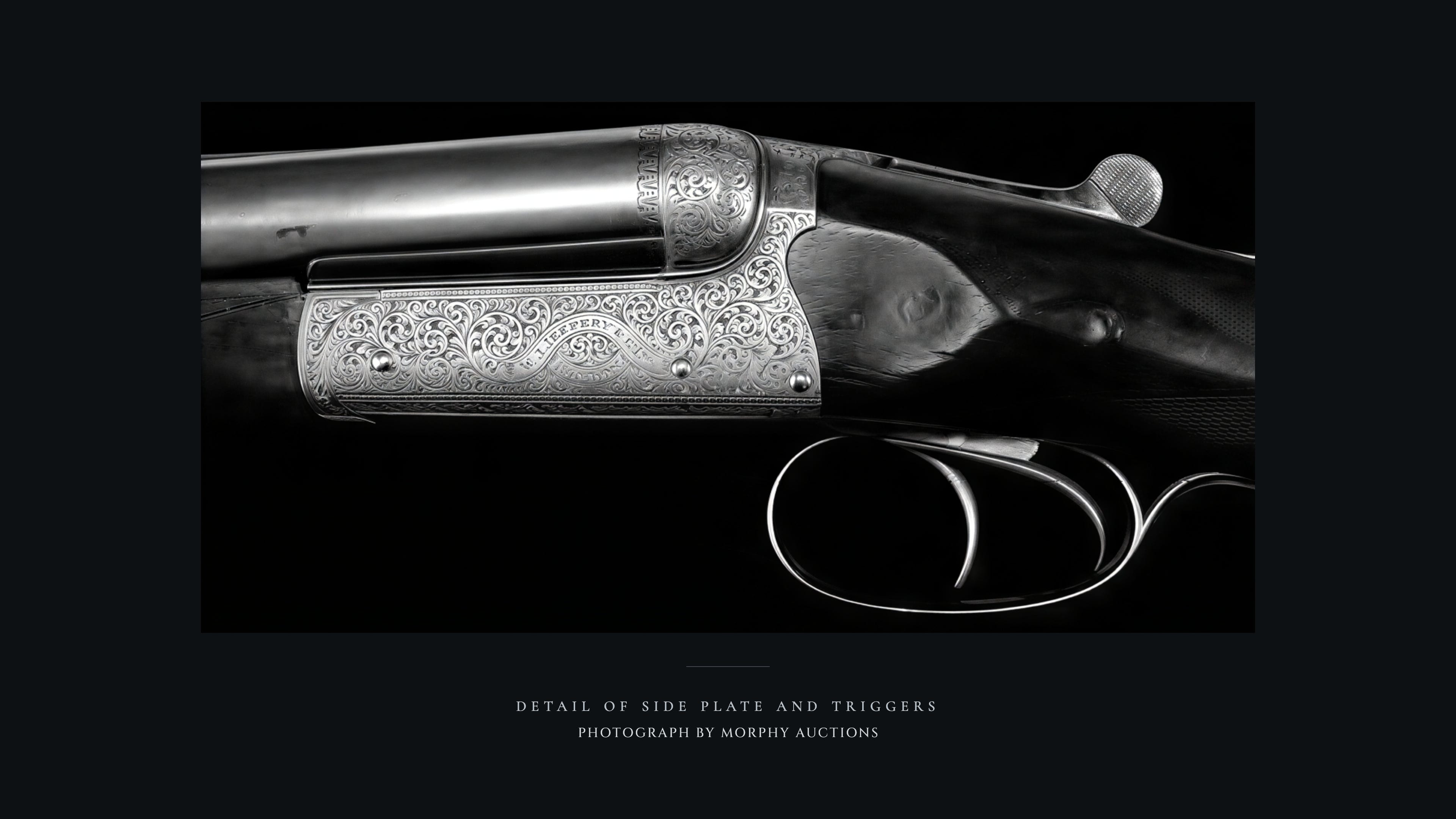
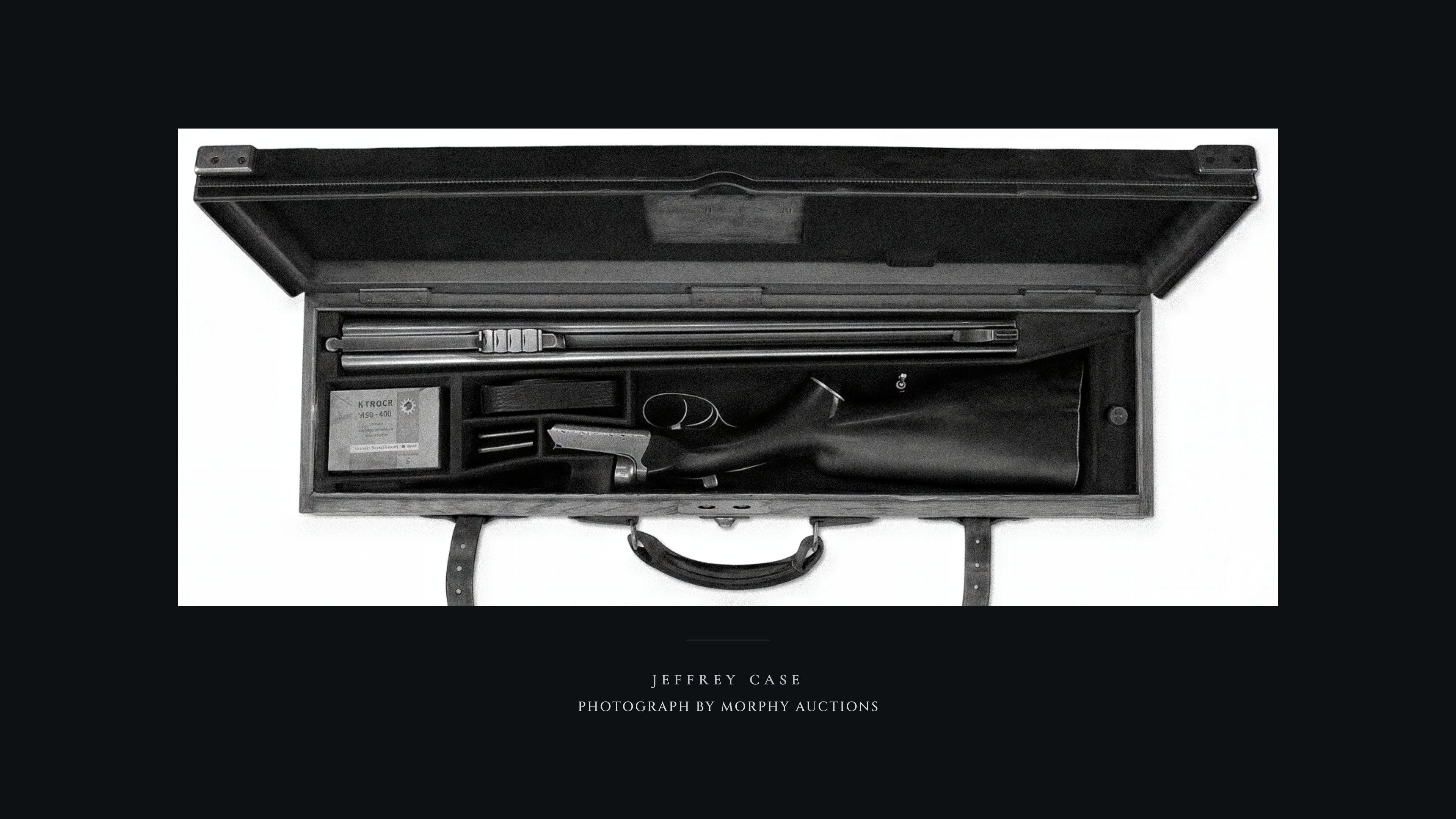
As an object, the Jeffery repays close looking. Douglas — working from the rifle itself, its case, and the firm’s surviving day books, now held in Houston, which confirm serial number 20176 — gives a detailed
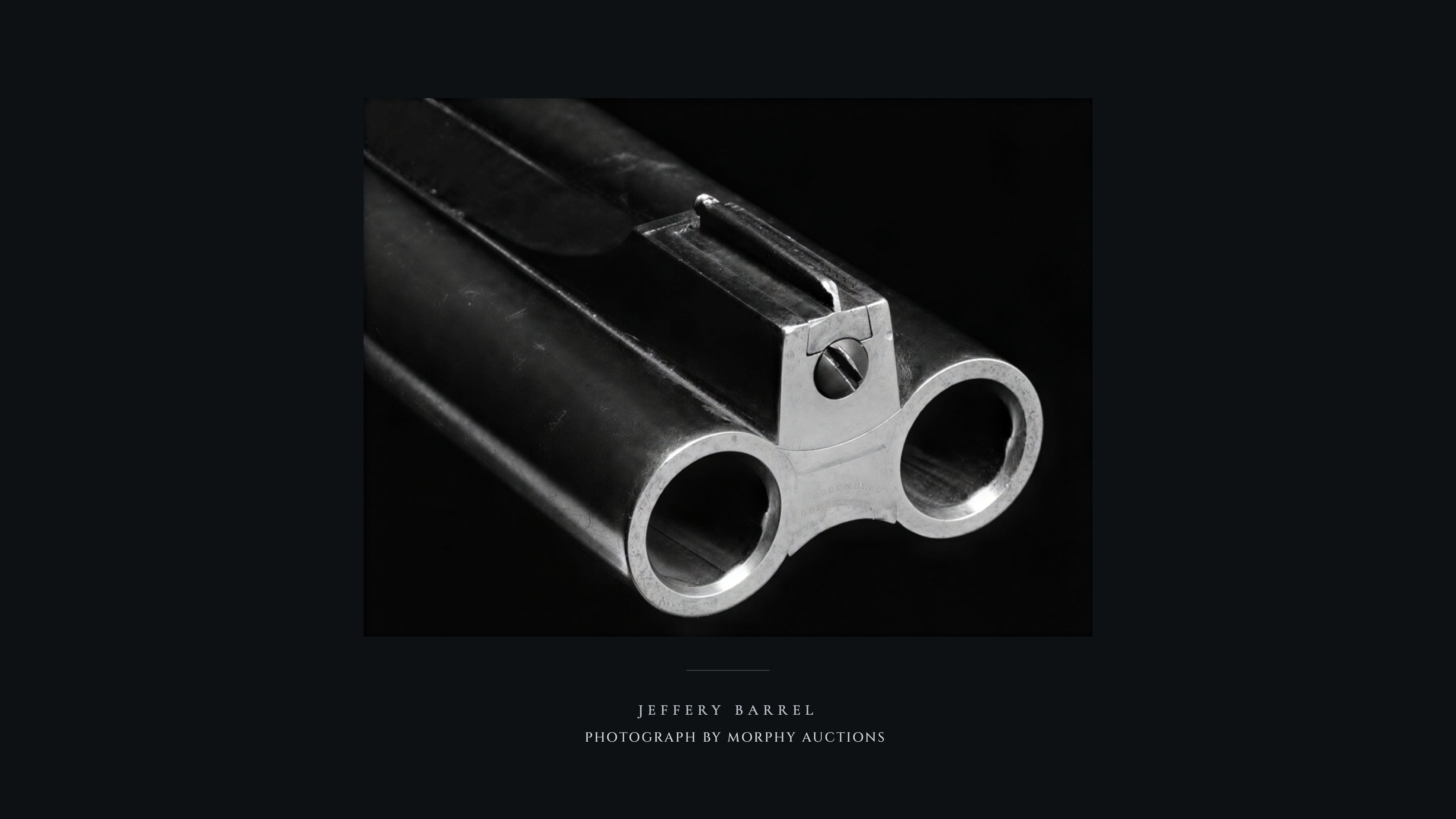
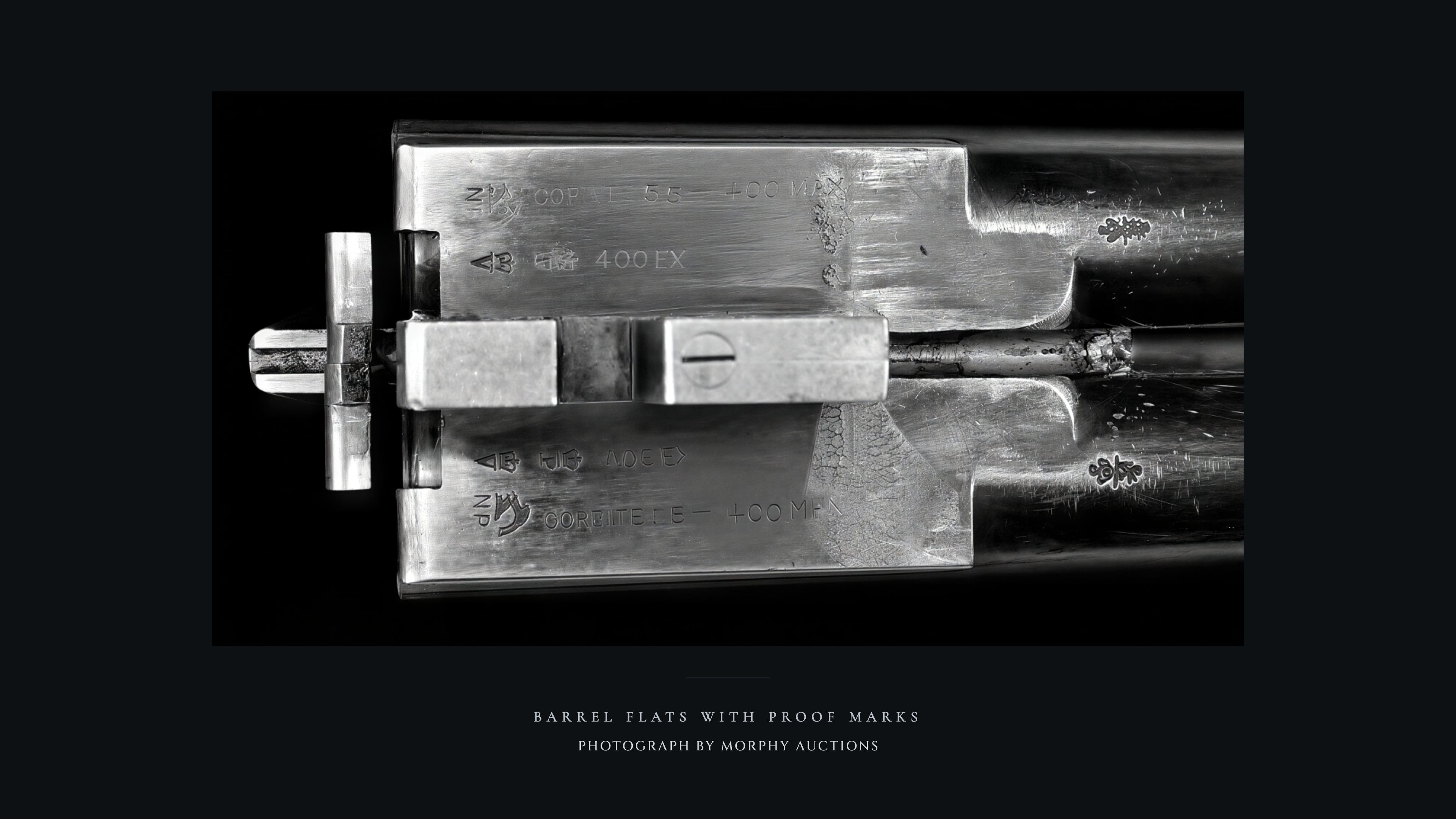
physical description. Its 24-inch barrels are stamped Krupp Gussstahl and proved for Cordite; a doll’s-head extension locks into the standing breech; a Purdey double under-bolt sits beneath a top lever, the snap action securing itself as the barrels close; it has double triggers and folding leaf sights graduated from 100 to 500 yards, each shallow V centred with a line of platinum. That range was optimistic: most of the rifle’s documented work was done inside a hundred yards. The safety is the non-automatic pattern, its gold-inlaid SAFE sliding forward with a click to fire.
The maker’s name does not tell the whole manufacturing story. Jeffery of King Street were better understood as retailers and finishers; much of the actual gunmaking was carried out by the Birmingham trade, dispersed among small workshops. The distinctive scalloped boxlock on Corbett’s rifle points to its probable builder: Daniel Leonard & Sons — by 1909 in the hands of Henry Leonard, at 35 Whittle Street — specialists in double rifles who sold the majority of their work through W.J. Jeffery. The name on the barrel was London; the probable maker was in Birmingham.
The rifle’s wear records its use. The blueing is largely gone. The chequering is worn smooth in places. Elmer Keith, who owned it later, judged that it showed “more use and less abuse than any old rifle I have ever seen,” the action still perfect — which indicates that Corbett carried it across decades of hill country and long nights in all weathers, and cared for it with exceptional thoroughness. The original case survives, its leather and canvas cover showing, as Douglas puts it, the signs of a full life.
The Jeffery’s last man-eater was the Thak tigress, in November 1938, and Corbett’s letter to his friend Ibbotson, written in the immediate aftermath and printed by Douglas, gives the rifle its retirement scene in its owner’s own hand. The second barrel, fired as the recoil of the first carried him off his ledge — fired, as he writes, while he was more or less in the air — threw the rifle against his cheek and left a swelling he measured against a cricket ball, and sent him heels over head onto the men below, who caught him; the rifle, he admits, would otherwise have gone. And then the sign-off: “this ends my thirty-two years service on the active list.” The letter retired both rifle and owner from man-eater work.

Every cabinet has its shallower drawers, and this one is no exception.
There is the Westley Richards .275 of 1909, bought off a glass showcase at Manton’s — a new model the makers were anxious to introduce for Indian hill shooting, sold to Corbett on the understanding he could return it. Douglas’s reading of its trigger is the key to one of Corbett’s most famous failures: the rifle may have carried a double-pull arrangement in which the rear trigger set the front to a two-pound release, and a man who forgot the drill and kept pulling the rear trigger would find the gun simply declining to fire — which is precisely how the Temple Tiger walked away from him. The rifle is never mentioned again; returned to Manton’s, or otherwise disposed of, nobody knows.
There is the 28-bore — origin unknown, most likely a Birmingham double — which Corbett brought along on the Rudraprayag campaign on the chance of a chukar shoot with Ibbotson, and which found itself lashed into the famous gun-trap set across the leopard’s track, his .275 alongside it. Lord Hailey thought there was something uncanny in Corbett’s performance with so light a gun. It may also have been the shotgun Corbett offered Mr Verma before leaving India in 1947; Douglas suggests the choice was between the 12-bore and the 28-bore.
And there are the Webleys. The .455 service revolver Corbett almost certainly carried during his First World War service, and the little .32 Webley & Scott that appears on his firearms licence of 1947 — his last year in India.

What became of them all is a study in the two fates available to a famous gun.
The Jeffery was auctioned directly from Corbett’s estate on the instruction of his executors, and has passed since through a succession of North American collectors, changing hands most recently in 2015. The Nawab’s own Jeffery, the near-twin bought at Manton’s in 1906, remained in his family in India until 1995. And the Rigby — the rifle Corbett called his “faithful old friend” — went the other way: retired from Africa to his publishers at Oxford University Press, it sat with them until 2015, when John Rigby & Co. brought it home to London — and, in 2016, carried it back to India.
One rifle is publicly displayed; the other remains in private hands. The first is the presentation piece. The second is the rifle that, by Douglas’s documented tally, accounted for more of the man-eaters.

The journey had been negotiated through two governments. At Rudraprayag, several hundred people gathered to see the rifle arrive, because the leopard it killed there in 1926 had taken 125 human lives, and the district has not forgotten. But the moment that matters happened in a quiet room at Kaladhungi, where the glass-panelled rack still stood empty in the corner.
Marc Newton noticed it, crossed the floor, and set the butt of number 2516 into its original slot. It fitted perfectly. Nothing had to be forced or explained. After more than sixty years, the fit remained exact.
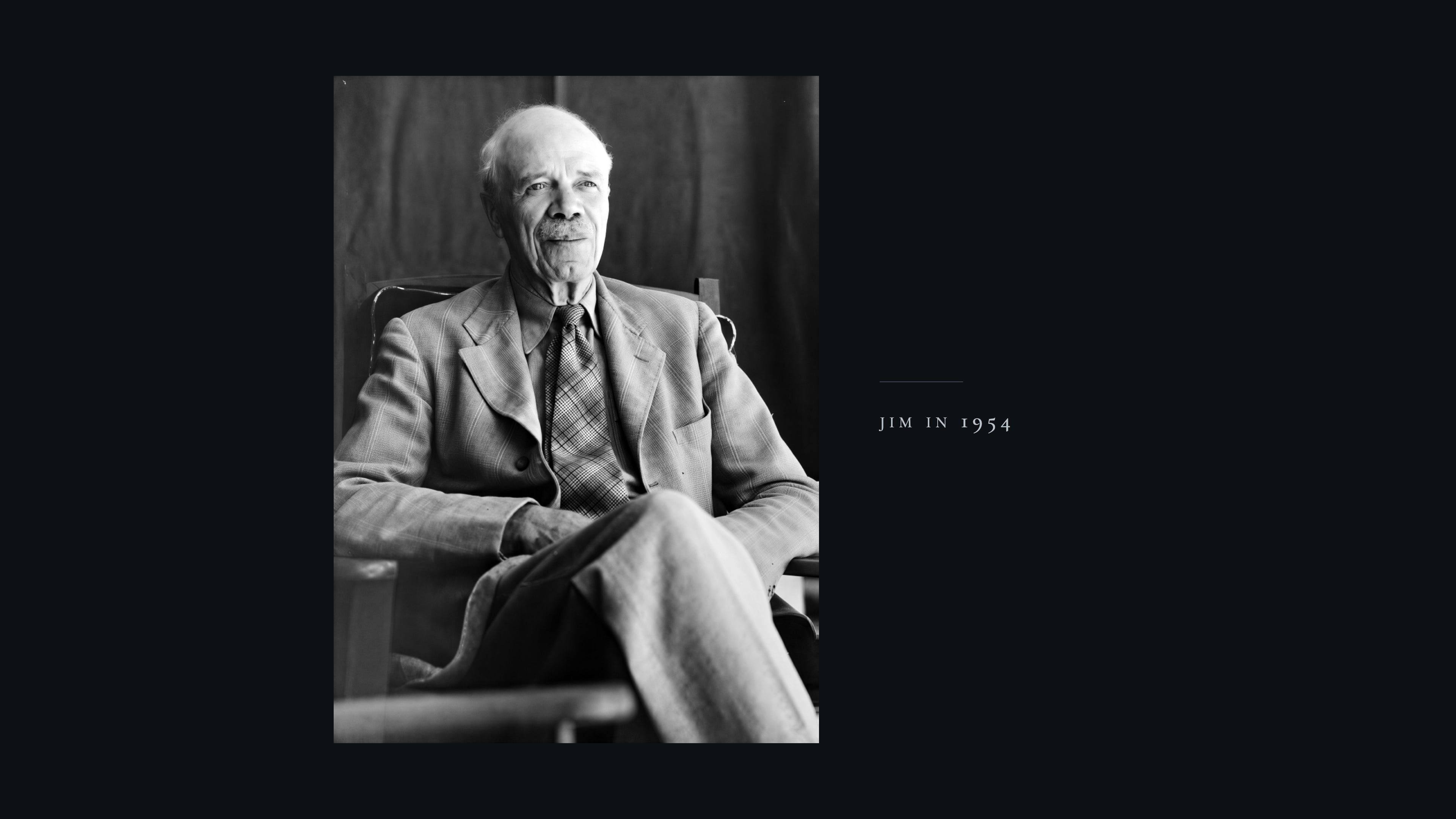
Jim Corbett has been present in every chapter of this story, though we have approached him almost entirely through his guns — the broken muzzle-loader bound in wire, the borrowed Martini and its returned empties, the secondhand BSA guns, the Nawab’s gift, the nameless .500, the reward rifle with the wrong initials on its plaque, the worn Jeffery with its cricket-ball recoil and its ten-word retirement. That is what a cabinet can hold beyond walnut and steel. A man’s battery, read closely, becomes a kind of biography; and this one, thanks to Ian Douglas’s patient work in the ledgers and journals, can now be read in considerable detail.

A Life in Steel was created in collaboration with Ian Douglas. Undiscovered Corbett is available now from Merlin Unwin Books. Readers in the United States can order it through independent bookstores and major online booksellers. UK readers can purchase it directly from Merlin Unwin Books, whose website also directs international customers to the appropriate distributor.
If you have a book, fine gun, collection, or business you would like to share with readers of Rose & Scroll, we welcome advertising and collaborative inquiries. Write to advertising@roseandscroll.com.
Comments
Nothing yet. Say the first thing.
Sign in to join the conversation.