
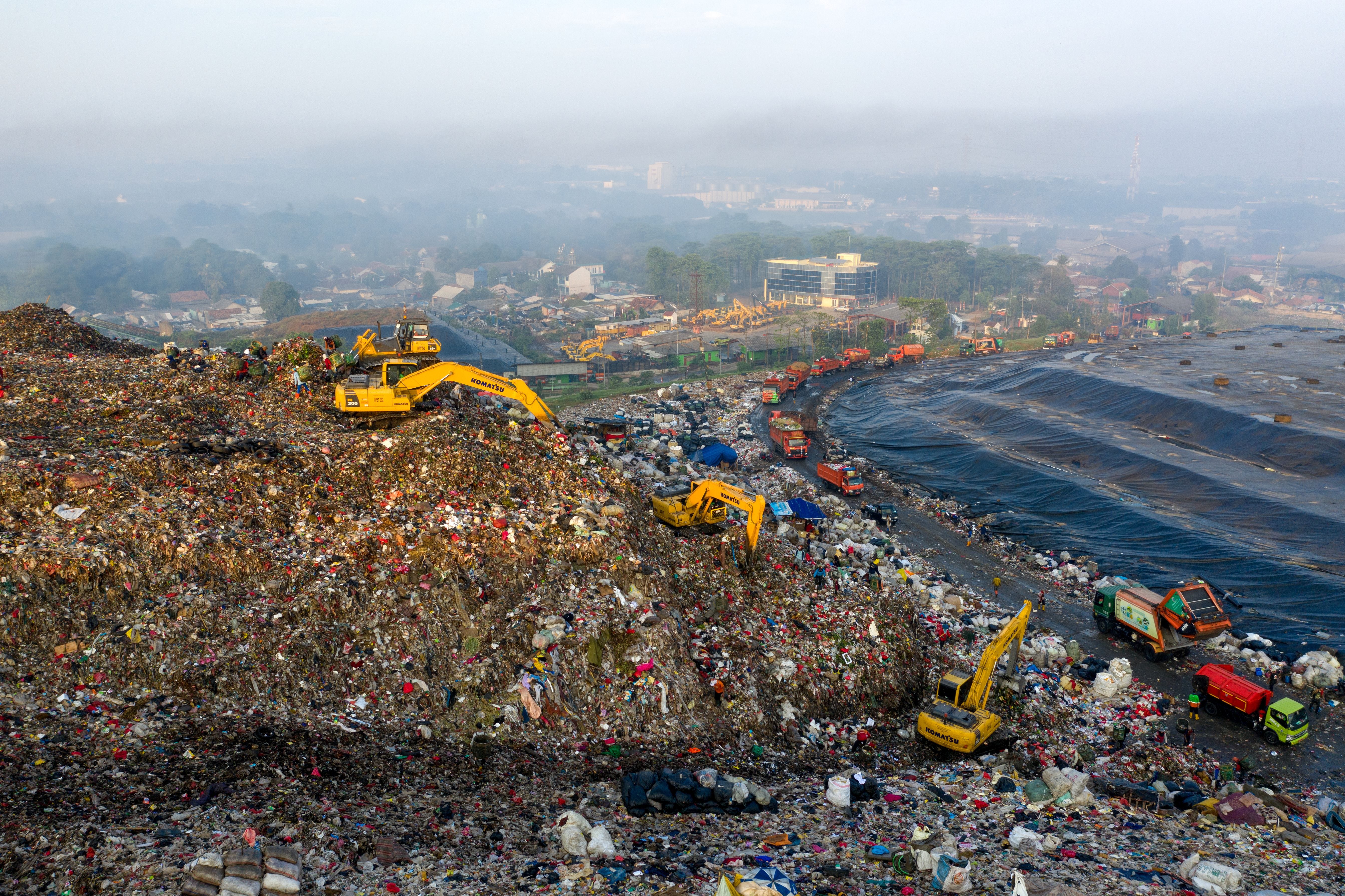
Though it might be nice to imagine there once was a time when man lived in harmony with nature, it’s not clear that he ever really did.
— Elizabeth Kolbert, The Sixth Extinction: An Unnatural History
And we really should be considering the moral implications of what we’re doing. What kind of a species are we that we treat the rest of life so cheaply? There are those who think that’s the destiny of Earth: We arrived, we’re humanizing the Earth, and it will be the destiny of Earth for us to wipe humans out and most of the rest of biodiversity. But I think the great majority of thoughtful people consider that a morally wrong position to take, and a very dangerous one.
— Edward Osborne Wilson
The Earth is a very small stage in a vast cosmic arena. Think of the rivers of blood spilled by all those generals and emperors so that in glory and in triumph they could become the momentary masters of a fraction of a dot. Think of the endless cruelties visited by the inhabitants of one corner of the dot on scarcely distinguishable inhabitants of some other corner of the dot. How frequent their misunderstandings, how eager they are to kill one another, how fervent their hatreds. Our posturings, our imagined self-importance, the delusion that we have some privileged position in the universe, are challenged by this point of pale light.
— Carl Sagan, Speech at Cornell University, 1994
The blue dot
Our home, the Earth, is a pale blue dot—a fragile oasis suspended in the cosmic void, orbiting an average-sized star nestled within an enormous sea of four hundred billion or more stars that comprise the Milky Way galaxy.[1] Remarkably, there could be as many as six billion stars with Earth-like planets in our galaxy alone, and yet our galaxy is merely a speck in a vast universe containing a possible two trillion other galaxies.[2] With so many likely habitable planets scattered across the cosmos, it would seem conceivable that humans could eventually venture to and even colonize some of those distant worlds.
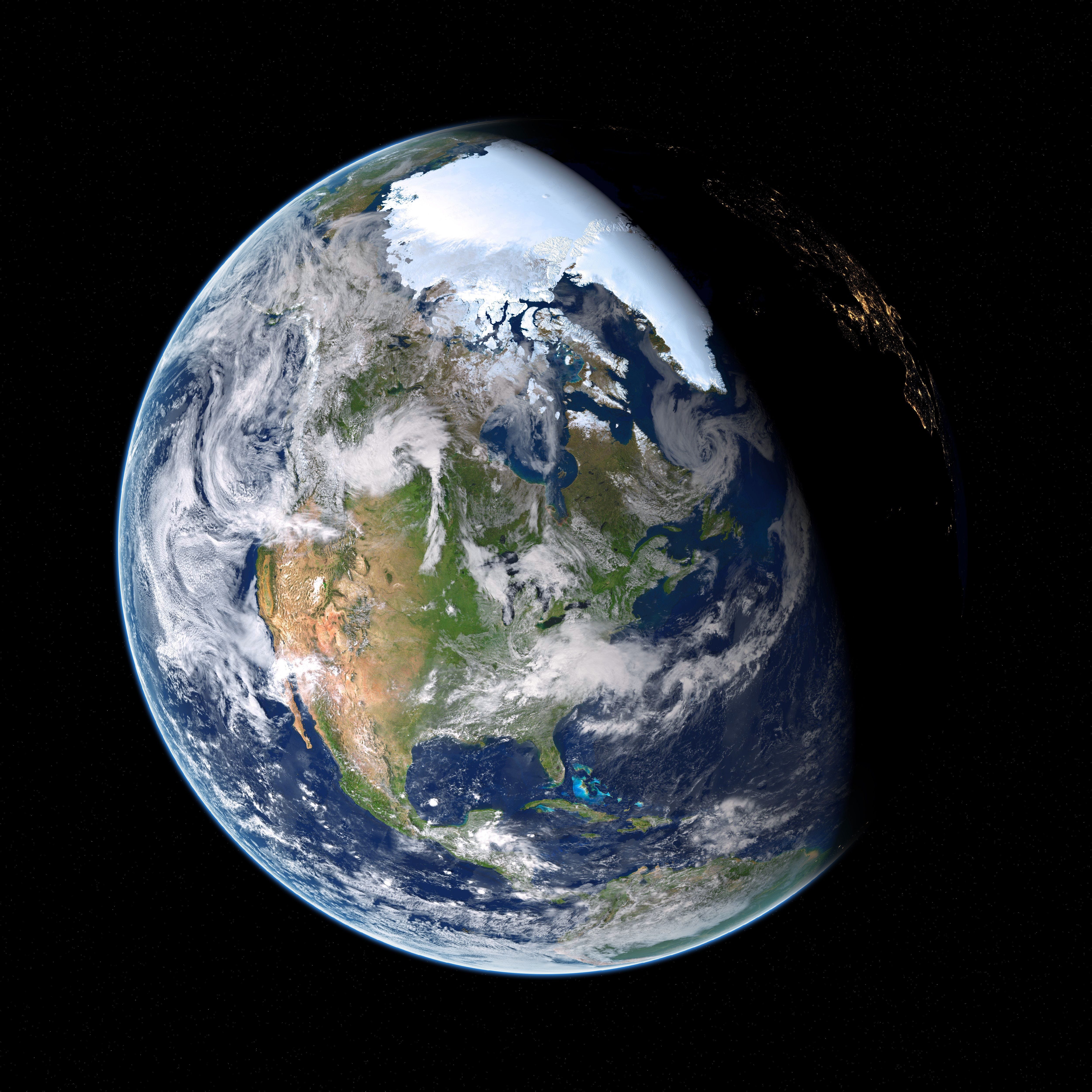
Although there are such a massive number of potentially habitable destinations, the distances between stars are almost beyond human imagination. Proxima Centauri, our nearest neighboring star, is an incomprehensible 40 trillion kilometers (25 trillion miles) away. It takes light—emitted by that star and traveling at 299,792 kilometers per second (186,282 miles per second)—4.25 years to reach Earth.[3] The Voyager 1 spacecraft, launched in 1977, has been traveling at 17 kilometers per second (38,000 miles per hour) for over 40 years.[4] Even at this astonishing speed, it has covered only a tiny fraction of the distance to our neighbor, and it would take another 16,000 years to arrive there.[5] A spaceship carrying humans to even the closest star—which may or may not even have a habitable planet in orbit—will not happen any time soon, if ever.
Terraforming literally means “Earth-shaping.” Most discussions about terraforming center on using technology to transform Mars into an Earth-like paradise.[6] Such a massive undertaking would take decades or centuries and ultimately may not even be feasible.[7] Like traveling to a nearby Earth-like planet, this notion is really more the province of science fiction than anything seriously attainable, at least in the foreseeable future.
Yet, while our imaginations often focus on possible Earth-like planets out there, we seem to forget that we already inhabit an incredibly beautiful and bountiful world. The Earth has vast quantities of liquid water and other essential conditions for life, an electromagnetic shield that protects the surface from deadly solar radiation, the proper distance from a stable, long-lived star, and a host of other factors that make it a perfect place for an incredible variety of life.[8] The Earth is an ideal sanctuary for humans and for the other inhabitants with whom we share it to live and grow. It is truly a heaven. Or rather, it was.
Demolishing Eden
On a daily or even yearly time scale, the world may seem basically the same, but our planet is rapidly changing and is now in the throes of an extreme environmental crisis. The ecological deterioration is almost imperceptible from a human perspective, but it is incredibly rapid from a geological—or even from the perspective of an entire human history—standpoint. For centuries, humans have been altering the environment and, in effect, de-terraforming the planet, making it less habitable for all forms of life.
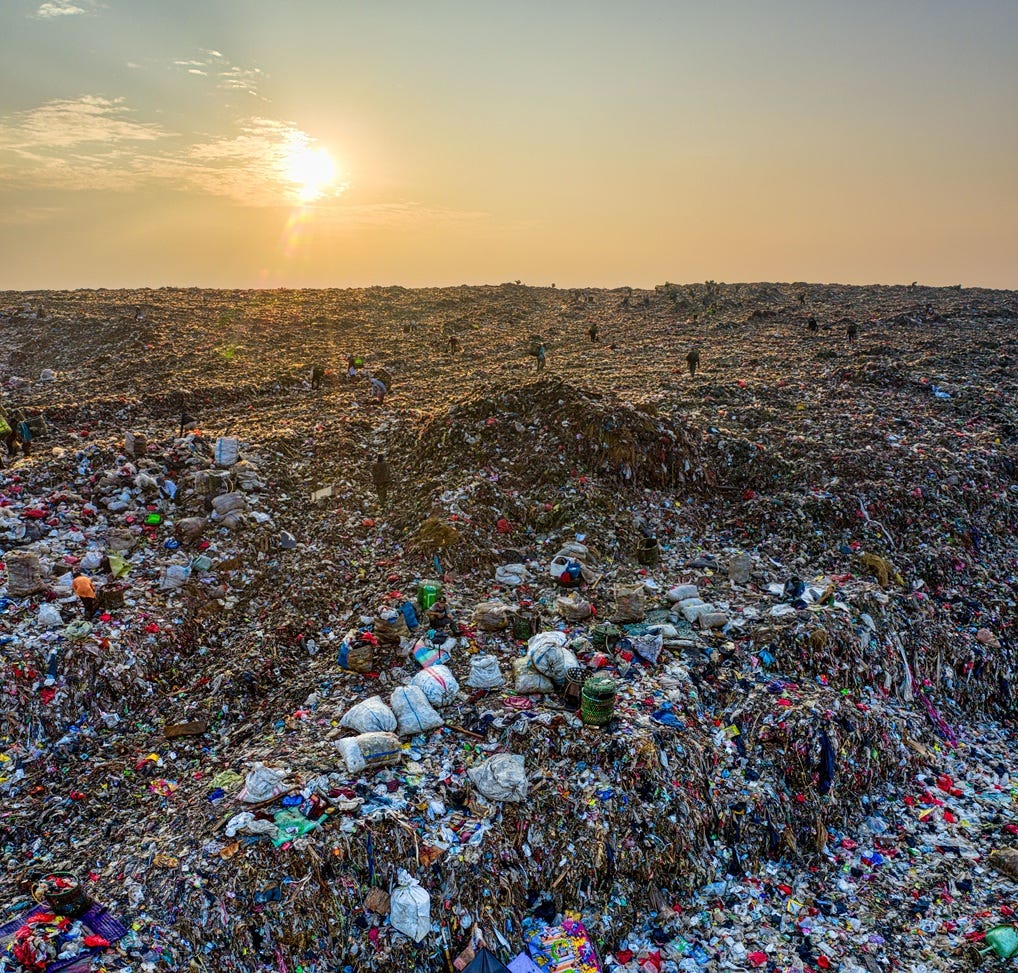
Humans are certainly among the most prolific species in history, dramatically altering the planet over the last few hundred years, especially since the Industrial Revolution. Since the mid-twentieth century, the transformation has accelerated dramatically, with massive social and technological changes lifting millions out of the struggle for existence so they might enjoy the fruits of incredible human ingenuity and marvelous innovations. Yet, others on our planet live in poverty and in appalling slavery or near-slavery conditions in order to supply the needs of these fortunate and wealthier inhabitants.[9] Human brilliance has also helped fuel an enormous population explosion, along with an immense, unsustainable increase in natural resource consumption, and has led to worldwide environmental degradation and destruction.
Once, vast numbers of buffalo, antelope, wolves, and many other creatures filled the North American countryside.[10] Huge flocks of birds like the passenger pigeon endlessly passed overhead, sharing the landscape.[11] The oceans brimmed with sea life beyond imagination, filled with fish like cod that were so bountiful there seemed no reason to believe their numbers would ever diminish.[12] Beautiful corals hugged the coasts and teemed with life.[13] Awe-inspiring glaciers once covered parts of the continent.[14] The air, water, and land were largely pristine and uncontaminated.[15] It was a natural paradise. Other parts of the world were equally unspoiled, bountiful, and stunningly beautiful.
Today, countless wild animals have declined to a fraction of their former populations.[16] Those that remain are rapidly vanishing in the wild, with a paltry few finding sanctuary in zoos and wildlife parks.[17] Some animals have been driven to extinction, while others teeter on the precipice of oblivion.[18] The massive flocks of birds and schools of fish that once flourished are now not even a distant memory. The beauty of coral reefs has, in many instances, been degraded or entirely reduced to ocean rubble.[19] The once-massive glaciers have retreated and are rapidly vanishing. Tropical rainforests, such as the Amazon, are being cut down to supply products to fill the shelves of insatiable consumers.[20] Clean air, water, and land are now often contaminated with trash and toxic chemicals.[21] The landscape is now crisscrossed with shopping malls, fast-food chains, roads crammed with vehicles pumping out toxins, gas stations, motels, movie theaters, and other forms of distraction. An extensive aging power grid, a sprawling transportation system, and massive industrial farms support and feed the ever-growing population.
Discarded plastics and other debris from modern conveniences dot the landscape, much of it ending up in our oceans as a result of humanity’s bottomless, unquenchable need for more possessions to fill their homes and for junk food and drinks to satiate their cravings. Similar environmental decimation is occurring in almost every corner of the planet. Consumption and convenience are driving factors in the human footprint, which is truly pervasive and ever-expanding. We would need multiple Earths to satisfy this worldwide devouring of resources. Ironically, rampant consumerism has also fueled a global obesity[22] and health epidemic[23] while simultaneously leading people further away from the well-being and happiness they ultimately seek.
In just over a half-century of plastic production, our consuming, throw-away societies have contaminated every corner of the world with this virtually indestructible material.[24] Not only are vast numbers of life forms directly decimated by plastics, but this substance and its associated toxins can be found everywhere, from the Arctic to the deepest parts of the oceans.[25] Plastic particles are present in our water, soil, and even the air. We are now eating[26], drinking[27], and breathing[28] particles from synthetic clothing, bottles, plastic wraps, cosmetics, and an endless number of other products, and more recently, from facemasks that have been thoughtlessly discarded to join the millions of tons of other trash that contaminates the world.[29] Plastic is everywhere, and as the situation has worsened, there aren’t many places left in the world where it can’t be found.
As these calamities continue to unfold, they seem to be hardly noticed. Most people are distracted by the latest triviality, political scandal, or real and imagined crises that keep them from addressing these truly horrific realities. And any notice taken of these life-destroying disasters is usually followed by a blind optimism that believes technology will somehow solve our problems. Plastic-eating bacteria, carbon capture, or other profit-centered technological notions become imagined solutions so that blind consumption can continue unimpeded. Thoughts on reining in consumerism and addressing these problems are not seriously considered, as economic growth is essentially the only barometer of success used by the political and elite classes.
While many Westerners sometimes reflect on their own past of slavery and other abuses that people have suffered, the same conditions still exist for millions who toil and suffer daily to supply the products that others consume and enjoy.[30] Occasionally, the plight of the wretched slaves throughout the world momentarily appears to the forefront of consciousness, only to quickly dissipate, as many believe that these stories are simply deviations from our equitable, ethical, modern world. The reality is that cheap, disposable human labor is a fundamental component of our present economic system, providing inexpensive products and enormous profits, especially for a small percentage at the top of the global economic structure.[31] Minerals, food, clothing, electronics, and other consumables are often supplied by poor men, women, and children, who are then expected to later clean up the discarded products and their packaging.[32] The same system that extracts cheap labor from the global south also extracts cheap resources from the global environment—and it extracts both in the service of endless war.
Today, humanity finds itself embroiled in yet another conflict—one that teeters on the brink of unimaginable catastrophe. By some estimates, since 2000, the United States has spent approximately $8 trillion on post-9/11 wars.[33] The current war in Iran has already incurred significant costs, with long-term obligations—including veteran care, equipment replacement, and interest on debt—that will persist for decades after the fighting stops, and that means the overall price tag of the Iran conflict for U.S. taxpayers will amount to $1 trillion, according to a recent estimate from one Harvard University expert on finance.[34] Beyond the astronomical financial toll, these conflicts have claimed millions of lives—both combatant and civilian—disrupted vast swaths of the world, and inflicted enormous environmental damage through the widespread use of depleted uranium munitions,[35] the relentless burning of fossil fuels by military operations,[36] and the release of other persistent toxins that contaminate soil, water, and air for generations. Yet, amid the roar of artillery and the clamor of political rhetoric, the true cost—measured in shattered ecosystems, displaced communities, and a planet further destabilized—remains largely unaccounted for in the ledgers of war.
This Ponzi scheme continues with dire ramifications for future life on the planet despite the warnings from various scientists and groups. In 2021, seventeen prominent international scientists warned that critical environmental issues, such as biodiversity loss, a changing climate, human overpopulation, and overconsumption, coupled with ignorance and inaction, are driving the world towards a “ghastly future.”[37] The problems will only worsen in the coming years, with ramifications spanning the coming decades and centuries. This environmentally destructive change is accelerating, and as a result, the Earth is rapidly approaching a series of devastating tipping points. It’s the “Perfect Storm”—the world will soon need to deal with cascading, interlocking catastrophes, all of which carry considerable momentum.
Ticking towards midnight
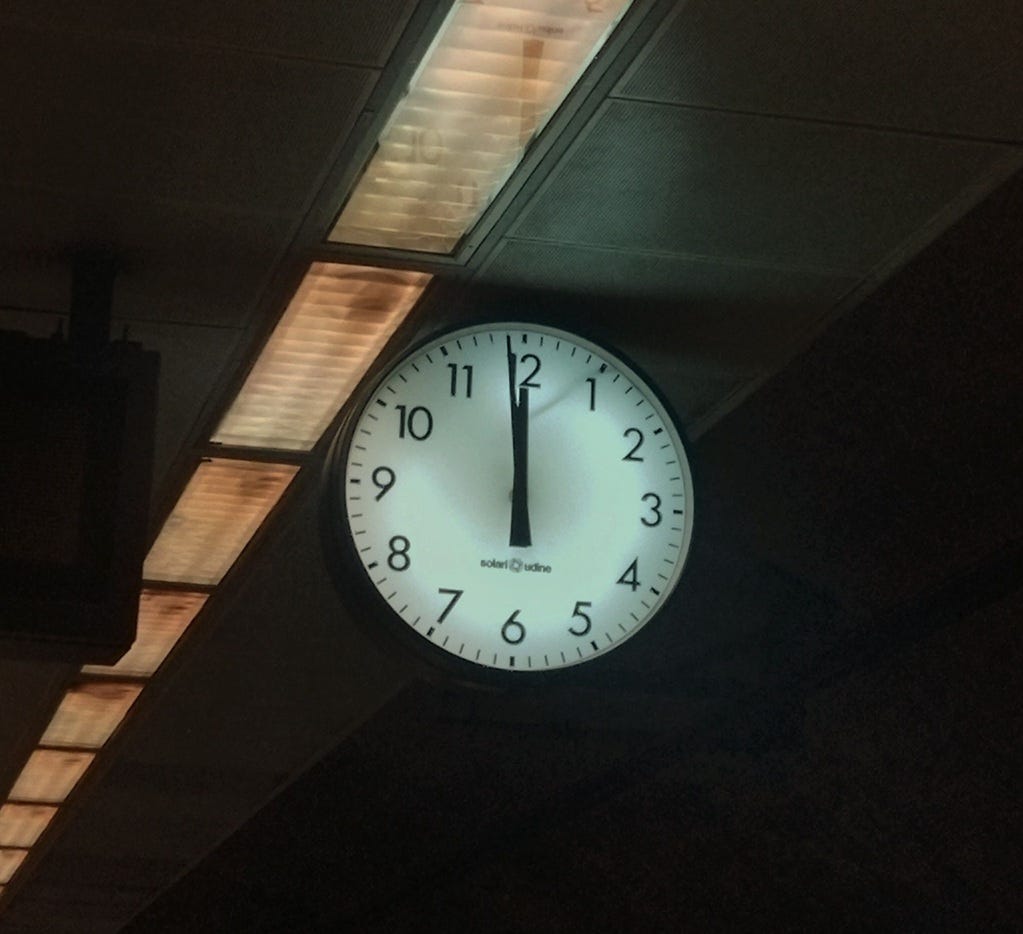
In 1947, the Bulletin of the Atomic Scientists created the Doomsday Clock.[38] The clock is a metaphor designed to warn the world about how close we are to destroying the planet through humanity’s actions. Reaching the midnight hour signifies the destruction of civilization, and over the years, scientists have set the clock to varying numbers of minutes before midnight. In 2020, they set the clock to only 100 seconds to midnight, focusing on two simultaneous existential dangers—nuclear war and the changing climate.[39]
Yet other dangers—less generally appreciated—make the situation even more alarming. Oceans are being rapidly decimated by giant fishing trawlers that circle the globe, leaving some seas barren.[40] Coral reefs, which house critical concentrations of aquatic life, have been disappearing for decades and are plunging towards extinction.[41] The oceans are also inundated with massive amounts of plastic, which continually break down into microplastics, contaminating the entire food chain.[42] Driven by modern agriculture, oxygen-depleted dead zones—areas of the ocean devoid of oxygen—have appeared and expanded worldwide.[43] As water temperatures rise, oceans are experiencing declining oxygen levels, while ever-growing atmospheric CO2 levels are acidifying them.[44]
Tropical rainforests are not immune to humanity’s ingenious capacity for destruction in order to obtain resources, as they are leveled at a rate of forty football fields per minute.[45] Mountain glaciers are melting and vanishing, threatening a key freshwater source worldwide.[46] As creatures across the globe plummet toward extinction[47], they become more unique and more lucrative through the lens of human greed.[48] This only accelerates their demise, as hunters seek ever-increasing profits by capturing them or harvesting their body parts.[49]
Even if the world’s inhabitants suddenly decided to seriously try to end our plastic addiction, the reality is that this material has infiltrated every corner of modern existence, and most can’t imagine ever living without this once-celebrated wonder product of modern human ingenuity. There are already virtually endless products weighing hundreds of millions of tons made of this material, with more being created every second. The throw-away culture is so ingrained that while hundreds of millions of tons of plastic already sit in our environment, the amount being added to this massive garbage pile continues to escalate. Microplastics have now been found in human blood, placentas[50], and lungs, while synthetic fibers shed from our clothing drift through the air we breathe and settle in the most remote corners of the planet, from the peaks of the Himalayas to the depths of the Mariana Trench[51]. The plastic addiction problem is similar to other monumental worldwide environmental disasters that are unfolding to satisfy humanity’s needs and wants—a self-perpetuating cycle of extraction, consumption, and disposal that prioritizes momentary convenience over long-term survival.
Yet, the addiction of the political class to war is another nail in the coffin of endless planetary destruction. For every ton of plastic choking our oceans, there is a ton of carbon belched into the atmosphere by military aircraft, ships, and armored vehicles. For every factory churning out single-use packaging, there is a munitions plant producing the explosive payloads that will crater landscapes and poison soils for centuries. The machinery of war—from the extraction of rare earth minerals for guidance systems to the burning of billions of gallons of jet fuel in combat operations—represents a parallel and perhaps even more lethal assault on the biosphere. While the plastic crisis unfolds in plain sight, the military-industrial complex operates with a chilling opacity, shielded by national security classifications and exempted from the climate accounting that applies to other sectors of the economy. The same political leaders who champion consumer recycling programs quietly authorize defense budgets that dwarf environmental spending, perpetuating a cycle of destruction that knows no borders and respects no future. In this sense, the war machine and the plastic economy are twins—both born of the same insatiable appetite for growth, both sustained by the illusion that consequences can be indefinitely deferred, and both accelerating the planet toward a point of no return.
We’re not just excessively polluting, we’re not just wiping species out across the planet, we’re not just hacking down all the tropical rainforests, we’re not just changing the climate, we’re not just destroying life in the oceans, we’re not just engaging in endless destructive forever wars—but we’re doing it all simultaneously. And virtually all human activities depend on an electrical grid upon which all of modern society relies. The same infrastructure that powers our consumer economy and our war machine is itself incredibly fragile. The massively complex grid is old, decaying, and vulnerable.[52] It would only take a single severe solar storm to seriously damage and destroy large portions of it, throwing our modern world into an apocalyptic chaos few can even imagine.[53]
To date, humanity as a whole seems only mildly concerned about the potential for global catastrophe. Most choose to ignore these problems rather than to be proactive. However, a growing number of people are recognizing and calling attention to the present and oncoming storms.
Turning back
For decades, profit has been the only measure of progress—and by that measure, we have succeeded spectacularly. We have also poisoned our air, depleted our oceans, enslaved our fellow humans, and set the planet on a trajectory toward collapse. Greed, convenience, and consumption have been our mantras, and they have brought us to the brink of catastrophe.
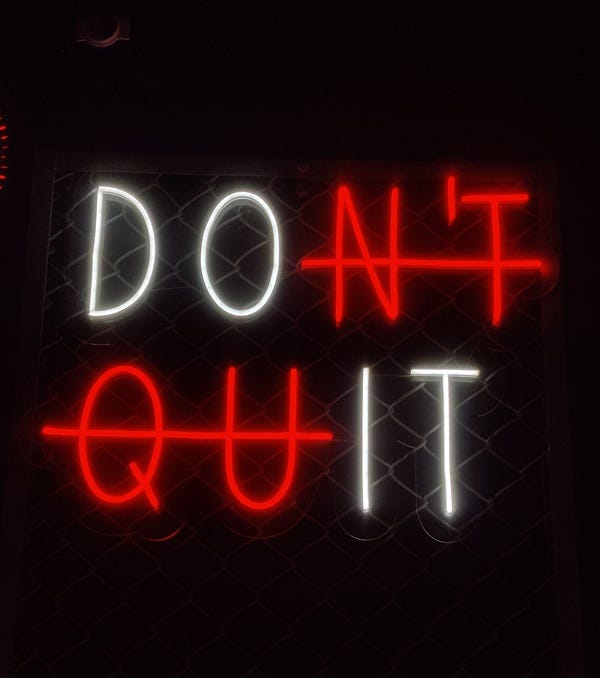
But awareness is spreading. Perceptions are shifting. More and more people are taking action—small changes like rejecting single-use plastics, larger efforts like organizations fighting to protect endangered species. Each may seem insignificant on its own. But every revolution begins with individuals who refuse to accept the world as it is.
We cannot wait for others to act. We cannot rely on technology to save us from problems that only our choices have created. Once we become educated on an issue, we have the power—and the obligation—to enact change. This means making conscious choices in our daily lives: refusing the plastic straw, the disposable cup, the overpackaged product. It means reducing consumption of goods we do not need, disentangling our sense of worth from the accumulation of things. It means divesting from the companies that profit from destruction—the fossil fuel giants, the financiers of deforestation, the manufacturers of forever chemicals, the makers of the instruments of death and destruction—and redirecting our resources toward businesses that regenerate rather than deplete.
These are not merely personal gestures; they are acts of refusal, signals that we will no longer participate in our own annihilation. When enough of us refuse, the system begins to shift. When enough of us reduce, demand falters. When enough of us divest, capital flows elsewhere. Human ingenuity, so often deployed in the service of destruction, can be turned toward restoration—but only if we first abandon the illusion that technology alone will save us. Brilliant solutions already exist; others await discovery. The next idea that could alter our course might come from any one of us.
The clock stands at midnight’s door. We can still push it back—but only if we abandon the illusions that brought us here: that growth has no cost, that war has no consequence, that convenience has no expiration date. The hour is late. The choices we make now, and the ones we refuse to make, will echo through the centuries. There is no second Earth. There is no second chance. We must act—not because it will make us happier, but because it is the only way we will survive.
The fact is that no species has ever had such wholesale control over everything on Earth, living or dead, as we now have. That lays upon us, whether we like it or not, an awesome responsibility. In our hands now lies not only our own future, but that of all other living creatures with whom we share the Earth.
— renowned naturalist Sir David Attenborough
[1] “As many as six billion Earth-like planets in our galaxy, according to new estimates,” Science Daily, June 16, 2020, https://www.sciencedaily.com/releases/2020/06/200616100831.htm
[2] Brooke, Lindsay, “A universe of 2 trillion galaxies,” Phys.org, January 16, 2017, https://phys.org/news/2017-01-universe-trillion-galaxies.html
[3] “The Nearest Star,” NASA, https://imagine.gsfc.nasa.gov/features/cosmic/nearest_star_info.html
[4] “NASA Probe Sees Solar Wind Decline,” NASA
[5] Torbet, Georgina, “It will take 20,000 years for our earliest probes to reach Alpha Centauri,” Digital Trends, December 29, 2019, https://www.digitaltrends.com/cool-tech/spacecraft-time-to-travel-nearest-stars
[6] Bonsor, Kevin, “How Terraforming Mars Will Work,” How Stuff Works, https://science.howstuffworks.com/terraforming2.htm
[7] NASA, “Mars Terraforming Not Possible Using Present-Day Technology,” July 30, 2018, https://www.nasa.gov/news-release/mars-terraforming-not-possible-using-present-day-technology/.
[8] Lamb, Robert, “What is it about Earth that makes it just right for life?” How Stuff Works, https://science.howstuffworks.com/life/evolution/earth-just-right-for-life.htm
[9] Annie Kelly, “British public bought £14bn of goods made by slaves in 2017, claims report,” The Guardian, July 18, 2019, https://www.theguardian.com/global-development/2018/jul/19/british-public-14bn-goods-slaves-global-slavery-index
[10] The Canadian Naturalist and Quarterly Journal of Science, 1875, vol. 7, p. 199.
[11] David Biello, “3 Billion to Zero: What Happened to the Passenger Pigeon?” Scientific American, June 27, 2014, https://www.scientificamerican.com/article/3-billion-to-zero-what-happened-to-the-passenger-pigeon
[12] Steve Nicholls, Paradise Found: Nature in America at the Time of Discovery, 2009, The University of Chicago Press, Chicago & London, p. 39.
[13] Dennis Brady, “Why the death of coral reefs could be devastating for millions of humans,” The Washington Post, November 9, 2016, https://www.washingtonpost.com/news/energy-environment/wp/2016/11/09/why-the-death-of-coral-reefs-could-be-devastating-for-millions-of-humans
[14] Andrew Curry, “The Big Melt,” Archaeology, August 12, 2013, https://www.archaeology.org/issues/105-1309/letter-from/1165-glaciers-ice-patches-norway-global-warming
[15] Philip J Landrigan, et al., “The Lancet Commission on pollution and health,” The Lancet, October 19, 2017, http://dx.doi.org/10.1016/S0140-6736(17)32345-0
[16] Gerardo Ceballos, Paul R. Ehrlich and Rodolfo Dirzo, “Biological annihilation via the ongoing sixth mass extinction signaled by vertebrate population losses and declines,” Proceedings of the National Academy of Sciences (PNAS), July 10, 2017, www.pnas.org/cgi/doi/10.1073/pnas.1704949114
[17] Damian Carrington, “Giraffes facing extinction after devastating decline, experts warn,” The Guardian, December 8, 2016, https://www.theguardian.com/environment/2016/dec/08/giraffe-red-list-vulnerable-species-extinction
[18] Courchamp, Franck, et al., “The paradoxical extinction of the most charismatic animals,” PLOS Biology, April 12, 2018, https://doi.org/10.1371/journal.pbio.2003997
[19] .M. Pandolfi, et al., “Are U.S. Coral Reefs on the Slippery Slope to Slime?” Science, March 18, 2005, vol. 307, pp. 1725-1726.
[20] David Adam, “Amazon rainforests pay the price as demand for beef soars,” The Guardian, May 31, 2009, https://www.theguardian.com/environment/2009/may/31/cattle-trade-brazil-greenpeace-amazon-deforestation
[21] John Vidal, “Cleaning the world’s water: ‘We are now more polluted than we have ever been’,” The Guardian, August 31, 2016, https://www.theguardian.com/environment/2016/aug/31/cleaning-the-worlds-water-we-are-now-more-polluted-than-we-have-ever-been
[22] Mahshid Dehghan, Noori Akhtar-Danesh and Anwar T Merchant, “Childhood obesity, prevalence and prevention,” Nutrition Journal, September 2005
[23] Susan Kelley, “Obesity accounts for 21 percent of U.S. health care costs,” Cornell Chronicle, April 4, 2012, http://news.cornell.edu/stories/2012/04/obesity-accounts-21-percent-medical-care-costs
[24] Robinson Meyer, “The Arctic Ocean Is Clogging With Billions of Plastic Bits,” The Atlantic, April 20, 2017, https://www.theatlantic.com/science/archive/2017/04/the-arctic-ocean-is-filling-with-billions-of-plastic-bits/523713
[25] Michael Allen, “There’s Probably Plastic in Your Sea Salt,” Hakai Magazine, May 8, 2017, https://hakaimagazine.com/news/theres-probably-plastic-your-sea-salt/
[26] Lisbeth Van Cauwenberghe and Colin R. Janssen, “Microplastics in bivalves cultured for human consumption,” Environmental Pollution, 2014, vol. 193, pp. 65-70, http://dx.doi.org/10.1016/j.envpol.2014.06.010
[27] Jessica Glenza, “Sea salt around the world is contaminated by plastic, studies show,” The Guardian, September 8, 2017, https://www.theguardian.com/environment/2017/sep/08/sea-salt-around-world-contaminated-by-plastic-studies
[28] “People may be breathing in microplastics, health expert warns,” The Guardian, May 9, 2016, https://www.theguardian.com/environment/2016/may/09/people-may-be-breathing-in-microplastics-health-expert-warns
[29] “COVID-19 Facemasks & Marine Plastic Pollution,” OceansAsia, https://oceansasia.org/covid-19-facemasks
https://www.globalslaveryindex.org
[31] “Global Slavery Index: 2018 Findings Country Studies” United States,” https://www.globalslaveryindex.org/2018/findings/country-studies/united-states
[32] Watson, Ivan, “China: The electronic wastebasket of the world,” CNN, May 30, 2013, https://www.cnn.com/2013/05/30/world/asia/china-electronic-waste-e-waste/index.html
[33] Crawford, Neta C. “The U.S. Budgetary Costs of the Post-9/11 Wars. Costs of War Project,” Watson Institute for International and Public Affairs, Brown University, 1 Sept. 2021, https://costsofwar.watson.brown.edu/sites/default/files/papers/Costs-of-War_US-Budgetary-Costs-of-Post-9-11-Wars.pdf.
[34] Victor Reklaitis, “The Pentagon now estimates the Iran war is costing $29 billion. The overall economic toll is much greater,” MarketWatch, May 12, 2026, https://kessler-prod.reta52d8.eas.morningstar.com/news/marketwatch/20260512104/the-pentagon-now-estimates-the-iran-war-is-costing-29-billion-the-overall-economic-toll-is-much-greater.
[35] Uranium Medical Research Centre, “Health hazards of uranium dust from radioactive battlefields of the Balkan conflicts, Eastern Afghanistan and Iraq after the Gulf wars,” paper presented at the 6th LOWRAD International Conference, Budapest, October 17-20, 2007, p. 50, https://inis.iaea.org/records/n7y77-tp317.
[36] Ashley Gate, “Wake Up and Smell the Oil. Your Nation’s Military Is Hiding Its Pollution From You,” The Nation, November 20, 2025, https://www.thenation.com/article/environment/climate-change-oil-environment/
[37] Elizabeth Claire Alberts, “Humanity’s ‘ecological Ponzi scheme’ sets up bleak future, scientists warn,” Mongabay, January 14, 2021, https://news.mongabay.com/2021/01/humanitys-ecological-ponzi-scheme-sets-up-bleak-future-scientists-warn
[38] https://thebulletin.org/doomsday-clock/timeline/
[39] https://thebulletin.org/doomsday-clock/2020-doomsday-clock-statement/
[40] Andrew Jacbos, “China’s Appetite Pushes Fisheries to the Brink,” New York Times, April 30, 2017, https://www.nytimes.com/2017/04/30/world/asia/chinas-appetite-pushes-fisheries-to-the-brink.html
[41] Roger Bradbury, “A World Without Coral Reefs,” The New York Times, July 13, 2012, http://www.nytimes.com/2012/07/14/opinion/a-world-without-coral-reefs.html
[42] Roger Harrabin, “Ocean plastic a ‘planetary crisis’ - UN,” BBC News, December 5, 2017, http://www.bbc.com/news/science-environment-42225915
[43] Fred Pearce, “Can the World Find Solutions to the Nitrogen Pollution Crisis?” Yale Environment 360, February 6, 2018, https://e360.yale.edu/features/can-the-world-find-solutions-to-the-nitrogen-pollution-crisis
[44] Dorothée Herr, The Ocean and Climate Change: Tools and Guidelines for Action, 2009, p. 14.
[45] Harry CockBurn, “Forest area the size of Italy destroyed last year as trees burned to make way for farms - ‘We are trying to put out a house fire with a teaspoon’,” Independent, June 27, 2018, https://www.independent.co.uk/environment/deforestation-global-rainforest-trees-forest-amazon-congo-basin-indonesia-a8419621.html
[46] Ed Struzik, “Loss of Snowpack and Glaciers In Rockies Poses Water Threat,” Yale Environment 360, July 10, 2014, https://e360.yale.edu/features/loss_of_snowpack_and_glaciers_in_rockies_poses_water_threat
[47] Ben Westcott, “Sixth mass extinction? Two-thirds of wildlife may be gone by 2020: WWF,” October 28, 2016, http://www.cnn.com/2016/10/26/world/wild-animals-disappear-report-wwf/index.html
[48] Vikram Dodd, “Crimes against nature: how greed fuels illegal trade in animal parts,” The Guardian, January 28, 2018, https://www.theguardian.com/uk-news/2019/jan/28/illegal-trade-animal-parts-scotland-yard-small-wildlife-unit
[49] Nick Davies, and Oliver Holmes, “Animal trafficking: the $23bn criminal industry policed by a toothless regulator,” The Guardian, September 26, 2016, https://www.theguardian.com/environment/2016/sep/26/animal-trafficking-cites-criminal-industry-policed-toothless-regulator
[50] Damian Carrington, “Microplastics revealed in the placentas of unborn babies,” The Guardian, December 22, 2020, https://www.theguardian.com/environment/2020/dec/22/microplastics-revealed-in-placentas-unborn-babies
[51] “Single-use plastic has reached the world’s deepest ocean trench,” UN Environment, April 20, 2018, https://www.unenvironment.org/news-and-stories/story/single-use-plastic-has-reached-worlds-deepest-ocean-trench
[52] Joshua D. Rhodes, “The outdated US electric grid is going to cost $5 trillion to replace,” Business Insider, March 16, 2017, http://www.businessinsider.com/replacing-us-electrical-grid-cost-2017-3
[53] Elizabeth Harrington, “Hearing: Electric Grid Vulnerable to EMP Witness: Could kill 9 in 10 Americans,” Washington Free Beacon, May 8, 2014, http://freebeacon.com/national-security/hearing-electric-grid-vulnerable-to-emp
Comments
Nothing yet. Say the first thing.
Sign in to join the conversation.