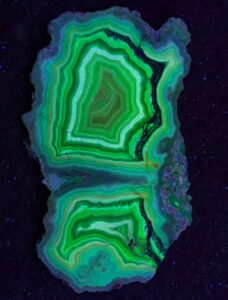
A fluorescent agate offers collectors a hidden bonus: It glows under ultraviolet light. Agates are considered a “gateway rock” in the collecting world because they are widespread, easy to find and usually inexpensive to purchase. They also come in the full color spectrum and can contain wonderful patterns and inclusions. Get a fluorescent agate, however, […] The post Fluorescent Agate: Why Some…
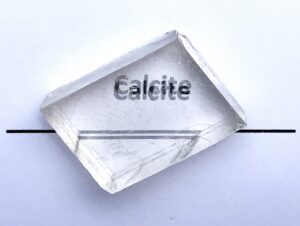
Mineral properties can produce some of nature’s most surprising effects, from rocks that attract magnets or glow under ultraviolet light to gemstones that appear to contain stars, cat’s eyes or even double images. Many of these properties are not only fascinating to observe but also fun to demonstrate and share. To explore them, I’ve pulled […] The post Mineral Properties That Seem Like Magic…
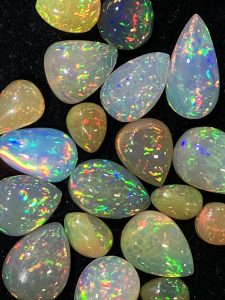
How is opal formed? It begins when water carrying dissolved silica moves through cracks, cavities and other open spaces in rock. Over time, the water evaporates or drains away, leaving behind silica that can harden into one of the world’s most unusual gemstones. Twist a precious opal in your hand and you may see flashes […] The post How Is Opal Formed? The Science Behind Its Colors first appeared…
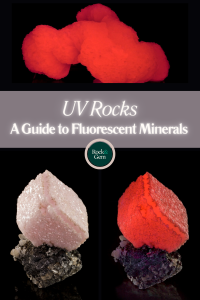
UV rocks are fluorescent minerals and gems whose amazing beauty is on full display when exposed to ultraviolet light. These fascinating rocks have been studied for hundreds of years and are just now beginning to be known. Here’s our guide to these beautiful gems. UV Rocks Key Takeaways UV rocks are minerals and gems that […] The post UV Rocks: A Guide to Fluorescent Minerals first appeared on Rock…
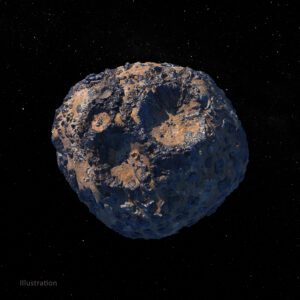
Asteroid belt rocks are ancient remnants of the material that helped build our Solar System. Most orbit the Sun in the main asteroid belt between Mars and Jupiter. Here, millions of rocky and metallic bodies preserve clues to conditions that existed about 4.6 billion years ago. The main asteroid belt contains an estimated 1.1 to […] The post Asteroid Belt Rocks: Clues to Earth’s Formation first…
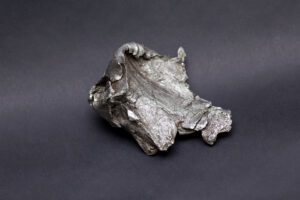
Meteoritics is the study of meteors, meteorites and meteoroids. It was born rather dramatically on the afternoon of April 26, 1803, at L’Aigle in Normandy, France. As fireballs flashed across the sky leaving trails of smoke, residents gazed in awe as thousands of rocks plummeted to Earth. Besieged by demands to explain this surreal event, […] The post Meteoritics: The Science of Meteorites first…
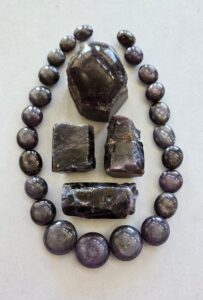
Blue gems range from royal and cobalt blue to midnight blue and deep violet-blue, offering some of the most dramatic colors found in the mineral world. Some resemble a night sky or outer space, especially when their dark bodies contain glittering pyrite, chatoyancy or flashes of spectral color. These rich hues make blue gems popular […] The post Blue Gems: 10 Night-Sky-Colored Favorites first…
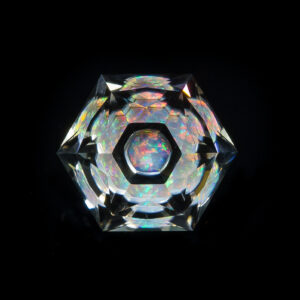
Faceted quartz can create remarkable optical effects, especially when paired with colorful opal. Inspired by Earl Montgomery’s Space Gems, the Galaxy Gem combines a precisely faceted quartz gemstone with a small opal insert set into a concave culet. The result is a composite gemstone that can magnify, focus or create a kaleidoscope-like view of the […] The post Faceted Quartz: Creating a Galaxy…
Minerals for plant growth come from the air, water and soil, with many essential nutrients originating from the weathering of rocks. For millions of years before the advent of commercially available synthetic fertilizers, many of those nutrients entered the soil through the mineralization of rocks. Key Takeaways Rocks and minerals are a natural source of […] The post The Role of Rocks & Minerals…
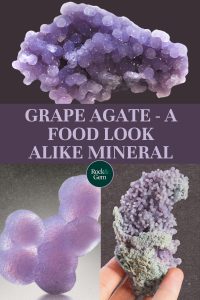
Grape agate may resemble a bunch of grapes, but this colorful mineral is actually botryoidal purple chalcedony. This food look-alike is a mineral that has a cool factor that can’t be denied. Key Takeaways Grape agate is the marketing name for botryoidal purple chalcedony, a variety of quartz with grape-like clusters. Grape agate is typically […] The post Grape Agate: A Mineral That Looks Like…