

Iran and Oman have reportedly reached agreement on a controlled shipping route through the strait of Hormuz.
According to the Guardian:
If endorsed by the US, the Iran-Oman deal would mark a significant concession by handing partial control over the waterway to Tehran. The strait of Hormuz was a neutral waterway before the US and Israel launched joint strikes in February, prompting Iran to attack shipping in the region.
In negotiations leading up to this agreement, Iran and Oman had discussed charging ships for services associated with navigation and environmental protection. Iran had pushed for substantial mandatory fees. Oman is said to have favored a more cooperative “voluntary” system. Both countries insisted they were not seeking actual tolls. More like “phantom tolls,” I guess.
Does international law allow for these kind of arrangements? Are we entering a new era of “phantom tollbooths?”
Here are four things you should know.
This is Blue Tomorrow—a weekly look at the law, science, and stories shaping the future of the ocean and coasts. If that matters to you, you can subscribe here.
Under the U.N. Convention on the Law of the Sea, ships and aircraft enjoy a right called transit passage through straits within other nations’ territorial waters. Bordering nations are allowed to regulate certain things like navigation, pollution, fishing, and customs, but they can’t inhibit transit passage.
That means no tolls.
International law does allow for something called a fee for service in cases where a bordering nation provides piloting, moorage, waste disposal, or some other specific service. But that’s different from charging for passage. If Iran or Oman start demanding remuneration from passing ships, you can expect a debate over “tolls” (bad) and “fees” (tolerable in some cases).
In 1609, the Dutch jurist Hugo Grotius published his classic tome, Mare Liberum—The Free Seas.
There he proposed that the sea, unlike land, should be incapable of exclusive possession. It was too vast and too useful to monopolize. The corollary, sometimes called “freedom of navigation,” means that a bordering nation may not deny transit passage to an outsider. That’s the cornerstone of modern maritime law.
Incidentally, mare liberum is not all rainbows and butterfly fish. Grotius’s argument for the “free seas,” was inspired by Dutch colonial ambitions in the East Indies, which at the time were being stymied by Portugal’s exclusive claim over key trade routes. So, Grotius’s argument was basically about the Dutch having the “freedom” to steal land and labor from eastern peoples in the same way that the Portuguese had been doing.
That said, the general idea makes sense. There are a lot of maritime bottlenecks around the world—Hormuz, Malacca, Bab el-Mandeb, Gibraltar, and the Danish Straits, to name a few. It seems strange that one nation should be able to block international trade in such places just because it sits on the border.
Let’s go back to the East Indies. The Straits of Malacca and Singapore carry enormous amounts of shipped goods. The bordering states—Indonesia, Malaysia and Singapore—once carried the entire burden of providing necessary navigational aids, traffic management, emergency preparedness, and environmental protection. Such costs, they claimed, were beyond their ability to pay. Also many of these costs were shared and hard to divide up. It’s easy for one country to charge a ship for waste disposal when it’s in port. It’s harder to organize payment for something like a habitat restoration program run by an international group.
(Fun fact: When I lived in Singapore—many years ago— I waterskied on a nearby channel, so I know what I’m talking about.)
In 2007, Indonesia, Malaysia and Singapore, working with the International Maritime Organization and maritime users, created a special fund that accepts contributions to support navigational infrastructure. Other cooperative projects address safety and environmental protection. All contributions are voluntary.
The program appears to work well and offers a degree of navigational safety and marine protection that would probably not otherwise exist.
So, should they try that approach in the Strait of Hormuz?
I have strong doubts.
Some experts oppose the Malacca model in Hormuz because they think that would set a precedent for imposing maintenance charges on busy straits, thus raising shipping costs.
That’s not my objection. These narrow passageways require expensive management and care. The nations and companies that profit most from using them owe some responsibility (perhaps tied to ability to pay) for keeping them safe and healthy. Paying now to prevent a catastrophe is cheaper than paying later to fix it.
That’s not a phantom tollbooth; it’s a responsible maintenance plan.
What I don’t like is the toxic cloud of bad faith hanging over Hormuz’s mired strait. Iran and its proxies have repeatedly threatened and bombed tankers attempting to pass through its waters. So has the United States. Both sides have repeatedly announced intentions and reversed them within days or hours. Given this history, it’s hard to imagine anyone considering a requested “fee for service” to be anything other than “an offer he can’t refuse.”
And who believes such a fee would ever be used for new buoys and oil-spill cleanup? Iran’s leaders have made clear their main goal is to assemble funds to rebuild its lost infrastructure and military power.
They are not out to save the whales.
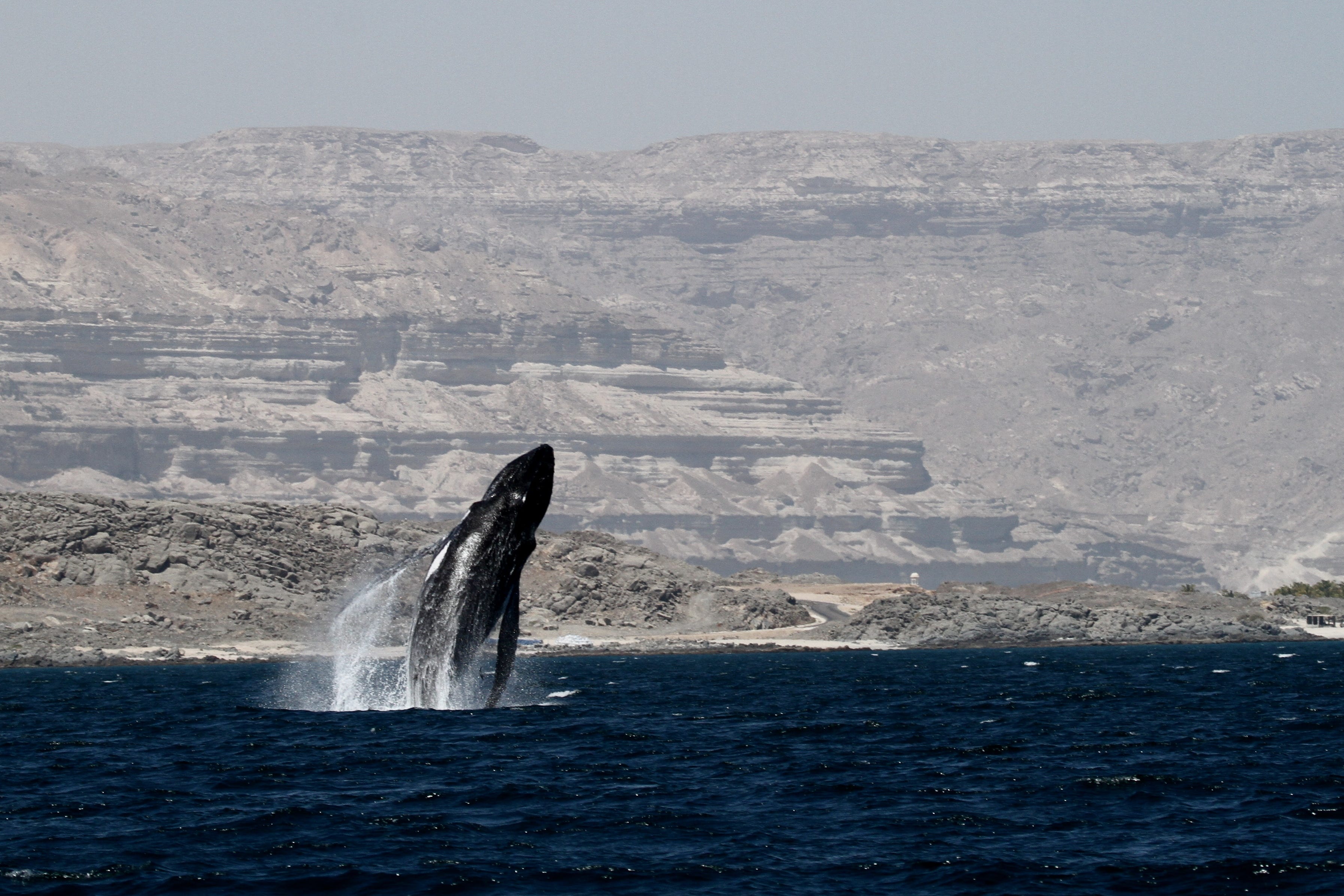
Maybe the Malacca model should be replicated somewhere else in the world. But not on the Strait of Hormuz, not now.
SOUNDINGS (Click below)

Comments
Nothing yet. Say the first thing.
Sign in to join the conversation.