Announcing the Visual Intelligence Summit
The Visual Intelligence Summit (October 22) is a gathering in San Francisco for the people building AI that sees and acts in the physical world.

Computer vision, explained, on the Roboflow blog.
Overdue Last read · last published · next check
Last read 1 day ago, longer than this feed's 4 hours schedule.
The Visual Intelligence Summit (October 22) is a gathering in San Francisco for the people building AI that sees and acts in the physical world.
On-premise computer vision lets you run vision AI on your own servers, edge devices, or factory hardware. Learn how local inference works, which deployment fits, what hardware you need, how to set up Roboflow Inference, and how to manage models securely at scale.
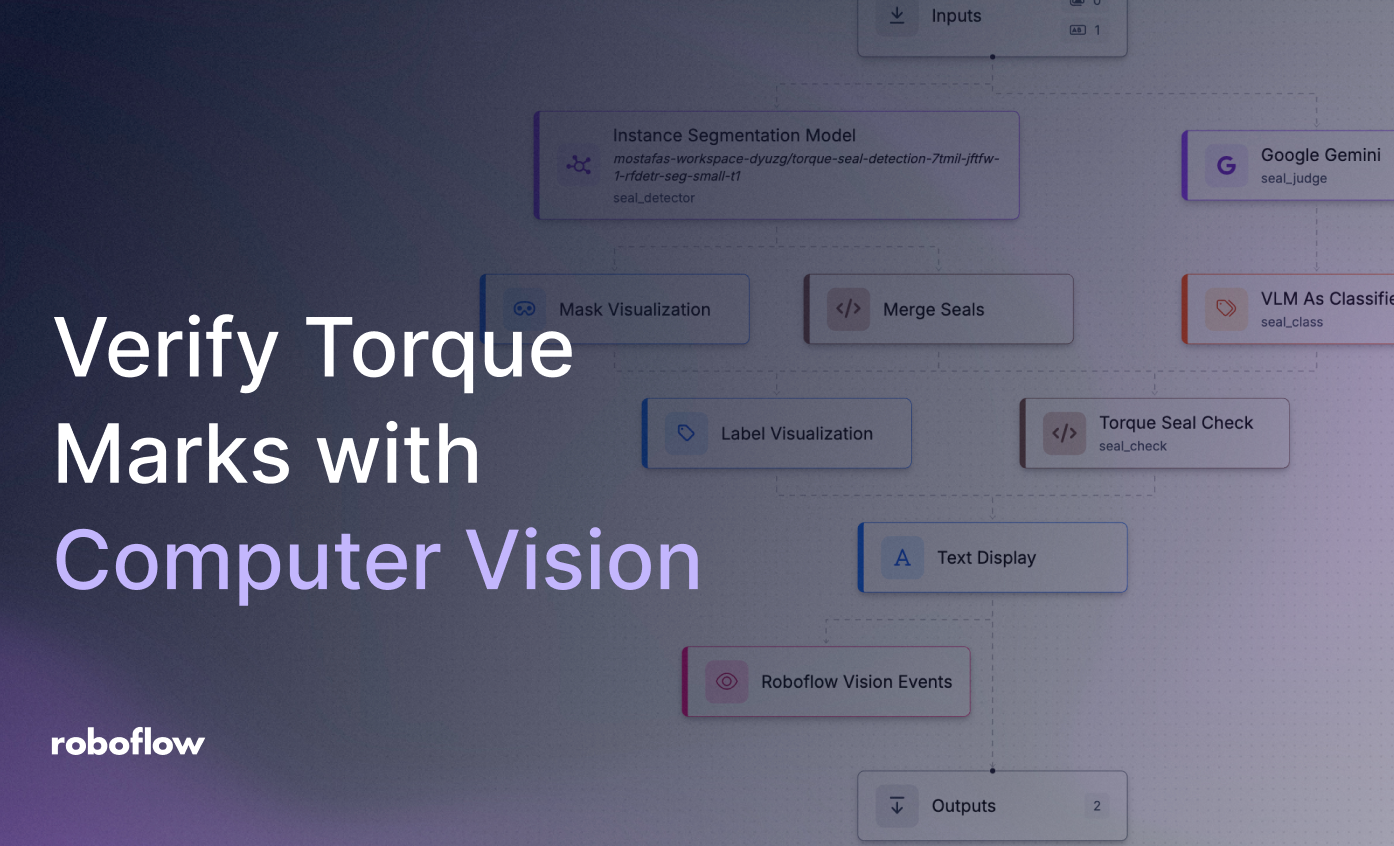
Learn how to verify torque marks with computer vision using RF-DETR and a Vision-Language Model.
Learn how to deploy self-hosted computer vision models for privacy, low latency, and offline use. See how Roboflow Inference simplifies local deployment
Run an inference server yourself for low latency, on-prem data, or offline use; use a hosted API otherwise. Start one locally with Docker.
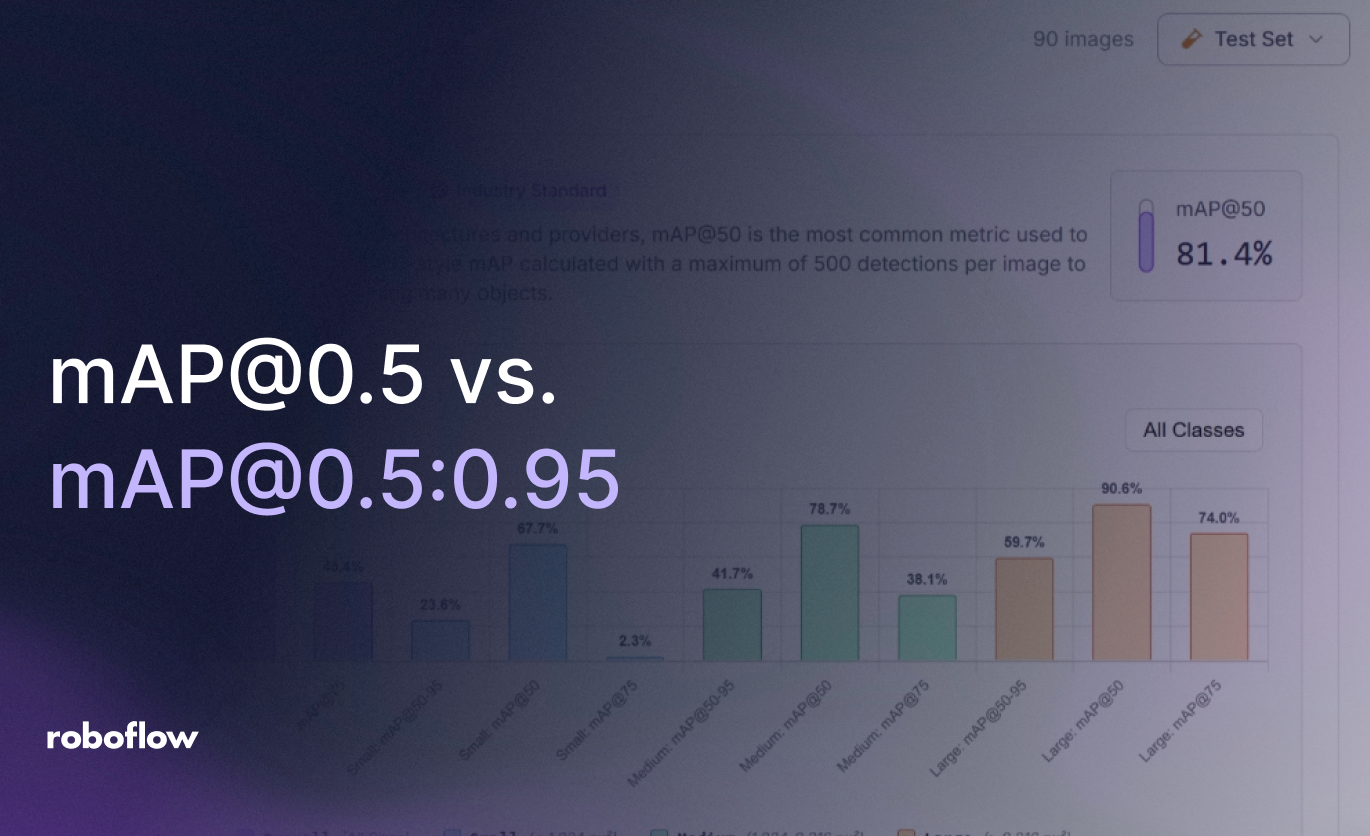
mAP@0.5 uses a single 0.50 IoU threshold; mAP@0.5:0.95 averages ten thresholds from 0.50 to 0.95. See how each is calculated and when to use it.
Automated visual inspection validation under QMSR: an inspection method change is a letter to file, not a 510(k). Here is the evidence package.
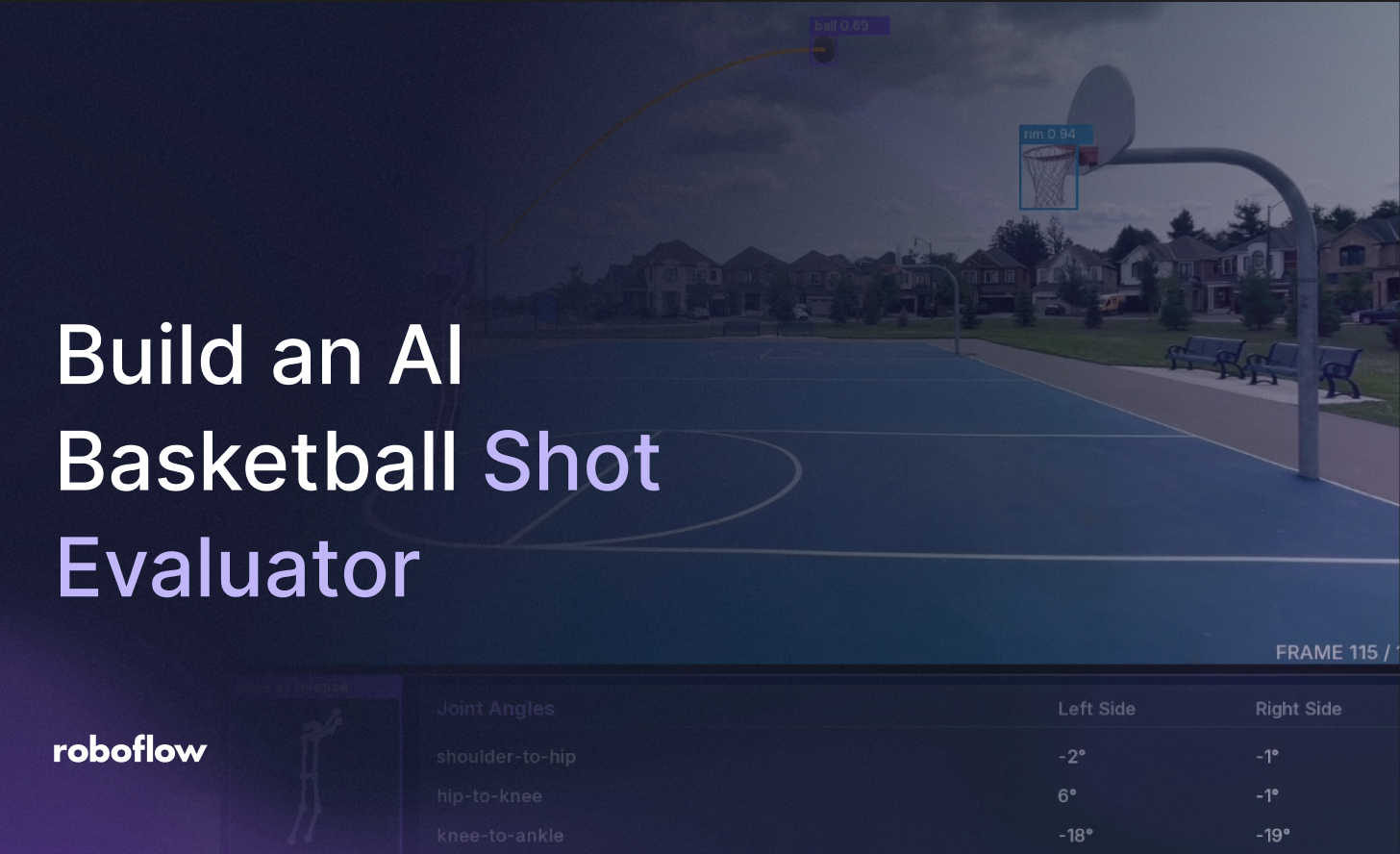
Build a local basketball shot tracker using an RF-DETR detector and zero-shot keypoint tracking. Learn how to calibrate distance from the rim, detect shot release with pose data, handle net occlusions using physics, and render live mechanics overlays onto your video.
In this guide, we show how to build a defect detection and visual inspection system with computer vision using Roboflow.
In this guide, learn how to use a wood surface inspection system to identify defects on wood.
Labeling is the slowest part of building a vision model. The fix is letting a foundation model take the first pass while a human reviews. We benchmarked every top vision model on object detection to find which ones you can trust with the job, and how to pick between them.
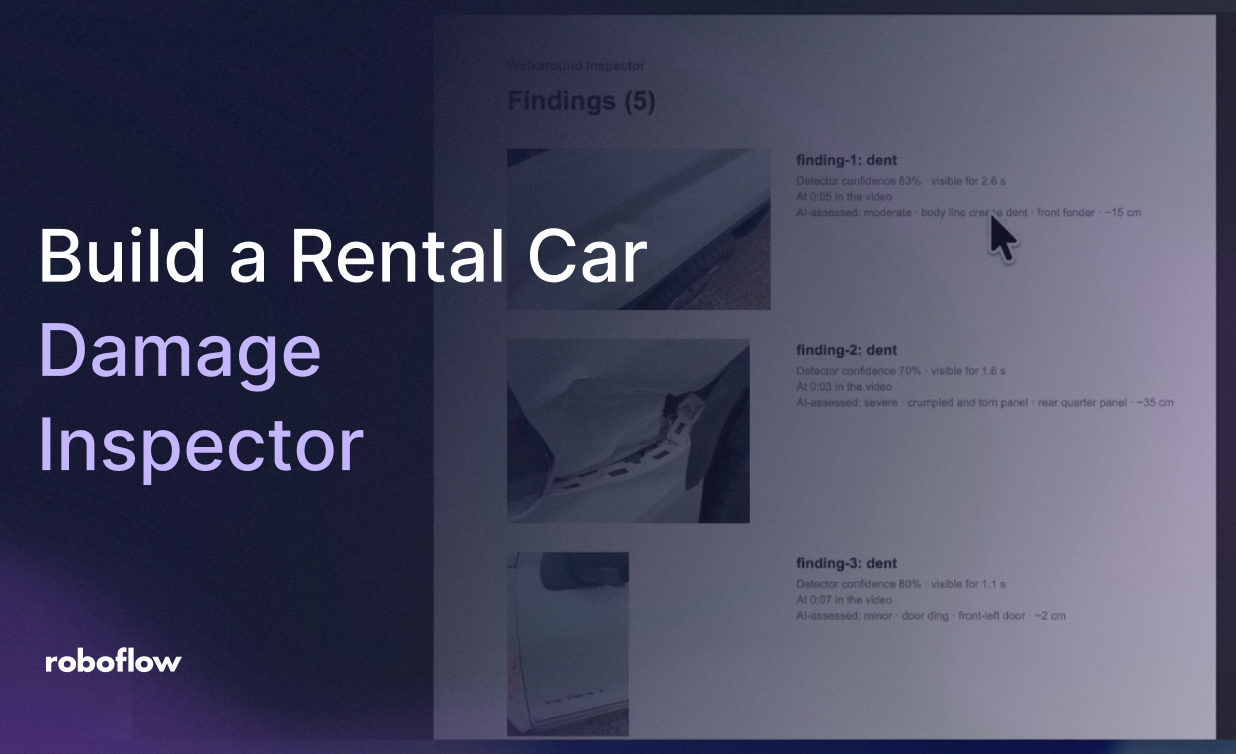
Upload one slow walkaround video of a rental car and get back a signed, timestamped report of every scratch and dent, with reflections filtered out by physics. Here's how to build it with RF-DETR, Roboflow Workflows, and Gemini.
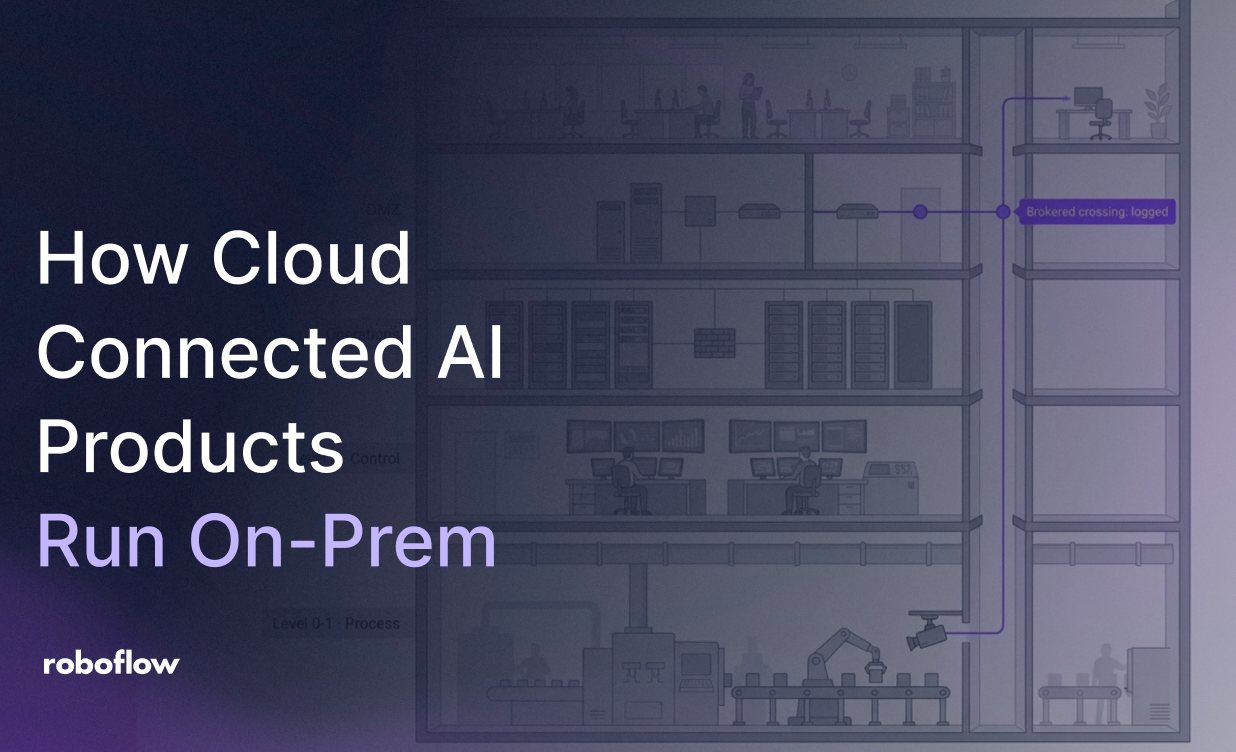
The Purdue Model explained: every level from PLC to DMZ, the companies that run on it, and how AI deploys into segmented OT networks.
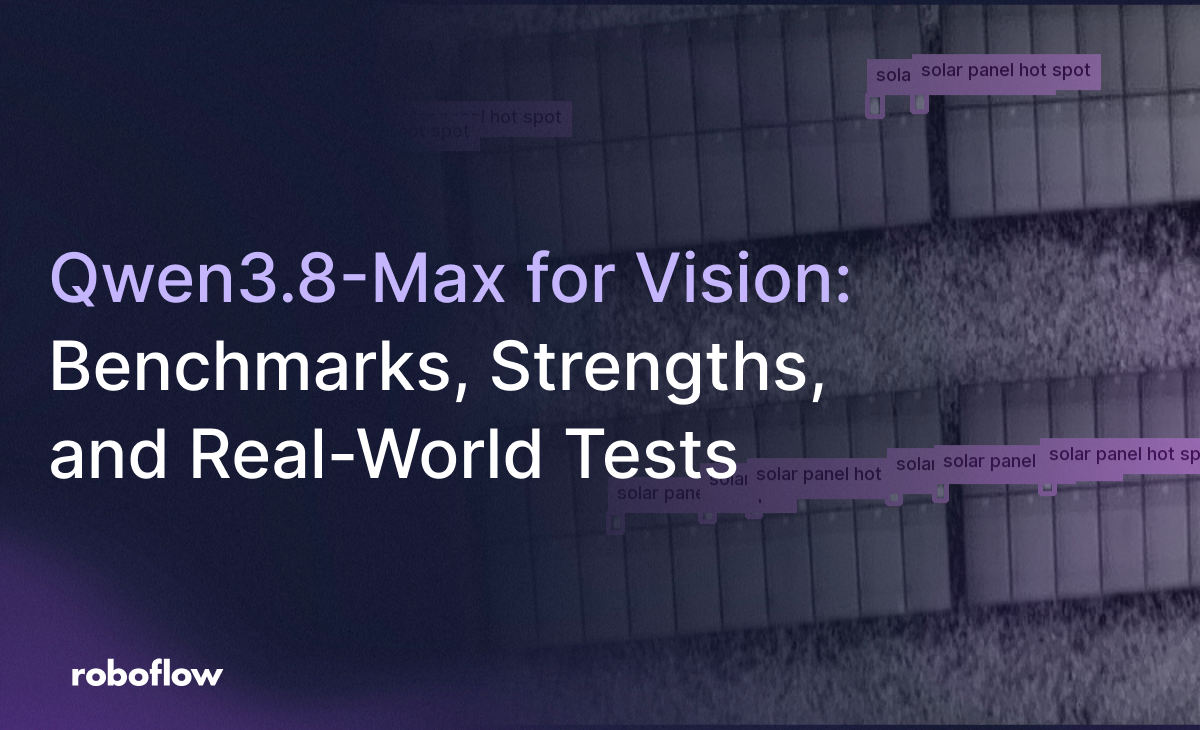
Qwen3.8-Max tops our VLM object detection benchmark and performs strongly on counting and reasoning. We test its strengths, limits, speed, cost, and deployment.
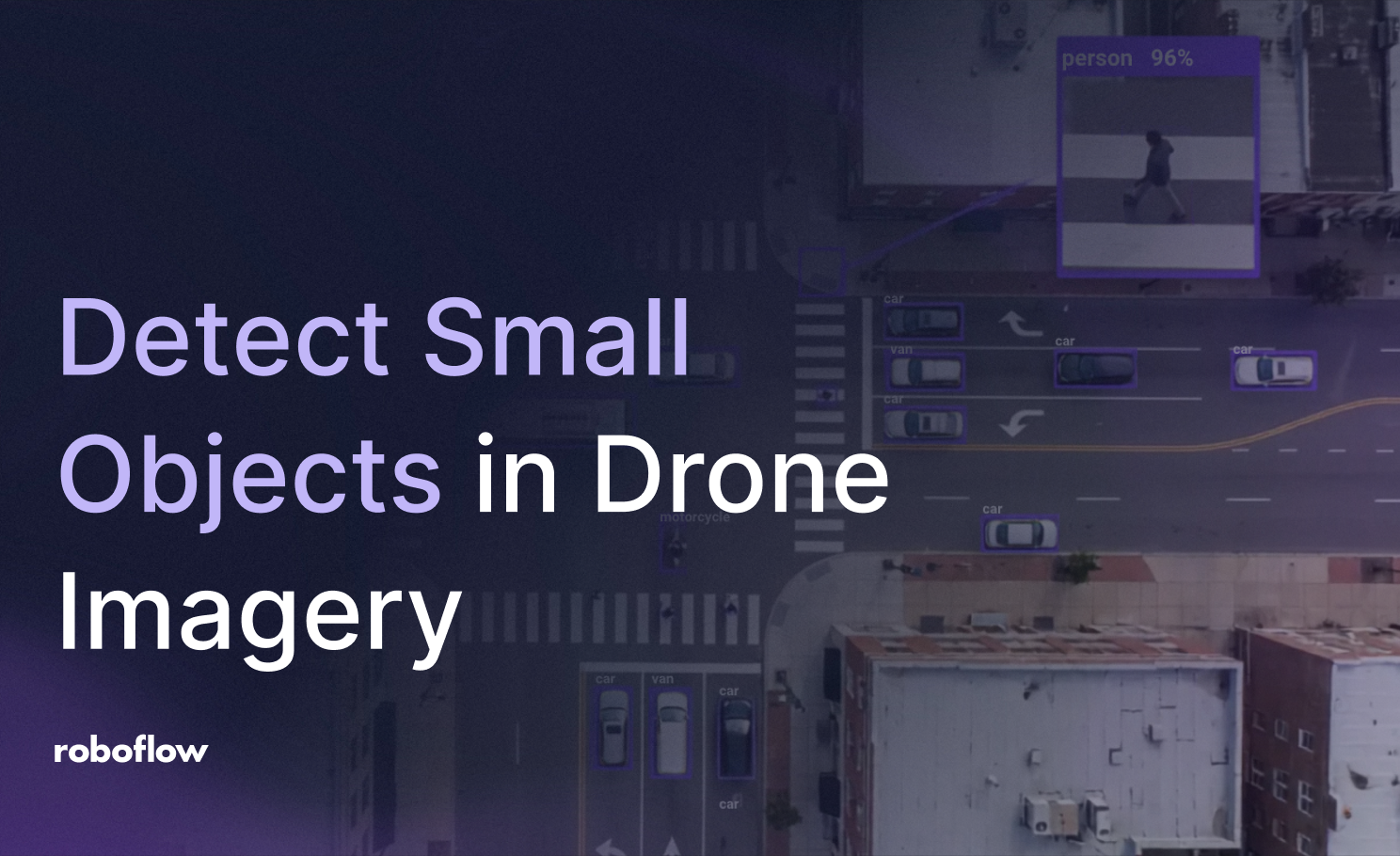
Train RF-DETR to detect people and vehicles that appear small in aerial imagery, then build a Roboflow Workflow that counts detections and uses Gemini to inspect the scene.
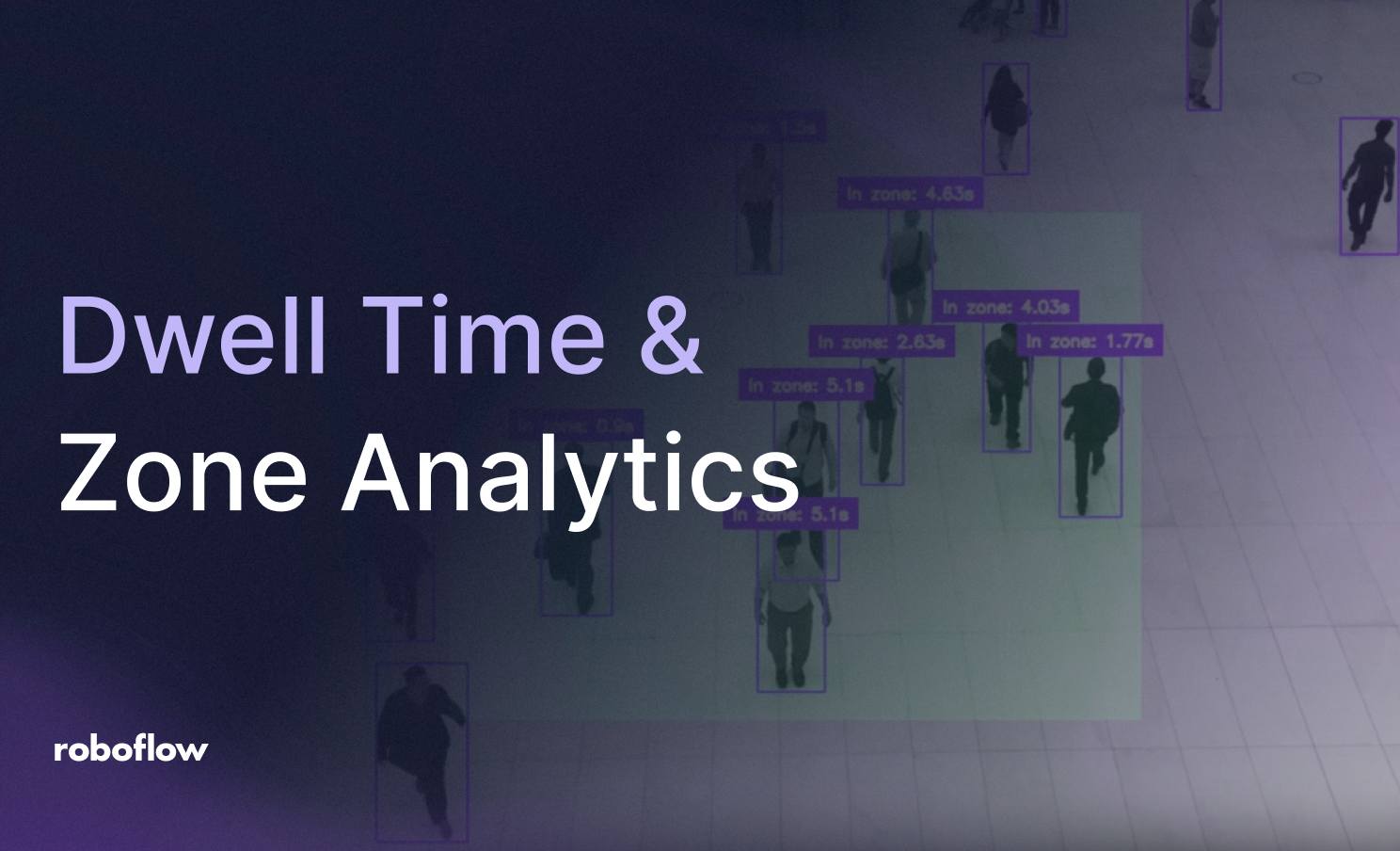
Measure dwell time and zone analytics from any camera: train RF-DETR, track people with ByteTrack, and time each visitor inside a defined zone.
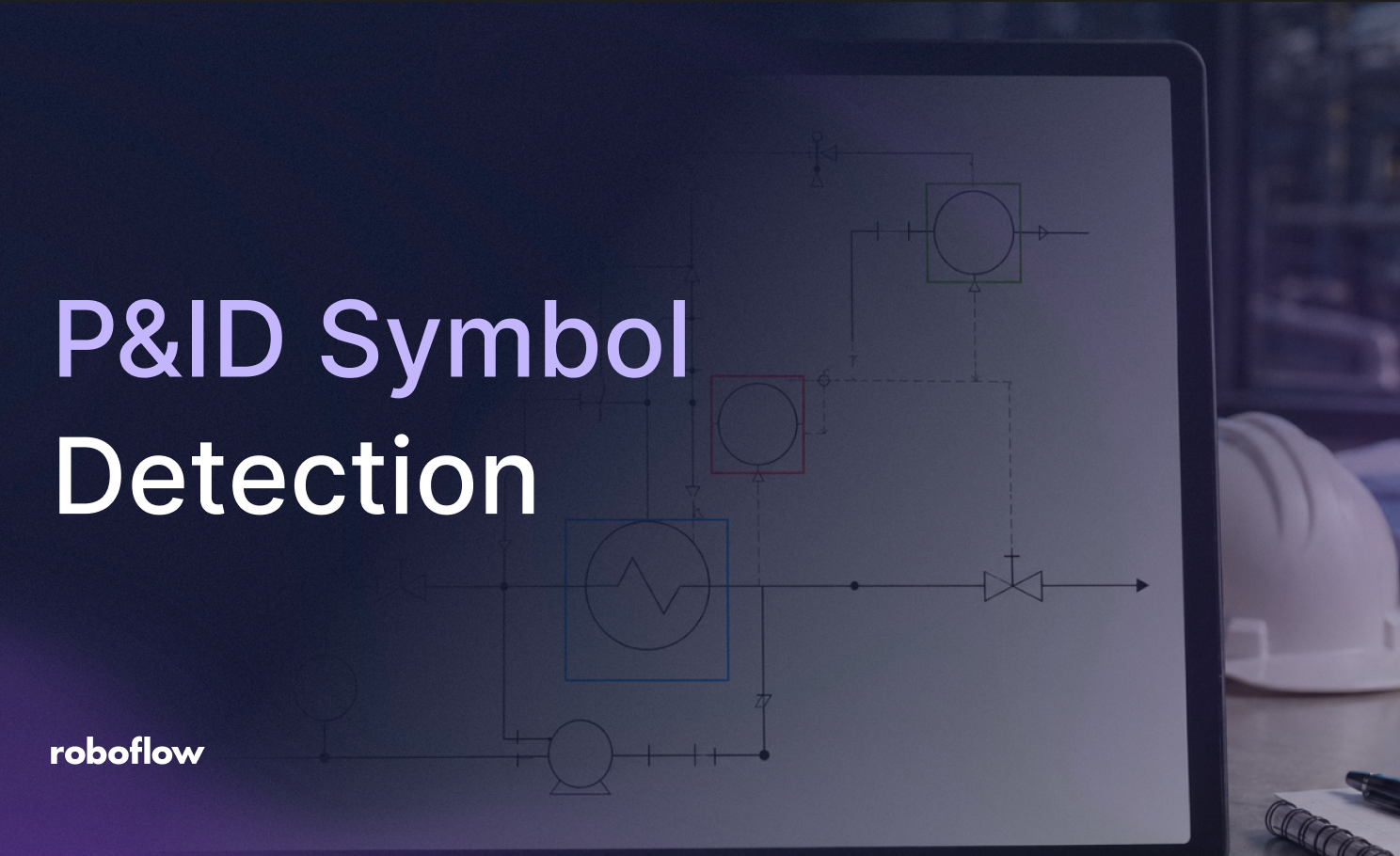
Detect common symbols in piping and instrumentation diagrams, then use OCR to extract text from instrument-related regions.
Zero-shot vs fine-tuned models: prototype with SAM 3, auto-label your dataset, then train RF-DETR for the accuracy and speed production needs.
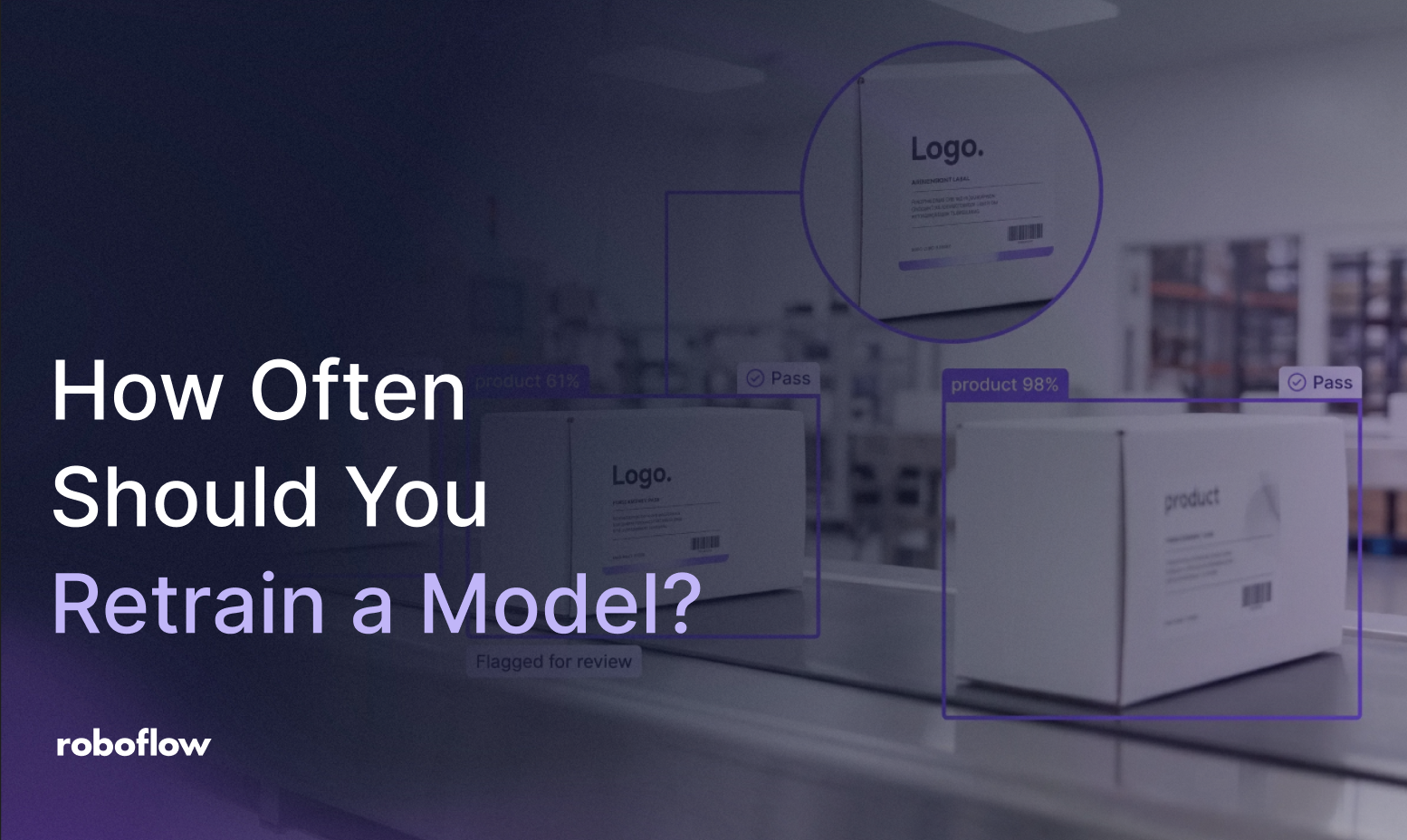
Learn how to recognize performance decline, data drift, new edge cases, and other signs that indicate a computer vision model needs retraining.
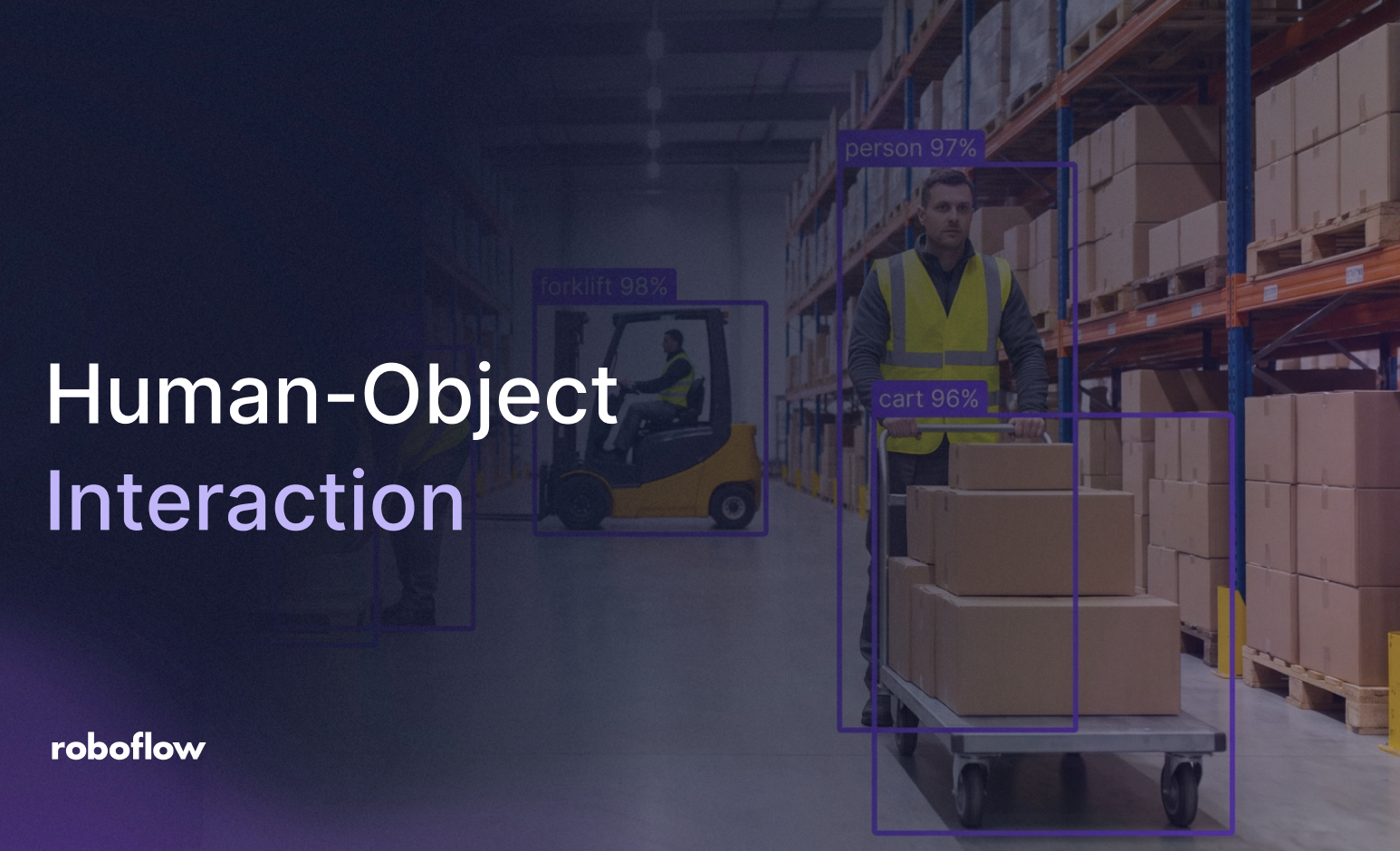
Build human-object interaction detection without interaction labels: RF-DETR finds people and forklifts, Gemini classifies safe vs unsafe, in Roboflow.
Computer vision PLC integration turns detections into real machine actions. Learn how cameras, RF-DETR, Roboflow Workflows, edge inference, and protocols such as OPC UA, Modbus TCP, and EtherNet/IP connect vision systems to PLCs for reject, stop, alert, and quality-control tasks.
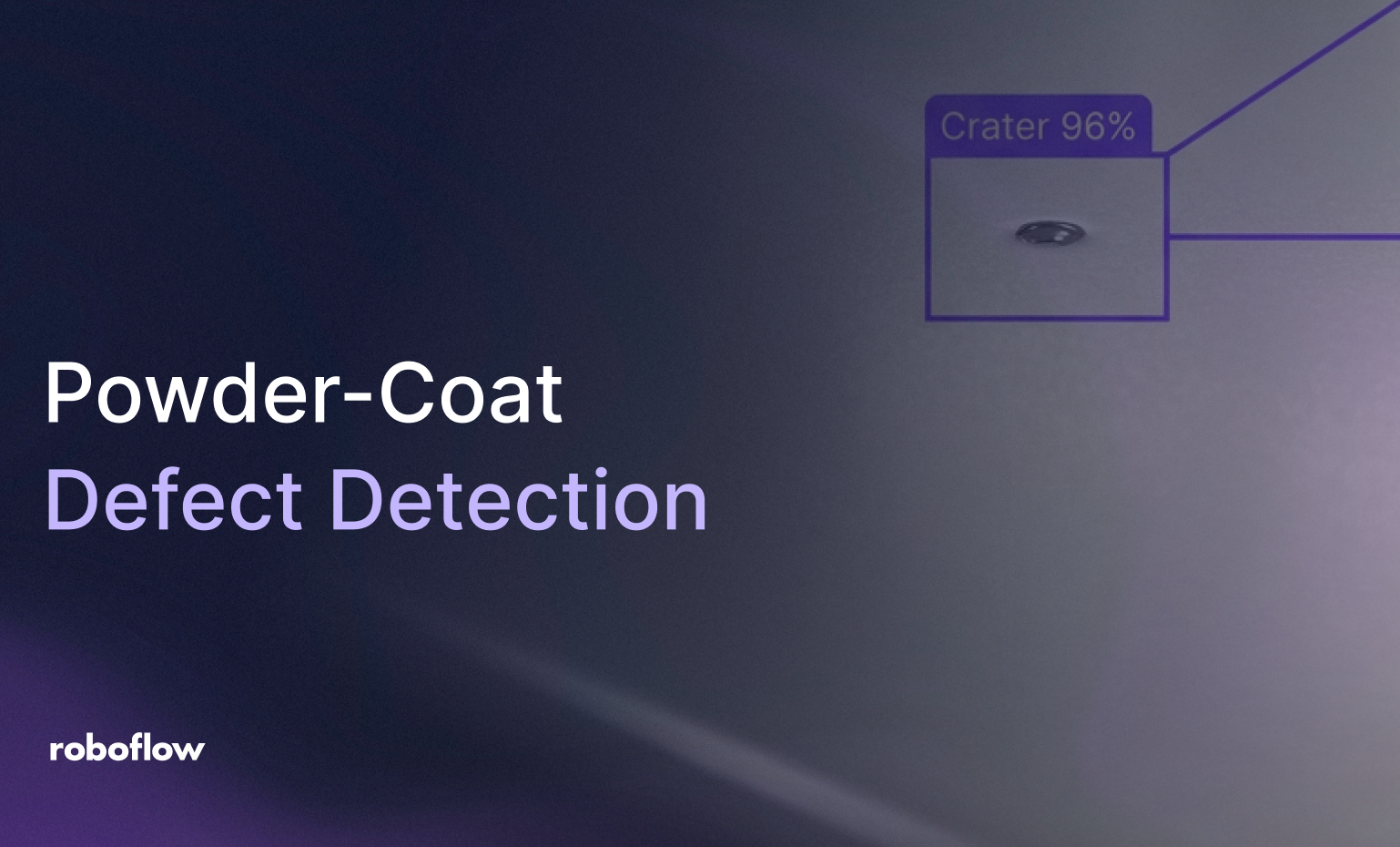
Detect craters, orange peel, bubbles, and scratches with RF-DETR, then use Gemini 2.5 Pro to summarize the visible defect and its apparent severity in the annotated image.
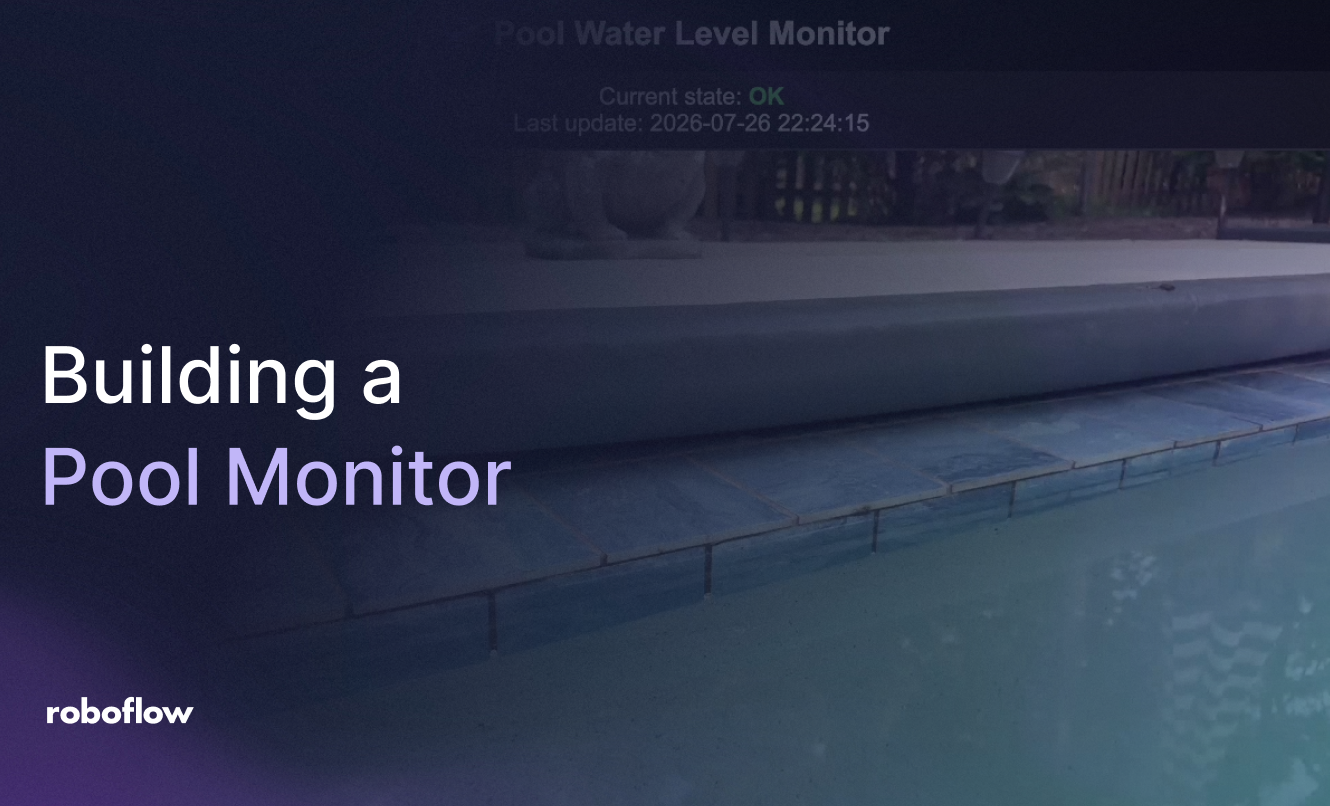
How to use a Raspberry Pi, a phone camera, and a Roboflow classification model to know when a pool needs a refill.