
A new feature—I’m putting some of these posts out on YouTube to see if another format is helpful to you, dear readers, and to other people who might want to listen, rather than read. Get a peek into my real-life office where I do most of the work, and while you’re there, subscribe so that you’ll see anything else that comes out—and YouTube will start recommending it to other people!
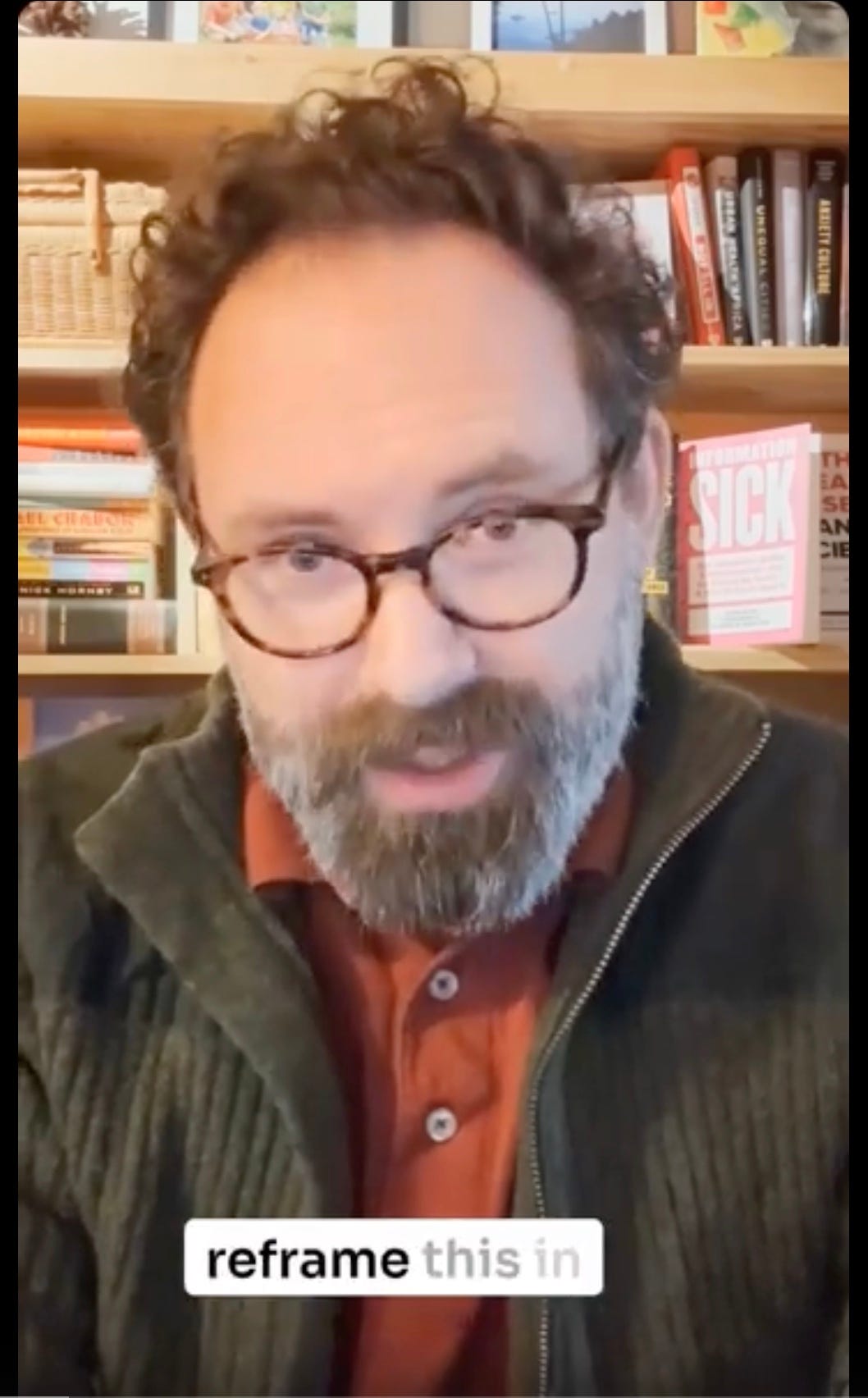
You’re probably worried right now that your book is going to be out of date by the time it’s published. In fact, you might be worried on a weekly basis that you’re not keeping up with events in the news. Here’s what I tell my authors when they come to me with this problem.
First of all, I want you to reframe this in your mind so that you see this as a strength of your book, rather than a problem. There are tons of media out there that are better at responding to current events than books. Think about newspapers—they come out every single day. Blogs, podcasts, radio shows, even magazines come out frequently enough that they can stay up to date with current events. Add to that the role of social media in disseminating breaking news and it’s practically real-time. How could ink on paper compete with that for timeliness?
If you want to talk about what’s going on in Venezuela in your book, it’s going to be hard to stay up to date because the situation is going to evolve so fast. If you want to write about what the secretary of HHS just said, because it’s important, you know it’s going to be old news in a month when he does something else (even a month is wishful thinking at this point).
So what can your book do that those other media can’t do? How can you turn that into an opportunity? For one thing, your book can remember what happened last week. Your book can remember what happened last month, and 10 years ago, and you can put it into context, because that’s the role of your book. Its job is to be timeless, not timely.
If you’re an author and you have people around you who are interested in becoming authors in the future—maybe they’ve asked you about it, or maybe they’re the kind of person who everyone thinks should write a book but they’ve always shied away from the suggestion. I’m giving a free, small-group introduction to academic book publishing, and have just a few seats left—I invite you to share the link with anyone who you think would benefit.
You don’t want to use your book to try to report on current events, because even if you do your absolute best to turn it in to your publisher fully up to the minute, the book is going to spend almost a year between when you write the last word and when it lands on bookshelves. You can’t stay up to date no matter how hard you try. So what you need to do instead is think of your book as a lens that your readers will see the world through. Or think about it as giving them a framework to populate with events they read about in the news on a day-to-day basis, no matter when they read it.
After somebody picks up your book, they should be able to understand things that were happening 10 years ago, today, or 10 years from now, better than they could before they read it. That’s what your book can do better than anything else, and that’s what makes a book become a classic. When somebody pulls a book off the shelf to recommend to a friend in five years, or 10 years, or 20 years, there’s a good chance it’s not a brand new book.
So what sets that book apart? It’s that it helped the reader (who’s now the recommender) understand the world better than they did before. If you think about your book that way, you can make it a big success without trying to chase the headlines.
Comments
Nothing yet. Say the first thing.
Sign in to join the conversation.