
ErikDoesVFX made a cool video where he competes against Higgsfield, an AI company, in making VFX.
Andrew Price said in his newsletter that it’s the first artist vs. AI video that’s actually fair.
Maarten Nauta didn’t share the sentiment. He’s very leveled, gives AI credit where it’s due, criticizes the human VFX too, but overall dunks on Higgsfield. It’s a very sober breakdown of exactly what AI gets wrong, and it’s worth watching. But something about the video made me uncomfortable. All through the video, Maarten is saying the AI looks like ass, crap, and dog shit.
I don’t feel bad for the AI company; that’s not my concern. I’m concerned for young VFX artists watching this. They know they’re not as good as the AI. So what do they hear? They hear that their own work is ass, crap, and dog shit. And I would guess that describes most of the audience watching this video. Because let’s be honest—not many people are better than AI. As wonky and bad as AI can be, most amateurs are worse.
Imagine that you’re getting into indie VFX, and you’ve been working on a shot that doesn’t feel quite right, but you can’t tell what’s wrong. It happens a lot in the beginning. You watch this video, and you hear Maarten talk about how it’s super important to get the scale right between elements. You open your project and see “Wow! That’s exactly what I was doing wrong.” Then you tab back to the video, and Maarten says, “What an absolute piece of shit. It can’t even get the scale right? Stop glazing this.” What do you feel?
It’s like a friend telling you they can’t stand motorbikers and secretly you drive a motorbike.
This is not what an intermediate artist needs to hear. They need gentle encouragement. There is so much uncertainty in art already. We put so much of ourselves into it. Then add to that the uncertainty of AI making you redundant. Any amount of criticism could dissuade you from pursuing a career in VFX. That’s why the right thing to say to an aspiring artist is “Good work! The movement and shading look amazing, and the lighting matches perfectly. Let me add one more thing to your checklist. Try to measure everything to a known distance. That makes it a lot easier to get the sizes right. But it’s not too bad. I don’t think most people would even notice it.”
You could say that human artists shouldn’t be offended by criticism directed at AI. After all, we can learn and the AI can’t. When Maarten says that AI gets the scale wrong, he’s saying that it consistently gets the scale wrong and may never learn. That’s why we shouldn’t put too much stock in it. A human, on the other hand, can learn from their mistakes. I get that, and I don’t mean to criticize Maarten. (Maarten, if you’re reading this, I think your heart is in the right place.) But I think we need to be a little careful.
Thing is, artists are fragile. They will take your criticism to heart if your criticism applies to their work. (Or even if they just think it does.) And that will scare them away from trying again. Which means we get fewer VFX artists, and AI takes over.
Let’s remember this. Be gentle with criticism, even if it’s not directed at the person sitting next to you, because they may take it to be.
Discuss this post on Substack.
Speaking of Maarten, subscribe to his channel. It’s great. Thank God for this video about optimizing Windows.
I do private tutoring! It costs $70 for an hour. You choose what we do. My best lessons have been where we both open a project file of yours and talk about what we could do differently. Previous students have been really happy with it.
Send me an email if you’re interested.
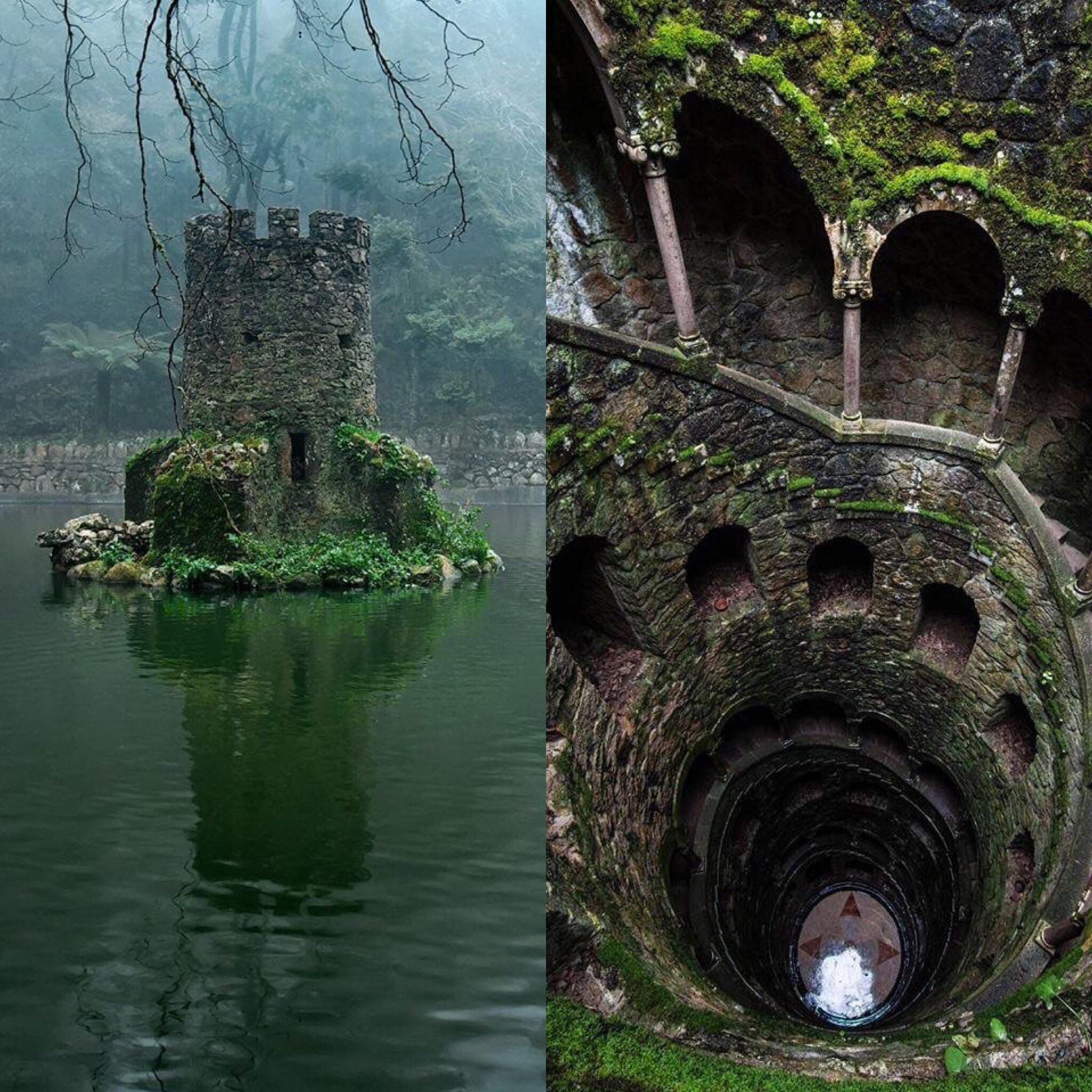
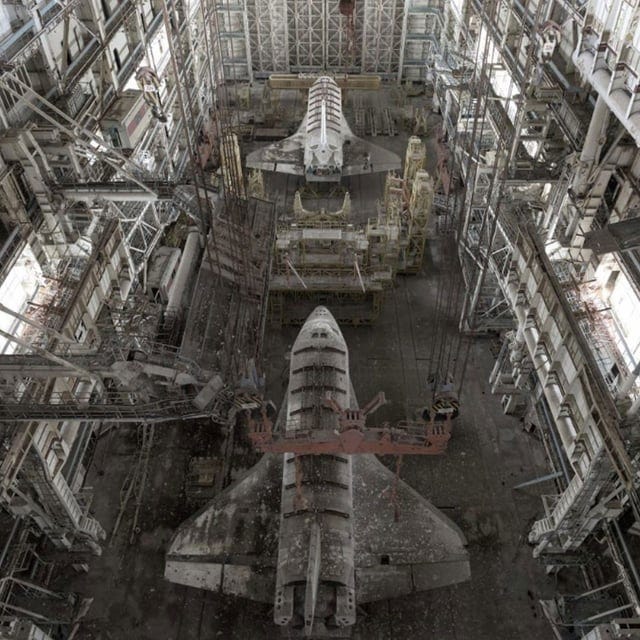
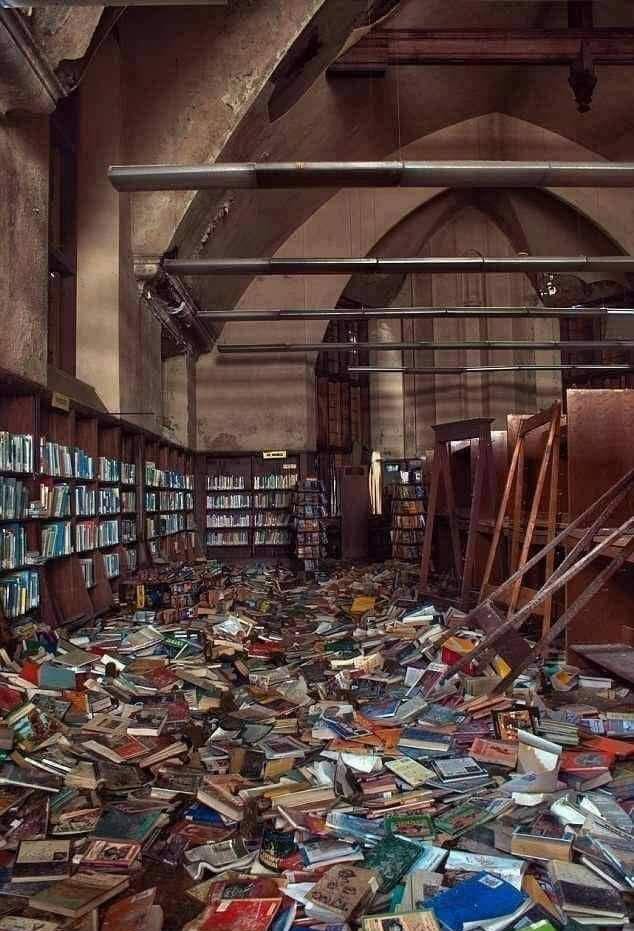
A Reddit for old dilapidated things.
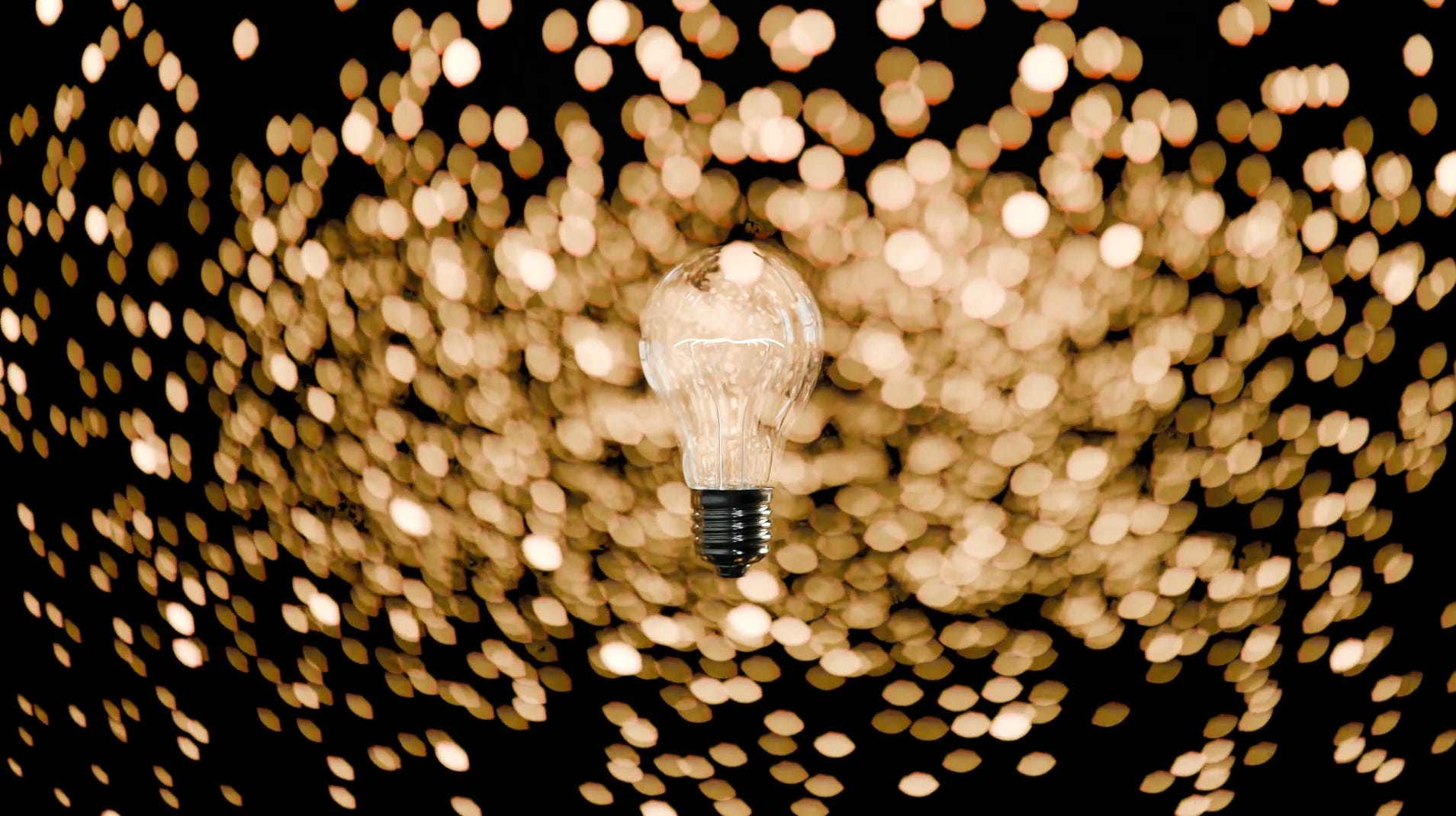
I made an addon for an upcoming video about custom bokeh. I’d love for you guys to beta test it and tell me about anything I should change before it comes out in two weeks.
When you install it, you'll see a new section at the bottom of every camera tab called bokeh texture. Import an image and hit bake. You can use this sample bokeh image, which is in linear rec.2020. Blender will hang for a couple of seconds while the addon converts the pixel values into an OSL string and applies it to the camera.
When applied, you have sliders near the top of the tab, as usual. The “barrel” is the occluding sides of the lens, which will produce cat’s-eyes around the edge and a vignette.
No posts
Comments
Nothing yet. Say the first thing.
Sign in to join the conversation.