
Nestled in Fort Bend County, Fulshear, Texas, might be known for its rapid growth and charming communities, but beneath the surface of development lies a vibrant and surprisingly diverse natural world. Situated within the unique Gulf Coast Prairies and Marshes ecoregion, Fulshear is a mosaic of habitats—from historic tallgrass prairies and lush river bottomlands to sparkling lakes and vital wetlands. This rich tapestry supports an incredible array of wildlife, making it a true haven for nature lovers.
Let’s dive into the fascinating creatures that call Fulshear home!
You might be surprised by the variety of mammals thriving in and around Fulshear. While common urban-adapted species like raccoons, opossums, moles, squirrels, bats, rats, and mice are frequent visitors to our neighborhoods, the broader Fort Bend County also hosts a range of more elusive native Texans. Keep an eye out for coyotes, badgers, and the iconic nine-banded armadillo. In protected areas like Brazos Bend State Park, you can even spot white-tailed deer, the largest of over 25 mammal species found there. Our diverse rodent population, including various pocket gophers and tree squirrels, also plays a crucial role in the ecosystem.
Fulshear’s skies and wetlands are a spectacle for birdwatchers, thanks to both its resident populations and its crucial role as a stopover for migratory birds.
Common backyard birds you’ll likely encounter include the vibrant Northern Cardinal, the melodious Mourning Dove, and the intelligent Blue Jay. Our wooded areas are home to various woodpeckers like the Red-bellied and Downy Woodpeckers, while nocturnal hunters like the Eastern Screech-Owl can be heard after dark.
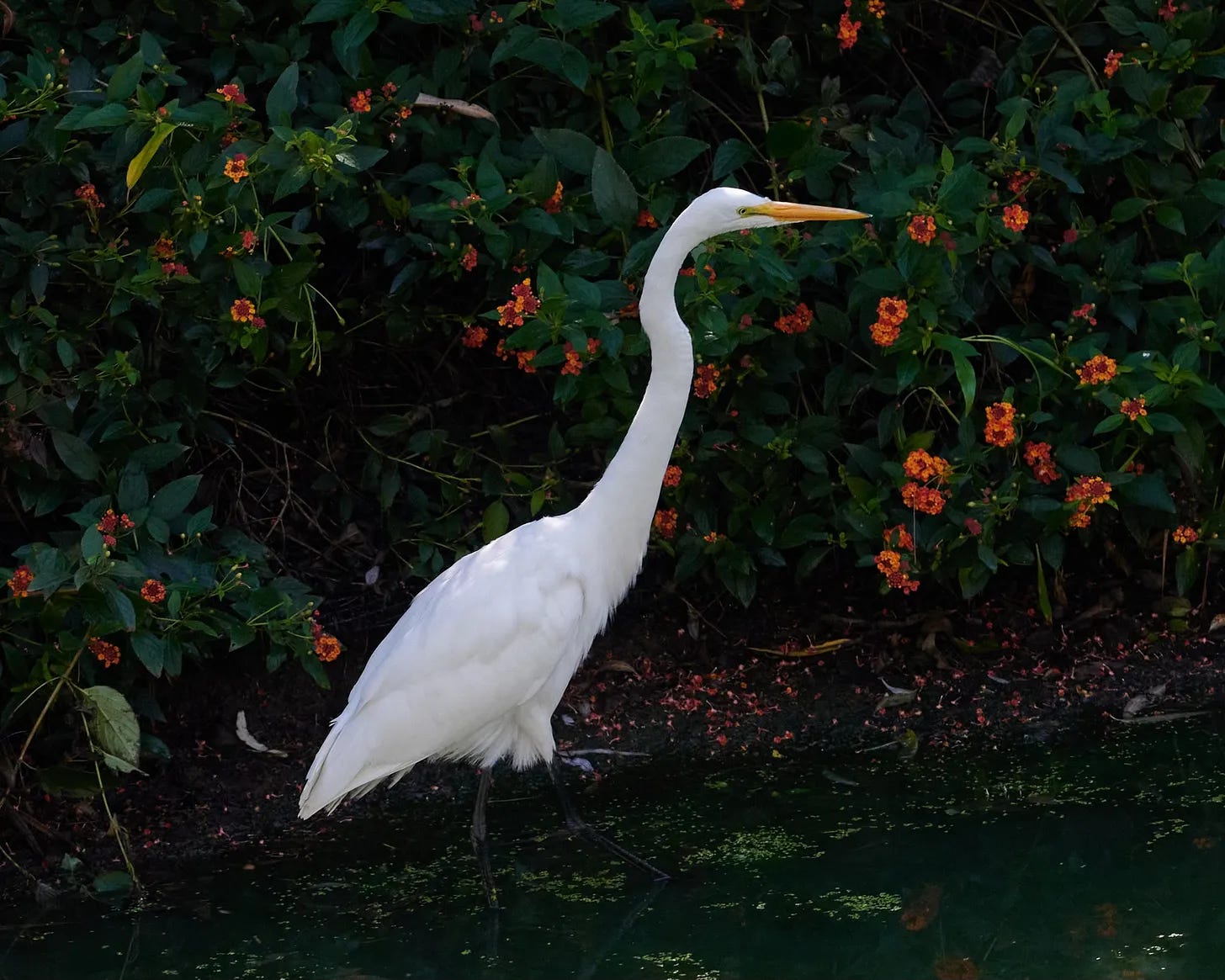
But it’s the waterfowl and wading birds that truly highlight Fulshear’s aquatic richness. Species such as Great Blue Herons, Great Egrets, and the distinctive Roseate Spoonbill are frequently seen around lakes and ponds. The Polishing Pond at Cross Creek Ranch, for instance, is a designated “migratory stop for countless birds and wildlife,” underscoring Fulshear’s importance in the larger migratory flyway.
And don’t forget the raptors! Majestic Bald Eagles have made a significant comeback in Texas and are often seen soaring overhead, alongside various hawks like the Red-shouldered and Red-tailed Hawks, and smaller falcons like the American Kestrel.
For dedicated birding, nearby Cullinan Park in Sugar Land boasts an impressive checklist of 267 species and is a hotspot for warblers, vireos, and thrushes during migration.
Seabourne Creek Nature Park in Rosenberg, part of the Great Texas Coastal Birding Trail, also offers diverse habitats for over 212 bird species.
Texas is incredibly rich in reptile and amphibian diversity, and Fulshear is no exception.
Alligators are a prominent feature of our freshwater ecosystems, having inhabited Texas’s rivers, ponds, and lakes for centuries. While they prefer isolated areas, sightings in community lakes do occur, emphasizing the need for public safety and respectful coexistence. Various snakes native to Fort Bend County, including the Broad-banded water snake and the Texas rat snake, also play their part in the ecosystem. You might also spot a variety of lizards like the Eastern Collared Lizard or the iconic Texas Horned Lizard. Our lakes and ponds are also permanent homes for turtles, including the common Red-eared Slider.
Among amphibians, various frogs and toads are common, such as Woodhouse’s Toad and several species of Leopard Frogs. However, the true conservation flagship of our region is the Houston Toad. This critically endangered amphibian, one of the first federally listed endangered species, historically resided in Fort Bend County. Its survival is deeply tied to the preservation of specific pine and oak woodlands with sandy soils and ephemeral breeding ponds. Its precarious status highlights the profound impact of human development on vulnerable species.
The health of Fulshear’s aquatic ecosystems, particularly the Brazos River and local lakes, is vital. These waters support a variety of fish species popular with anglers, including Largemouth Bass, Channel Catfish, and Crappie.
Beneath the surface, a world of aquatic invertebrates forms the foundation of these ecosystems. From crayfish and various insects like dragonfly and mayfly nymphs to microscopic copepods and freshwater mussels, these creatures are crucial food sources for fish and birds and serve as important indicators of water quality.
Fulshear’s rapid growth brings significant challenges. Habitat loss and fragmentation due to urban expansion are the primary threats, directly impacting species like the Houston Toad.
Invasive species, such as Chinese tallow and red imported fire ants, outcompete native species and disrupt ecosystems.
Pollution from runoff and persistent contaminants also poses risks to wildlife. Furthermore, climate change exacerbates these issues through altered rainfall patterns and increased drought, impacting breeding sites and overall habitat viability. The increasing frequency of human-wildlife conflicts also necessitates careful management.
Despite these hurdles, Fulshear is not without hope. Dedicated conservation efforts are underway. Organizations like the Coastal Prairie Conservancy are actively preserving and restoring coastal prairies and wetlands in Fort Bend County.
Texas Parks & Wildlife Department manages vital state parks like Brazos Bend, offering protected habitats and educational programs. Community initiatives, such as the thoughtful integration of natural spaces in developments like Cross Creek Ranch, and the work of Texas Master Naturalists at Seabourne Creek Nature Park, demonstrate a commitment to coexistence. Wildlife rehabilitators in the county also provide crucial care for injured animals.
Fulshear’s wild side is a precious asset. By understanding the challenges and supporting local conservation efforts, we can all help ensure that this rich biodiversity continues to thrive alongside our growing community. Whether it’s by supporting land trusts, practicing responsible pet ownership, minimizing chemical use in our yards, or simply appreciating the wildlife around us, every action helps preserve Fulshear’s natural splendor for generations to come.
[NOTE: This article was first published on July 22, 2025.]

We are grateful to welcome the Peschke Wealth Management Group of Raymond James to our team of sponsors. Peschke Wealth Management takes a team approach to financial planning, providing a broader scope of experience than you will likely find in any one person. Clients are our main priority, which is why we work to understand your unique circumstances and ultimately create a distinctive plan that provides a roadmap for your financial journey.
Supporting Our Local History. All proceeds from “About Fulshear, Texas” sponsorships go directly to the Fulshear Historical Association, a registered 501(c)(3) nonprofit dedicated to preserving and celebrating the rich heritage of our community.
About Fulshear, Texas, is the area’s authoritative hyper-local media ecosystem. Our Substack newsletter achieves a 60%+ open rate, our Facebook presence (@About Fulshear Texas) generates over 35,000 monthly views, and we have launched a community podcast. We reach more than 8,000 unique individuals monthly, with 53.5% residing directly in Fulshear. The core demographic is affluent homeowners aged 35 to 54—representing peak household earning years, established homeownership, and the population most likely to refinance, purchase investment properties, or refer neighbors and colleagues to a trusted lender.
No posts
Comments
Nothing yet. Say the first thing.
Sign in to join the conversation.