
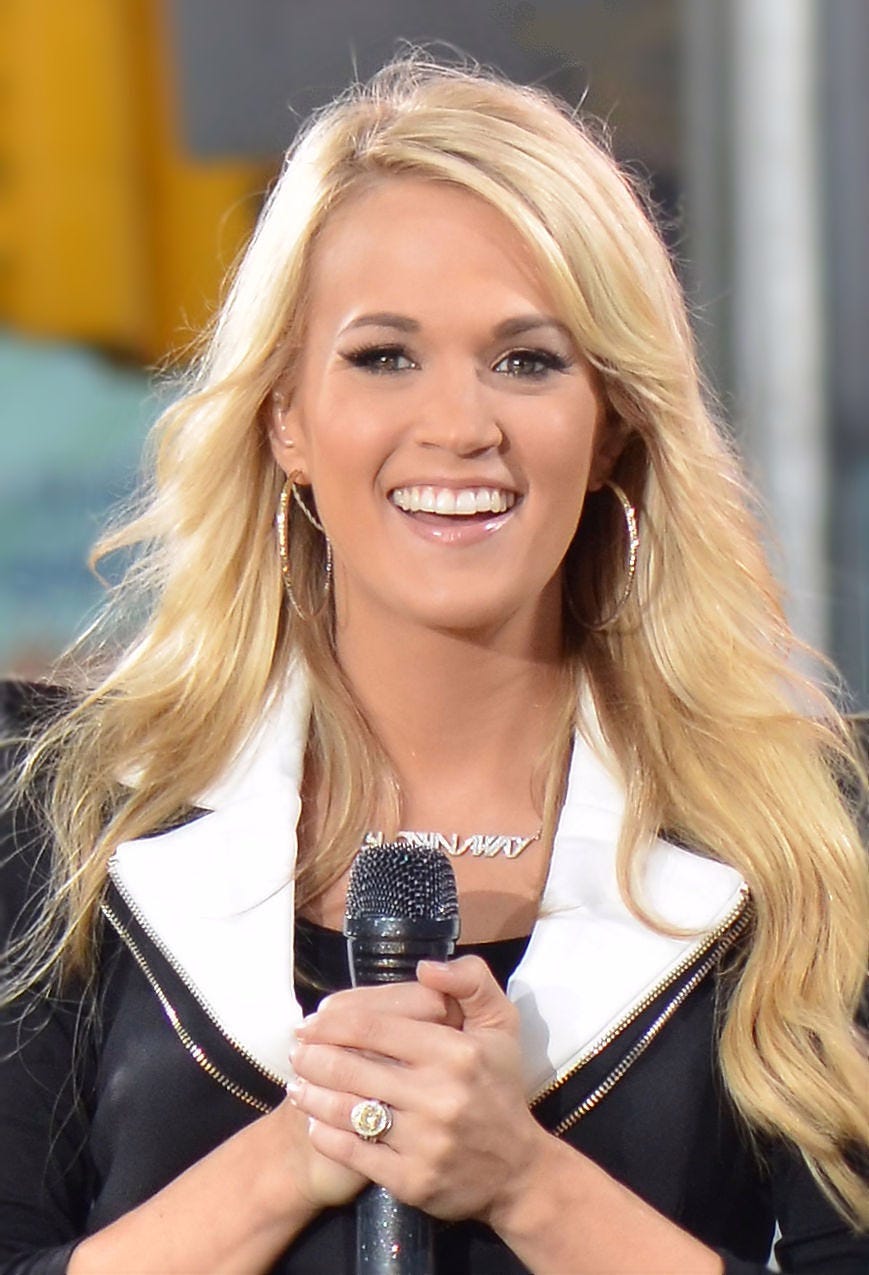
My first assignment as the newly crowned Nashville music correspondent for USA Today was to interview Carrie Underwood. Having edited the Country Music Association magazine, CMA Close Up, for eight years or so, I had seen her perform maybe a dozen times, most spectacularly in what is now Nissan Stadium as a headliner for the CMA Music Festival. I’d attended a few of her press conferences, lunched a few seats away from her in a restaurant once and even spoken very briefly with her at a songwriter awards ceremony, where my unfamiliarity prompted a look of apprehensive discomfort that cued me to take my leave quickly.
But now, in October 2015, as I showed up at the Sony headquarters on Music Row for our sit-down interview, I knew she had been briefed on who I was – a harmless music journalist whose intentions were purely professional. We were both aware of the parameters of our encounter: A limited number of minutes had been allotted to talk specifically about her new album, Storyteller. The buzz was that this was her first release since the birth of her first child, Isaiah, in February. So as I saw it, while it would be irresponsible to not address this topic, it was my job to dig deeper and around it by citing specific lyrics and looking at other unusual characteristics, such as the fact that multiple producers were involved in the sessions. That opened the door to asking if each one of them brought something different out of her interpretively, which in turn led to a more general question about her singing in general, given her well-known technical command.
Incidentally, research can equip an interviewer in unanticipated ways. A few days before dropping by Sony, I saw in the news that Carrie had recently smashed her own car window to rescue her infant son and her dog from an overheated car she had inadvertently locked. It was good to have had that in my mental file, even though I hadn’t planned on referencing it, as you’ll see below.
With a notebook and cassette recorder in hand, I was ushered into a small waiting room inside the Sony building. Less than a minute later, Carrie joined me. I suspect seating arrangements were carefully predetermined, as she sat not across from me but very close to me on the smallish office couch. I hope I’m not being Neanderthal here, but this proximity meant that I couldn’t look down at my notes or my recorder without her famously spectacular legs, on full display beneath some shorts or maybe a glittery miniskirt. Honestly, it was a little awkward for me, though in the most scenic sense of the word. Somehow we forged ahead, though, and a few days later I was thrilled to see, for the first time, my byline in the latest USA Today in the Walgreens rack as I was picking up a few sundries.
****
How has your family life affected the making of this record?
I think life inevitably works its way into songs, whether it’s stuff that works its way into a writing session or even in the things that you’re relating to, like if I’m listening to demos and if it speaks to me for a certain reason. But I’ve gotten that question about Isaiah changing my artistry quite a bit. I think people kind of expected me to make a mommy album or lose my edge or I’m suddenly singing “life is beautiful/babies are awesome” songs [laughs]. It’s weird. But he worked its way into a song.
That would be “What I Never Knew”?
Yeah, and I felt like the second I announced I was pregnant and I was still writing and stuff, that’s kind of where a lot of songwriters wanted to go with me as well. I was like, “Oh, my gosh, really? Maybe you’re thinking that we can write something really great.” But for the most part, I didn’t want it to be cheap or predictable. I felt like I had to lead it. The whole “What I Never Knew I Always Wanted” was a way to sing about him and my husband in a different way. I think it’s relatable. There’s probably a lot of other people out there that are like me, like, “I never really thought about getting married. I never dreamt about my wedding day or having a child.” But now that I’ve got, I’m like, “What did I do before him?” It’s like we’ve always been together.
It’s a reassuring song to fans who think maybe their lives never will change in that way.
Yeah, like some things will happen in your life that might be a little unexpected. And you needed them. You just didn’t know it.
That song and “The Girl You Think I Am” stood out from this album as being especially personal.
I wrote “Girl You Think I Am” with David Hodges and Hillary Lindsey. That was one of the first songs we wrote for this album. We were just talking about dads and how awesome they are [laughs]. I came in the the idea that I realized my dad makes sense [?] so much better than I am. He thinks that I’m amazing and I can do anything and I’m not afraid of anything. He thinks I can do no wrong. So Hillary and I were both telling dad stories, and David is a dad of several girls, so he was there to talk about seeing the other side of things. The kids don’t know how their parents look at them probably until they are adults, and then it’s like, “My parents were kind of coming down on me and I thought they were being totally unreasonable. But they were looking out for me because they love me!” Having those realizations as an adult and now as a parent, it was just like, wow, if only I’d known this as a kid!
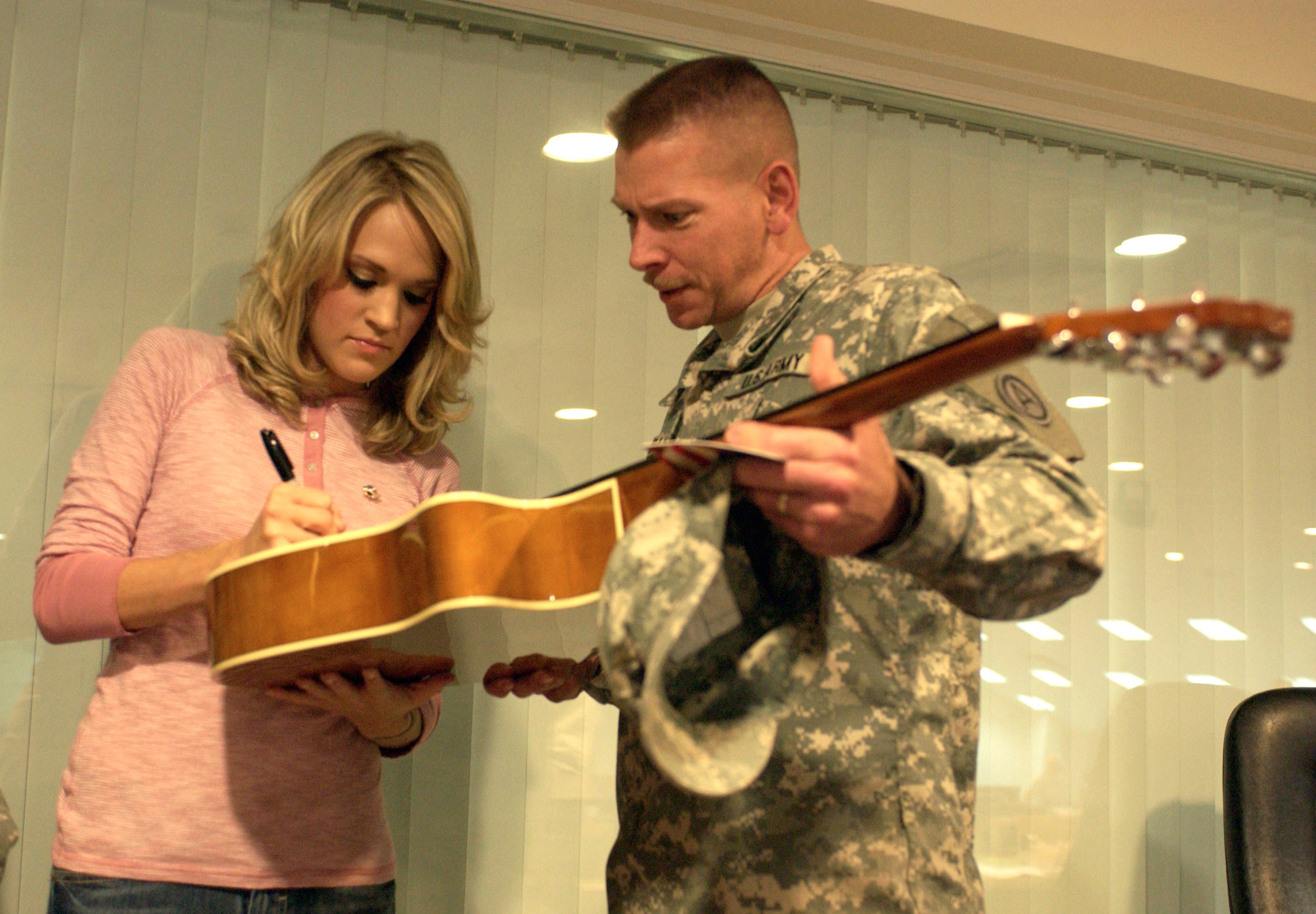
Other than these two tracks, this album continues the direction you’ve established previously, which is that you like to write narrative songs, usually in third-person and there’s usually some really horrible person in the story somewhere. Why are you interested in songs that tell stories?
That’s one of the things that’s really great about country music. Throughout the history of country music, there have been really fantastic story songs. I just love any movies on my radio: I’m imagining characters. It’s just fun! It’s fun to sing about. It’s fun to write. It’s what I like so it’s what I make. I love strong characters that are kind of pushed to their limits and stand up for themselves -- especially strong women. I think that’s why there’s always some sort of injustice happening. There’s something that’s pushing these women to be stronger than they ever thought they could. Of course, in the end it all works out, which is not how life goes a lot of the time. It’s just what I’m drawn to sing.
There’s at least one song on this album where the bad person is a woman -- “Renegade Runaway.”
Yeah. She doesn’t kill anybody. She’s just a user-slash-free spirit. She’s not all bad! She’s gorgeous.
She’s powerful and she has a negative impact on some hapless guy. But many of these songs follow a path you’ve established about some guy cheating or doing something else horrible. What draws you to that narrative?
In my dating past, which feels like a million years ago and thank God that’s over, I think we’ve probably all been cheated on. I know I dated some not-so-great guys. It’s the revenge aspect. The stuff that I sing about, I would never do. Like “Before He Cheats,” I would obviously never go and destroy anybody’s property. I’m just not that dramatic.
Although you did recently break your own car window.
I did! Nobody did anything bad! It was my dog. It’s just fun to sing about. It’s like how after you have a confrontation with somebody, you go home and think about all the things you should have said.
Could country music benefit from more story songs?
I think so. That’s what makes me like them even more. There’s some stuff in here. There’s cleverness behind it. If we sat down and we thought of characters, we thought of a back-story and we put love into it and we put effort into it. I do think there should be some more on the radio now.
Do you write like a short-story writer? Do you map out a plot in advance?
It really depends on who I’m writing with. It depends on if somebody has a title versus a story line versus the music. “Renegade Runaway” had a track going. We fiddled with it. It’s always easy to feel like, “Hey, if we had a bridge here …” And he’s like, “Yeah, cool!” So you tinker around for a minute. You add stuff and take stuff away. But that was like, “What does it feel like? It feels kind of cool and Western.” I don’t mean cheesy Western. I mean like a young guns/Wild West kind of feel. “Okay, what are we singing about?” We made that character up, based off the music. So we start songs in lots of different ways.
As soon as I heard the first words, I thought, “Oh, this is like part two of ‘Ode to Billie Jo.’” It’s very Southern. There’s a strong sense of place. Did that song influence you as you were growing up?
I mean, I grew up with Reba singing “Fancy” and stuff like that. I think that’s another reason I like story songs so much, because of some of the people I grew up listening to.
Is that why this album is called Storyteller?
I was like, “What’s the common theme? What sums it all up?” I was pushing hard for a long time, like, “We need an album title. We need you to come up with something. Please give us something!” Everybody was throwing out suggestions. I didn’t like any of them. I had a couple of things I didn’t really like either. I wasn’t sold on anything. Then when Storyteller came, it was like, “That is the common theme. It’s either personal stories that I’m telling or they are character-driven.” You have to listen to the whole thing to find out what happens. As soon as I said the words out loud, everybody was like, “Oh, my gosh, that’s it!”
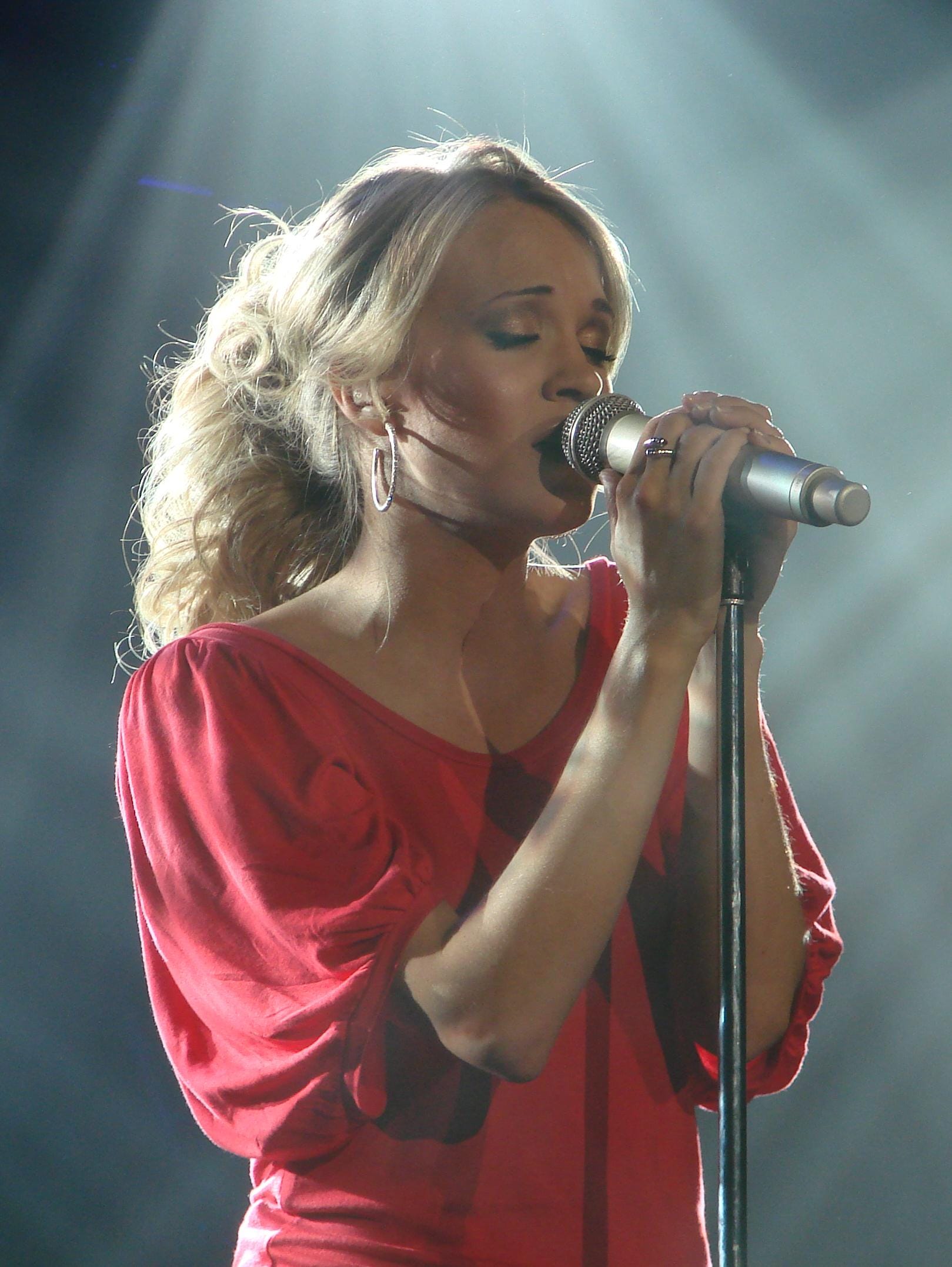
You have a number of producers on here.
I never worked with Jay Joyce. I’ve worked with Mark Bright in some capacity on every album. I’ve written with Zach [Crowell] but have not worked with him as a producer. His name is just all over a bunch of stuff, like songs that I was holding. We wrote together. His name was just popping all over the place, so it kind of made sense.
Do they have different approaches? If so, how do you strive for unity on the album?
That is a concern when making an album, that you’d be able to sit back and pick who did what because everything sounds completely different. We had the same mixer on a lot of the tracks; I think that helped. We also let Mark listen to Jay’s stuff, and we let Zach listen to Mark’s and Jay’s stuff. That might have changed instrumentation a little bit, like, “Oh, instead of this, we’ll use this. That’ll help tie things in a little better because they knew that was important to me.
Why did you bring Jay Joyce into the album for the first time? How did you establish a rapport?
I knew I needed to get out of my comfort zone. I do have a tendency to love routine. I don’t want my albums to be routine. I know a lot of people that work with the same people, the same musicians, the same writers, the same producer, all of it. They’re basically making the same album over and over and over. It might be a great album they keep making over and over again, but I just want to keep being able to switch things up so you can tell each of my albums from the next and in concert things are different.
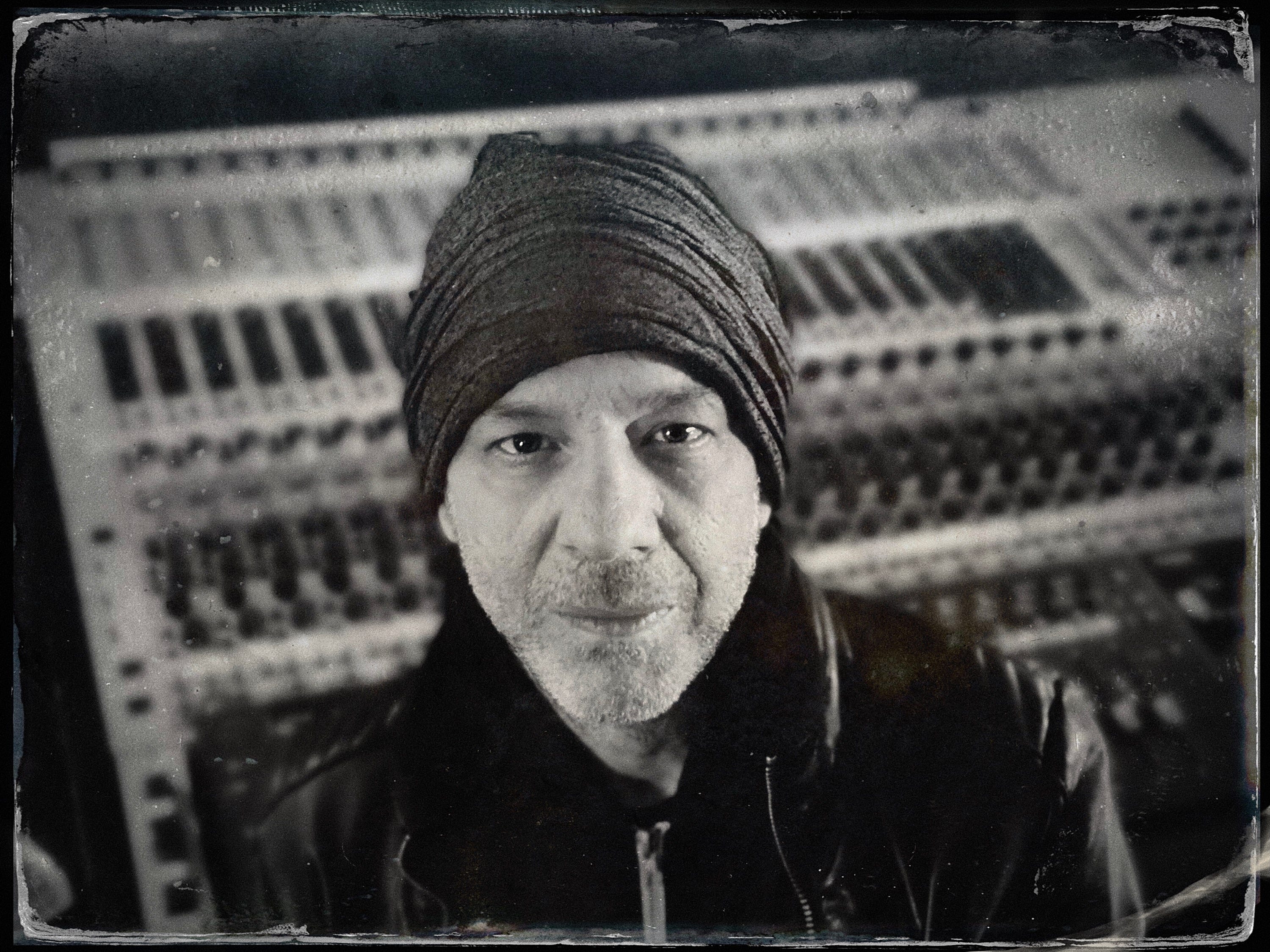
Why Jay specifically?
I’d written with him for the last producer. Just being in his space was different. It wasn’t a sterile recording studio. He gets out into the room. It’s not so controlled. He’s just a creative guy. He’d bang on the floor if he felt like, “Over here! There’s a sound on the floor that sounds really cool. Hit it here with this thing and it’ll sound great!” He didn’t actually do that [laughs], but I would see musical instruments over by the wall. He’d be like, “What is this thing?” He would use things and think of music in a different way than charts and knobs.
What does this album tell you about how you’ve developed? How does it show the world who you are these days?
It’s interesting that we’ve managed to make the most traditional country album I’ve ever made. I’m not saying by any means that it’s traditional country, but it’s definitely a big step more toward that than I’ve ever done before. There’s twangy stuff.
But there’s also the dramatic style that you’ve cultivated, where your voice goes up an octave in the chorus and so on. Does that also feel country somehow to you?
That’s me. That’s my voice. That’s what I do with it. I like big songs. I like challenging songs as a vocalist. Singer/songwriter never worked for me. I don’t want to be a “singer.” I want to be a vocalist. I pick songs sometimes that are too hard for me, just so I can prove that I can do them and do them over and over again. The more I do that, the better I get.
In terms of chops or interpretation?
Both.
How do you interpret a song where the chops are so dramatic? It must be a challenge to bring meaning to the words when you’re doing a big leap.
I don’t know if it’s a challenge. That’s the only place I can really let go and play the character and get into it. I’m not thinking about anything else.
“Even when I’m onstage I’m like, I have to change my clothes again?!”
I’m curious about how you’ll tour this album. Your concerts have always featured amazing arrangements, costuming and stage lighting.
With this album, the key will be to scale back. I don’t mean we’re going to do an acoustic show. It’s not that at all. But the last one was dramatic. The one before that was our first headline tour, so we had fun with it. Now it’ll be more about the music and less about the gadgets, because more than anything I just want to sing. That’s my ninety minutes of escape. It’s a ninety-minute smoke break onstage. It’s my favorite thing to do because I just don’t worry about anything. But even when I’m onstage I’m like, I have to change my clothes again? I can’t see anything; the lights are too bright.
What will be the most challenging song in your set list?
Each tour, I always start out thinking, “What have I done?” It’s not any one song. It’s like the gathering of all of them. But I also feel like on this album I’ve learned that not every song has to be like that, like “Smoke Break” isn’t. It’s not hard to sing at all.
That is your first single. It’s an understated song and you’re very much in character as you sing it. Talk about writing it and coming up with a sound that isn’t spectacular.
It’s an everyman song, no matter where you are in your life. We had the title “Smoke Break” before anything else. We thought that would make a really cool country song; it sounded like a country song to me. Well, what is it about? Obviously, we don’t want to encourage tobacco usage at all, so what are we singing about? What is a five-minute break to you? So we start telling stories and making up little vignettes. We have the woman who’s trying to work and trying to be a wife and trying to be a mom, trying to be everything to everybody. She’s trying to be that -- quote/unquote -- “good Christian lady.” It’s a Southern thing. You have these expectations of being a good Christian. You have those things to live up to. That’s what it’s all about. It’s about that guy who is trying to make a name for himself and climb the ladder of success and make everybody proud and trying to make his dad proud and be that guy. That’s real life. It’s relatable. In some capacity, we’re all overworked. We’re spread so thin. We’re trying to be everything to everybody. It gets a little lonely.
In just a few words, you make this character believable. Are you writing from your own experience about a need to take a break now and then -- not a smoke break necessarily?
You need to take a second away from trying to keep a house in order and make dinner and feed the baby and call my mom and take out what I’m going to wear for tomorrow’s interviews. It’s all life.
Looking back ten or fifteen years, it would have been impossible to imagine that your life would have played out as it has.
It’s been a spectacular ride.
And keeping that ride going while also trying to be normal at home is a challenge.
It is! It can get difficult. It can get frustrating because we’re really the most normal people ever. When I’m at home, I’m going to do laundry. I’m going to make dinner. It’s figuring out how to bring my son on tour with me. Separately, everything’s a breeze. It’s when life and work collide, it can get weird.
####
No posts
Comments
Nothing yet. Say the first thing.
Sign in to join the conversation.