
There is a curious injustice in the way readers remember Harry Potter and the Half-Blood Prince. Ask someone what happens in the sixth novel, and the answers are remarkably predictable. “That’s the one where Dumbledore dies.” Others remember teenage romance, Quidditch victories, Draco Malfoy lurking in dark corridors, or the mystery surrounding the identity of the Half-Blood Prince.
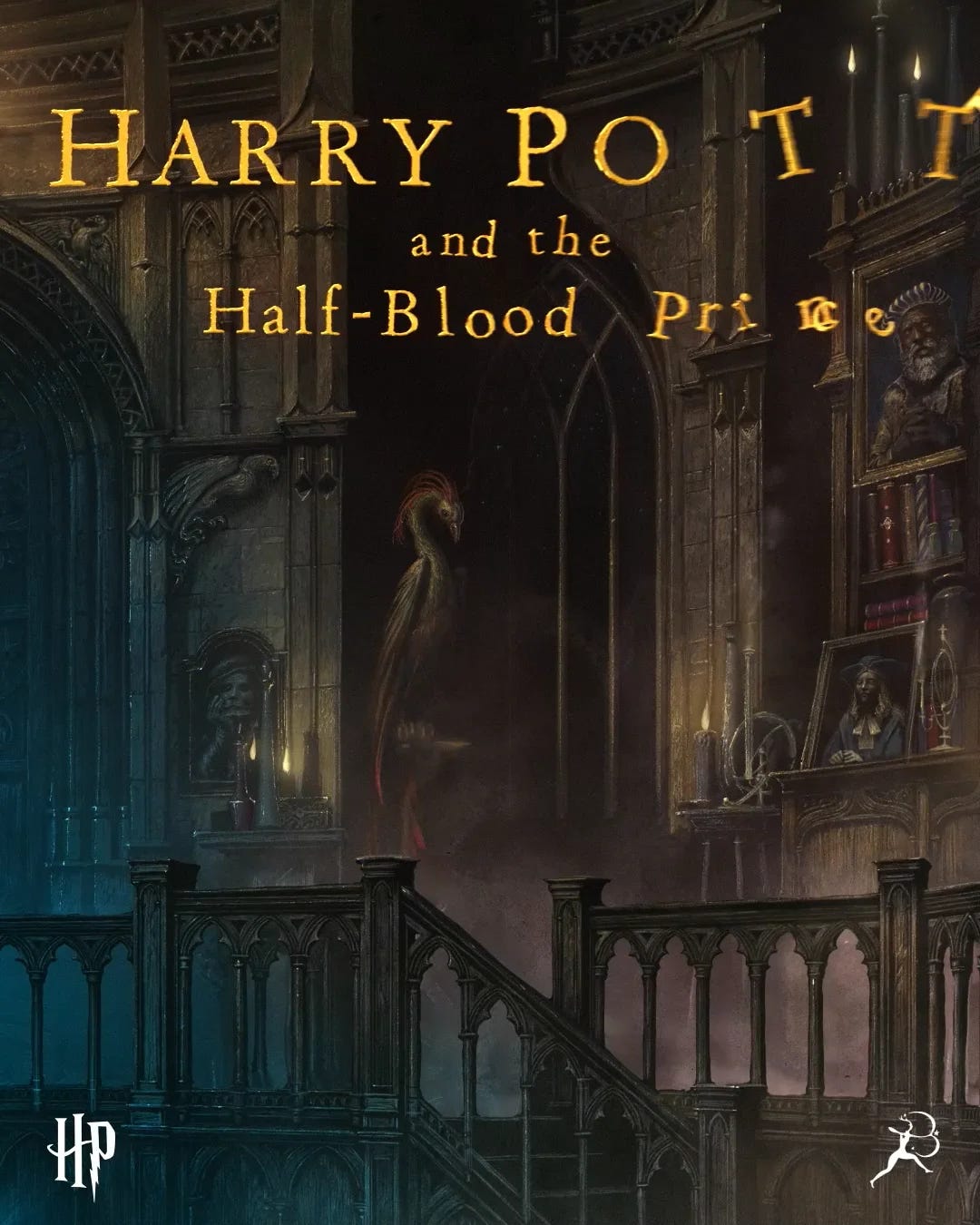
The novel is often described as a bridge between Order of the Phoenix and Deathly Hallows: a necessary pause before the grand finale.

Yet this collective memory is strangely incomplete.
Half-Blood Prince is not merely the penultimate chapter of a fantasy saga. It is the novel in which J. K. Rowling quietly changes the rules of her own story. The first five books ask readers to solve mysteries: Who opened the Chamber of Secrets? Who put Harry’s name into the Goblet of Fire? Who betrayed whom? By the sixth book, those questions begin to matter less. Rowling replaces the mystery of what happened with the far more unsettling question of how evil is made.
The result is a novel that rewards adulthood more than childhood. Children race through its pages searching for action; adults linger over conversations, memories, and silences. Read at twelve, Half-Blood Prince feels slower than its predecessors. Read at thirty-two, it becomes one of the richest novels in the series.
This is not because its plot is more complicated. It is because its subject has changed.
Fantasy gives way to history.
Adventure gives way to investigation.
Magic gives way to memory.
Most novels in a long-running series build momentum by expanding the world. Rowling does the opposite. Instead of introducing entirely new magical systems or ever more powerful spells, she repeatedly sends Harry into the past.
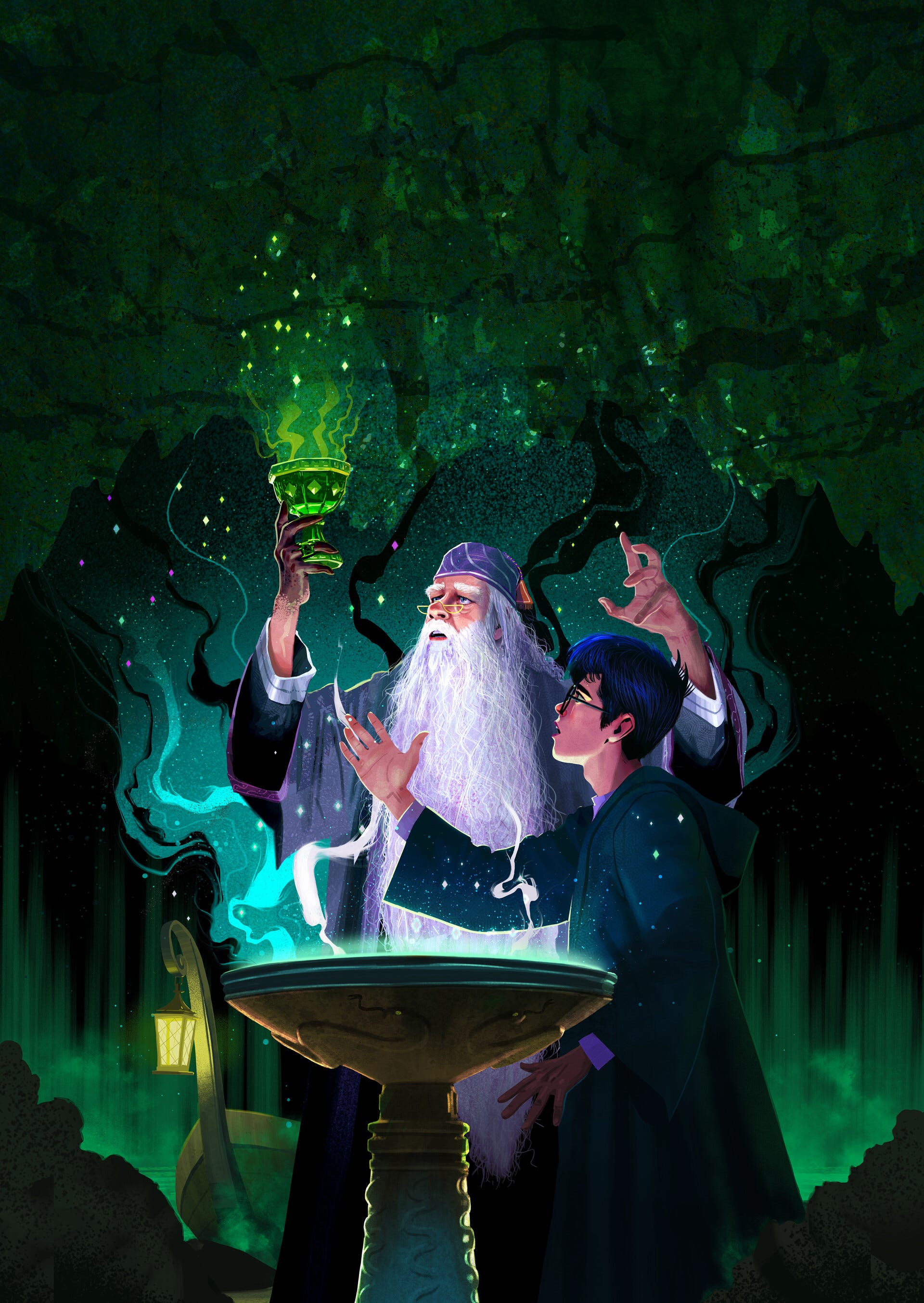
Again and again, the Pensieve becomes the destination.
At first glance, these excursions appear to be clever exposition: a convenient way to explain Voldemort’s history before the final confrontation. But that interpretation misses their deeper function. Rowling is asking the reader to become less of an adventurer and more of a historian.
History is rarely a collection of neat facts. It survives in fragments: incomplete testimonies, edited memories, biased witnesses, forgotten details. Every memory Harry examines comes with uncertainty. Slughorn has literally altered his recollection. Others remember only what they choose to remember. Even Dumbledore decides which memories Harry will see and in what order.
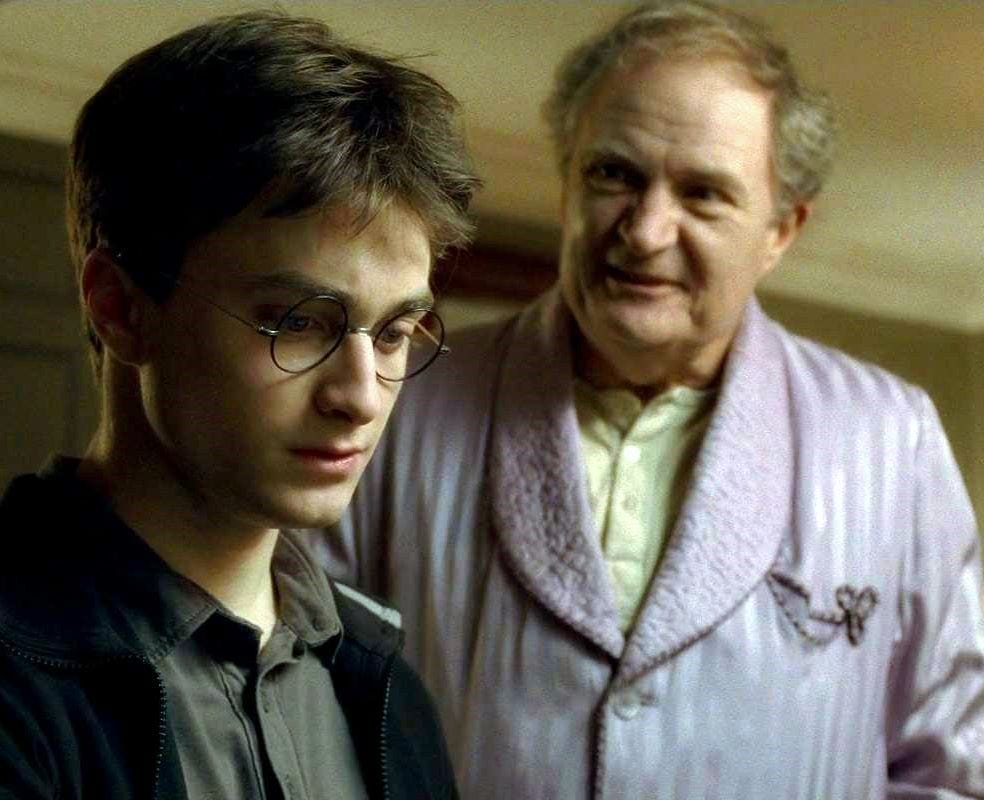
The Pensieve is therefore not a magical replay machine. It is an archive.
Anyone who has worked with historical records knows that archives never simply reveal the truth. They require interpretation. Documents contradict one another. Witnesses misremember. Important pages disappear. Historians spend as much time questioning sources as reading them.
Harry unexpectedly finds himself performing exactly this task.
The boy who once chased monsters through castle corridors is now assembling evidence about a dead child who became the darkest wizard in modern history.
That transformation from hero to investigator is one of Rowling’s boldest narrative decisions, and it is one that readers rarely discuss.
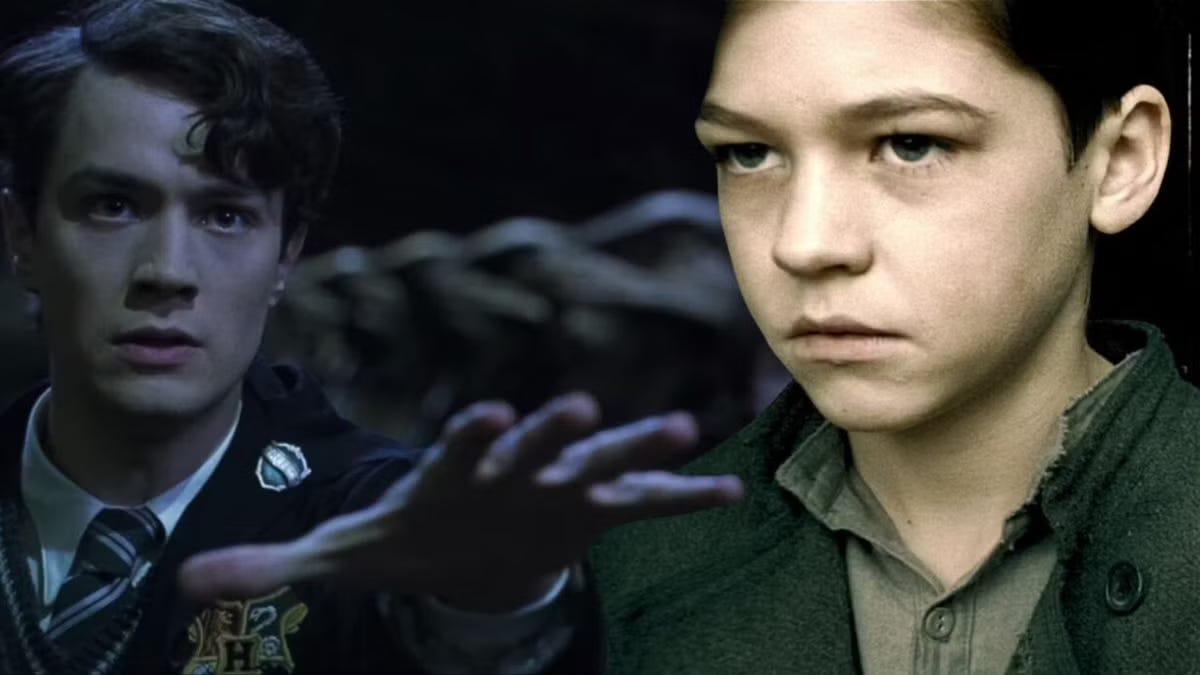
One of the strangest achievements of Half-Blood Prince is that its central character scarcely appears.
Lord Voldemort is physically absent for almost the entire novel. By conventional storytelling logic, this should reduce his presence. Instead, the opposite happens.
He dominates every page.
We encounter him not through speeches or battles but through other people’s memories. A frightened orphanage matron remembers an unsettling boy. A wealthy collector remembers a charming young employee. A professor remembers an unusually gifted student. Slughorn remembers an ambitious child asking questions that no child should ask.
Each memory offers only one fragment of Tom Riddle.
None is sufficient on its own.
Together, however, they produce something far more unsettling than a traditional villain’s entrance. Readers slowly construct Voldemort piece by piece, much as archaeologists reconstruct an ancient civilization from scattered ruins.
Notice how different this is from earlier books. In Philosopher’s Stone, Voldemort is essentially a hidden antagonist waiting for his reveal. By Goblet of Fire, he becomes a physical threat once more. In Half-Blood Prince, Rowling refuses both approaches. Instead, she turns him into an object of historical inquiry.
This subtle shift changes the emotional experience of the novel. Fear no longer comes from wondering where Voldemort is. It comes from understanding how completely ordinary his beginnings once seemed.
Detective fiction often revolves around identity. Readers ask, “Who committed the crime?”
Rowling has already answered that question.
Everyone knows Voldemort is the villain.
The mystery now concerns motivation.
Why did Tom Riddle become Voldemort?
The distinction matters enormously.
Modern culture often imagines evil as something spectacular - born from prophecy, curses, or extraordinary events. Rowling consistently resists this temptation. Tom Riddle is undeniably exceptional, but his transformation is driven by recognizably human impulses: pride, domination, fear of mortality, contempt for vulnerability, and an inability to love.
The brilliance of the Pensieve chapters lies in their refusal to simplify him.
They neither excuse nor demonize.
Instead, they investigate.
That choice places Half-Blood Prince in conversation with a long literary tradition concerned with the origins of moral corruption. Like many serious novels, it refuses to reduce evil to a single traumatic event or convenient explanation. Voldemort is not created in one decisive moment. He becomes himself gradually, through countless choices that harden into identity.
Dumbledore understands this. Which is why he never asks Harry merely to kill Voldemort.
He asks Harry to understand him first.
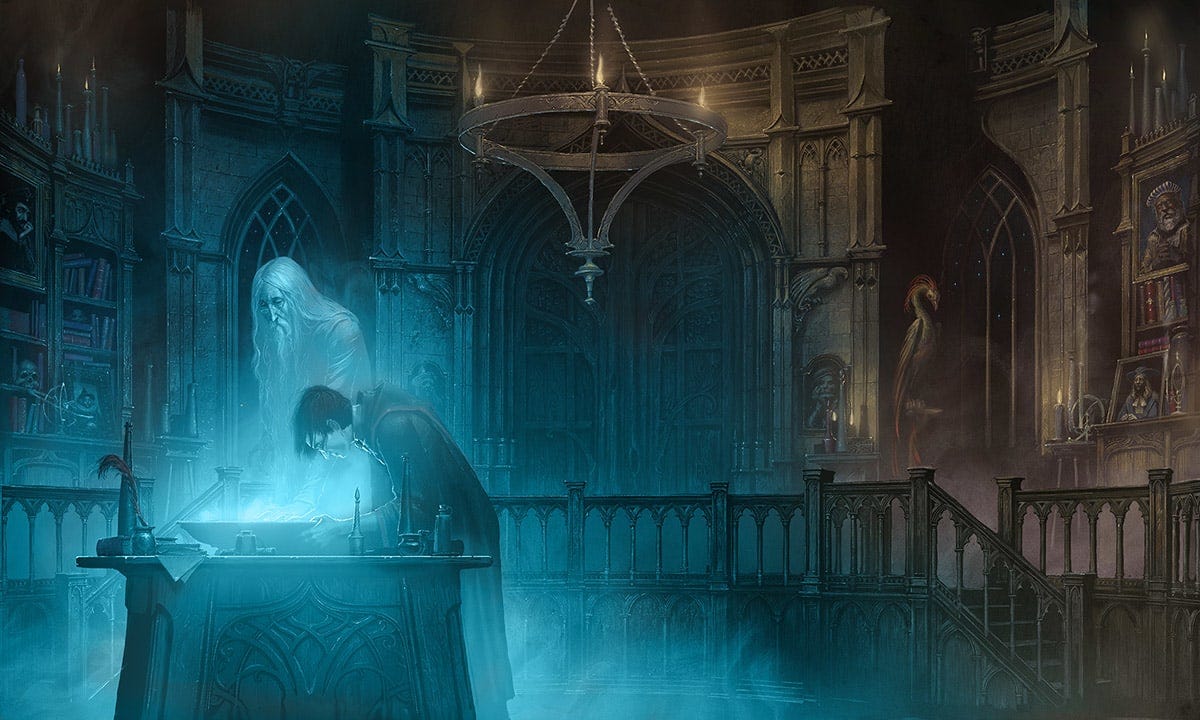
Readers often describe these lessons as Horcrux lessons.
Strictly speaking, that is true.
But Horcruxes are only the surface.
The deeper curriculum concerns judgment.
Pay close attention to Dumbledore during these meetings. He rarely lectures. Instead, he asks questions.
What does this memory reveal?
What do you notice?
Why did Tom behave that way?
Why is this detail important?
This resembles the Socratic method more than a traditional magical education. Dumbledore refuses to hand Harry conclusions. He wants him to develop habits of observation.
This distinction becomes crucial.
Harry’s greatest weakness throughout the series has never been a lack of courage. It has been impulsiveness. He acts before interpreting. He trusts instincts before evidence.
The Pensieve reverses that instinct.
For perhaps the first time in the series, Harry is forced to slow down.
He watches.
He listens.
He compares testimony.
He notices patterns.
In other words, Rowling is quietly teaching both Harry and her readers how interpretation works.
Magic becomes secondary.
Observation becomes the real discipline.
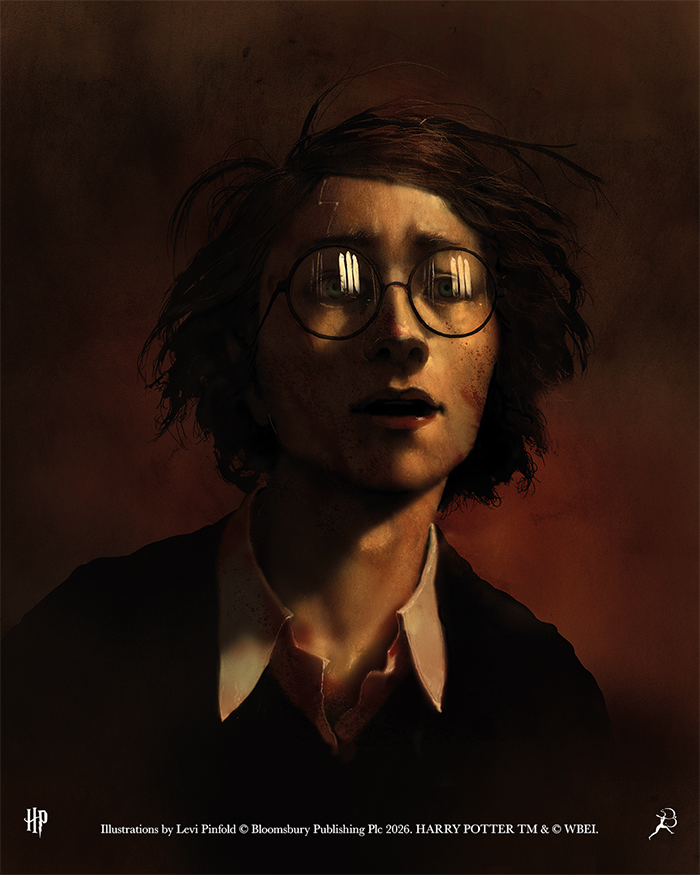
Perhaps the greatest misconception about Harry Potter and the Half-Blood Prince is that Harry spends most of the novel reacting to events. On the surface, that impression is understandable. He follows Dumbledore into memories, becomes obsessed with Draco Malfoy, excels in Potions thanks to someone else’s notes, and ultimately watches the most devastating event of his life unfold without being able to stop it.
Yet beneath these events, something quieter and far more important is taking place.
For the first time in the series, Harry is learning not simply how to fight, but how to interpret.
The earlier novels reward action. Harry succeeds because he is brave enough to enter forbidden corridors, descend into hidden chambers, or pursue mysteries that adults dismiss. His greatest flaw is also his greatest strength: he acts first and reflects later. Again and again, instinct proves enough to carry him through.
Half-Blood Prince challenges that instinct.
Dumbledore’s lessons are unlike anything Harry has experienced before. They contain no new spells, no advanced duelling techniques, and no secret magical abilities. Instead, they revolve around conversations, memories, and seemingly insignificant details. Dumbledore is not training Harry to become a more powerful wizard. He is training him to become a better reader of human nature.
Every memory asks the same question in a different form.
What kind of person was Tom Riddle?
Why did adults admire him?
What warning signs did they overlook?
What does ambition become when it is divorced from empathy?
These are not questions that can be answered through courage alone. They demand patience, interpretation, and an acceptance that people are rarely as simple as they first appear.
This marks a profound shift in Harry’s education. Until now, the series has largely rewarded certainty. By the sixth novel, Rowling begins rewarding doubt. Harry is encouraged to question appearances, to notice contradictions, and to understand that history is assembled from fragments rather than complete truths. The Pensieve itself becomes a metaphor for interpretation: memories must be examined, compared, and understood before they can reveal anything meaningful.
Ironically, Harry does not master this lesson by the end of the novel.
His obsession with Draco Malfoy proves largely justified. He correctly senses that something is deeply wrong, even when almost every adult dismisses his suspicions. Yet his certainty about Severus Snape leads him in the opposite direction. Harry sees Snape through years of accumulated resentment and never truly considers that loyalty might look indistinguishable from betrayal.
Rowling deliberately leaves this contradiction unresolved.
Harry has become a sharper observer.
He has not yet become a wiser interpreter.
The distinction matters because it prepares one of the series’ most heartbreaking moments.
On the Astronomy Tower, Dumbledore immobilizes Harry beneath the Invisibility Cloak and silently orders him to remain hidden. Readers often wonder why Harry does not break free or attempt to intervene. Earlier in the series, he almost certainly would have tried. He repeatedly ignored instructions whenever he believed immediate action was morally necessary.
This time, he does not.
Not because he suddenly understands what is happening.
And not because he trusts Severus Snape.
He obeys because he trusts Dumbledore.
That difference is crucial.
Harry believes Dumbledore knows more than he does, even if he cannot yet understand why. It is perhaps the first time he chooses another person’s judgment over his own impulse to act. The decision reflects genuine growth, but Rowling immediately complicates it. Harry witnesses Snape kill Dumbledore and interprets the scene exactly as the author intends him and us to interpret it.
He sees accurately.
He understands incorrectly.
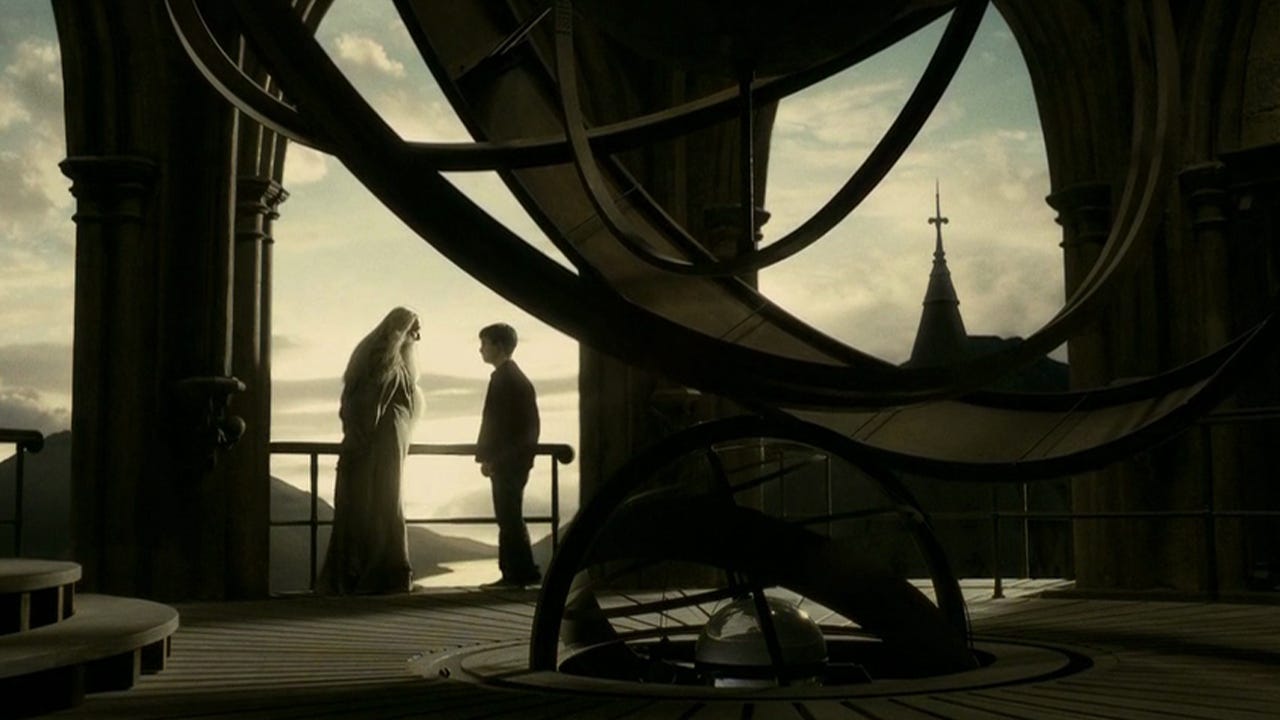
The tragedy of the Astronomy Tower is therefore not simply Dumbledore’s death. It is that Harry’s growing maturity coincides with his greatest misunderstanding. Rowling reminds us that observation and interpretation are not the same thing. We may witness events with perfect clarity and still fail to grasp their meaning.
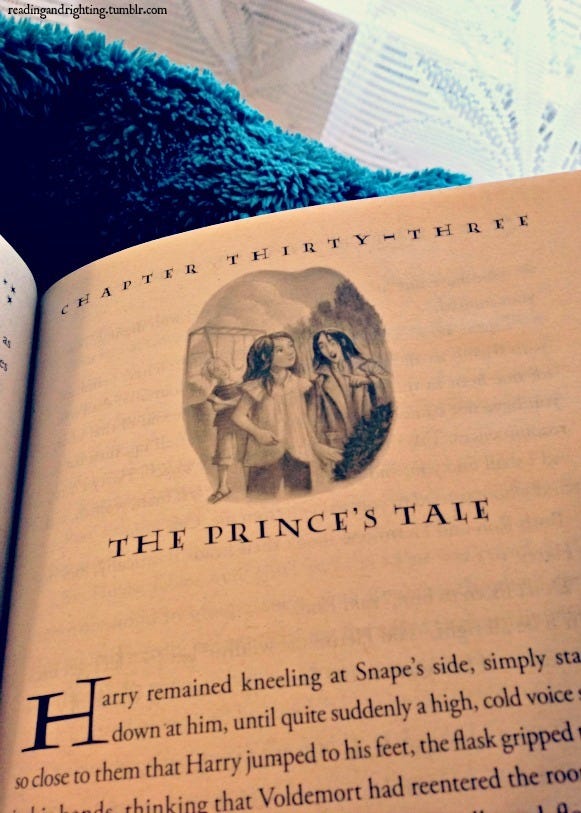
Only in Harry Potter and the Deathly Hallows, through “The Prince’s Tale,” does Harry finally complete the education that began here. Snape’s memories force him to abandon the comforting certainty with which he had judged people throughout the series. He learns that courage may wear the face of cruelty, that love may remain invisible for decades, and that the deepest acts of loyalty often leave no audience to witness them.
Seen in this light, Half-Blood Prince is not the novel in which Harry becomes fully wise.
It is the novel in which he begins to understand that wisdom demands humility.
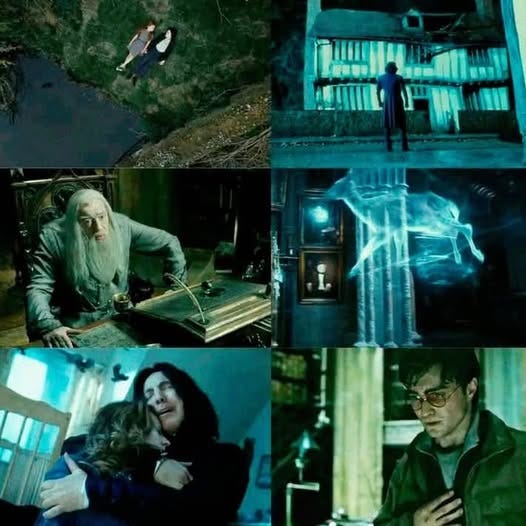
That quiet education hidden beneath romances, Quidditch matches, and the mystery of an old Potions textbook is what makes Harry Potter and the Half-Blood Prince the intellectual turning point of Rowling’s saga. The novel is remembered for the night Dumbledore died.
It deserves to be remembered for the year Harry first learned that seeing is not the same as understanding.
No posts
Comments
Nothing yet. Say the first thing.
Sign in to join the conversation.