
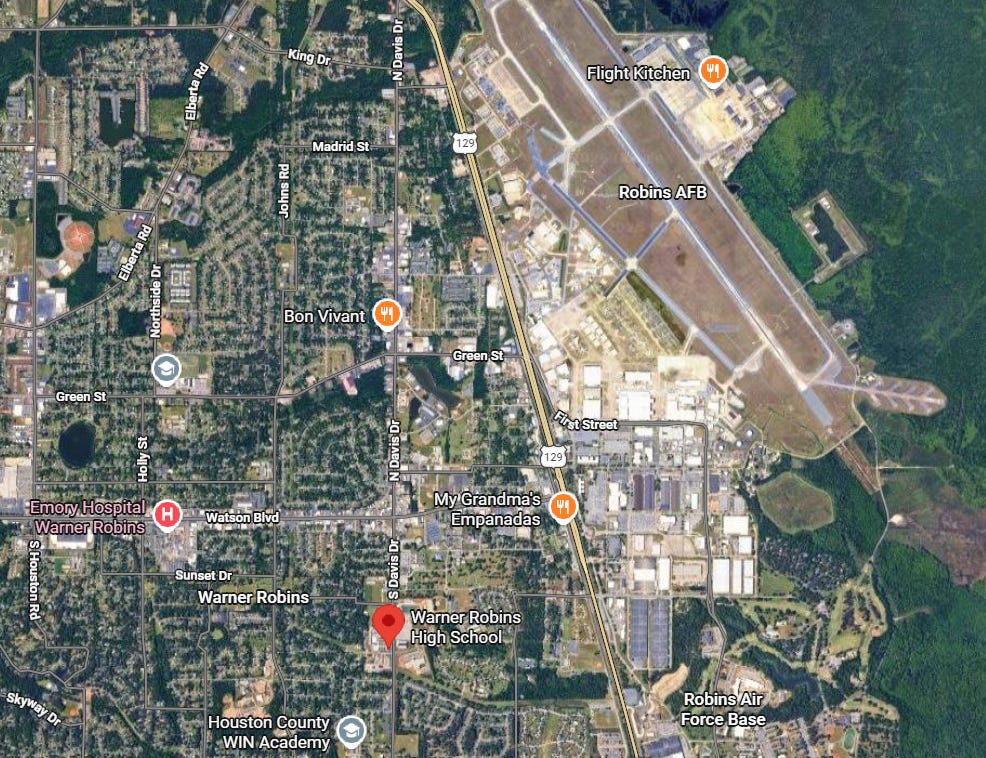
As students attended their second week of classes, a 14-year-old freshman was shot by a 14-year-old classmate during a fight inside the school bathroom of Warner Robins High in Georgia at 2:15pm yesterday afternoon. The shooter immediately fled and was arrested later off campus about an hour later.
Warner Robins, GA is surrounded by peach tree orchards about two hours south of Atlanta. The school sits next to Robins Air Force Base and Air Force Reserve Command. In this town of 80,000, DOD is the biggest employer, and the official motto is ‘Every Day In Middle Georgia Is Armed Forces Appreciation Day’.
Warner Robins High is not a strong academic performance school. Only 15% students pass an AP exam and ~75% of the 1,800 students are economically disadvantaged.
After the shooting at Warner Robins High yesterday, about a hundred police officers with rifles and tactical gear showed up for an active shooter.
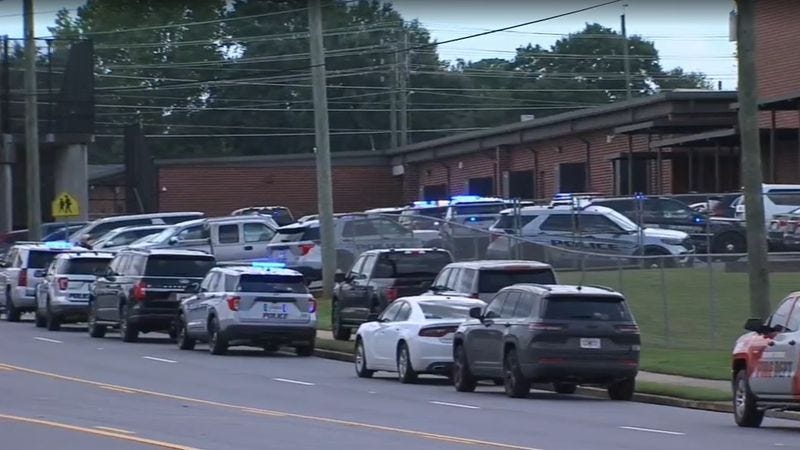
But this shooting and the vast majority of shootings on campus do not require an ‘active shooter response’ because:
Current students who habitually carry concealed guns to school are the most common school shooters.
Fights that escalate are the most common reason for a shooting.
About 100 shootings have taken place inside school bathrooms.
Shooters usually flee before police arrive.
Other students at the school are not in danger and there is no need for an extended lockdown. After a shooter flees, the crime scene is the safest place possible.
Georgia has been in the news for spending $550,000 on a school attack drone pilot program that is operational this school year. What would a remotely piloted pepper-spray drone do in this scenario when the shooter is gone and there are dozens of plainclothes police officers running around in the hallways?
Georgia has also been in the news for the governor giving $27,000,000 in non-competitive contracts to his friend’s panic button company. When there is a shooting in the bathroom and the shooter flees from campus, do a bunch of teachers pressing panic buttons help the situation?
Schools need to think about the real-world circumstances of shootings on campus and spend their time/money on things that can actually make a difference to reduce risk for students.
Also yesterday morning, a 17-year-old student was fatally shot during an fight (possible attempted robbery of his cellphone) while boarding the school bus to Gaffney High School in South Carolina yesterday morning. It was the third day of classes.
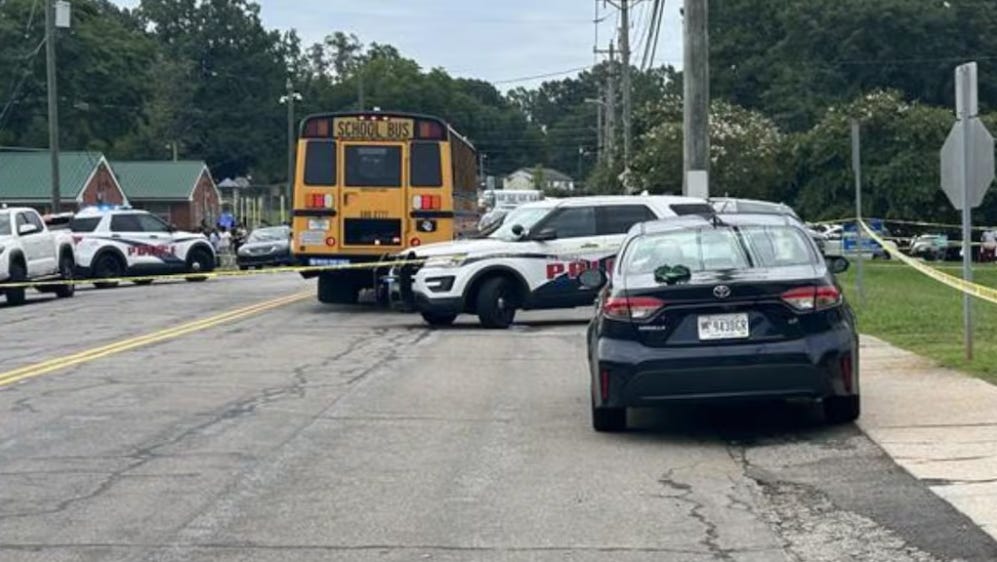
Fifteen students witnessed the shooting and fled from the bus through the emergency exits. A 12-year-old girl who rode the bus with Jomiltron Sentell Fair Jr. (the victim) said he was her friend and that everyone knew him by a nickname. “We called him June bug,” she said. “When I had started riding the bus last year we just like, we became friends.”
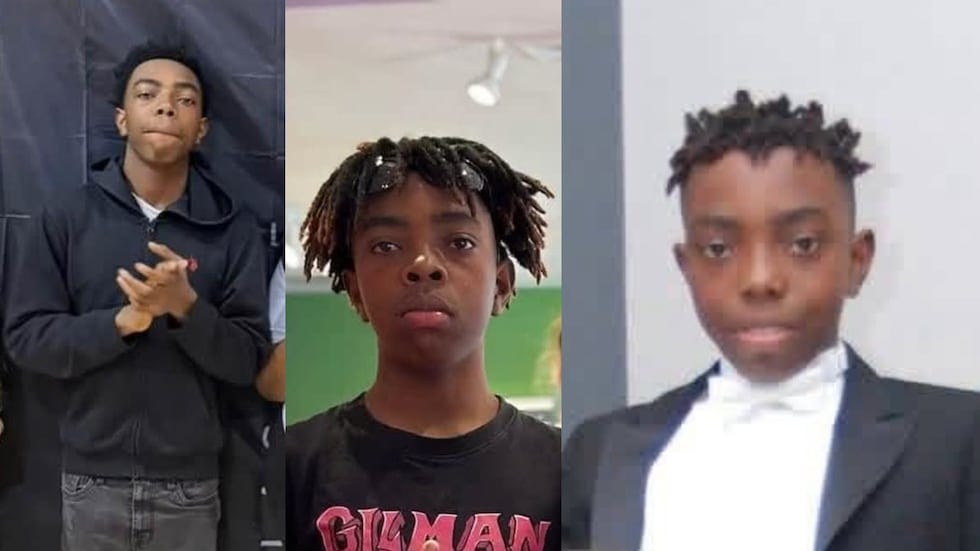
As her friend boarded the bus, she said a fight broke out. She said she watched Fair’s cellphone get taken, then heard the gunshot. “It was scary because it was right there by the window I was at then everybody started jumping out the exit,” she said.
The teen (unknown if he is a student) who committed the shooting fled before police arrived and has not been arrested yet.
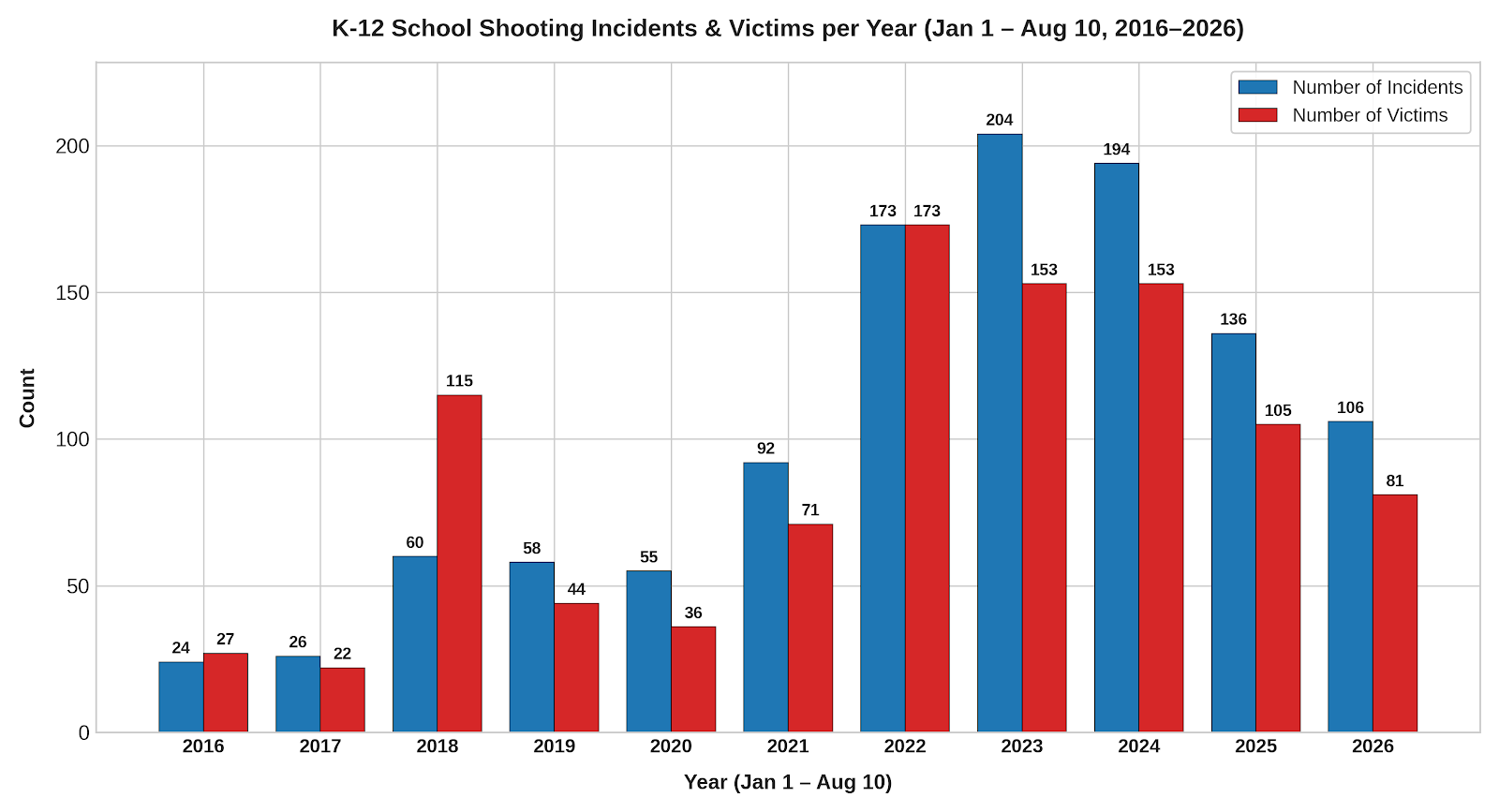
This is a chart with the number of shootings (blue) and victims (red) on k-12 campuses from Jan 1 - Aug 10 each year since 2016. While there is a steady downward trend from the post-COVID peak, the number of shootings on campus this year still exceeds the pre-2021 baseline.
As students across the country return to their classrooms for the 2026-27 school year, here are a few high profile shootings to that happened in August and September:
Evergreen High School (9/10/2025): 2 students were shot during planned mass shooting by a student during lunch
Annunciation Catholic School (8/27/2025): 23 students and staff were shot during morning mass inside the school’s church
Apalachee High School (9/4/2024): 13 students and staff were shot during 2nd period class by a student with an AR-15
Ladd-Peebles Stadium (8/30/2019): 10 victims were shot during fight at a high school football game
Mattoon High School (9/20/2017): 1 student wounded during planned attack in the cafeteria during lunch. Teacher grabbed the shooter’s arm after the first shot was fired.
Freeman High School (9/13/2017): 3 students were shot during planned attack by a classmate. AR-15 jammed during first shot and he was stopped by the janitor.
Sycamore Middle School (9/28/2016): 8th grader held the school counselor hostage at gunpoint for 90 minutes after telling her about a school shooting plot.
Townville Elementary School (9/28/2016): 4 students were shot on the elementary school playground by a former student who was expelled from high school. Attack was stopped by an off-duty firefighter who tackled the shooter.
Harrisburg High School (9/30/2015): Student shot the school principal in his office and then he was tackled by staff members when his gun jammed. The student had 50 rounds of ammo and planned to commit a mass shooting.
Ronald E. McNair Discovery Learning Academy (8/20/2013): Man with AR-15 and 500 rounds of ammo took school staff hostage inside the main office. He fired 6 shots at police during negotiations before surrendering.
Whittier High School (9/2/1980): 10 football players were shot during a targeted gang shooting at high school football practice while they were outside on the field. The gunmen drove a car onto the field, fired at the player, and fled in the vehicle.
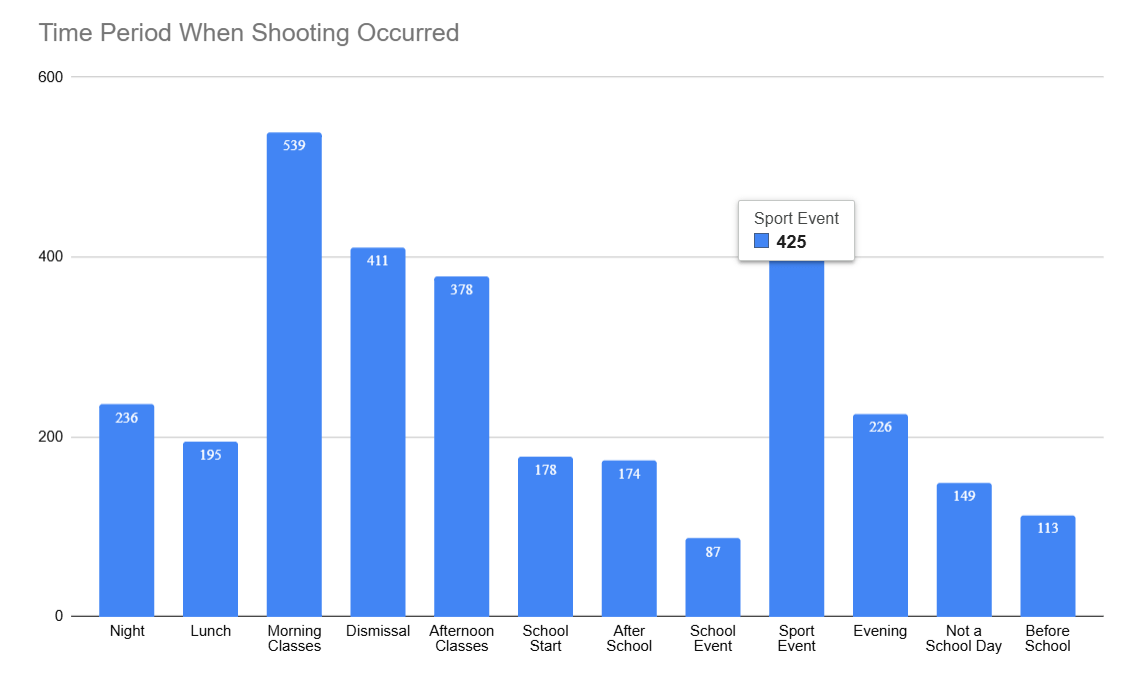
The new school year also means the new football season and sporting events are one of the most common time periods of a shooting on campus. While most schools have a plan and training for a shooting inside a classroom during the school day, many schools have never practiced or planned for a shooting during a sports game.
Here are my articles from the prior school year about shootings during high school football season:
Gunfire continues at high school football games across the country
SRO accidentally shot himself before a high school football game. How often does this happen?
David Riedman, PhD is the creator of the K-12 School Shooting Database and a tenure-track professor. Listen to my podcast—Riedman Report: Risk, AI, Education & Security—or my interviews on Freakonomics Radio and the New England Journal of Medicine.
No posts
Comments
Nothing yet. Say the first thing.
Sign in to join the conversation.