
Imagine the formation of a vortex as a sink begins to drain. As the water is drawn in, a highly ordered, non-equilibrium structure self-assembles — a vortex. Without intervention, the flow of water from a source to a sink generates a pocket of negative entropy, displaying all the features of complexity, rebelling against thermodynamic's 2nd law. This is an analogy of life. Think of the water as energy and the sink as a way to dissipate that energy. As long as the water is continually replenished and there is a way for it to drain, the self-organising vortex can be maintained. The properties of this vortex are identical to those that govern the very processes of life. Just as a topologist cannot distinguish between a doughnut and a coffee cup, a systems biologist perceives no difference between a vortex and a germinating seed.
“The flow of energy through a system acts to organize that system.”
— Harold Morowitz
Think about all that we are physically made of. Image we itemise every proton, electron, molecule and mineral that makes up a human body. Next we get all of these constituents and combine them in a container and mix them up. What we would get would resemble life in no way, shape or form, yet from a chemical perspective, it would be identical. What differentiates us from this homogenous glut of chemicals? The chemical slush is at equilibrium — it is highly entropic as all of the molecules and minerals are randomly distributed and chaotic. The story could not be more different for us.
“[E]nergy flow organises the system, which in turn organises the energy flow.”
— Mae Wan Ho
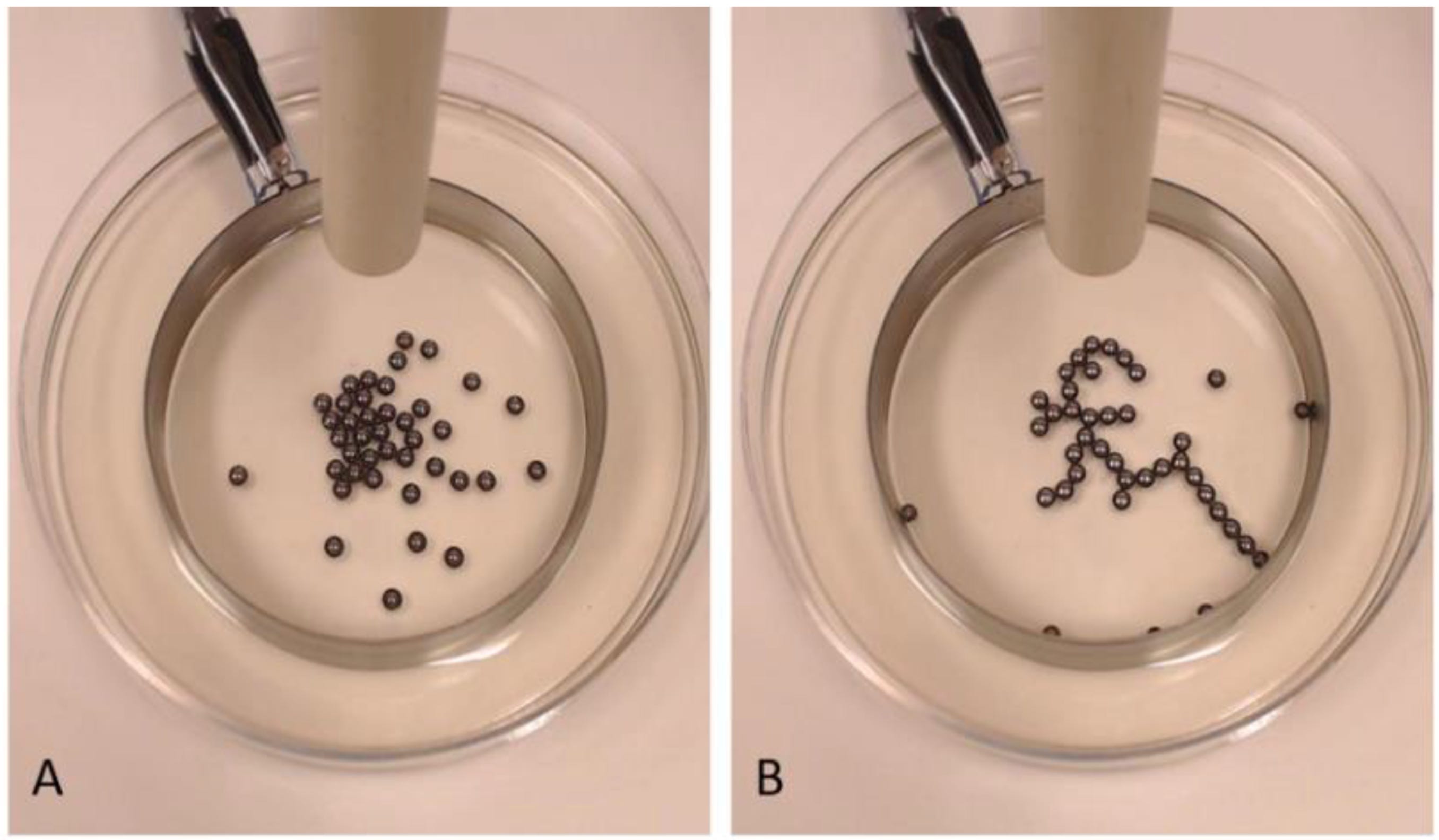
Living systems are far from equilibrium, exhibiting extraordinary levels of coherence, order and compartmentalisation. Instead of being overrun by the pull of entropy like our chemical glut, the flowing of energy through us produces astonishing order and complexity — a pocket of negentropy.1 Remarkably, these pockets are self-organising. No one made them, no blueprints for them exist; they are a natural consequence of disequilibriums and the energy flow they generate. Even more astonishing is the fact that negentropic systems exist within islands of stability, where dissipation is optimised. As a result, they are resistant to perturbations, continually adapting to novel inputs.2
“The second law of thermodynamics states that the total entropy (disorder or randomness) of an isolated system always increases over time”
Dissipation relates very closely to the 2nd law and negentropy. Complex, negentropic systems do not, in fact, break this fundamental law. Instead, as the flow of energy organises, entropy itself is exported to the environment. One of the simplest conceptualisations of dissipation is our body’s thermal energy. This is fundamentally an exportation of entropy to the world around us, which is why when we are in need of adaptive changes, we become inflamed; it is an indication that higher energetic flux and dissipation is required to maintain a quasi-stable state. By exporting entropy to our surroundings, we can maintain our very low entropy state for extended periods of time — no violation of the 2nd law required.2
“Entropy is the price of structure.”
— Ilya Prigogine
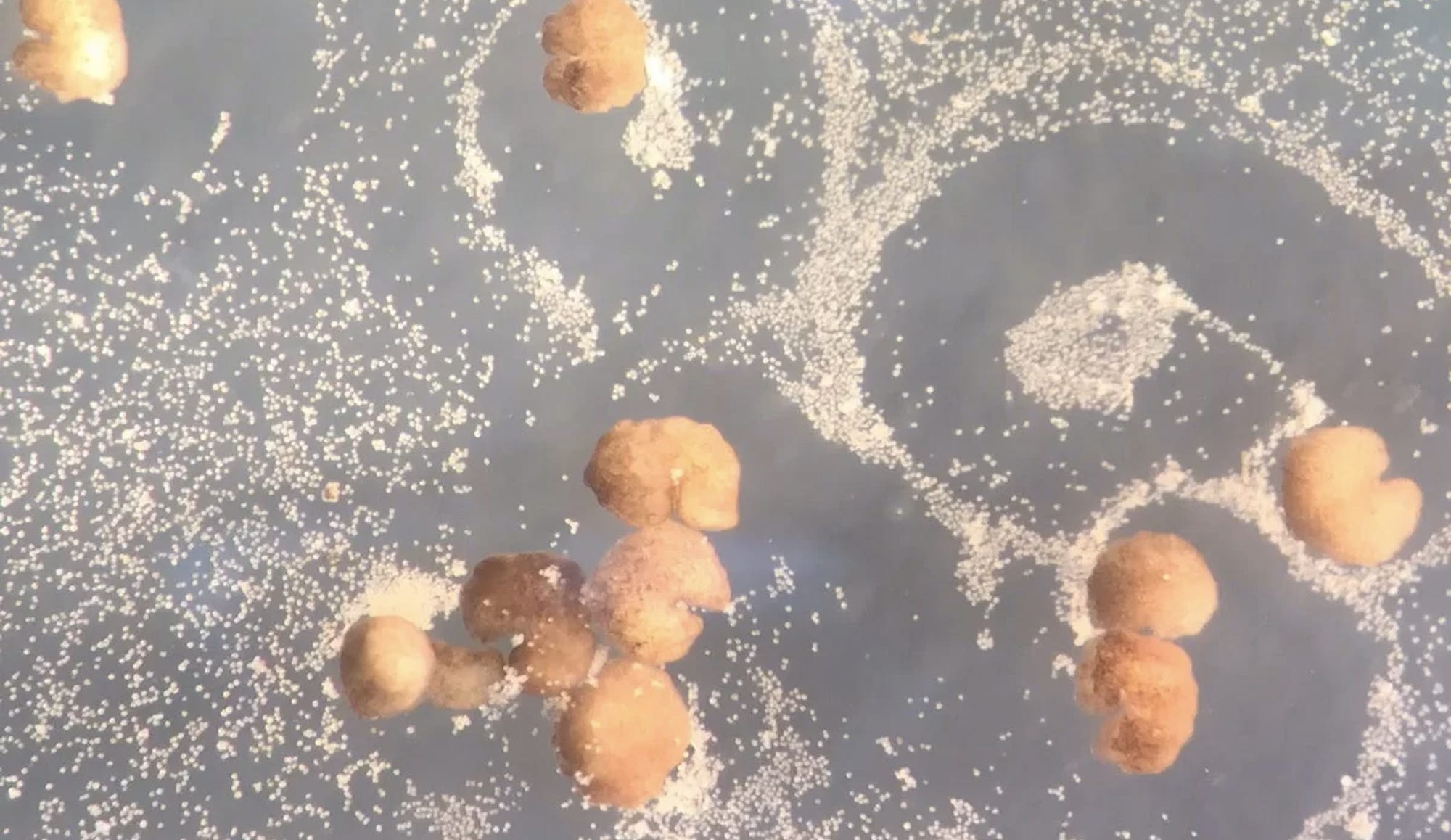
Thermodynamics as a branch of science has been extremely fruitful, spawning the advancements of the industrial revolution and most of the technology we are used to today. However, at its heart lies the fundamental assumption of reversibility. Reversibility refers to the direction systems take from one configuration to the next. Embedded into the foundational equations of thermodynamics (and quantum mechanics) is the implication that time needn’t proceed in any privileged direction; systems will proceed predictably through the same transitions in the same way regardless of proceeding forward or backwards in time. This is the foundation of the deterministic worldview. No matter how many times the tape of our universe is rolled back and replayed, the same outcomes would take place by definition — time’s arrow is completely irrelevant to the progression of the system.
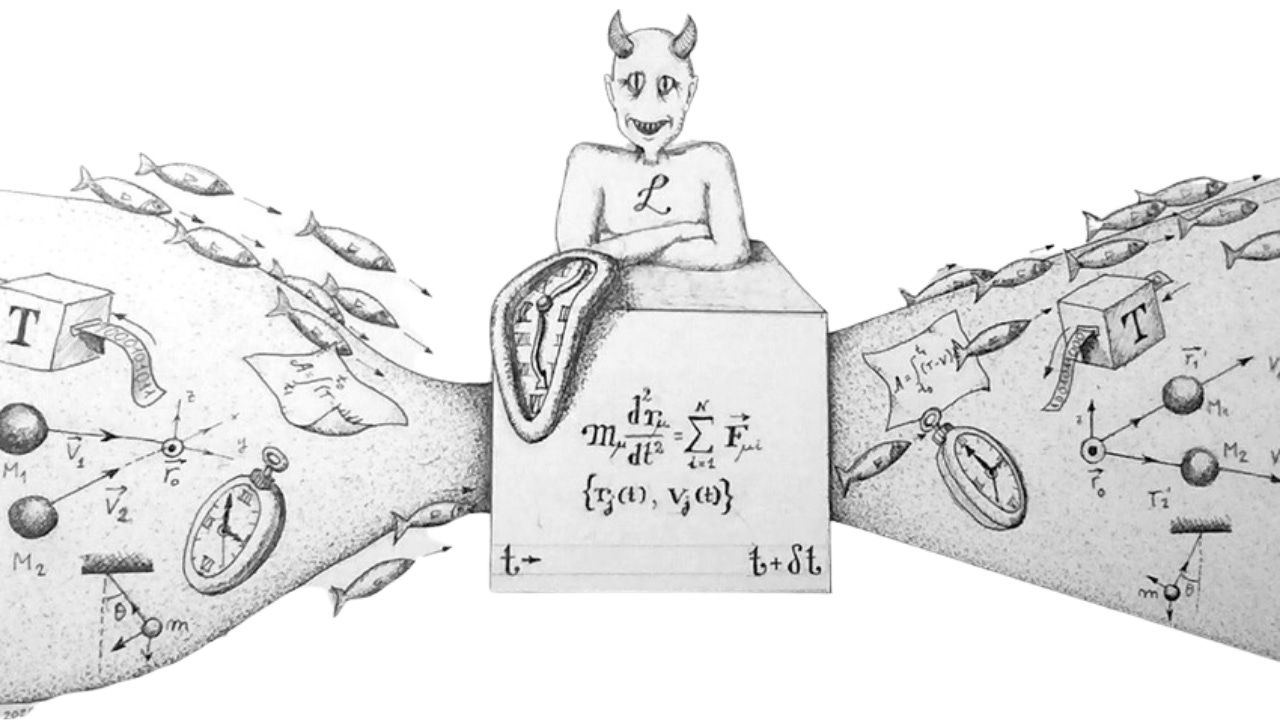
This worldview dominated by reversibility is best encapsulated by a thought experiment called Laplace’s Demon. Laplace’s Demon is a theoretical being who knows of the exact position and trajectories of all of the matter at the genesis of the universe. With this knowledge, the demon is a God, capable of knowing all future events before they even happen. The logical conclusion of reversibility is that if we know enough about the conditions of a system, not only can we predict its future changes with perfect accuracy, we can uncover its past. For decades, Laplace’s Demon represented the an ultimate goal for many scientists — to have sufficient computational power to effectively uncover both the future and past of systems by accurately identifying the state of initial conditions.
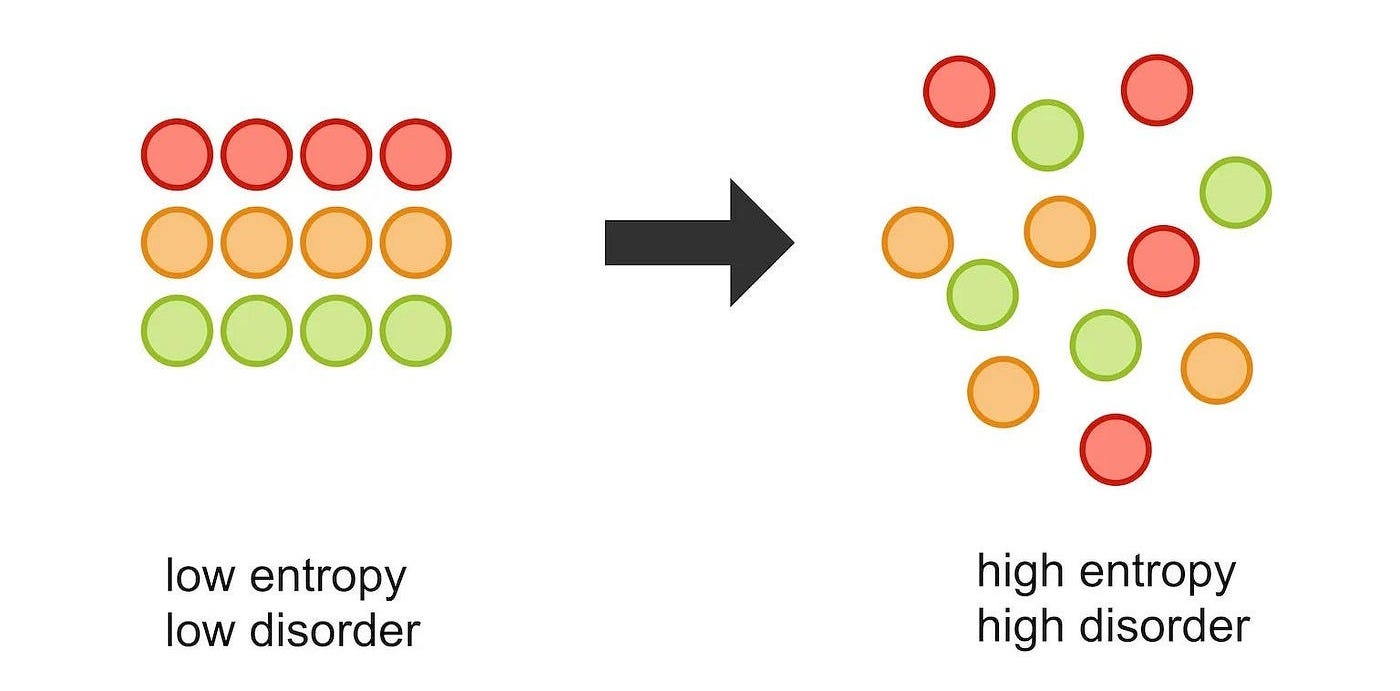
However, one might be tempted to ask: If entropy is a fundamental law of Nature, why has the universe continually become more complex? Life has become more complex on Earth, solar systems continue to form the vacuum of space and galaxies exhibit extraordinary spiral symmetries. If entropy rules, why is there so much structure and form throughout the universe? After all, great leaps in science have been made since the genesis of thermodynamics and the formulation of its 2nd law; a law that proclaimed the fundamentality entropy, where systems inevitably tend towards chaotic regimes.
In the late 1800s, Ludwig Boltzmann sought to find out why there is a natural tendency for order and structure in a universe supposedly dominated by entropy. He attempted to do for dynamics what Darwin did for biology — to develop a dynamics of evolution. His life’s work was to formalise a dynamics that reflects what we see in the universe around us. While he came close, he was branded a failure, and died by his own hand. But his intuition was correct, and in 1977, Ilya Prigogine would win the Nobel Prize for completing what Boltzmann had set out to do. Prigogine developed rigorous methods of explaining how order can arise out of chaos, utilising the growing fields of nonlinear dynamics.
A gifted pianist, Prigogine refused to take for granted the notion of reversibility. If the dynamic progressions a system proceeds through has no defined arrow of time, why then do we only experience time in one direction? In music, the arrow of time is clear, and the concept of reversibility did not sit well with him. There must be a reason why the arrow of time is unidirectional. Over time, he made key contributions to the field of non-equilibrium thermodynamics, providing a foundational understanding of system evolution. Ultimately, Prigogine demonstrated that far from equilibrium systems are defined by uncertainty, non-reversibility and a defined arrow of time; Laplace's Demon is slain and the arrow of time defines the presence of free-will.3
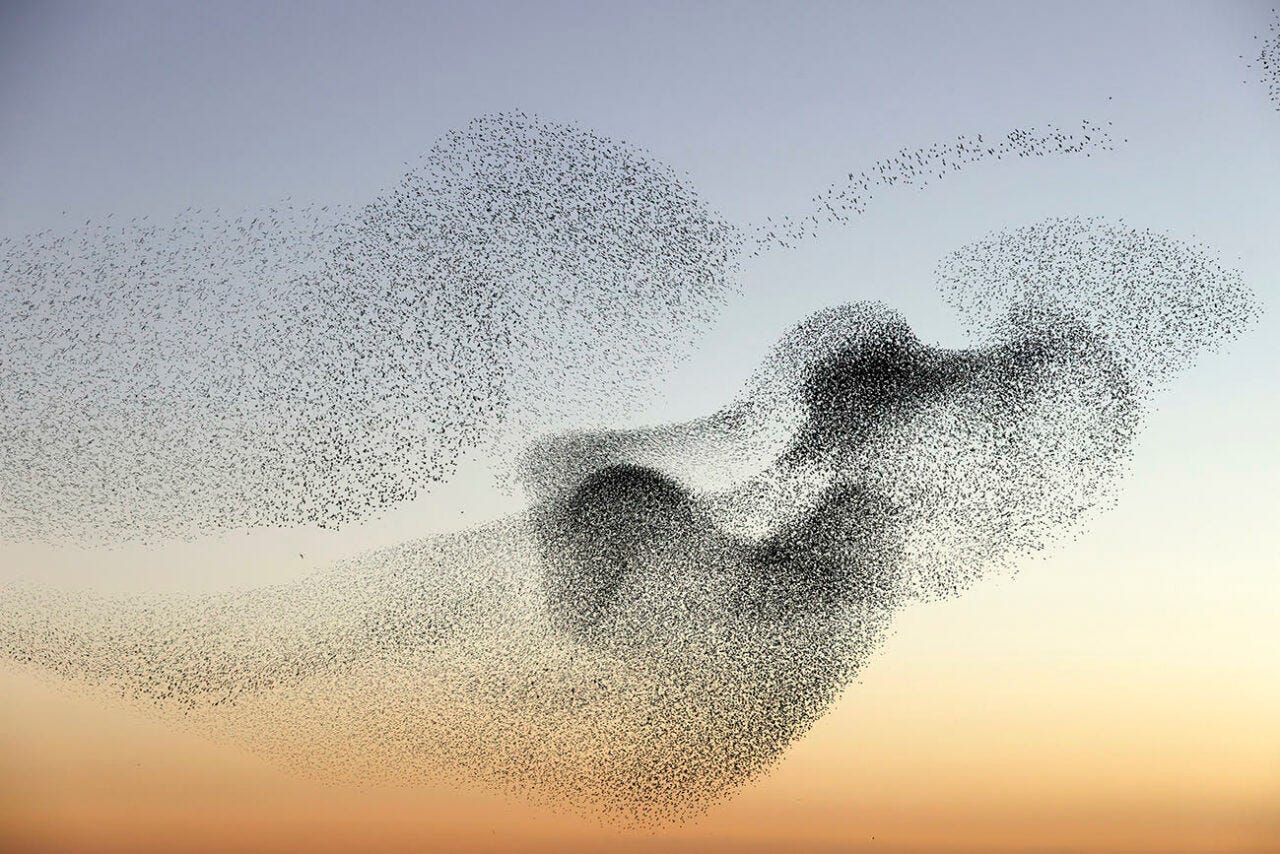
A key characteristic of far from equilibrium systems, like humans, is their interconnectivity. The relations between each part of the system produce effects that are not predictable merely by understanding the parts themselves. This is known as emergence. Emergence refers to phenomena that result from the complex interactions between parts. As systems scale up in complexity, more and more complex interactions generate new emergent phenomena. The highly coordinated actions of individual cardiac cells generating a beating heart, or immune cells functioning as a unified whole are classic examples of emergence in biology. These are remarkably similar to a murmuration of starlings or the super-organismal behaviour of ant colonies.
“The aim of science… is not things themselves, as the dogmatists in their simplicity assume, but the relation among things.”
— Henri Poincaré
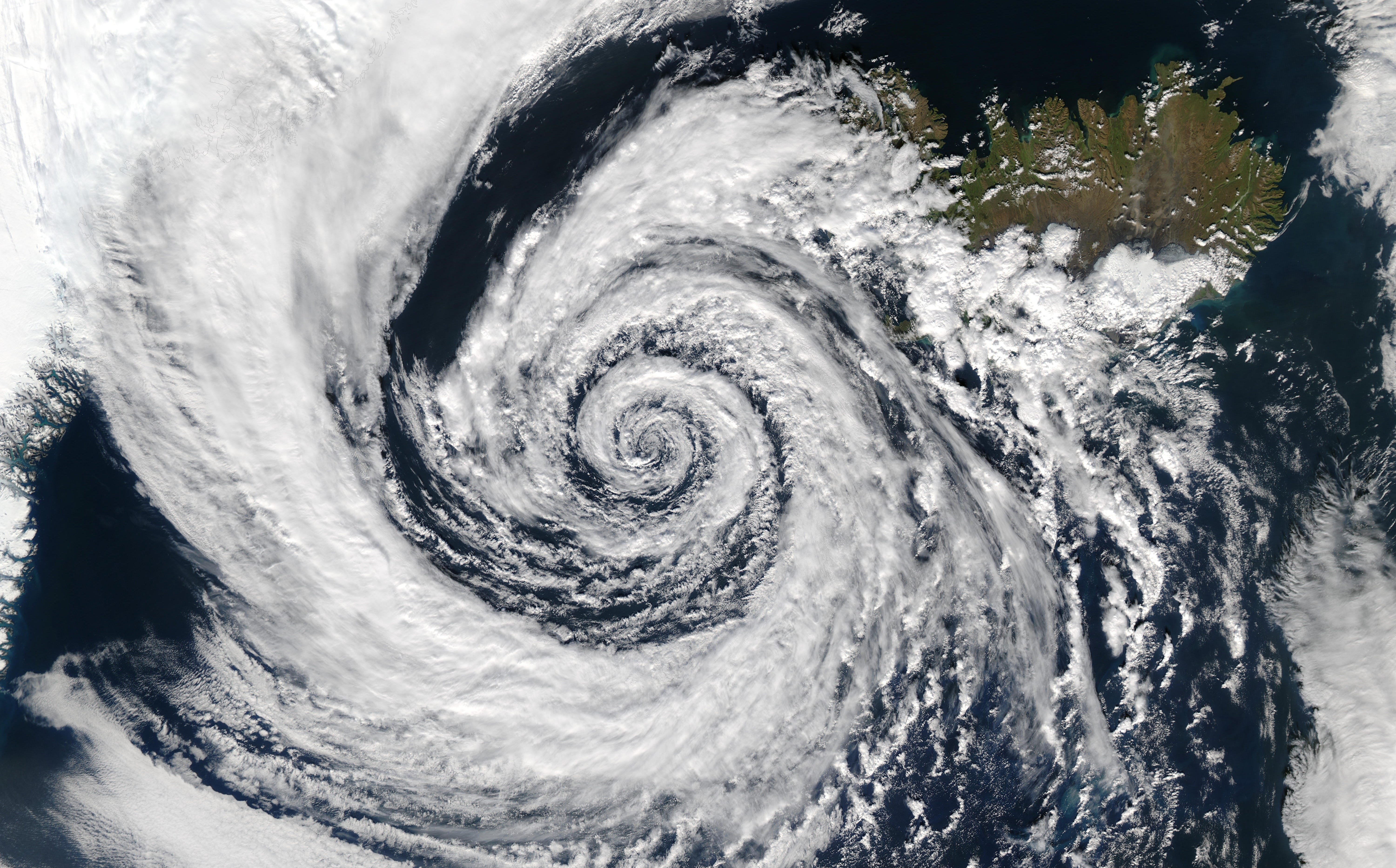
Even in a classically ‘non-living’ systems, emergent phenomena can be spectacular. The interrelationships between the atmosphere, pressure and temperature can generate highly ordered weather cells — structures that are stable because they are optimised to dissipate entropy with great efficiency. Famously, these events can theoretically be initiated by disproportionately minute actions, encapsulated best by the ‘butterfly effect’. Because of the tight connections between each part of the biosphere, the tiny fluctuation in air pressure from the flapping of a butterfly's wings could set of a cyclone in another continent. This highlights another key feature of complex systems, like humans — nonlinearity.
Nonlinear dynamics are those where the output is disproportional to the input. In biology, the most classic examples of nonlinear responses are positive or negative feedback loops, where the output feeds back into the input. Similar nonlinear processes appear to be at the core of biophotonic signalling, where mitochondrial biophoton emissions reach other colonies, promoting a nonlinear responses to what could be a relatively small stimulus.
This is a key concern regarding the potential detrimental effects of anthropogenic EMF, as the focus is almost entirely on intensity of exposure. However, in biological systems with exceptional levels of interconnectedness, even minuscule stimuli can be scaled up nonlinearly in their effects. As a result, intensity is likely quite a poor indicator of the degree of the biological effects of EMF. Nonlinearity is also at the heart of bodywork, movement and how fascia functions. Experienced practitioners realise that often only subtle adjustments or movements can produce disproportionately positive effects.4
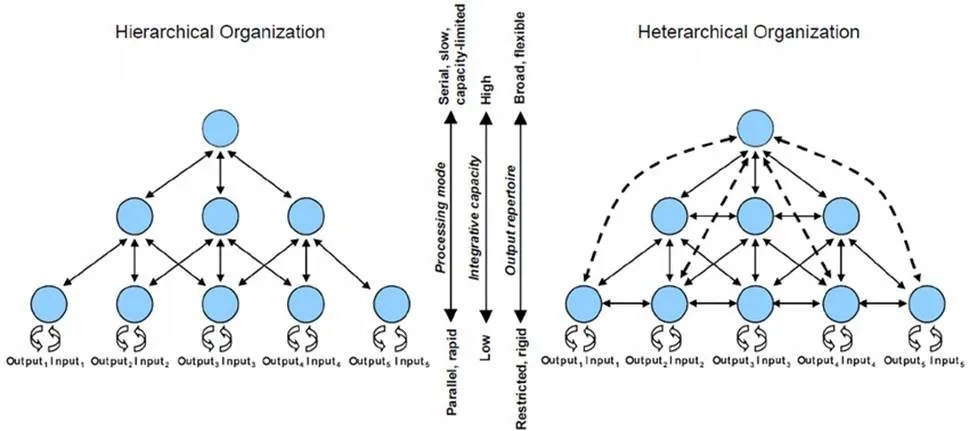
Increasing complexity appears to optimise the negentropic capacity of the system. Evolution tends to favour complexity because it facilitates a greater capacity to export entropy, thus, being more resistant to perturbations. The advent of multicellularity overcame a central barrier to self-organising, anti-fragile systems — the flow and transformation of energy within the system could now be scaled up. Cells can now specialise and compartmentalise. The more complex layers of interactions, the greater the pocket of negative entropy the system can sustain. From this perspective, the Cambrian Explosion was an inevitability of life traversing a crucial barrier to increased negentropy.
“Evolution proceeds in such direction as to make the total energy flux through the system a maximum compatible with the constraints”
— Alfred Lotka’s 4th Law of Thermodynamics
A high degree of complexity and compartmentalisation generates a series of nested cycles-within-cycles where the flow, capture, storage and dissipation can be fine-tuned and distributed carefully throughout the entire network. This vision is courtesy of Mae Wan Ho and is broadly applicable to complex networks, like agricultural systems, financial systems and ecological systems. By visualising the human body as a fractal network of deeply interwoven flows of energy, a new conception of health and disease spontaneously emerges; one where the fundamental feature of health and vitality is where the collection of low entropy inputs can be distributed through multiple levels of organisation such that internal entropy can be minimised and the export of entropy is tightly regulated.
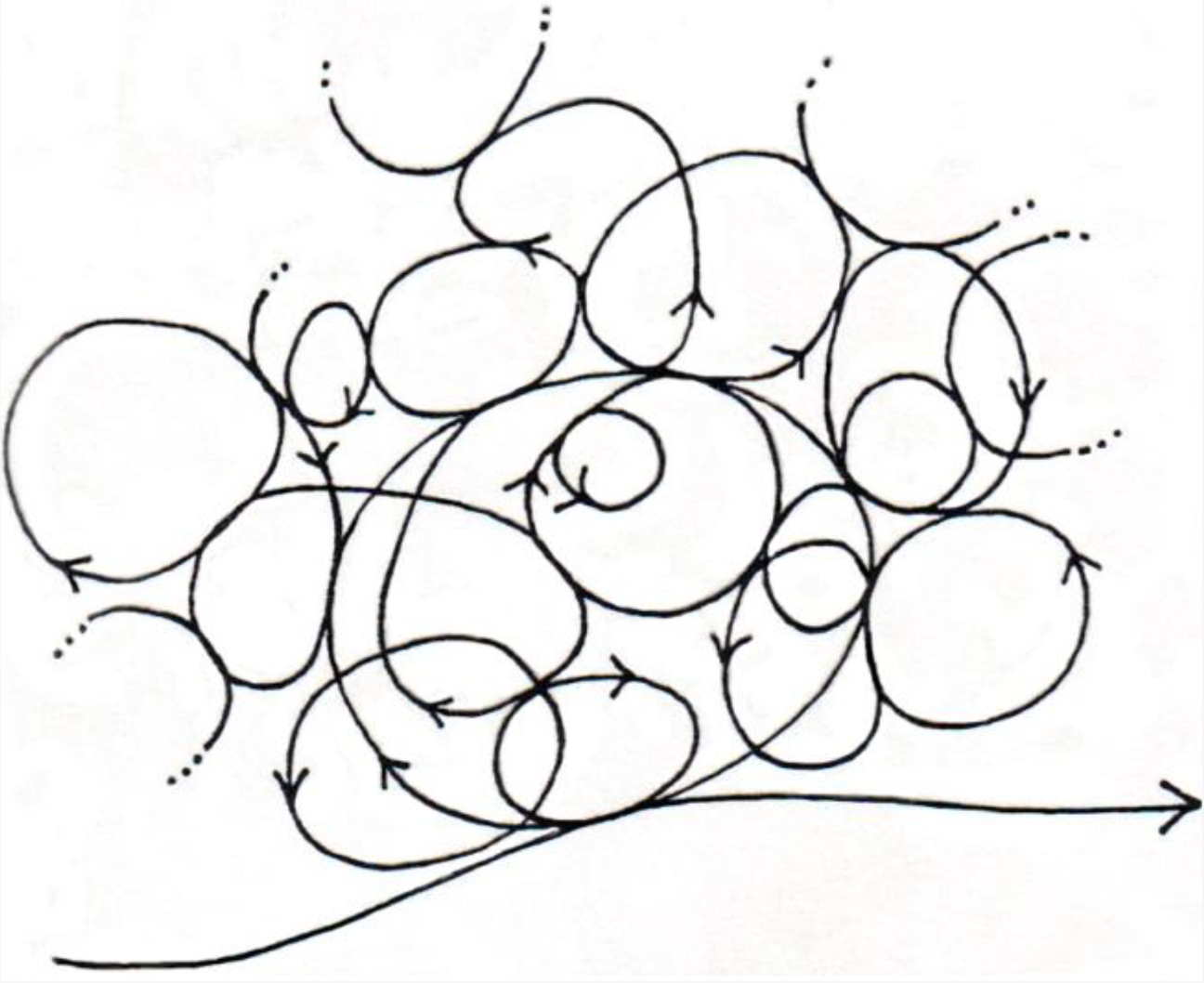
What we generally consider life possesses properties of self-organisation that emerge in far from equilibrium systems. To resist the pull of entropy, energy flowing from disequilibriums on Earth are utilised in the same way as our vortex at the beginning. The stable structures favoured far from equilibrium optimise dissipation of entropy in order to maintain a local, low entropy state. From here, regimes evolve through uncertainty, becoming more complex over time, maximising the potential for energy flux; and thus, capacity for dynamic adaptation. Sensitivity to external stimuli is acute due to the nonlinear nature of complex systems.
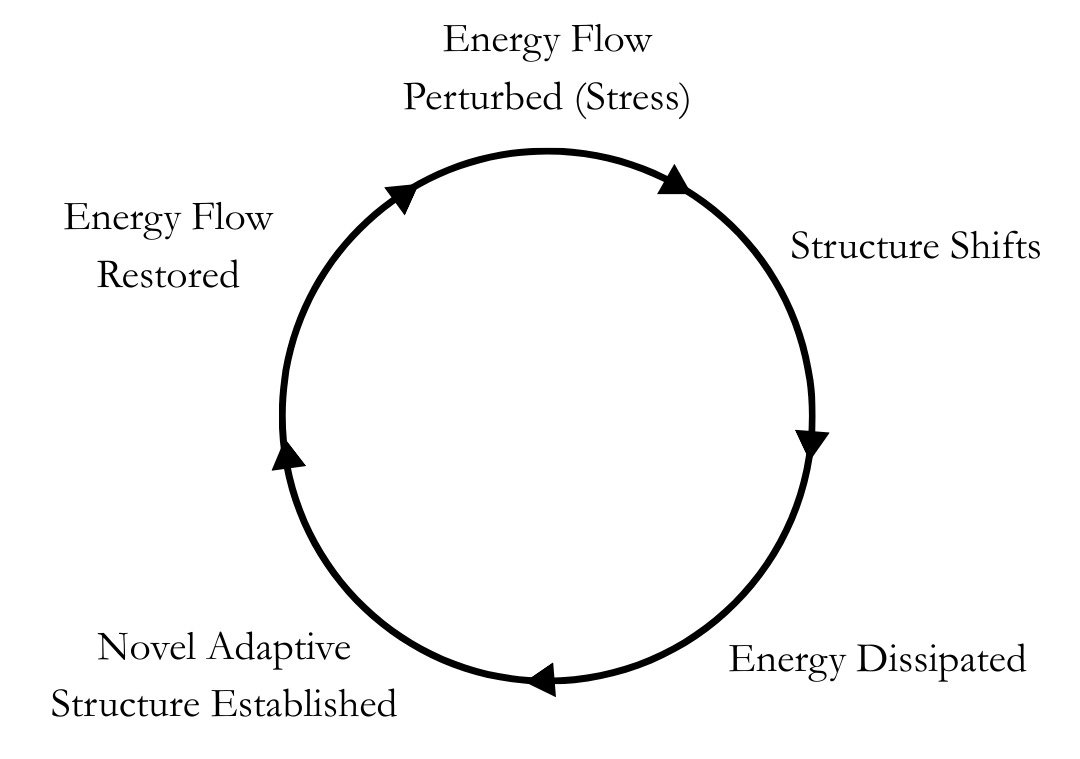
In essence, life is no different to the relationships we view in a preserved ecosystem. Small perturbations can scale and become costly, as each node of the network is connected to every other node. Resistance to stressors is afforded by diversity and complexity.5 Fractally nested hierarchies can re-route resources when a single node of the network might be removed or damaged; to an extent. Information is simultaneously communicated across the entire network through a complex web of interactions. Structure and function are two sides of the same coin.
“A state of affairs is information for an organism if it triggers a change in physiology or behaviour relative to that state of affairs. Whatever state of affairs induces a change in physiology or interactive potential in an organism is information for that organism.”
Just like our vortex at the beginning of this article, as long as we have a consistent flow of energy and a way to dissipate it, we can maintain our quasi-stable, self-organising structure. Health and vitality can be viewed as optimising the flow of energy throughout our bodies, facilitating our ability to dissipate entropy at an optimal rate. This is done by taking in the lowest entropy energy possible, and allowing dissipative processes to take place in a coordinated manner.
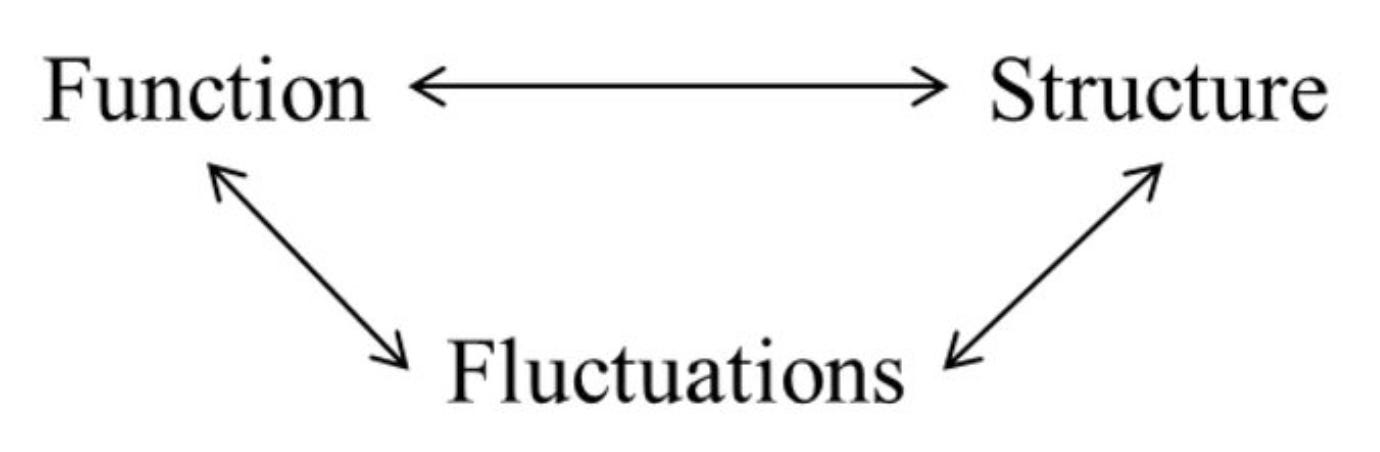
All that we are connected with in the natural world is a manifestation of self-organisation. The biosphere’s resultant capacity for dynamic adaptation should give us pause at the insistence on the unapologetically linear thinking that grounds Western thought. In our attempt to understand the world, we have brute-forced the concepts of equilibrium dynamics over an intrinsically evolving and unpredictable universe. Machine analogies pervade the very substrate of our thoughts like a mind virus, preventing us from being capable of formulating questions of a certain quality. In some sense, this has doomed the plight of the individual in an ever-growing world where we constitute a smaller and smaller fraction. However, this world we inhabit does not abide by laws erected by human intellect. Rather than predictable decay, the ripples of our existence may resonate and exert influence to degrees greater than we could imagine. This is an inescapable reality — order arises from chaos and the rich interconnectivity of our universe can scale up even the meekest action. With this, I leave you with a quote:
“The threat lies in the realization that in our universe the security of stable, permanent rules are gone forever. We are living in a dangerous and uncertain world that inspires no blind confidence. Our hope arises from the knowledge that even small fluctuations may grow and change the overall structure. As a result, individual activity is not doomed to insignificance.”
— Ilya Prigogine
Negentropy is a term introduced by Schrödinger to highlight that complex (in particular, living) systems are anti-chaotic. They do not seem to abide by the 2nd law of thermodynamics. If we cut the leaf off of a plant, it will grow another. If we damage a termite nest, they will rebuild it. If we fracture a bone, it will regenerate and heal — this is anti-entropic.
This does not just apply to what we consider to be ‘living’ systems, but also other complex systems like weather, solar systems, convection currents and so forth. All self-organising, complex systems retain their pocket of negentropy by exporting entropy to the environment around them. In the words of Professor Alistair Nunn, “we are accelerating the heat-death of the universe”.
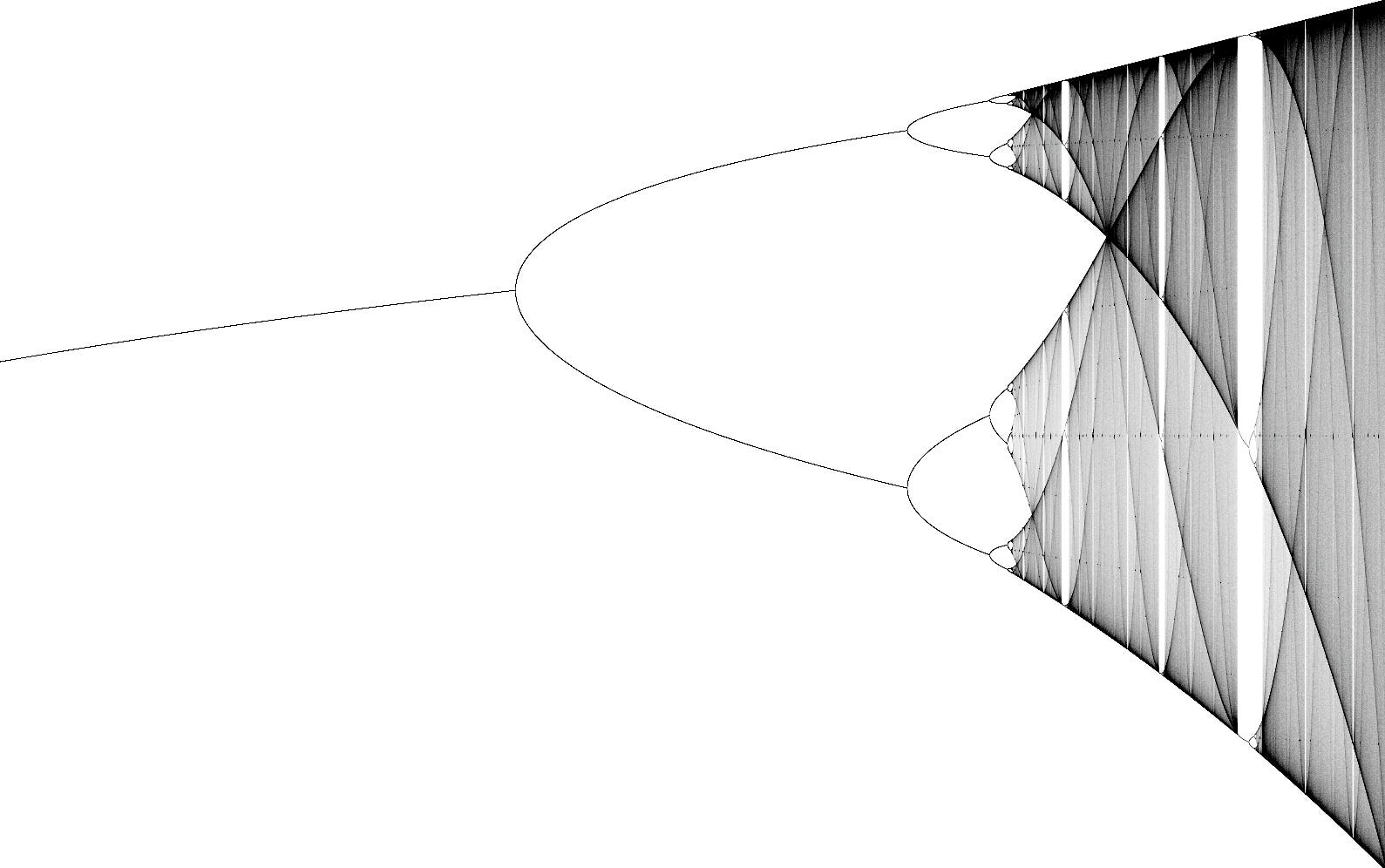
Reversibility cannot exist where there are bifurcations as moving backward and forward in time will predictably produce different outcomes. These critical moments of instability far from equilibrium are the very reason we experience time in one direction only. Imagine free will did not exist and determinism forced your hand at every moment; time need not exist! There would be absolutely no use for the perception of an arrow of time where all outcomes are determined solely by initial conditions. Our experience of time in a single direction is the best evidence for free will, in my opinion. Importantly, however, it is crucial to point out that our experience of life is indeed governed by both determinism and indeterminism. Between critical regions of instability, determinism reigns. But far from equilibrium, it is never long before instability leads to indeterminism. Personally, my view of God stems from this idea; a creative presence capable of influencing the path of bifurcations, often subtilely, but forever shaping the evolution of the universe.
An exemplary example of this is Lovelock and Watson’s ‘Daisyworld’ models that demonstrate a non-teleological approach to self-regulation on a planetary scale. It is a beautiful experiment — I encourage you to read about it and explore it hands-on online.
No posts
Comments
Nothing yet. Say the first thing.
Sign in to join the conversation.