
As noted previously, we’ve quite a lot of new titles coming out through Sul Books. For almost all of them, I’ve been the chief or primary editor, which means I’m quite intimately involved in these books. And because I’m also the person who makes the decisions on what we’ll publish, and I’ve no interest in publishing things I don’t personally love, that means I’m often dying to talk about them.
One book I’m particularly proud of lately is the upcoming “techno-paranoid fever dream” (as a Kirkus reviewer very accurately put it) novel from Ronald Ruskin: The Walls of Jericho.
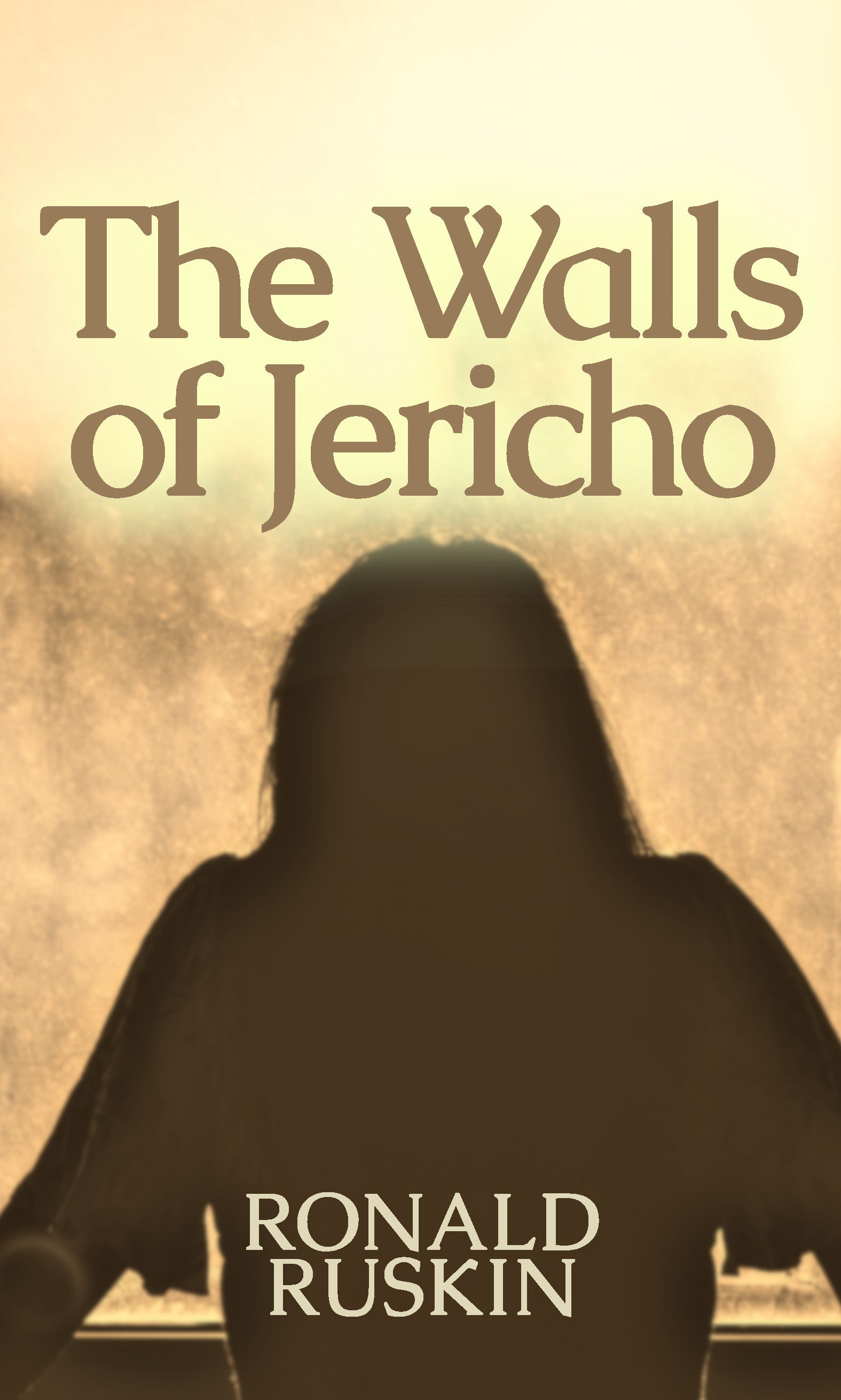
The book is really quite a trip, and it’s relentlessly relevant to the technological nightmare we’re increasing trapped within. Part pandemic and medical thriller, part spy novel, with generous helpings of political and existentialist dread, it’s a book so addictively readable you kind of don’t even care how it’s going to end by the time you get there.
The story starts with six year old Leila, recovering from a serious car accident in a hospital room in Canada. She’s too smart for her own good, she knows her mother must have died in the car accident, but no one wants to be straight with her. Also, there was a color just before the accident, a splash of orange, and she knows this means something she doesn’t want it to mean.
She’s older throughout the rest of the novel. A child prodigy graduating early from accelerated university courses and becoming a psychiatrist by the time most are still trying to figure out what they want to do with themselves — her life’s gone a bit too fast, not enough time to process any of it, and now she’s trying to keep an emergency psychiatric ward from exploding as a strange pandemic hits. No, not Covid, nor anything with a biological cause. People just start going insane, becoming violent, paranoid, and those who try to research the cause of this contagious mental illness keep getting into strange car crashes or drownings, or their research gets hacked.
Throughout the novel, the narrative keeps returning to an engraved stone discovered in an archeological dig of the ruins of Jericho. We all know, of course, the biblical story of how that city supposedly fell — the marching and trumpets and all that. Tossing aside that monotheistic retelling, though, its actual fall is historically strange and not well-explained by any archeological theories. Ruskin plays with this to great effect: the stone found in its ruins speaks of violence, distrust, a strange animosity arising from within rather than from outside its walls.
In other words: sometimes, civilizations just destroy themselves. And though a work of fiction, Ronald Ruskin’s The Walls of Jericho feels very, very real. That’s what made the book an utter joy to edit (and an instant “yes, please” when he submitted the manuscript to me). Especially, you don’t realize how attached you get to his characters (my favorite is Maxim, a Russian physiotherapist and acupuncturist whose brusque approach to body work applies also to his geopolitical understanding) until something happens to them. And the end is particularly chilling in all the right ways, ambiguous but hardly unbelievable.
The Walls of Jericho releases 7 July, 2026, and you can pre-order it for 25% off during our summer sale (code SUMMER26). I really think you’ll love reading it as much as I did editing and publishing it.
Comments
Nothing yet. Say the first thing.
Sign in to join the conversation.