
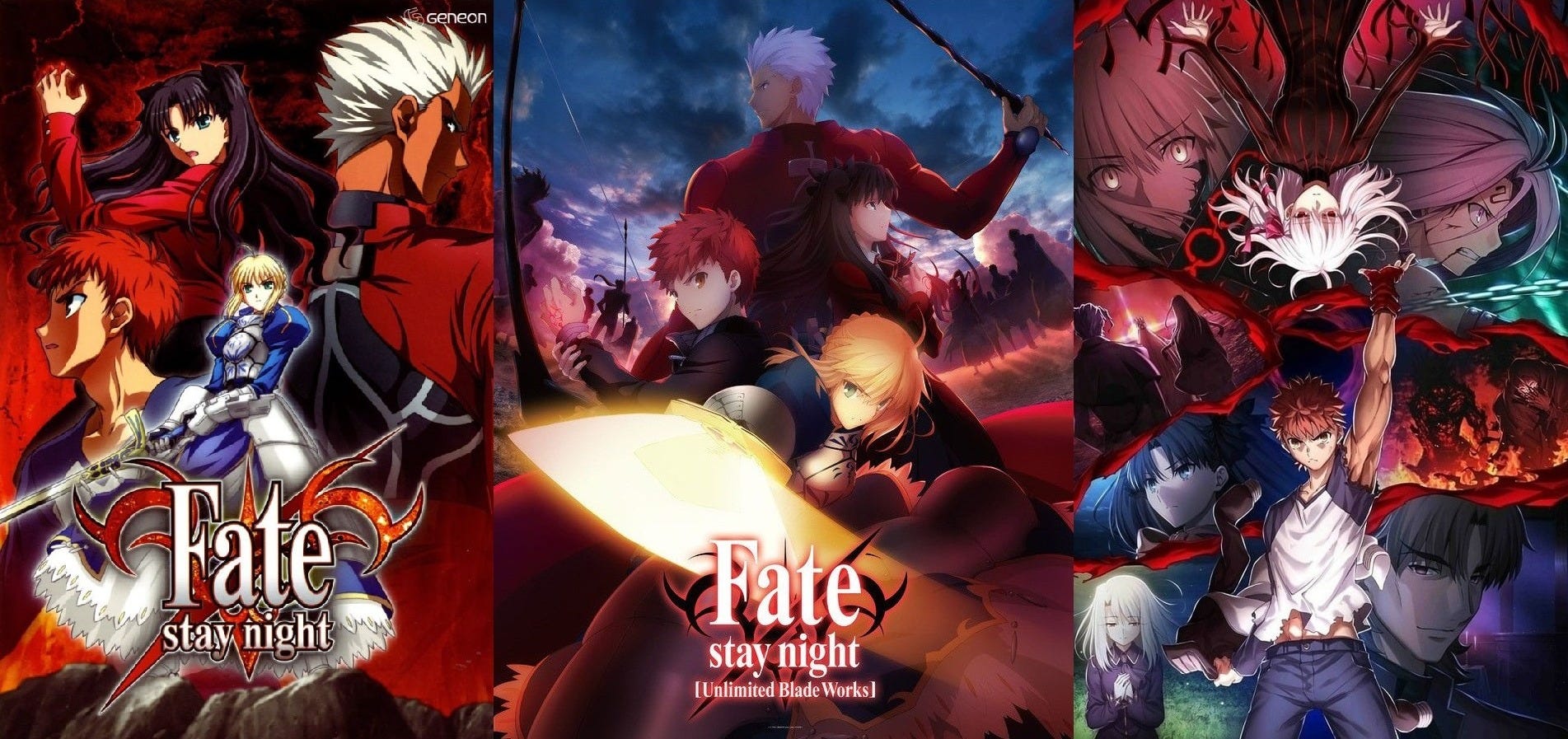
Despite it being one of my favorite anime franchises out there, I haven’t talked much about Fate on this newsletter. What originally started out as a visual novel by Kinoko Nasu and Takashi Takeuchi over 20 years ago is now a multibillion dollar franchise with more anime, manga, light novels and video games than any mentally stable person can track. This two-part post is my attempt to track them. Part 1 discusses the “main” Fate timeline: the original visual novel and all its related media, while Part 2 looks at the series’ many, many spinoffs.
It is worth noting that the Fate franchise, as expansive as it is, is a part of a wider, interconnected universe created by Kinoko Nasu and his media conglomerate Type-Moon. Characters from the “Nasuverse” as it is popularly known as, appear occasionally in Fate, but my knowledge of the wider universe is extremely limited, and I will not be discussing it. This post refers to Fate-related media exclusively. With that out of the way,
In the world of Fate, the greatest figures from human history and mythology become Heroic Spirits when they die. The Counter Force, a power formed by humanity’s collective unconsciousness, removes Heroic Spirits from the cycle of reincarnation and stores their souls in a higher-dimensional repository known as the Throne of Heroes.
The original visual novel, Fate/Stay Night, revolves around the Holy Grail War, a secretive, battle-royale style magical ritual established in the 1800s in Fuyuki City, Japan, by the Einzbern, Tohsaka, and Matou families. The ritual repeats every 60 years, although the cycle shortens drastically if the previous War goes unresolved. The Holy Grail War has seven mages, termed “Masters”, summoning Heroic Spirits as “Servants” and having them fight to the death. The deaths of the Servants powers the Holy Grail, an omnipotent wish-granting device, which is then supposed to grant the wish of the final surviving Master.
The original purpose of the War was to use the Holy Grail to reach Akasha/The Swirl of the Root, the metaphysical source of all existence, and gain enlightenment. However, the Einzbern and Matou families changed their goal to the recreation of the powerful Third Magic, which would grant its wielder immortality.
Mages are chosen at random by the Grail, but they generally include members of the Einzbern, Matou, and Tohsaka families. The First and Second Holy Grail Wars in the 19th century devolved into murderous brawls where all participants died, leading the Mages’ Association and the Holy Church to step in and oversee future wars. The Third Holy Grail War in the 1930s saw the Einzberns cheat by summoning Avenger-class servant Angra Mainyu whose spirit was absorbed by the Grail after his defeat. This corrupted the Grail, turning it into a monkey’s paw that nobody could safely use. The Fourth Holy Grail War in 1994 the focus of prequel series Fate/Zero, and the Fifth Holy Grail War in 2004 is the focus of Fate/Stay Night.
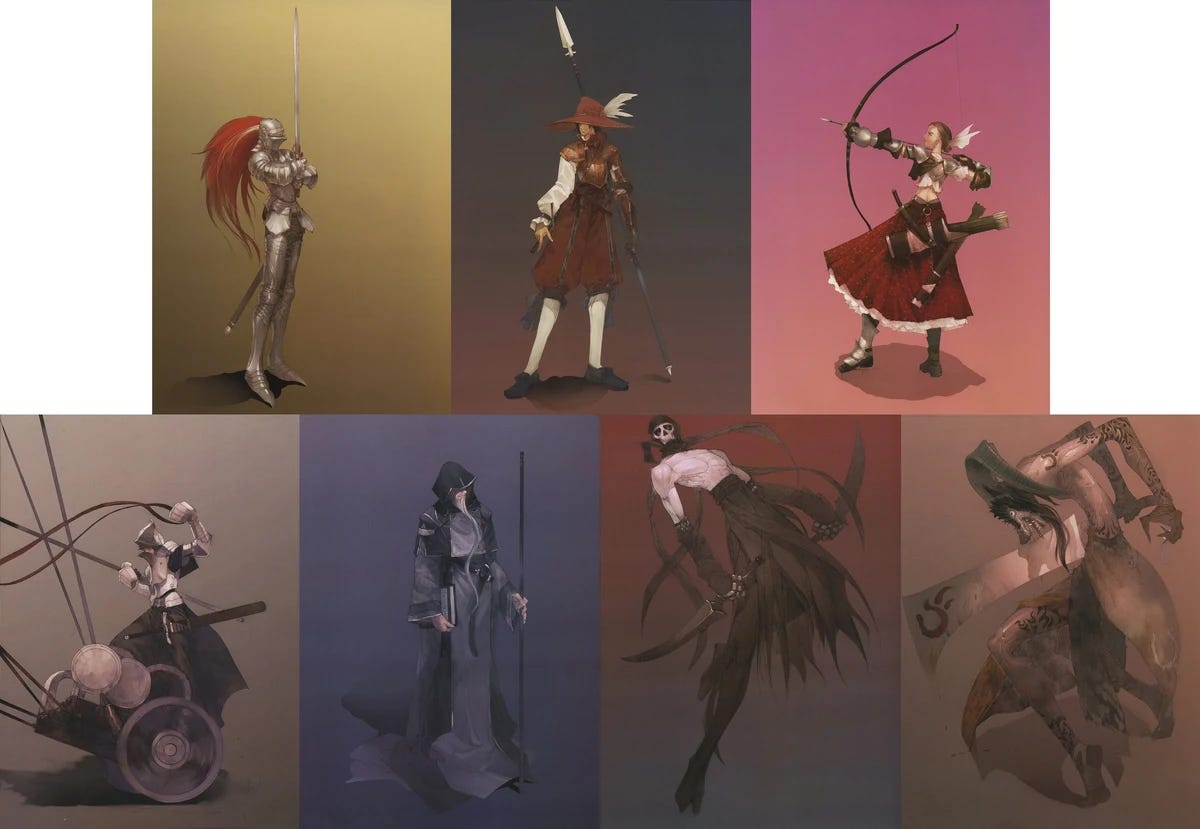
When the Servants are summoned, they are sorted based on ability into one of seven classes. They often go by their classifications, withholding their names from enemies and even their own Masters for strategic purposes. Each Master is granted three command seals, each one allowing them to forcibly give their servant a command that they cannot disobey.
I haven’t covered everything, but these are some of the most basic aspects of Fate lore. Reading all this you might have the following question:
For me, the answer is a resounding yes. Fate has it all: stunning animation, high-octane action, complex strategy, surprisingly sweet romance, and beneath it, a deeply philosophical, character-driven story that isn’t afraid to get dark or kill off its cast.
Fate’s protagonist Shirou Emiya is possibly my favorite anime main character. A lesser anime would treat his selflessness and almost suicidal altruism as a positive character trait. Fate instead tackles the hypocrisy and inner conflict of maintaining his heroic ideals, focusing on the contradiction between the desire to save everyone and the reality of personal limitation. Through Shirou, the story questions the romanticized notion of a hero, suggesting that true selflessness is inhuman and, at times, immoral if it requires ignoring personal happiness or loved ones.
The other characters are similarly well thought out, their interpersonal dynamics. The series has two of my favorite villains in anime, villains that are evil without feeling one-dimensional. That’s Fate’s greatest strength: It takes the world’s oldest narrative tropes, that of the hero and the villain, and explores them in ways I’ve never seen before.
If you wanted more incentive, the Unlimited Blade Works anime and the Heaven’s Feel trilogy are animated by the same studio that made Demon Slayer.
Let’s take a look at the visual novel and related media:
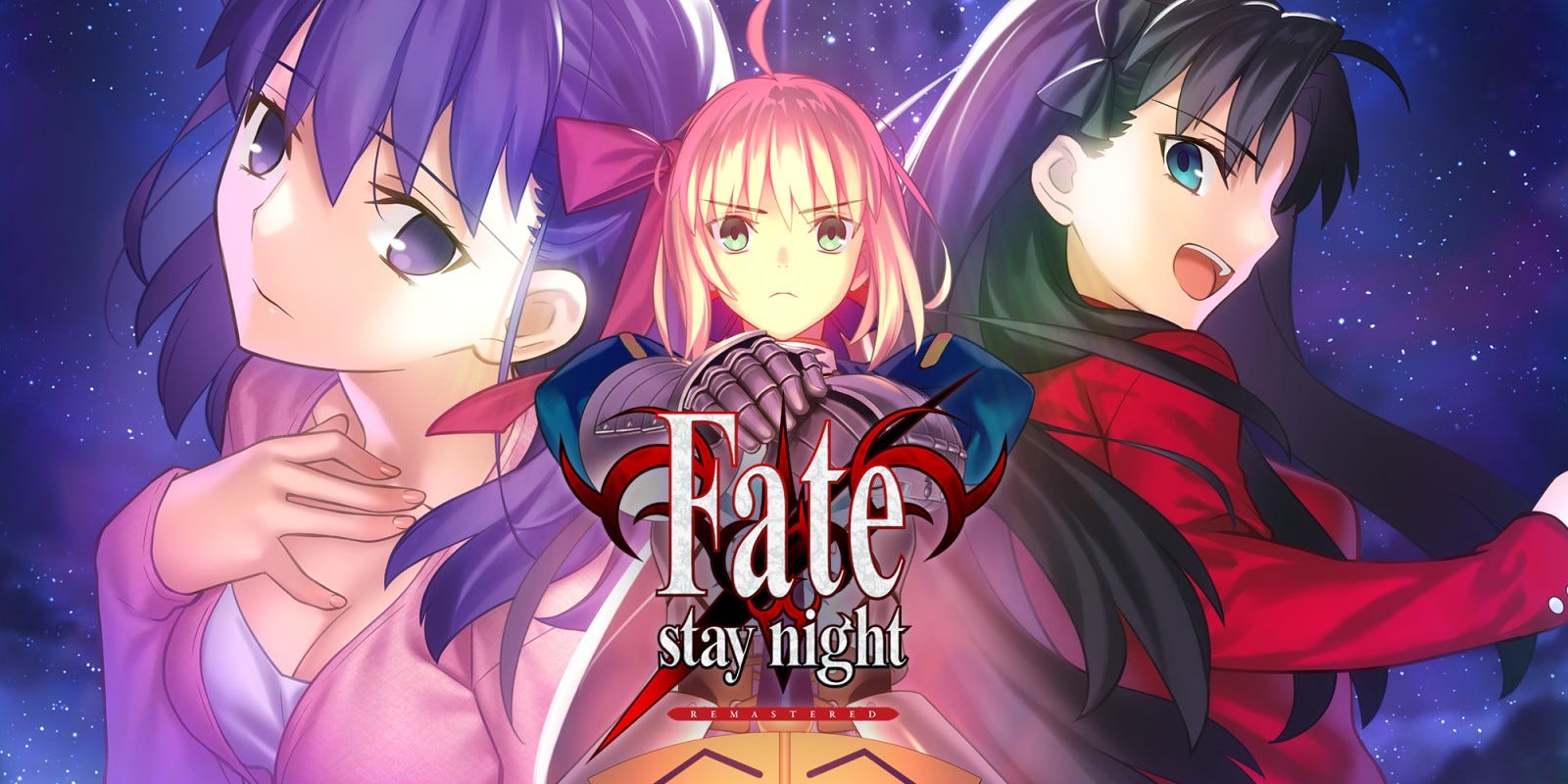
The original visual novel follows Shirou Emiya, an orphaned teenager and amateur mage who lost his parents in a fire that devastated Fuyuki during the Fourth Holy Grail War. After stumbling on a fight between two Servants, Shirou is attacked by Lancer and unintentionally becomes a Master, summoning a Saber-Class Servant. Shirou and Saber team up with Shirou’s classmate Rin Tohsaka and her enigmatic Archer-Class Servant to fight in the Fifth Holy Grail War and prevent the other Masters from harming the civilians of Fuyuki in their quest for the Grail.
The visual novel has three routes that the player can unlock based on their decisions: Fate, Unlimited Blade Works, and Heaven’s Feel, each of which has its own anime adaptation. Each route has its own story arc as well as its own heroine for Shirou to romance.
Personally, I haven’t played the it, so I can’t comment on quality, but I have heard a lot of praise for it online. I’ve also heard that it’s much heavier on the fanservice and sexual content than the anime adaptations, so make of that what you will.
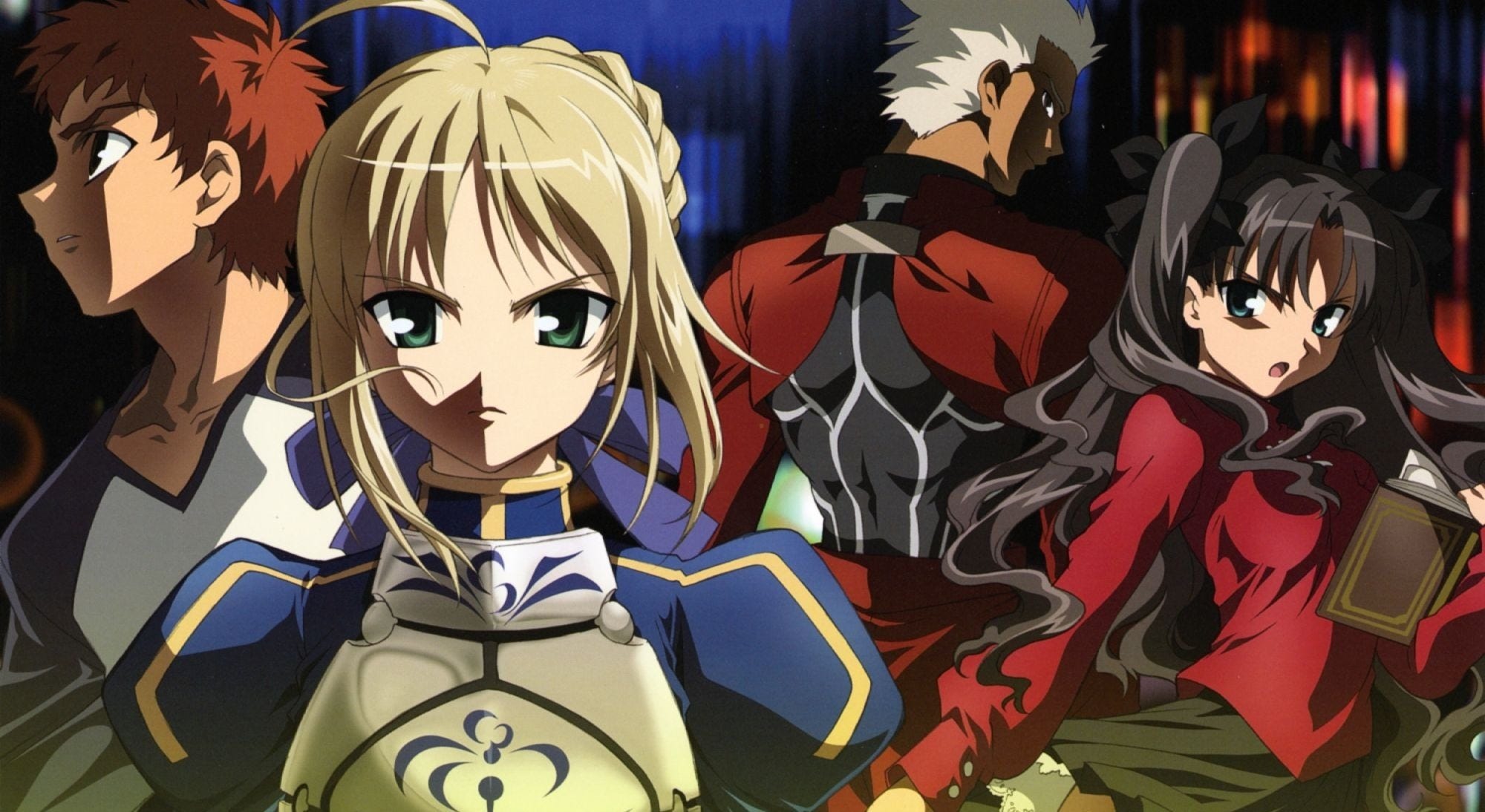
The 26-episode 2006 anime by Studio Deen adapts the Fate route, with Saber as Shirou’s main love interest. While I think Saber is one of the better-written female characters in shonen anime, the series itself isn’t that good. The animation was bad even by the standards of the time, the series focuses more on generic battle shonen elements than the psychological and ideological ones of the visual novel, and the ending was rushed and unnecessarily convoluted as a result of them including elements from the other two routes. Overall, this isn’t one that you need to watch, although the music is great.
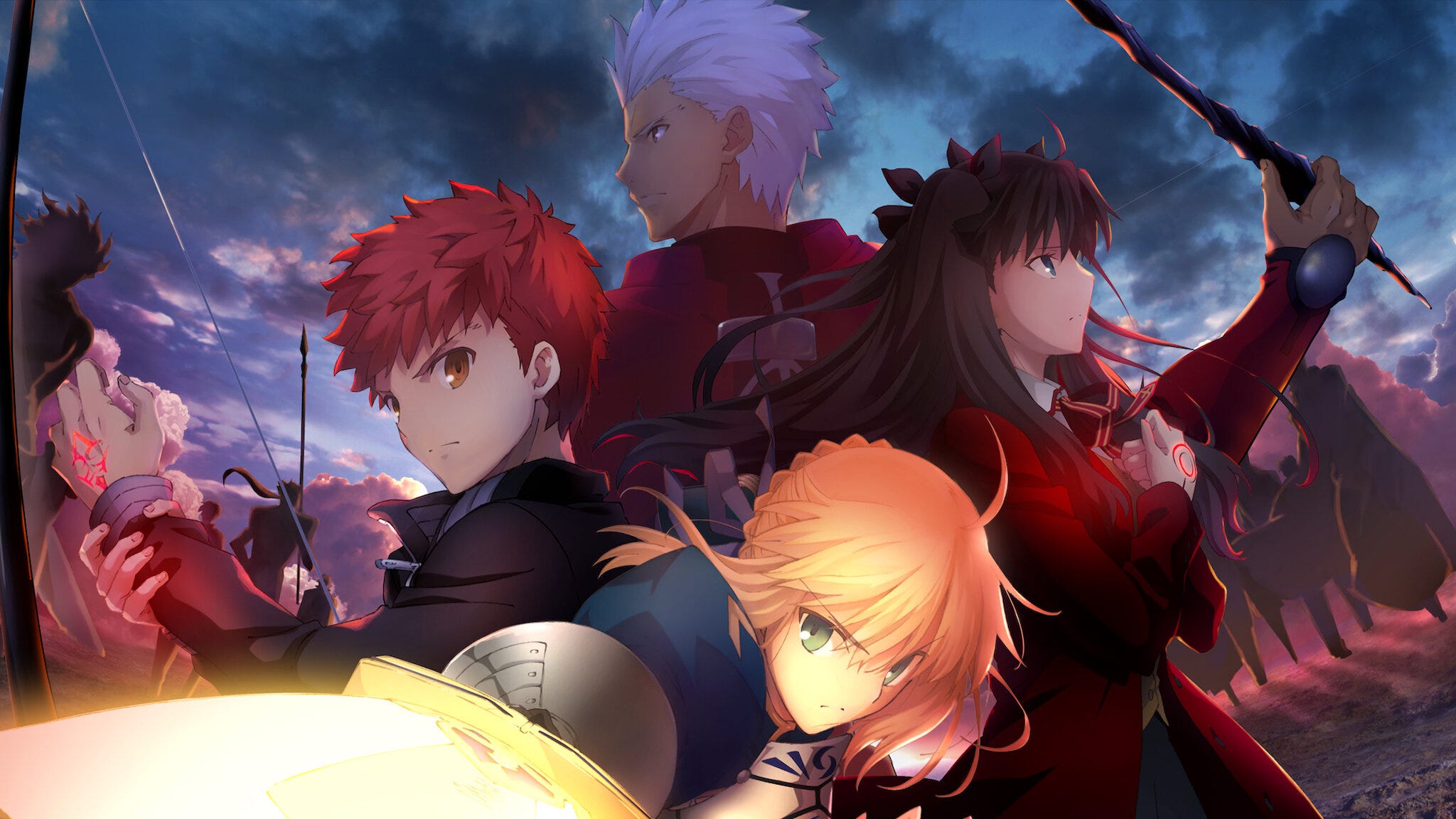
Like I said before, the 27-episode Unlimited Blade Works route was adapted by Ufotable, the studio behind Demon Slayer (although it was made 5 years before, and isn’t on the same level, it still looks very good). There is an earlier film adaptation of this route by Studio Deen, but it isn’t worth watching for all the same reasons as the 2006 anime. UBW’s main love interest is Rin Tohsaka, a talented magus and Shirou’s classmate, as well as one of the few examples of the tsundere trope I can actually tolerate. The series also digs a lot deeper into Shirou’s psyche and ideals, as well as their natural conclusion. It’s one of my favorite anime of all time, and I heavily recommend it.
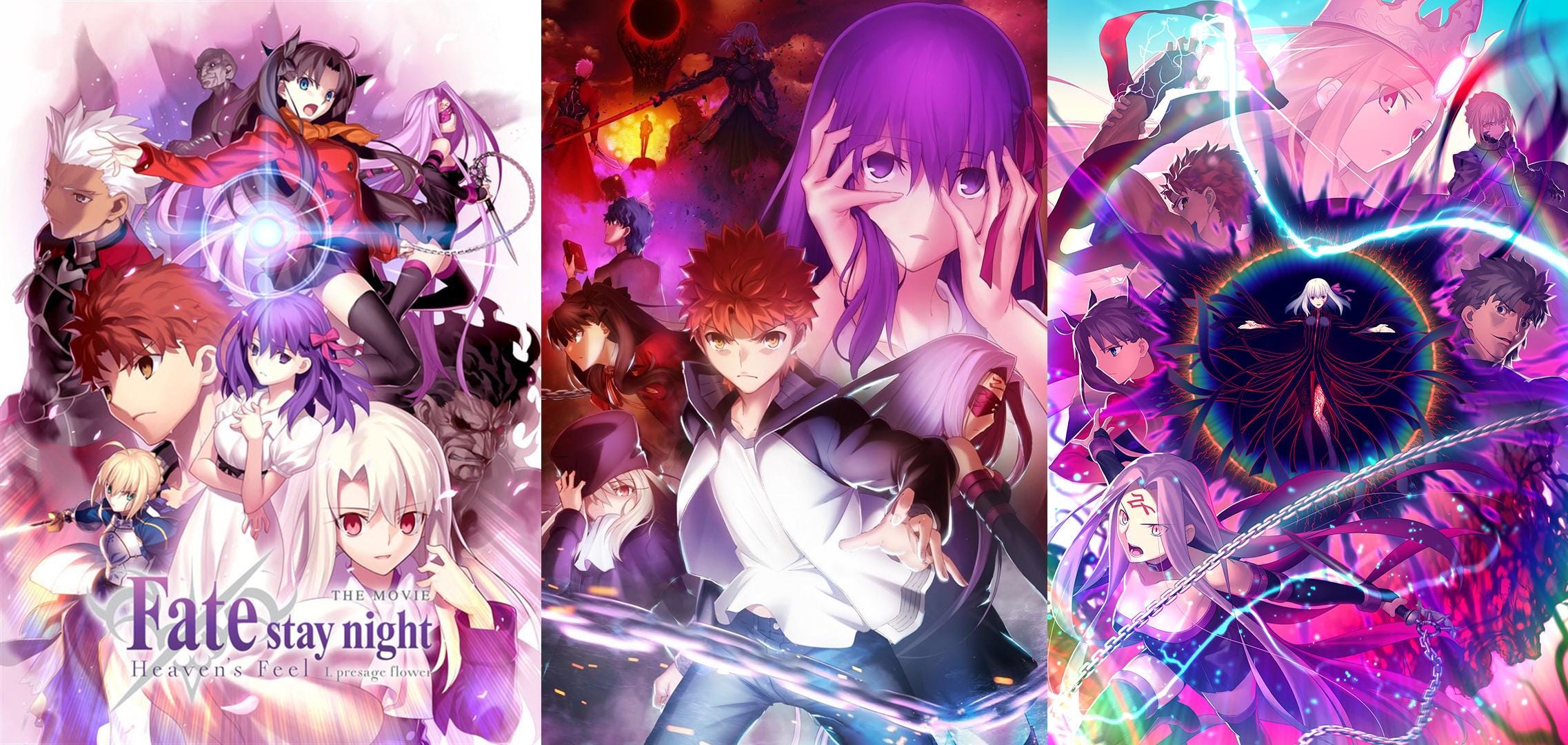
The Heaven’s Feel film trilogy was also animated by Ufotable, and I will argue that it actually looks better than Demon Slayer. Heaven’s Feel’s main love interest is Sakura Matou, Shirou’s high school junior and childhood friend. I can’t really talk much about Sakura without getting into heavy spoilers. While she isn’t as interesting as Saber or Rin, she’s the kind of character you just feel bad for and want to be happy. Heaven’s Feel is probably the darkest route in Stay Night, and the films are worth watching for the animation alone.
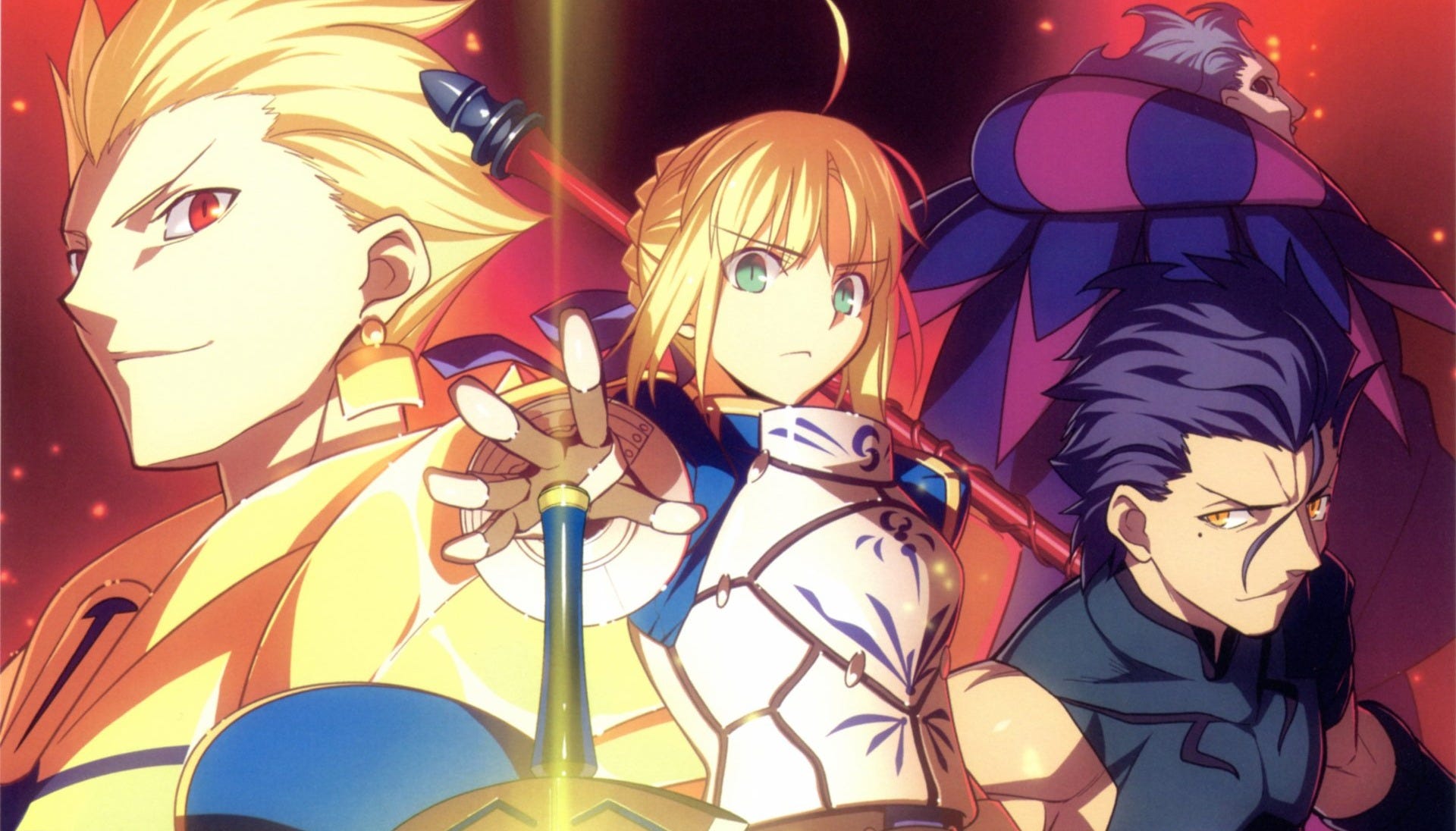
A prequel to Stay Night, Fate/Zero takes placed in 1994 during the Fourth Holy Grail War. Its protagonist is Shirou’s future adoptive father Kiritsugu Emiya, a mercenary hired by the Einzbern family to win the Holy Grail War for them. I haven’t read the original light novels by Gen Urobuchi, but I watched and heavily enjoyed the anime adaptation. It isn’t perfect, and it has some inconsistencies with Stay Night, but overall I think Zero’s one of the best series out there.
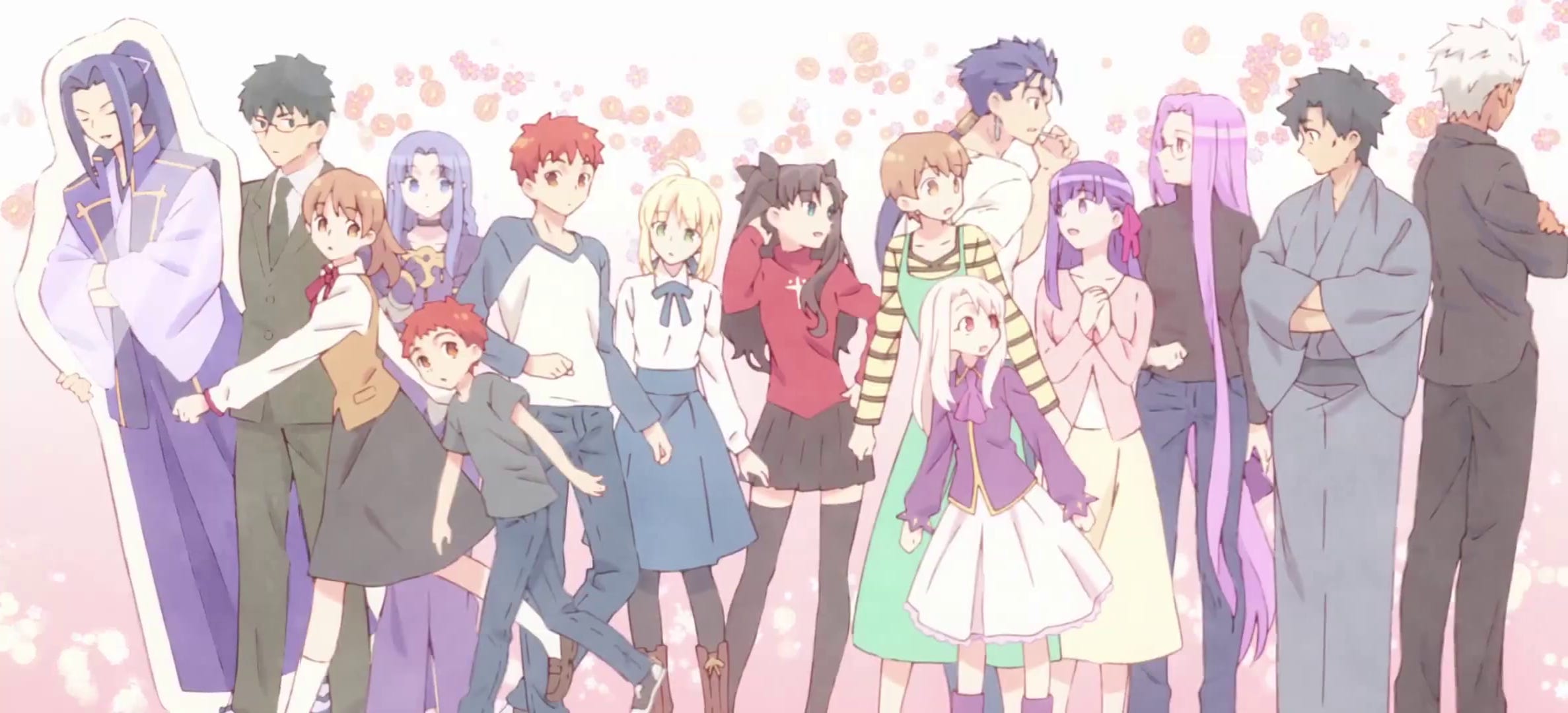
Emiya-San chi no Kyou no Gohan, or Today’s Menu for the Emiya Family, is a slice-of-life series taking place in an alternate universe, where Shirou cooks various meals for the cast of Stay Night. It’s light and fun, the perfect palate cleanser after watching your favorite characters die brutally across different routes.
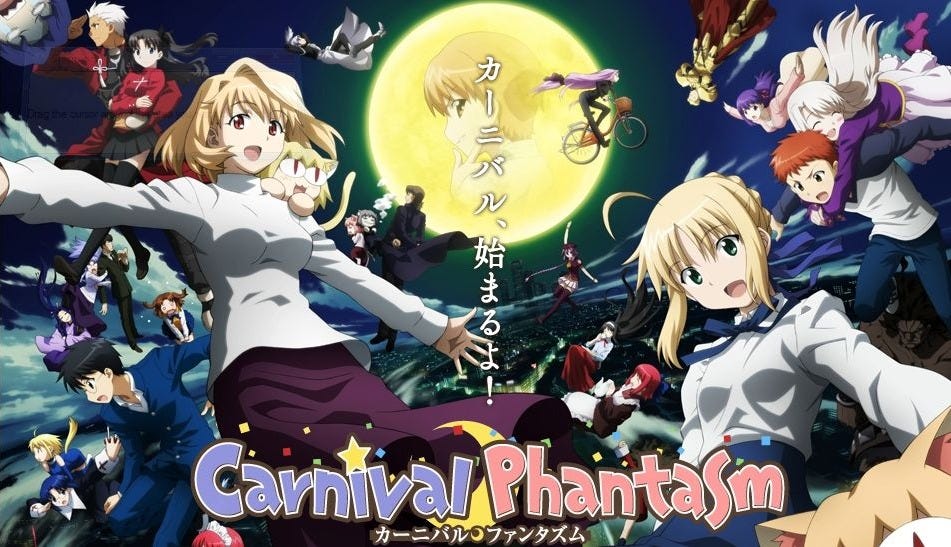
Carnival Phantasm is a comedic OVA series produced to celebrate Type-Moon’s 10th anniversary. It is a direct adaptation of Eri Takenashi's parody manga Take-Moon. The series features characters from various Type-Moon projects, including Fate/Stay Night, Tsukihime, and Melty Blood, interacting in slapstick or slice-of-life settings. To fully understand the series, you need at least a working knowledge of all of these series (which I do not have). However, the parts I did understand were pretty funny, and the series gave the fandom some of its best running gags.
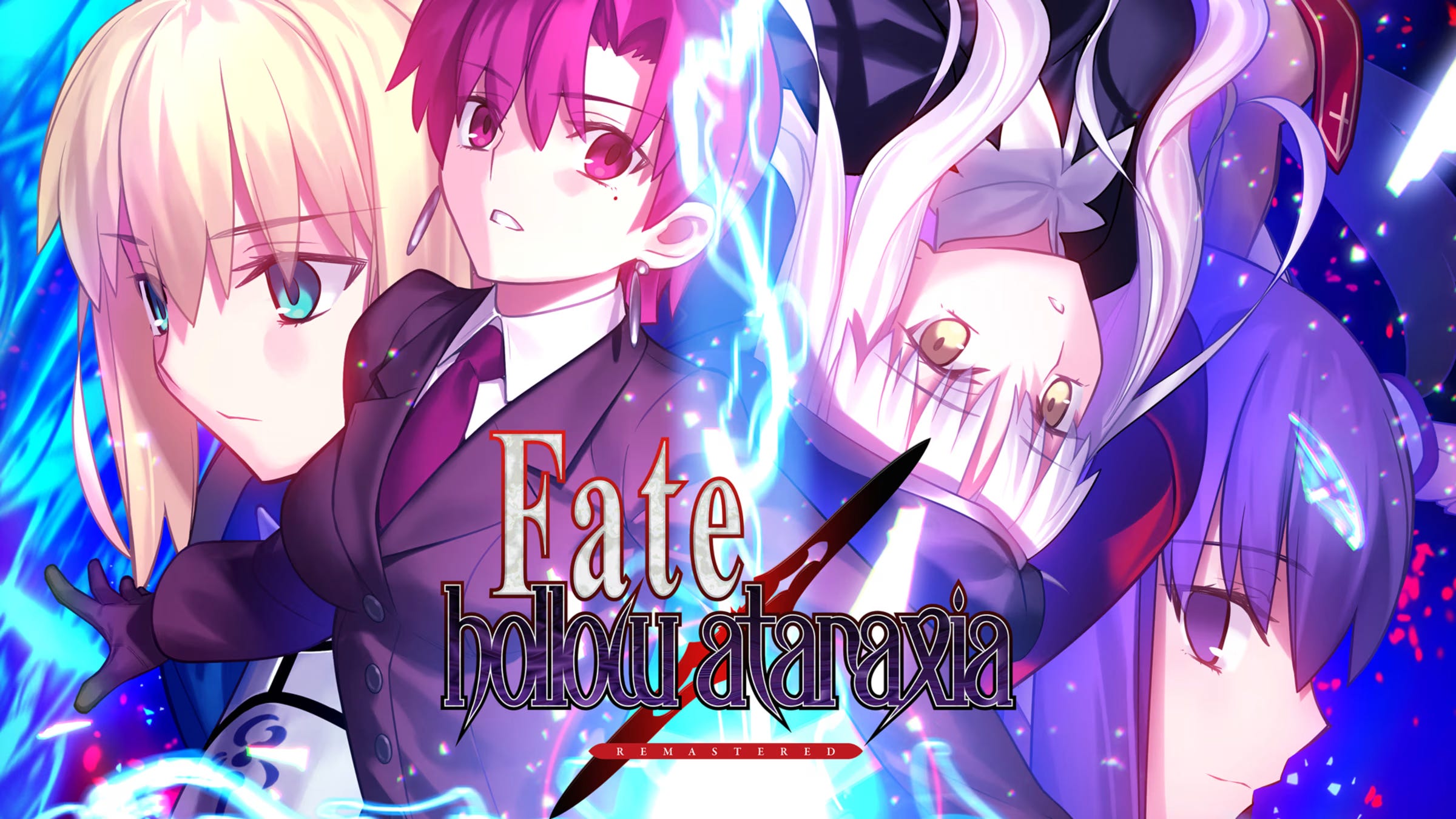
This is probably the entry I know the least about. Fate/Hollow Ataraxia is a sequel to Stay Night, focusing on the mage Bazett Fraga McRemitz, priestess Caren Ortensia, and Avenger-Class Servant Angra Mainyu. I know almost nothing about the plot; there’s a time loop in there somewhere, and apparently a lot of slice-of-life scenes, but that’s it. I’m told it’s good, but I can’t really back that up with experience.
Everyone has their own recommendations for the perfect Fate watch order. Here’s my personal one: skip the Deen Fate adaptation, start with UBW, then Zero, then Heaven’s Feel, then Emiya-San. You can swap Zero and UBW if you want, but the Heaven’s Feel films have a shorter runtime and skip the exposition bits to make up for it, so I wouldn’t recommend starting with it.
There’s generally two types of Fate series: those that are connected to the original visual novel, and those that aren’t. The ones I discussed here are of the first category. Next week, I’m covering the second, so stay tuned for that.
Comments
Nothing yet. Say the first thing.
Sign in to join the conversation.