
As everyone else hoping that the twin crises of biodiversity loss and climate change are finally taken seriously and significantly mitigated against, I was disappointed when I heard that the Church of England (CoE) voted against committing to restoring 30% of its land.
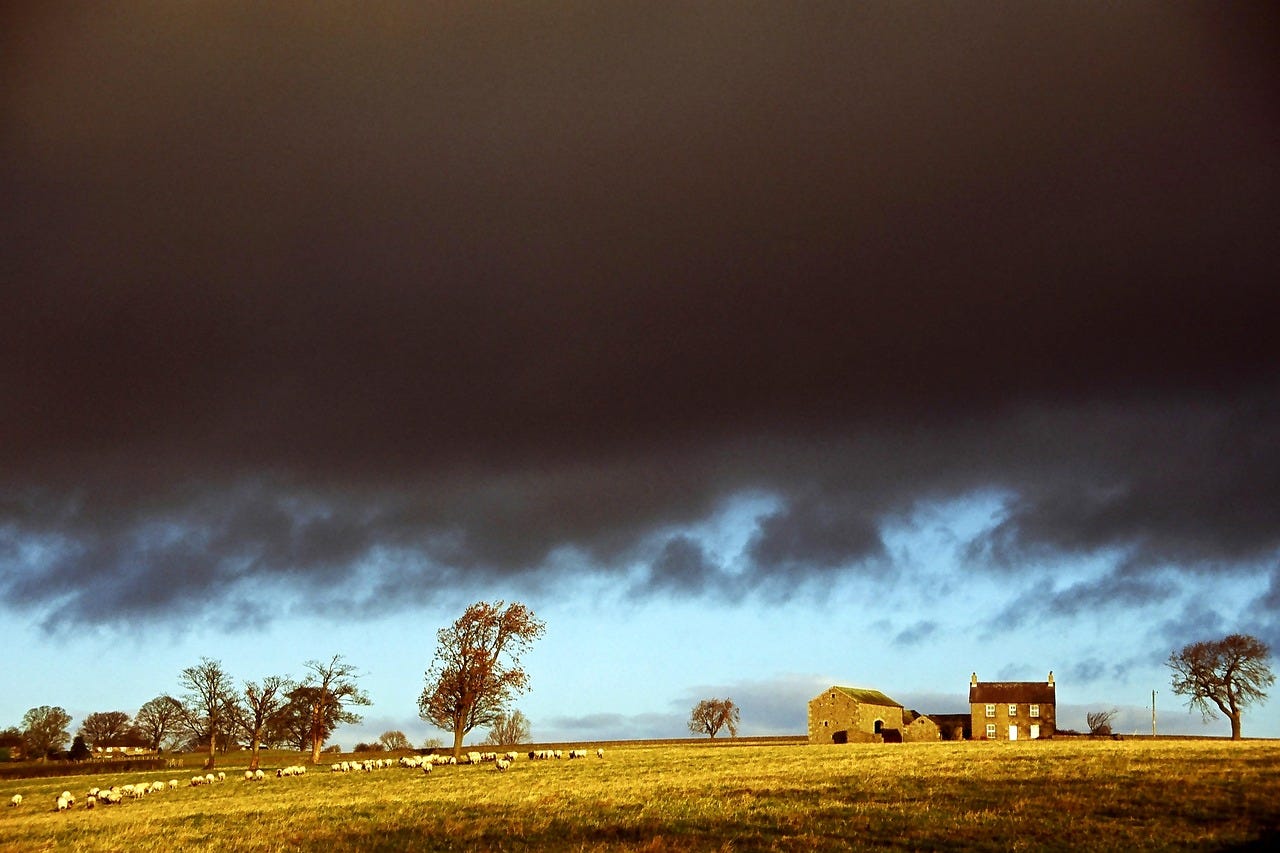
A key priority of the CoE, as outlined in their vision and strategy, is “to be a church that is younger and more diverse”. The church wants to grow by being “simpler, humbler and bolder” … well, this latest decision by the General Synod certainly wasn’t bold and is clearly working against the very core of what the CoE says it wants to achieve.
It was at first glance a head-scratcher. After all, the country’s government has committed to 30by30 (where they are with it at this point is another matter), and the Crown Estate has committed to manage 36% of its land for nature by 2030. Why would the Church of England vote against what is clearly in the best interests of the many local communities it proclaims to serve?
I wanted to get a clearer sense and so decided to dive into it:

Valerie Plumb, an area dean in Oxford, had introduced the motion that called on the Church Commissioners to commit to the 30by30 target, which would require it to protect and restore 30 percent of its landholdings for nature by 2030. She said that “the Church Commissioners are doing some really good work in this area,” but added that the increasing urgency required more ambitious action.
The Church Commissioners clearly didn’t see the urgency. Instead all three houses voted for the amendment of Bishop of Norwich, Graham Usher. He stated that his amendment “combines ambition with practical implementation, reflecting the Commissioners’ legal responsibilities, landholding characteristics and operational realities.”
“Legal responsibilities, landholding characteristics, operational realities” … all of those say one thing to me: MONEY (the commissioners manage assets worth £11.6 billion). The status quo is just fine for the few who are making money now, and clearly they do not want change, however beneficial it would be for the many CoE’s community members now and into the future across those lands - with richer flora and fauna, and with improved soil, air and water quality for everyone.
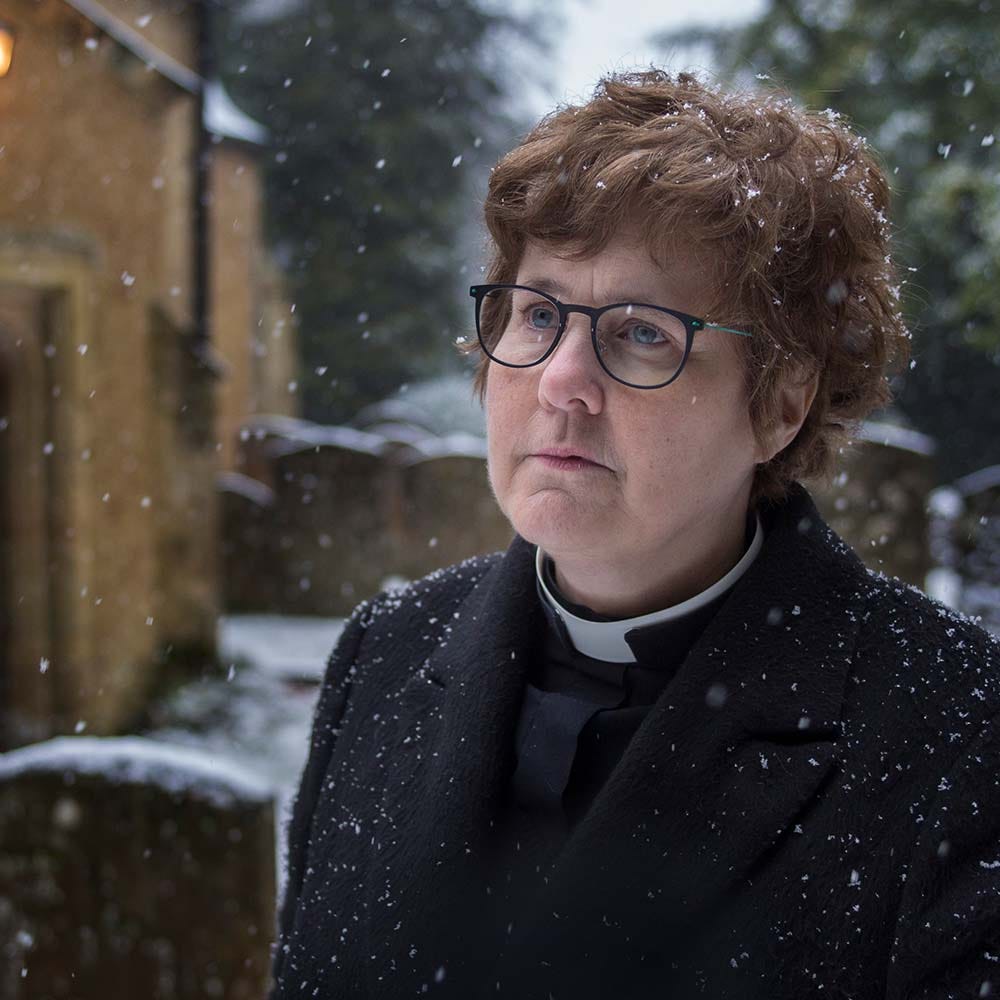
Valeries Plumb rightly criticized the amendment because it lacks clear targets - no transparency, no accountability. “In the last 50 years, over 40 million birds have disappeared from our skies, 97 per cent of wild flower meadows since the 1930s, thousands of ancient woodlands, and around a quarter of our native mammal species are now facing extinction.”
The case she made was sensible, saying 30% for rewilding could come from low-productivity land, that equates a mere 1.6 per cent of the commissioner’s portfolio, while nature-friendly farming could continue on higher grade land. Well, she wasn’t heard. In fact, the aforementioned bishop thanked her for her commitment to nature recovery, then then said that, “as a pragmatist, he wanted the General Synod to pass proposals that are workable.” …
… I think I would have had a screaming fit in that moment. You can read more about the arguments against clear targets, because of a possible negative impact on assets. It’s sobering, truly sobering. Knepp Wilding wrote:
“We’re deeply disappointed by the General Synod’s decision this week not to commit to rewilding 30% of Church of England land by 2030, a target that would have aligned the Church with the UK’s own 30by30 commitment.”
They also pointed out that there was no legal barrier that would hinder the commissioners from adopting the target (contrary to what the above bishop claimed). In fact, the finding revealed that "the Commissioners face no legal barriers to adopting the so-called “30 by 30” target and are legally free, and morally compelled, to act to protect and restore biodiversity.”

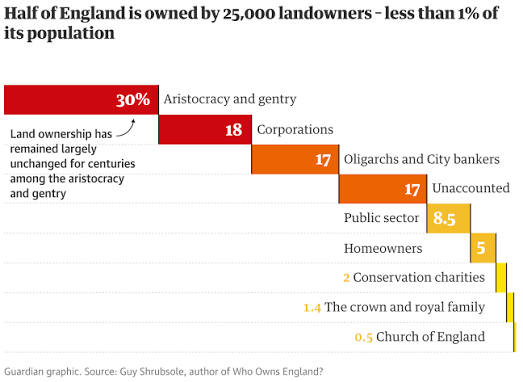
Just to get a sense of what we’re talking about here. The CoE owns around 200’000 acres of land - and that, according to the Guardian, makes them one of the UK’s biggest landowners. But what does that mean? The CoE owns 0.5% of England’s lands, while the crown and royal family own 1.4.%.
The public sector owns 8.5% … and if you look at below chart - you might see that the biggest lever is very much elsewhere. There, where the 30% ownership lies, that’s where any sensible government looking for the longterm best interests (health and security) for its citizens would employ some serious levers.
But those 200’000 acres are by no means nothing - it’s an area about three times the size of Birmingham (65’000 acres) and yes, that might still look tiny when you compare it to the size of England as a whole … but that’s not where the true value lies.
The CoE has a voice that can be heard and might be valued by many, that can bring positive change, that can ripple out far beyond its existing members. And again, they claim that they do want to grow, right? By writing 30by30 across their flag they would have not only grown their membership with a whole new generation of nature-positive people, they would have also looked out for the very health of their constituents.
You could of course argue that the church is focused on spiritual matters. But that’s just foolish talk. Wellbeing is a holistic thing, mind and body, spirit it’s all connected and one affects the other. You want vibrant church-going communities, don’t you, CoE? Then do whatever is in your power to foster and enable them with good health, physical, mental and spiritual.

The aforementioned 200’000 acres are more or less split in half - about 90’000 acres are church buildings and graveyards and glebe land. The rest is owned by the Church Commissioners and is made of up farmland, commercial properties and even real estate such as Hyde Park. The focus for the 30by30 motion was on the roughly 82’000 acres of farmland.
Olga Hancock, Head of Responsible Investment of Church Commissioners for England, sent me the following comment to clarify the CC decision:
“100% of the land is tenanted and 90% is prime agricultural land. 90% of tenants are involved in biodiversity enhancement, so that was not the issue. The problem was that sustainable farming does not count towards the GBF (or the UK government) 30X30 definition, and it would have been misleading to suggest it does.”
So 90% of the CoE’s land is prime agricultural land and 90% of tenants are involved in “biodiversity enhancement” … whatever that means in detail. Olga sent along a link that leads to videos and publications and surely leaves one impressed - after all, that’s what such things are for.
But what I’d prefer knowing are details. Where exactly are those 90% of prime agricultural land? I’d like to see a list and I’d like to be able to see them. Apparently, the CoE is not subject to the Freedom of Information Act and so there is - to my knowledge (send it if you have one!) - no map of CoE-owned lands.
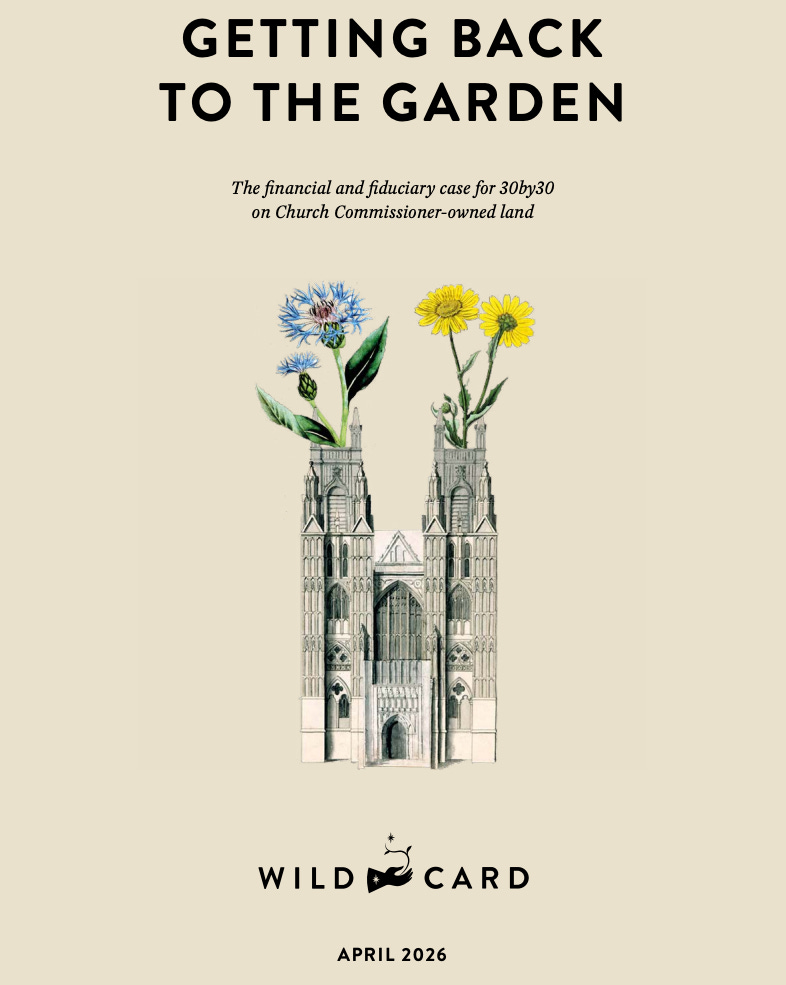
WILDCARD, the organization that had hoped to get the CoE to adopt 30by30, says that the total of the church farmlands are 33’000 hectares (82’000 acres) on 45 estates in England - most of those farms are commercially farmed (and we know what stands for and causes) and that in no way shape or form gels with Olga’s claim that 90% of tenants are involved in biodiversity enhancement. Unless, of course, that’s a smokescreen. In theory, sure, you can tell each tenant to put up a hedge for birds, et voilà, the biodiversity enhancement box can be ticked.
WILDCARD wrote, “Analysis of Church Commissioners’ land by author and campaigner, Guy Shrubsole, and botanist, Tim Harris reveals that it (CoE land) is significantly nature depleted. Woodland coverage on Commissioners’ land in England is only 4%! Not only do they rank bottom of the list of England’s top 10 landowners for woodland coverage; they are also falling further behind. The National Trust, for example, has 18% woodland coverage already, and has recently committed to rewilding 30% of its land!”


You really can’t blame the Church Commissioners for voting against Valerie Plumb’s motion. Their website says that they manage an investment portfolio for the purpose of funding the CoE’s “mission and growth.” There’s that “growth” again - but people whose expertise is in managing money won’t focus of the growth of the congregation, but on the growth of assets under management.
These people surely do a fine job at whatever it is that they’ve been hired to do. But a decision like this wasn’t theirs to make - this was not about protecting and enhancing billions, this was about the future of England, the future of not just tenant farmers (another smokescreen), but all of England. Just as the government and the Crown Estate and a growing worldwide community steps up, so does it need to happen here.
This requires strong leadership.
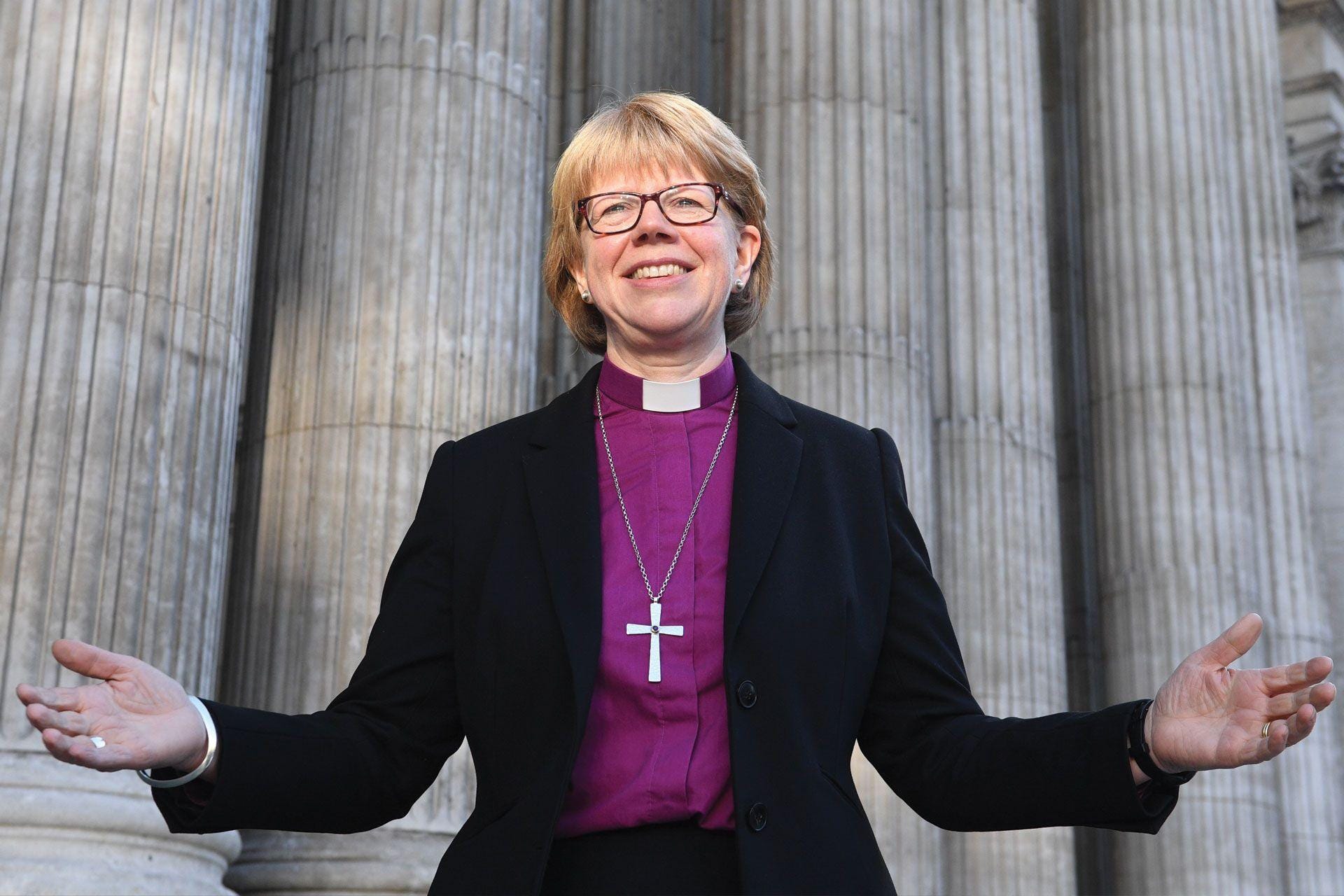
Which brings me to the Archbishop of Canterbury, who is the Church of England’s spiritual leader (and also a Church Commissioner). What the Most Reverend and Right Honourable Sarah Mullally’s position on the matter? Apparently she’s not even responded to a petition with 130’000 signatures. As the spiritual leader, the wellbeing of the congregation (that one she wants to massively grow) is surely top of mind - so where was she in all this?
Are we saying that she ignored the rallying cry for healthier nature, the very foundation that every future generation of worshippers depends upon, that she ignored the potential recovery of one of the world’s most nature-degraded countries - her own … because the people that manage the billions said so? Surely not… right?
I do hope she steps up - as the spiritual leader, she has power and must act. Her voice can make a huge difference. It can shine a light for millions of people toward the vision of an England with a restored, biodiversity-rich nature, a foundation that’s restored to full health. I’ve come across this statement of hers:
“In the apparent chaos which surrounds us, in the midst of such profound global uncertainty, the possibility of healing lies in acts of kindness and love.”
Well, yes, lovely. And surely right. So then, dear Archbishop,, it’s time to stand up and live what you preach. That love and kindness needs to be extended to the very nature that underpins all that we are and can be, now and into the future. That nature needs to heal, it’s in terrible shape (you as a former nurse no doubt carry the fervent urge to help and heal in your heart) … this is in your hands - not some body focused on managing assets, this is bigger, so much bigger - and you know it.
Now do something about it.
Lead.
Cheers,


Glad you’re here, reading the Rewilder Weekly. Share the stories, write your own (and let me know about it), engage with others. Let’s continue to reach out, inspire and activate ever more people around the world. The rewilding movement is growing, and with all of us pitching in, it’ll grow a great deal more!
Eager for more rewilding insights?
get inspired by the lives, decisions, challenges, beliefs and hopes of passionate rewilders with the Meet the Rewilders portraits;
connect with these organizations - sign up for newsletters and support them in any way you can;
join these events - conferences, online seminars, rewilding days and weeks to immerse yourself and learn from the experts;
read these books - a selection from Foreman to Macdonald, and from Tree to Daltun, Hetherington and Bowser;
listen to these podcasts - it’s inevitably inspiring when the likes of Peter Cairns, James Shooter, Ben Goldsmith and Brooke Mitchell talk to the pros in the field;
and check out these resources - explore the principles, ways of funding, research publications and personal ways to start rewilding.
And, of course, connect with and follow the many passionately engaged rewilders. Let’s keep growing the movement! 🦬🌳🐺🌞🌍
Go ahead, do it! 😊 I love comments and you can ask me anything (literally). You can also let me know about projects you come across, article you think I should share - and feel free to throw in tough questions, too - spice of life!
Oh, and please do click the ❤️ (like) button, too. The more ❤️, the more these posts rise in Substack’s algorithm - which means more and more people will discover rewilding, will learn about it, will engage around it, and hopefully will become active rewilders before long. Thanks!
Thanks for reading The Rewilder Weekly! This post is public so feel free to share it.
Comments
Nothing yet. Say the first thing.
Sign in to join the conversation.