
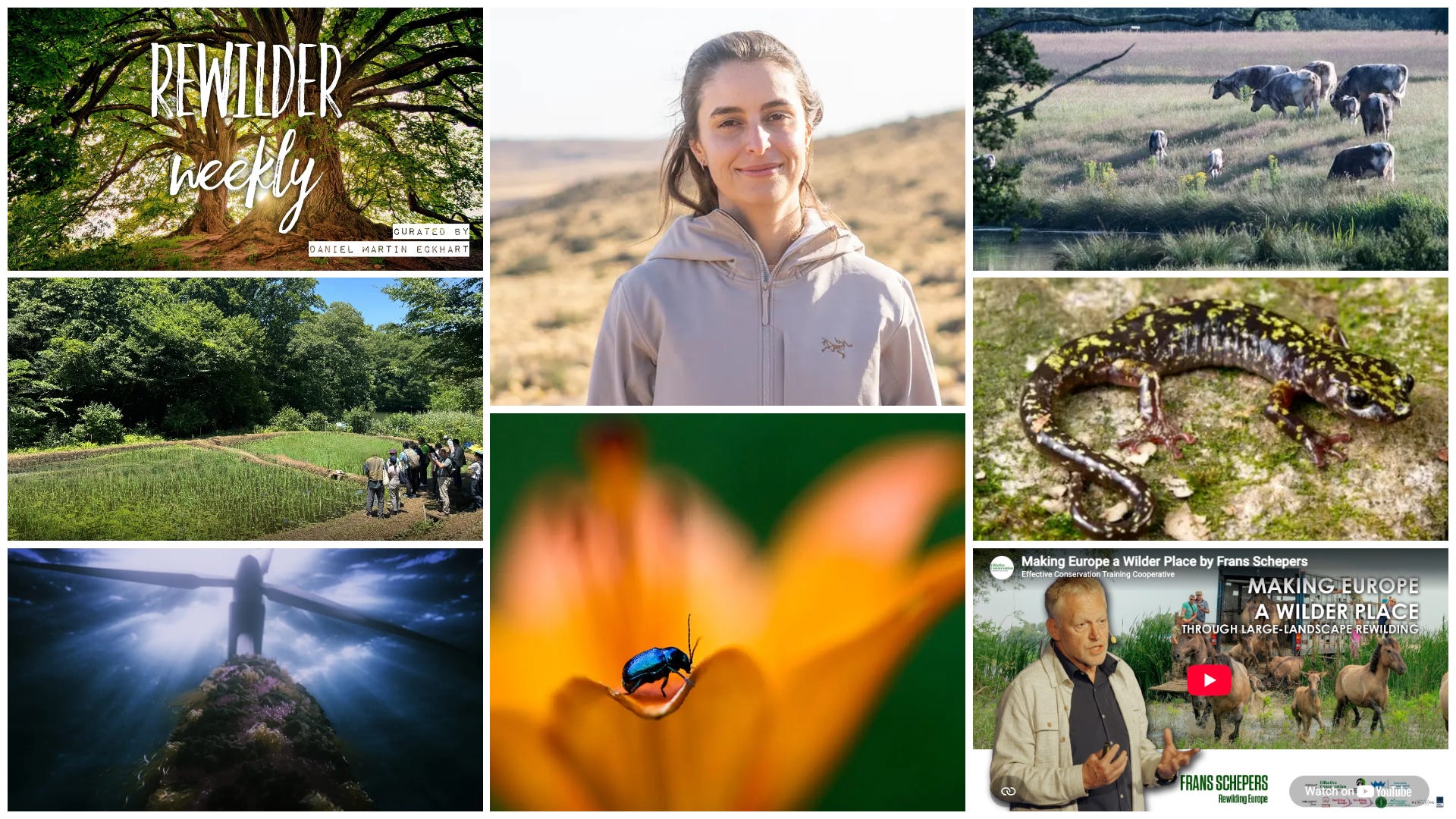
Welcome to the latest edition of the Rewilder Weekly. 🦬🌳🐺🌞🌍
This week with the latest rewilder portrait, featuring Anne Deane, president of the Freyja Foundation.- and insightful and inspirational stories from 🇬🇧 the UK, 🇪🇸 Spain, 🇯🇵 Japan, 🇳🇱 the Netherlands and 🇺🇸 the US.
Wishing you a good week!
Cheers,

👉 If you come across stories you’d like to see featured in a future edition of the Rewilder Weekly, send them to me and I’ll gladly do what I can.

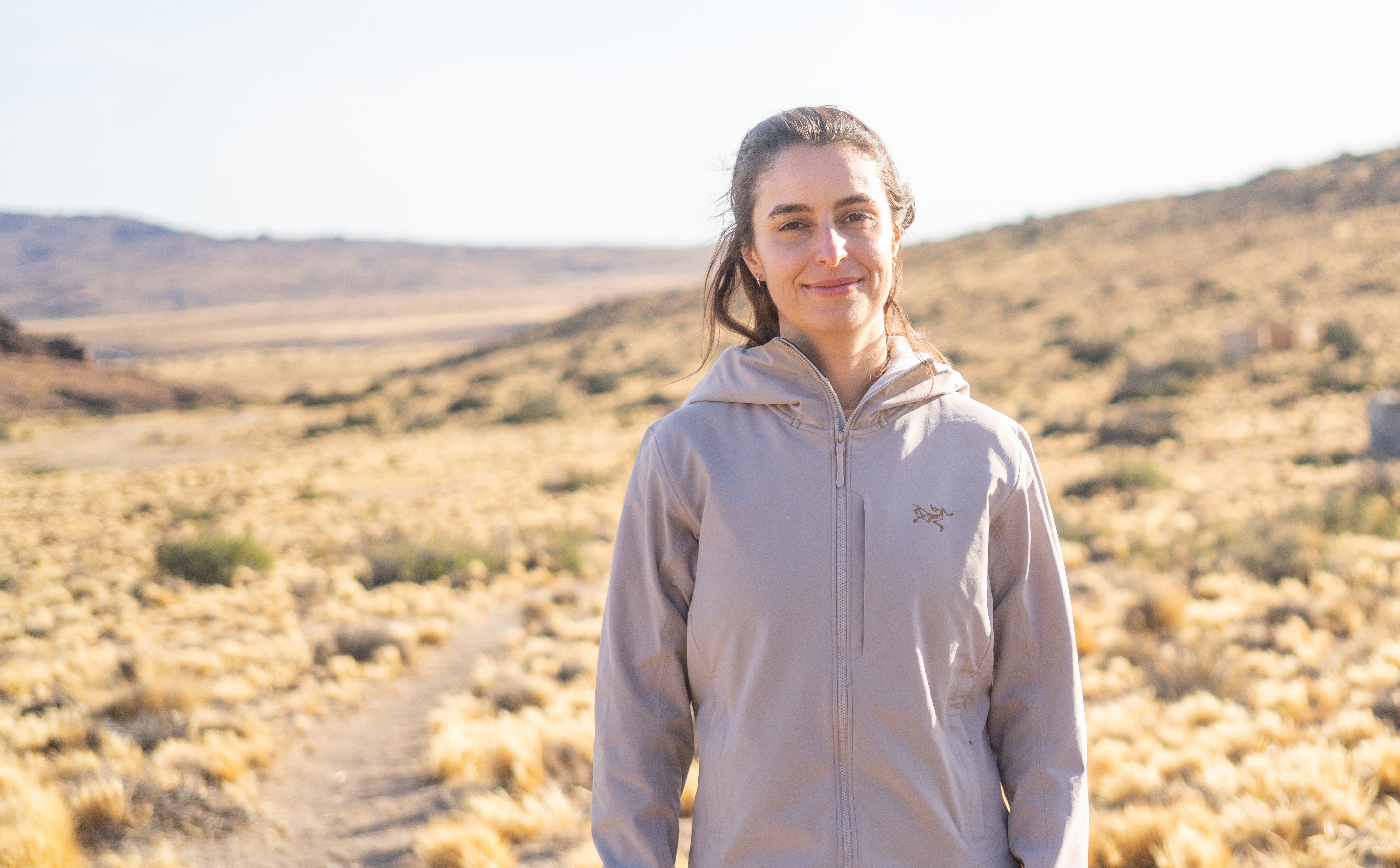
Meet the Rewilders is a series that introduces you to people engaged in the rewilding movement across the globe. Today meet Anne Deane, president of the Freyja Foundation. Freyja focuses on ecosystem restoration, permanent protection, and sustainable livelihoods. They have led and supported projects in Argentina, Chile, Uruguay, and Bolivia since 2017.
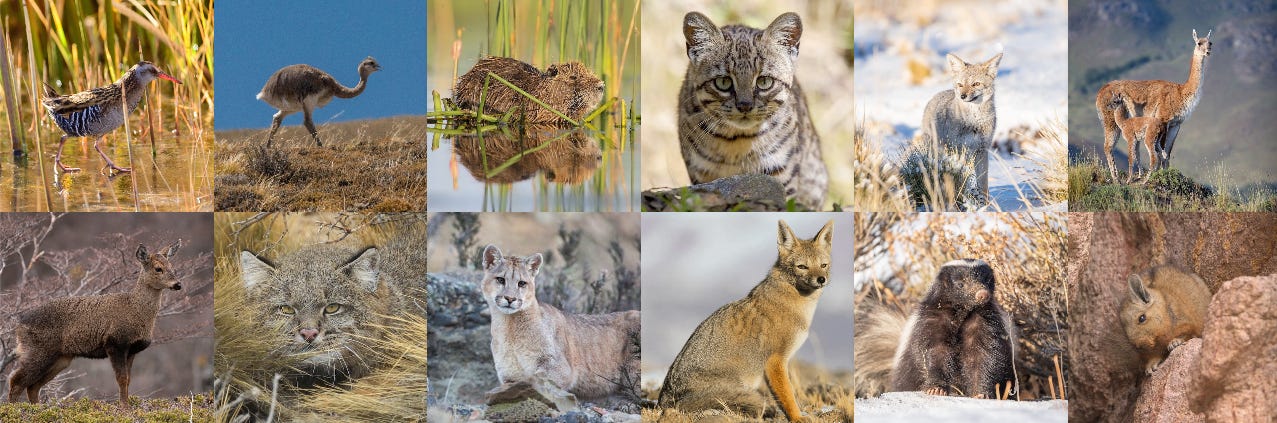
From her first job, an internship at a porcelain factory in Paris, to working at a sustainable real estate investment fund, to starting and leading the Freyja Foundation, Anne’s life has already taken many turns. I love what she does with Freyja, how they focus on South America at a level and scale that makes a massive difference. An example: In Argentina, where they focus on the Patagonia Park in collaboration with Rewilding Argentina, one key element is the return of 12 of Patagonia’s most iconic species - here’s a glimpse:
In these portraits, a key question is always about core beliefs and values. I think you can tell a great deal about a person by how they answer this. With Anne, I love that she begins with joy, beauty and happiness. She says, “First, I believe in the importance of living in joy and beauty. Your work has to make you happy. If not, you are not going to pass anything on to anyone, and your endeavors are not going to succeed. Second, I believe all beings – humans, plants, and animals – are intrinsically equal …”

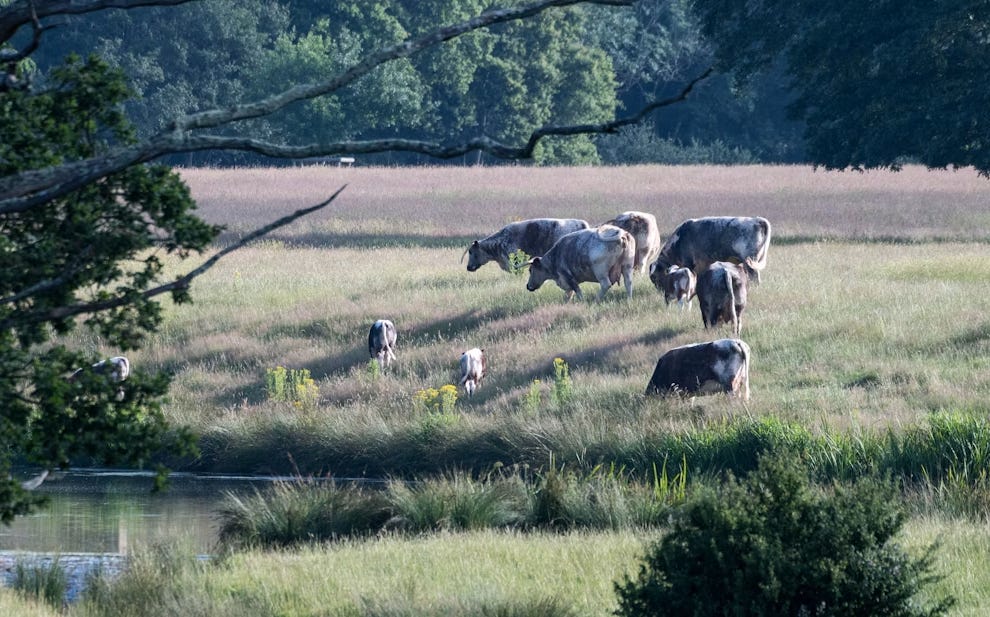
An excellent post by Rebecca Wrigley, CEO of Rewilding Britain. All too often, I see nature treated as an afterthought. The usual lobbies will inevitably come up with the food security trope when nature recovery efforts are happening. And it absolutely is a trope. Lobbies love to it to say that “well, if you help nature recover, then there’s less land for food production.”
That’s total rubbish, of course - in particular also because a healthier diet for human sapiens would be a boon for individuals and healthcare systems as a whole. And isn’t that they core task of every government, to protect its citizens? Then there’s of course also the inherent lie with food security - because most countries in a global economy are not food secure by a mile. Food is imported and exported, it’s not about food security, it’s about the highest bidder and the best price. But by adapting, by making smarter choices, we absolutely can help restore healthy nature, the very foundation we all need.
Rebecca writes, “Food production doesn’t sit alongside nature, it grows directly out of it. We cannot secure the resilience of our food supply while breaking the natural systems that create it. What threatens our ability to feed ourselves is not a false choice between food and nature. Instead, it is the continued degradation of the ecological systems that underpin all food production: our soils, water cycles, pollinators, marine ecosystems, as well as the stability of our climate.” In her post, Rebecca lays it out clearly and strongly - the status quo, and what can and needs to happen going forward.
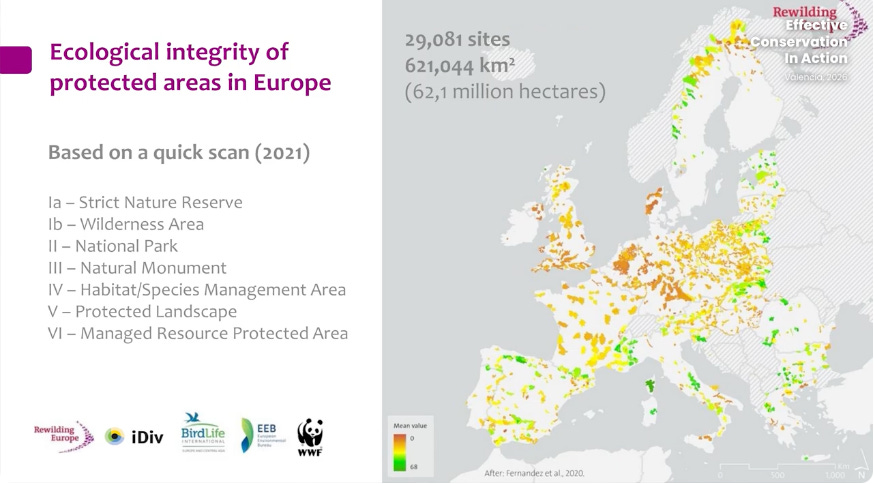
Frans Schepers, CEO of Rewilding Europe, gave a presentation at the recent Effective Conservation in Action event in Spain. He gives you a great sense of his own journey (he packed it all into just one slide and a few minutes), the state of nature in Europe, the story of Rewilding Europe … and the increasing scale at which Rewilding Europe is working on bending the curve to a return to biodiversity-rich, healthy nature.
It’s just thirty minutes of your time and it’s well worth watching. Even just looking at the maps shows you how dire the situation currently is (but also how much potential there is). Most of Europe today consists of land that is degraded. While Europe has the largest network of protected areas - nearly 30’000 sites totalling 621’044 square kilometers (that’s about the size of all of France) - most of these sites are in degraded states, too.
4 out of 5 Europeans live in cities now, let that sink in. For all the known reasons, more and more young people leave rural places - and degraded farmland is eventually left abandoned. This began to offer opportunities for nature to recover itself and active and passing rewilding efforts have made a huge difference over the course of the past decades.
You can do that right here at the Rewilder Weekly, of course, when you click on any of newsletters and articles, and in particular also on the Resources tab. There, I’ve also just added this new page from Rewilding Europe. It is and looks excellent! Their curated hub offers content from documentaries to podcasts, publications, books, talks and ARK’s amazing archive of rewilding illustrations.
A great deal is given a deep dive: from natural grazing (and large grazers as ‘fire brigades’) to rewilding rivers and the circle of life, and from coexistence to rewilding the sky, and to the climate and the carbon cycle. And then there’s the Introduction to Rewilding course, as well! This free, open online course is hugely popular, is interactive, allows you to study at your own pace - and, bonus, comes with badges and, upon completing the course, your very own rewilding certificate. As Rewilding Europe says, “By the end of the course, you won’t just understand rewilding. You’ll be ready to make it happen!”
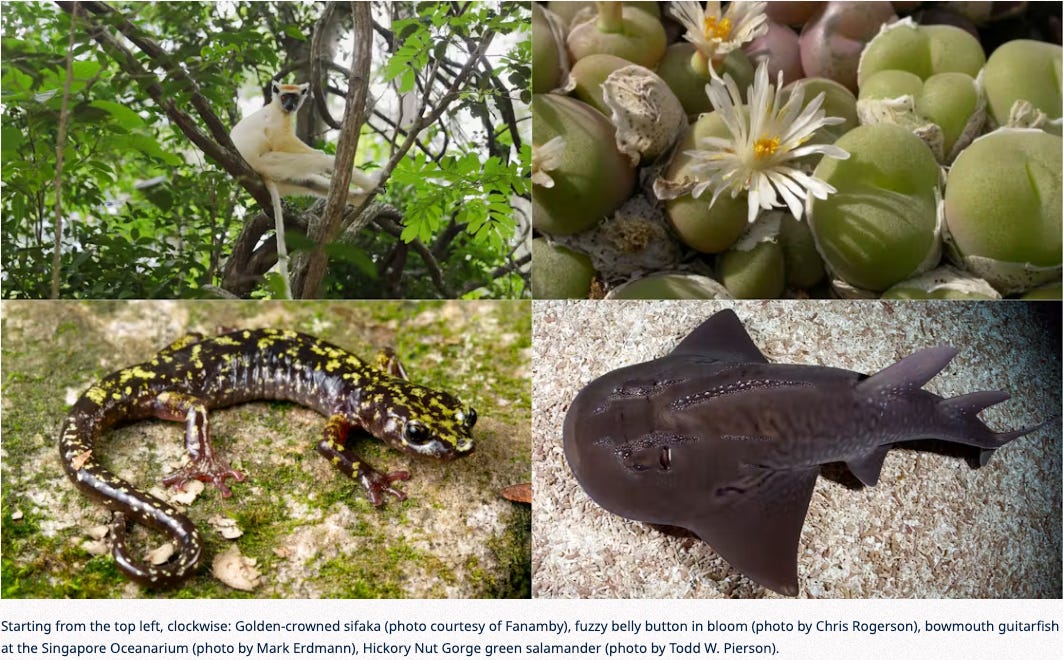
The Phoenix Species Project is a huge effort that brings together a whopping 200 million dollars (half form Leonardo DiCaprio’s Re:wild, the other half from the Bezos Earth Fund). At first glance this may seem like a wrong-headed effort,. Why focus all of that effort and funds on the recovery of just 100 of the world’s most threatened species? Aren’t there bigger concerns?
The thing is that, yes, there obviously are. Global nature recovery efforts need - first and foremost - scale. It takes huge land and seascapes, where nature, connected and free to flow, can recover at its own pace. So if that focus on the 100 endangered species were happening in isolation, it would be foolish. But Re:Wild already works with “over 600 partners in more than 80 countries to help protect more than 35,000 species and half a billion acres.” So you see, the focus on protecting 30% of land, freshwater and marine areas is at the heart of Re:Wild and the Bezos Earth Fund has been partnering with them for the past five years already.
Rewilding is about allowing nature to lead. Most often, that means passive rewilding - the act of stepping back and letting nature do what it will with its immense wisdom. Occasionally, active rewilding efforts are required - such as when nature has been so degraded that a push is required. This can mean re-naturalizing a river, or returning a missing species. And here the Phoenix Species Project, I think, will have its biggest impact by focusing on endangered species that have an outsized ecosystem-engineering impact on their environment.

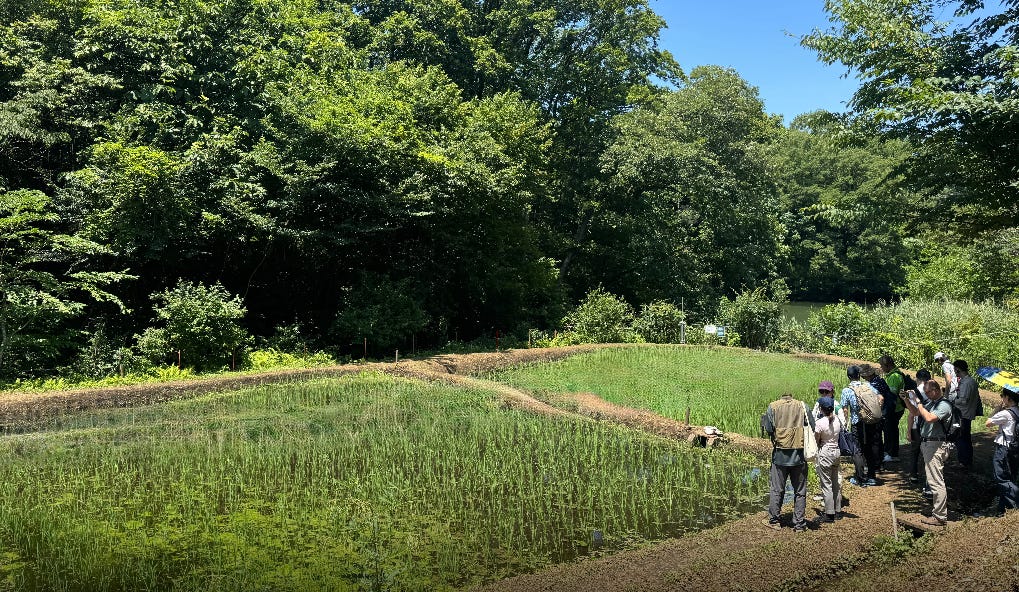
OECMs (short for Other Effective Area-based Conservation Measures) are gaining more attention. These are areas that are not designated nature reserves, not primarily focused on conservation and/or nature recovery - but where people (local communities, farmers, fishers, businesses, private landowners, etc.) are taking care of those areas “in ways that achieve positive and sustained long-term outcomes for the in situ conservation of biodiversity, with associated ecosystems functions and services and, where applicable, cultural, spiritual, socieoeconomic, and other locally relevant values.”
That’s a mouthful, right? It’s also potentially dangerous because anyone anywhere might make that claim and it’ll be greenwashing galore. This was the focus of a recent IUCN gathering in Tokyo, charting a path to measurable (identification, assessment, governance, monitoring) outcomes. Fact is that a lot of people around the world already are thinking and acting in long-term nature-positive ways - and no one knows about it.
A while back I wrote an article about Rewilding in Japan - and there discovered that the country puts quite a focus on OECMs (but also that they have only a minimal impact on Japan reaching its 30x30 goals). To my mind, OECMs have huge potential, giving rural populations recognition and hopefully funds to do the great work they do. There are the greenwashing risks, yes. And, for me, the absolute must for any area getting the OECM stamp of approval would be that they are not working in isolation, but that in their area, nature can freely travel - thus creating a healthy flow.
👉 Learn more about OECMs from the Global Nature Beat

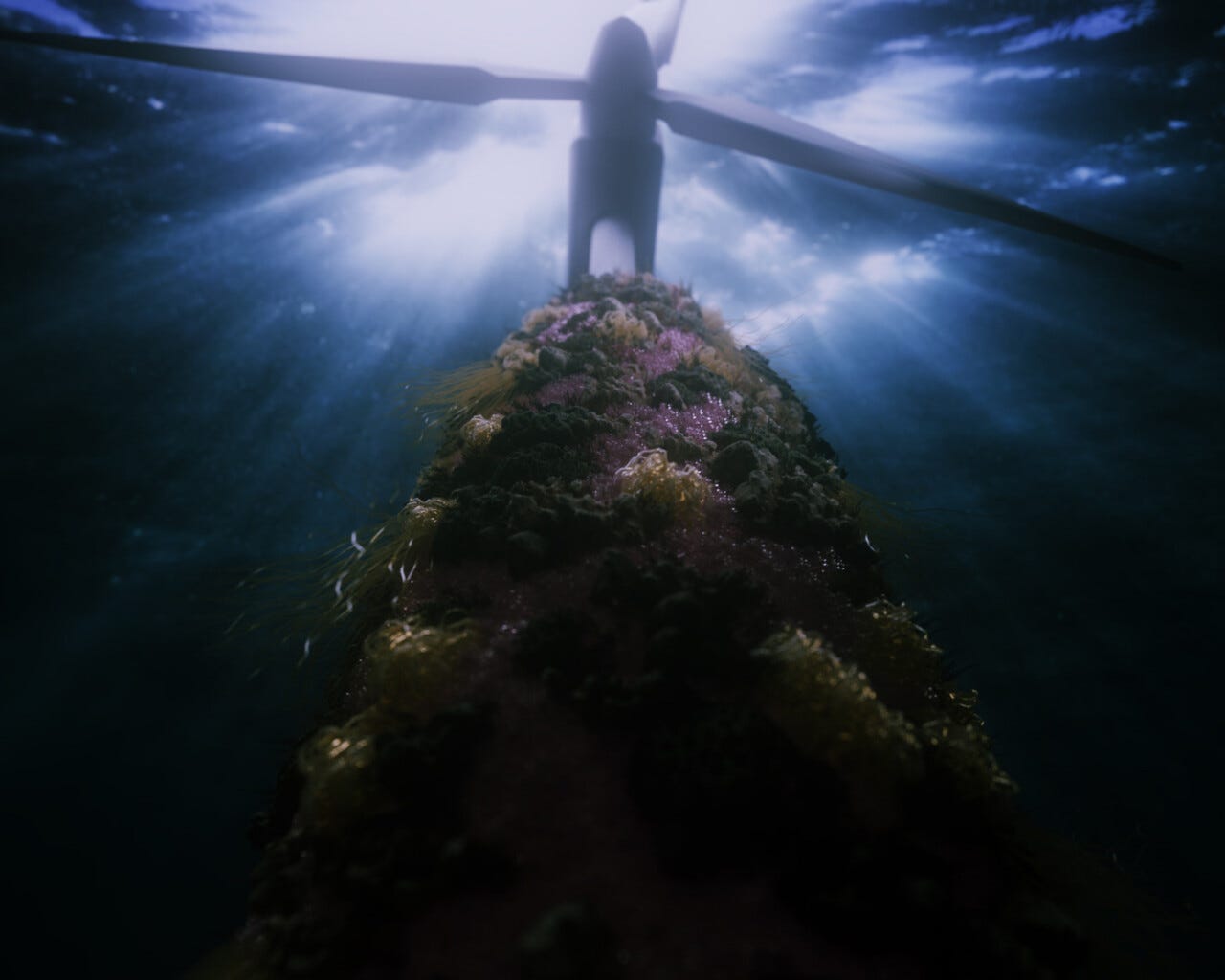
The world wild web tells me that there are around 300 offshore wind farms in the world by now. We see them out there and may wonder and worry about the danger for migrating birds. But there’s a another world below the surface, one that most people never see, never even consider. This huge turbines are not just anchored, they are embedded in the seabed - then in addition they are protected by what’s called “scour protections” - rocks up to a meter in diameter and extending out from the foundation for up to 20 meters … you see where this is going - those piles of rock are perfect for a large variety of marine life.
In this Atmos article you’ll find some amazing artwork by Natalie Liu, and a wealth of insight about one particular wind farm off the Dutch coast. First off, of course, when you have a wind farm, the annihilating powers of dredgers are a thing of the past - wind farms thus are safe grounds. New oyster beds - once entirely destroyed, can now return. Scientists document what happens within such wind farms and report marine life “ranging from microscopic organisms such as oyster larvae to much larger animals, including seals, sharks, and porpoises.”
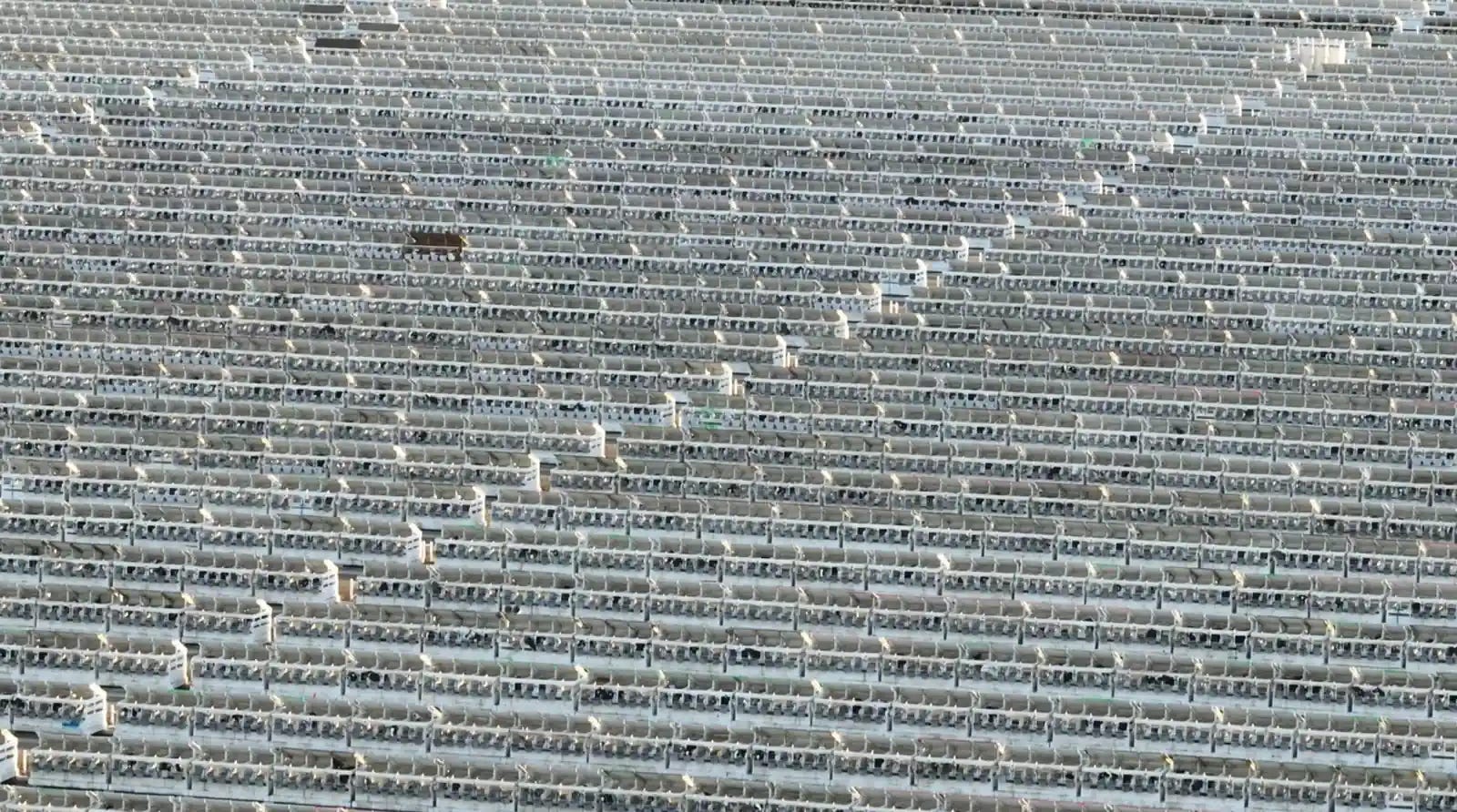
☝️ You may wonder why, in a forum about rewilding, I occasionally highlight animal cruelty. The thing is that rewilding is about a new balance between humanity and nature, and it is very much about a lived respect and care for nature … and that, of course, includes animals. Animal cruelty is an abomination - whether in lab testing, farming, illegal trading, gambling or anywhere else. Animals are not things, they are someone. And when we learn and live with empathy, we’re on a better path for nature everywhere.
In their article, Factory Farm Watch in the US, details its investigations into calf-raising operations. Most people have no idea these even exist. Heck, most people don’t even consider that the entire dairy industry is built on impregnating cows, then taking their newborns away from them so that we can drink the milk intended for the young (read more about that here 👉 Let’s talk about milk). Those young, those calves, are essentially a by-product of the dairy industry, and separated from their mothers immediately. Then what?
Calves are then are sent to calf farms where they are isolated and abused - until they either rejoin the dairy industry (the cycle continues) or are forward into the meat industry. Whether meat or dairy, if we consume those products, at the very least we should know what endless stream of cruelty is happening to feed our appetites.

To conclude this week’s edition, rewilding legend and Trees for Life founder Alan Watson Featherstone shares with us a bit of his iconic photography that often takes a look at nature in a way that’s far closer to what we ordinarily perceive in passing. Alan takes time - as we all should.
In his words, “If everyone would take the time to look at & appreciate Nature more, instead of focussing on 'endless economic growth', political infighting, wars etc., the world would be a much better place.”
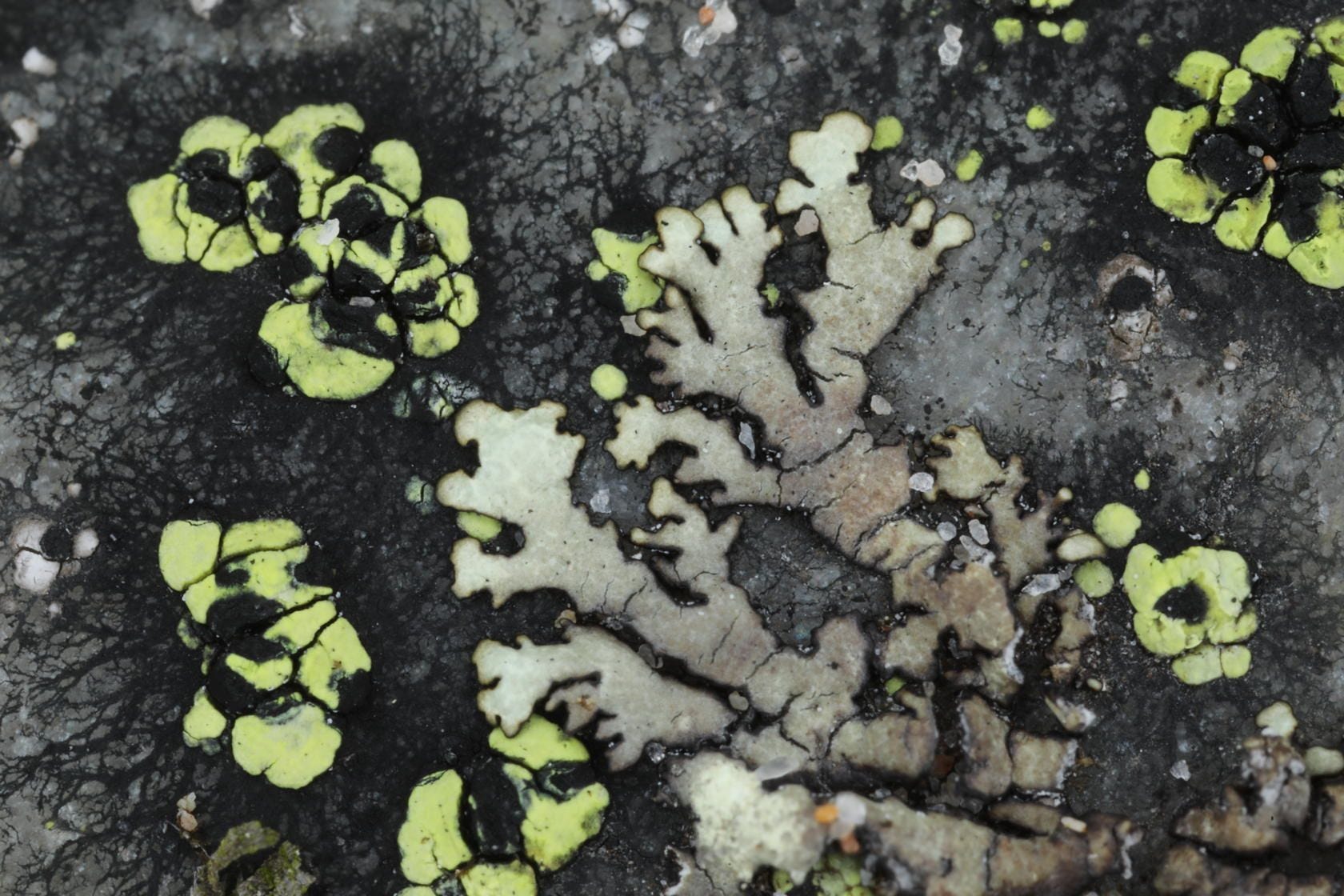
To find out more about Alan, his public speaking, writing, photography and more, visit him at alanwatsonfeatherstone.com. And if you feel like reading about my fantastically unique day with him in Glen Affric, go here.
Glad you’re here, reading the Rewilder Weekly. Share the stories, write your own (and let me know about it), engage with others. Let’s continue to reach out, inspire and activate ever more people around the world. The rewilding movement is growing, and with all of us pitching in, it’ll grow a great deal more!
That’s it for this week’s edition. Eager for more rewilding insights?
get inspired by the lives, decisions, challenges, beliefs and hopes of passionate rewilders with the Meet the Rewilders portraits;
connect with these organizations - sign up for newsletters and support them in any way you can;
join these events - conferences, online seminars, rewilding days and weeks to immerse yourself and learn from the experts;
read these books - a selection from Foreman to Macdonald, and from Tree to Daltun, Hetherington and Bowser;
listen to these podcasts - it’s inevitably inspiring when the likes of Peter Cairns, James Shooter, Ben Goldsmith and Brooke Mitchell talk to the pros in the field;
and check out these resources - explore the principles, ways of funding, research publications and personal ways to start rewilding.
And, of course, connect with and follow the many passionately engaged rewilders. Let’s keep growing the movement! 🦬🌳🐺🌞🌍
Go ahead, do it! 😊 I love comments and you can ask me anything (literally). You can also let me know about projects you come across, article you think I should share - and feel free to throw in tough questions, too - spice of life!
Oh, and please do click the ❤️ (like) button, too. The more ❤️, the more these posts rise in Substack’s algorithm - which means more and more people will discover rewilding, will learn about it, will engage around it, and hopefully will become active rewilders before long. Thanks!
Thanks for reading The Rewilder Weekly! All new editions and articles are free, so share to your heart’s desire.
Comments
Nothing yet. Say the first thing.
Sign in to join the conversation.