
Much of my journalism (and my time in academia) has focused on cutting risk through preventive actions, whether in earthquake or wildfire hot zones, floodplains and overheated cities or public health… And sadly my reporting has too often pointed to situations where the “ounce of prevention” isn’t pursued. Here’s a quick related riff on bathmats — and FEMA.
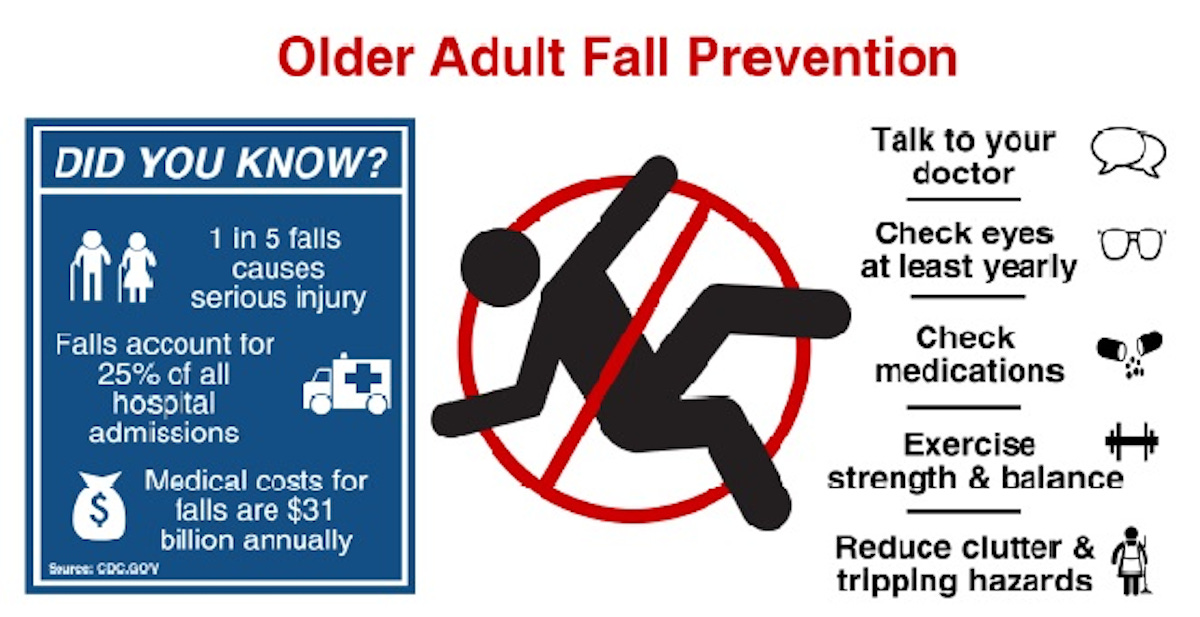
Lloyd Alter’s valuable new post on reducing the risk from falling down (focused on exercise) got me thinking back to our Maine Senator Angus King’s great floor speech earlier this year pressing for government handouts (yep) of bath mats as a way to cut human harm and cut healthcare costs.
Read Alter’s post (Falls kill more people than guns or cars, but we can reduce the risk), do some stretching and squats and listen to King while you do them. Here’s his office’s news release, which includes a link to his Stand Strong Falls Prevention Act legislation. Here’s his great statement:
This is an $11 bathmat. I’m the Johnny Appleseed of bathmats. Whenever I go to see somebody and they don’t have one of these in their shower, I buy one and send it to them. Now, here is the proposal, though. Why doesn’t [the Center for Medicare and Medicaid Services (CMS)] send one of these to every Medicare recipient in the country?
I did the back-of-the-envelope calculation; it would pay for itself in about 9 months. This is $11. I suspect if CMS bought them by the millions, they could get a deal. And it would have a noticeable effect on the number of falls, a very simple idea. Along with that is, and I have some legislation along this line, allow CMS to spend money on prevention things like grab bars and bathmats.
Right now, Medicare will pay for a broken hip, but they won’t pay for a grab bar in your shower. That’s just insane.
And so, I think, Mr. Chairman, that’s one of the things we need to do, is authorize, Medicare to get much more active in the prevention area. And to provide things like this, I’m not kidding. Send out 20 or 30 million of these, and you will see the hundred-million-dollar cost of falls fall significantly,”
This prevention approach is such a no-brainer, and yet it seems almost impossible to shift the balance in government programs. Well before the time of Trump, federal disaster policy was vastly more focused on response and rebuilding than reducing risk beforehand.
Now, of course, the entire enterprise at the Federal Emergency Management Agency is largely up-ended or paralyzed. And the only reason the agency’s popular preparedness program Building Resilient Infrastructure and Communities was restored earlier this year (after it was launched in Trump 1.0) is because a federal judge overturned Trump’s second-term cancellation.
The challenge, and opportunity, is worldwide of course. Here’s my 2025 conversation with Kamal Kishore, who heads the United Nations Office for Disaster Risk Reduction and previously led India’s National Disaster Management Authority. He also led the G20 Working Group on Disaster Risk Reduction and contributed to the development of the Coalition for Disaster Resilient Infrastructure.
As we discussed, Bangladesh is a great example of a country that has gotten out ahead of a potent hazard, cyclones, and dramatically cut losses.
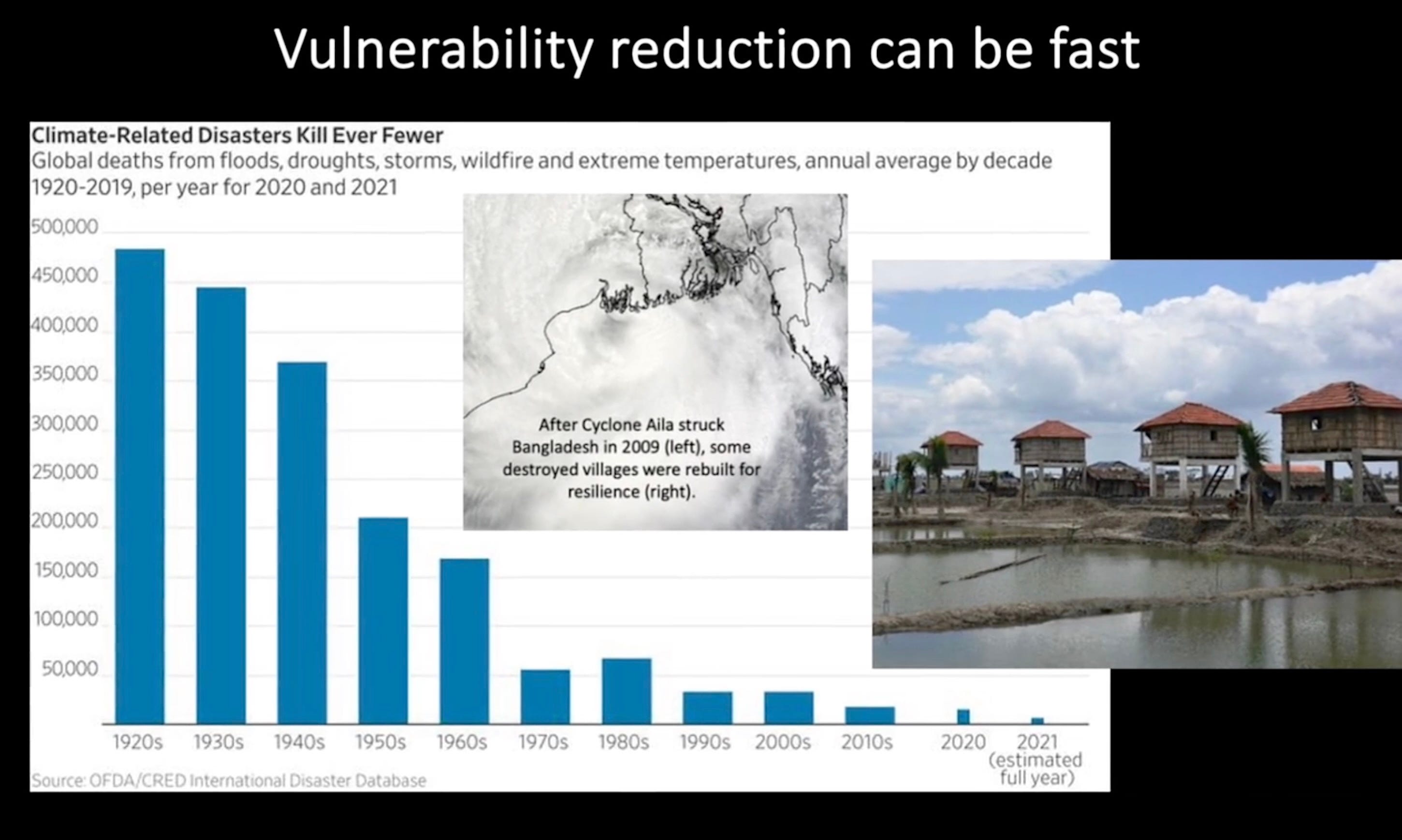
Also watch this 2022 conversation with disaster-risk experts exploring the communication challenge in not waiting for the worst to happen (for which I created a fictional newspaper called The Safer Times):
This EarthStuff rounds up some great resources from the UN disaster risk reduction office:
Also follow Andrew Rumbach..
And Samantha Montano of course.
Comments
Nothing yet. Say the first thing.
Sign in to join the conversation.