
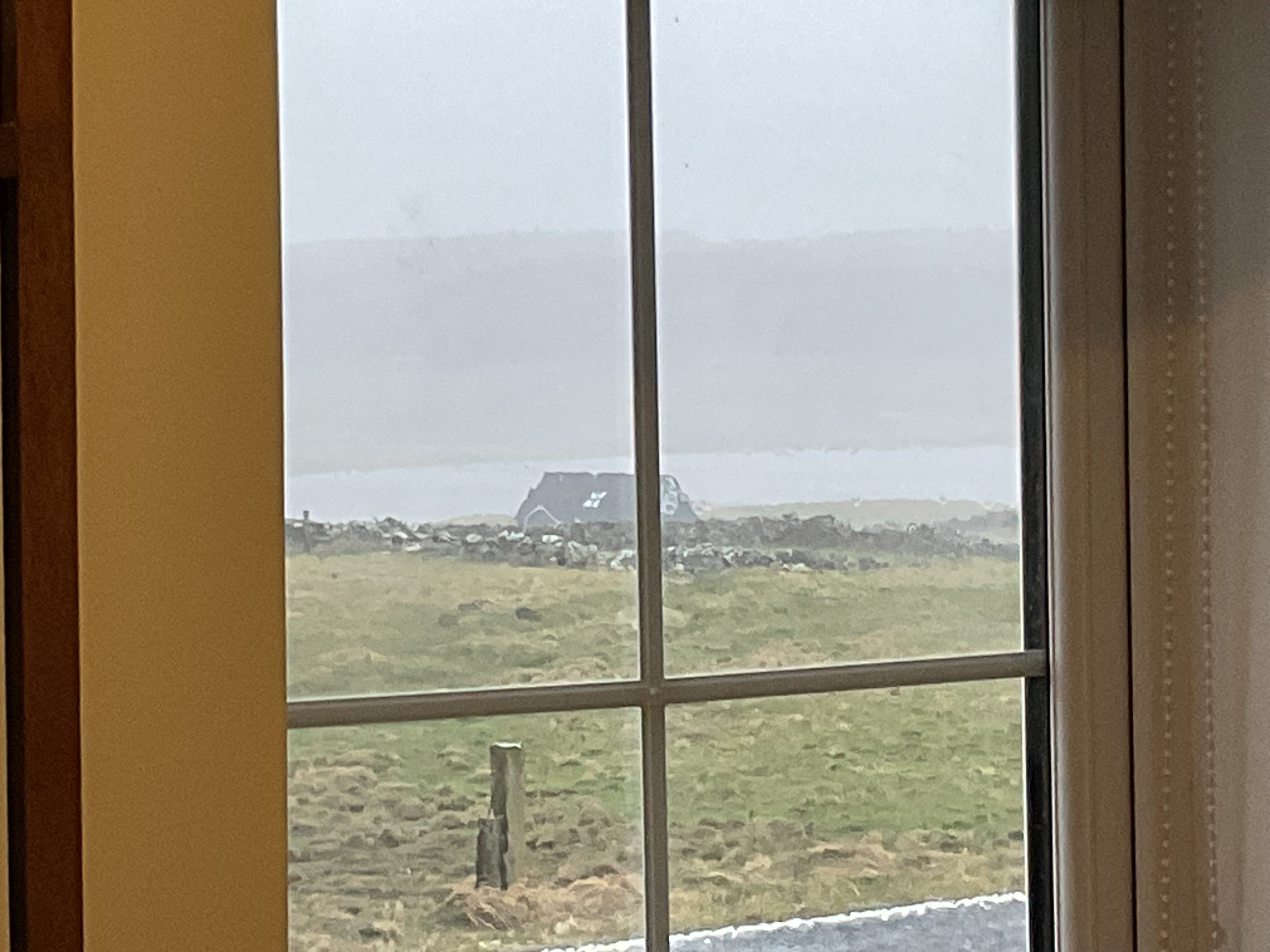
Looking out the rain lashed window at the grey forbidding clouds scudding across the sky, it occurs to me, why would someone want to come here on holiday? Here being Shetland. At first sight it doesn’t seem that appealing. Yet come they do, and in ever increasing numbers. Maybe in a warming world it is not that surprising. I was inspired to write a short article…
Tourism has become one of the most powerful forces shaping island economies and cultural landscapes in the contemporary world. Islands occupy a distinctive place in tourism imaginaries because their boundedness, relative isolation, and symbolic separateness from mainland spaces make them particularly compelling destinations. At the same time, these very characteristics can intensify the social, environmental, and infrastructural pressures associated with tourism development. As a result, islands have long served as important case studies within both tourism studies.
Within this broader context, cold island tourism represents a particularly interesting variant of island tourism. Much of the global tourism literature has historically focused on warm-water islands, particularly tropical and subtropical destinations characterised by beach leisure, sunshine, and resort-based economies, or put another way, sun, sex and sangria. However, a growing body of research has highlighted the importance of colder island environments in shaping alternative forms of tourism development (Baldacchino, 2006). In contrast to the tropical model, cold island tourism often draws upon narratives of remoteness, environmental extremity, dramatic landscapes, and distinctive cultural traditions.
Cold islands therefore occupy a different position within tourism imaginaries. Rather than necessarily offering climatic comfort or escapist luxury, they promise encounters with rugged landscapes, elemental weather (I can vouch for that!), and communities perceived as culturally resilient. Visitors may be drawn by experiences of solitude, the aesthetic appeal of northern landscapes, or the opportunity to witness cultural traditions that appear rooted in long-standing local practices. Yet these attractions are not without tension. The qualities that make cold islands attractive, remoteness, cultural specificity, environmental drama, are precisely those that can be adversely disrupted by tourism growth.
Islandness and Tourism Imaginaries
Island studies scholars have repeatedly emphasised that islands should not be understood solely as geographical units but as cultural and relational constructs (Baldacchino, 2004; Stratford et al., 2011). The concept of islandness refers to the distinctive ways in which islands are imagined, experienced, and represented in cultural discourse. These representations often emphasise themes such as separation, intimacy, isolation, and boundedness. Tourism plays a crucial role in circulating and reinforcing these imaginaries (it’s a good word isn’t it!).
Historically, islands have been depicted in Western travel narratives as spaces of escape from mainland society. Literary and artistic traditions have portrayed islands as locations where ordinary social rules may be suspended and alternative ways of living explored. Such representations extend from classical utopian writing through nineteenth-century Romanticism and into modern tourism marketing. In many cases, the appeal of islands lies precisely in their perceived difference from the mainland: they appear, and the emphasis here is they appear, smaller, slower, and more knowable.
John Urry’s influential concept of the tourist gaze provides a useful framework for understanding this phenomenon (Urry and Larsen, 2011). According to Urry, tourists do not simply observe places neutrally; rather, they interpret them through culturally produced expectations about what should be seen and experienced. These expectations are shaped by media representations, guidebooks, promotional imagery, and broader cultural narratives. In Shetland’s case this includes the Shetland crime series. Islands occupy a particularly strong position within the tourist gaze because they have long been associated with powerful symbolic meanings such as isolation, escape, and exoticism.
However, islandness does not operate as a single universal narrative. Different island environments produce different tourism imaginaries. Tropical islands are often marketed through images of leisure, warmth, and abundance, while colder islands rely upon alternative narratives. Baldacchino’s distinction between warm-water and cold-water island tourism remains particularly useful in this regard (Baldacchino, 2006). Whereas tropical islands tend to emphasise sun, beaches, and relaxation, as I noted cold islands frequently market themselves through environmental drama, wildlife encounters, cultural heritage, and the experience of climatic difference.
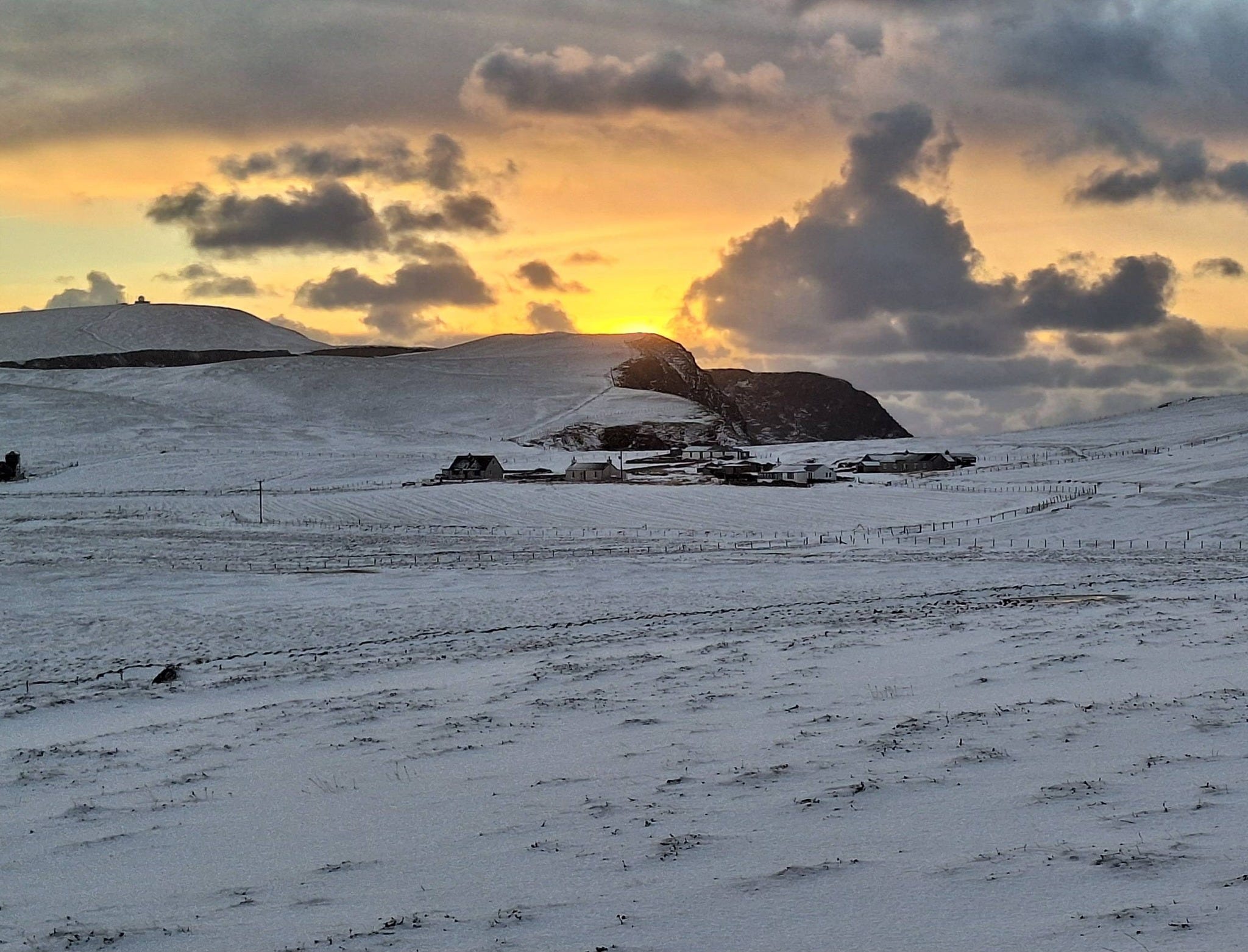
Cold island destinations often mobilise what might be described as a northern sublime, especially if they are in the north like Shetland. Rugged cliffs, windswept coastlines, glaciers, and stormy seas evoke aesthetic traditions associated with Romantic conceptions of sublime landscapes. In this framework, nature is not merely picturesque but awe-inspiring and sometimes unsettling. Visitors may seek precisely this sense of elemental encounter with powerful environments. Rather than escaping nature, they pursue a form of tourism that emphasises immersion within it.
The appeal of such landscapes also intersects with broader contemporary tourism trends emphasising authenticity, environmental awareness, and experiential travel. As global tourism becomes increasingly homogenised through resort development and standardised service infrastructures, many travellers seek destinations that appear less mediated and more distinctive. Cold islands can benefit from this trend because their climatic conditions and relative remoteness often limit large-scale resort development. Although I believe there appear to be big developments planned in Iceland.
At the same time, however, these imaginaries can obscure the complex realities of island life. Representations of remote islands as timeless or untouched spaces may ignore their modern infrastructures, digital connectivity, and economic integration within global systems. Tourism marketing frequently simplifies island identities in order to present easily recognisable narratives. The challenge for island communities lies in negotiating these representations without allowing them to reduce local cultures to static or nostalgic stereotypes.
Authenticity and Cultural Representation
One of the most influential concepts within tourism studies is authenticity. Tourists frequently express a desire to experience places and cultures perceived as genuine rather than artificial or staged. MacCannell’s seminal work on staged authenticity argued that tourism often creates environments in which cultural practices are selectively displayed for visitor consumption (MacCannell, 1973; 1976). According to this perspective, tourism sites may appear authentic while actually functioning as carefully managed performances.
Subsequent scholarship has complicated this understanding of authenticity. Rather than treating authenticity as an objective quality of places or traditions, researchers increasingly view it as a relational and experiential phenomenon. Wang (1999) introduced the concept of existential authenticity, suggesting that tourists may experience authenticity through feelings of personal engagement, self-discovery, or emotional intensity. In such cases authenticity arises not from historical accuracy but from the experiential quality of the encounter.
Cold island tourism often operates within this experiential framework. Visitors may perceive coastal landscapes, traditional festivals, or small communities as authentic because they provide experiences that differ sharply from everyday urban environments. The sense of remoteness or climatic harshness may reinforce this perception by suggesting that such places remain less affected by global tourism development.
Local cultural festivals frequently play a central role in these processes. Community events rooted in local traditions can become powerful tourism attractions because they appear to embody living cultural heritage. Such festivals often involve elaborate preparations, intergenerational participation, and strong connections to local identity. For visitors, witnessing these events can provide a sense of access to an authentic cultural world.
Yet the growing visibility of such traditions within tourism contexts inevitably raises questions about cultural transformation. As festivals attract larger audiences, organisers may be required to adapt them for crowd management, safety regulation, or scheduling convenience. These adjustments can subtly alter the rhythms and meanings of the events themselves. Tourism scholars have therefore emphasised the importance of examining how cultural traditions are negotiated within tourism economies.
Island studies contributes an additional perspective by highlighting the role of community ownership and participation in maintaining cultural authenticity. In small island societies, festivals often remain embedded within local social networks and family traditions. Participation may involve years of preparation, shared labour, and collective organisation. These practices reinforce the idea that festivals are not simply performances for visitors but expressions of community life.
However, tensions can emerge when tourism pressures intensify. If visitor numbers increase dramatically, local participants may feel that the event is no longer primarily theirs. Some communities attempt to address this challenge by maintaining distinctions between public and private elements of festivals. Visitors may observe certain ceremonies or processions, while other activities remain restricted to local participants. Such arrangements help preserve the cultural integrity of the event while still allowing tourism engagement. There was great anxiety in January in Shetland amongst certain members of the public when a cruise ship was scheduled to arrive during Lerwick’s Up Helly Aa. In the end Shetland’s weather put paid to the visit…this year…
These dynamics reflect a broader tension between cultural visibility and cultural control. Tourism often requires communities to present aspects of their culture to external audiences. While this visibility can generate economic benefits and cultural pride, it also risks transforming living traditions into commodified spectacles. The challenge lies in ensuring that cultural practices remain meaningful to the communities that sustain them.
Tourism Scale, Infrastructure, and the Island Constraint
The spatial and infrastructural constraints of islands play a crucial role in shaping tourism development. Islands are typically characterised by limited land area, small populations, and restricted transport connections. These factors can create natural barriers to large-scale tourism, but they can also amplify the impacts of even moderate visitor flows.
Island studies literature frequently emphasises the importance of scale in understanding tourism impacts. On small islands, relatively small increases in visitor numbers can significantly affect infrastructure, housing availability, and public services. Tourism development must therefore be understood not only in terms of visitor numbers but also in relation to the capacity of local systems.
Transport infrastructure is often the first limiting factor. Travel to island destinations typically involves multiple stages, such as mainland flights followed by ferries or regional air connections. These logistical barriers increase travel costs and reduce the spontaneity of visits. Historically, such constraints helped limit mass tourism in many remote islands. There is only so much capacity of the Aberdeen to Lerwick ferry…
However, developments in cruise tourism and aviation have begun to alter this dynamic. Cruise ships can bring thousands of visitors to a destination within a single day, dramatically increasing visitor density. Hence the worry about Up Helly Aa. While such visits may generate short-term economic activity, they can also overwhelm local infrastructure and public spaces. Cruise passengers may spend relatively little money onshore while still contributing to congestion and environmental pressure.
Accommodation capacity represents another structural constraint. Many island communities have limited hotel or guesthouse space, particularly during peak tourism seasons. The expansion of short-term rental platforms has partially alleviated this constraint but has also created new challenges, including rising housing costs and competition for residential property.
Island tourism research has repeatedly demonstrated that once tourism becomes central to local economies, it can reshape settlement patterns and infrastructure development. Studies of Mediterranean island destinations show how tourism-driven urbanisation can transform coastal landscapes and housing markets over time (Pons and Murray, 2014). While cold island tourism generally operates at smaller scales than Mediterranean mass tourism, similar structural pressures can emerge as visitor numbers increase.
For island communities, the key issue is not simply how many tourists arrive but how tourism growth interacts with local capacity and governance. Decisions about infrastructure development, visitor management, and environmental protection become critical in shaping long-term outcomes.
Branding, Identity, and the Politics of Representation
Tourism branding plays a central role in shaping how island destinations are perceived and consumed. Successful tourism destinations typically rely on clear and distinctive identities that differentiate them from competing locations. For islands, this often involves emphasising unique cultural or environmental features.
Research on island branding demonstrates that destinations frequently construct narratives about their character through slogans, visual imagery, and promotional campaigns (Johnson, 2012; Santana-Gallego and Almeida-Santana, 2018). These narratives may emphasise heritage traditions, natural beauty, or lifestyle qualities associated with island living.
Cold island branding often highlights themes such as remoteness, rugged landscapes, and cultural authenticity. The goal is to attract visitors seeking experiences that differ from mainstream tourism. Such strategies align with broader tourism trends emphasising experiential travel, environmental awareness, and cultural engagement.
However, branding also raises important questions about representation and power. Tourism narratives are often developed by marketing organisations, government agencies, or tourism businesses rather than by local communities themselves. As a result, the images presented to visitors may not fully reflect local perspectives or identity. For example, there was a dispute in Shetland about using the Scottish thistle as a symbol on tourist attraction signs.
Island studies scholars have therefore emphasised the importance of examining who controls the narrative of the island. Baldacchino’s influential call to study islands “on their own terms” highlights the need to foreground local voices in tourism development (Baldacchino, 2004). When tourism branding reduces islands to simplified symbols, whether tropical paradise or rugged northern frontier, it risks marginalising the complexity of local cultures and identities.
Sustainability, Resilience, and Community Agency
The growing prominence of sustainability discourse within tourism studies reflects increasing awareness of tourism’s environmental and social impacts. Island destinations have become particularly important sites for examining sustainability because their ecosystems and infrastructures are often highly sensitive to change.
Recent research on island tourism resilience emphasises the capacity of island communities to adapt to tourism pressures while maintaining social and environmental integrity (McLeod et al., 2021). Resilience frameworks highlight the importance of flexible governance, community participation, and diversified economic strategies.
However, resilience discourse also requires careful scrutiny. While resilience emphasises adaptation and recovery, it may inadvertently normalise ongoing tourism growth. The ability of communities to cope with tourism impacts should not be taken as justification for unlimited expansion. Instead, resilience should be understood as the capacity to shape tourism development according to locally defined priorities.
Cold island tourism illustrates this challenge particularly clearly. The environmental and cultural qualities that attract visitors, dramatic landscapes, distinctive traditions, and small-scale communities, are easily undermined by excessive tourism growth. Sustainable tourism strategies must therefore balance economic benefits with the preservation of these underlying qualities.
Community participation is essential in this process. Island residents must have meaningful opportunities to influence decisions about tourism development, infrastructure investment, and visitor management. Without such agency, tourism risks becoming an externally driven process that reshapes island societies without their full consent.
Conclusion
Cold island tourism represents a distinctive and increasingly significant form of tourism development. Unlike tropical island tourism, which is often centred on climatic comfort and leisure consumption, cold island tourism relies upon narratives of environmental drama, cultural authenticity, and experiential engagement. Visitors are drawn by the promise of encounters with rugged landscapes, resilient communities, and traditions perceived as rooted in place.
Yet these attractions are not without tension. The very qualities that make cold islands appealing, remoteness, cultural specificity, and environmental distinctiveness, can be disrupted by tourism growth. As visitor numbers increase, communities have to negotiate complex questions about authenticity, infrastructure, and cultural representation.
Island studies provides valuable insights into these processes by emphasising the relational and constructed nature of islandness. Tourism does not simply bring visitors to islands; it also shapes how islands are imagined, represented, and experienced. Cold island tourism therefore involves not only economic activity but also the politics of identity and place.
The future of cold island tourism will depend largely on the ability of island communities to maintain control over how tourism develops. Sustainable tourism strategies must recognise the constraints of island environments while supporting locally grounded cultural practices. Ultimately, the challenge is not simply to attract visitors but to ensure that tourism strengthens rather than erodes the distinctive qualities that make cold islands meaningful places to live and visit.
Still raining outside…
References
Aideen Foley, Laurie Brinklow, Jack Corbett, Ilan Kelman, Carola Klöck, Stefano Moncada, Michelle Mycoo, Patrick Nunn, Jonathan Pugh, Stacy-ann Robinson, Verena Tandrayen-Ragoobur & Rory Walshe (2023): Understanding “Islandness”, Annals of the American Association of Geographers
Baldacchino, G. (2006) ‘Warm versus cold water island tourism: a review of policy implications’. Island Studies Journal, 1(2), pp. 183–200.
Baldacchino, G. (2015) ‘Rural tourism: insights from the North Atlantic’. Scandinavian Journal of Hospitality and Tourism, 15(1–2).
Johnson, H. (2012) ‘“Genuine Jersey”: branding and authenticity in a small island economy’. Island Studies Journal, 7(2).
MacCannell, D. (1973) ‘Staged authenticity: arrangements of social space in tourist settings’. American Journal of Sociology, 79(3).
MacCannell, D. (1976) The Tourist: A New Theory of the Leisure Class. New York: Schocken Books.
McLeod, M., Dodds, R. and Butler, R. (2021) ‘Introduction to the special issue on island tourism resilience’. Tourism Geographies, 23(5–6).
Pons, A. and Murray, I. (2014) ‘Tourism capitalism and island urbanization: tourist accommodation diffusion in the Balearics, 1936–2010’. Island Studies Journal, 9(2).
Santana-Gallego, M. and Almeida-Santana, A. (2018) ‘Effective island brand architecture: promoting island tourism in the Canary Islands and the Balearics’. Island Studies Journal, 13(1).
Stratford, E., Baldacchino, G., McMahon, E., Farbotko, C. and Harwood, A. (2011) ‘Envisioning the archipelago’. Island Studies Journal, 6(2).
Urry, J. and Larsen, J. (2011) The Tourist Gaze 3.0. London: Sage.
Wang, N. (1999) ‘Rethinking authenticity in tourism experience’. Annals of Tourism Research, 26(2).
No posts
Comments
Nothing yet. Say the first thing.
Sign in to join the conversation.