Go beyond the screen with the official podcast from Required Watching. This is your audio masterclass in the art of storytelling, designed for filmmakers, screenwriters, and dedicated cinephiles. Each week, host and film analyst Tray Epps (and sometimes other guests) deconstruct the craft of cinema, providing practical "Toolkit" episodes to improve your work and in-depth interviews with industry professionals who are shaping the future of film. If you're looking for actionable advice on…
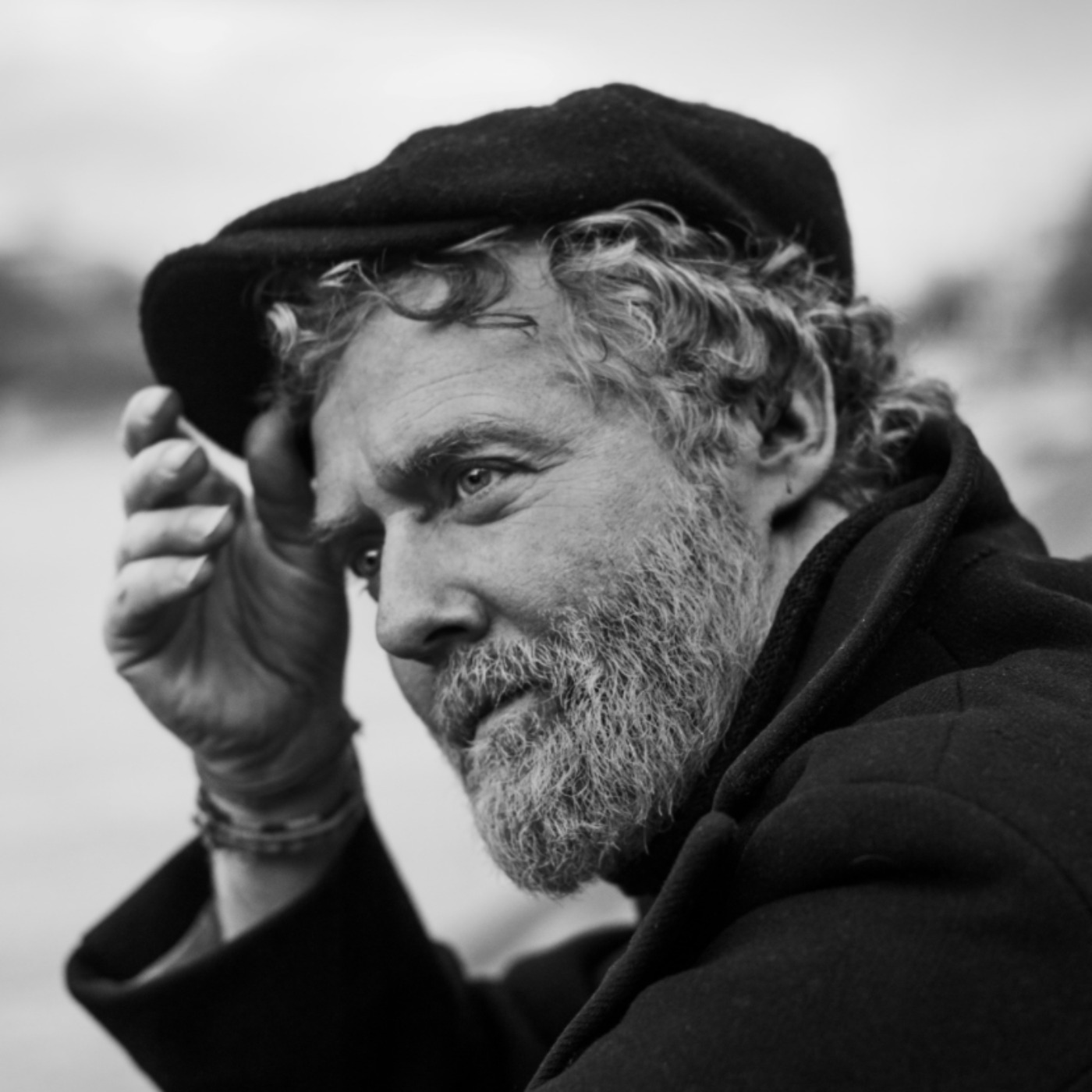
A personal audio essay on Glen Hansard, Once , and twenty years of chasing the feeling of that first screening. Recorded the week the world lost him. Required Watching is your curriculum for cinematic literacy. We deconstruct the art and craft of filmmaking to help you become a sharper storyteller. ▶️ Subscribe for new video essays every week : ▶️ Website ▶️ Twitter/X ▶️ Instagram ▶️ Letterboxd…
Baz Luhrmann has made six feature films. Every single one is about the same thing — a person of extraordinary natural talent trapped inside a world that wants to commodify and contain that talent, expressed through maximalist visual language and music as emotional truth. EPiC, his first documentary, is the purest version of that argument he's ever made — because this time the subject is real, the…
Ten days. Ten episodes. This is the one where everything lands. Kokuho is a fictional film about a kabuki performer that tells the truth about what becoming an artist costs. EPiC is a documentary that refuses to be a documentary and presents Elvis at the peak of his powers with no mediation. The 2022 Elvis biopic has Austin Butler giving a career-defining performance inside a form that couldn't…
In October 2025, I was alone in Hiroshima. I wandered into a kabuki theater not knowing what kabuki was, and watched a performance of Princess Takiyasha. I didn't speak the language well enough to follow the dialogue. I followed every second of it anyway. Months later I watched Kokuho — Lee Sang-il's three-hour epic about kabuki's bloodline system, the outsider who transcends it, and what it costs…
Everyone came to Bong Joon-ho through Parasite. Which means almost everyone is watching his career backwards — and missing the blueprint. Memories of Murder, his second film, contains every formal and political move he would spend the next seventeen years refining. This episode goes deep into the film most Western audiences still haven't fully understood: the political satire hiding inside the…
Yesterday's episode made the case that Western TV pilots lie — that they're persuasion documents built for commissioners rather than honest first chapters built for audiences. Today is the answer. J-drama structures its first episode like a complete short film — establishing emotional register before plot, tone before event, the specific texture of who these people are before anything happens to…
The TV pilot has one job: make you come back. The problem is that job has become structurally disconnected from the show that follows. Pilots front-load everything — spectacle, mystery, emotional hook — in ways that make for compelling first hours and then have nothing left to sustain the series behind them. This episode makes the structural case for why the pilot format is lying to you, which…
Shoplifters won the Palme d'Or at Cannes in 2018. The reviews were glowing. The words "found family" and "poverty" appeared in almost all of them. And most of them described a film that is significantly less interesting than the one Kore-eda actually made. This episode makes the case that Western criticism landed on the warmth and missed the argument — and that the argument, which is cold and…
The British film industry produces diversity reports. It has standards, targets, tick-box initiatives, and annual announcements about progress. And the structural situation for Black filmmakers — in development, in commissioning, in creative control — has barely moved. This episode isn't another recitation of the numbers. It's about what the numbers can't capture: the specific texture of how…
Somewhere in the British TV development process, the logline became the product. Not the story. Not the characters. The pitch. The elevator concept that sounds clean in a commissioning meeting and then struggles to hold together past episode two. This episode makes the case that British TV has built a development culture that selects for ideas that are easy to explain — and what that's costing us…