
I’m making this a quick weekly piece: my top 7 holdings, where I actually make most of my money, short and to the point. Once a month, you get the full portfolio review with entry prices, my cost average, and my year-to-date returns.
Why share this weekly? It’s not to show you how I’m doing. It’s to help you understand where my conviction lies, not in the particular names but in which layers.
Why does that matter right now? Because the tape has been living history. These past weeks have been one of the harshest high beta selloffs on record. I won’t go into every reason; there are a lot of factors in play and I like to keep things simple. If one sector runs too hot for too long, profit-taking is coming from somewhere.
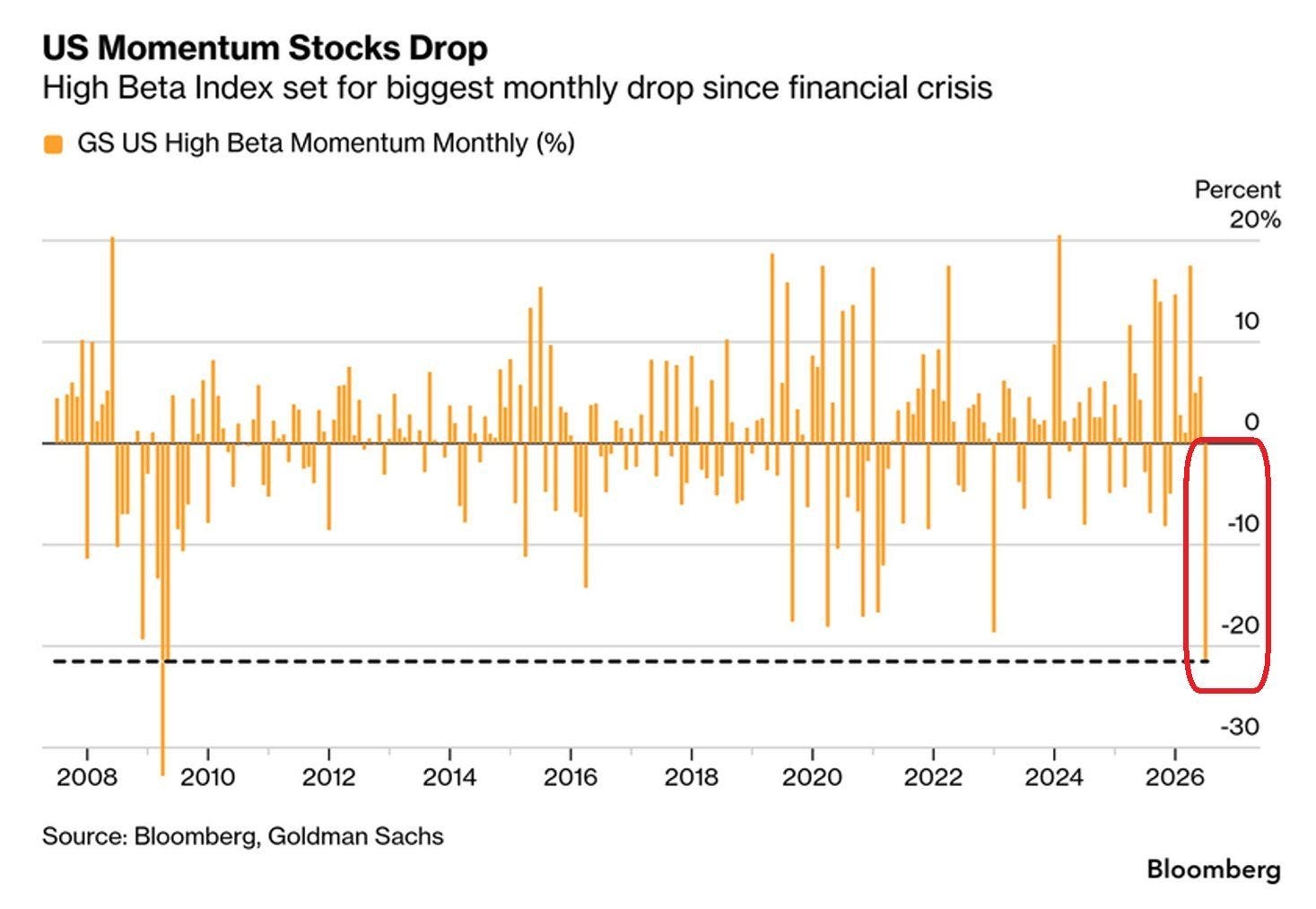
A lot of retail has capitulated. Margin is only useful if you know how to use it properly, and if you can avoid it, avoid it. Many of you have stopped being net buyers and have become net sellers.
So does that mean your intuition is wrong? Human nature says that when there is danger, you run. And there has been danger. Look at what the tape has done this month.
You are right to feel hurt. For a lot of us money is the key to goals we want to reach as soon as possible. I’m working toward a number that means my family is taken care of regardless of anything else I do. Watching that drop this month has been painful.
So I write this as much for myself as for all of you. I sincerely only care that we succeed, if not for ourselves then for the people we cherish most.
If it makes you feel any better, the average retail portfolio looks horrid in 2026. It doesn’t make me feel better. If anything, it makes me want to push my work to a broader audience. Bloomberg’s basket of the 50 most popular retail stocks fell 13% in July alone, the steepest monthly decline for that group since 2022.
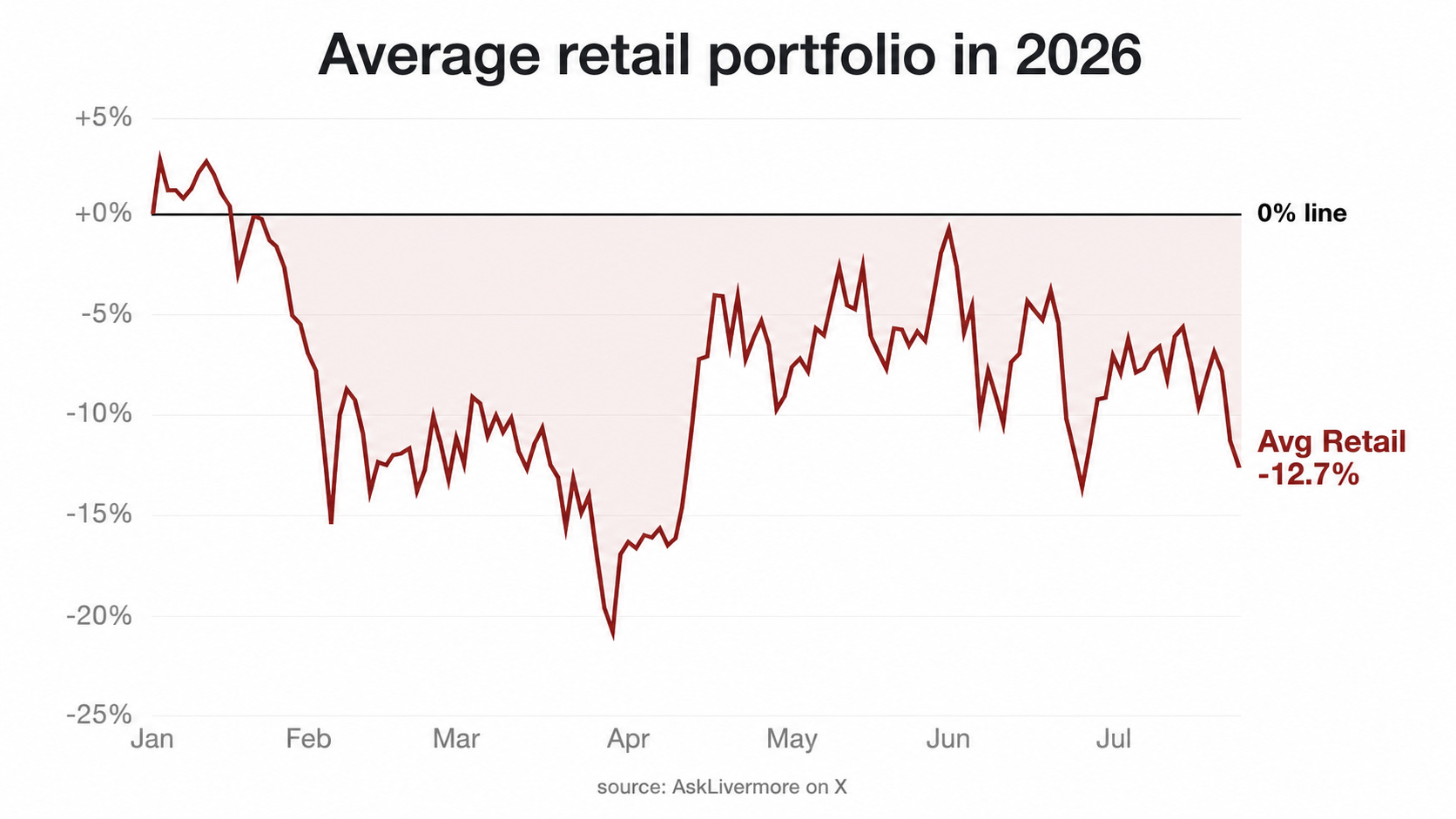
A separate Jefferies tracker of Russell 1000 names with high retail ownership is down more than 25% since June. Meanwhile, SOXX, the closest thing to an AI buildout ETF, is still up roughly 75% year-to-date after peaking near +117% on June 22.
The index is fine; the people trading it are not.
Short answer: not even close.
Long answer: hyperscaler CapEx projections keep climbing. Morgan Stanley has the four majors going from $413B in 2025 to $743B in 2026, $1,159B in 2027, and $1,287B in 2028. If anything I think those are conservative, because they price in AI and agentic AI as the pillars of growth and little else.
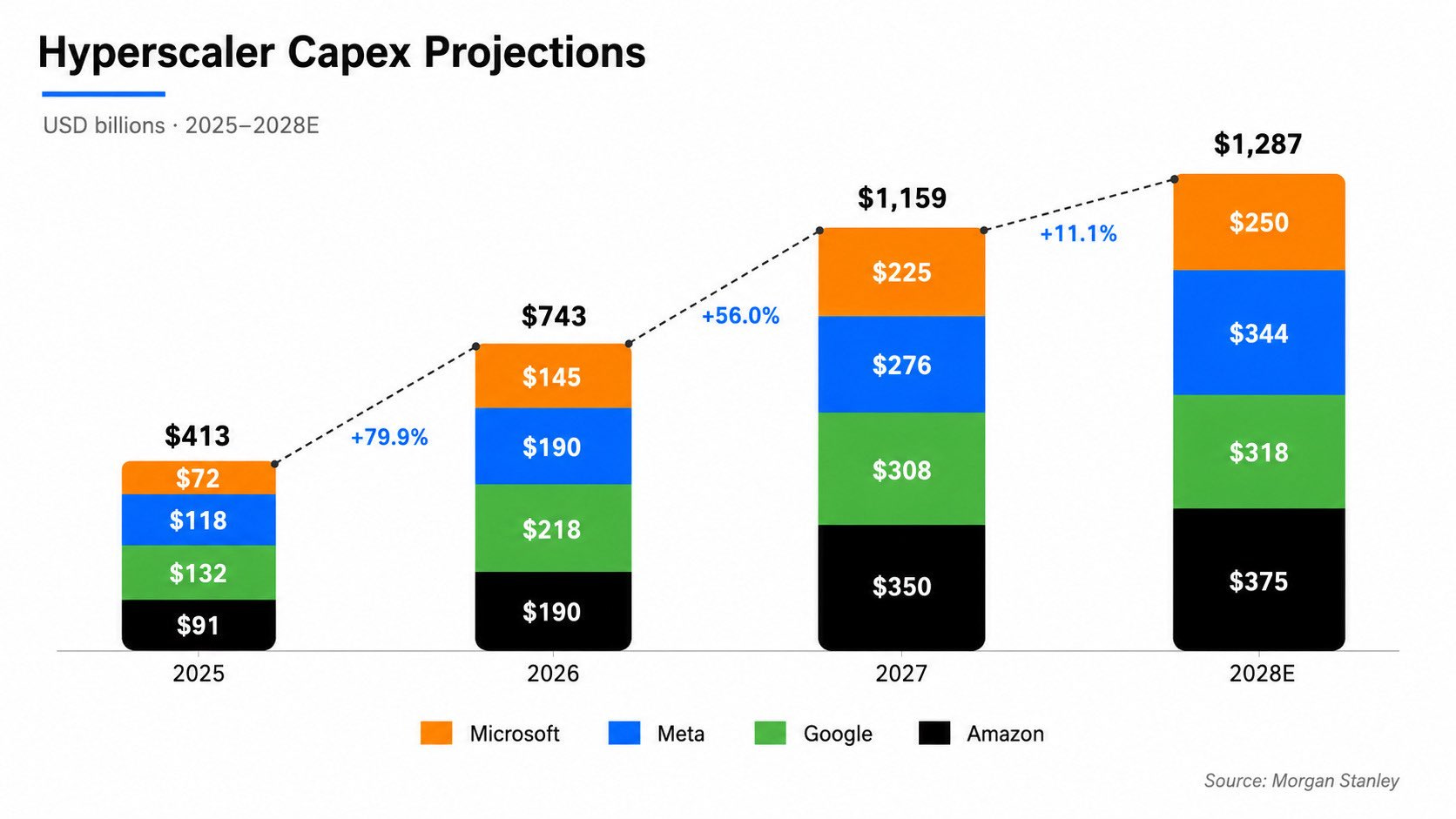
That money comes from somewhere and it flows somewhere. It moves from the hyperscalers building the AI to the hardware it gets built on. Some of that spend is cyclical. Some of it, the way NVIDIA’s did, turns structural. We’re seeing the first signs of that in memory with long term agreements, but we need more complexity in the stack before that holds as a rule.
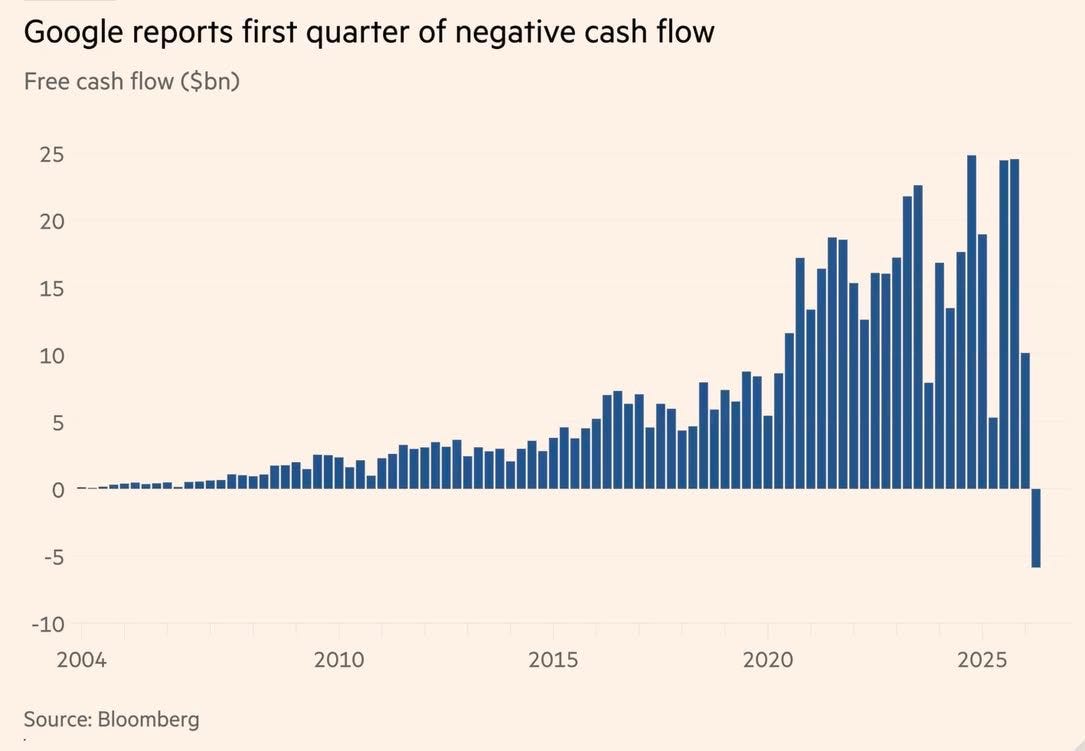
Look at Alphabet. This is the first quarter of negative free cash flow in the company’s history. That is not a profitability problem, Google is still enormously profitable. It is capex outrunning operating cash flow, which is exactly what it looks like when a company decides the buildout matters more than the optics of a clean cash flow statement. If that doesn’t tell you where things are headed, I don’t know what will.
And this doesn’t stop in 2028 or in 2030. AI compute, in particular inference, is becoming the new oil. Maybe not in 5 years, but in 25. AI itself is a stepping stone to whatever comes next, and all of it needs the same thing to operate: compute.
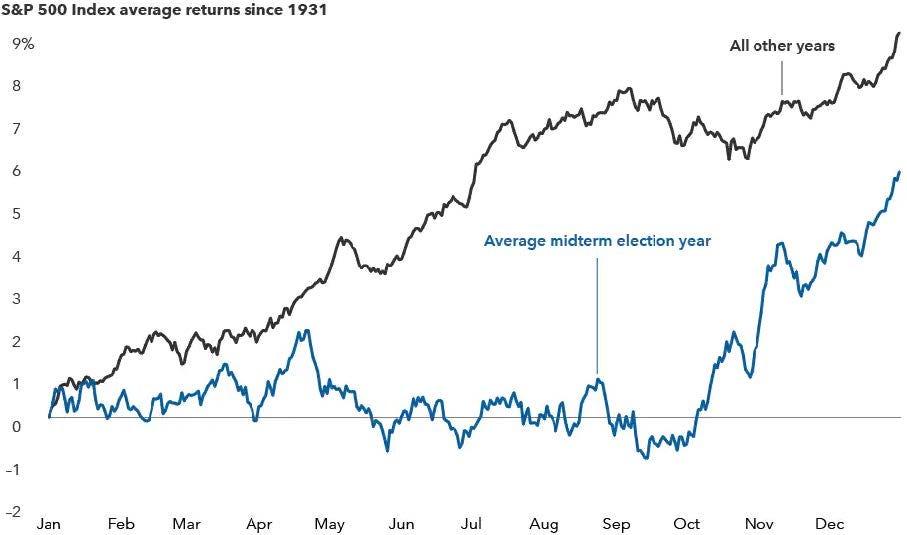
We are living through several things at once. On top of everything above, this is a midterm election year, which usually behaves differently from a normal year for the market. Read that again, because nothing about this year has been business as usual. And there are external factors adding uncertainty on top. I won’t do political commentary, but the current macro backdrop is its own level of complexity.
Comments
Nothing yet. Say the first thing.
Sign in to join the conversation.