
If football (soccer) fans formed a country, it would contain roughly 60% of humanity. FIFA itself, the worldwide governing body for football, estimates around 5 billion fans worldwide, making football the most popular sport by a huge margin and one of the most powerful cultural forces on Earth.
When I was 11 years old, my family moved into a newly-built house on the hillside of a suburb called Fyllingsdalen about 10-15 minutes from the city center of Bergen, Norway. The short distance to the city was thanks to a tunnel called Løvstakken mountain, which allowed people to drive straight through instead of around. The tunnel opened in 1968, and Fyllingsdalen immediately became an area of expansion and growth. A year later, in 1969, one of two junior high schools in Fyllingsdalen opened, Ortun Skole, and that school became my mother Elsa’s only work place for her entire career from 1970 on.
With a new school came a lot of newly-educated and newly married teachers in their mid 20’s, including my mom. In the late 1970’s, a handful of teachers at Ortun started talking about the possibility of finding a piece of land in Fyllingsdalen, develop it, and build houses there for their families. Until then, most of them had commuted to work from other parts of Bergen.
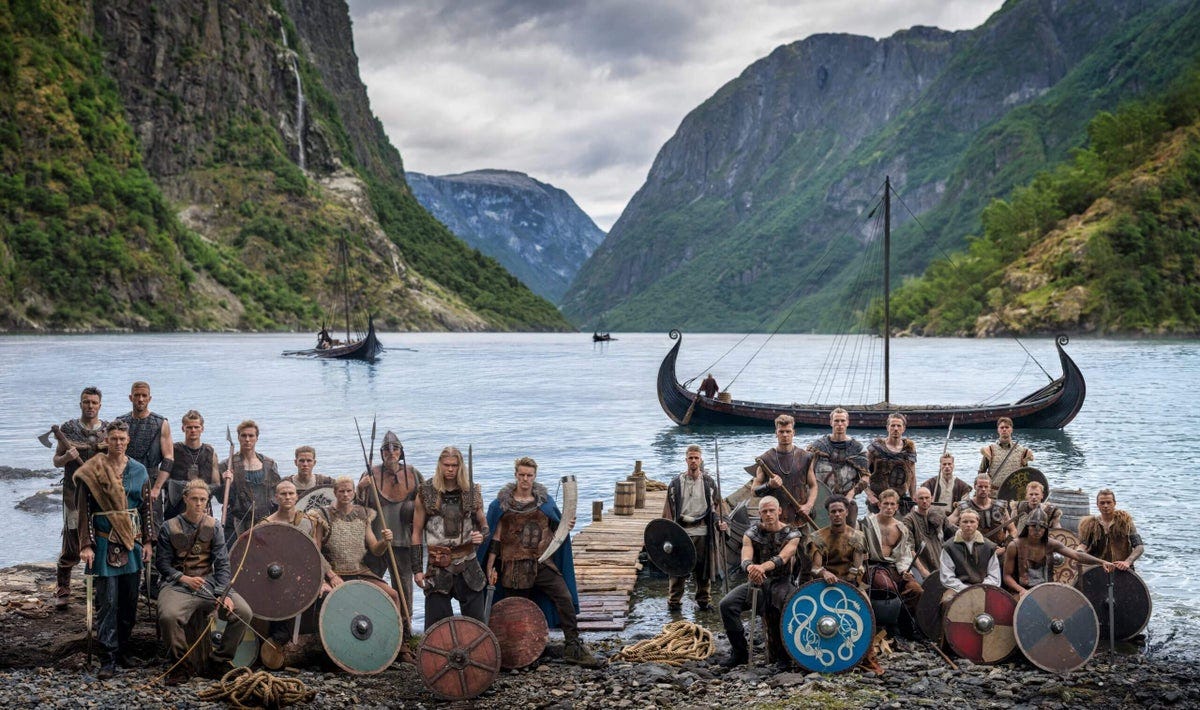
Soon, the handful of teachers looking to acquire land for housing together grew to include professors from the University of Bergen (where my Dad worked), a professional cellist musician, a military man, a police officer, and so on. In 1980, a piece of land was acquired from someone who agreed to a good price as long as his daughter and her family also got a plot there. Paperwork was signed, a plot plan for 19 homes was finalized, and off they went.
When it came to common areas, there wasn’t much, but a playground - and a small football / soccer field. To be fair, it wasn’t a field, it was a small area with two goals in each end with a gravel pitch. The point is: having an area for the kids to play football, was essential. And we didn’t care about the esthetics, the surface, or the size - to be able to take a soccer ball under your arm, go down there to kick a ball around while more and more kids from the neighborhood joined in, was the best of times.
We played football on my street before the fences around the football area were built. The fence was meant to keep the ball from hitting passing cars. There was a road right next to where we played where residents had to drive to get to their houses. We still ran up and down the road itself and kicked crosses in for our teammates to score what we thought were some fantastic goals. The allotted area was too small to do real crosses, but with a few more meters of space made available by utilizing the street, we were fine. Every time a car came, we stopped, picked up the ball, watched it pass, and then started imagining our lives as football stars again in the World Cup.
The biggest football star at this time, was Diego Maradona, a short and plump Argentinian football genius - most famous internationally for his two goals against England in the 1986 World Cup - one that turned out to be a handball and should have been disallowed, and the second often described as the goal of the century:
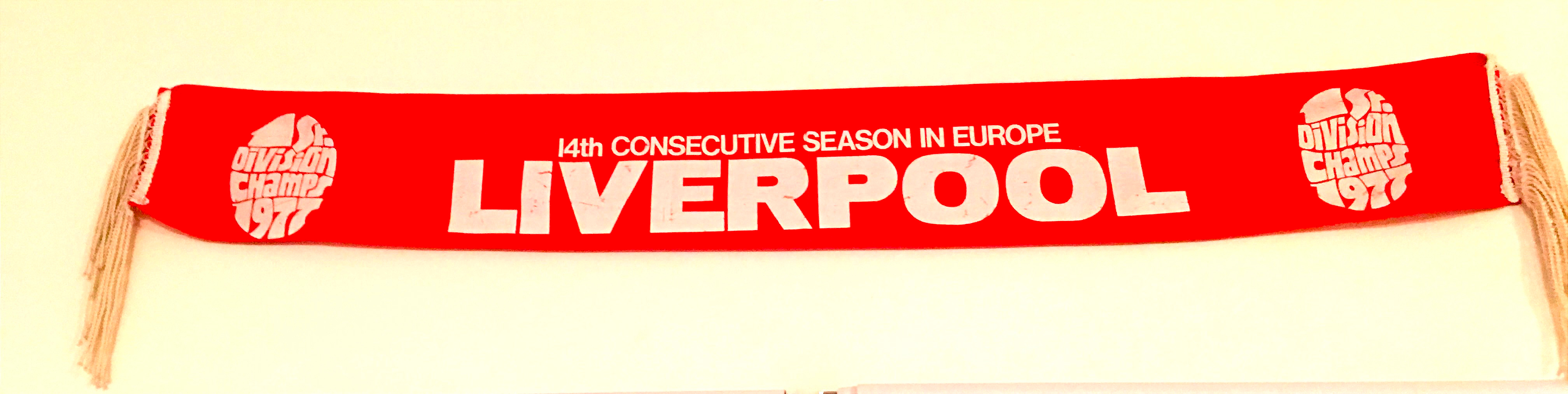
My club team since I was a seven years old, was and still is Liverpool Football Club, the English club with the most trophies, including 20 English top-flight league titles and six Champions League titles (the highest club honor in European football). Yes, I was a supporter of Bergen, Norway’s team Brann too, of course, but Liverpool was - and still is - something very special. When my dad came home from an England trip with a Liverpool scarf after Liverpool won the English league, I was hooked. As a 7 year-old, and to this day.
Liverpool FC is a club with a history of triumphs and tribulations. Incredible highs and incredible lows. One incredible high was the so-called Miracle In Istanbul in 2005 when Liverpool faced AC Milan in the Champions League final:
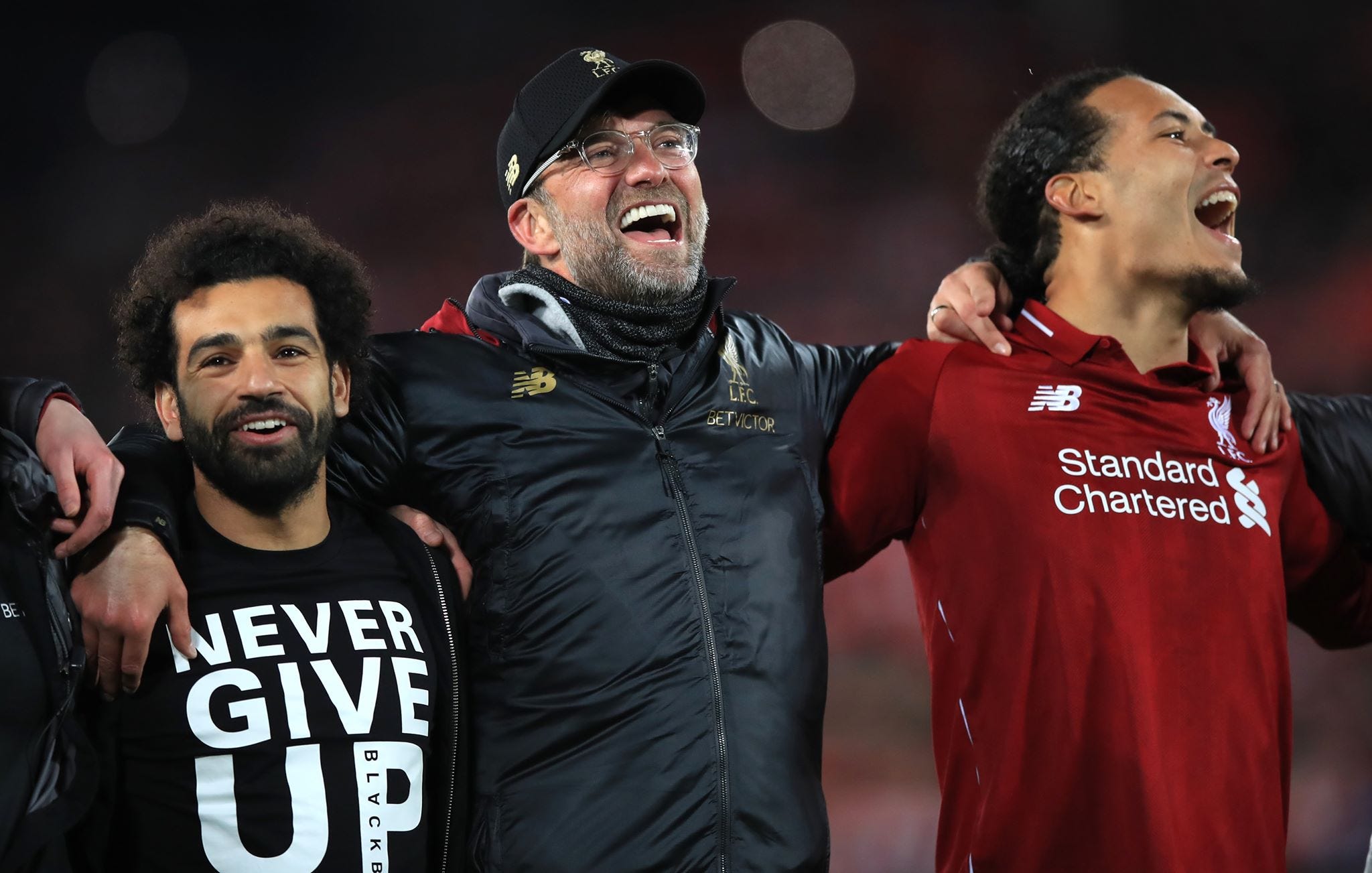
Another incredible high, and my favorite Liverpool game of all time, was the return leg of the semi-final against Barcelona in 2019 in the Champions League. In the first game, which took place in the city of Barcelona, Liverpool lost 3-0. It was seen as highly unlikely Liverpool would be able to turn that result around even while playing at their home fortress of a stadium, Anfield, especially because some of their star players, including superstar Mo Salah, was injured. Not to mention that this was a top notch Barcelona team, stacked with superstars: Lionel Messi, Luis Suarez (a former Liverpool player), Philippe Coutinho (also a former Red), Gerard Piqué, Sergio Busquets, Ivan Rakitić, and Jordi Alba. But - Mo Salah was there wearing a t-shirt which spelled Never Give Up in big letters. How right he would turn out to be. Liverpool did not give up:
After winning 4-3 in the aggregate, Liverpool faced another English team, Tottenham Hotspurs, in the final and beat them 2-0 to win their 6th Champions League trophy.
Liverpool is a club with so many legendary players and big wins, but also tragedies at a level few other clubs in world football ever had to endure.

In 1985, Liverpool fans broke violently through into the area of opposing Italian club Juventus fans before kick-off of the European Cup Final, resulting in 39 deaths, most if not all Juventus fans, and over 600 injured. The Juventus fans were pressed up against a wall which resulted in most of the deaths. This tragedy, named the Heysel Stadium Disaster after the football stadium where the events took place, resulted in English football teams being collectively punished by the European football association UEFA. English teams were banned for five years from European competitions. Following was a massive shift in English football. The European ban, the hooliganism among fans in England, and the desire by the five largest clubs to have more control and make the English league more profitable, all played a significant part in the creation of the Premier League in England in 1992. The Premier League is the most-watched sports league globally today, broadcast in over 200 territories with a viewership in the billions.
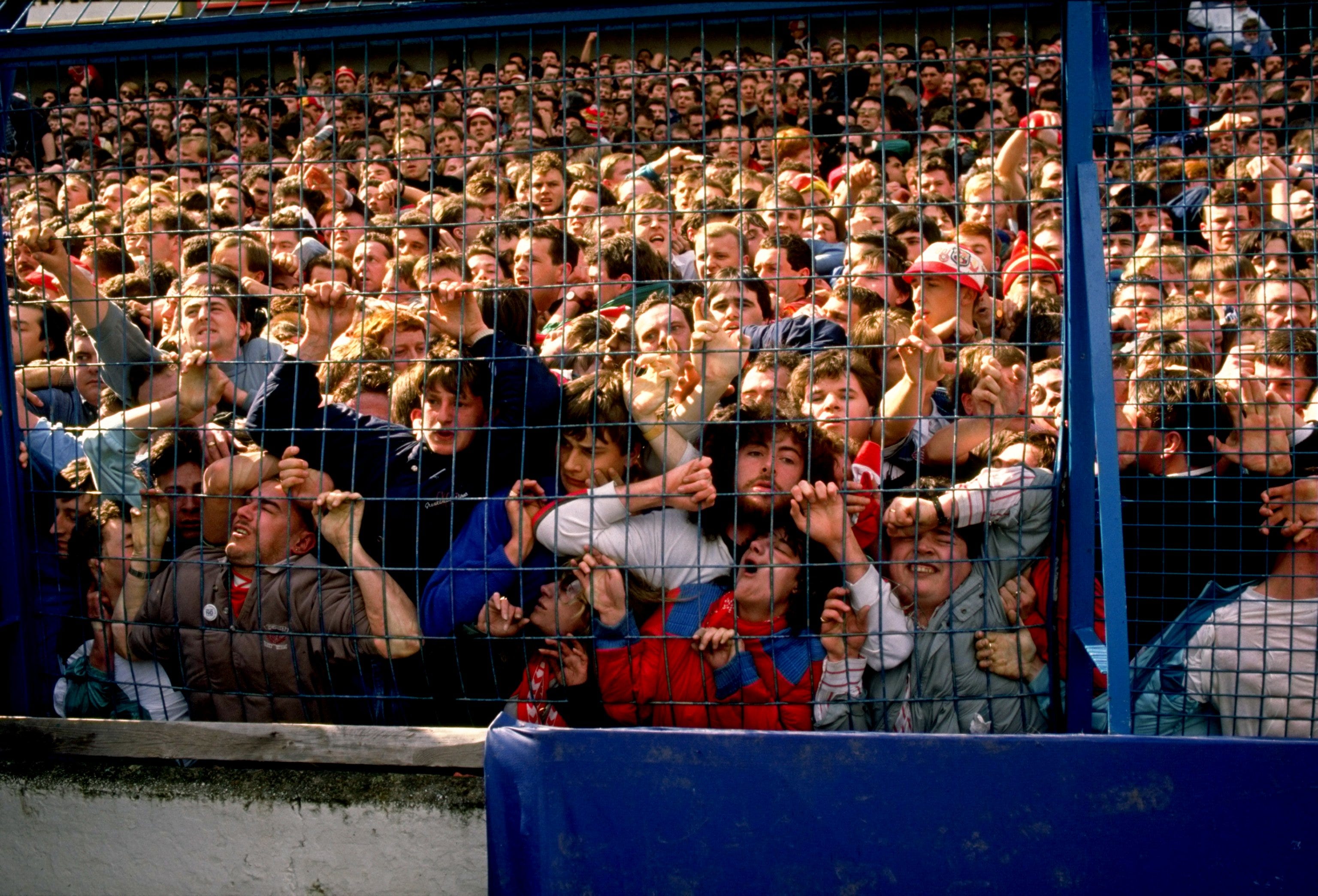
The even bigger tragedy that Liverpool fans will always remember, was the Hillsborough Disaster in 1989. The Hillsborough Stadium in Sheffield had separated areas for opposing fans with high fences and steel mesh, making the areas effectively like pens. During a FA Cup semi-final game between Liverpool and Nottingham Forest, a police officer opened an exit gate to let more fans in, resulting in there being far too many inside. The result was a catastrophic crowd crush resulting in 97 deaths and 766 injuries. It took a staggering 27-year-long fight for truth and justice by the families and survivors for a 2016 inquest to conclude that the victims were unlawfully killed, highlighting gross police negligence and inadequate stadium design.
If that wasn’t enough, in July of 2025, one of Liverpool’s star players, Portuguese international Diogo Jota, died in a car crash together with his brother, André Silva, only 11 days after Jota married the mother of his three children, Ruth Cardoso. This also happened only weeks after Liverpool lifted their second Premier League trophy in five years. The contrast between highs and lows were unfathomable. Jota’s tragic death sent shockwaves through the international football community, and for the next entire season, Liverpool fans would honor Jota by applauding in the 20th minute of every home game. Jota wore Liverpool shirt no. 20. The club decided to retire the number 20 shirt in Jota’s honor.
Diogo Jota was a brilliant footballer, much more talented than he got credit for. Such a humble and happy guy. A devastating loss.
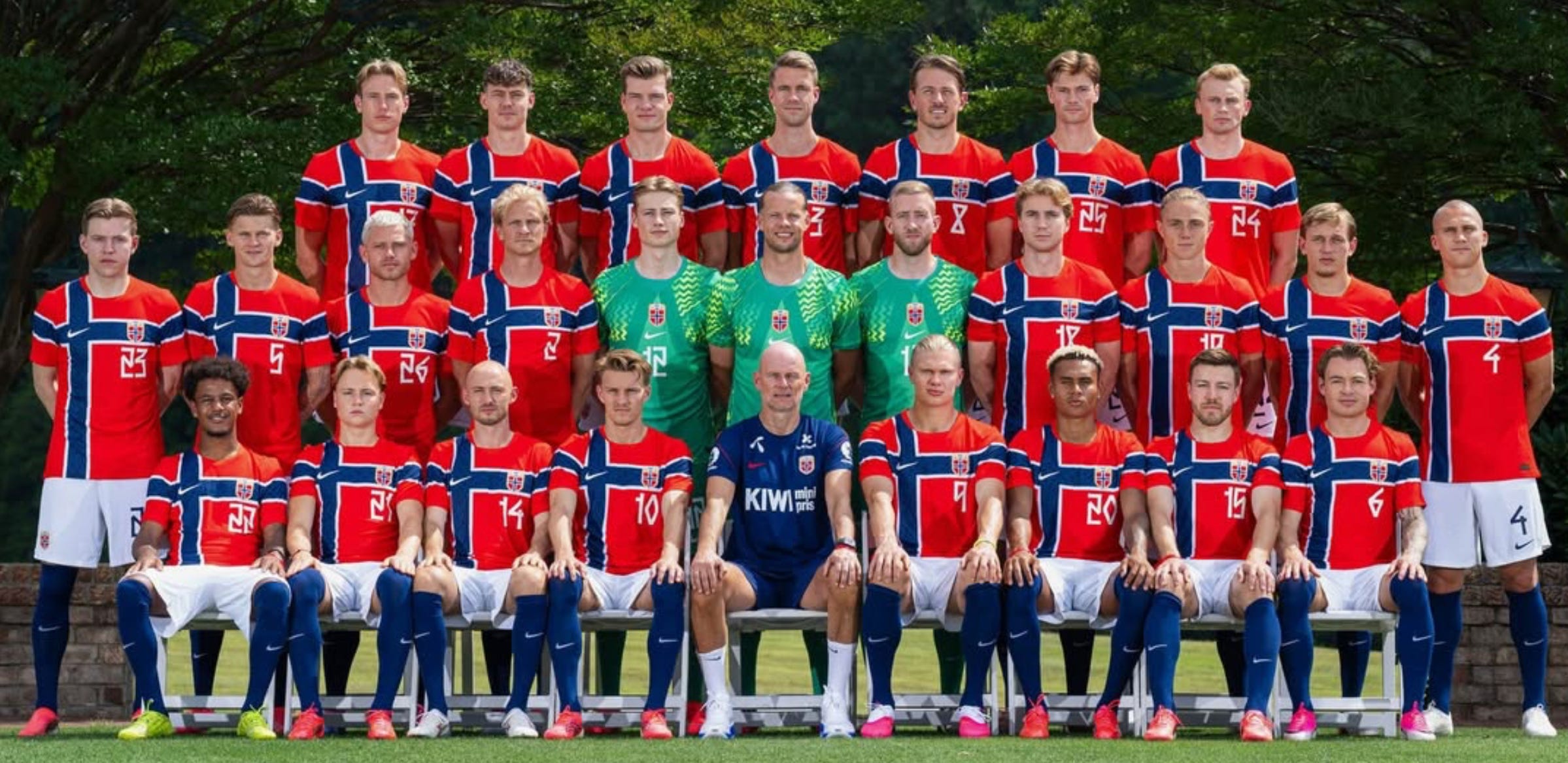
In this year’s World Cup, two Scandinavian teams participate: Norway and Sweden. Both teams have their superstars - Sweden has Alexander Isak (a Liverpool player), Viktor Gyökeres, and Victor Lindelof, while Norway has Erling Braut Haaland, Martin Ødegaard (Norway’s and current Premier League champion Arsenal’s captain), Alexander Sørloth, Antonio Nusa, Jørgen Strand Larsen, Oscar Bobb, and Sander Berge - to name a few.
Norway is by many seen as the dark horse of the tournament.
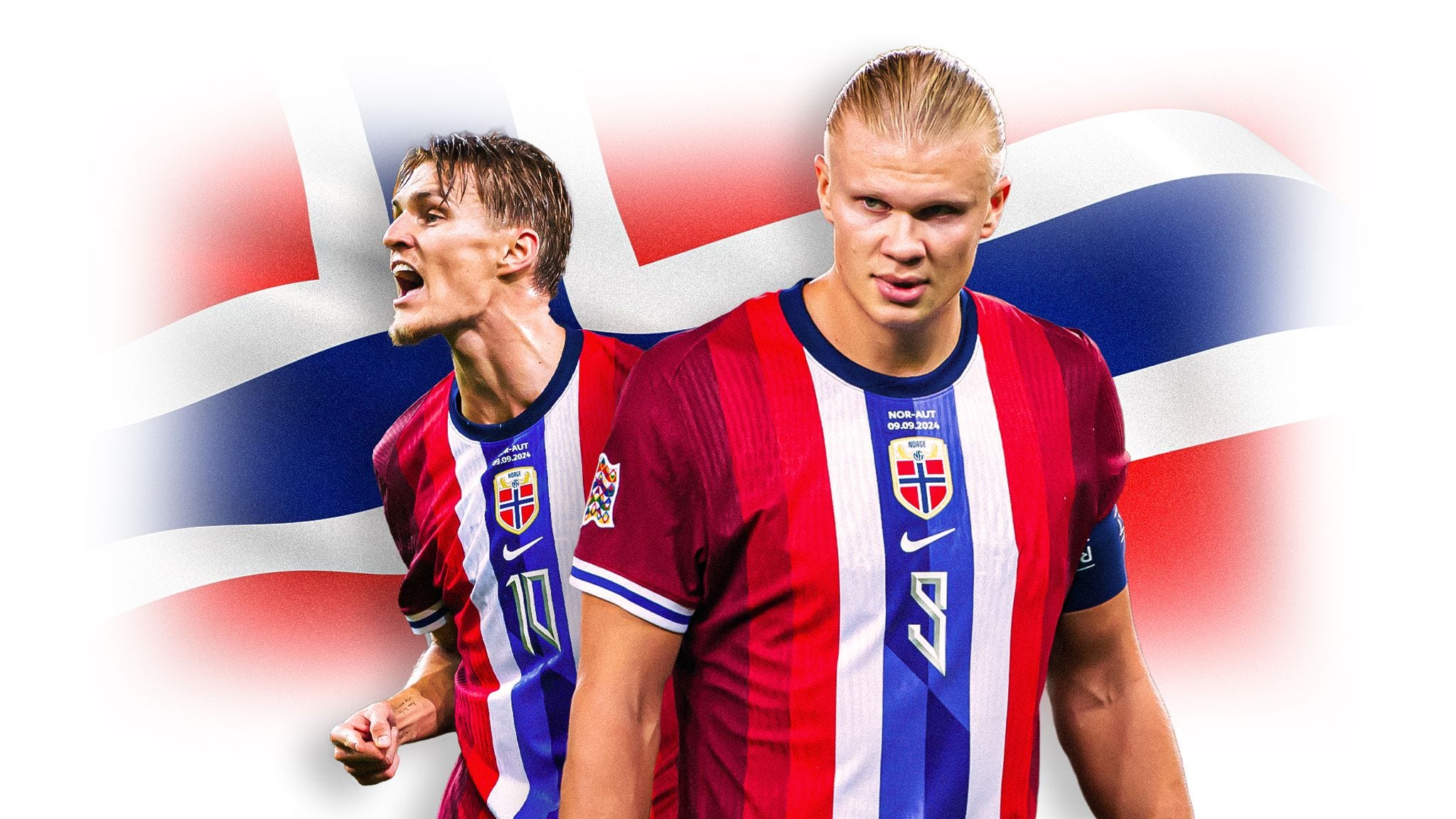
The Norwegian team has not qualified for the FIFA World Cup since 1998, a staggering 28 years ago - so long that most of the players in this year’s squad weren’t even born last time. The truth is, we haven’t had a team like we do now - ever. The Norwegian team is full of superstars playing in the most competitive leagues in Europe: The English Premier League, Series A in Italy, Germany’s Bundesliga, and Spain’s La Liga.
With Canada, USA, and Mexico hosting this World Cup together, different teams get to play under quite different weather conditions. Norway plays their group matches on the east coast of the U.S. in Massachusetts and New Jersey, while Sweden plays in Mexico and Texas. For Scandinavian footballers, the heat and humidity will not be a welcomed experience, that’s for sure.
The FIFA World Cup is unmatched in global reach. Around 5 billion people engaged with World Cup content during Qatar 2022. The final between Argentina and France reached nearly 1.5 billion viewers worldwide, the highest audience in World Cup history.
By comparison, a typical Super Bowl attracts roughly 100 - 130 million viewers globally, illustrating football’s much larger international footprint.
Football is the most popular sport in almost all of Europe, nearly all of South America, most of Africa, The Middle East, much of Asia, and Central America. It is the primary sport in more countries than any other sport by a wide margin.
Even in the United States and Canada, traditionally dominated by other sports, football is accelerating rapidly. North America now has more than 136 million football fans. In the United States, soccer has emerged as the country’s third most popular sport behind American football and baseball.
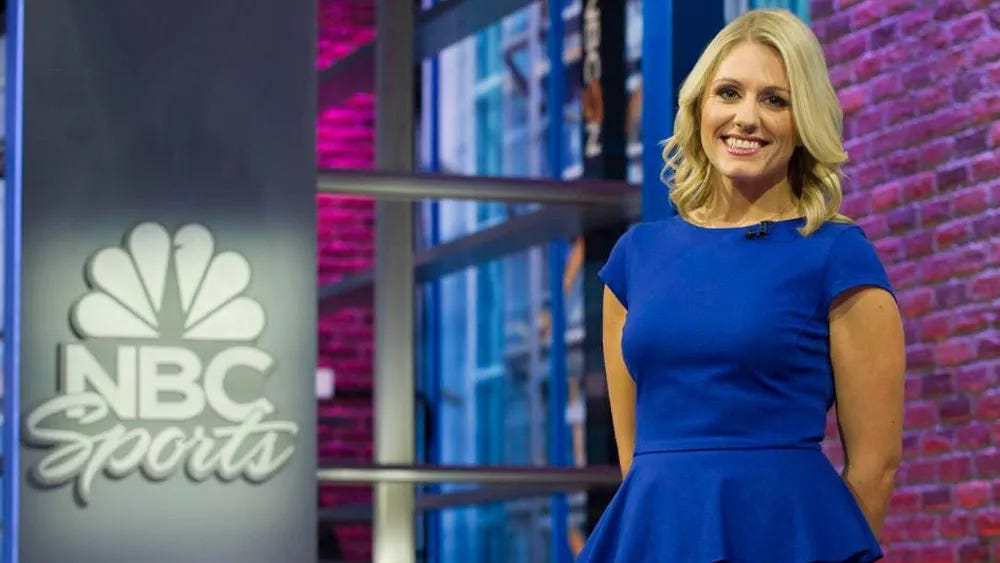
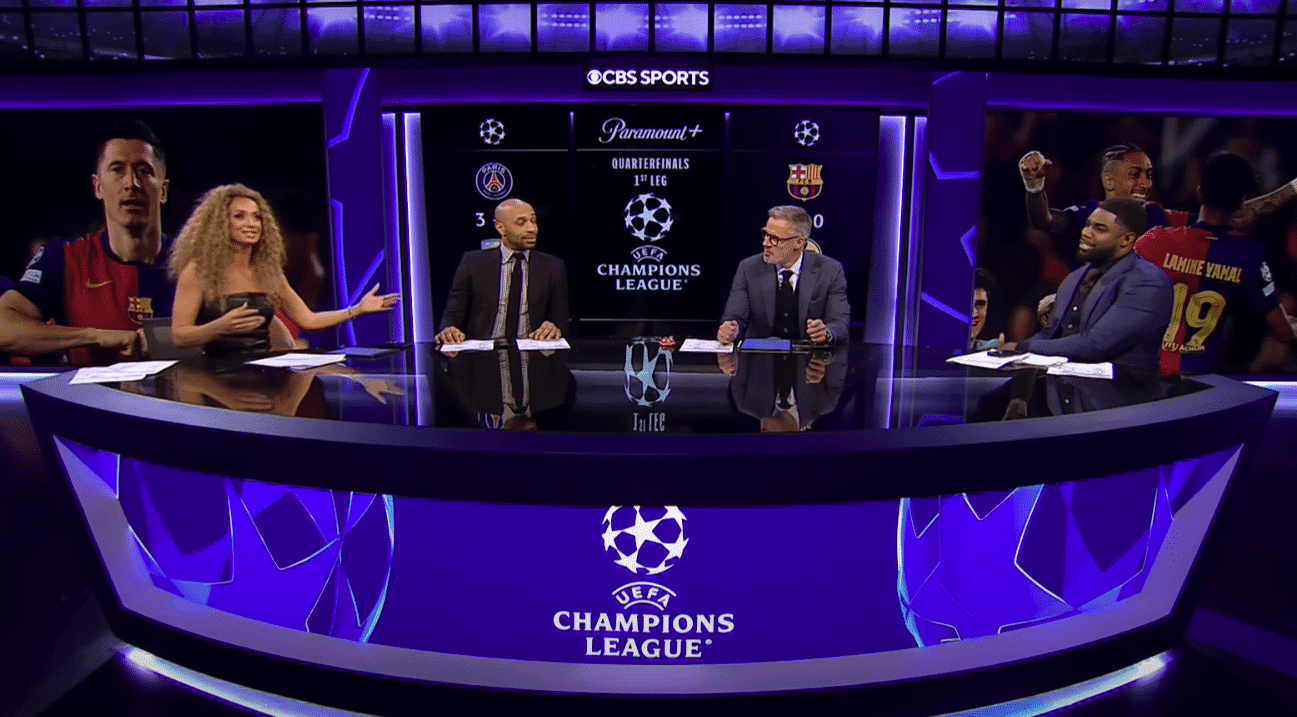
Just in the last five years, fan interest in North America has increased by 11%, according to Nielsen. Much of the credit for this, goes to NBC and Peacock for their excellent coverage of the English Premier League, and to CBS/Paramount+ for their entertaining coverage of the Champions League.
And let’s not forget Ted Lasso, Apple TV’s comedy/drama series centered around an American football coach who by happenstance ends up managing an English soccer team in London called A.F.C. Richmond. Ted Lasso won all soccer fans’ hearts in the middle of the pandemic:
The 2026 FIFA World Cup kicks off today, Thursday, June 11, 2026 at Estadio Azteca in Mexico City with the tournament’s opening match between Mexico vs. South Africa.
48 nations are represented, divided into 12 groups of four, and they will play across 16 different cities in Canada, the U.S., and in Mexico.
The favorites according to bookmakers, statistical models, and prediction markets, appear to be (in order): Spain, France, England, Brazil, Portugal, and Argentina.
The dark horses in this tournament, are: Germany, The Netherlands, and - you guessed it - Norway.
The downside for Norway, is lack of tournament qualification and success historically. Their last international tournament, was the Euros in 2000, two years after their last World Cup appearance in 1998.
However, the upside for Norway is significant: an amazing squad of top international footballers and superstar talents who have won lots of trophies with their clubs and competed in top international club tournaments.
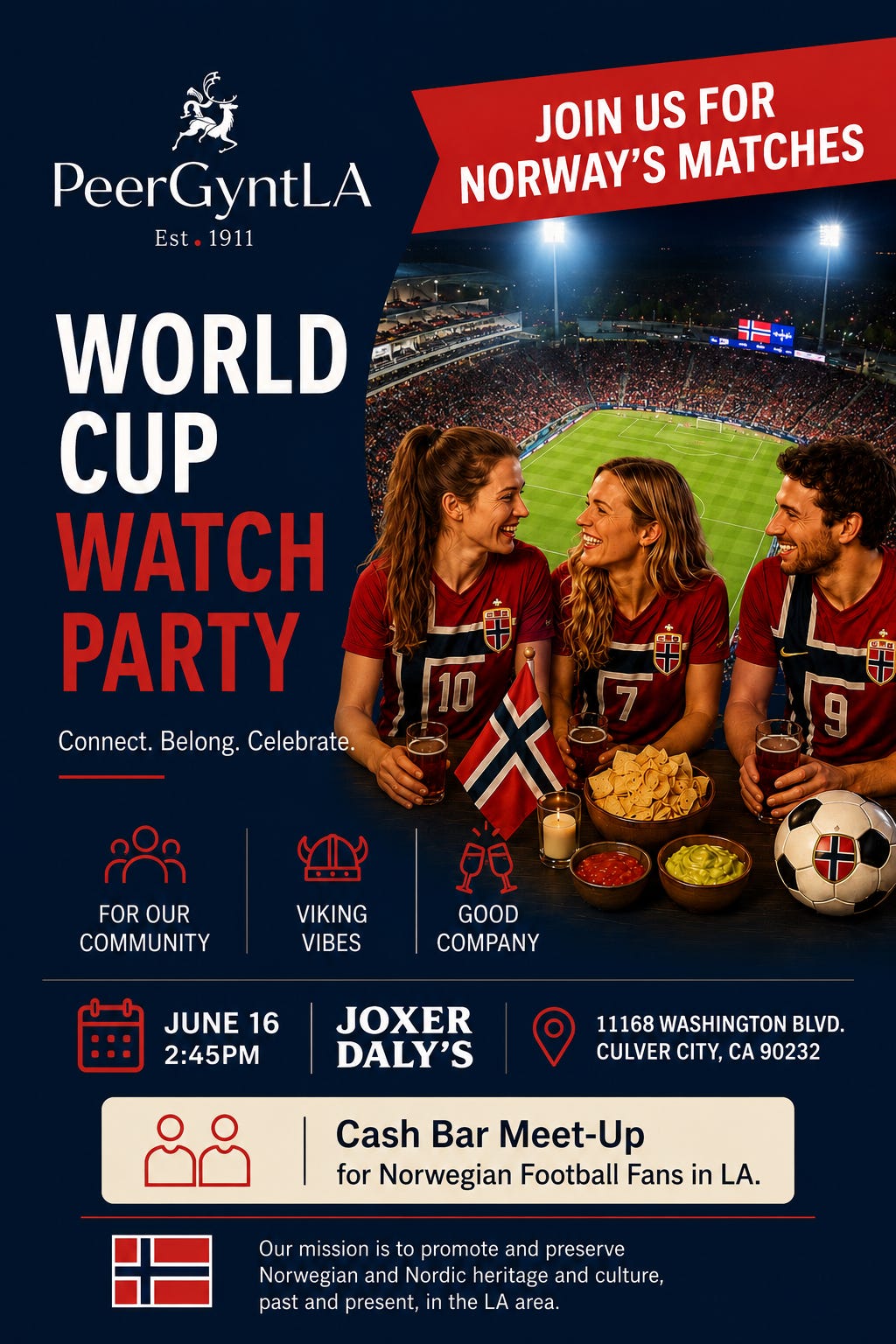
Norway’s first match, is on Tuesday, June 16th, and if you want to watch it with a bunch of Norwegian fans at a bar in Culver City, Los Angeles, join us:
If you enjoyed this look at the world’s biggest sporting event through a cultural and creative lens, consider subscribing to Reels & Riffs. Free subscribers receive new articles delivered directly to their inbox, while paid subscribers also help support independent journalism. In a world overflowing with noise, Reels & Riffs is dedicated to thoughtful stories about music, film, television, creativity, and the people shaping culture - and sometimes sports. Join us on the journey.
Thanks for reading Reels & Riffs! This post is public so feel free to share it.
Comments
Nothing yet. Say the first thing.
Sign in to join the conversation.