
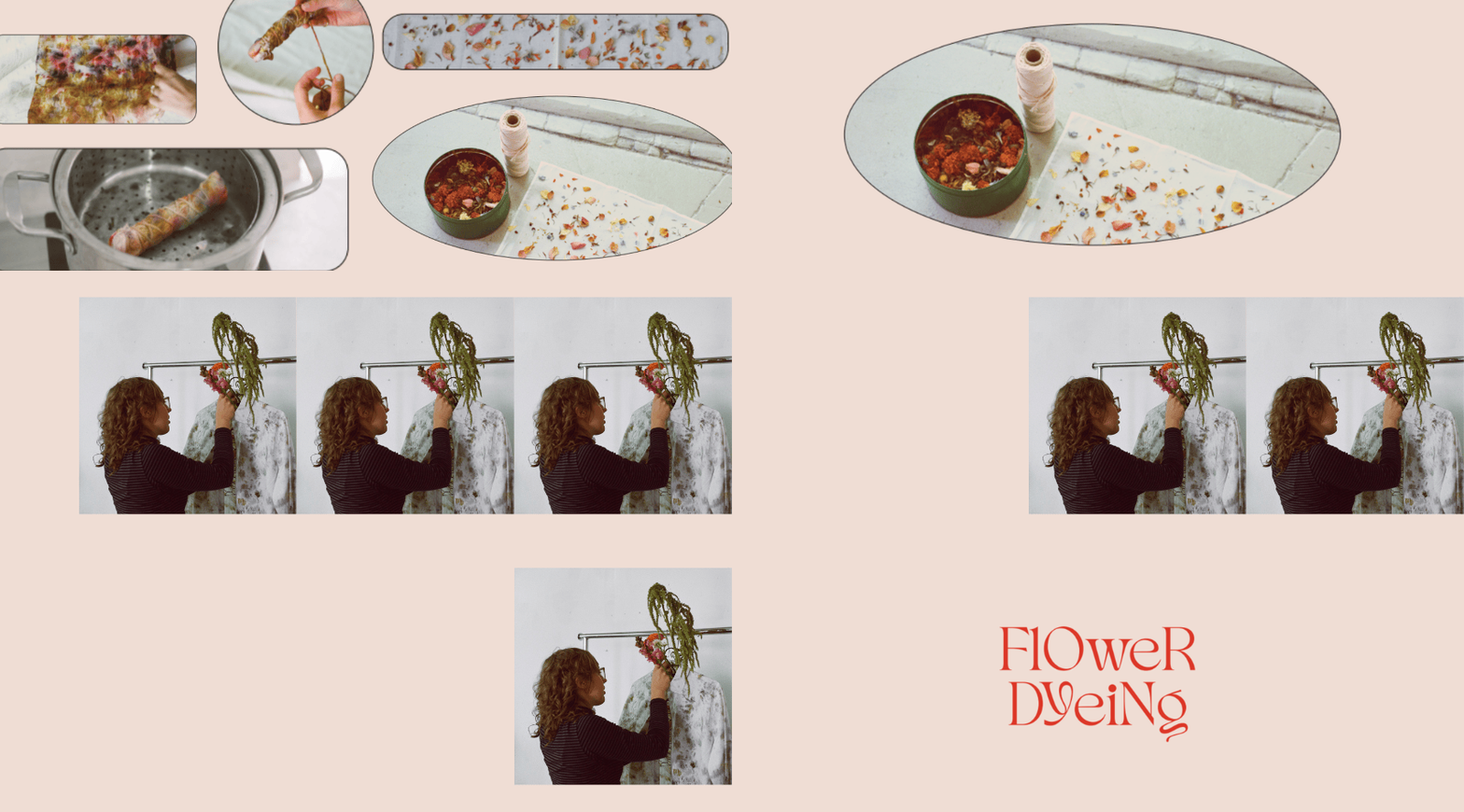
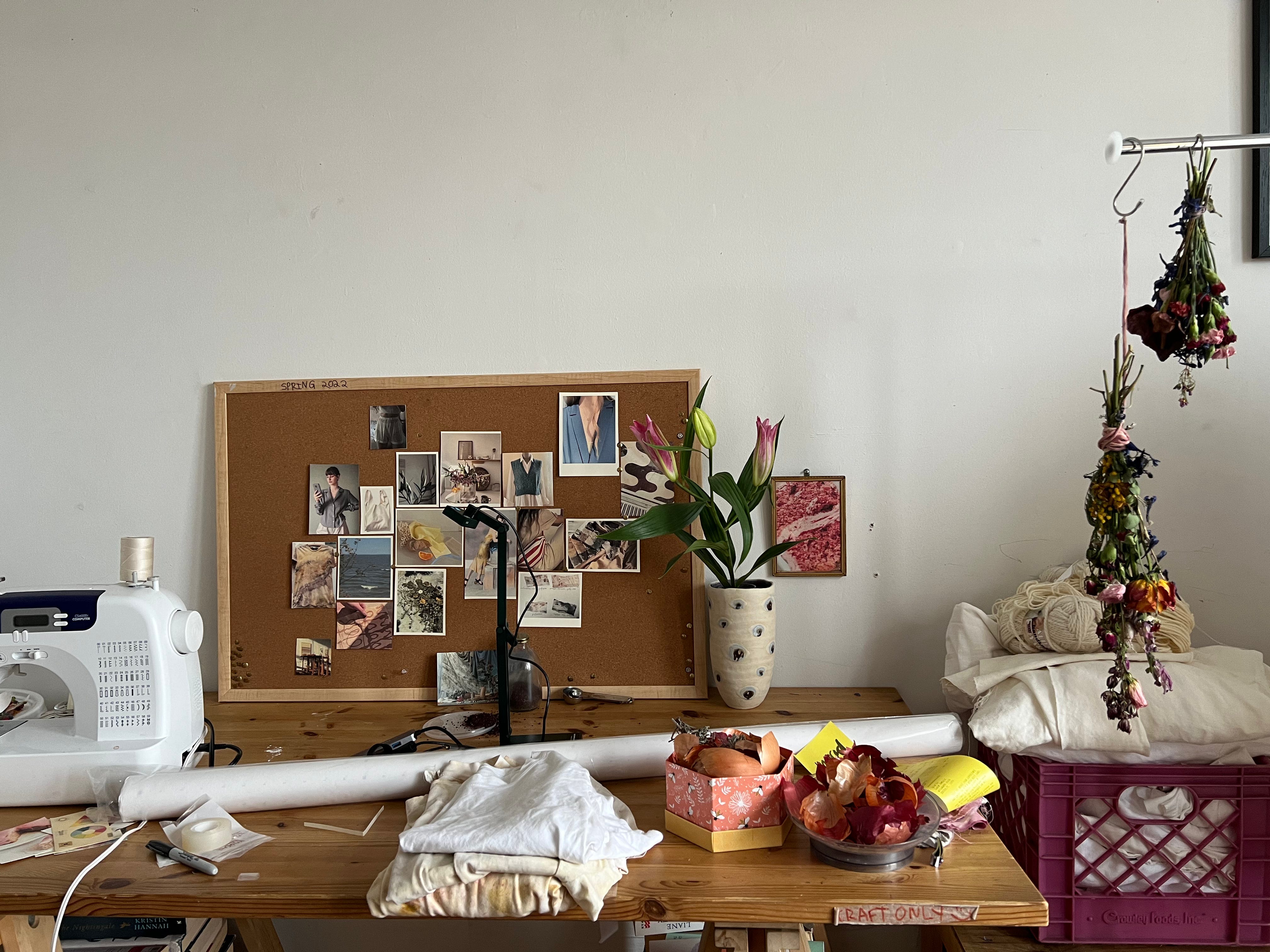
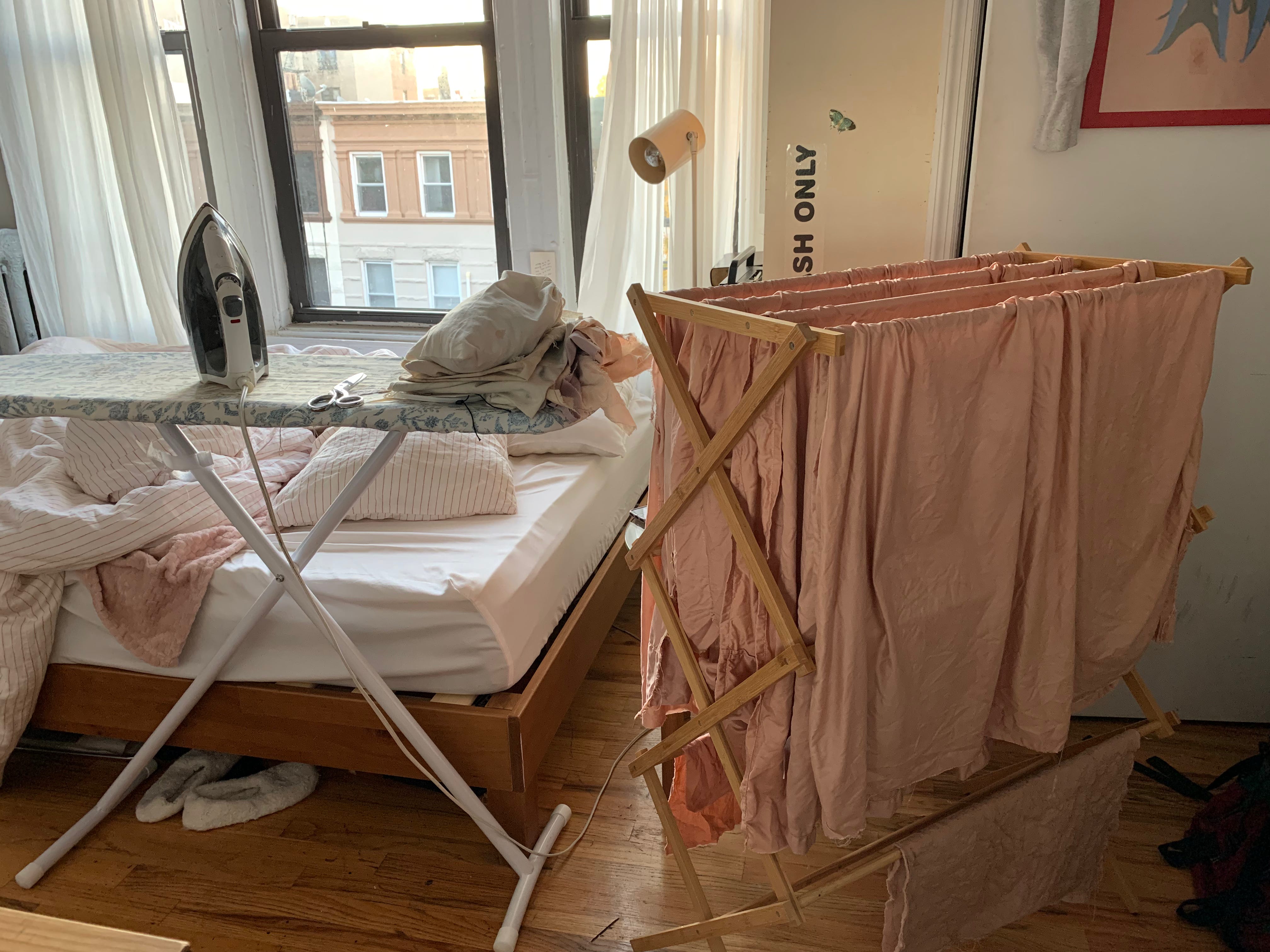
Long before I found myself knee deep in creative gathering, I was holed up in my first Brooklyn apartment witch style— brewing vats of avocado dye, drying florals by the bunch and painting fabric by the yard with tea and soy milk. What had started as a way to work with my hands after my insufferable 9-5 began to simply consumed me— the medium was endless, and much to my roommates’ dismay, I was determined to try it all.
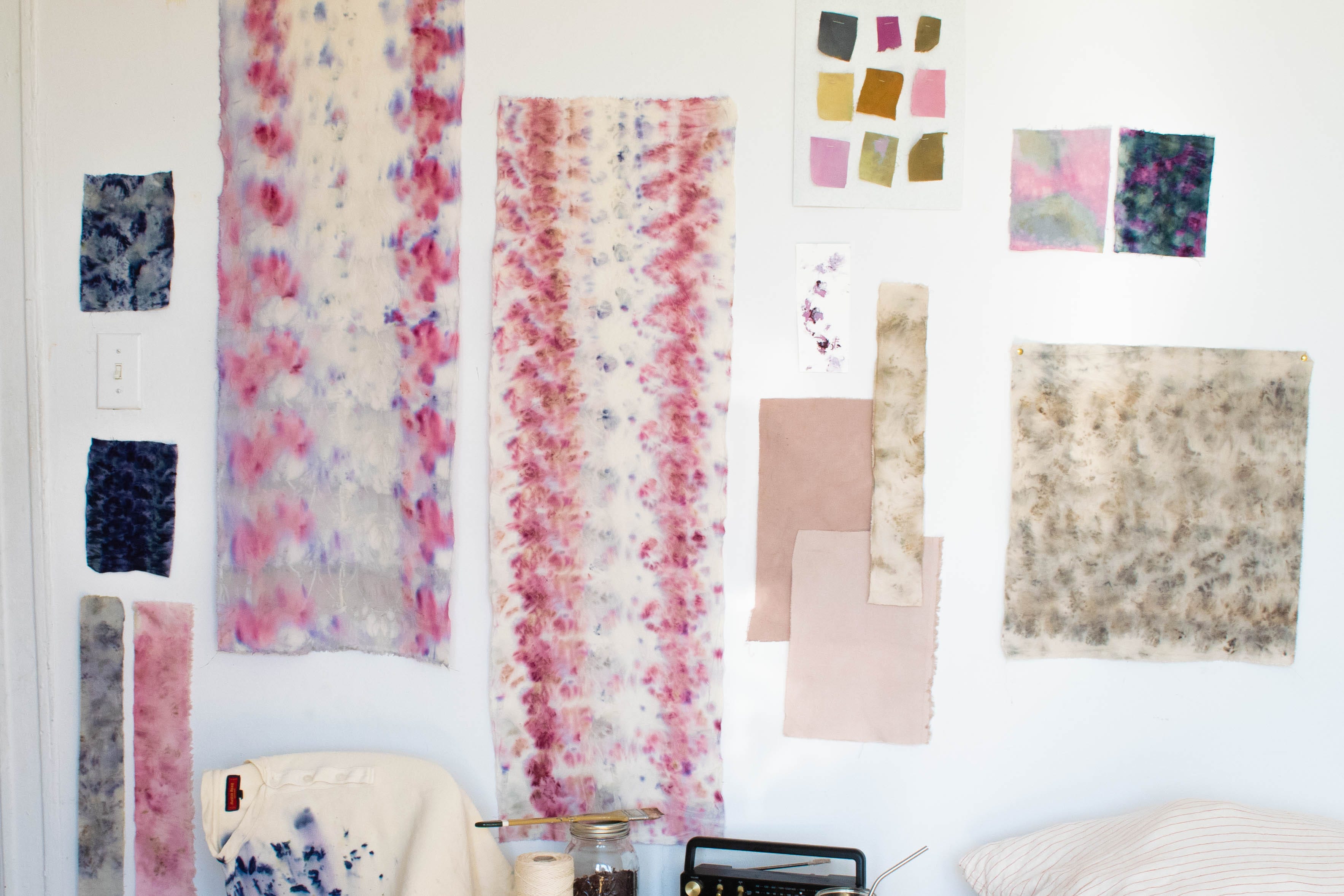
As someone who has always struggled with the notion of what exactly goes on the page when I’m handed a drawing utensil, natural dyes eased my fears— the answer was flowers, literal ones.
If you’re looking for a hobby that is highly tactile, colorful, not inherently horrible for the planet and brimming with possibility— may I introduce you to… the world Natural Dye:

One of my favorite things about natural dye is how accessible it is. You don’t need fancy root extracts shipped from across the world— you can find brilliant color growing wild in your neighborhood, or my favorite— right in your kitchen. Onion skins make greens, yellows and oranges. Avocado pits and skins ranges of stunnnning pinks!

With the bundle dye method, you print florals directly onto your textile using pressure and steam creating stunning, abstract motifs. It’s the perfect way to upcycle a piece with a stain (it will blend right in— + perfect for baby onesies) or turn something a bit drab into a one of a kind piece. I teach a workshop on this every couple months in the studio, and am have a how-to pdf guide available at the end of this article for paid subs!

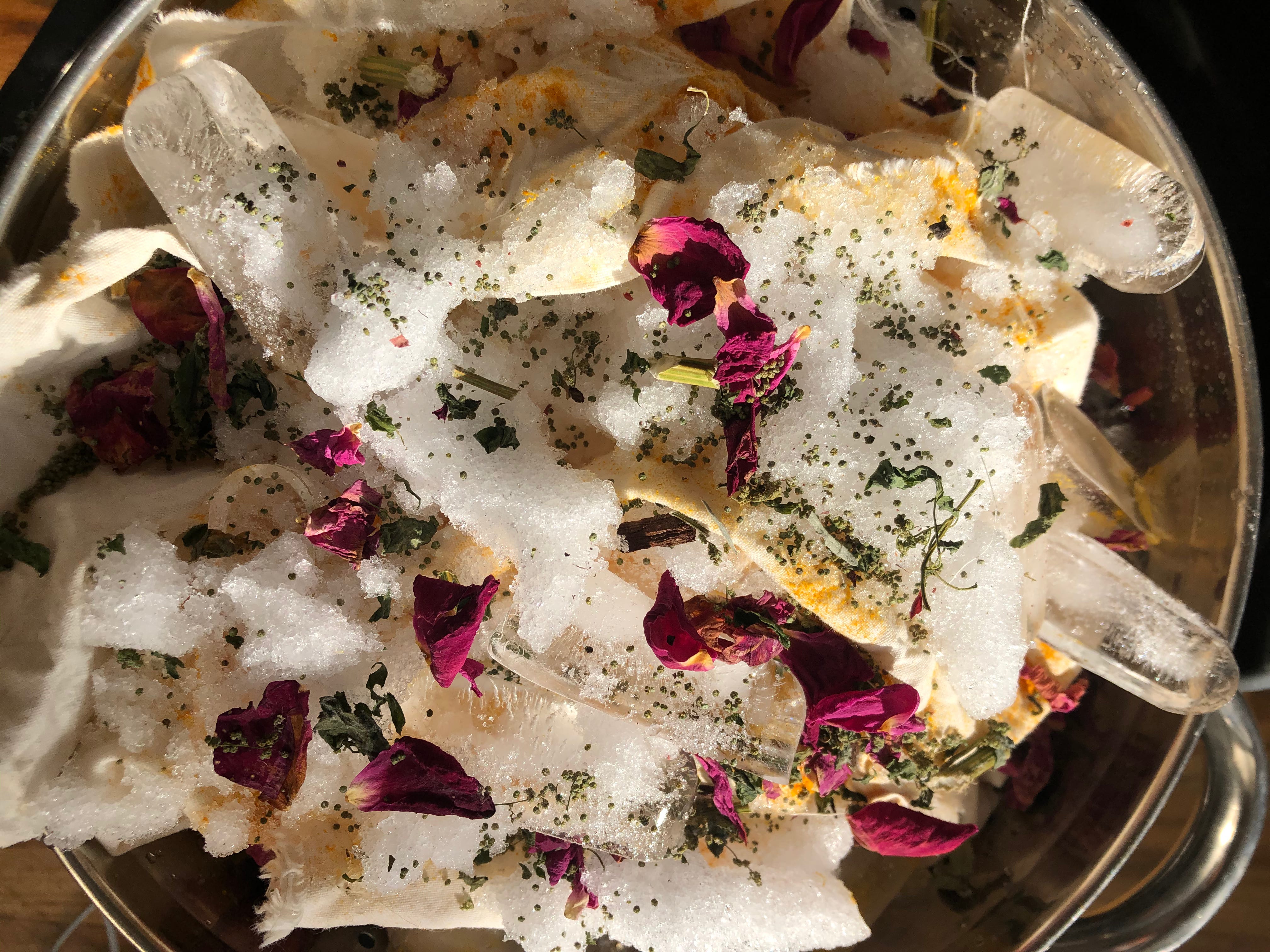
Experiment with ice as a medium, freezing blocks of pigment and letting them slowly dethaw over a textile. This creates tie dye like natural patterns that are close to impossible to perfectly recreate, entirely unique each time. The world’s best snow day activity.

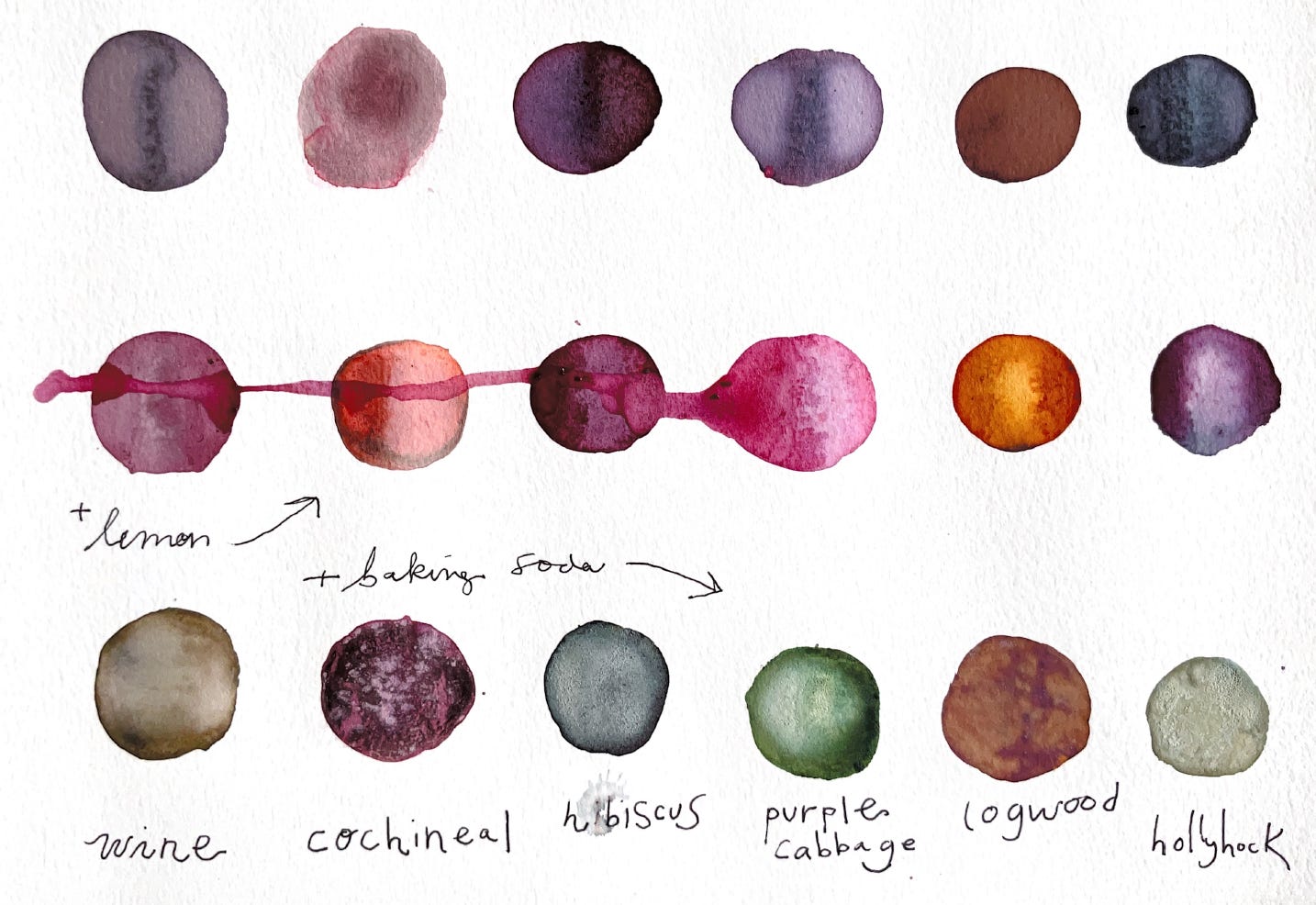
Natural color is not just limited to textiles, but can be used on paper as well! Turn dye baths into lake pigments— and use the extracted color for inks, watercolors or even crayons. You can also use ph-sensitive pigments like purple cabbage to get a wide range of color by adding acids (lemon) or bases (baking soda). One material can yield paint that is pink, blue and purple!

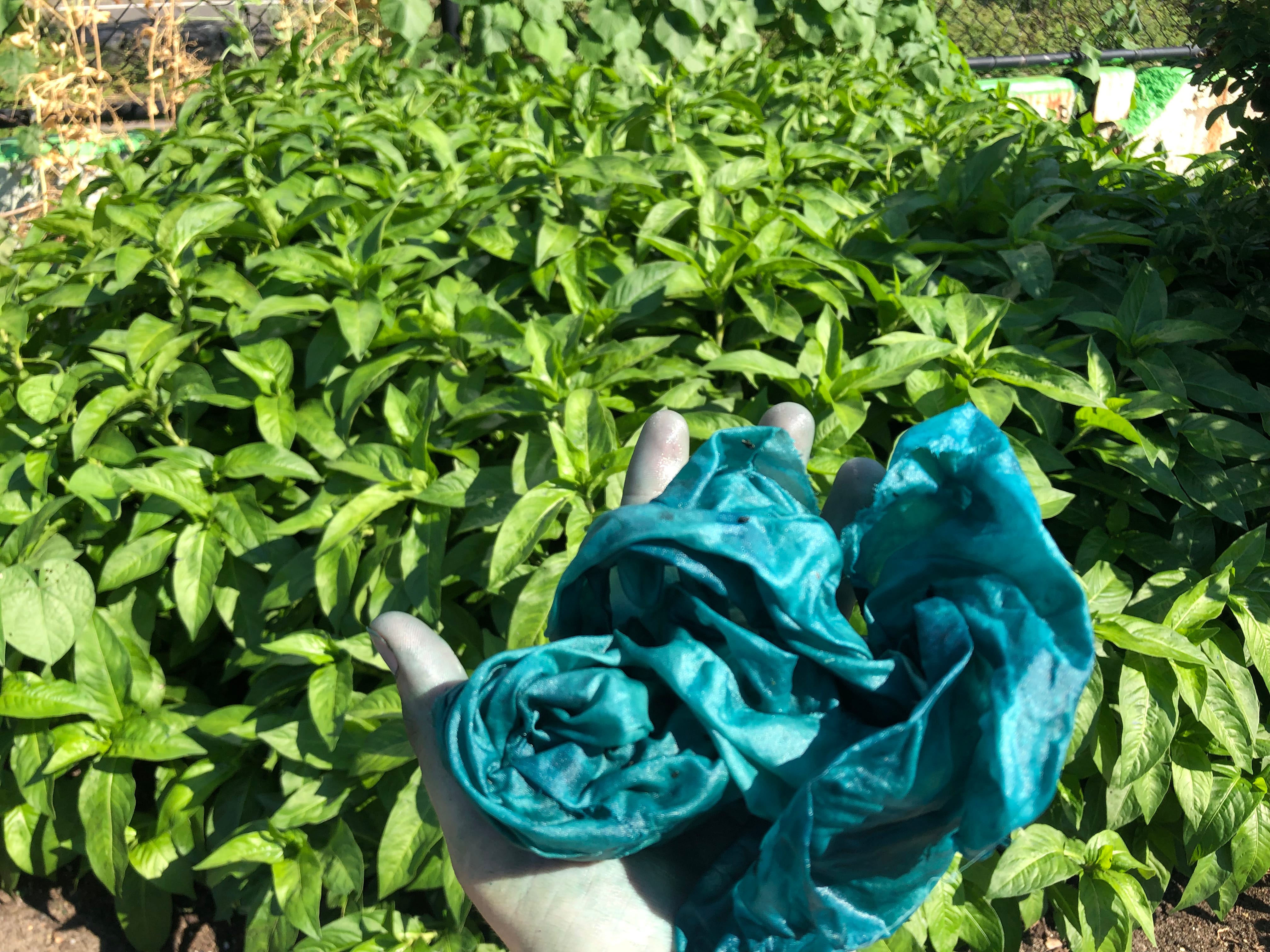
The kombucha of natural dyes — indigo requires fermentation and a commitment to the science of it all but can yield the world’s most famously breathtaking blues. Legend has it ancient vats were made strictly with their own piss to create the proper alkaline environment necessary. Perks of living in 2026: not required!
This is only scratching the surface! Hopefully you found something you’re interested in learning a bit more about giving a whirl.
As promised— the bundle dye guide is linked below for paid subscribers.
The guide includes:
everything you need to know to prepare your textile for dye
step by step bundle dyeing instructions
more info on my favorite resources and supply stores
tons of beautiful imagery and visual aids
Some of my favorite natural dye artists are Cara Marie Piazza, The Dogwood Dyer and Rebecca Desnos for even more inspo <3
As always, thank you for being here!
xx Liz Chick
Comments
Nothing yet. Say the first thing.
Sign in to join the conversation.