
The current administration is making it more difficult for nonprofits to provide adolescent health and sex education—pushing instead for MAHA-Catholic programs that teach “body literacy.” According to a New York Times article published last week, “Government Overhauls Teen Pregnancy Program to Focus on Marriage and Starting Families,” the federal government abruptly terminated Teen Pregnancy Prevention grants for adolescent sex education programs that no longer reflect the current priorities of the Department of Health and Human Services (HHS):
The new criteria say that grant recipients must teach abstinence as the only means to prevent teen pregnancy. Courses must stress the importance of marriage and procreation and instruct young people how to safeguard their fertility. They make scant reference to preventing sexually transmitted infections and virtually none to lesbian, gay and transgender sexuality.
But why should adolescent health education “focus on marriage and starting families”?
What we’re seeing today is a variation on a theme with deep historical roots: conservative religious activists with high-level government posts funneling federal resources into programs that uphold a reactionary social agenda.
HHS’s new catch phrase, “body literacy,” sounds sensible enough in an age when young people need reliable information about gender and sexuality. In actuality, it is culturally coded language for Roman Catholic “natural family planning” (NFP), or menstrual charting. It’s appearing in programs that disparage hormonal contraception—a MAHA preoccupation—and denigrate IVF—an issue that preoccupies the most far-right opponents of abortion, many of them Catholic, who view human embryos as rights-bearing people. It does so in service of a white Christian nationalist effort to increase white birthrates.
Calling this form of sex education “body literacy” appears to be a way to repackage Catholic NFP for non-Catholics. In the 1960s, US Catholic leaders and conservative laity recognized that their longstanding religious opposition to abortion under any condition—which rested on a Catholic principle of life’s origins at “conception,” the fertilization of egg and sperm—needed to be reframed to appeal to other Americans. They began instead to describe abortion as medically dangerous and as a human rights violation, gradually winning over conservative Protestants—their traditional antagonists—such that many Protestants revised their own theologies of life’s beginnings to match the Catholic emphasis on “conception.”
The Roman Catholics who are central to today’s push for body literacy do not speak for American Catholics as a whole. According to a 2025 survey by the Pew Research Center, “84% of U.S. Catholics say the church should allow Catholics to use birth control. 83% say the church should allow couples to use in vitro fertilization (IVF) to get pregnant.” The conservative Catholics who endorse NFP and body literacy are a minority with a great deal of political power.
It wasn’t that long ago that the idea of federal tax dollars going to marriage promotion seemed far-fetched. To be sure, many government programs had long privileged the male-headed nuclear family, whether we’re talking about New Deal programs that tried to help American men regain their status as breadwinners or housing policies that made it easier for male heads of household to get a mortgage. By the 1980s, however, a politically influential movement of social conservatives had momentum, convincing a growing number of policymakers that marriage itself could alleviate poverty—and thus that government had an economic interest in promoting it.
The Personal Responsibility and Work Opportunity Reconciliation Act of 1996 (PRWORA) marked a new era in the federal government’s investment in Americans’ marriages. For the first time in United States history, Congress declared that “Marriage is the foundation of a successful society.” The law aimed to “end the dependence of needy parents on government benefits by promoting job preparation, work, and marriage.” It blamed poverty on the absence of fathers from poor children’s homes and the rising number of births to unmarried women.
The election of George W. Bush in the contested 2000 election put marriage promotion at the center of federal public assistance budgets. Bush’s “Healthy Marriage Initiative” built upon a conservative evangelical and Roman Catholic movement that opposed single motherhood, divorce, and marriage equality for same-sex couples. Its funding priorities reflected the (by then, thoroughly discredited) belief that marriage was a reliable engine of socioeconomic upward mobility. Budget legislation allocated $100 million per year between fiscal years 2006 and 2010 for the Healthy Marriage Initiative and an additional $50 million annually for programs to encourage “responsible fatherhood.” It centered the Healthy Marriage and Responsible Fatherhood programs in agency departments dedicated to administering anti-poverty measures. If the 1996 legislation asserted the centrality of marriage in principle, in other words, this law made those connections between marriage and poverty explicit. By the fall of 2006, two hundred programs across the United States had received grants from HHS under the Healthy Marriage Initiative and Responsible Fatherhood programs. The Obama Administration wound down these programs.
Many of the organizations that recently lost HHS funding for adolescent health programs hope that they will be able to replace some of that support with a grant from a new federal funding opportunity, “Replicating Effective Teen Pregnancy Prevention (TPP) Programs.” The phrase “body literacy” is all over this grant notice.
“Body literacy” appears to have been coined by feminist wellness educators and then morphed into a MAHA-Catholic mashup of anti-establishment medical skepticism and NFP/anti-IVF religious teachings. One origin story points to a 2005 conference presentation by Laura Wershler, then the executive director of Planned Parenthood in Alberta, Canada, and Geraldine Matus, a Jungian psychotherapist and the director of Justisse Healthworks for Women, a Canadian organization that offers “method fertility awareness” education. Wershler and Matus were attending the 2005 meeting of the Society for Menstrual Research in Boulder, Colorado, when they spoke about a “psycho-physiological rationale for an interactive and affirming reconnection to the menstrual cycle through fertility awareness and holistic reproductive health.”* Wershler and Matus defended women’s reproductive “choice,” and they presented body literacy as a pathway to women’s empowerment and “holistic” well-being. Wershler wrote that “body literacy enables a woman to understand how her health and wellness is connected to her menstrual cycle.” This language is evocative of MAHA-style critiques of established medicine that encourage women to pursue “wellness” and that locate fertility at the core of a woman’s overall health. At some point between 2005 and 2025, American Catholic advocates of “natural family planning” (NFP) began to describe their work as “body literacy.”
One organization that appears to sit at the crossroads of Catholic NFP and MAHA fertility care is the Body Literacy Project. It defines its objective as “The knowledge and applied understanding of human anatomy, physiology, and reproductive health that enables individuals to recognize, interpret, and respond to their body’s signs in ways that support lifelong health and informed decision-making.” The website touts a curriculum for students in grades 6 to 8 to help them establish basic knowledge about fertility, but the site stresses that the curriculum is neither focused on puberty nor sex ed. It seems poised to receive federal funds under the new grant program: “This curriculum supports the education requirements listed in the Replicating Effective Teen Pregnancy Prevention (TPP) Programs Grant.”
The Body Literacy Project (BLP) does not announce itself as a Catholic organization, and its website does not provide information about its funding sources or list a board of directors or advisors. Nor is there any data on the site about the populations it serves—it has no details to share about its implementation or effectiveness. Katie E. Vidmar, its founder and possibly its only employee, self-describes as a “fertility awareness educator.” Vidmar has connections to a variety of pronatal MAHA and Catholic groups, and the Body Literacy Project’s website is replete with buzzwords and phrases from today’s MAHA/Catholic pronatal movement. Indeed, the BLP website describes the program as “developed with MAHA adolescent health priorities in mind.” Vidmar spoke at the “MAHA Institute”—cosponsored by the Heritage Foundation—in June 2025 on “restorative reproductive medicine,” another term of art in the anti-contraception movement. Vidmar and others promote “cycle-informed reproductive health” — i.e., natural family planning.
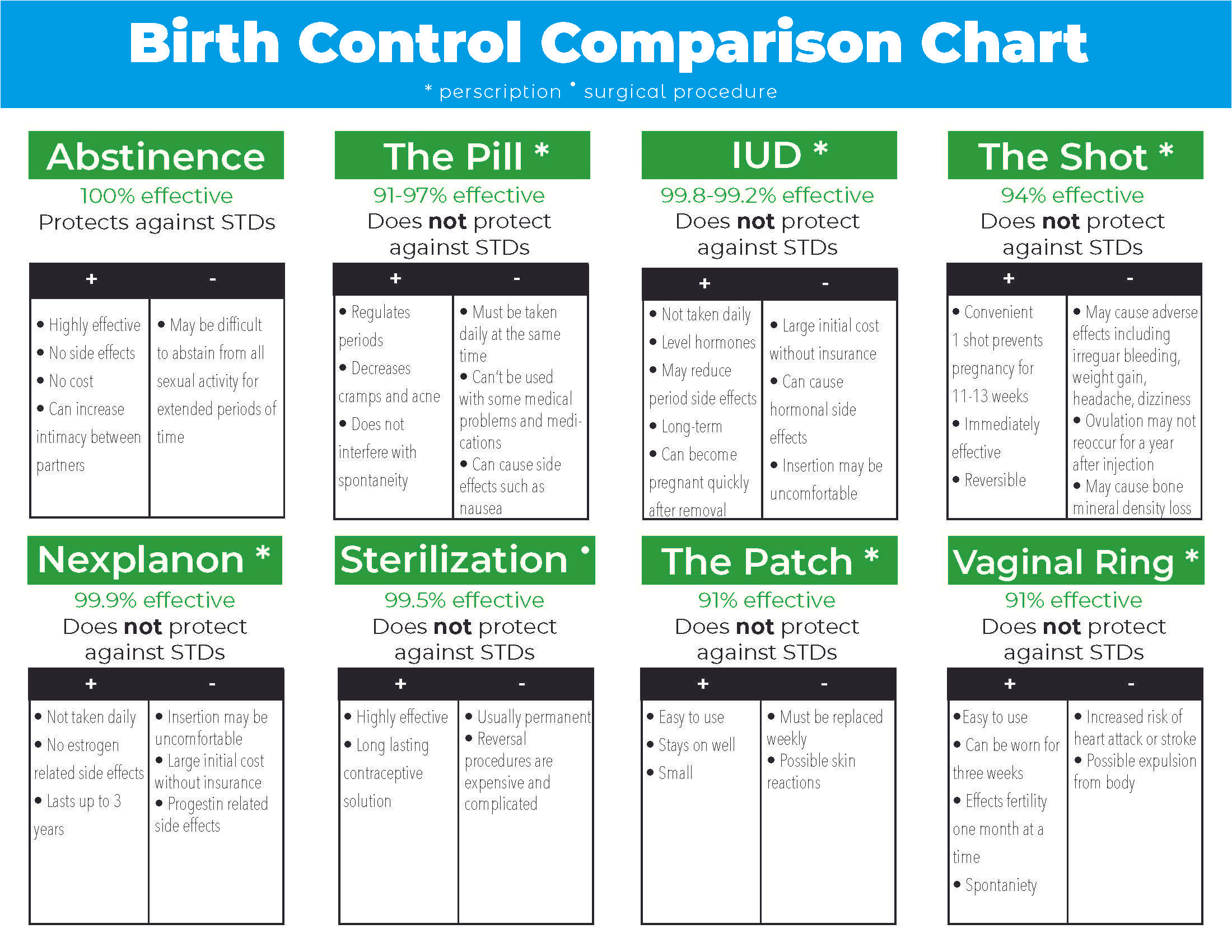
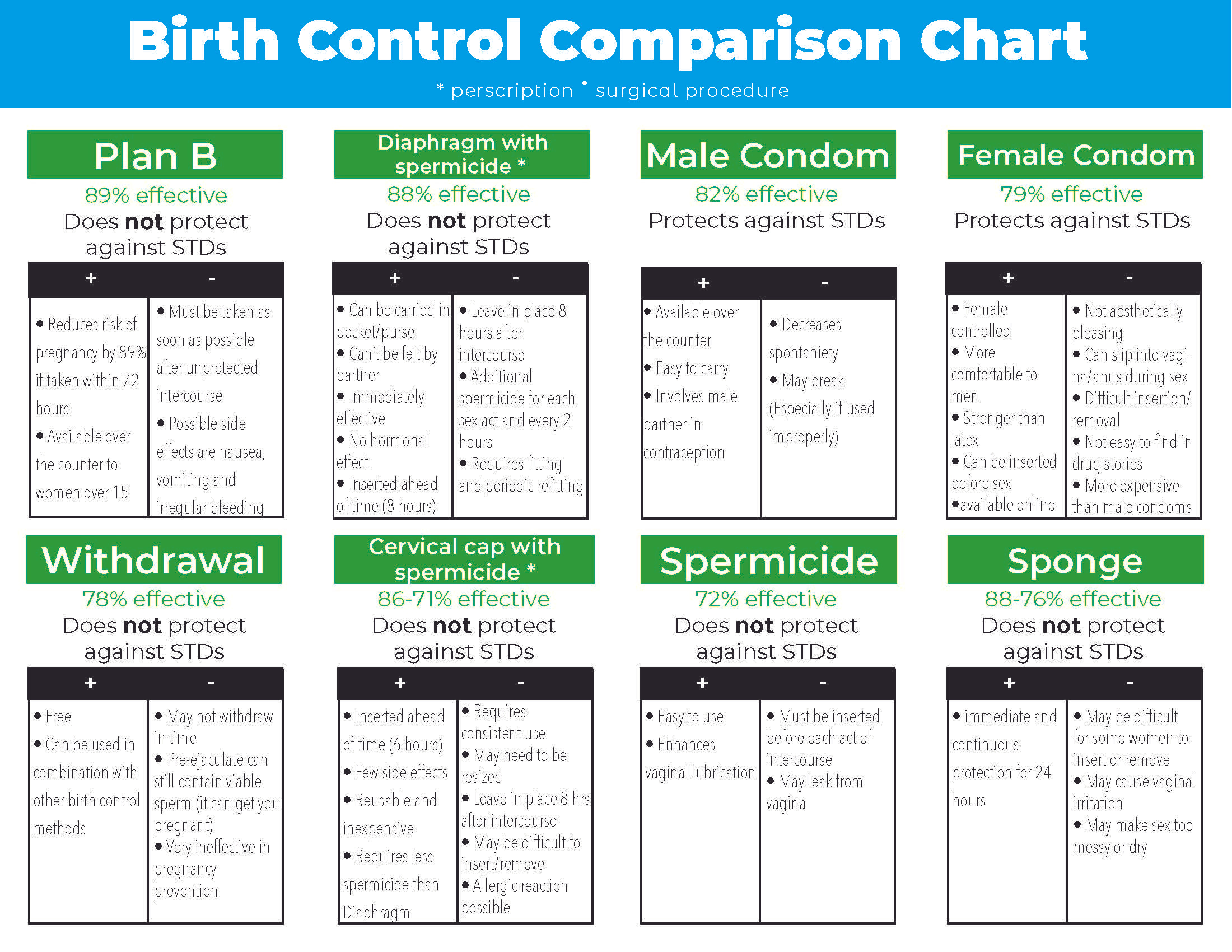
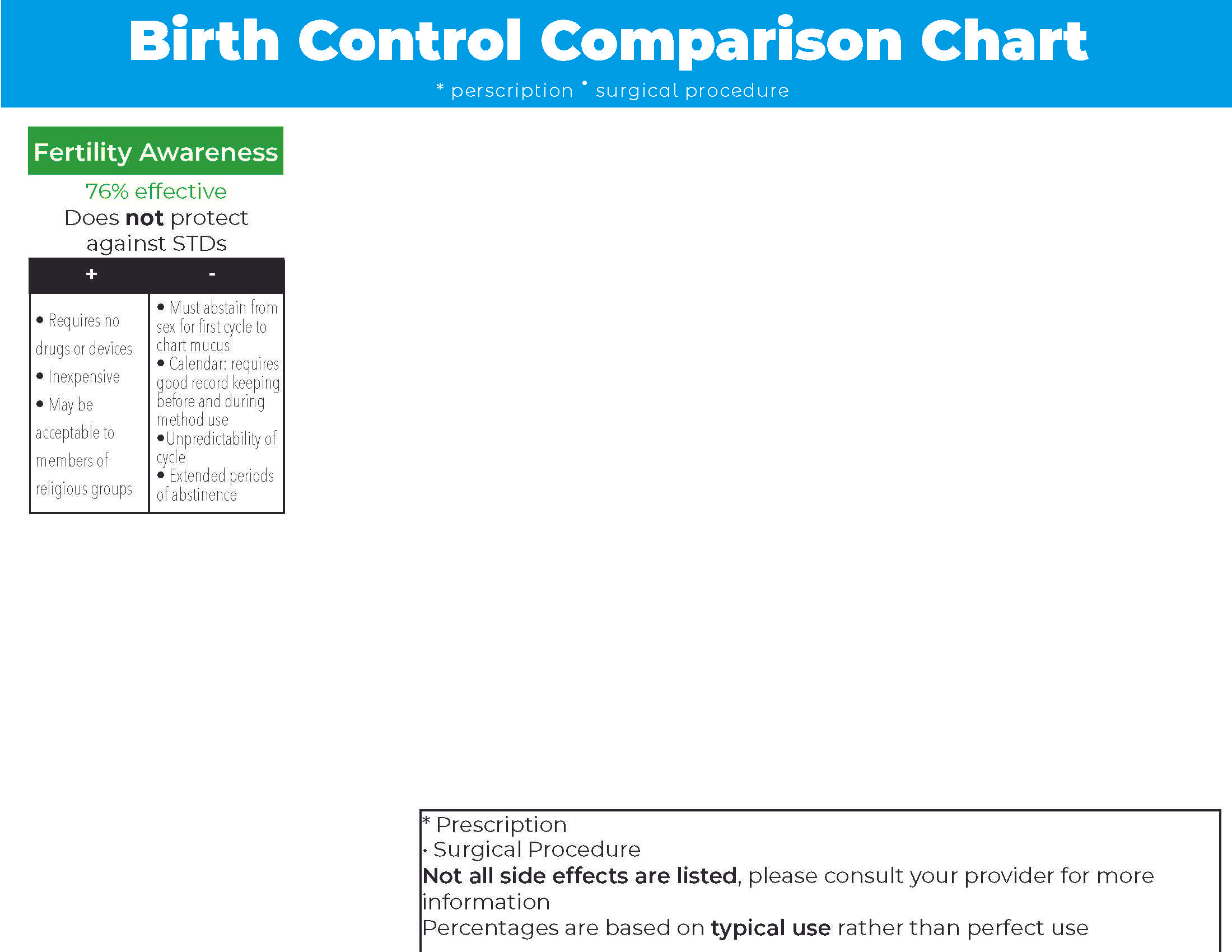
Quick side note: fertility awareness is an unreliable form of birth control. The charts below from the American Sexual Health Association show that fertility awareness is one of the least effective means of preventing pregnancy.
Vidmar charges a non-refundable $500 fee for a “curriculum license” to access the eight lesson plans she says she has developed. Among the learning objectives for the curriculum on female health is “Understanding the advantages and disadvantages of ovarian suppression for symptom management of menstrual health concerns vs. root-cause treatments.” I’ve written before about how this “root-cause” language refers to the idea that IVF and other forms of medical fertility assistance would be unnecessary if more people improved their overall health and located the organic sources of their fertility problems. Vidmar founded another organization, Elevate, which she describes as “creating avenues toward root-cause healing for menstrual health problems in community health settings.”
Both Elevate and BLP appear to be one-woman shows, but Vidmar is part of an informal network of MAHA/Catholic anti-hormonal-contraception educational initiatives. Natural Womanhood is a web-based resource dedicated to discrediting all forms of hormonal contraceptives and promoting NFP. The founders of Natural Womanhood position this work as a kind of liberation after decades of medical oppression: “Birth control, big pharma, and doctors ruled over women’s bodies, and the women who refused to comply were mocked, disrespected, and ignored. Justice was denied to the young women and teens (and their parents) who were harmed by birth control.” The organization “understands and respects (and many of us practice) Catholicism,” which is a somewhat disingenuous way of saying that its approach to reproductive health reflects Roman Catholic teachings. The founders note that they don’t provide theological justifications for their viewpoints but instead let science speak (selectively) for them—precisely how Catholic anti-abortion activists in the late 1960s and the 1970s translated Catholicism’s longstanding doctrinal opposition to abortion into a cause that would appeal to evangelical Protestants.
Both the Healthy Marriage Initiative of the early 2000s and the new funding program for “body literacy” direct federal tax dollars to programs that espouse a narrow theological understanding of human sexuality. What’s particularly concerning about the new program is that it targets not married or marriage-eligible adults but children. Body literacy curricula will teach middle schoolers that birth control is dangerous, and that knowledge of the menstrual cycle provides all the information a woman and her partner need to control whether and when she becomes pregnant. Instead of adolescent health programs that cover the full spectrum of age-appropriate sexual health topics—the programs that just lost their funding—these new programs will provide inaccurate information about human sexuality and treat adolescence as a staging ground for future marital fertility.
* Although Wershler and Matus initially took credit for coining the phrase “body literacy” in their presentation, Wershler subsequently acknowledged that, “Tathapi, an Indian women’s and health resource organization had been using the term since 2000.”
SOURCES
For a fuller discussion of government-supported marriage program, see chapter 7 of my book, More Perfect Unions: The American Search for Marital Bliss (Harvard University Press, 2010).
Wade F. Horn and Eric Brenner, “Seven Things States Can Do to Promote Responsible Fatherhood” (Washington, D.C.: Council of Governors’ Policy Advisors, 1996).
Laura Meckler, “The Matchmaker: How a U.S. Official Promotes Marriage to Help Poor Kids,” Wall Street Journal, Nov. 20, 2006, A1.
“Work and Responsibility Act of 1994: Detailed Summary,” Department of Health and Human Services.
Public Law 104-193, 104th Congress, 110, STAT. 2110-2111, 2113.
Daniel Schneider, “Community Healthy Marriage Initiatives: The Last Decade: 1996-2006,” [2007] www.acf.hhs.gov (accessed Jan. 29, 2009).
Office of Community Services, Programs to Strengthen Marriages and Families, www.acf.hhs.gov (accessed Feb. 12, 2009).
2003 and 2005 SIP Grants, www.acf.hhs.gov (accessed Feb. 12, 2009).
“The Marriage Movement: A Statement of Principles,” Center for Marriage and Families at the Institute for American Values, New York, 2000.
Maggie Gallagher, “Can Government Strengthen Marriage? Evidence from the Social Sciences,” Center for Marriage and Families at the Institute for American Values, New York, 2004.
Linda J. Waite and Maggie Gallagher, The Case for Marriage: Why Married People Are Happier, Healthier, and Better Off Financially (New York: Doubleday, 2000).
Comments
Nothing yet. Say the first thing.
Sign in to join the conversation.