
*This text may contain spoilers for the book The Immortal Life of Henrietta Lacks
AI is everywhere and so is the whole discourse around it: it’s inevitable, it’s progress. Jump on board or be left behind. ‘Progress is coming, like it or not’, they say.
But is progress always good?
Lately, I have been feeling that progress is nothing more than increased extraction.
Before capitalism, in the Middle Ages, people worked on their own land. They had to give part of what they produced to their Lords, but the rest was theirs or shared with the village. Natural areas such as forests or lakes were also used to hunt and collect resources.
Things started changing with increased commercialization and new technologies. A few landowners started improving their crops and buying other’s areas that weren’t as productive. Kings and nobles began to enclose forests and other public areas, not allowing anyone to gather food there anymore. That created a mass of hungry people without land who resorted to selling the only thing they had: their work force.
This was the beginning of capitalism, but this process continues around the globe today. For example native people in the Amazon forest have lived for millennia off what they produce or hunt. As forests are destroyed and transformed into pasture, they are less likely to survive from the forests. So, they end up being displaced into the cities, where their only option is to become workers.
But even you and me who are already fully embedded in capitalism, cannot escape this process. The greed is so all-consuming, it also extracts all the free bits of our lives, encloses and sells back to us.
Our time is, our attention, our relationships, our minds and sense of selves, public meeting areas…More and more what is free is mediated by a company and become something we have to pay for. What is deemed progress is nothing more than some people finding ways of taking resources and the access to these resources away from others, only to sell something similar or worse back to them.
In the case of AI, everything that has ever been produced culturally and digitized has been turned into another product. Tech companies hope that we will pay for a much inferior version of culture, while not reading, writing, painting, making videos or art ourselves anymore. Either because we lack the time or we won’t be able to learn it in the future.
There’s this very Western view of the world that tells human history as a straight arrow forward, in which technology is always evolving, societies are getting more complex and we are of course, better for it.
It hasn’t always been the case. Old cultures even in Europe viewed life more as cyclical or in decline. Until the 1500s and 1600s, it was common to think that the ancient Greeks and Romans were far superior in their politics, organization, discoveries, and philosophy. After them, life and human capacities continued to deteriorate. Only once Europeans reached other parts of the globe did their views change.
Francis Bacon, a leader of the Enlightenment, believed that empirical science could help humanity solve its problems and we would live in constant progress from then on. The scientific model was thus created. This view is still widely held today, although many societies around the globe understand progress (and knowledge) differently and there has always been push-back against this believe.
Constant progress has been a very useful story told by the Western world in many ways. It often frames the natural world and non-white people as raw materials for human advancement. Many societies that live differently are invalidated, making it easy for imperialism to interfere with development in an attempt to “help” them. It also leaves no room for us to question advancing technologies few will benefit from and their consequences, since technology always equals positive things. And finally, it brushes over all the human sacrifices (and exactly who sacrificed most) for those technologies to exist. Which leads me to the book I want to discuss today.
Technology, scientific development and progress have been seen mostly positively. Most people, including me, favor more science funding. But the truth, as clearly shown in this book, is that the picture is much more complicated than that.
In The Immortal Life of Henrietta Lacks we follow author Rebecca Skloot as she tries to uncover the story (and the woman) behind the HeLa cells. These cells are grown in labs around the world and have been used in over 60,000 scientific studies. They range from developing the polio vaccine to mapping the human genome.
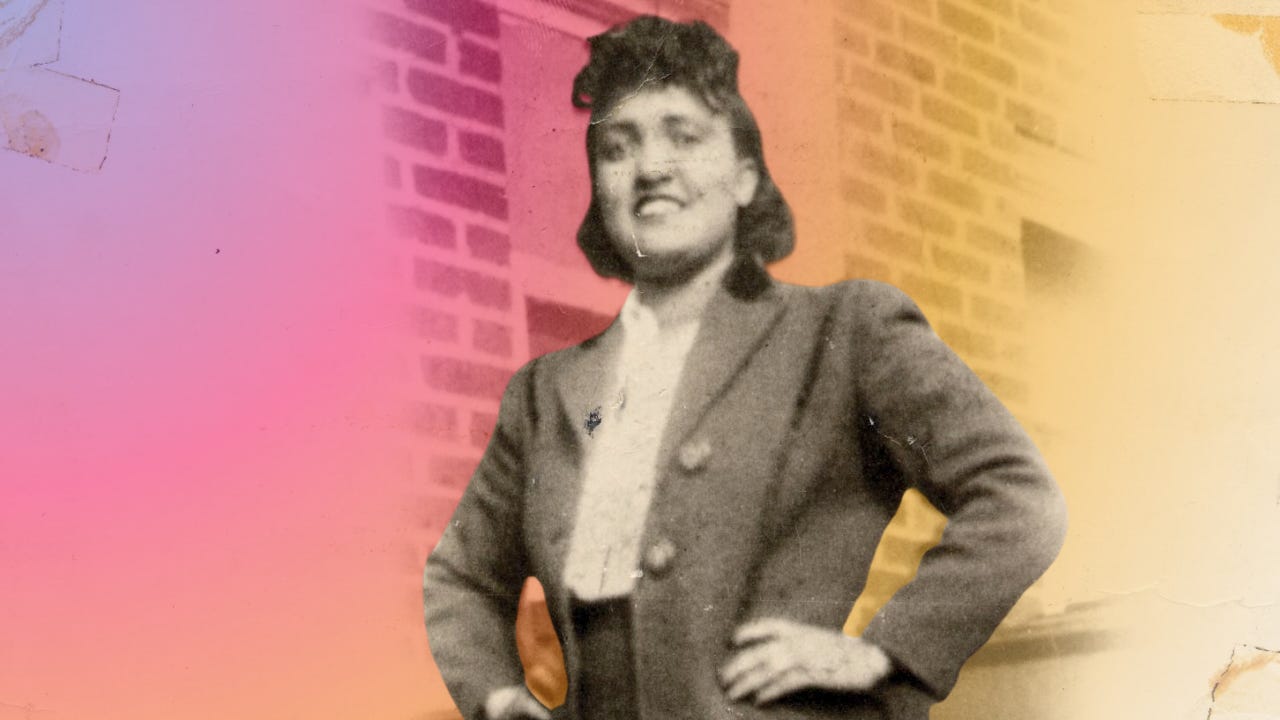
The HeLa cells were collected from a young black woman called Henrietta Lacks in the 1950s, while she was diagnosed and treated for uterine cancer. Although she died of this cancer shortly thereafter, her cells are still alive today. Hers were the first successfully in vitro cells and were later produced and sold by the thousands by biotech companies.
As Skloot uncovers, the cells were collected without Henrietta’s or her family’s knowledge. So was the case with her autopsy after death, to collect further samples. Not only that, but her surviving family only discovered that her cells were being cultivated and sold all over the world more than 25 years later.
Throughout the book the author explores how most scientists didn’t care where the cells came from and only saw the progress being made. Not only that, but Henrietta’s family never benefited from what was done to her. They barely knew or understood what was going on. They couldn’t even benefit from the medical and scientific advances provided by HeLa cells due to their poverty and lack of health insurance.
Medical science has some quite awful stories to tell. You can trace it back to the its beginning in the 1800’s when all kinds of weird scientific tests were done, usually on poor people, prostitutes, the disabled and prison inmates. From trying to resuscitate corpses with electric shocks a la Frankenstein to shock therapy and lobotomies.
Medical scientists needed bodies and they didn’t really care where they came from even if they were murdered. It’s not surprising that scientists were feared at the time, and the theme of horror novellas, since they shrugged off morality completely.
During the 1900s not much improved with eugenics, which led to the high of the stereotype of the cold, obsessive scientist, willing to forgo ethics for the sake of discovery: the Nazis.
Nazi Scientists made hundreds of experiments on prisoners: from how much sea water one could drink to bone grafting, drug and mustard gas testing. Other horrific experiments included removal of sections of muscle, and nerves, even whole legs to transplant to other victims.
At the end of WWI, there was a large backlash against these practices which led to the Nuremberg trials (1945-1949). But after the trials in the US in the 50s and 60s, and even further, doctors still considered it completely fine to experiment on poor, disabled people and prison inmates. This was the very era when Henrietta Lacks’ cells were taken without her consent.
Such experiments at the time included giving hepatitis to mental patients in Connecticut, squirting a pandemic flu virus up the noses of prisoners in Maryland, and injecting cancer cells into chronically ill people in a New York hospital. Also, more famously, giving syphilis and withdrawing treatment from 600 black men in Tuskegee.
Things only started changing in the 1970s. Among the reforms: The U.S. Bureau of Prisons in the mid-70s effectively excluded all research by drug companies and other outside agencies within the federal prisons.
As someone with a scientific background and who also knows many people in the life sciences, I can tell you that many scientific studies lead to nothing. And the truth is that most of those horrible studies were not much more than curiosity-satisfying experiments that hurt people but provided no useful results.
This logic of expendability, first applied to ‘undesirable’ humans, now extends to other species, all in the name of scientific progress. Mice, fish, dogs, monkeys, and guinea pigs are subjected to pain, mutilation, and death by the thousands, often with negligible or irrelevant results.
The Immortal Life of Henrietta Lacks pokes the bubble out of our collective imagination that all science and progress is good and every scientists has humanity’s interests at heart. Even if it’s not so simple or straight forward, it allows us to question how we are doing science. Is it really that useful or important? Is it worth all the suffering it causes? Can we make it differently? It is, undeniably, another form of extraction. Taking the cells from a woman without her consent, commodyfing it, making money from it and making sure only those who can pay can use it or benefit from its results?
It seems like more and more everything is up for grabs: our cells, our bodies, our time, our attention, our work, what we eat and consume, and now even our art. It’s hard to find anything that is free anymore that hasn’t been conquered. That’s how progress has been presented to us so far: a conquest that leaves nothing untouched, and nothing truly ours behind.

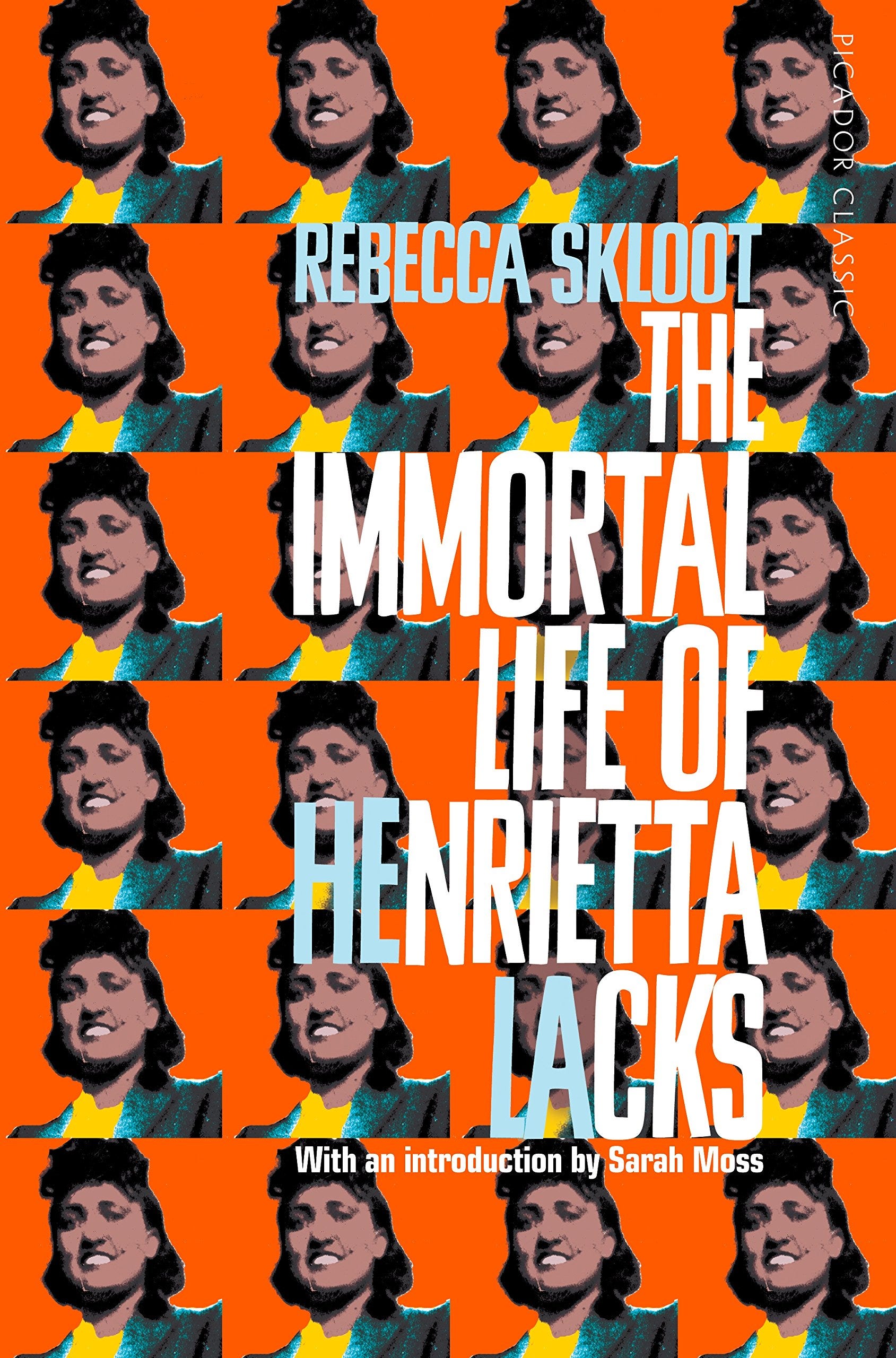
The Immortal Life of Henrietta Lacks by Rebecca Skloot.
Ms Lacks, a 31-year-old mother from Baltimore, Maryland, began experiencing pain in her abdomen and abnormal bleeding in 1951. She was examined by gynaecologists at Johns Hopkins Hospital, who discovered a large mass on her cervix.
Without informing her or asking for permission, doctors sent a sample of her tumor to a lab for medical research before treating her for aggressive cervical cancer. But, while nearly all cell cultures died quickly in the lab, cells taken from Ms Lacks continued to multiply and didn’t age, making them “immortal”.
That’s Ms Lacks’ story but the book is much more than that. It tells her story, entangling it with her family’s and the writing of the book itself. It’s kind of a book about Rebecca Skoot’s search for the truth and her relationship with the family.

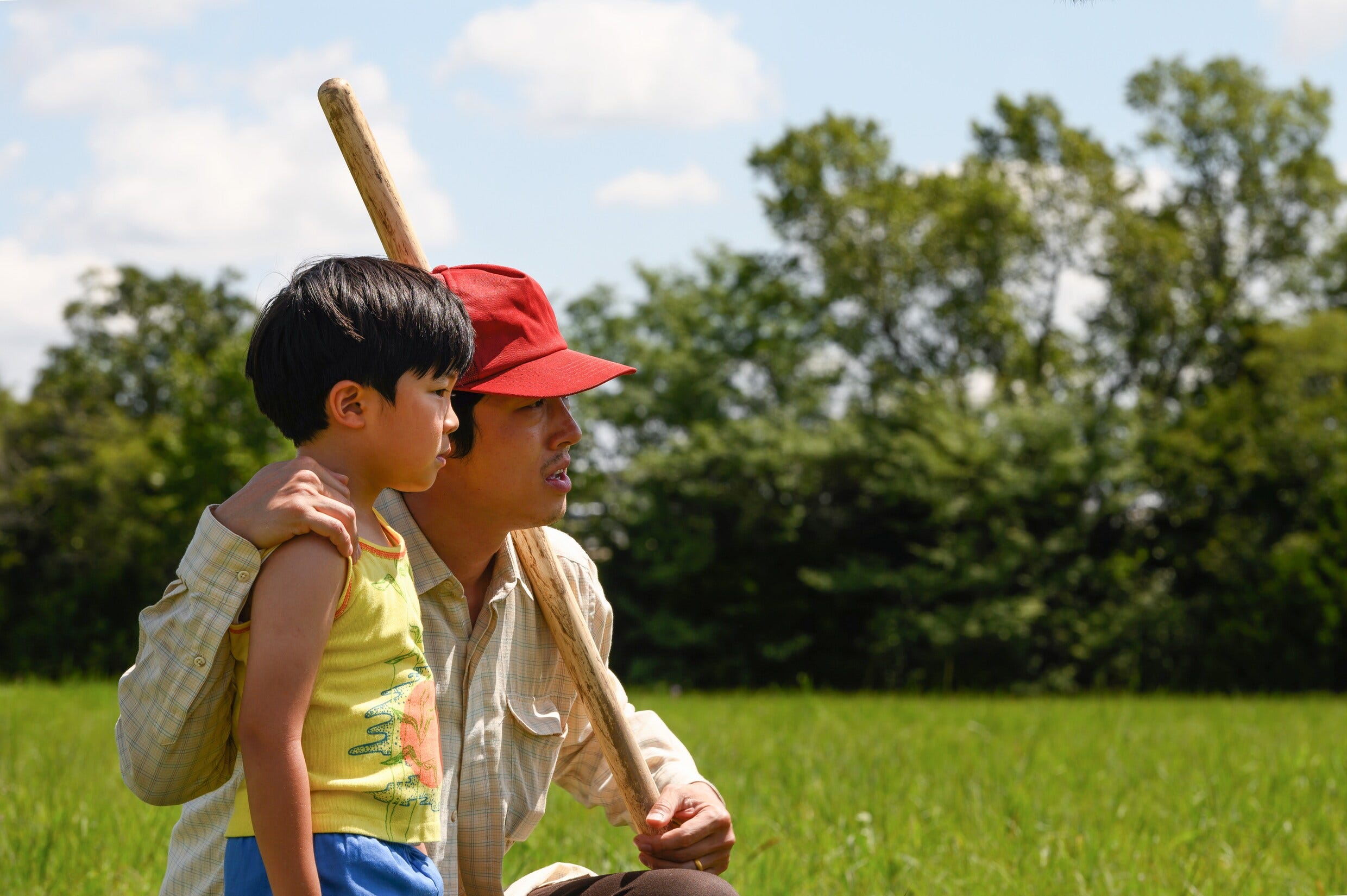
Minari (2020)
Minari is such a thoughtful movie. It shows a Korean immigrant family moving to a rural house in the US where the father hopes to grow Korean produce and finally change his family’s future. His wife is not so onboard with the plan which leads them to fly her mother in to live with them.
The grandma’s arrival is the embodiment of the clash between the two cultures: American and Korean and how both perceive the world and what is important.
*There’s a movie about The Immortal Life of Henrietta Lacks, but I haven’t had the chance to watch. Let me know if you have and what you think.


The Pitt (HBO)
I’m not a fan of hospital shows. I haven’t followed fan favorites like E.R., Grey’s Anatomy or House. I don’t know exactly what puts me off, if it’s basically the fact that I hate blood and hospitals, or something deeper. But I decided to give The Pitt a chance.
To be honest, it didn’t change my dislike for hospital shows with their many brief stories in each episode, and highly technical dialogues where you have no idea what is said if you are not a doctor or a nurse.
However, I appreciate the portrayal of the people who work in a hospital and the fact that their jobs seem impossible, especially in the US. Their daily lives are filled with anger, violence, mass shootings, anti-vax, drug overdoses, anti-abortion, and the lingering trauma of the pandemic. It paints quite a bleak scenery where doctors, nurses and social services have no other option than rising to the occasion and becoming true heroes.
Thanks for reading Read, Watch, Binge! This post is public so feel free to share it.
Comments
Nothing yet. Say the first thing.
Sign in to join the conversation.