
Although Amiti winemaker-owner Rueben Lange has worked over a decade’s worth of wine harvest seasons across several regions of the world, he admits that you know less and less every time you do one. “The extent to which everything that you learn, harvest after harvest, eventually comes undone at the seams,” he admits. In a region world-renowned for its Pinot Noir, Lange goes against the grain by geeking out on hybrid wine varieties and pressing grenaches out of the Willamette Valley. Tired of the technical jargon and the prestige behind old world wines, we spoke with Lange about what really matters to him in the wine industry—the people and the agriculture.
The hardest part of having a wine label is selling yourself and performing.
For me, making wine is deeply personal, and a tool that I use to connect with those around me. So, it can be quite challenging and nerve racking to go out there and say, “here, this is what I made. I hope you like it,” and sometimes be met with a look or comment of dissatisfaction. No matter how many successes you have, and genuine connections full of appreciation for your wines, inevitably you experience the opposite. Moments of unsolicited criticism, or worse yet, the buyer with no professional courtesy who ghosts you. Even after years of doing this, those moments continue to be incredibly hard to shake.
People will help you get through the most physically changing days of harvest.
It takes an immense amount of energy to farm and make wine. Having people by your side that fill you up, provide support, and put a smile on your face is far and away the most important part of winemaking no one talks about.
Having a couple of emergency Adderall doesn’t hurt either.
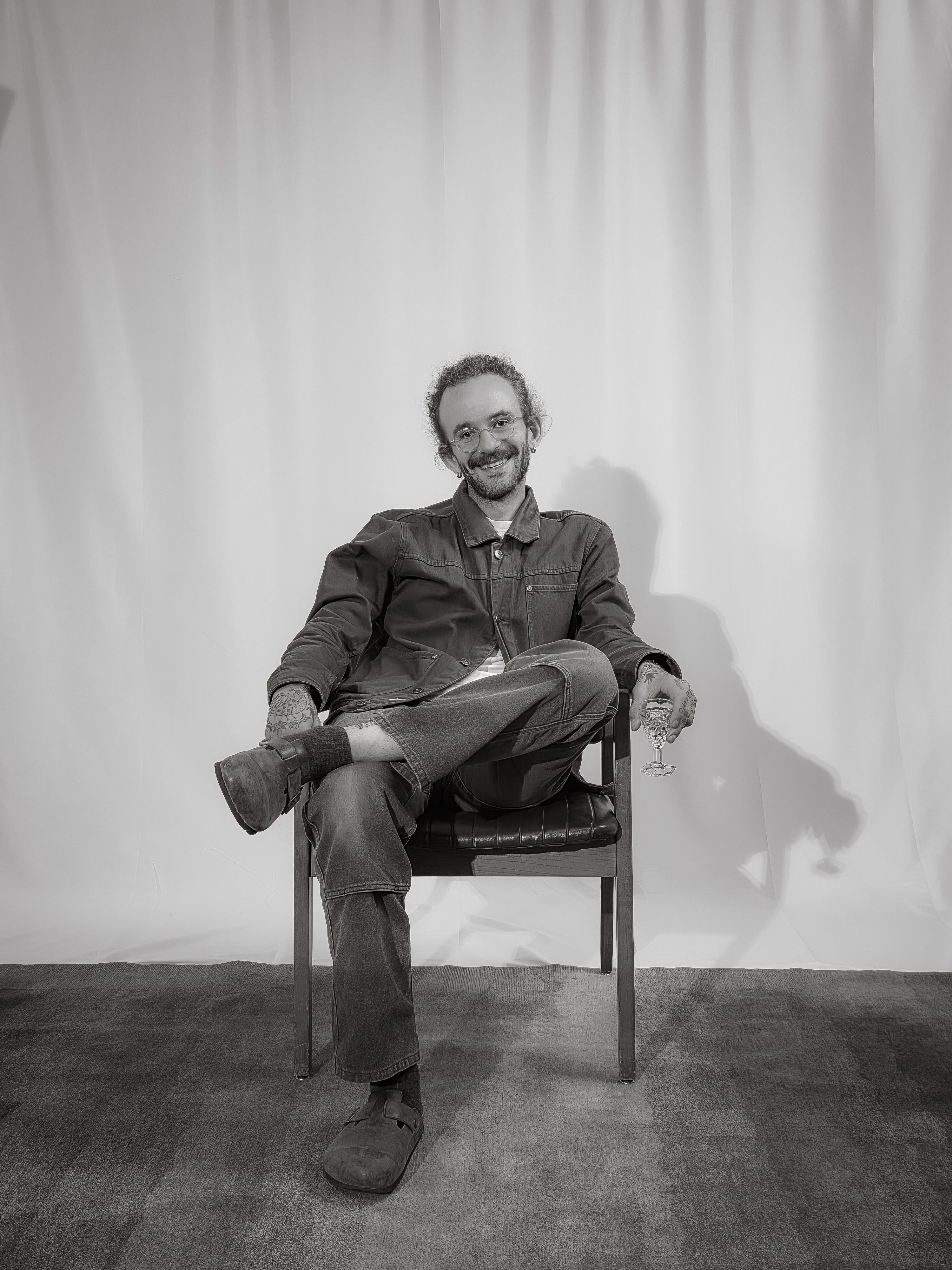
My favorite part of winemaking is messing up.
Anyone who knows me would probably laugh at hearing this and call bullshit, but it’s true. Despite failures being a knife to my heart and a tremendous source of stress, I think that is where real learning comes into play. It is my main form of inspiration that propels me forward and pushes me to improve my craft.
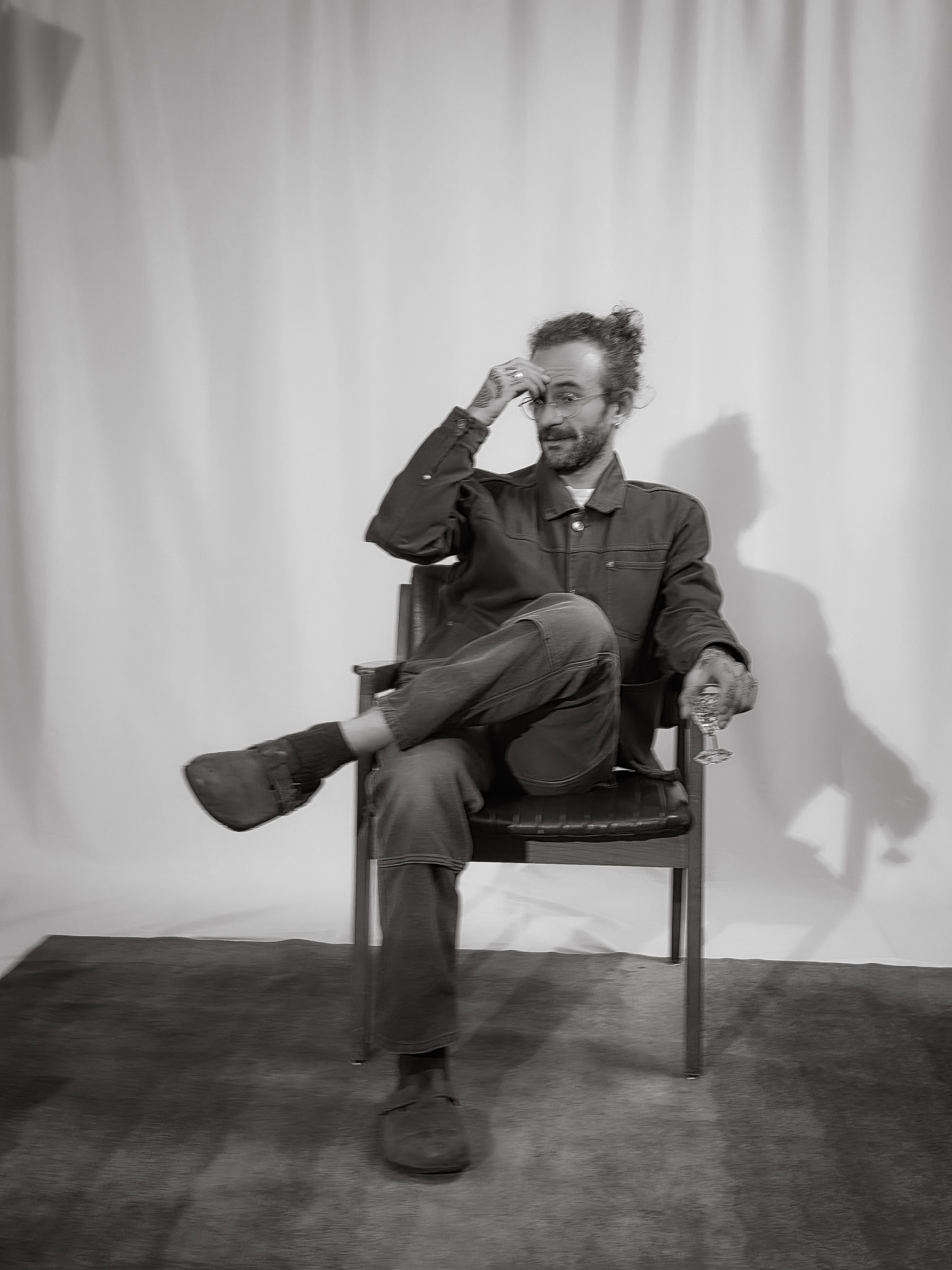
Pinot Noir is overdone in the Willamette Valley.
It’s great that there has been progress within farming, and a general movement towards organic, “regenerative,” biodynamic, etc. It’s great that many people are beginning to plant varieties other than Pinot and Chard; varieties that hold up to our ever-warming climate a bit better. But at the end of the day, that is all still within the context of varieties that require such an immense amount of input just to keep them moderately healthy. There are plenty of opportunities to explore alternative varieties (like HYBRIDS) that would meaningfully improve our sustainability.
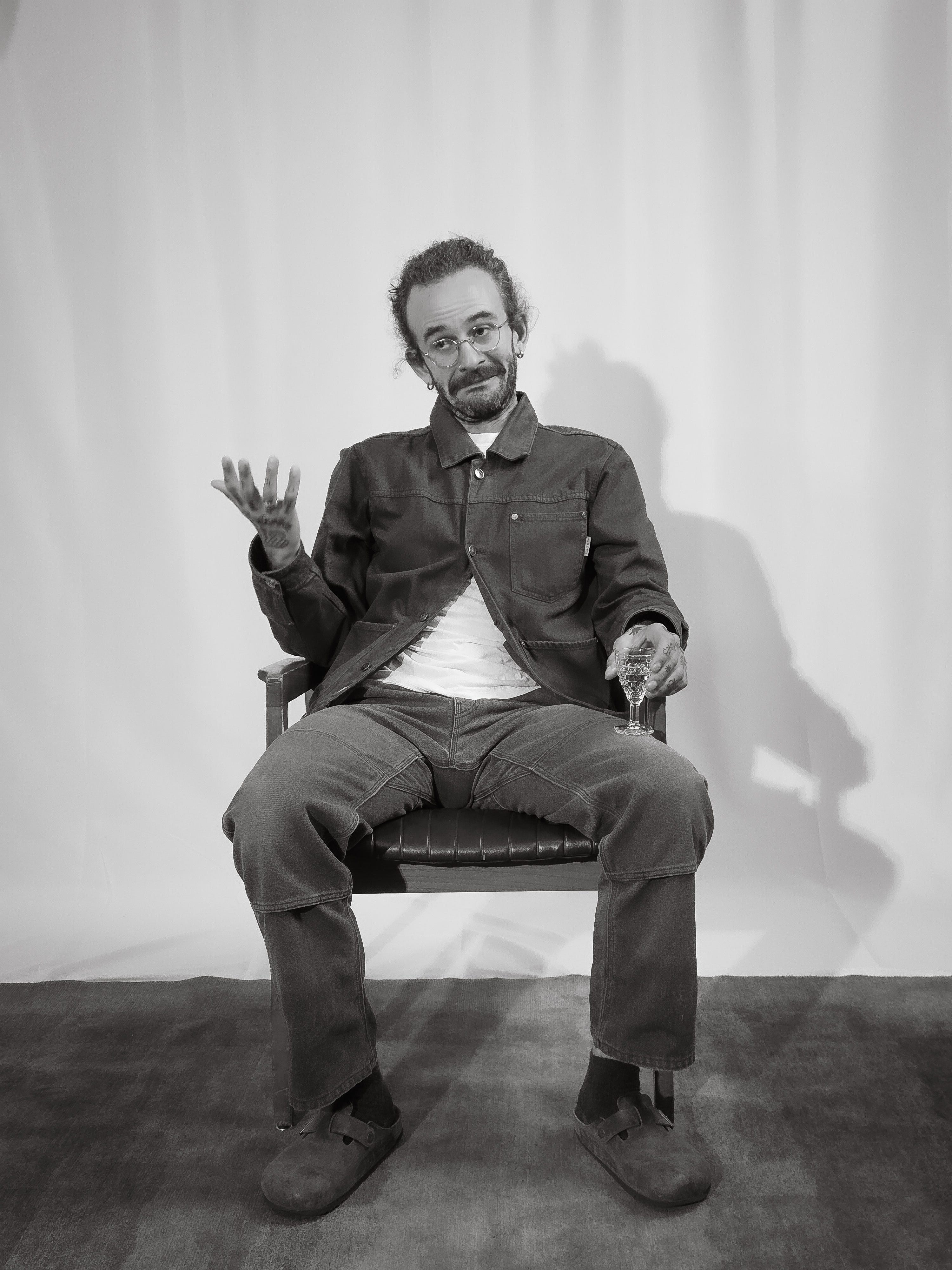
At the end of a harvest day, a burrito is my go-to meal.
Or really anything that I don’t have to cook myself.
The wine industry likes to pretend that LIVE (low input viticulture and enology)/salmon-safe certification is more important than it actually is.
You either get behind zero use of chemicals and synthetic herbicides or own your use of them.
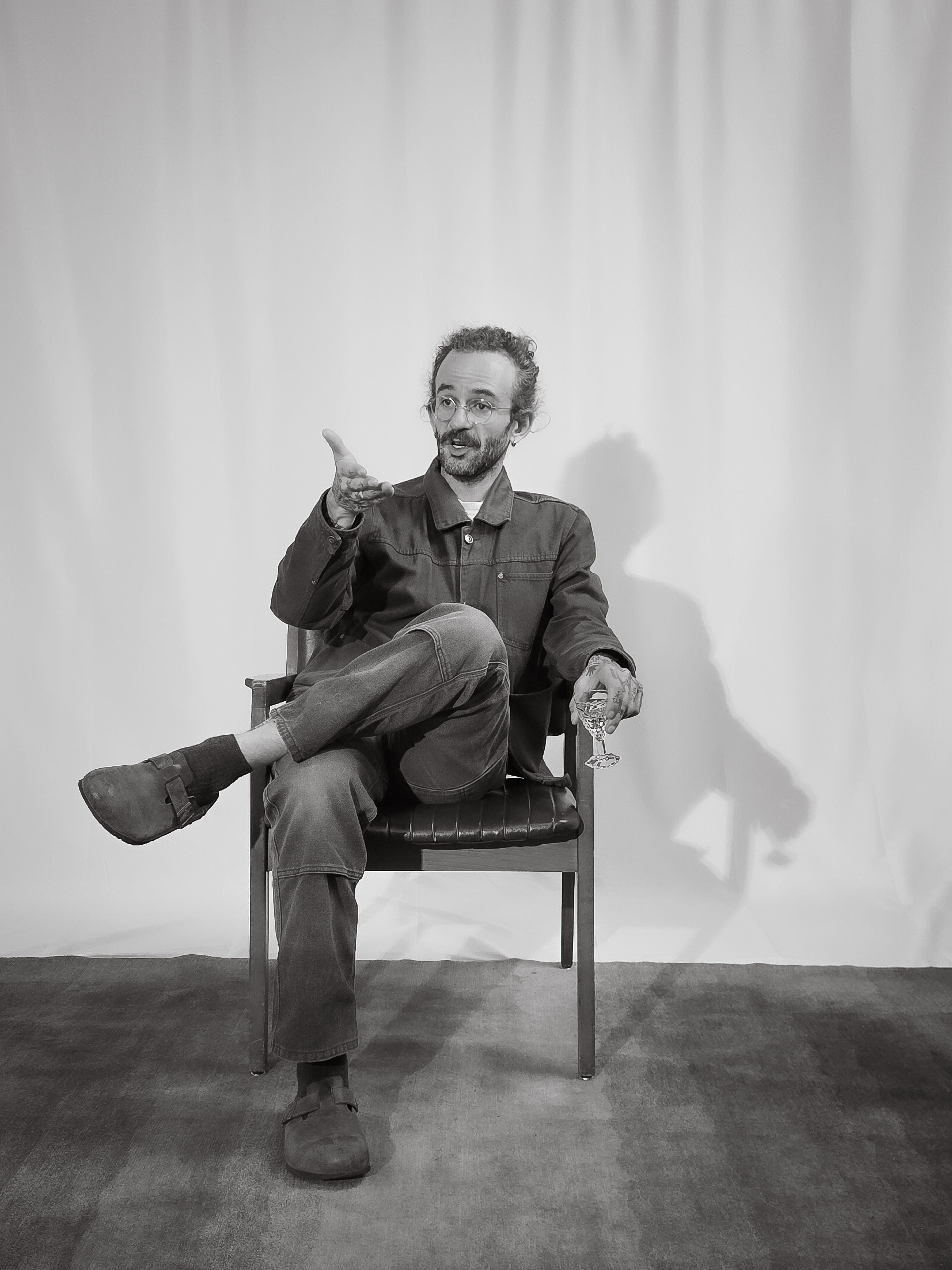
The best way to teach people about wine is to first think with their palate, their memories, and use a vocabulary that suits them.
From there, I can help people better taste and understand within the context of traditional wine language.
Really though, we could stand to leave all that complex dated jargon at the door. I would be thrilled if that happened. To meaningfully connect with a new wine consumer on their terms, with their words that they can understand, is far more enjoyable than trying to maintain the standardized tasting format of “primary, secondary and tertiary aromas.”
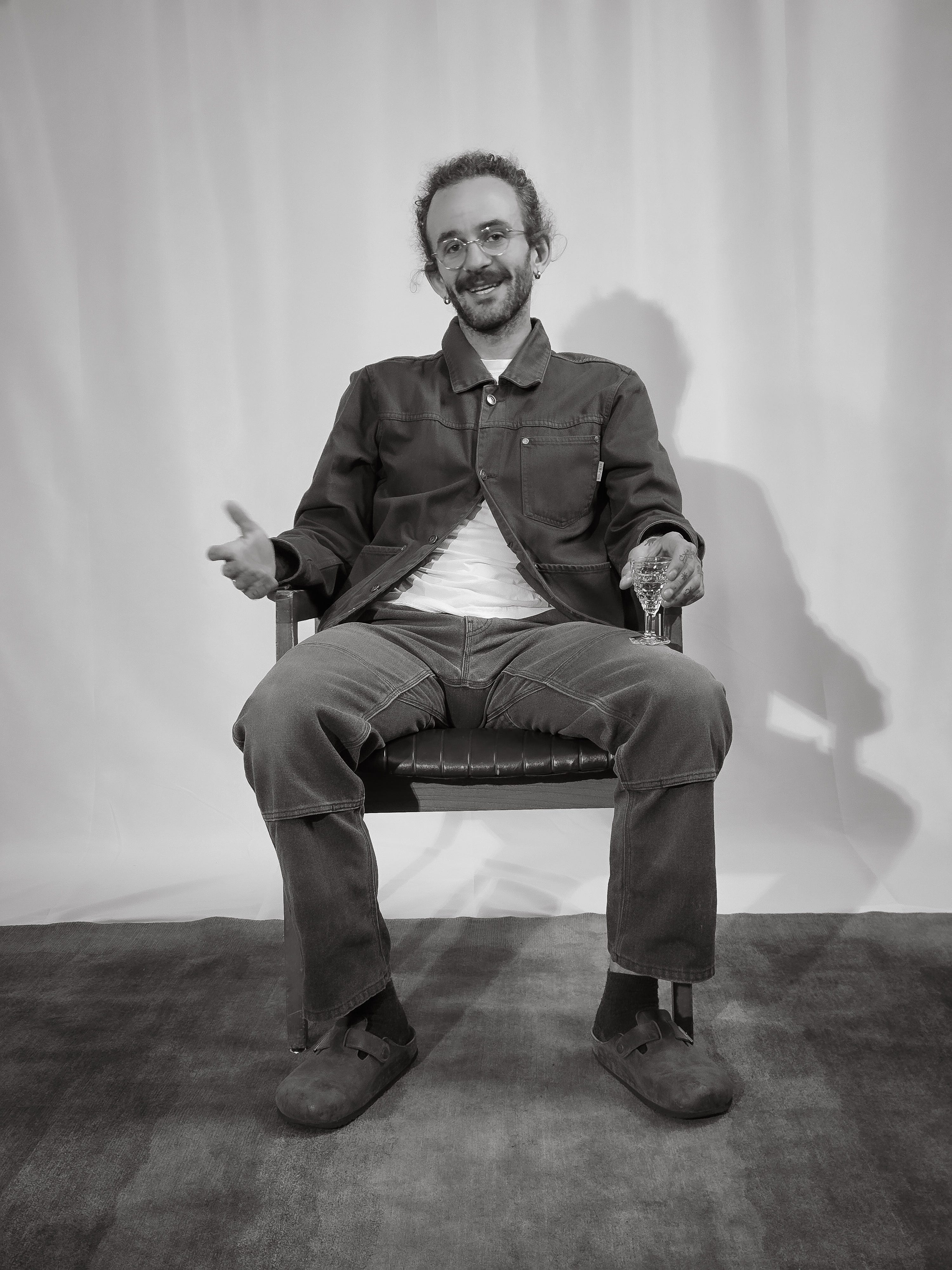
Winemakers in general care too much about technical jargon.
Most people could give two shits what forest your barrels come from, the soil type of your vineyard, or the brix of your grapes at harvest. What matters most is fundamentally caring for your staff and the people that are a part of your production and showing them you recognize wine is so much more than what is just in your glass.
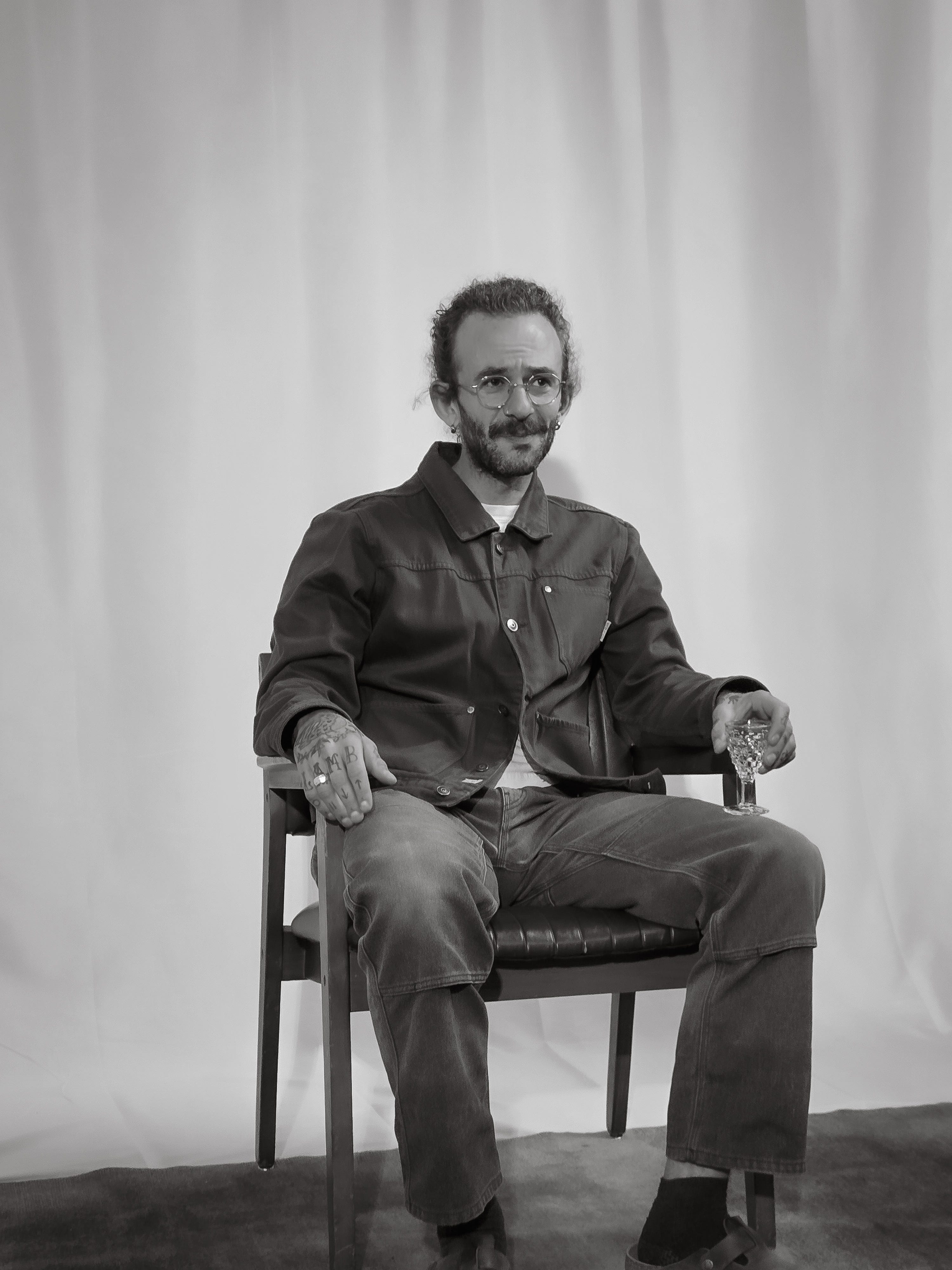
Winemakers care too much about themselves.
Tell me about EVERYONE who makes what you do possible. Quite frankly that is the story consumers actually want to hear.
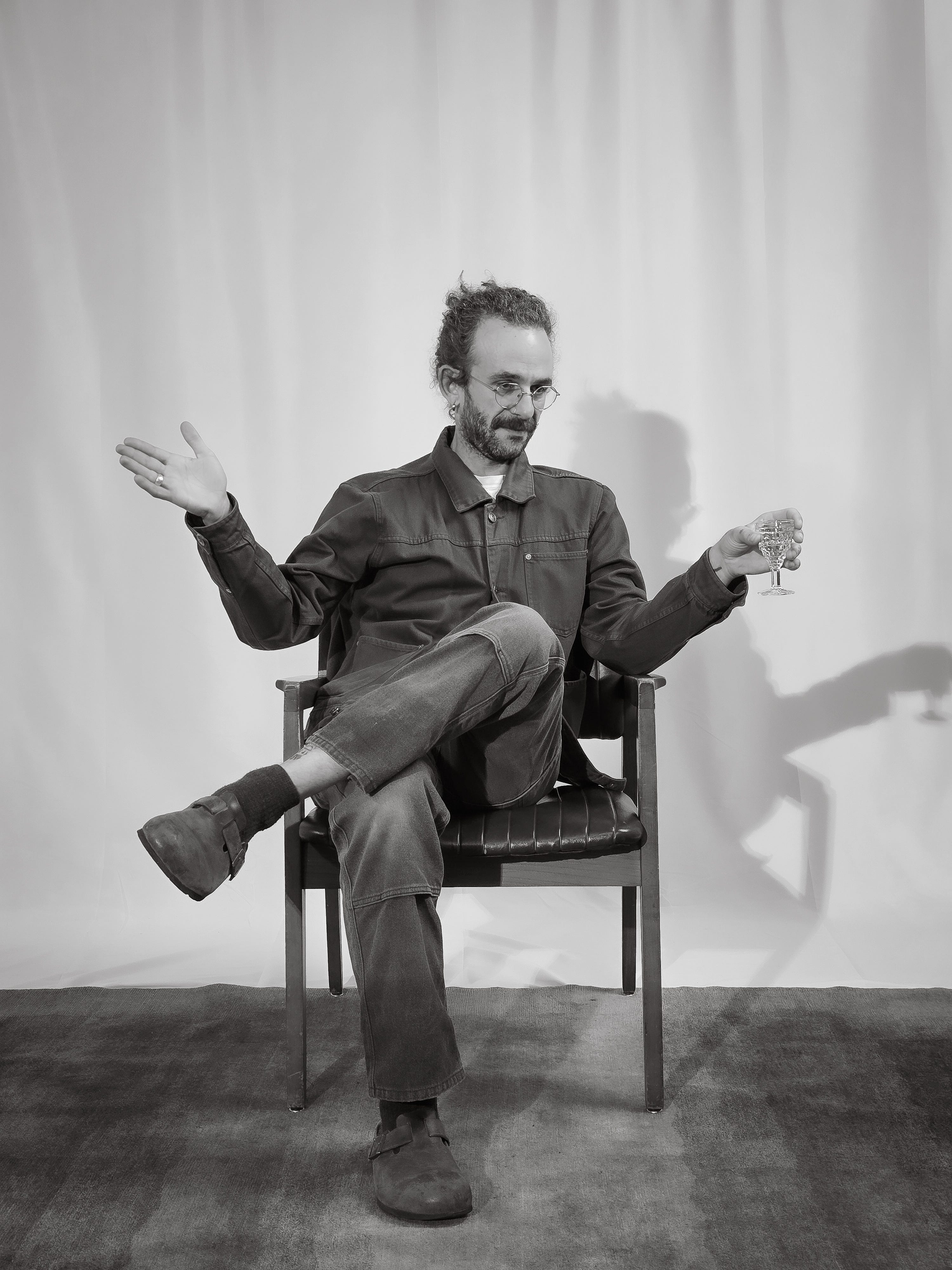
Winemakers care too much about the benchmark of the old world.
Most young consumers have no idea what you are talking about when you say, “this has noble reduction, just like Burgundy.” I am absolutely guilty of this, and hold the old world on a pedestal. I relish when a wine buyer says to me, “wow, yours tastes like French wine.” But I work at it. I hope one day to walk into a tasting room and hear someone say, “this wine has the finesse and balance of Arnot Roberts working in a hot season like 2026, but with the depth of acidity you come to enjoy from Walter Scott.” AKA lets start fundamentally celebrating domestic wine.
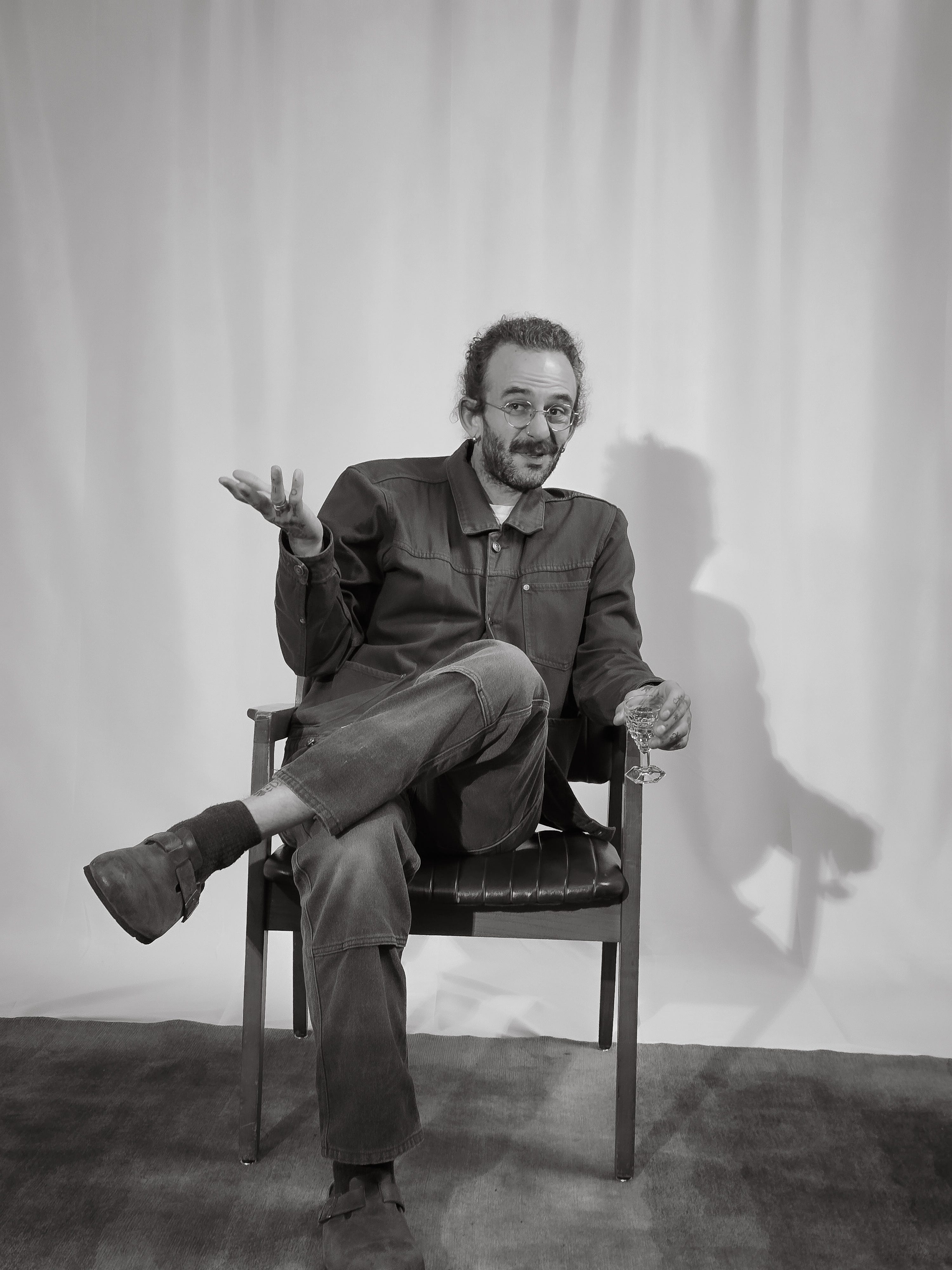
I wish I was more into the viticulture of wine from day one.
I was so hyper obsessed with the enological side of things that I forgot winemaking first and foremost is rooted in agriculture. To miss that part of it is to miss the whole thing. Winemaking made way more sense to me once I had my hands on vines regularly than it did when I was just harvest hopping.
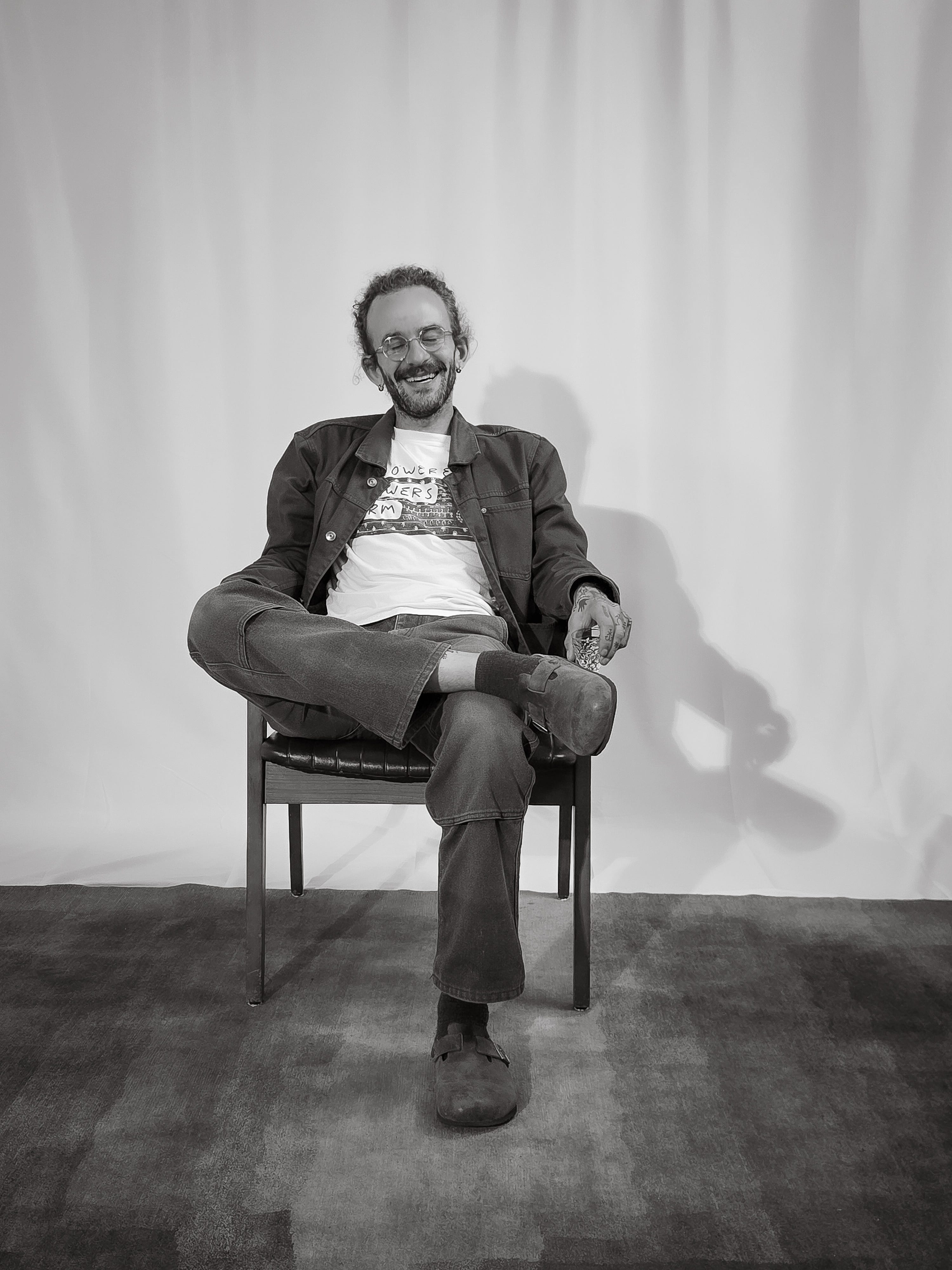
I wish the younger me was a little less self-righteous when I started out in this industry.
When you think you have all the answers, you definitely don’t! The second you think you do, you miss all the excitement that comes with not knowing: the genuine drive to learn, experiment and fail that creates the best and most soulful wines.
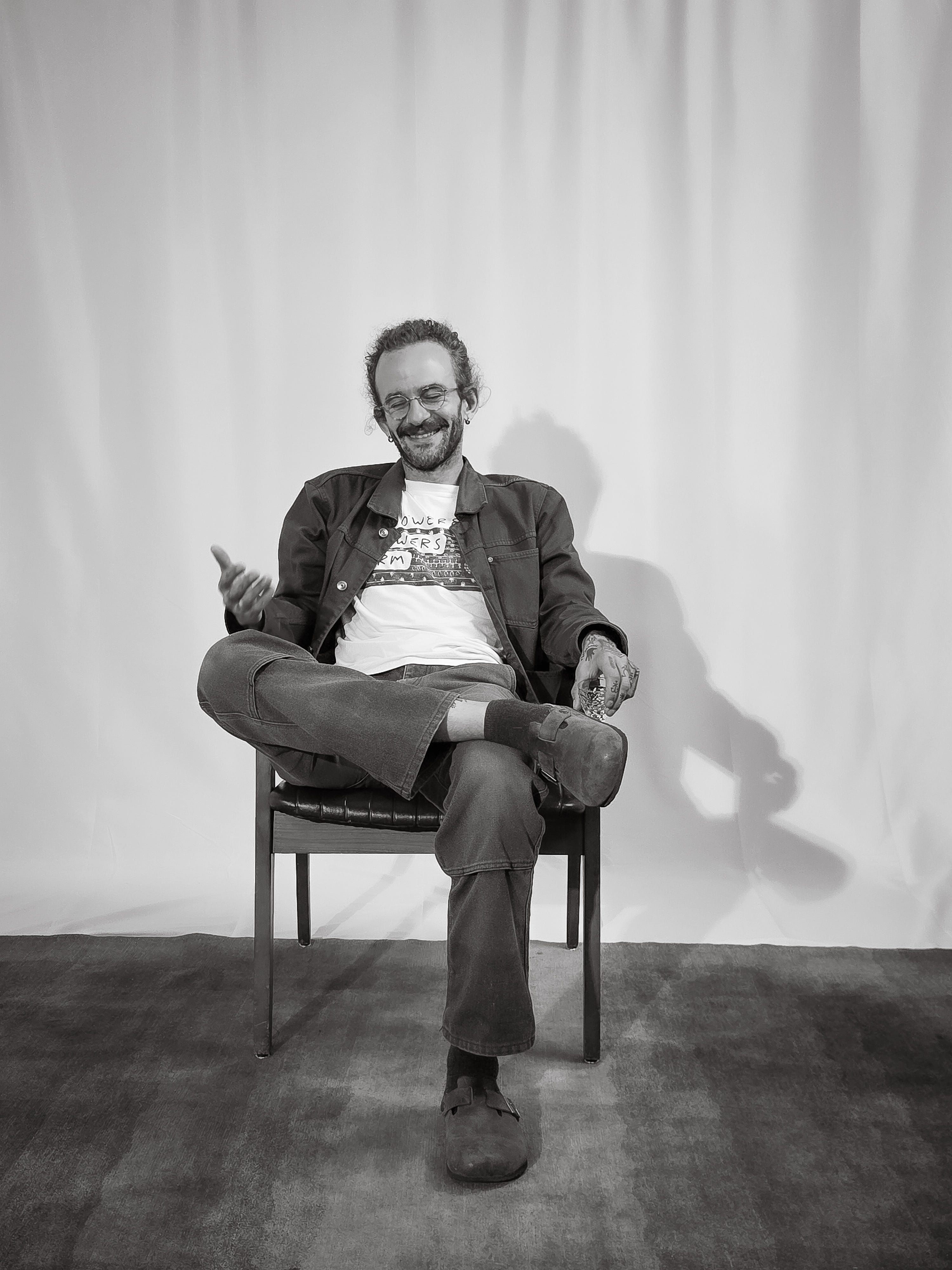
Advice I’d give new winemakers who want to start a label in the Willamette Valley:
Go through lots of periods of mentorships, training, and self-guided studying before you start dreaming of your own label. Not just a couple harvests, I’m talking 10 minimum. Don’t allow yourself to fall prey to instant gratification. You’ll be a better winemaker for it.
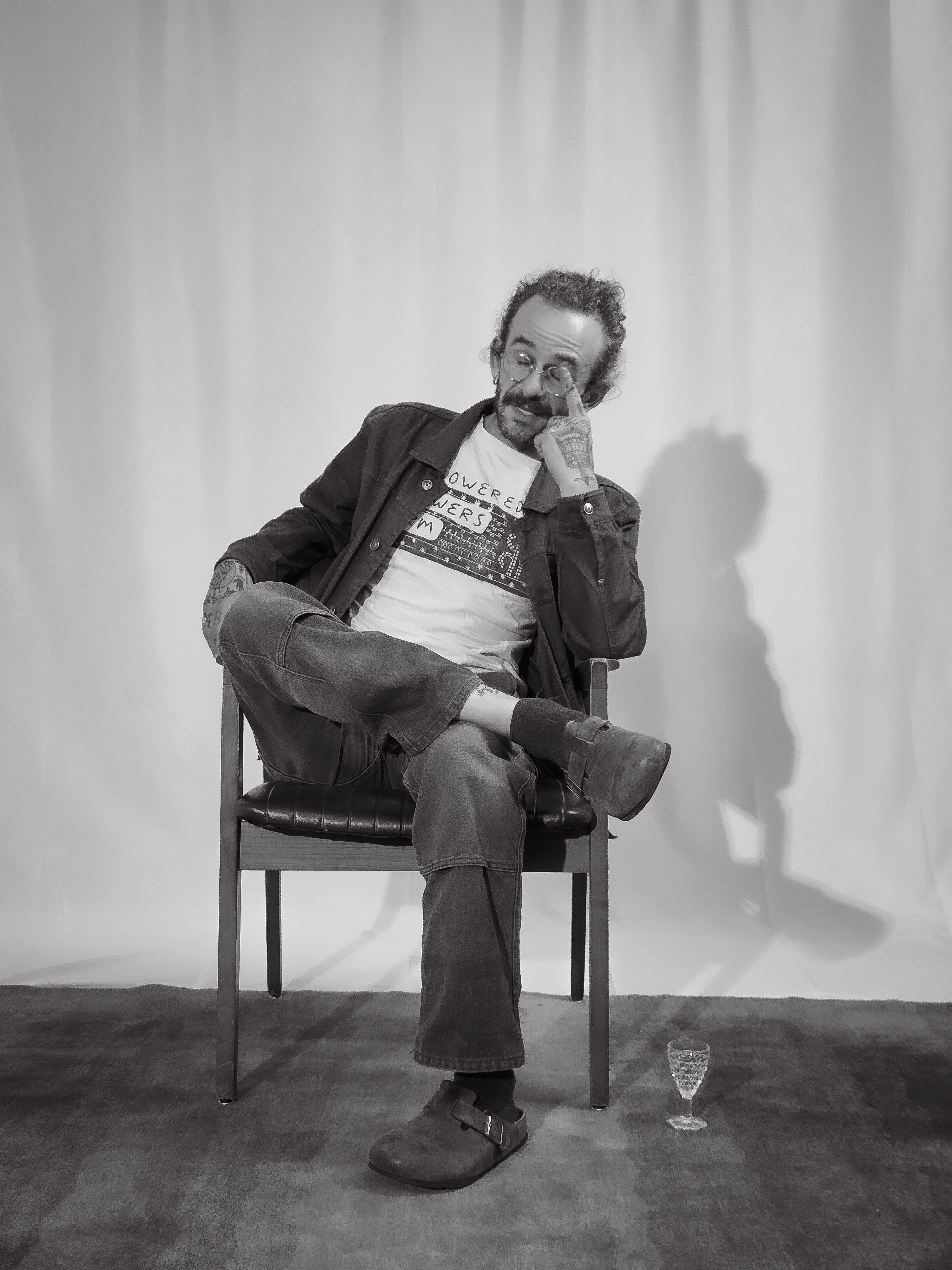
Don’t dare be beholden to the narrative of “worth comes from sticking it out at a place for 5 years.”
Work for someone for a year, then move on, then again, and again, and again. You will learn the most by seeing different approaches; learning from different types of producers who have had varied experiences and tutelage that they went through. Move around, stay curious, don’t allow yourself to stagnate.
No posts
Comments
Nothing yet. Say the first thing.
Sign in to join the conversation.