
I am very excited about the fact that as Head Judge of The Old Vine Conference’s first Old Vine Photography Competition, I have just finished selecting 32 photographs of absolutely stunning quality and compelling subject matter, depicting old vine viticulture all around the world.
In that sense, we as Americans, accustomed to old vine wines strictly from California, are bound to be fascinated by this global collection, gleaned through the lens of accomplished photographers on other shores, atop distant mountains and in proverbial hidden valleys, some of them in wine regions far, far older than California’s.
The entries, submitted by both professional and amateur photographers around the world, were grouped in four categories depicting:
Landscape and plants
People
Cultural legacy
Resilience and adaptation
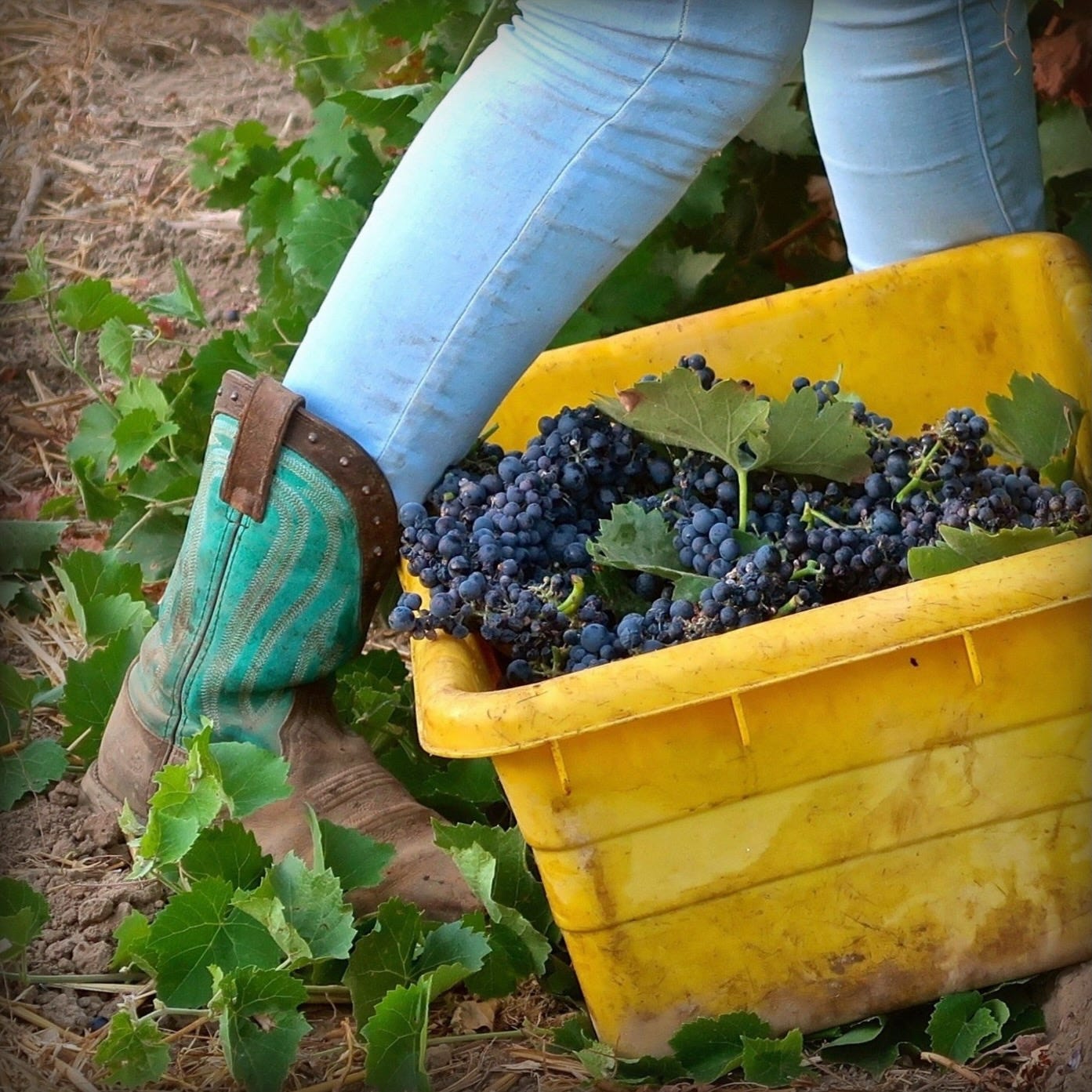
A finalized shortlist, coordinated with four other judges (Diego Tomasi, Jason Ingram, Luma Monteiro and Belinda Stone), will be showcased in a pop-exhibition in London on June 8, and recognized and celebrated through social media accounts. Public voting will commence June 8 through July 8, and Grand Prize recipients will be announced on July 15.
I wish I could show you a few of the amazing photographs that were entered right now⏤I am so excited about their exhilarating impact⏤but of course, it is not at all possible. We will all have to wait ’til next month to see them lined up together, bringing attention to old vines all around the world. Meanwhile, in this post, a selection of my own favorite photographs will have to feed your hunger for old vine imagery.
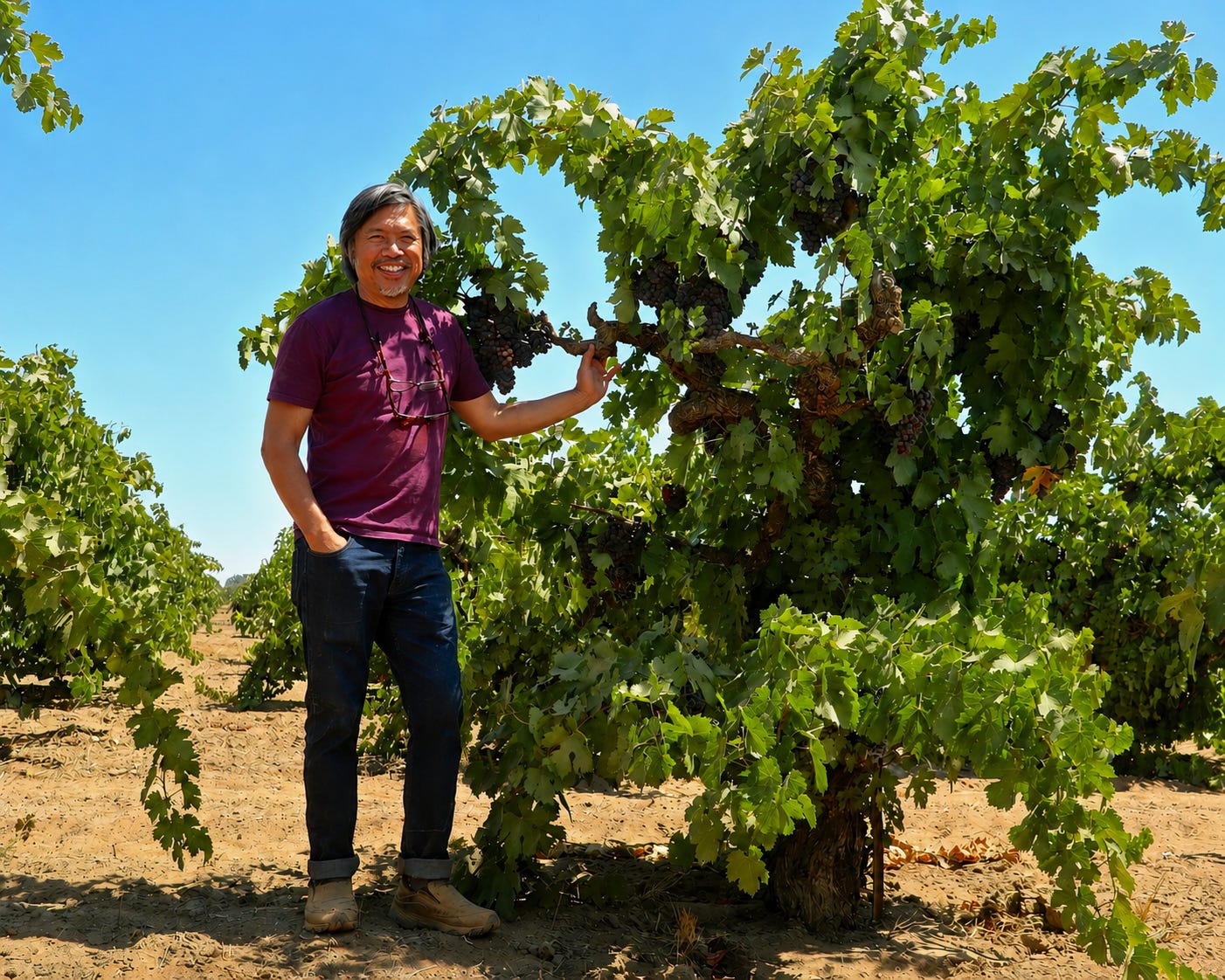
Out of the nearly five decades during which I have worked as a full-time wine professional, I am perhaps proudest of my contributions as an advocate for old vines; particularly those of the American Viticultural Area known as Lodi.
When I first set eyes on Lodi’s incredible concentration of historic old vineyards in the early 2000s, I was struck by their similarity to what I’d previously seen in South-West and Southern France, where old vine wines are bottled as Vielles Vignes. This became the primary motivation for moving to the region in 2010, after finding a cottage in the middle of a 50-year-old stand of bush-like Zinfandel plants. Quite a change for an ex-sommelier who’d lived his entire life in cities, confined mostly to the four walls of restaurants!
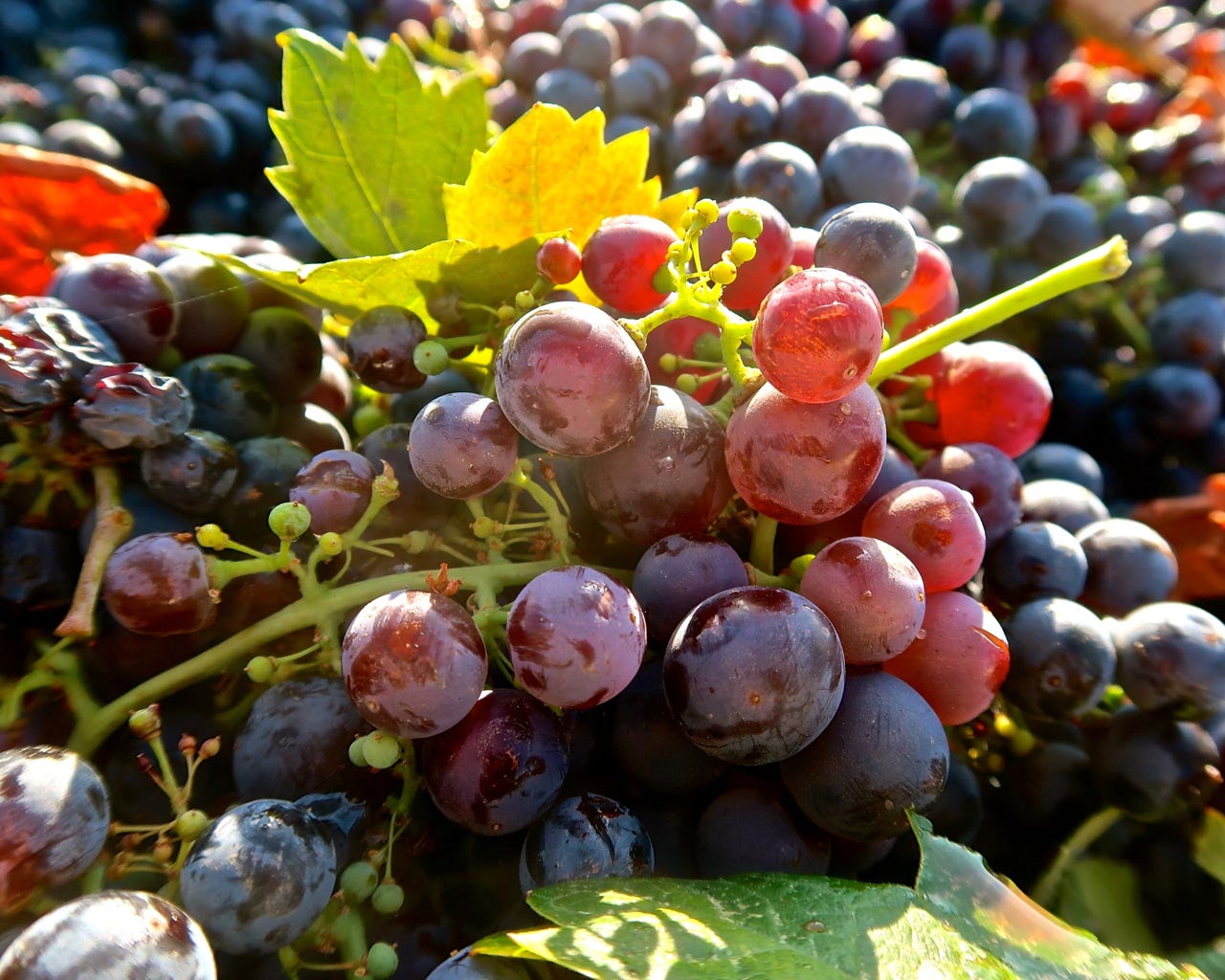
It is a love of the cultural, agricultural, and sensory importance of vineyards planted generations ago that has been the driving force behind my most recent calling as a wine journalist, photographer, author, and educator over the past 16 years. I am not ashamed to say that, long before moving to Lodi, I have always argued that old vines are not just relics of the past, but living expressions of place, history, and sustainability. Something that can give any true blue wine buff meaning in life. If you love wine, I’ve always thought, you have to love wines made from old vineyards lovingly preserved over decades or centuries even more.
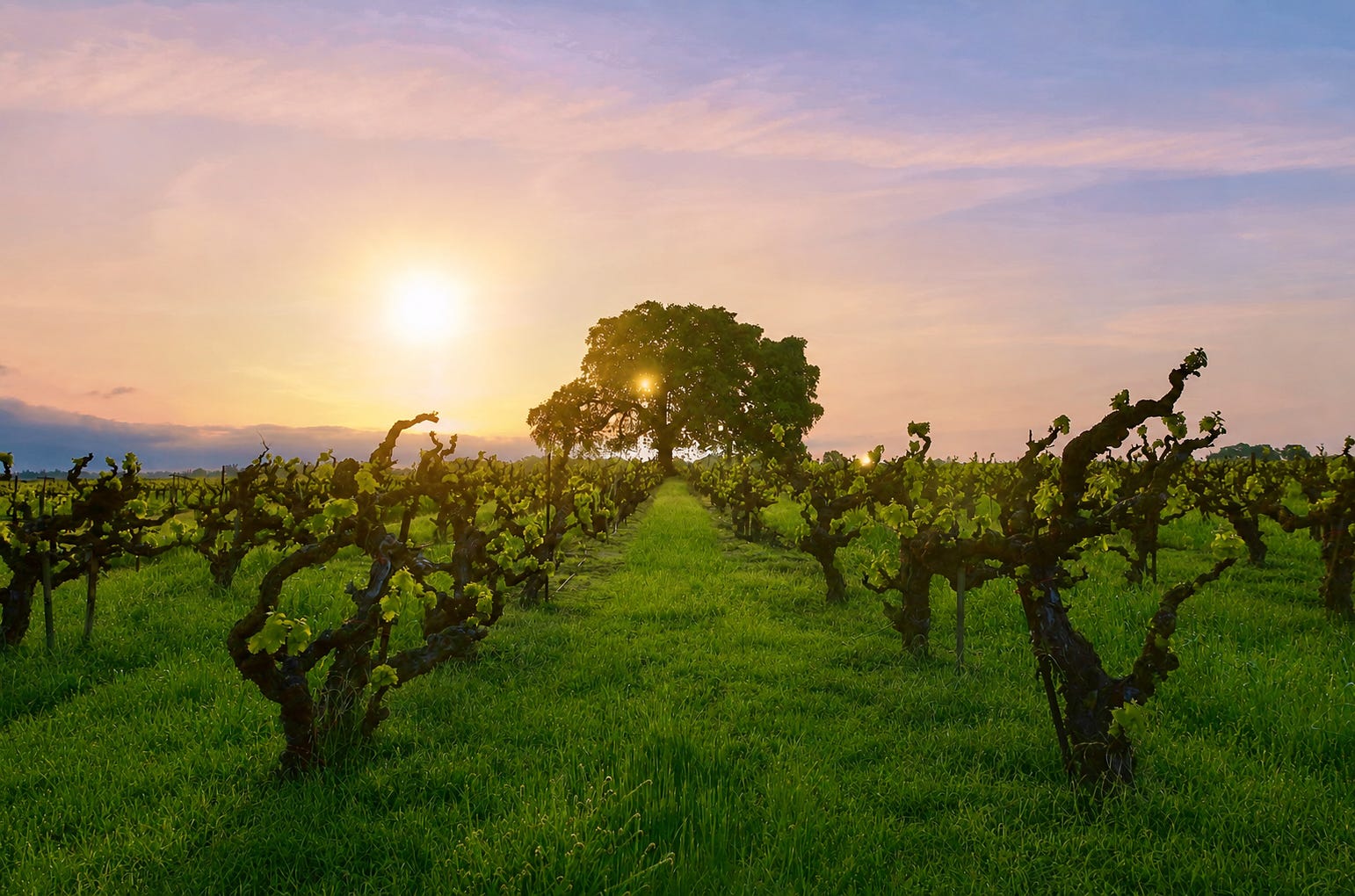
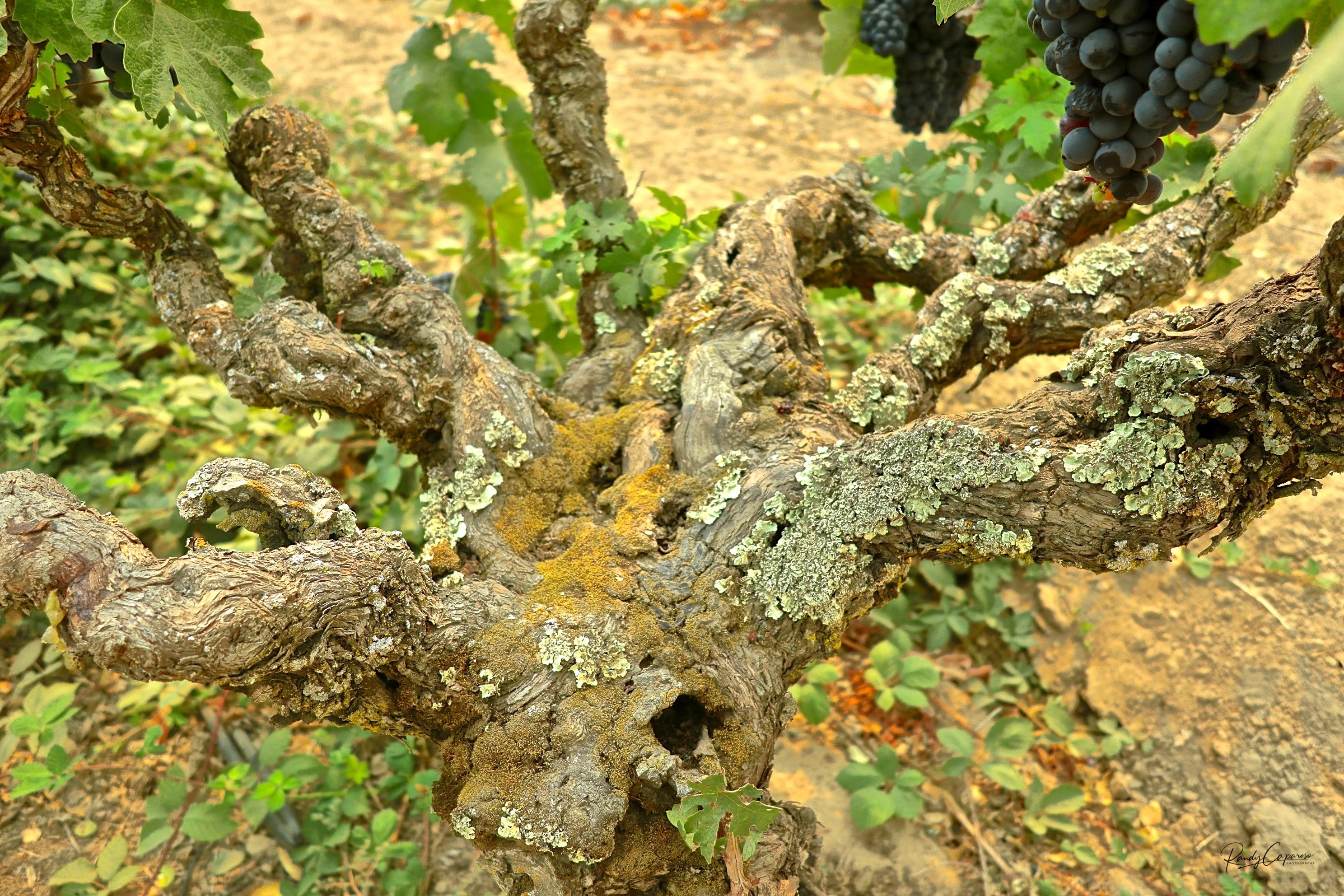
Naturally, I was particularly drawn to Lodi’s “ancient vine” (that is, plants over 100 years old) Zinfandel planted as far back as the late 19th and early 20th centuries; most of them thriving, almost miraculously, on their own natural rootstocks, in the deep sandy soils that have long protected them from pests such as phylloxera. A testament to an environment, or physical terroir, conducive to long term grapevine health.
I have never said these vineyards produce the “best wines in the world.” Perception of wine quality is always in the mind of the beholder. I have, however, always said that Lodi’s old vine Zinfandels produce wines of utterly distinctive profiles⏤different from other Zinfandels grown in California (heck, Zinfandels on the west side of Lodi are utterly different from Zinfandels growing on Lodi’s east side)⏤with varying degrees of organic earthiness and iterations of the varietal fruit character. This is what the classic French concept of terroir⏤that is, natural and human driven conditions of vineyards translated directly into sensory qualities tasted in resulting wines⏤is all about!
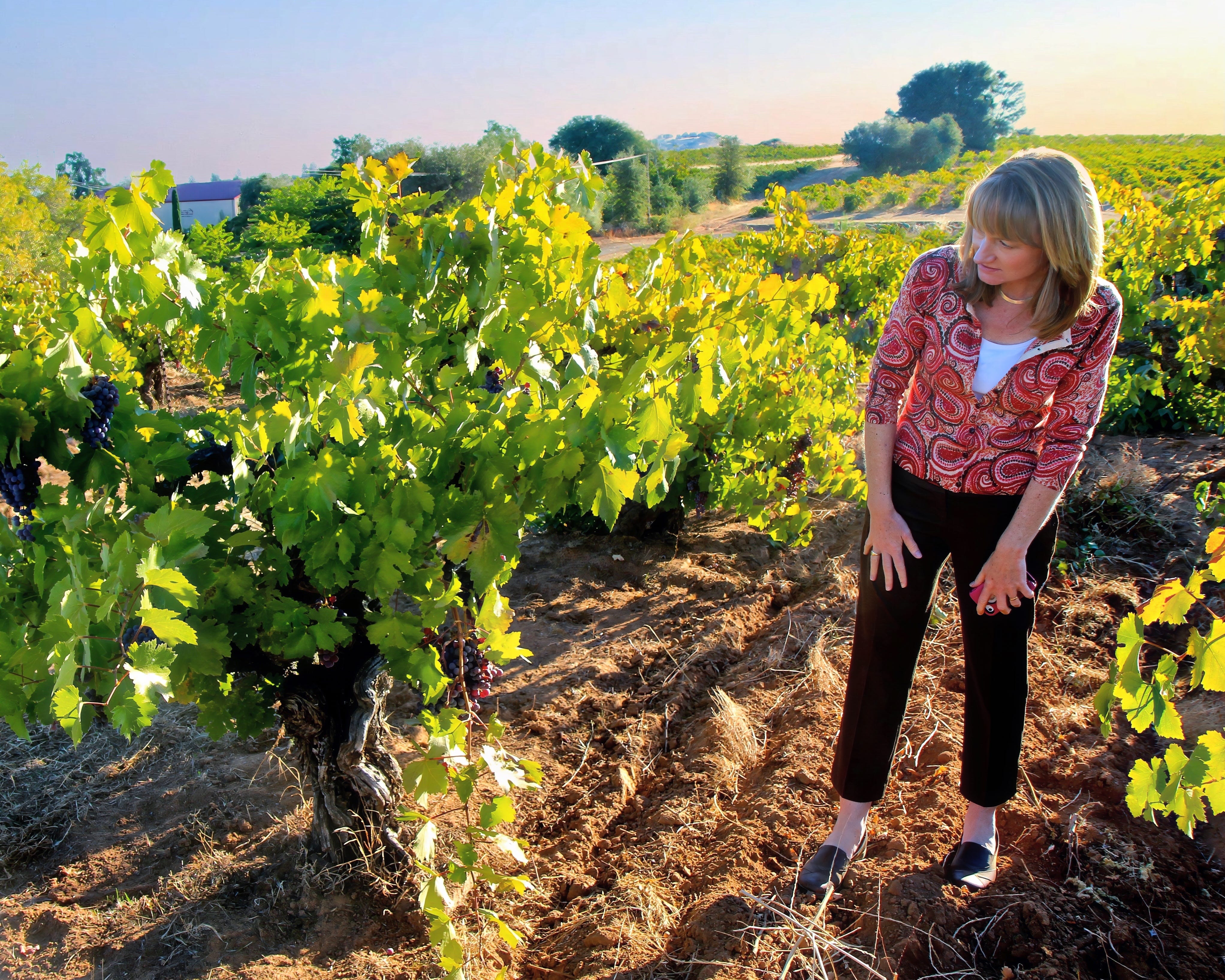
Therefore, a major part of my labors as a Lodi transplant has been about communication and preservation. In 2024, I was honored to receive the very first “Old Vine Hero Award” for Communication from the UK-based The Old Vine Conference. There is nothing like being recognized, after a decade and a half, for extensive writings and photographic documentation of heritage vineyards. Ofttimes, frankly, you often wonder if anybody’s listening, or if anyone cares. It was very cool to find that wine professionals two oceans away had taken notice.
Thanks for reading photography with feeling! This post is public so feel free to share it.
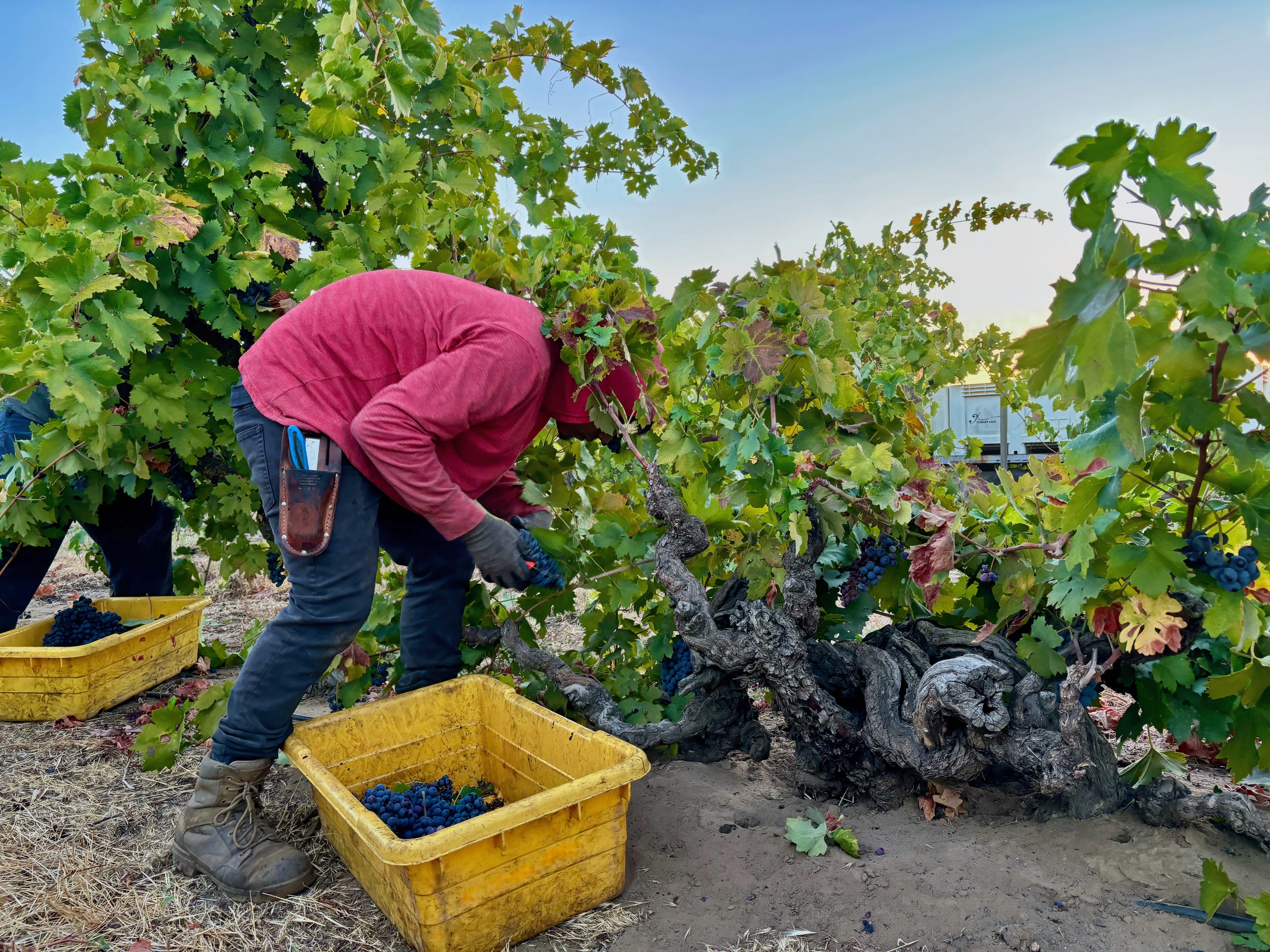
My essays, of course, were never about the fact that these grapevines are, well, “old,” but also all about the fact that they embody an agricultural continuity and regional identity at a time when many historic vineyards are being removed for ruthless economic reasons. Make no mistake, heritage vineyards all around in the world are in imminent danger of being unwanted, and ignominiously torn out of the ground. This is why it’s important for everyone, from consumers to industry, trade and press, to keep finding value in what they have to offer.
The constant chronicling and photography of historic vineyards has also been about communicating the sensory qualities that make them special. Over the past decade I have embraced, spoken about and presented numerous tastings and “Master Classes” on old vine history and viticulture as they pertain to vineyards located all over California. It has helped to have had major, high profile nonprofit organizations, such as California’s Historic Vineyard Society and the UK’s Old Vine Registry, which have only reinforced the work I’ve done in my own little speck of the world.
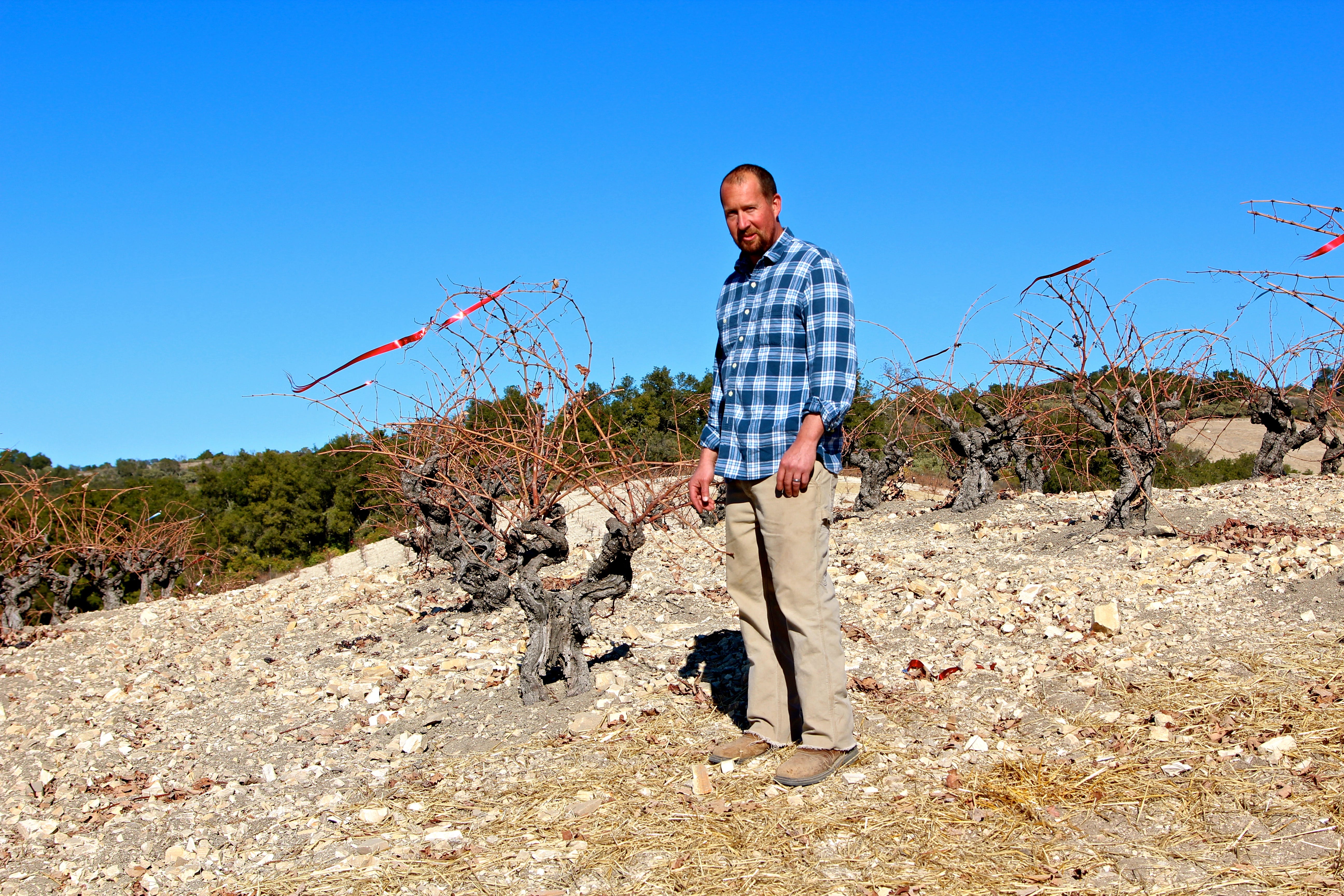
My adopted home in Lodi, of course, has remained the touchstone; particularly the region’s most revered Zinfandel, Carignan, and Cinsaut sites planted as long ago as the 1880s. What is just as amazing is the number of existing families who have been farming in Lodi since that time, making it even easier to connect these amazing vineyards to their immigrant stories and constantly evolving traditions of multi-generational family ownership, all very much a part of the evolution of the wine culture of the entire state of California.
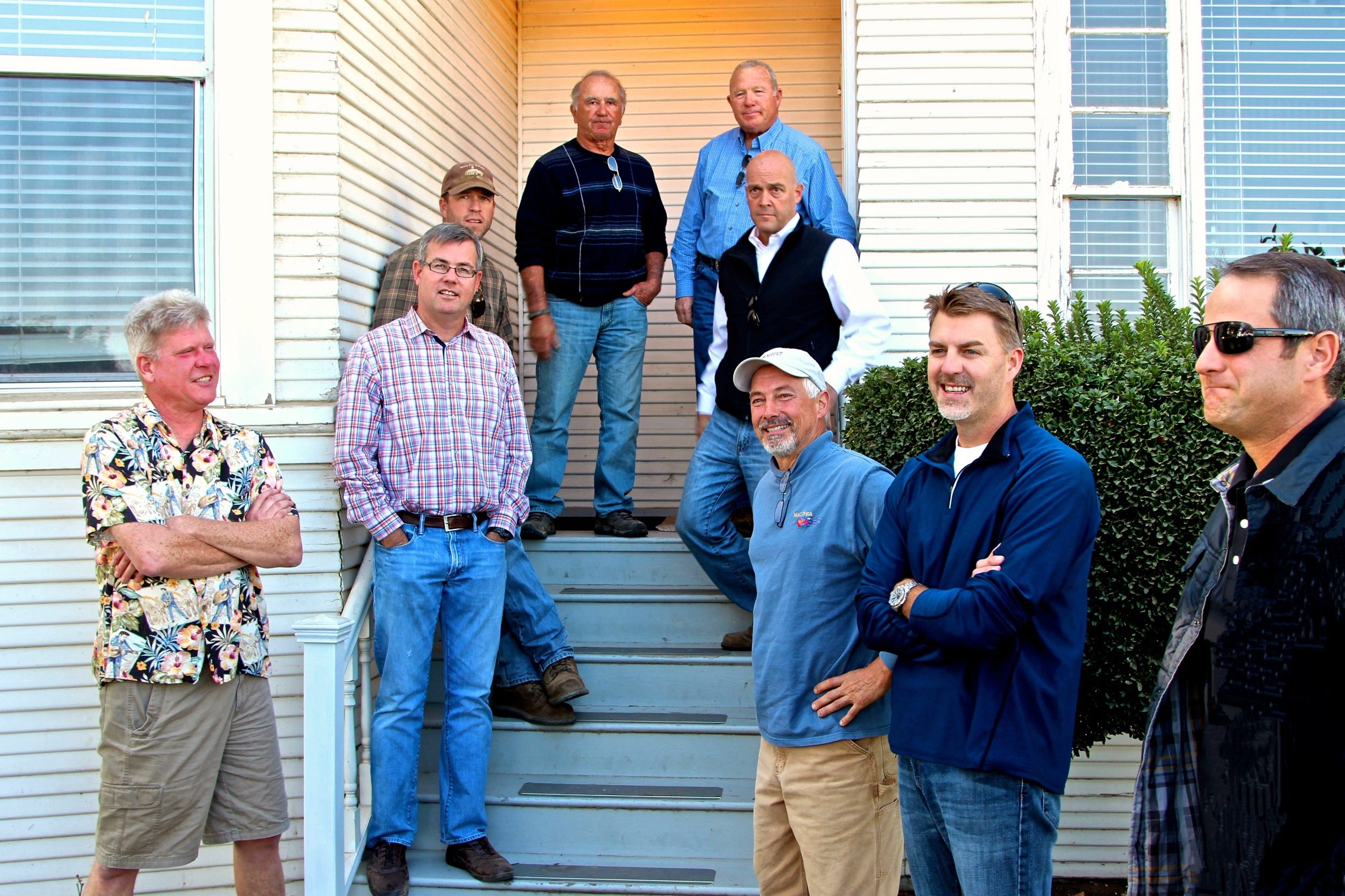
If there has been a highlight, I’d say it was this: It was in 2012 when I was able to cobble together a small group of old vine Zinfandel specialists to create and promote a project that became known as “Lodi Native.” Participating vignerons were asked to follow protocols entailing minimal intervention production such as “no adds” or intrusive oak, each choosing a historic Zinfandel vineyard to work with. Their renderings were bottled by the names of each vineyard affixed most prominently under a communal Lodi Native label.
The biggest satisfaction, whenever we presented Lodi Native wines to media, trade, scholars or consumers, was consistently hearing the same response: “Why, these wines don’t taste like Zinfandel at all!” Of course, they didn’t. They were made to taste like individual vineyards (each one distinctive from the other!) in Lodi. So, so different from Zinfandels grown anywhere else in the state, most of which are made to taste like commercialized conceptions of the varietal character rather than a place of origin.
In this way, I believe, the Lodi Native project has had a huge impact on the entire world’s perception of Lodi: By focusing attention on clearly defined elements of terroir, and ultimately redefining the region as not just a source of value priced wine production but rather as an appellation rooted in its own brand of genuine authenticity, sense of history and place⏤the same factors bolstering the finest wines and longest traditions of the rest of the wine world.
The Lodi Natives were never about “Zinfandel,” and in other ways they probably went beyond their “Lodi-ness.” Alder Yarrow went so far as to say the Lodi Natives helped to restore his “faith in the future of California wine” (re Vinography, “The Lodi Zinfandel Revolution Continues”). I presume he was referring to the way the crafting of pristine wines⏤many wine lovers these days think of them as “natural” wines⏤reminds us that it is very possible to produce perfectly appealing wines without extreme amounts of manipulation to meet market expectations, which is more typical of New World wine industries. I’m proud that these wines could buck the prevalent trend.
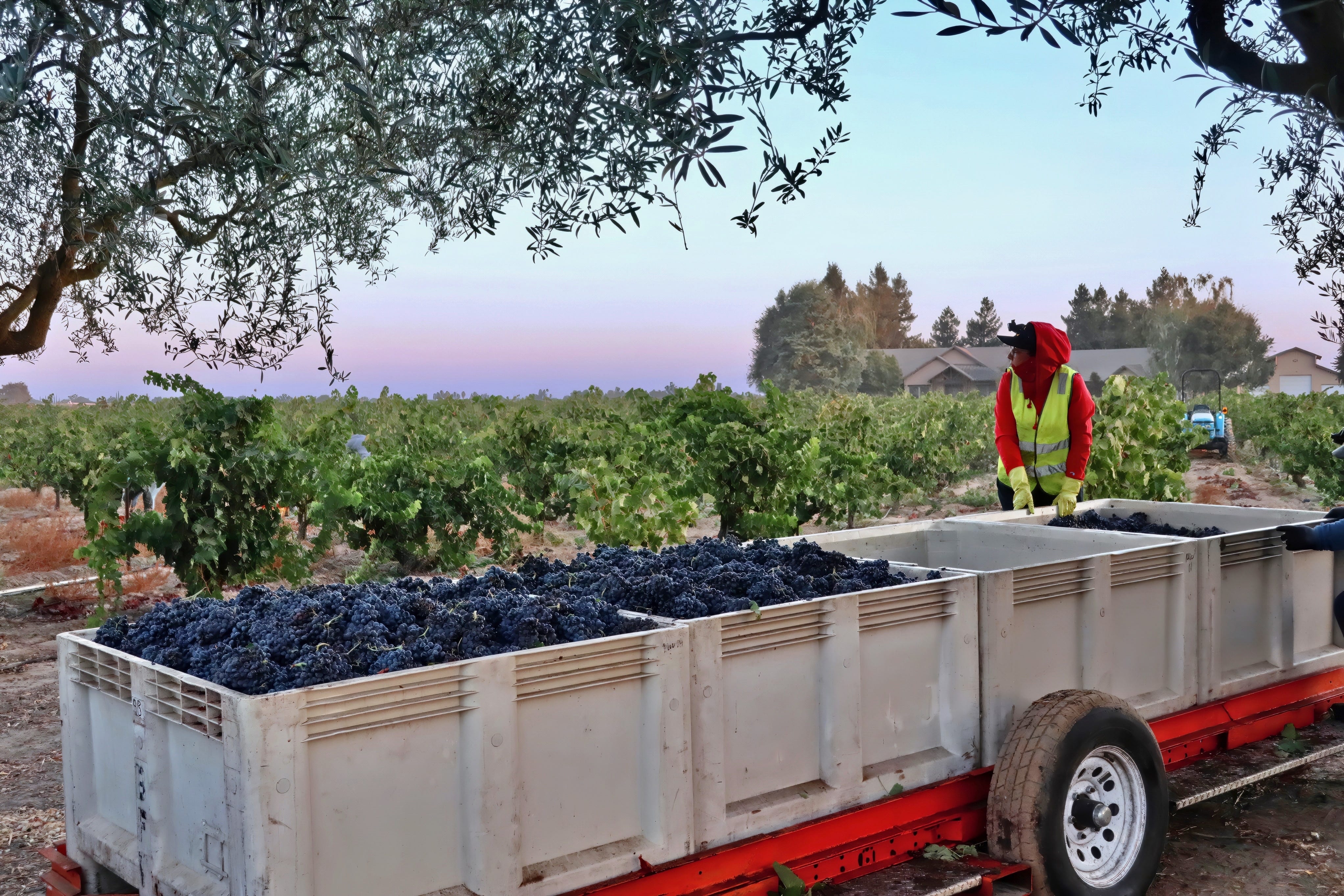
Ultimately, though, the Lodi Natives were about the identity of old vines, which fueled my most fervent mission once I became a full-time journalist. Although I was not a photographer before moving to Lodi, cameras became my tools of the trade. When I first became a published writer in 1981 (as the wine columnist for my hometown paper The Honolulu Advertiser, while still balancing my career in restaurants), all we had to communicate were words printed in black and white. Thanks to the visuals possible in online formats, photography became an essential means of bringing subjects such as old vine viticulture to life. Without the pictures, words do not have nearly as much impact.
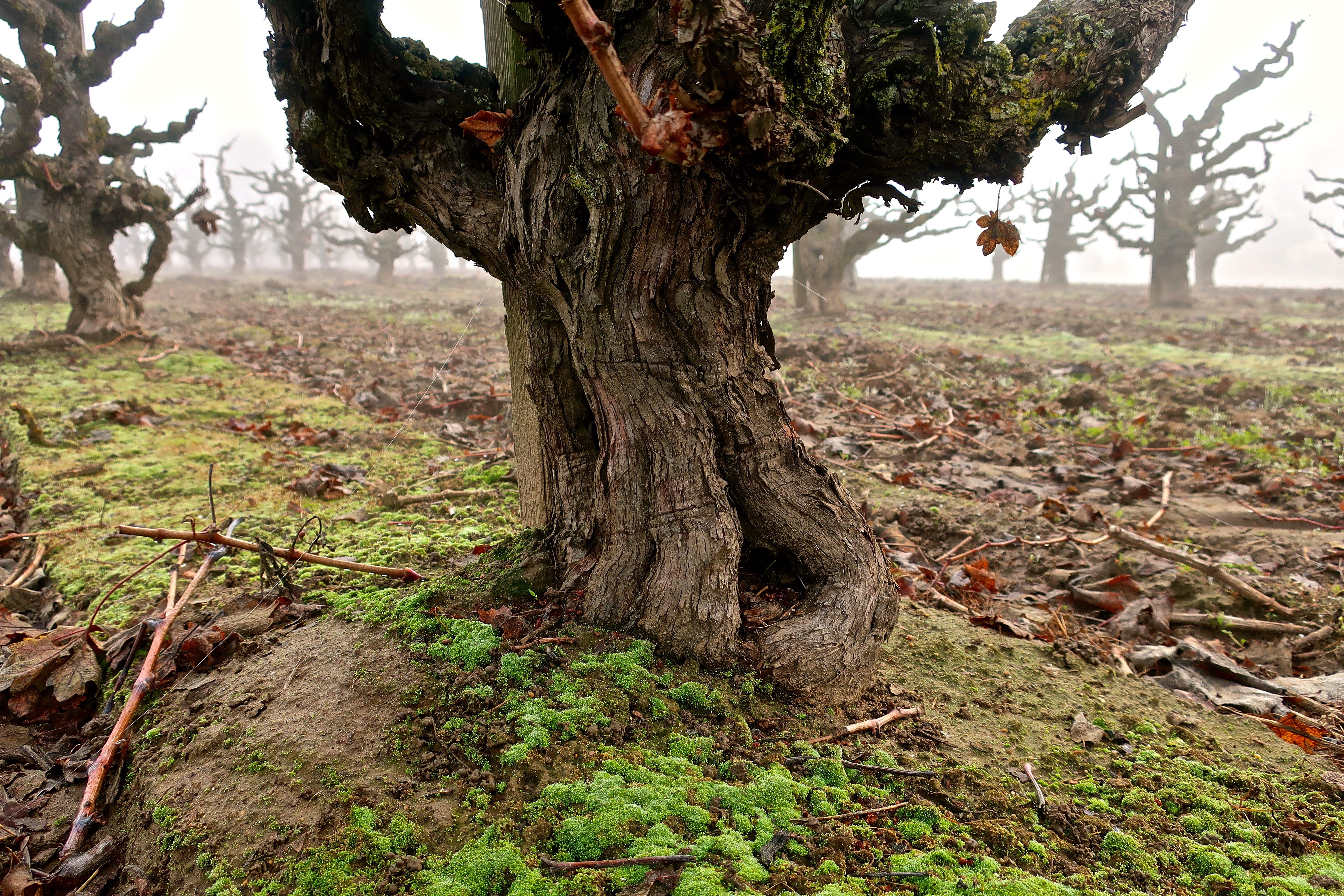
Through vineyard imagery, portraits of growers, and photographic documentation of old to ancient vines, I have managed to accumulate an enormous archive celebrating the resilience and importance of heritage vineyards in Lodi, as well as elsewhere in California. I have, in the past, taken to calling old vines “working landscapes,” emphasizing not just their agricultural value and emotional resonance, but also their identities as objects of pure, aesthetically appealing, therefore pure and artistic, beauty.
At least insofar as the eyes of this beholder.
No posts
Comments
Nothing yet. Say the first thing.
Sign in to join the conversation.