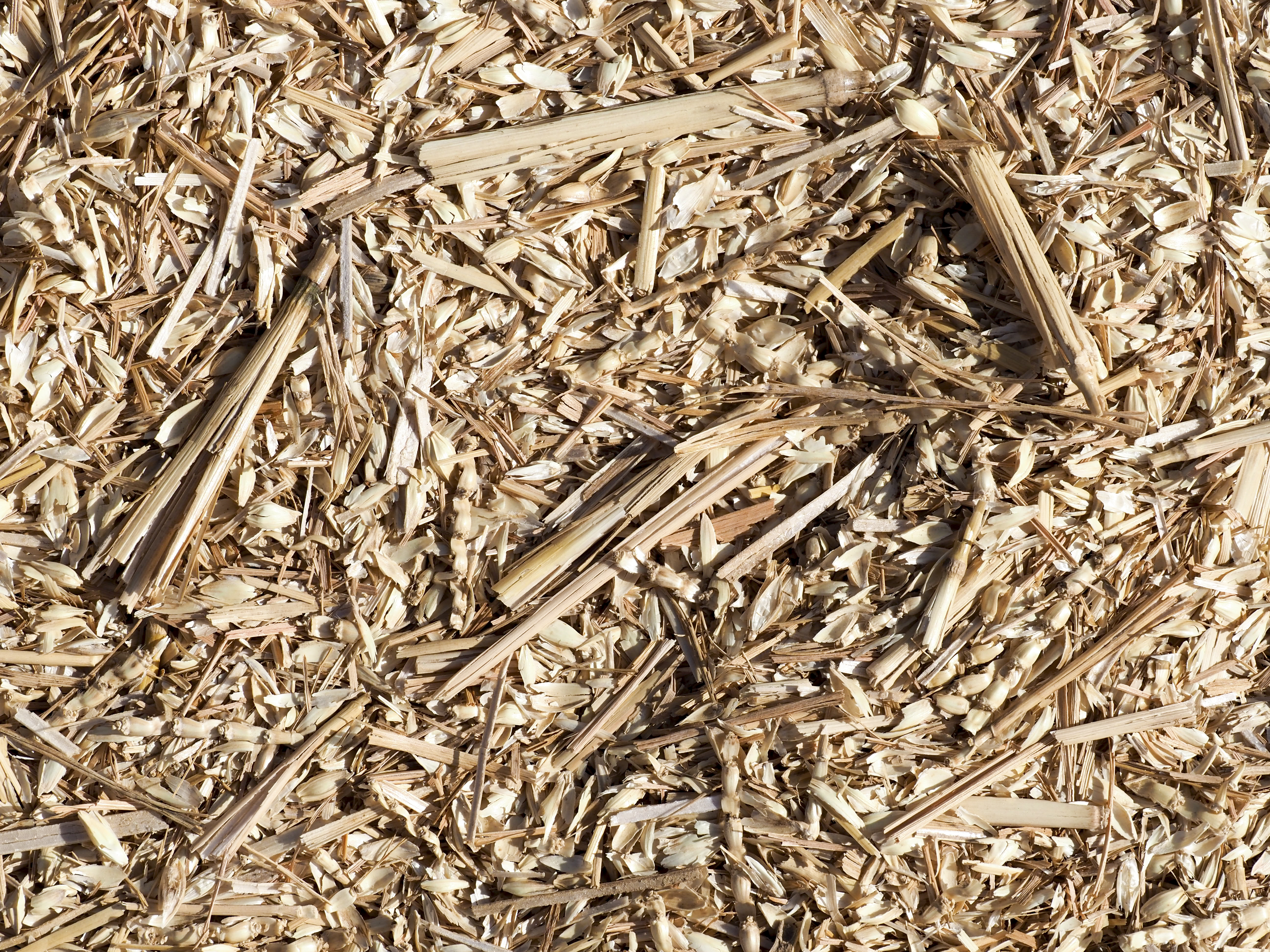
The wheat has ripened ever so fast in this hot – scorching! – summer of ’26. The combine harvesters have rumbled in and rumbled out, the grains have been harvested, the straw has been carted off, and what’s left is lying on the ground: leftovers! For whomever wants to come and pick and peck at […]
I recently came across some Humming-bird hawkmoths (Macroglossum stellatarum) feeding on a large patch of teasels in a clearing beside a wood. They were flying around doing a great job of locating the last of the teasel flowers, then hovering in front of them, extending their long tongues (proboscises) into the individual florets and extracting […]
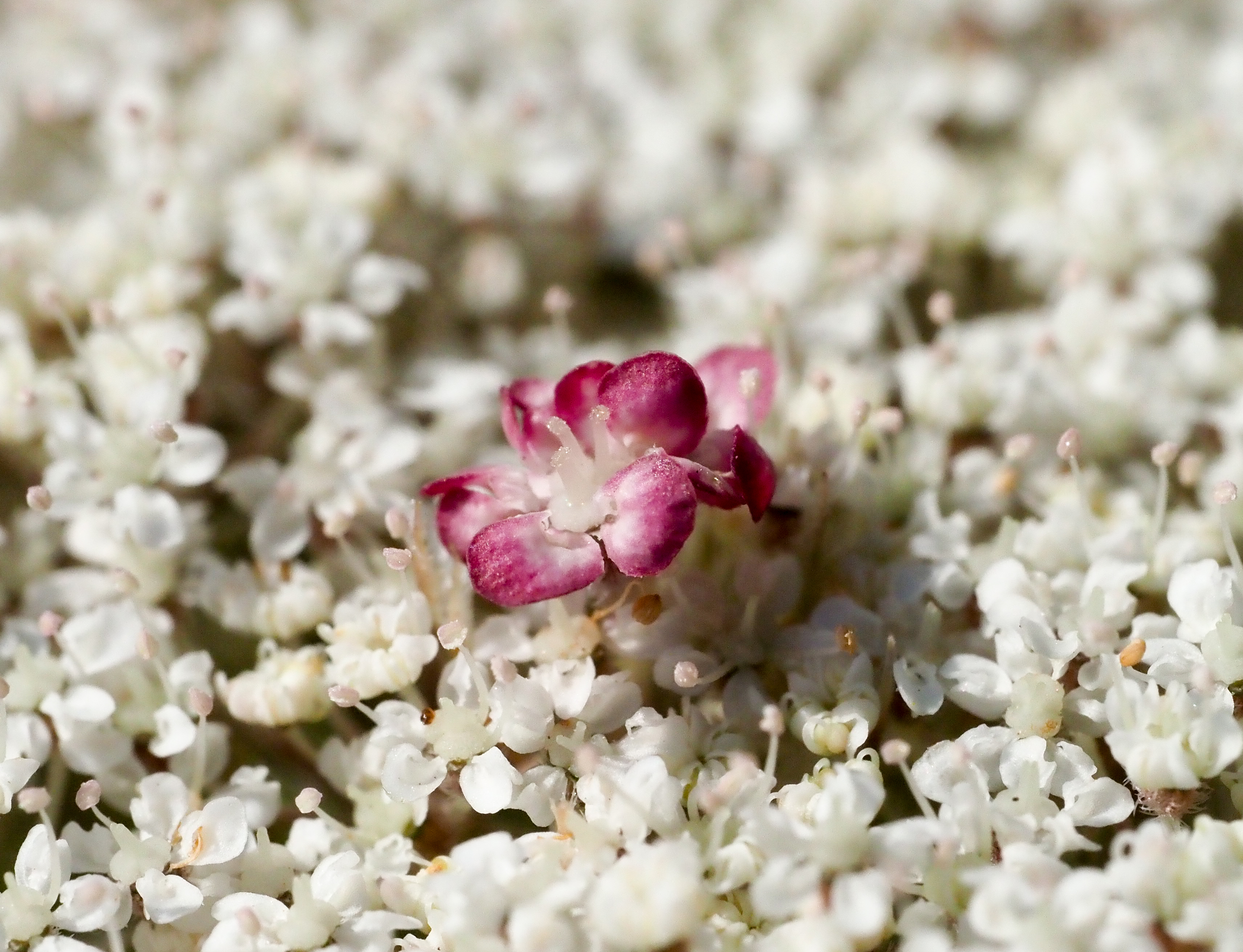
The wild carrot (Daucus carota) – also called Queen Anne’s Lace – is famous for having small dark flowers at the centre of the otherwise, white umbel. However, not all umbel heads have them! Despite being relatively tiny (a few millimetres across) these variably sized central umbellets as they are called (not omelettes but umbellets!), […]
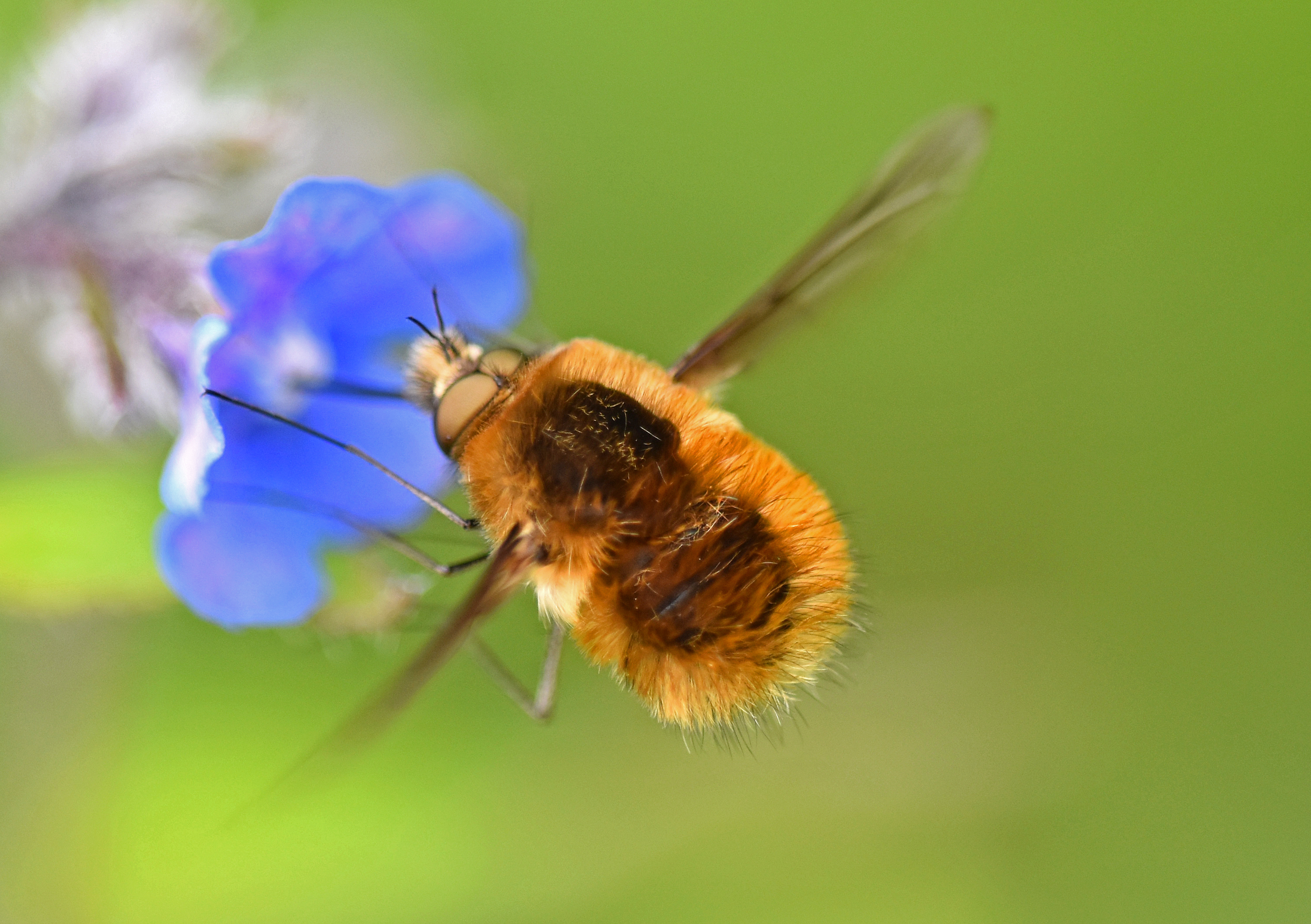
Bee flies (Bombyliidae) are amongst the first insects to appear in the spring and can be seen hovering above flowers or resting in the sunshine in their beautiful furry coats! This dense body hair keeps them warm when they emerge, especially in March and April, and is also a very good material for transport pollen. […]
There are a number of Devil’s Dykes in the UK, both natural and man-made. One of the most intriguing is a long (11km) earthen barrier in eastern Cambridgeshire and Suffolk, which is thought to be of Anglo-Saxon origin, dating from the 6th and 7th Centuries. It’s hard to imagine how much effort it must have taken to […]
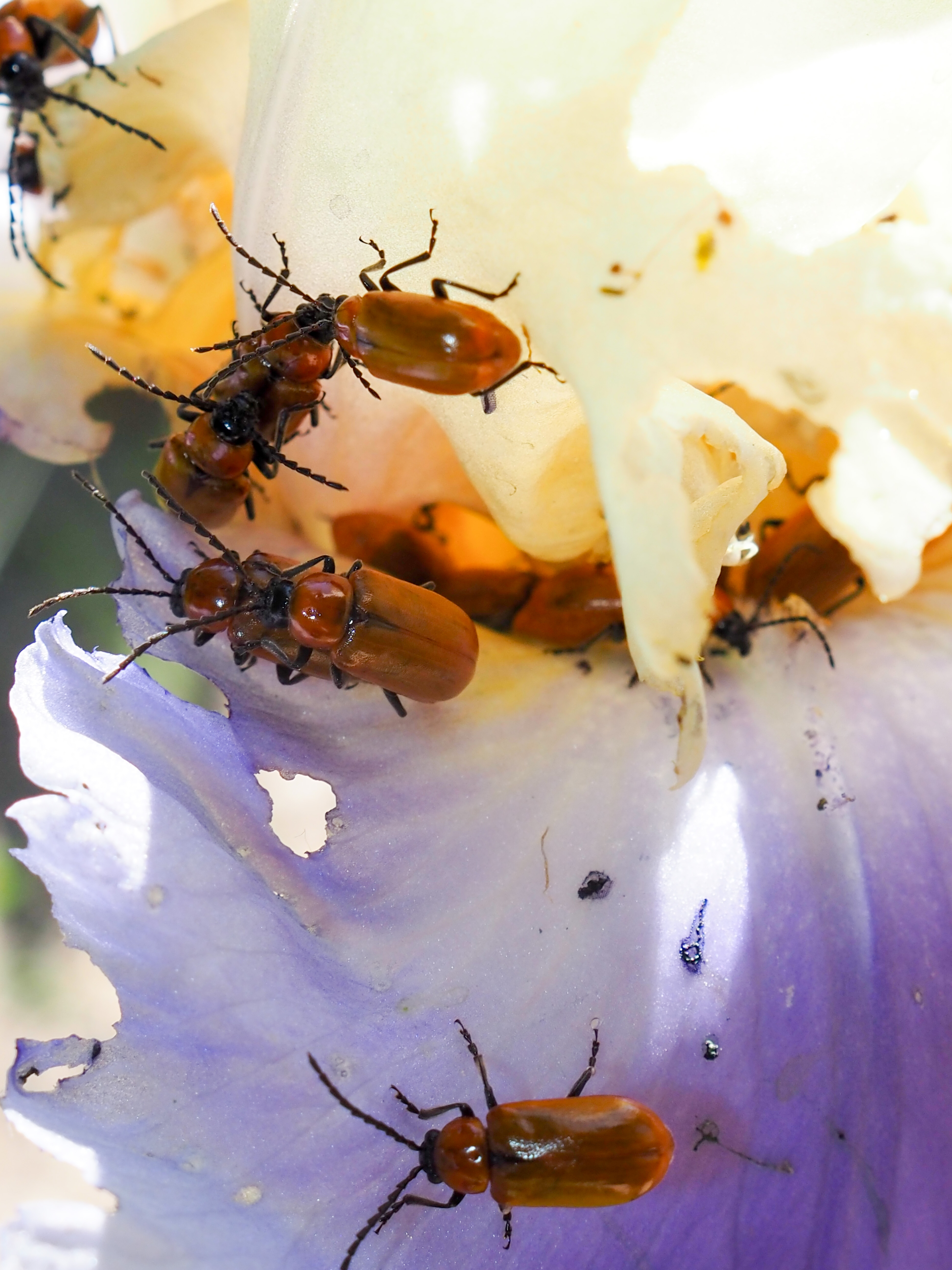
A couple of recent wildlife encounters have reminded me that insects use flowers for a wide variety of reasons, not just to gather pollen and nectar. Flowers are a resource, and many insects have evolved ways of exploiting them: for example as shelters and refuges from predators and inclement weather; as meeting places; as sleeping […]
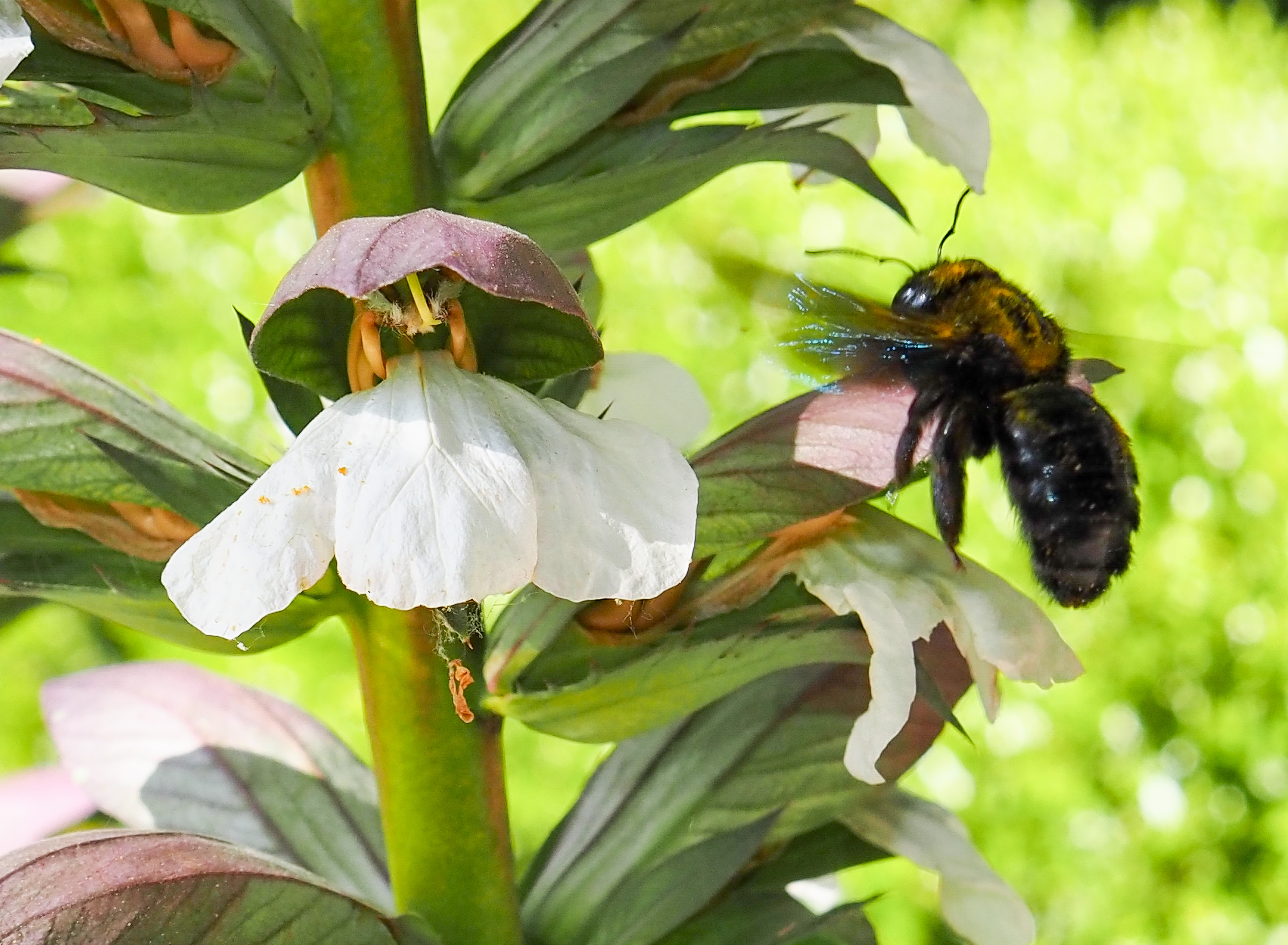
The plant called Bear’s Breeches (Acanthus mollis) gets this rather odd name because someone thought that the large, deeply lobed, hairy leaves look like wide, rustic trousers or a bear’s rump. I can’t quite see the resemblance myself, but there are number of other names, including sea dock, bear’s foot plant, sea holly, gator plant […]
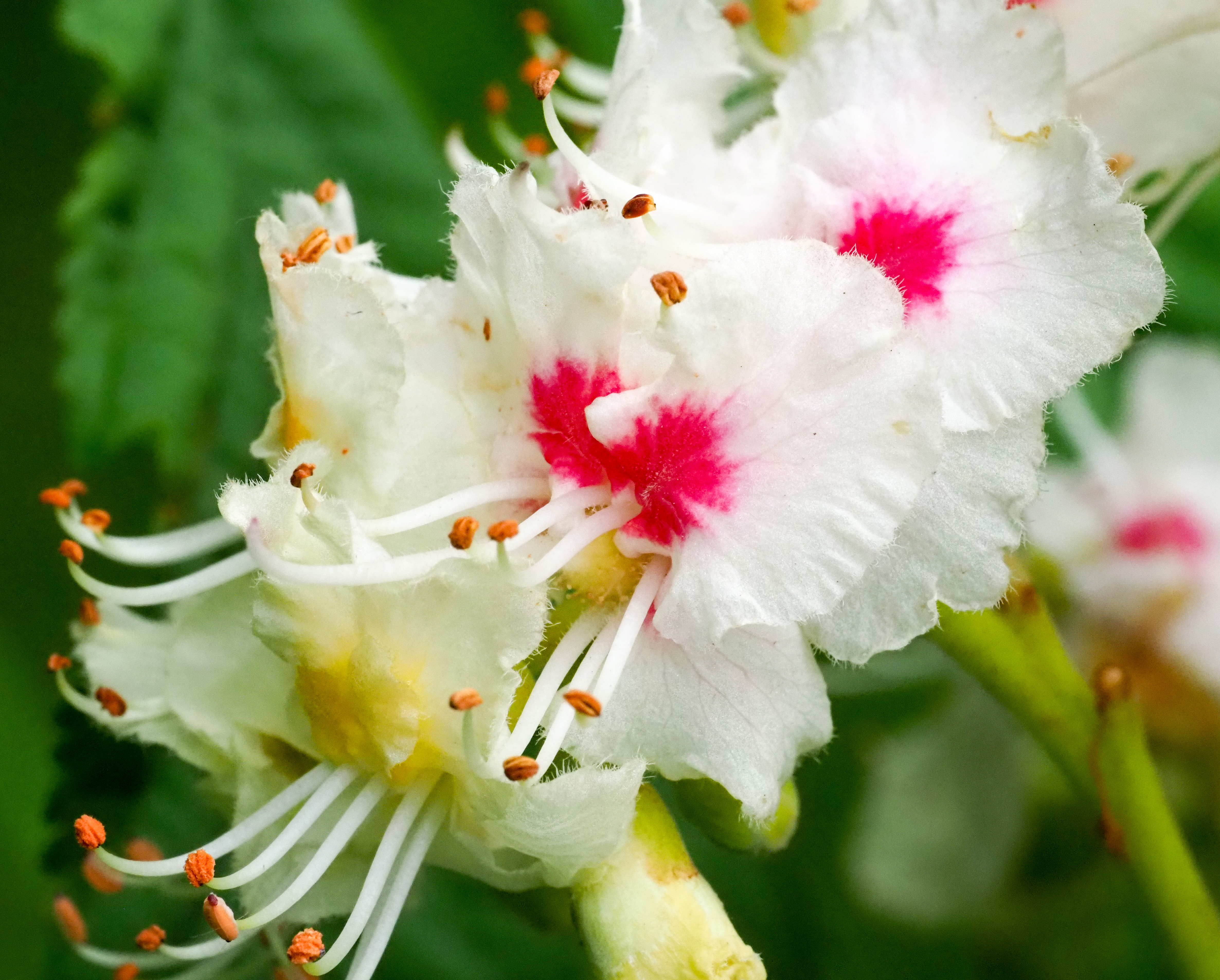
The flowers of many different plant species change colour at some point during their lives. In some species this change coincides with the availability of nectar, in others it occurs later on, as a signal to discourage pollinator visitation. In other words, a change in colour signals to pollinators that the flower has already been […]
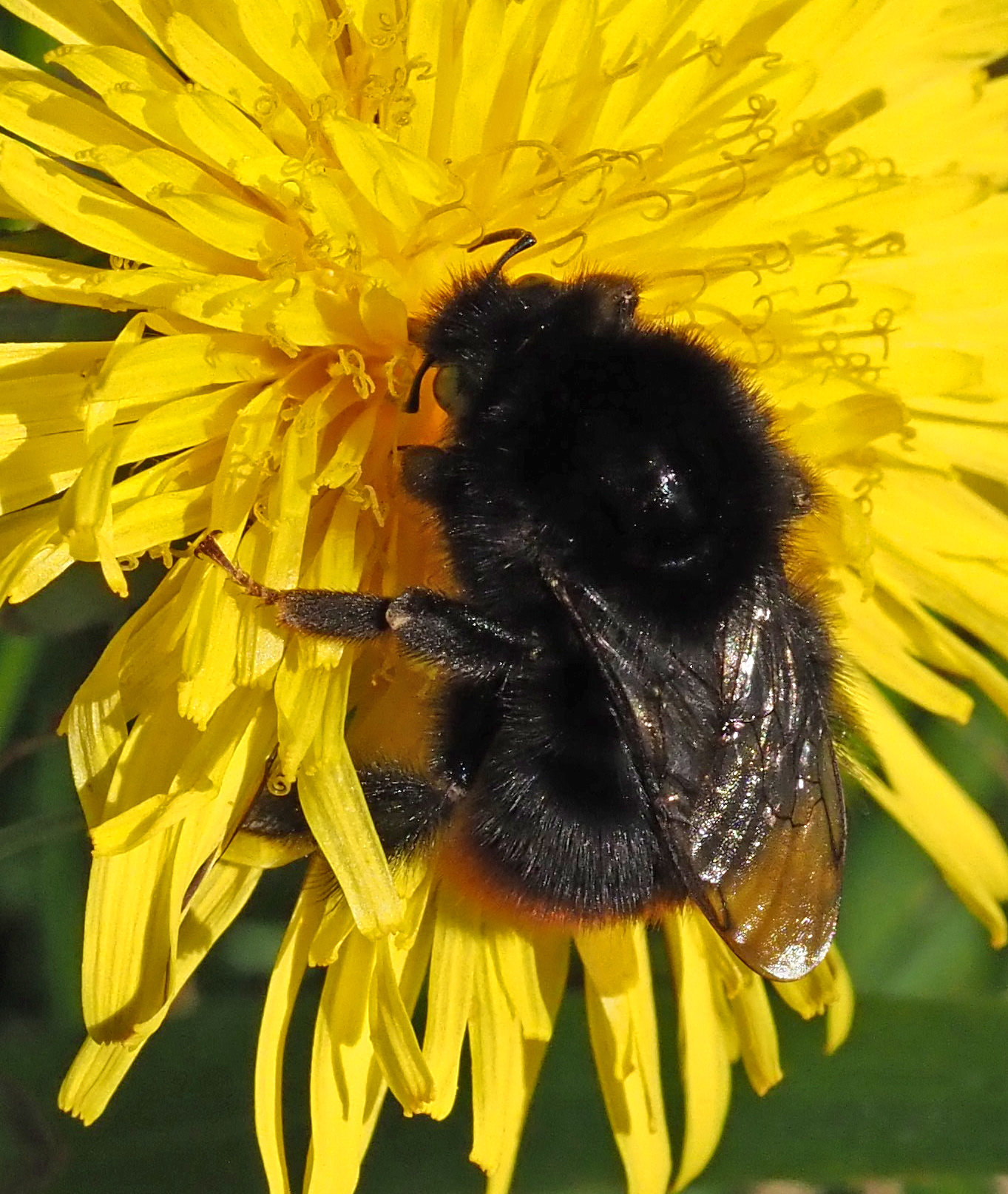
If you have been out and about in the countryside this spring, you might have seen some large, fat, bumblebees zig-zagging around, close to the ground. These are the queens, looking for new nest sites. Young queen bumblebees spend a considerable amount of time, up to several weeks sometimes, trying to locate a suitable nest […]
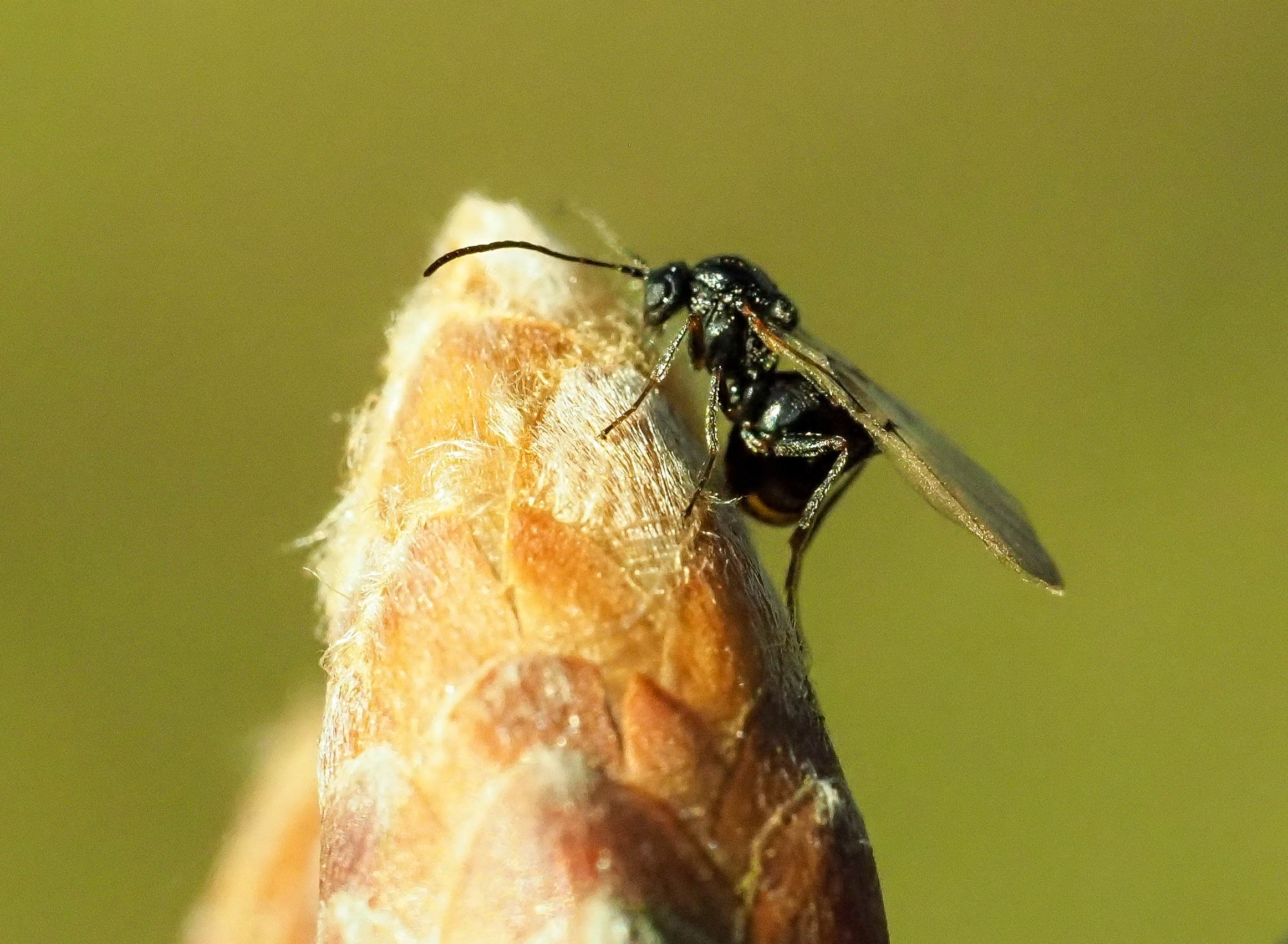
Gall forming wasps, together with other co-inhabiting, inquiline, or gall-sharing, wasps – plus all of the parasitoid and predatory natural enemies which prey on them – constitute highly diverse, enclosed, mini-communities, nested within much larger ecosystems, such as a tree, or a forest. When I came across these tiny black wasps on the beautiful brown […]