
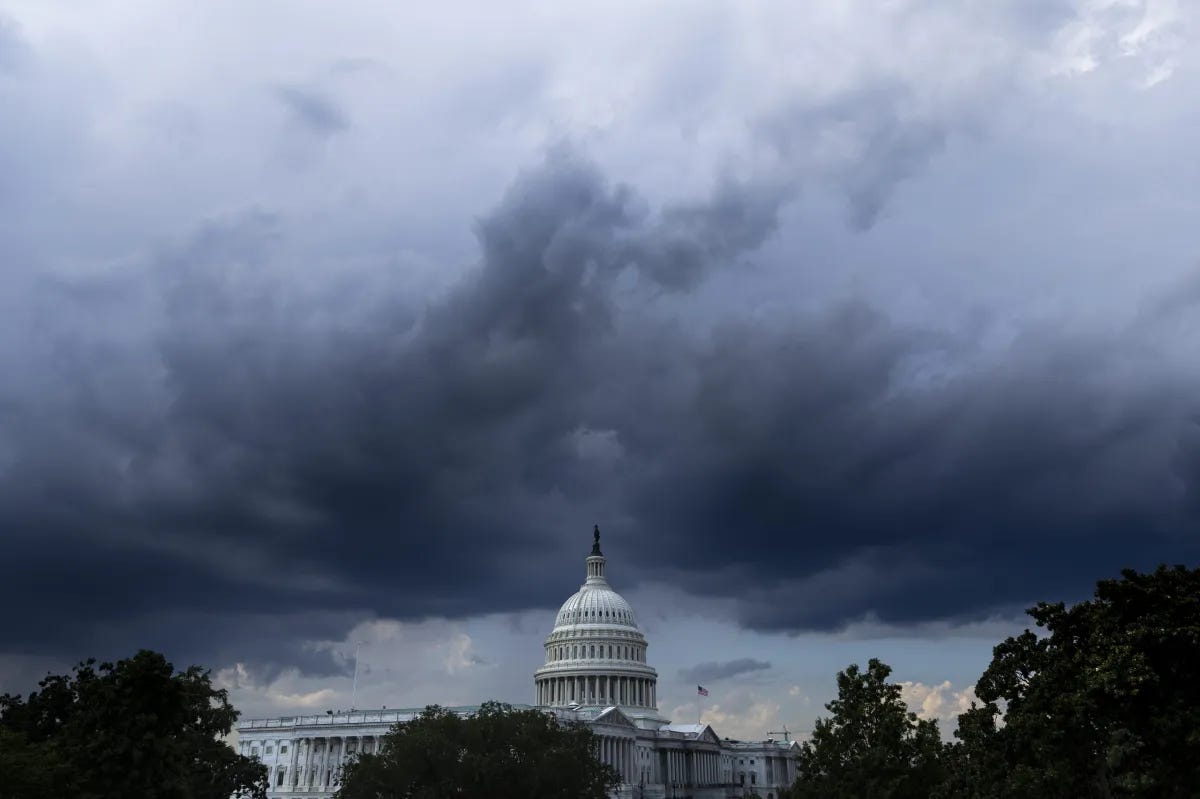
I was recently reminded while going through some files that on February 12, 2009, I testified before the Terrorism, Unconventional Threats and Capabilities Subcommittee of the U.S. House Armed Services Committee. The hearing was titled “Strategies for Countering Violent Extremist Ideologies.”
Click here for complete transcript (originally here).
Looking back on this, what strikes me most is not simply the topic of the hearing, but the fact that such a discussion could openly occur in Washington.
At the time, America was less than eight years removed from September 11, 2001; U.S. troops were fighting in Iraq and Afghanistan; al-Qaeda was at the height of its notoriety; and yet even then—Obama had only been in the White House for three weeks—the political and media establishment was already moving toward a vocabulary designed to obscure the religious nature of the conflict.
The hearing captured that transition in real time.
What unfolded was a remarkably candid debate over a question that too many ignore to this day: To what extent does modern jihad derive from authentic Islamic teachings, doctrines, and historical precedent?
The transcript remains publicly available through Congress. Rereading it today is illuminating precisely because the discussion was so direct. Members of Congress openly wrestled with issues that many institutions now treat as verboten—not least following the rise of “wokeism.”
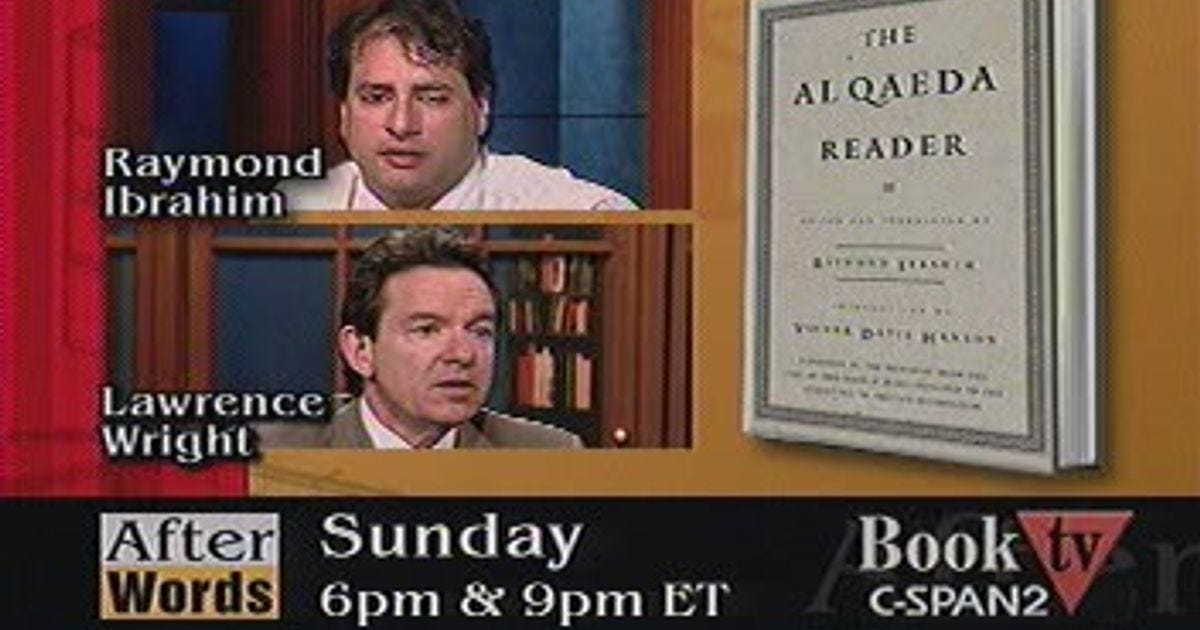
Some background: By early 2009, I had already spent over a decade immersed in this subject—including as a linguistic and area specialist at the Library of Congress and author of The Al Qaeda Reader, a compilation and translation of primary al-Qaeda texts that laid bare the group’s own justifications for its actions.
My work involved not abstract theory but direct engagement with Islamic theology, history, and the words of jihadists themselves. Testifying before Congress was, in many ways, a natural extension of that effort: an attempt to bring clarity to policymakers at a time when conceptual confusion was already taking root.
In my opening statement, I highlighted a fundamental problem that has only grown worse in the intervening years:
The fact is, it is necessary, I think, to go back and recognize the abysmal failure that has permeated, more or less, all approaches, both, I think, governmental and otherwise. And that, I think, [roots] back to the academic world and academia... the academic world has tended to all but ignore Islamic theology, Islamic doctrine, Islamic history, or to minimize it and overlook it and, instead, presents what is more intelligible to the Western world view... They end up projecting what they believe are norms to other peoples.
This projection—the assumption that Muslims think and act according to secular Western categories of grievance, economics, and politics—remains the cardinal error in Western analysis. Jihadists themselves exploit it masterfully, speaking the language of victimhood to Western audiences while preaching doctrinal action to their own.
Continue reading below.
If you value unflinching, historically grounded analysis that mainstream outlets soften or ignore, consider upgrading. Paid subscribers get:
Several new, full-length articles every week.
Carefully researched pieces you won’t find elsewhere.
Full access to the complete premium archive
Archive of in-depth writing, research, and commentary — all in one place.
Entry into the subscriber chat
A private space for serious readers and thoughtful discussion.
Comments
Nothing yet. Say the first thing.
Sign in to join the conversation.