
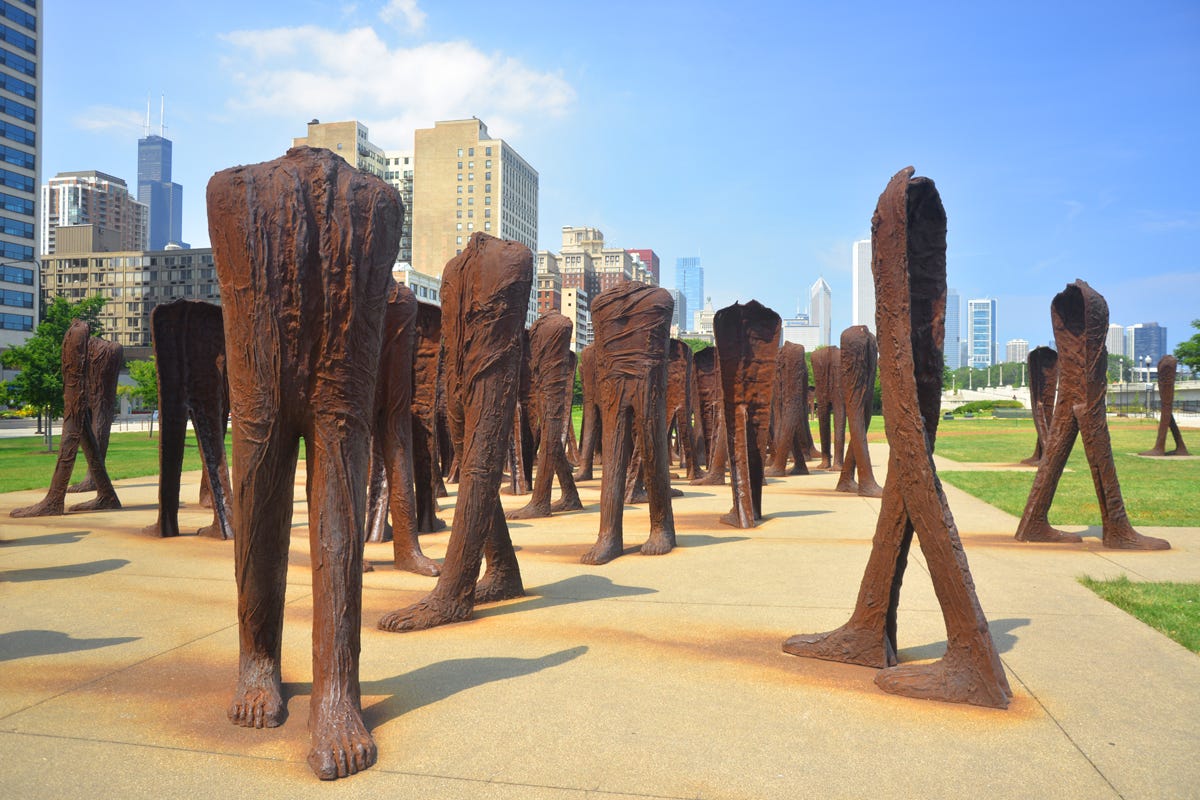
The twentieth century offered repeated examples of governments trying to define reality for everyone else.
In Nazi Germany, modern art was condemned as “degenerate.” Books were burned. Music by Jewish composers disappeared from concert halls.
During the Soviet era, writers whose work challenged official narratives circulated manuscripts secretly through samizdat.
In Chile under Augusto Pinochet, musicians and playwrights faced censorship, exile, imprisonment, and worse.
Different countries. Different ideologies. The same instinct.
Control the story, and you begin to control what people believe is possible.
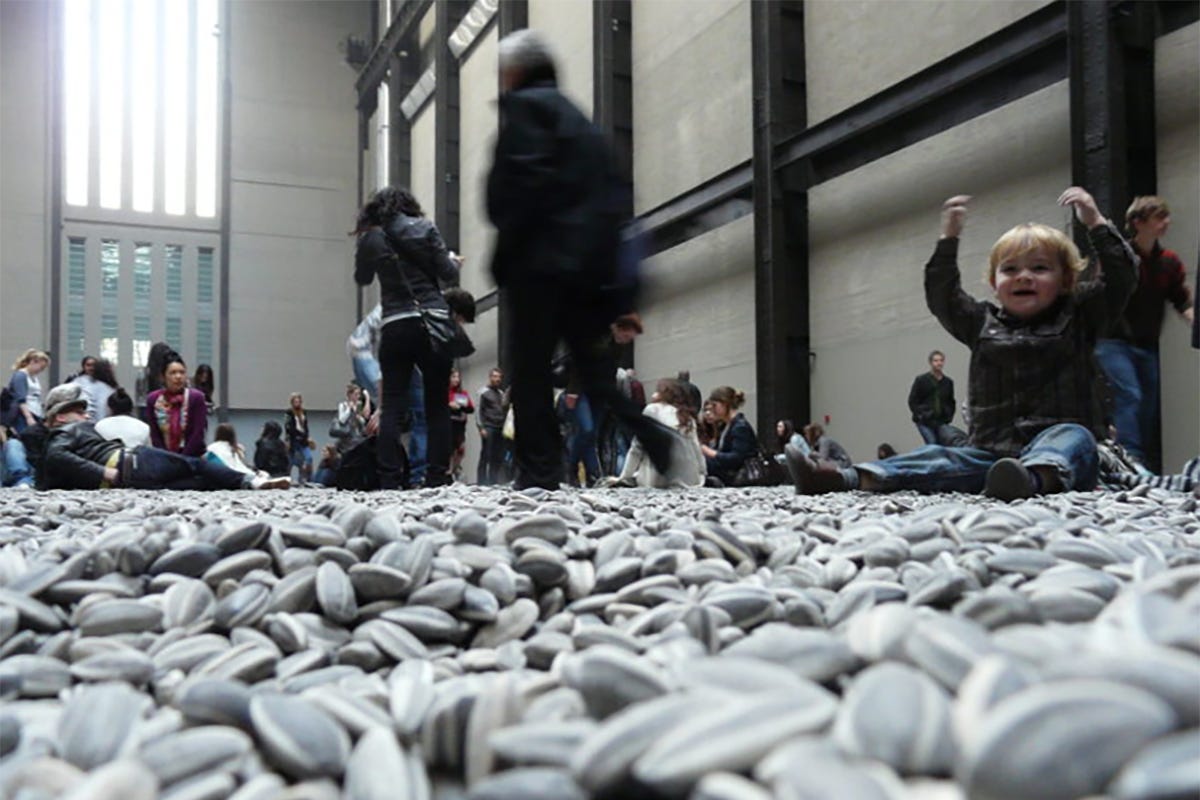
Authoritarian governments often understand something that democracies forget.
Art keeps memory alive.
When the state erased people from photographs, poets remembered their names. When governments rewrote history, novelists preserved lived experience. When propaganda flooded public life, photographers documented what official narratives refused to acknowledge.
Aleksandr Solzhenitsyn wrote about the Gulag.
Anna Akhmatova memorized poems rather than risk written copies.
Víctor Jara’s songs outlived the regime that murdered him.
The arts became society’s memory.
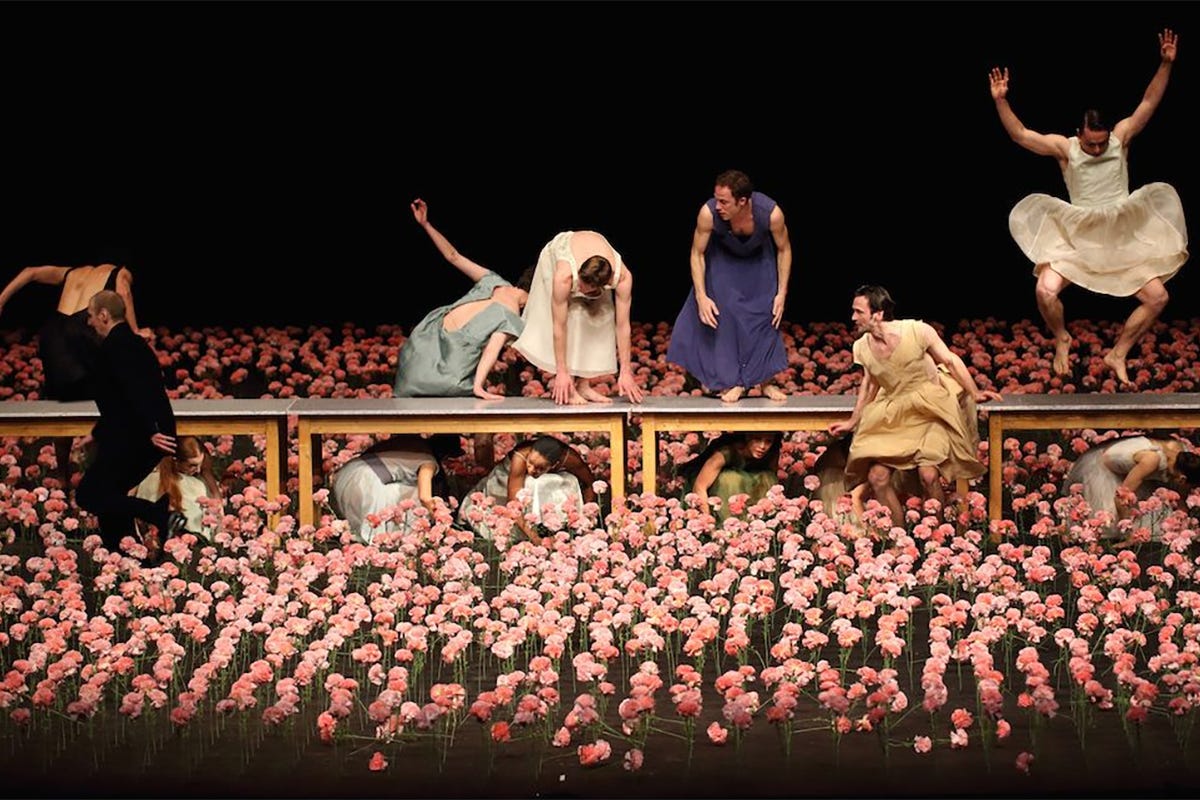
Politics often demands certainty.
Art asks questions.
Bertolt Brecht wanted audiences to think rather than merely identify with characters.
South African musicians like Miriam Makeba and Hugh Masekela reminded the world that apartheid was neither normal nor permanent.
The AIDS Memorial Quilt transformed statistics into neighbors, friends, and family members. It changed what millions of people could see.
The arts rarely persuade through arguments.
They reshape perception.
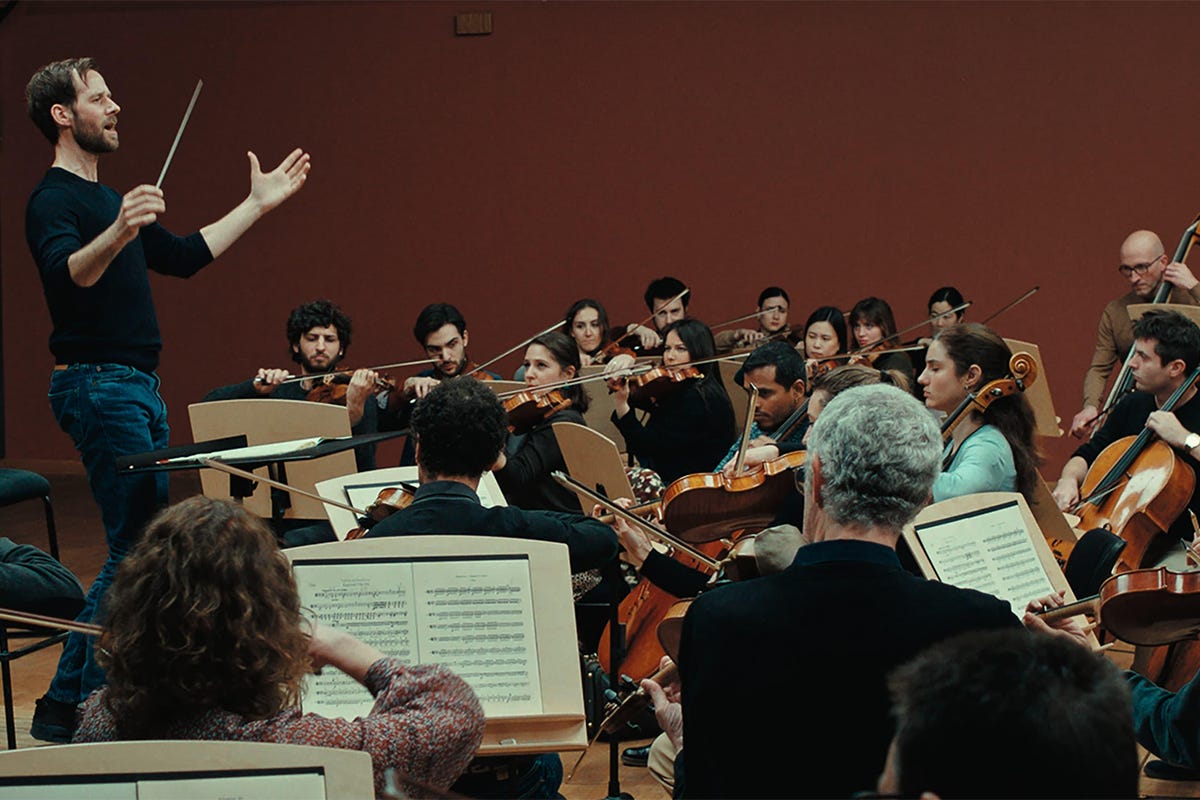
Healthy democracies need more than elections.
They need citizens capable of curiosity, empathy, perspective taking, ambiguity, and imagination.
Those capacities are cultivated every day in rehearsal rooms. On dance floors. In studios. Libraries. Community theaters. Museums. Choirs. Film sets. Creative writing workshops.
Perhaps that explains why authoritarian governments so often distrust artists.
Not because artists always oppose power. Because artists remind us that reality is always larger than ideology.
We often treat the arts as enrichment. History suggests something larger.
Again and again, artists have preserved truth when governments distorted it. They have protected memory when institutions erased it. They have imagined futures before politics could recognize them.
If creative intelligence has helped societies recover from fear, conformity, and authoritarianism in the past, shouldn’t it play a larger role in strengthening democracy before those conditions take hold?
That is the question Res Creativa exists to explore.
— Randall White
A note to Res Creativa Founders: We begin our video calls this week to shape what’s possible. Please contact me if you need additional information.


Comments
Nothing yet. Say the first thing.
Sign in to join the conversation.