

I have become increasingly suspicious of the phrase unprecedented times.
During my lifetime, I’ve watched Americans practice hiding beneath school desks in preparation for nuclear war. I’ve watched a president resign in disgrace. I’ve watched the Berlin Wall fall, the internet transform daily life, and two airplanes change the way an entire nation thought about safety.
Each of those moments convinced many people that the world they knew was coming to an end. Sometimes they were partly right. But history rarely ends.
It changes.
And then it asks us a different question: What kind of people are we going to become now?
That question has stayed with me because I hear the phrase unprecedented times almost daily. We use it to describe political upheaval, artificial intelligence, climate disruption, economic uncertainty, democratic backsliding, and the astonishing speed with which technology is reshaping nearly every aspect of our lives. We are living through extraordinary change, and some of the questions before us are unlike any we have faced before.
But perhaps “unprecedented” is not the most important thing about this moment.
Every generation eventually reaches a place where the old story no longer explains the world it inhabits. That is uncomfortable territory, but it is also remarkably familiar. We have stood there before, wondering whether the institutions, assumptions, and certainties we inherited are equal to what lies ahead.
Creative people have always learned to live in that uncertainty because every creative act begins before its outcome is known.
A composer begins before hearing the finished symphony. An architect imagines people living in a building that exists only on paper. A playwright writes dialogue for characters who have not yet taken the stage. Creative practice has always required stepping into uncertainty before certainty arrives.
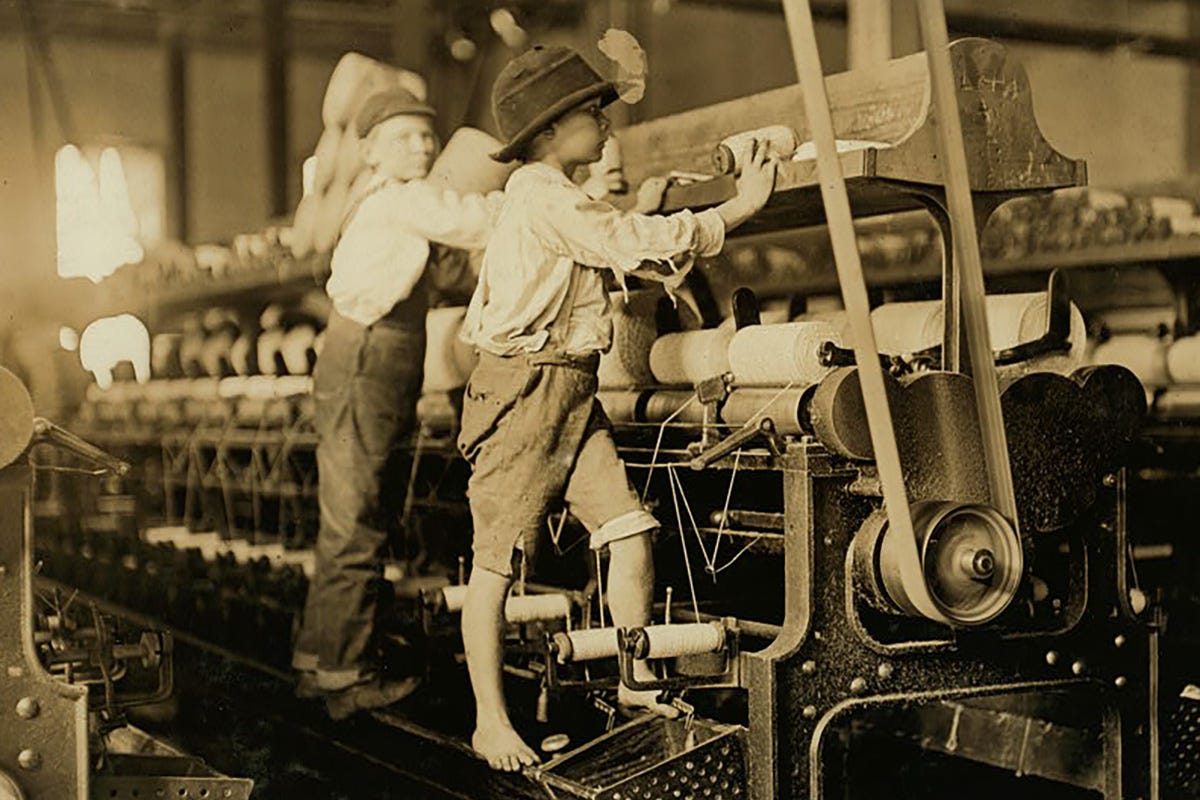
Perhaps that is one reason artists appear so consistently at moments of profound social change. Lewis Hine’s photographs changed how Americans saw child labor. Augusto Boal transformed theater into a place where ordinary people could rehearse responses to injustice before confronting it in everyday life. These artists were not simply documenting history. They were expanding what other people believed was possible.
History also reminds us that imagination can be used for darker purposes. Artists have served dictators, fueled propaganda, and glorified violence. Imagination itself is neither moral nor immoral.
Imagination is powerful. What matters is the future we ask it to create.
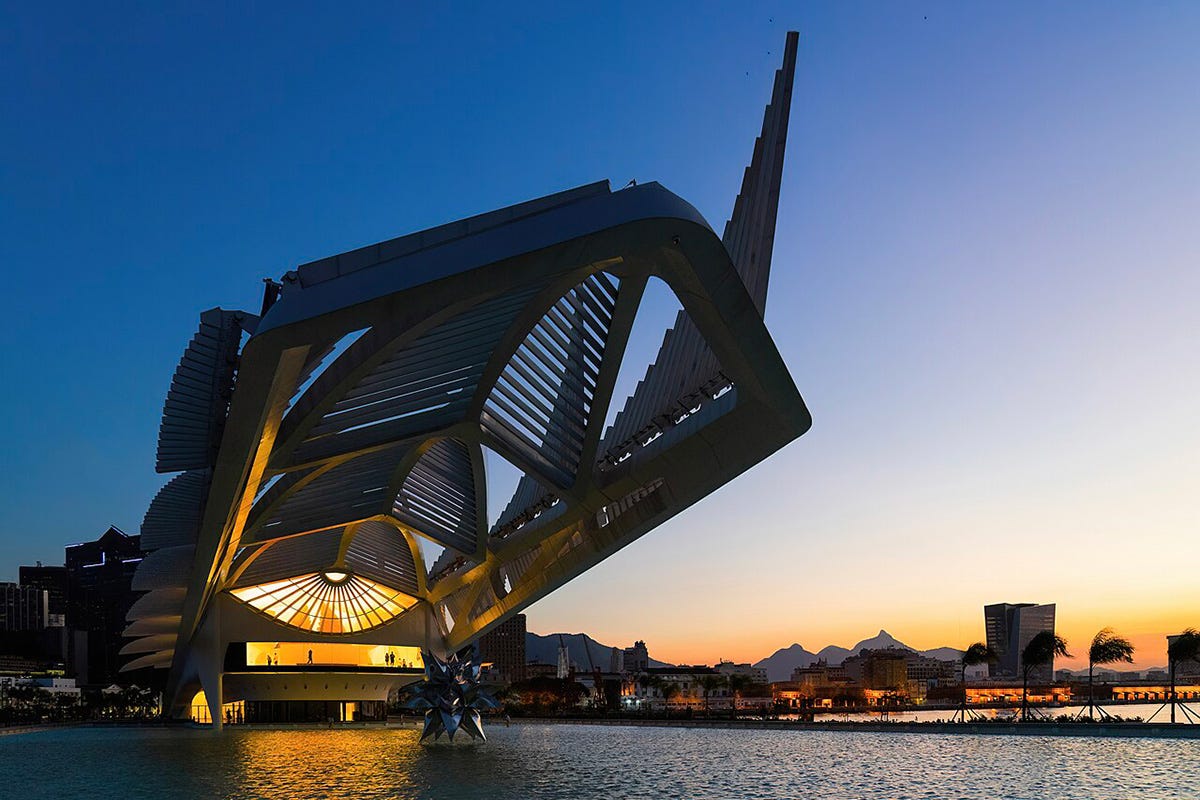
One of the things I find most interesting today is that some of the boldest visions for tomorrow are emerging not only from governments or universities, but from technology companies, entrepreneurs, scientists, investors, and engineers. They are asking ambitious questions about how we might live, work, communicate, govern, and even redefine community in the decades ahead.
Some of those ideas inspire me. Others give me pause. Most are probably a mixture of both.
I have no interest in opposing technology. It has enriched my own life in ways I could never have imagined when I was young. Nor do I see markets as the problem. Innovation has improved the human condition in remarkable ways.
But I do find myself asking something else.
Who is helping imagine the human future alongside the technological one?
Efficiency can tell us how to accomplish something more quickly. Markets can tell us what people are willing to buy. Artificial intelligence may solve problems that once seemed impossible.
None of those can answer a more enduring question.
What kind of human beings are we becoming?
Technology can help us build extraordinary tools. It cannot tell us what is beautiful, what is worth preserving, what belongs to all of us, or what kind of society is worthy of our children.
Those have always been questions of culture.
They have always been questions of imagination.

I sometimes worry that we have confused progress with acceleration. Moving faster is not necessarily the same as moving wisely, and building something new is not always the same as building something worth inhabiting.
Human flourishing has never been measured only by productivity, efficiency, or wealth. It has also been measured by belonging, beauty, curiosity, generosity, purpose, and our capacity to live meaningfully with one another. Those qualities resist easy measurement, yet they are the qualities that determine whether a society becomes merely successful or genuinely humane.
Human flourishing cannot be reduced to what can be monetized, automated, or optimized.
That, more than anything else, is why Res Creativa exists.
Months ago, I wrote an essay titled Come Build Beside Me.
Looking back, I realize I was reaching for something I could not yet fully articulate. I wasn’t asking artists to rescue democracy or inviting people into another movement organized around outrage. I was trying to express a conviction that has only grown stronger with time.
The future is not something that simply arrives. It is something human beings continuously create together. Every law, every institution, every city, every scientific breakthrough, and every work of art began as an act of imagination before it became an act of construction.
If we are not imagining the future, we will almost certainly inherit someone else’s.
I hope technologists help imagine it. I hope entrepreneurs help imagine it. I hope scientists help imagine it. I hope teachers, physicians, public servants, and business leaders help imagine it.
And I hope artists are standing beside every one of them.
Not because artists possess better answers, but because they have spent centuries practicing something every age of upheaval eventually requires. They know how to begin before the outcome is certain. They know how to revise rather than surrender. They know how to hold complexity without rushing toward simplistic conclusions. Most of all, they know that every meaningful act of creation begins with the courage to imagine that tomorrow does not have to look exactly like today.
I’ve lived long enough to know that no generation gets to choose the moment into which it is born.
We only get to choose how we respond to it.
Mine has watched extraordinary things disappear and extraordinary things emerge. I’ve learned to be skeptical of predictions that civilization is ending, and equally skeptical of promises that technology alone will save it.
What has earned my confidence instead are the human capacities that have carried us through every previous age of upheaval. Curiosity. Imagination. Generosity. The willingness to make something together before anyone can guarantee it will succeed.
Those capacities are still here.
I’ve seen them.
And that gives me reason for hope.
— Randall White

Res Creativa is an alliance of artists, creators, makers, culture bearers, and allies who explore how imagination, collaboration, and creative practice can strengthen public life.
Subscribe to My Substack (It's Free)
Comments
Nothing yet. Say the first thing.
Sign in to join the conversation.