
The end is almost near. Despite repeated delays, our first e-book, ‘Cine Persia: Voices of Iranian Cinema,’ will soon be available to buy. As we near the end of this journey the question begs, “What’s next?” If you’ve been following us here at Cine Bijou, you know we don’t just watch movies but obsess over them. We live for celluloid anomalies, forgotten auteurs, localised film histories, and the obscure industry corners that mainstream cinema history often leaves in the margins.
Up until now, I’ve been working quietly behind the scenes, not only to finish Cine Persia but outlining some exciting future projects. Today, I decided to pull back the curtain to give you a peek at some of these projects. Over the coming months, I’ll be posting a series of retrospective features, each aiming to build the foundation for a future, definitive Cine Bijou Presents collection.
I want Cine Bijou Presents to be more than a collection of books. My dream is for it to be a curation of alternative film history. Here is a teaser of some of these projects.
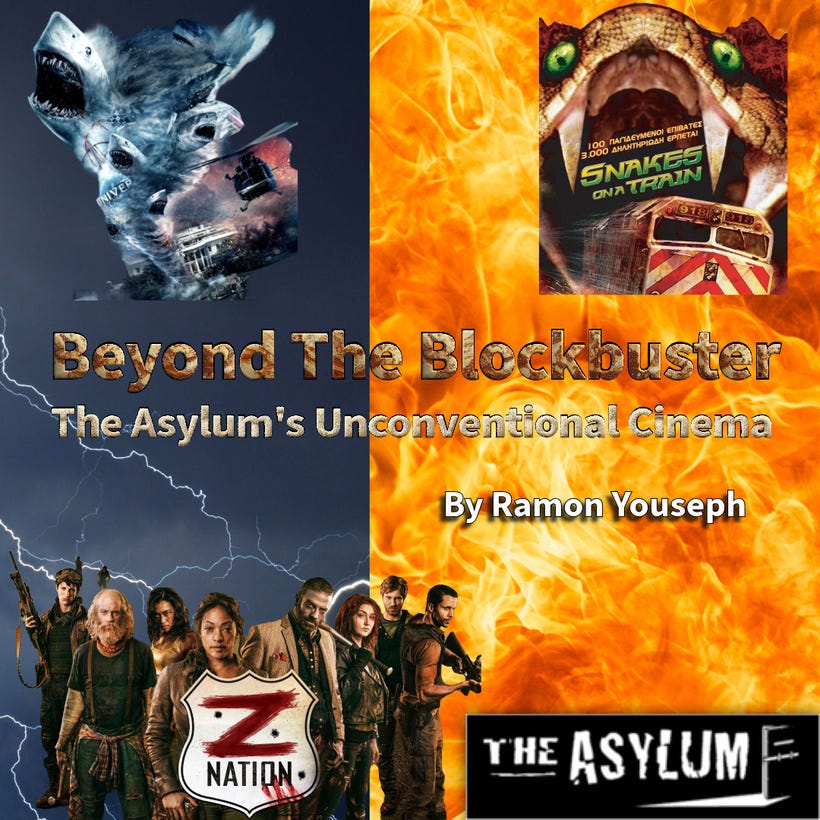
A project over 6 years in the making, and was intended to be my first book. After a long pause, and once Cine Persia is finished and available, I’ll restart this literary love letter. Love them or loathe them (and I definitely love them), you cannot ignore them. Through collected interviews with The Asylum’s partners and key talents behind the camera I’ll open the door on the shameless corporate history of the studio that cracked the home-video and streaming algorithms with titles like Transmorphers and the infamous ‘Sharknado’ saga. This is not a tell-all exposé but a wild ride into how this little studio created a global cinematic phenomenon.
Forget gun slinging cowboys and rogue detectives: war journalists are both reel and real heroes. Tapping into my affection for the war correspondence from Sydney Schanberg to Rick Boyle I want to dive deeply into that explosive, cynical decade where the war movie traded its rifles for press badges. From the horror of a family’s worst nightmare in Missing (1982) and the operatic trauma of The Killing Fields (1984), to the drug-fuelled gonzo chaos of Salvador (1986) I’ll reflect on how Hollywood stylised the “reel” drama versus the raw, real-world of war reporting.
Before The Karate Kid turned martial arts into the ultimate tool for the cinematic underdog, Karate was viewed with a very different lens. No martial art feature in film has gone through such a sociological evolution as Karate. For decades it was the fighting art of choice for Japanese and European (sometimes American) warriors to inflict oppression and humiliation on the Chinese nation. As an avid Karate-ka myself I will have fun chronicling how Karate was the brutal bad guy of fighting arts until The Karate Kid ushered in its esoteric age.
If you enjoyed epic cinema through the 80s and 90s you should recognise Orion Pictures. Be it sci-fi action classic ‘Robocop’ or Kevin Costner suprise epic western ‘Dances with Wolves’ the studio produced films that define the words ‘timeless’ and ‘classic’ Orion was a studio that gave directors total creative freedom, resulting in back-to-back Best Picture Oscars like Platoon, Amadeus, and The Silence of the Lambs. At the same time it was, much like Cannon Films, sliding into catastrophic financial ruin. I’ll be looking into the mavericks that drove the studio through its highs and lows, celebrating the best and worst of the studio’s output.
Visual Grit: The Outlaw Cinema of Peter Hyams
Although not with some due credit, Peter Hyams remains one of the unsund cinematic heroes of cinema. He is, without a doubt, one of the greatest genre directors of the 70s, 80s, and 90s and must be given his absolute due. Peter Hyams is a director who was a beast when to come to style insisting on acting as his own Director of Photography. From conspiracy thriller ‘Capricorn One’ to satanic action adventure ‘End of Days’ I’ll be delving into his signature visual style.
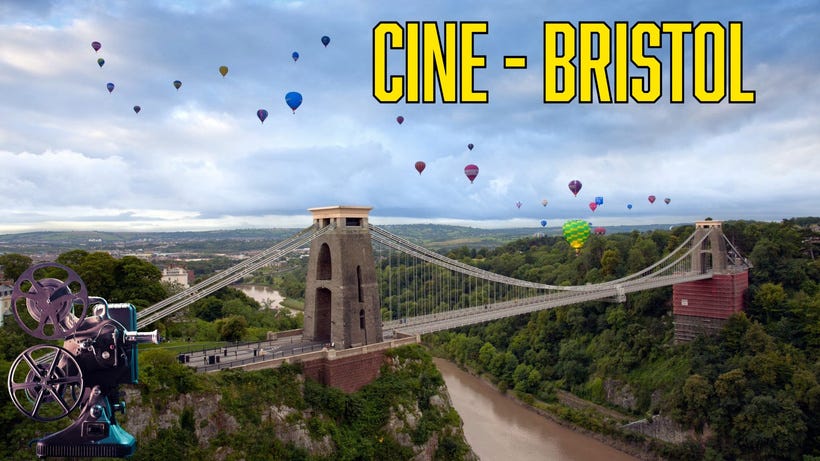
And finally, a project incredibly close to my heart since I am Bristol born and mostly bred. This book will be a journey, mapping the rich, localised history of Bristol as a true City of Film - designated officially in 2017 by UNESCO. From the overlooked cine pioneer William Friese-Green to its growth as a premier global shooting location and independent cinema hub, Cine Bristol will be the definitive cinematic geography of my home town.
In the run up to these projects I’ll be posting retrospectives and reflections - a form of B-roll if you like to tease these future features. I will bring my own brand of humorous, sharp film criticism, behind-the-scenes production insight, and the sort of context one expects from a cultural film historian.
The projector is running.
Comments
Nothing yet. Say the first thing.
Sign in to join the conversation.