
In the late 17th century, a newborn girl was buried in the soil of Punjab, another victim of female infanticide, a practice that continued despite repeated condemnation.
Her story should have ended there.
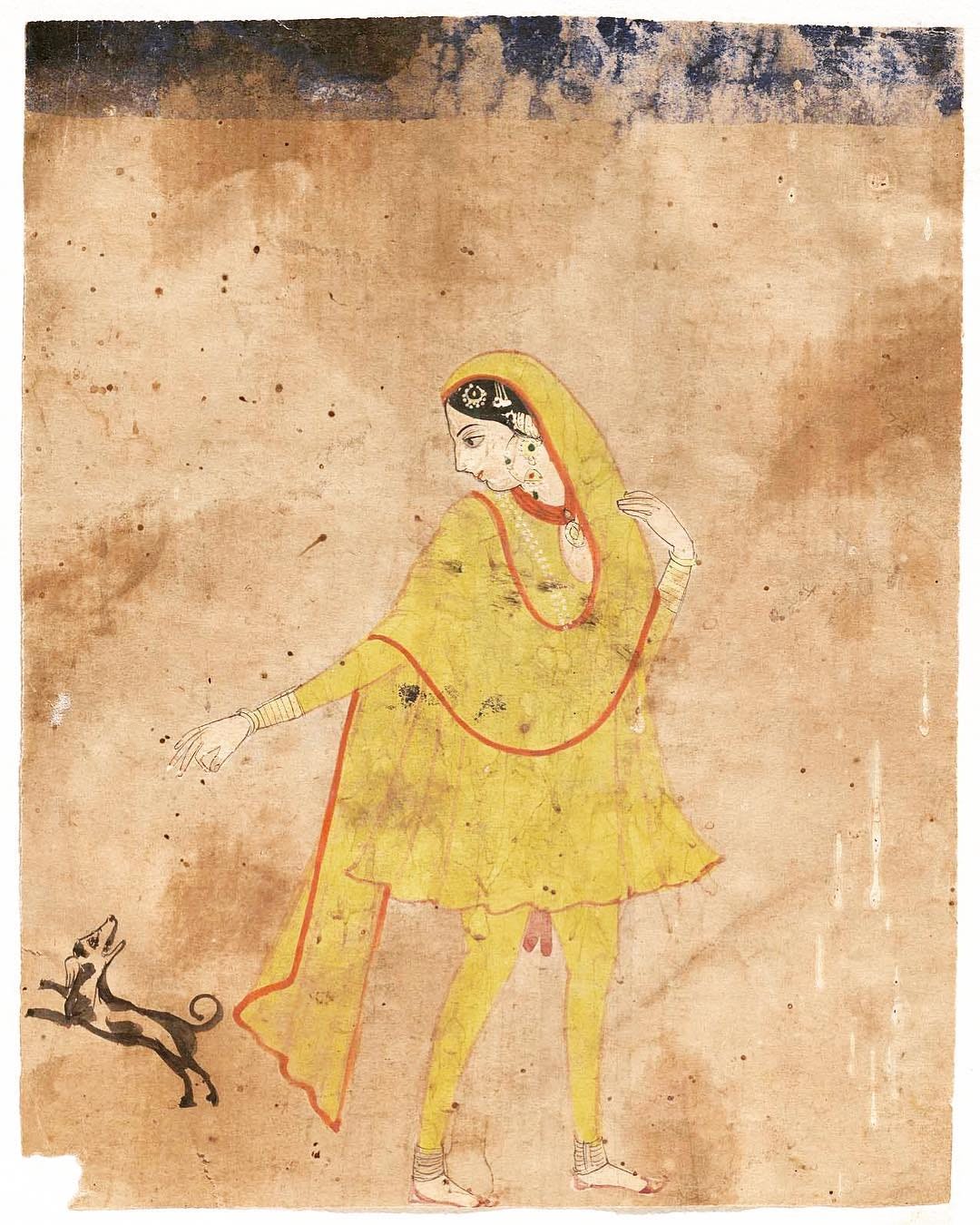
However, hours later a wandering faqir travelling through the area heard a faint cry emerging from the earth, dug the infant out, saved her life and, according to tradition, prophesied that she would marry a king and be the mother to kings. The child, rescued from the ground, was named Fatto.
By the early 18th century Fatto appeared again in the historical record. In 1707 she married Ala Singh, at the time, a little-known Sikh chieftain from Barnala.
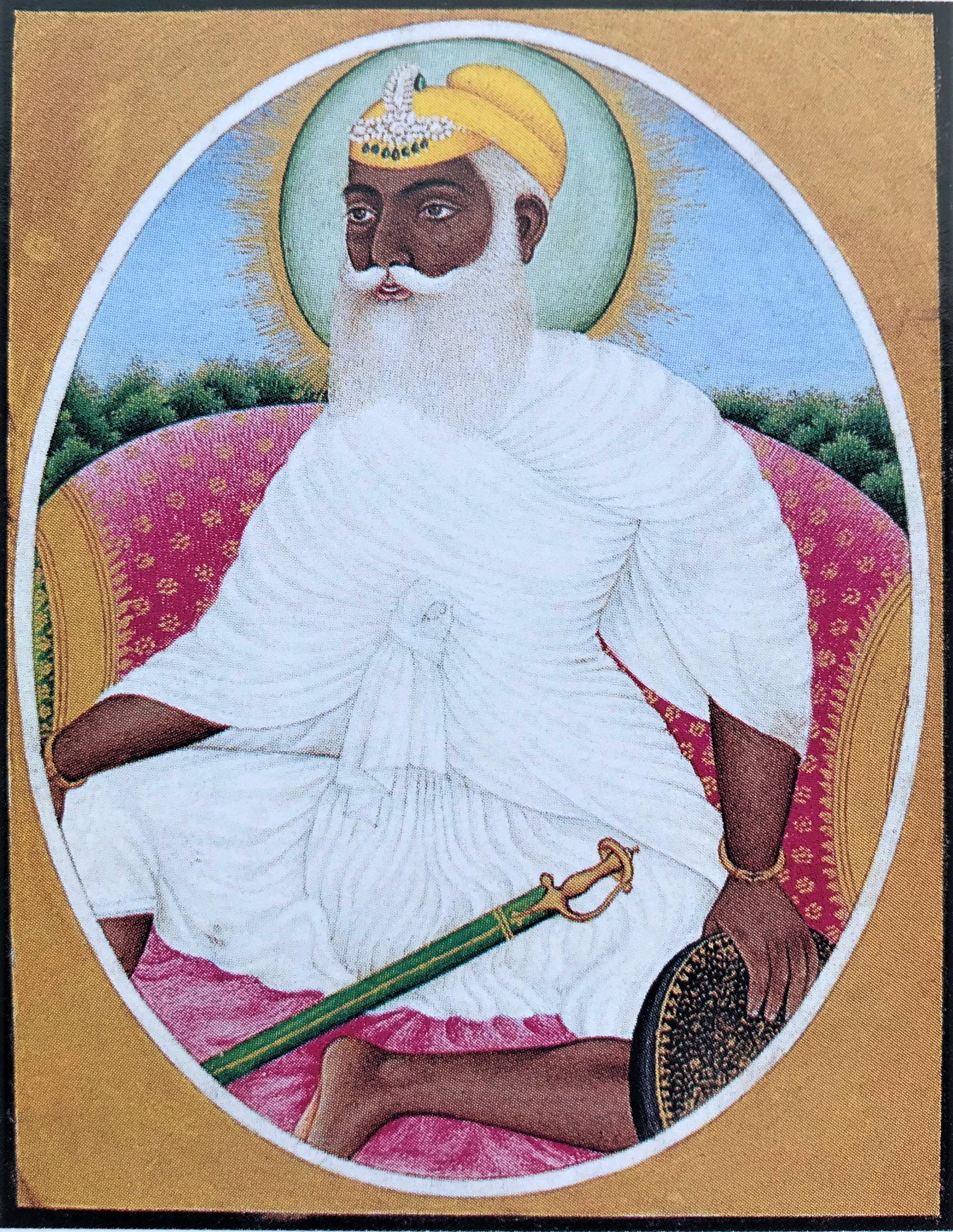
At that moment Barnala was a small dera with modest military resources and limited political weight. Yet over the next decades Ala Singh rose to become the founding ruler of Patiala, one of the most powerful Sikh states. The transformation did not occur by chance. The sources, presented elegantly by Harleen Singh in his first book The Lost Heer, suggest that Fatto stood at the centre of that ascent.
Her family background proved decisive. Fatto was connected to influential Malwa clans and those links became bridges of support, protection and alliance. Almost every notable ally and benefactor who aided Ala Singh’s rise came from her side of the marriage. Contemporary chroniclers portray her not as a passive partner but as a strategist who shaped policy, introduced allies and advised on almost every major decision. It was widely noted that Ala Singh sought her guidance and respected her counsel. Fatto was, in effect, the architect of his power.
Her role became most visible in the 1750s, when Ahmad Shah Abdali’s Afghan forces swept into northern India, having plundered Delhi and threatened Punjab. At a moment of peril, Ala Singh was absent from Barnala. Fatto assumed command.
Understanding that resistance would be futile against a large and mobile army, she ordered civilians, livestock, horses and the treasury removed overnight to the safer fort at Bathinda.
When Abdali’s forces entered Barnala, they found nothing worth plundering. With a single decision, Fatto protected both the people and the wealth on which Ala Singh’s authority depended.
However, this was just the first step. Mai Fatto, recognising that the Afghans would return, switched to diplomacy. She dispatched four senior advisers directly to Abdali’s wazir to open negotiations.
The Afghan army, exhausted from fighting the Marathas, preferred tribute to further bloodshed. Abdali demanded four lakh rupees and summoned Ala Singh to appear before him. Despite fears that the summons was a trap, Ala Singh travelled to the Afghan court. Thanks to the groundwork laid by Fatto, he returned alive along with his newly granted title “Wazir of Sirhind”.
It was a shocking reversal. Instead of losing everything, Ala Singh gained recognition, and Patiala was treated as a vassal state within the Afghan sphere.
From that point on Fatto’s influence only strengthened. Over more than 50 years she arranged marriages that secured alliances, eased tensions among neighbouring chiefs, funded military campaigns and stabilised local politics. Contemporary legend summarised her impact more directly: “Patiala’s throne rests on Fatto’s foresight.”
By the time she died in 1773, the transformation was undeniable. Barnala had shifted from a vulnerable desert settlement into one of the richest and most confident Sikh states in the region, a centre of power that would endure for nearly two hundred years. That foundation rested in no small part on Fatto’s strategic marriage alliances, diplomatic judgement and political intelligence.
Seen against the male chiefs who filled the records of the 18th century, Mai Fatto is a reminder that political power in Punjab did not belong to men alone. At every major turn in Patiala’s early rise — alliance-building, diplomacy, finance, evacuation and negotiation — she is present. Her story shows that women were not merely witnesses to the making of Sikh states but active participants who shaped strategy, survival and success.
If Mai Fatto’s story has sparked your interest, she is only one of dozens of women recovered in Harleen Singh’s work. We dig into these lives, the sources behind them and the wider world of The Lost Heer in our podcast episode together. Watch it below or wherever you listen to your podcasts.
No posts
Comments
Nothing yet. Say the first thing.
Sign in to join the conversation.