Join host Lindsey Smith and other Elsevier team members for a global conversation about improving health and healthcare with prominent figures in education and healthcare innovation as well as senior leaders at organizations such as the CDC, National Institutes of Health, Johns Hopkins University, WHO, Harvard University, NYU Langone and many others.
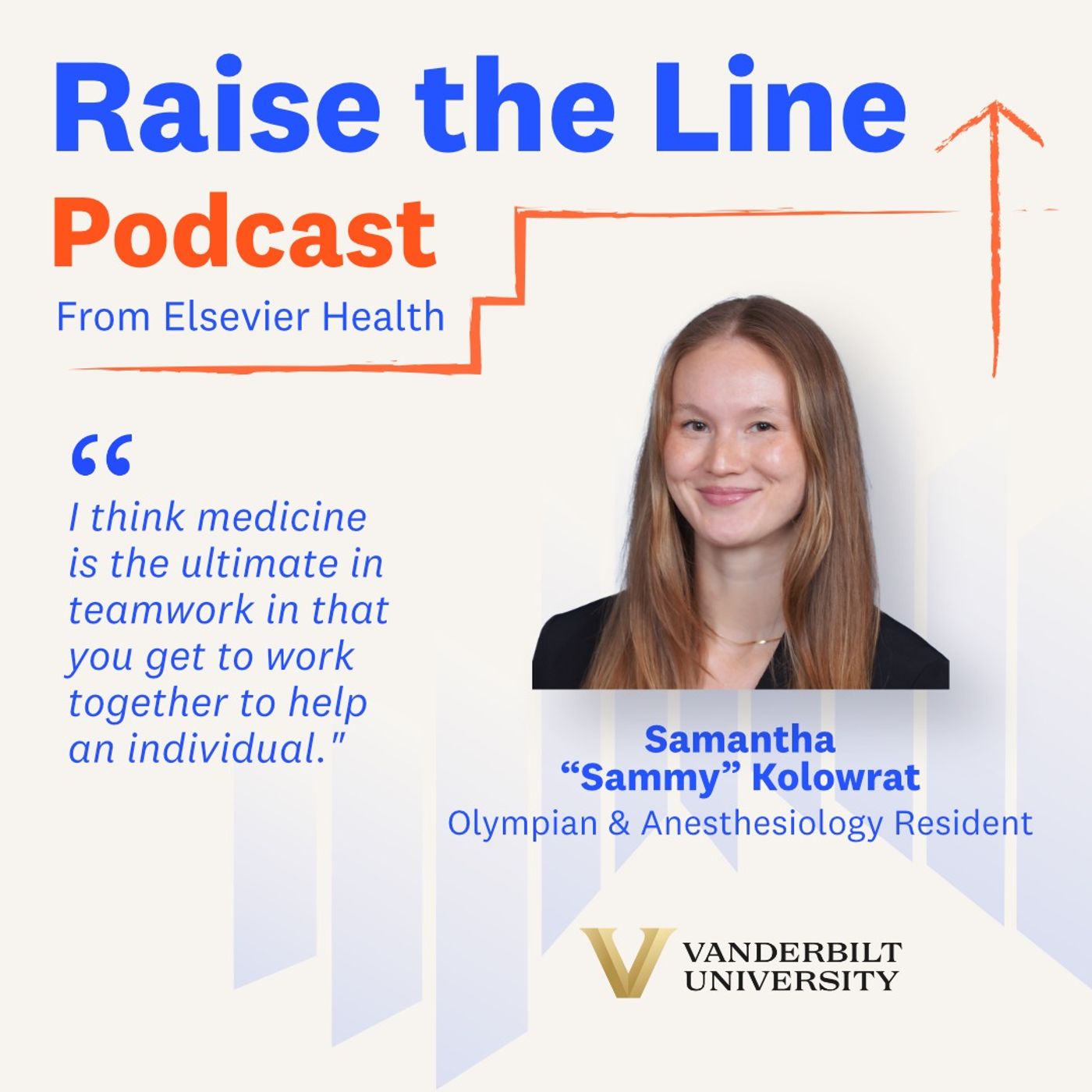
What does it take to compete on the world's biggest stage and then pivot to one of the most demanding training paths in professional life? Today's guest, Samantha "Sammy" Kolowrat, has done both, and she has some fascinating insights into the commonalities of those two worlds on this episode of Raise the Line . “Something that really drew me to medicine is the team atmosphere that’s there as you…
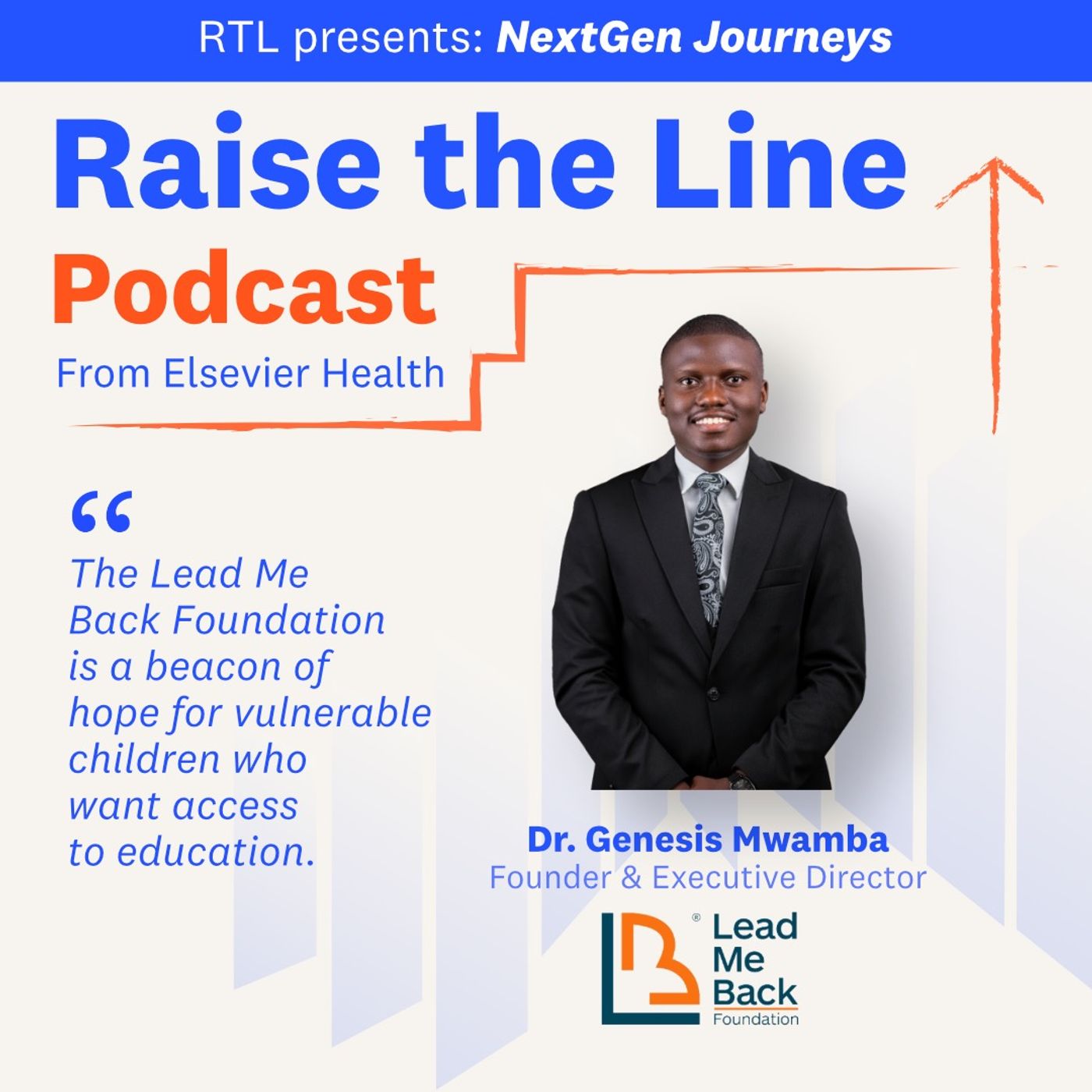
An 11-year-old boy in rural Zambia once told Dr. Genesis Mwamba that he was about to attend school wearing shoes for the first time in his life. That moment, Dr. Mwamba says, crystallized why he started the Lead Me Back Foundation to provide school supplies and other support to marginalized communities in his native country. As you’ll learn in this inspiring installment in our NextGen Journeys…
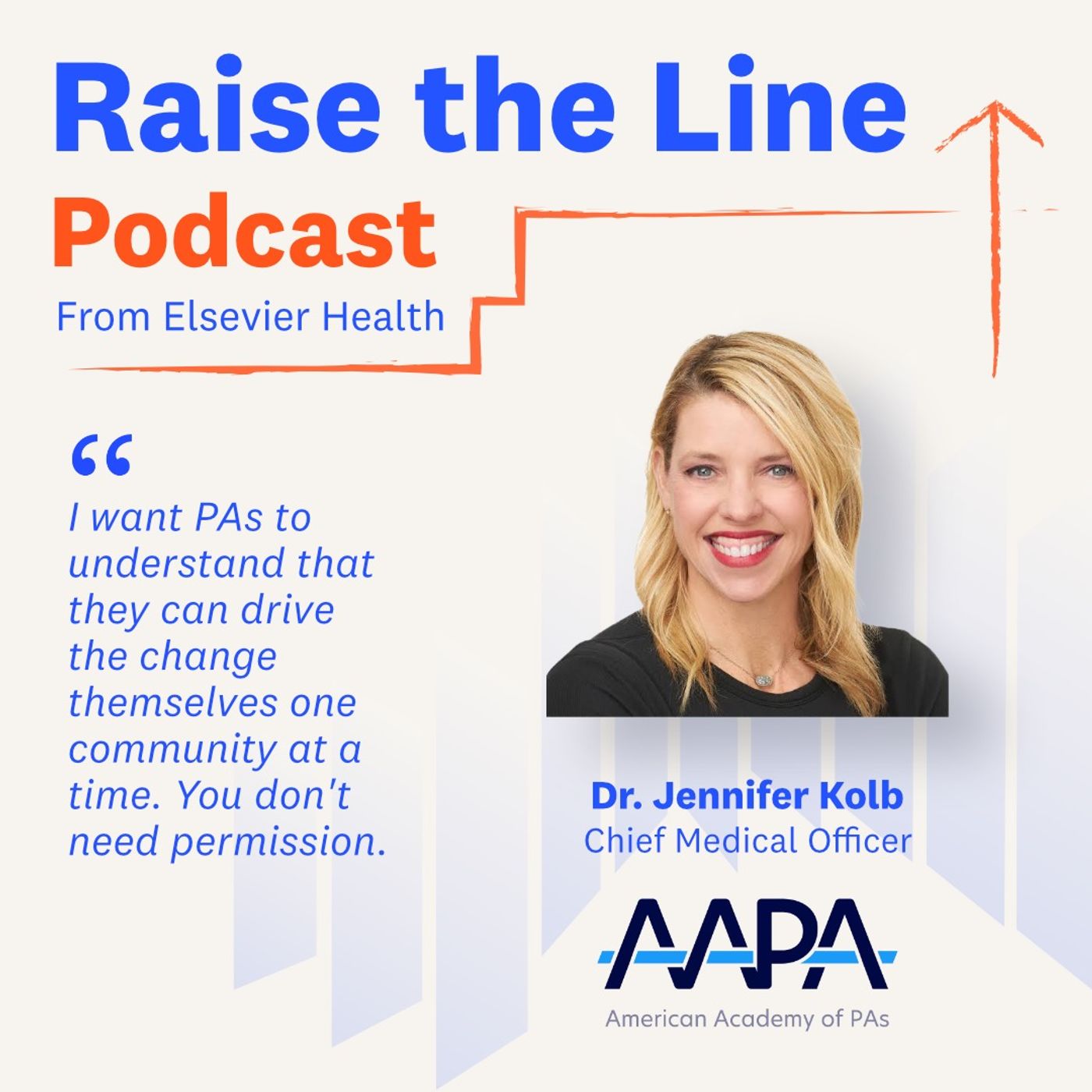
"We have an untapped army of 200,000 PAs that really could step up and drive some change in the healthcare system if we weren’t restricted,” says Dr. Jennifer Kolb, capturing her motivation for pushing to update practice regulations for physician associates that date back more than 50 years. As Chief Medical Officer and Senior Vice President of Clinical Affairs at the American Academy of Physician…
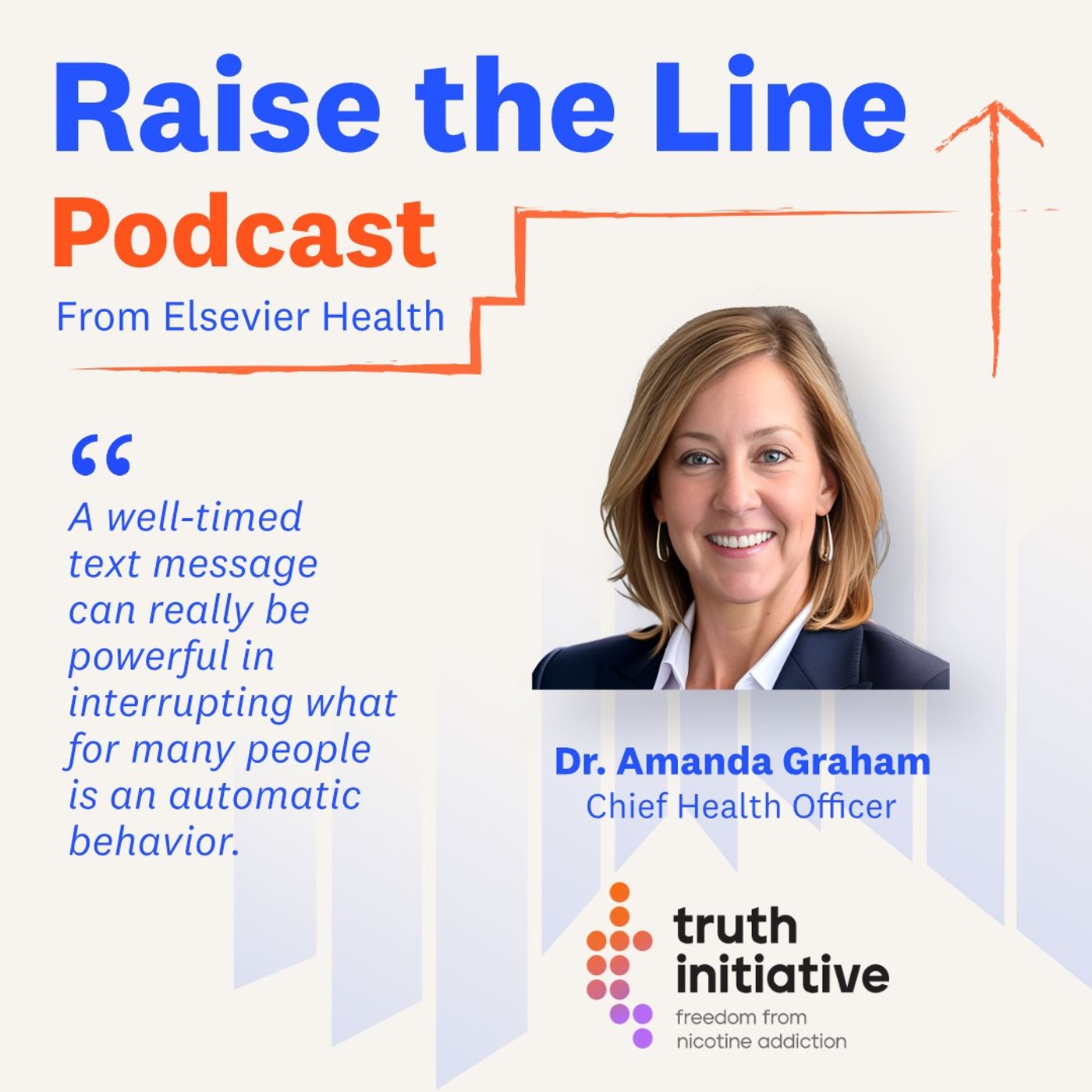
Most adults who smoke want to quit, and about half try to do so in any given year, yet fewer than one in ten succeed. That persistent gap between intention and outcome is one of the central challenges in public health, and it's exactly the kind of problem that calls for new thinking about how to communicate with people to support behavior change. Dr. Amanda Graham has been a leading force in doing…
"I always remember feeling like I was part of the clean plate club," says Dr. Christle Guevarra, recalling a childhood spent quietly convinced that her weight was a matter of willpower. That belief followed her through a competitive powerlifting career and medical practice until she finally tried a GLP-1 medication herself and, as she describes it, the constant mental noise around food quieted…
Millions of Americans were saddened and outraged by the Sandy Hook Elementary shooting in 2012 that took the lives of twenty children and six adults, and were left feeling helpless about the epidemic of gun violence in the U.S. that, sadly, continues to this day. But for our guest today, Shannon Watts, her feelings of devastation about the shooting turned to rage and fueled her unlikely rise to…
In the United States, nearly 70% of people say they want to die at home, yet the majority still die in medical settings, often after receiving care that may not match their goals and values. Closing that gap between preference and reality is at the heart of the work being done by End Well, a nonprofit dedicated to transforming how we think about, plan for, and experience the end of life. "The gap…
While Elsevier’s most recent Clinician of the Future Report shows increasing adoption of artificial intelligence tools among physicians and nurses, and optimism that they will improve quality of care in the future, a majority raised concerns about trust and reliability. To increase the level of trust, 60% said transparent citations of evidence-based and peer-reviewed research will be key. How to…
It’s been one year since the U.S. Centers for Disease Control and Prevention, in an unprecedented move, dismissed all the members of its Advisory Committee on Immunization Practices (ACIP), kicking off what would turn out to be a very concerning and busy year for infectious disease specialists. We’re going to recap this turbulent period – which includes a resurgence of measles, an unusually rough…
"Do nothing for us without us." According to today’s guest Robyn Bussey, that operating principle is the basis for effective community health work. "You don't go into a community and dictate. You go and listen and trust and be a partner," she adds. As you’ll learn in this enlightening conversation, Bussey is following that approach in her current work as Just Health Director at the Partnership for…
As concerns escalate about the deadly Ebola virus outbreak in Africa, we bring you the unique insights of Dr. Peter Piot, a renowned microbiologist who co-discovered the virus 50 years ago during the first recorded outbreak of the disease. His on-the-ground account of that crisis was provided to us in April before the current outbreak was declared, but it contains valuable historical perspective…
The ongoing outbreak of hantavirus infections that originated with passengers on the Dutch cruise ship MV Hondius in April has generated concerns across the globe. This very rare occurrence has led to a number of deaths, required quarantining of passengers and prompted emergency responses from public health authorities in multiple countries. On this episode of Raise the Line from Elsevier , we’re…
We mark National Mental Health Awareness Month on this episode by tapping the expertise of Dr. Steve Strakowski, an internationally recognized expert in bipolar disorder, who has spent decades studying the neurobiology and treatment of mood conditions while pushing just as hard on the structural barriers that keep effective treatments out of reach for more than half the people who need them. In…
"When the workforce does not align with the population, your system is misaligned by design." That candid observation comes from Tina Loarte-Rodríguez, DP, RN who has spent much of her two decade career in patient safety, risk management, and systems leadership as the only Latina in the room, which she sees as a signal of a systemic failure that demands structural solutions. As we mark National…
The doctor is in....the box. That’s one way to describe how patients are now encountering their physicians in what’s being described as the future of telehealth. Imagine that instead of a cancer patient in a rural area driving hours for an appointment to see their specialist at an academic health center, they can go to their local clinic and see a life-size, real-time, 3-D projection of them in a…
“One of the reasons The Pitt has been so successful is because it's showing real expertise in a time when everybody thinks they're an expert,” says Dr. Mel Herbert, who brings decades of experience as an emergency medicine specialist to his work as a writer and consultant on the hit HBO Max show. Dr. Herbert, who was also a consultant on the groundbreaking TV drama ER, is one of seven physicians…
"Headache is just a teeny piece of the puzzle," says Dr. Regina Krel, an insight that’s at the heart of why migraine syndrome, one of the leading causes of disability worldwide, remains so persistently misunderstood. In this informative conversation with Raise the Line from Elsevier host Michael Carrese, Dr. Krel, the director of Headache Medicine at Hackensack University Medical Center, explains…
To mark the sixth anniversary of Raise the Line from Elsevier we're revisiting one of the most remarkable stories we've had the privilege of sharing over the last 575 episodes. To do that, we're delighted to welcome back Dr. David Fajgenbaum, a physician-scientist who repurposed an existing medication that saved his own life from Castleman disease, an ultra-rare condition that nearly killed him on…
How AI Could Strengthen the Doctor-Patient Relationship: Dr. Ashwin Vasan, Senior Fellow in Health Policy and Global Affairs at Yale School of Public Health and Affiliate Faculty at Yale Jackson School of Global Affairs “Ultimately, AI needs to be a tool that doesn't break down trust or empathy or clinical judgment, but rather helps enhance those things.” That aspirational perspective from Dr.…
Imagine you had a tutor who was with you every time you were studying and, because they knew your learning style, strengths and weaknesses, could hand you the right content at the moment you needed it to deepen your understanding of a topic. That’s the pedagogically powerful experience students are having with AI-enhanced learning systems such as Osmosis AI , making possible what our guest,…
“Everything I’m not, made me everything I am.” For Dr. LaMar Hasbrouck, that song lyric captures how growing up in a community marked by food insecurity and limited access to healthcare shaped a lifelong mission to improve health on a broad scale. Dr. LaMar, as he’s known, has pursued that mission in a variety of impactful roles, including CDC disease detective, director of the Illinois Department…
“Every person deserves kindness, dignity, and respect, regardless of what their medical situation is,” says Madison Donnelly, PA-C, who joins host Dr. Parsa Mohri on the latest installment of our NextGen Journeys series. As you’ll hear in this thoughtful conversation, Madison is bringing that commitment to patient advocacy and equitable care to her patients at Community Care Physicians in Albany,…
We’ve spoken with many guests about clinical and technological trends impacting healthcare providers, but less so about the trends on the business side of practicing medicine. So on this episode, we’re going to make up for that by spending our time with Dr. Alexander Vaccaro, an influential spine surgeon and president of one of the largest musculoskeletal practices in the U.S. -- Rothman…
We've had many conversations on Raise the Line about the challenges of health communication in today's world of information overload, but none of our guests have the kind of expertise Dr. Tesfa Alexander has acquired in a career that has taken him from Madison Avenue to the halls of government and academia. From guiding tobacco education research at the FDA to leading public health initiatives at…
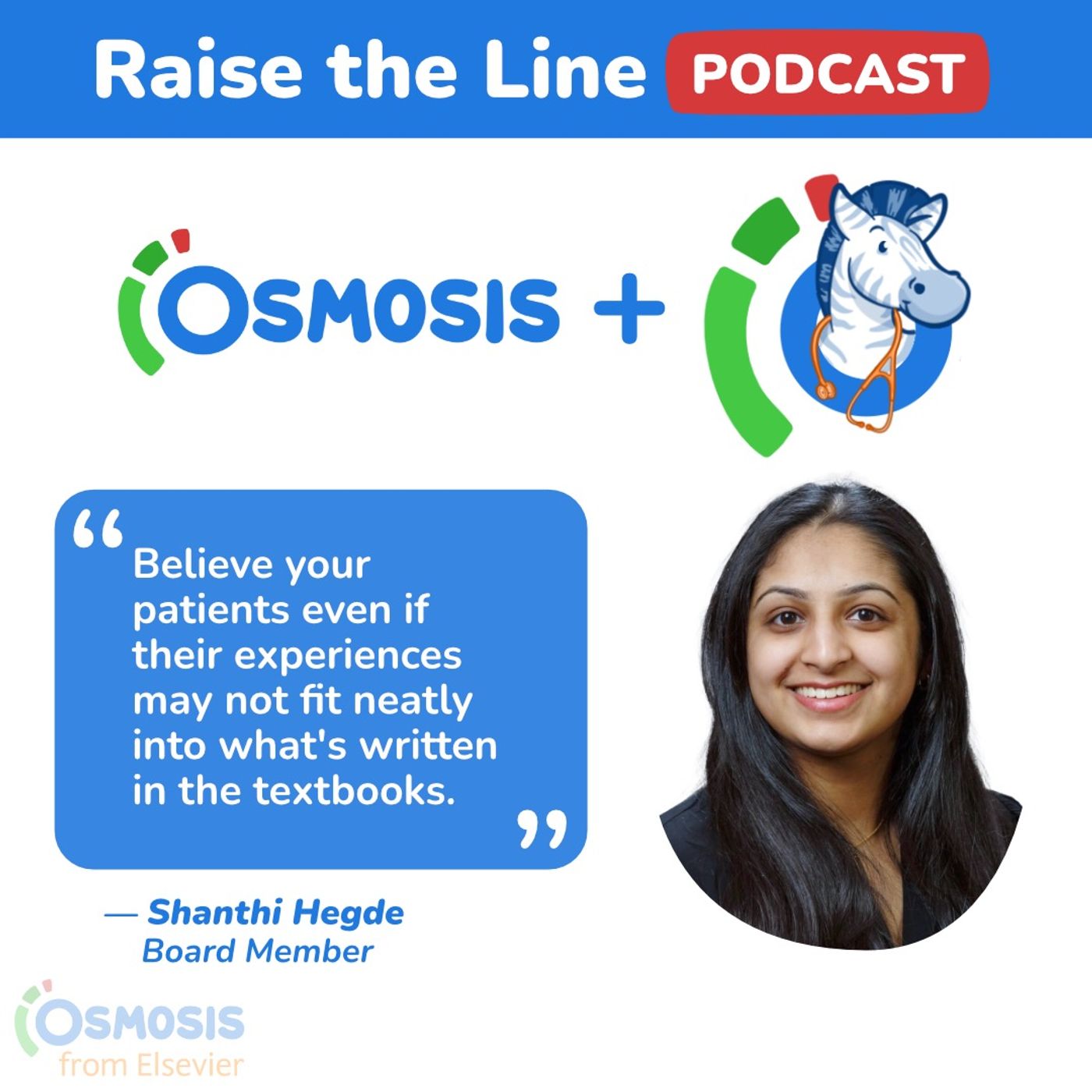
We’re marking Rare Disease Month 2026 by highlighting the powerful story of Shanthi Hegde, a young patient advocate working to transform how bleeding disorders are understood, treated, and supported. This work is fueled by her own arduous journey with two rare bleeding disorders and immune dysregulatory syndrome, and an extended diagnostic odyssey marked by dismissal, underdiagnosis, and…
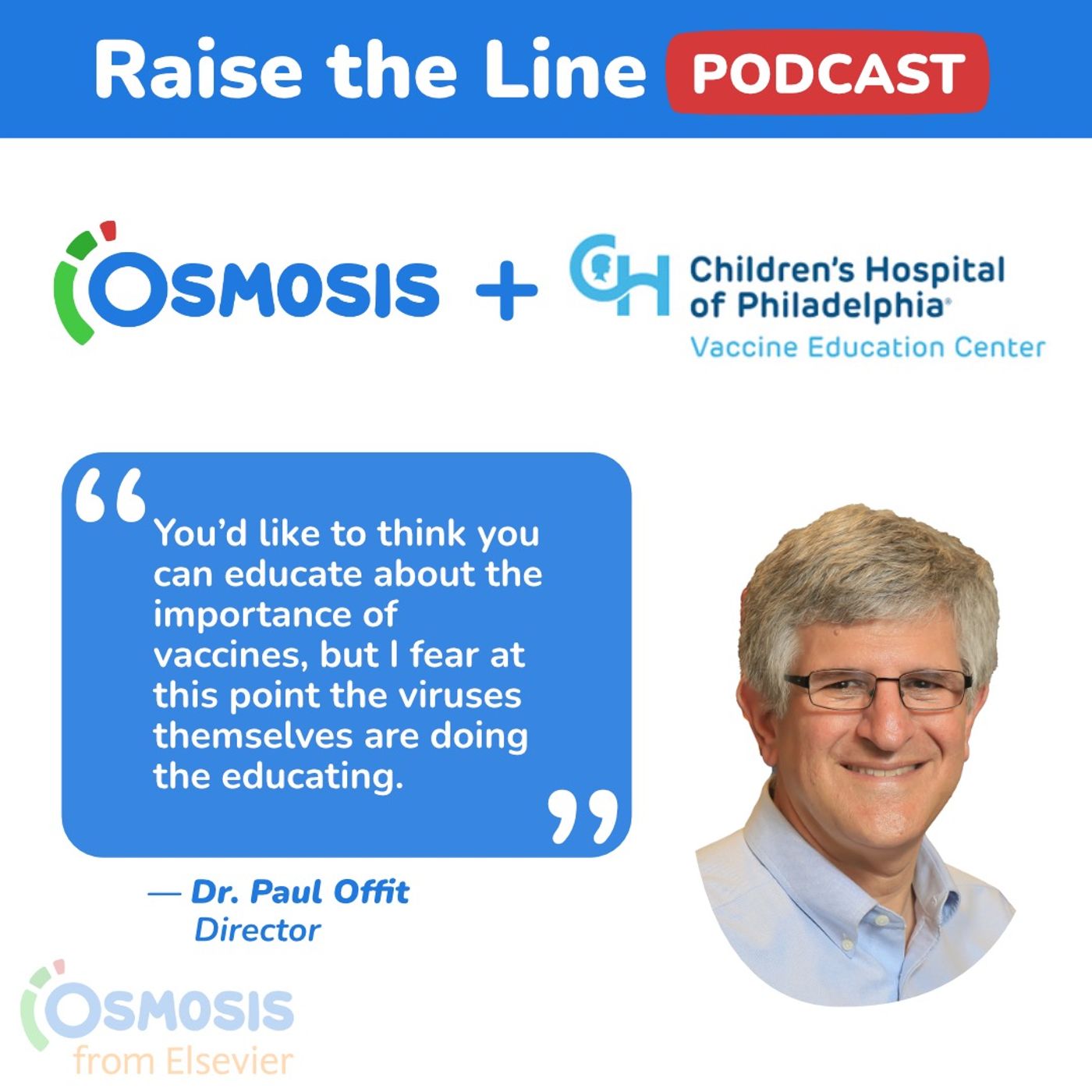
Few issues have tested public trust in medicine as deeply as vaccines, and few individuals have influenced that dialogue more than Dr. Paul Offit, director of the Vaccine Education Center at the Children’s Hospital of Philadelphia and a longtime member of the FDA’s Vaccine Advisory Committee. In this timely and candid interview with Raise the Line host Lindsey Smith, Dr. Offit points to this…
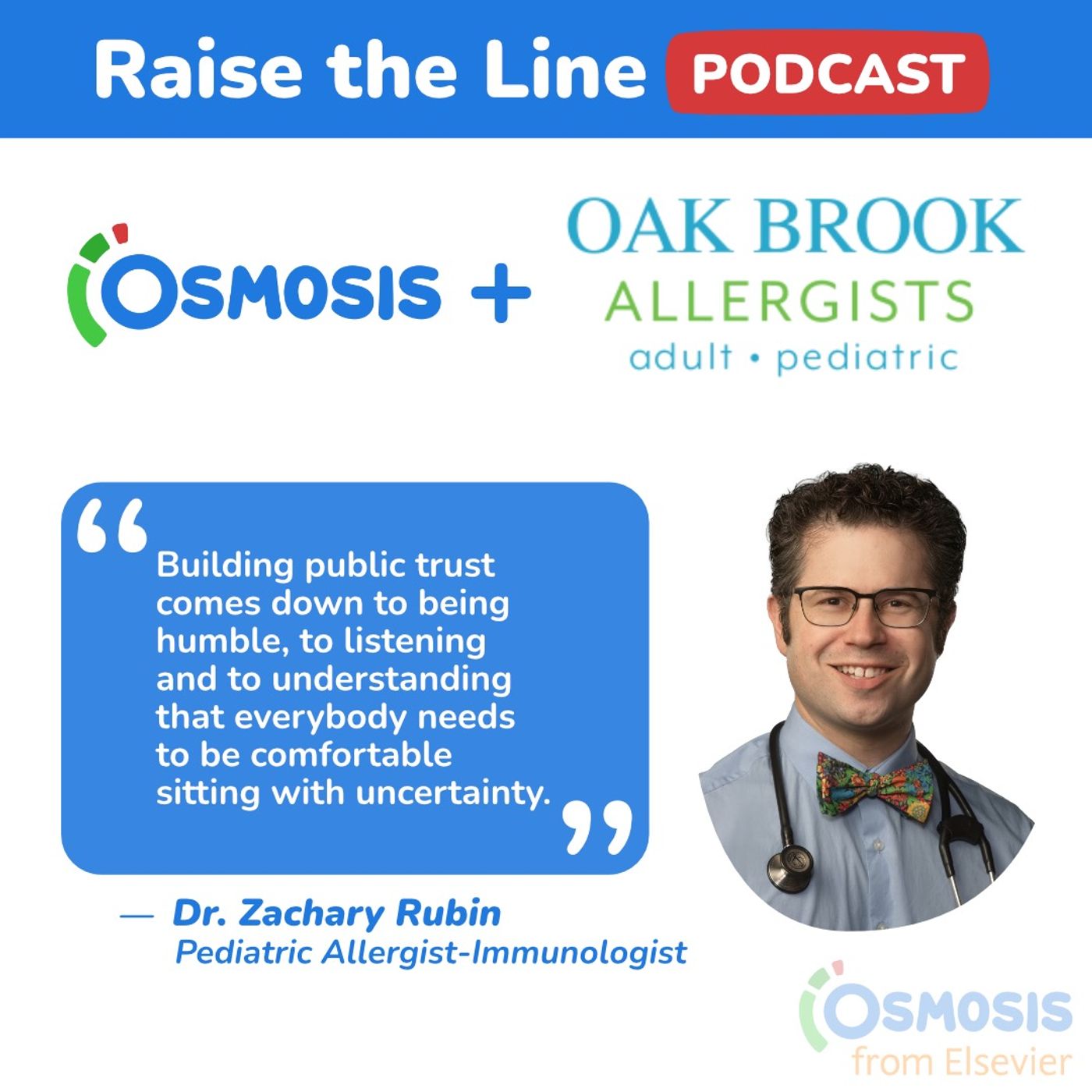
“I do not believe we should be testing to test. We have to know, is this test going to change management and is it going to make a difference,” says pediatric allergist-immunologist Dr. Zachary Rubin. His knack for providing that sort of straightforward guidance explains why Dr. Rubin has become a trusted voice on allergies, asthma, and vaccines for his millions of followers on social media…
If you like this podcast, please share it on your social channels. You can also subscribe to the series and check out all of our episodes at www.osmosis.org/podcast
“Climate change is the biggest health threat of our century, so we need to train clinicians for a future where it will alter disease patterns, the demand on health systems, and how care is delivered,” says Dr. Sandro Demaio, director of the WHO Asia-Pacific Centre for Environment and Health, underscoring the stakes behind the organization’s first regionally-focused climate and health strategy. The…
We have a special episode of Raise the Line on tap today featuring the debut of host Dr. Parsa Mohri, who will now be leading our NextGen Journeys series that highlights the fresh perspectives of learners and early career healthcare professionals around the world on education, medicine, and the future of care. Parsa was himself a NextGen guest in 2024 as a medical student at Acibadem University in…
New research is transforming the outlook for cervical and uterine cancers -- two of the most serious gynecologic malignancies worldwide – and we’ll be hearing from one of the people shaping that progress, Dr. Mary McCormack, on this episode of Raise the Line. From her perch as the senior clinical oncologist for gynecological cancer at University College London Hospitals, Dr. McCormack has been a…
“The world is a very volatile place, with currently 110 conflicts globally, and yet healthcare staff in the hospitals, even here in London, are not prepared to be the only clinician who can help in a crisis or hostile setting,” says Dr. James Gough, CEO of the David Nott Foundation, which equips providers with the skills and confidence needed to function in war and other extraordinary situations.…
“People are not looking for a perfect, polished answer. They're looking for a human to speak to them like a human,” says Jessica Malaty Rivera, an infectious disease epidemiologist and one of the most trusted science communicators in the U.S. to emerge from the COVID-19 pandemic. That philosophy explains her relatable, judgement-free approach to communications which aims to make science more…
“Delivering a baby one day and holding a patient’s hand at the end of life literally the next day...that continuity is very powerful,” says Dr. Jen Brull, board chair of the American Academy of Family Physicians (AAFP). And as she points out, that continuity also builds trust with patients, an increasingly valuable commodity when faith in medicine and science is declining. As you might expect…
“This is a time to reimagine public health and public health/healthcare system integration,” says Dr. Deb Houry, the former chief medical officer for the US Centers for Disease Control and Prevention. In this thoughtful Raise the Line conversation, Dr. Houry reflects on unprecedented federal action in vaccine guidance and other issues since her noteworthy resignation from the CDC in August, and…
“My most powerful content is when I lead with my voice as a mom because I have the same concerns about keeping my kids safe as my audience does. It’s a powerful and effective way to find common ground with people,” says Dr. Jess Steier, a popular public health scientist and science communicator seeking to bridge divides and foster trust through empathetic, evidence-based communication. Dr. Steier…
“I realized that rather than talking one-to-one with patients in the exam room, you could talk one-to-many on social media,” says Dr. Kevin Pho, explaining the origins of KevinMD, the highly influential information sharing site he created for physicians, medical students and patients twenty years ago. Since then, KevinMD has become a valuable space for clinicians and patients to share stories and…
“We’ve created this ecosystem where the vast majority of information on social media, particularly in nutrition science, is inaccurate or misleading,” says Dr. Jessica Knurick, a registered dietitian and Ph.D. in nutrition science specializing in chronic disease prevention. As you’ll learn on this episode of Raise the Line with host Lindsey Smith, countering that trend has become Dr. Knurick’s…
Could studying the DNA of extinct animals – or even bringing them back to life – help us save today’s endangered species and inform modern medicine? That may sound like the premise for a Hollywood movie, but it’s work that our Raise the Line guest, Dr. Beth Shapiro, is actually engaged in as Chief Science Officer at Colossal Biosciences, which describes itself as the world’s first and only…
According to the Bloomberg School of Public Health at Johns Hopkins University, women make up 70% of the global healthcare workforce but hold only about 25% of leadership positions. Our guest today on Raise the Line, Dr. Roopa Dhatt, has been a leading voice in the movement to correct that imbalance through co-founding an organization called Women in Global Health (WGH), which has established…
“They say it takes a village to raise a child. I really think it takes a village to treat a patient,” says Dr. Lanae Mullane, a naturopathic doctor and clinical strategist who has spent years at the forefront of bridging functional medicine, nutraceutical development, and digital health. In this episode of Raise the Line , host Lindsey Smith explores Dr. Mullane’s view that naturopathic medicine…
“It’s kind of a miracle, frankly,” says Dr. John Buse, a distinguished professor at the University of North Carolina School of Medicine, referring to the effectiveness of GLP-1 receptor agonist medications such as Ozempic in treating type 2 diabetes, promoting significant weight loss, and reducing cardiovascular risk. As a physician scientist for the last three decades at UNC, Dr. Buse has played…
“It wasn’t a profession, it was a way of life,” observes internationally respected psychiatrist Dr. Nasser Loza, reflecting on a century-long family legacy in mental health care that began when his grandfather founded The Behman Hospital in Cairo. In this candid Raise the Line conversation with host Michael Carrese, Dr. Loza traces the transformation of psychiatry he’s witnessed in his long career…
“When I was in medical school, no one had even heard of mitochondrial disease. Today, every student who graduates here knows what it is and has seen a patient with it,” says Dr. Mary Kay Koenig, director of the Center for the Treatment of Pediatric Neurodegenerative Disease at UTHealth Houston McGovern Medical School. That remarkable change in awareness has been accompanied by advances in genetic…
“Giving learners options gives them a better learning experience. It’s more holistic and more comprehensive,” says Sean Moloney, CEO and founder of EmbodyXR, an extended reality platform focused on the use of immersive technologies in medical education. In this eye-opening Raise the Line conversation, Moloney explains how AI-powered extended reality (XR) --which integrates augmented, virtual, and…
Why has America struggled so much to effectively manage the opioid use crisis? One of the answers, as you’ll learn in this eye-opening episode of Raise the Line, is rooted in laws and attitudes from the early 20th century that removed addiction from the realm of medicine and defined it as a moral failing. “The federal Harrison Act of 1914 forbade any physician from prescribing opioids to people…
“We don't view a person with chronic pain as someone who has a chronic illness and the effect of that is we can't follow patients continuously over prolonged periods of time,” says Dr. Jacob Hascalovici, a neurologist and pain specialist based in New York City. In co-founding Bliss Health, Dr. Jacob, as he is known, has set out to create a continuous care model for chronic pain treatment that…
In recent months, public health advocates in the United States have raised concerns about proposed changes to vaccine policy, cuts to food assistance programs, rollbacks of environmental protections and reductions in public health staffing. Chief among them has been Dr. Georges Benjamin who, as executive director of the American Public Health Association (APHA) since 2002, has led national efforts…
“Probably the most exciting thing I've seen in gene therapy over the last ten years is we now have a lot of tools for selective delivery, which will hopefully make treatments more safe and a lot more successful,” says Dr. Jessica Duis, a geneticist and pediatrician focused on the management of individuals with complex, rare disorders. Dr. Duis, who has worked on several gene therapies that are now…
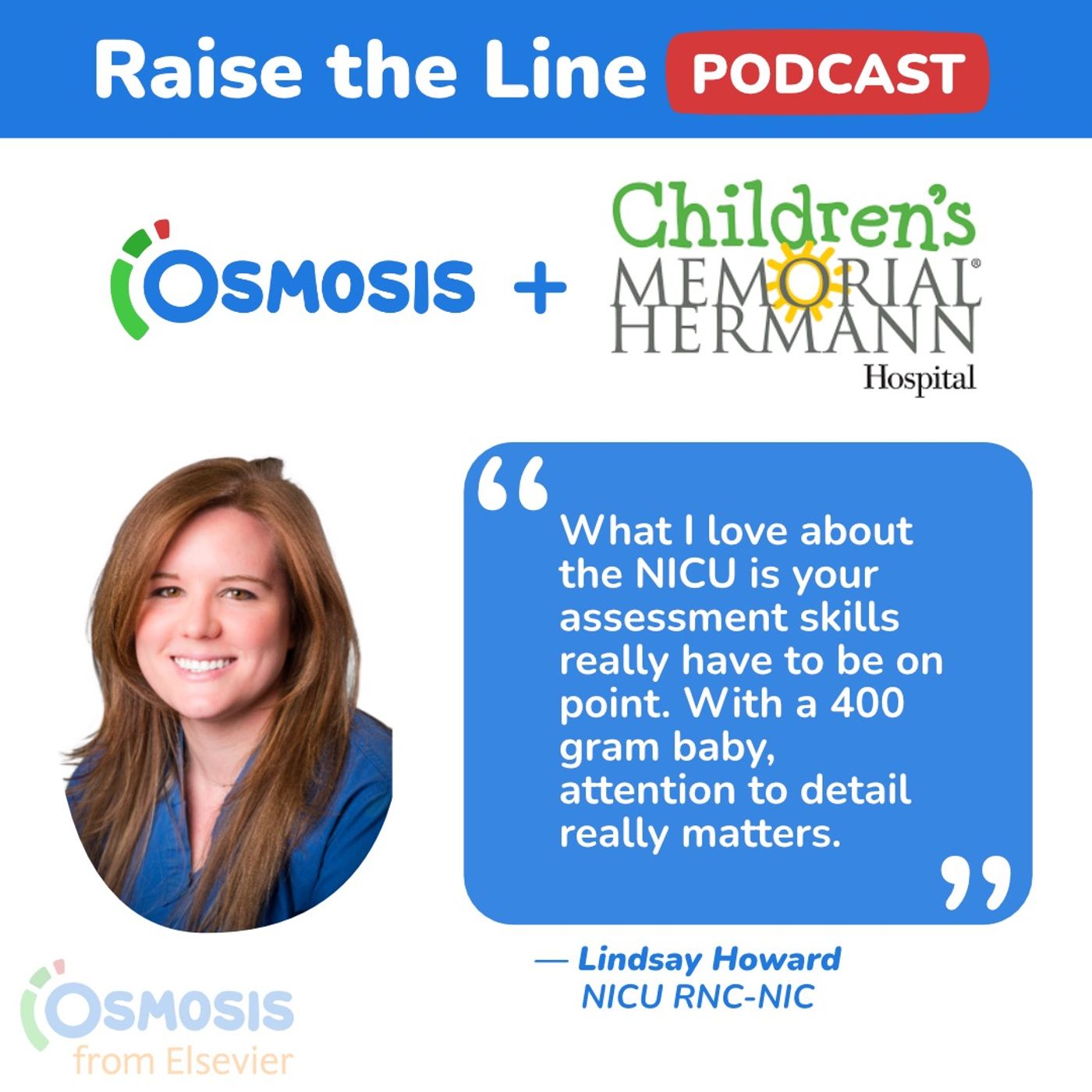
With nearly one in ten newborns in the US requiring care in a Neonatal Intensive Care Unit, the importance of NICUs has never been more clear. On today's episode of Raise the Line , we're shining a light on the extraordinary world of NICUs with Lindsay Howard, a veteran nurse with over 17 years of experience caring for premature and critically ill infants. She currently works in a Level IV NICU at…