
A few months ago someone asked me a simple question:
“So what do you actually do?”
I didn’t want to say AI engineer.
I didn’t want to say consultant.
And definitely not “prompt expert.”
Because honestly, most people don’t need another AI expert.
They need someone who helps them **not feel lost around AI.**
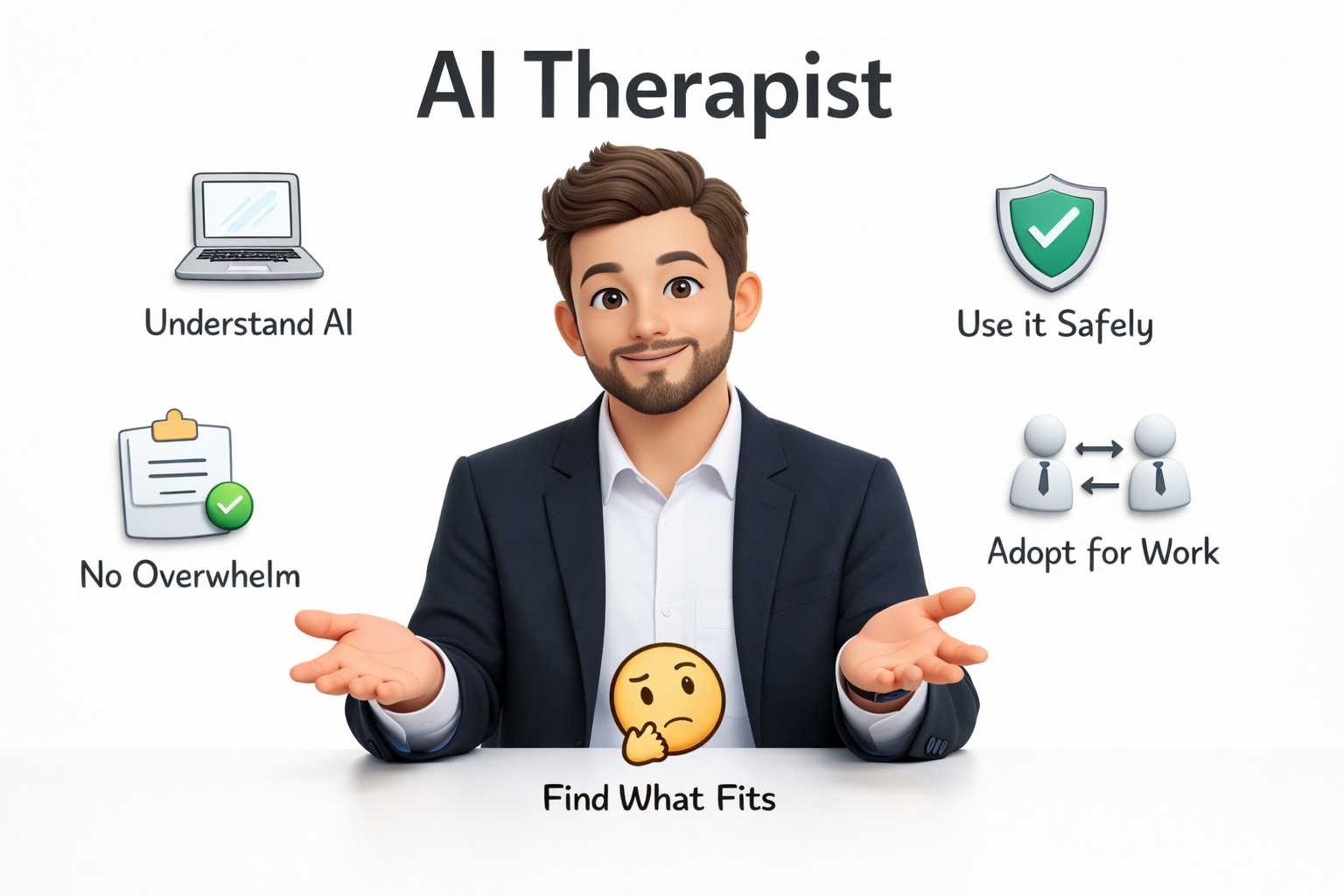
That’s why I started calling myself an **AI Therapist.**
And the more I use this title, the more it makes sense.
The Real Problem Is Not AI. It’s Overwhelm.
Right now people are facing three types of pressure:
They feel they are already behind
They don’t know where to start
They don’t trust what is safe to use
Companies feel it too.
Teams are hearing things like:
“We should use ChatGPT”
“Let’s automate everything”
“We need AI strategy”
But nobody explains what actually matters for their work.
So instead of clarity, they get confusion.
That’s where my role begins.
What an AI Therapist Actually Does
I help people understand AI in simple terms and use it in practical ways without stress.
Not theory.
Not hype.
Not complicated technical talk.
Just clear answers to questions like:
Where can AI help me right now
Which tools are safe to use
What should I ignore
What should I learn first
How do I not fall behind
Sometimes one conversation is enough to change someone’s direction completely.
And honestly, that’s powerful.
Why This Role Is Becoming Important Now
AI is moving faster than most people can process.
New tools every week
New models every month
New risks every day
People are trying everything randomly.
They copy prompts from LinkedIn
Install tools they don’t understand
Share company data without realizing risks
This creates anxiety, mistakes, and wasted time.
An AI therapist helps slow things down and make sense of what actually matters.
This Is Not Coaching. Not Consulting. Something Different.
Consultants usually tell companies what strategy to follow.
Trainers teach how tools work.
Developers build systems.
An AI therapist focuses on something else:
Confidence with AI
Helping people feel comfortable working with it
Helping teams trust what they are doing
Helping leaders choose wisely instead of reacting fast
It’s about clarity first. Technology second.
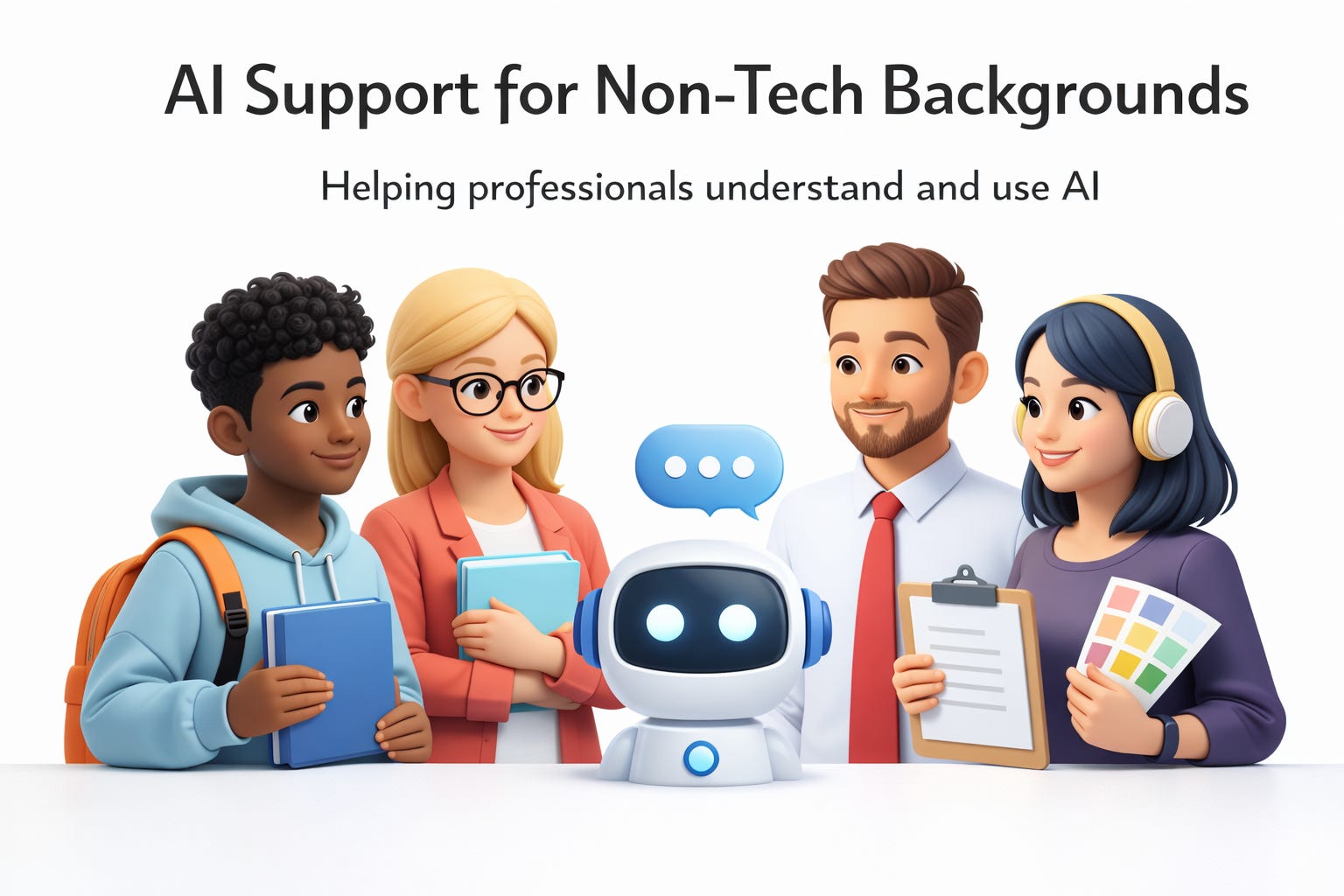
Many People With Zero Tech Background Need This Support
One thing I noticed quickly:
The people who benefit most from AI are often the ones who understand it the least.
Teachers
Researchers
Designers
Managers
Small business owners
Students
They are curious but unsure.
They don’t want to become engineers.
They just want to know:
“How can this help me?”
That question deserves a clear answer.
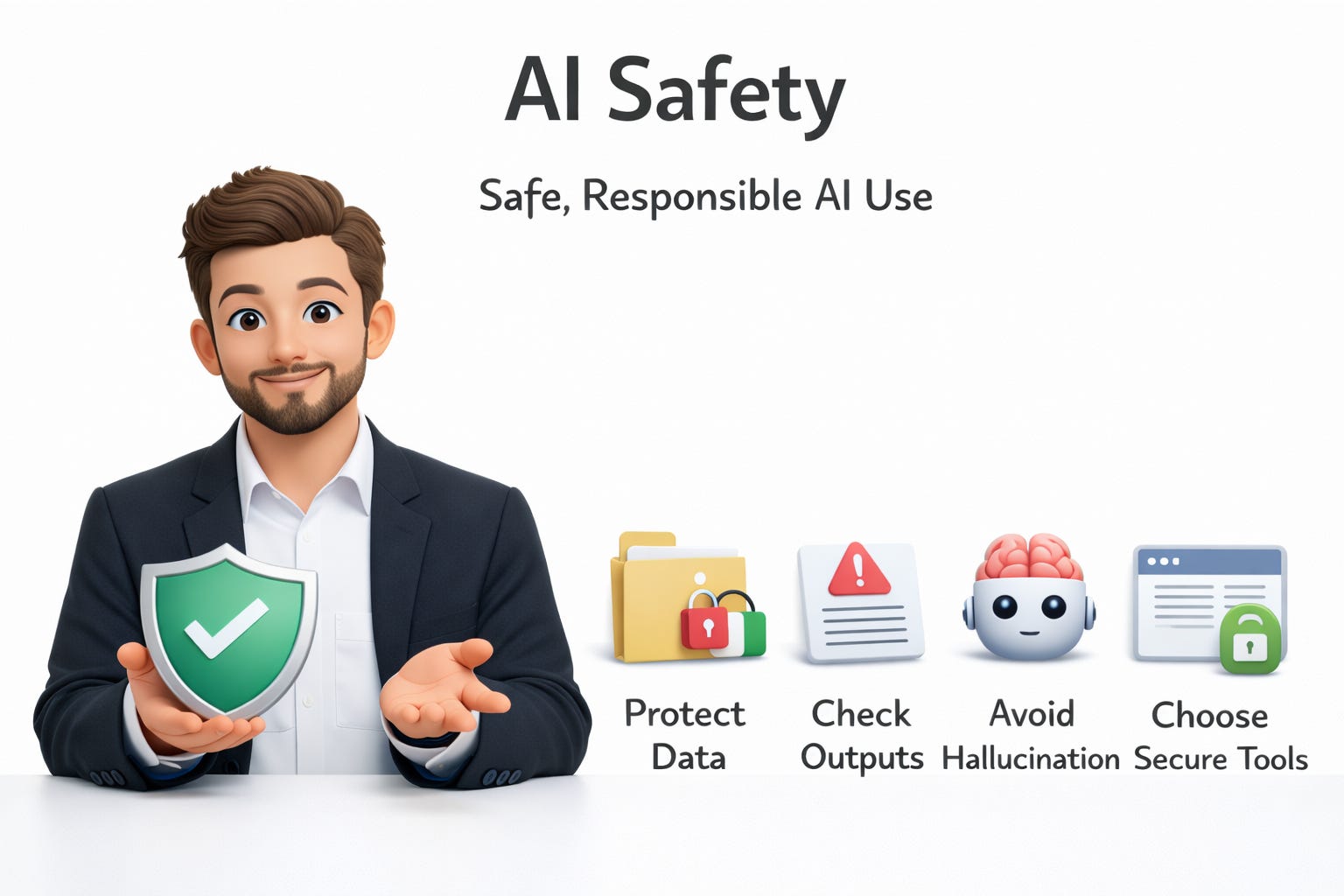
AI Safety Is a Big Part of My Work
Using AI without understanding risks is dangerous.
Many people don’t realize they are:
sharing private data
uploading company documents
trusting incorrect answers
automating decisions blindly
AI is powerful, but it is not always correct.
Part of my role is helping people use AI responsibly.
Simple habits make a huge difference:
knowing what not to upload
checking outputs before trusting them
understanding hallucinations
choosing secure tools for work environments
Safety is not optional anymore.
It’s part of everyday AI literacy.
AI Ethics Is Not Just a Research Topic Anymore
People often think AI ethics is something only universities talk about.
But today it affects daily decisions:
Should students use AI for assignments
Should companies monitor employees using AI tools
Should teams automate hiring steps
Should businesses rely on generated content
These questions don’t have simple answers.
They need thoughtful guidance.
An AI therapist helps people think about impact before adoption.
Not everything that can be automated should be automated.
Companies Are Also Quietly Struggling With AI Adoption
Inside many organizations the situation looks like this:
Leadership wants AI integration
Employees don’t know where to start
IT teams worry about security
Managers worry about productivity changes
Everyone feels pressure.
But nobody wants to say they are unsure.
This creates silent resistance.
When teams understand AI step by step, adoption becomes smoother and more natural.
That’s where structured guidance helps a lot.
My Background Shapes This Role
I’m not coming from theory only.
I work as a machine learning engineer and I’m finishing my master’s in artificial intelligence in Berlin.
So I see both sides:
how AI systems are built
and how people experience them
That combination makes conversations practical instead of abstract.
People don’t need another explanation of transformers.
They need answers they can apply tomorrow.
The Goal Is Simple
I want people to feel:
less confused
less pressured
more confident
more curious
more capable
AI should feel like a tool.
Not a threat.
Not a mystery.
Not something only engineers can understand.
If You’re Feeling Lost Around AI Right Now, You’re Not Alone
Most people are still figuring this out.
Quietly.
Slowly.
Sometimes randomly.
But the truth is you don’t need to learn everything.
You just need the right starting point.
That’s exactly what an AI therapist helps with.
And honestly, I believe roles like this will become normal very soon. 🚀
No posts
Comments
Nothing yet. Say the first thing.
Sign in to join the conversation.