
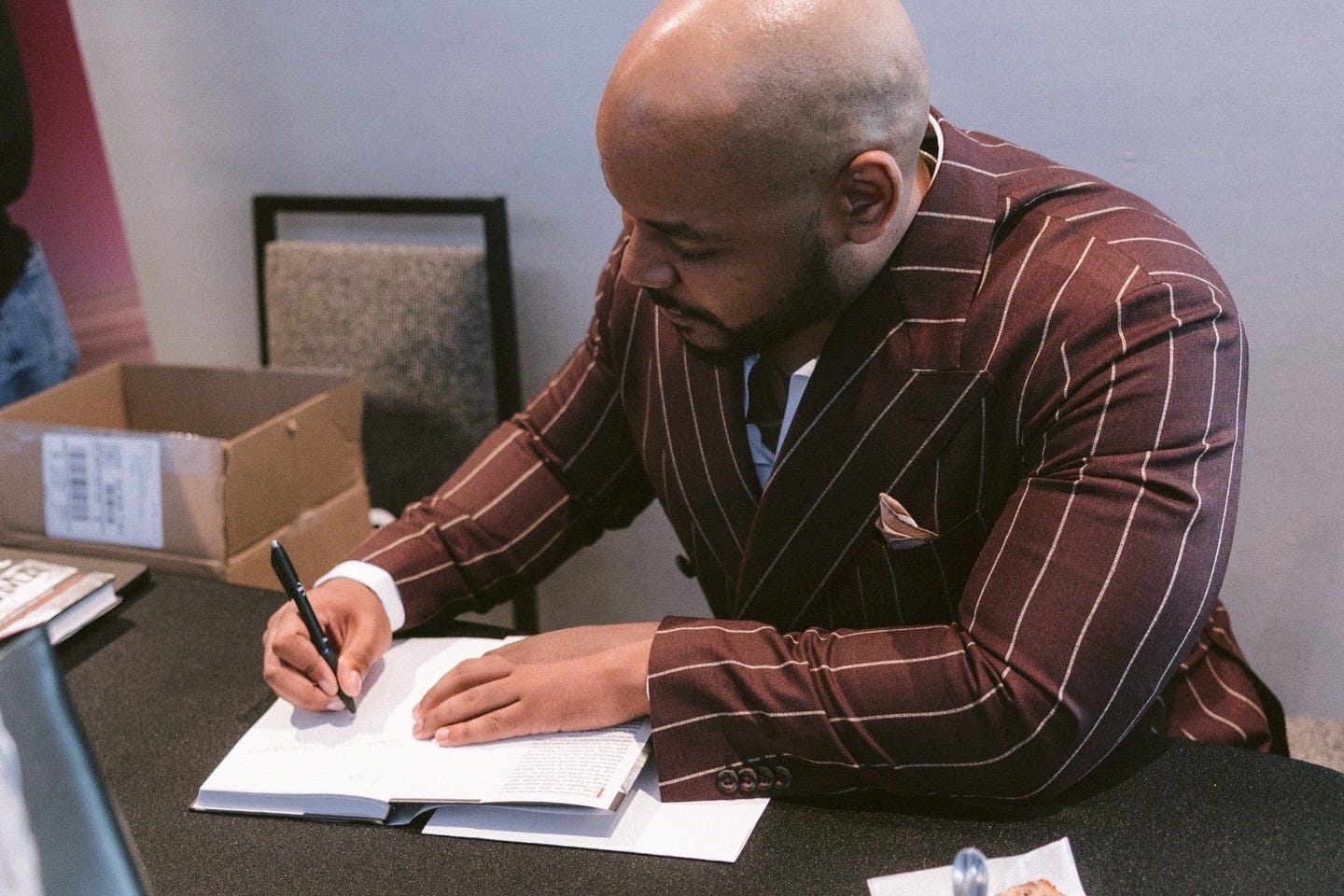
I remember when I first decided to build my business while working a full-time job.
Like many entrepreneurs, I told myself I just needed one more client. One more speaking engagement. One more opportunity to finally feel financially secure.
But every milestone I reached seemed to create another one just beyond it.
More income didn’t automatically bring more peace.
What I eventually realized was that I wasn’t just building a business. I was trying to build a sense of safety.
But what does this have to do with side hustles?
Everything.
We’re living in a time where side hustles have become more than a trend. For many people, especially in Black communities that have historically faced economic instability, they’re a form of protection. Rising costs, layoffs, inflation, and uncertainty have convinced many of us that one paycheck simply isn’t enough.
The desire to earn more isn’t the problem.
The question is whether your side hustle is helping you build wealth or simply helping you survive another month.
There’s a difference.
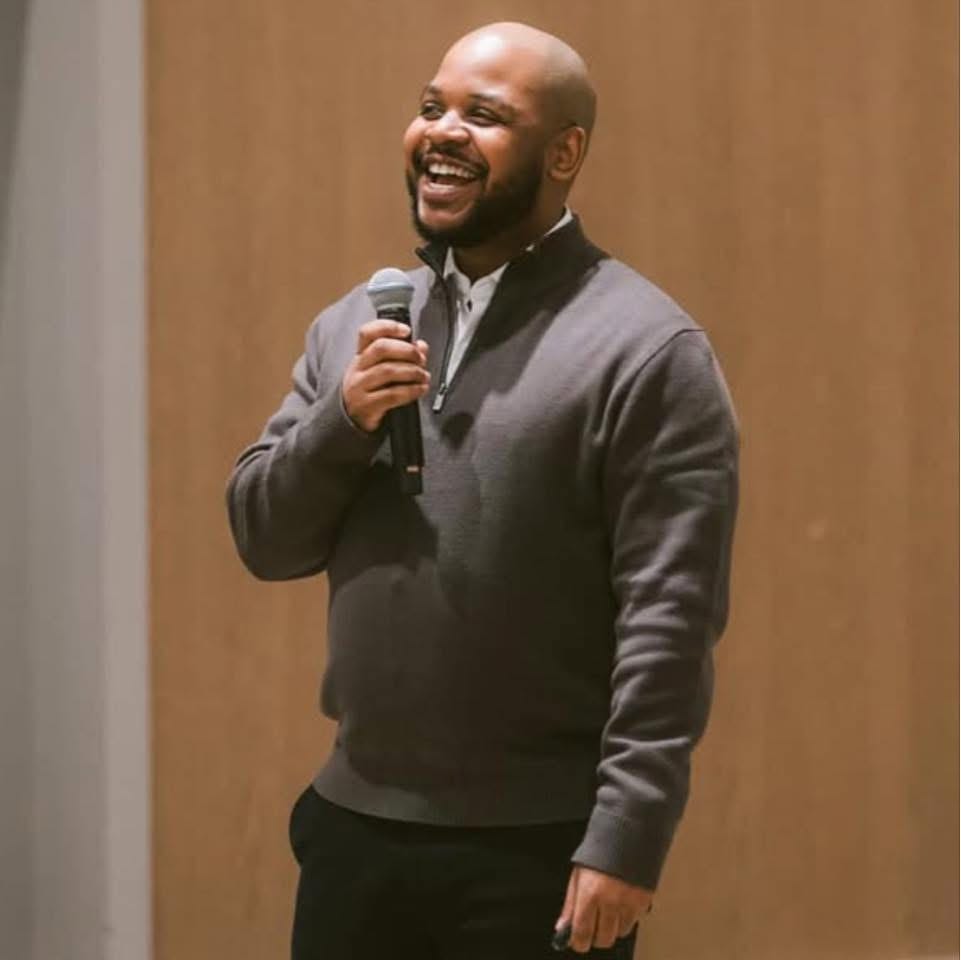
One of the questions I often ask clients is simple.
“What are you really looking for?”
Most people immediately answer, “More money.”
But if we keep talking, something deeper usually emerges.
They’re looking for freedom.
They’re looking for stability.
They’re looking for peace.
Sometimes they’re looking for proof that they’ll never have to struggle the way their parents did.
Money becomes the language. Safety is the real goal.
I call this The Safety Chase.
It’s the belief that earning more money will finally quiet every financial fear we’ve carried for years.
The problem is that if trauma is driving the business, no amount of revenue ever feels like enough.
You continue chasing.
You continue working.
You continue adding new income streams without ever asking whether they’re actually creating the life you want.
This is one of the hardest lessons I had to learn myself.
Being good at what you do and being good at business are two completely different skills.
I’ve met incredible photographers who struggled with pricing.
Amazing therapists who didn’t understand cash flow.
Talented designers who never calculated their profit margins.
Competence creates opportunity.
Business knowledge creates sustainability.
Many entrepreneurs unknowingly spend thousands of dollars trying to look like successful business owners before they’ve learned how successful businesses actually operate.
Professional logos.
Expensive software.
Premium subscriptions.
Office space.
Equipment upgrades.
None of those things are inherently bad.
The question is whether they’re solving a real business problem or simply helping you feel more legitimate.
Sometimes we’re investing in appearance when we should be investing in understanding our numbers.
When I started my business, I had to constantly ask myself a difficult question.
“Do I actually need this?”
Or...
“Do I think successful people are supposed to have this?”
There’s a difference.
Can you schedule appointments using a free platform?
Can you meet clients through Google Meet instead of paying for another subscription?
Can you create valuable content before hiring an expensive branding agency?
Building wealth often requires delaying gratification.
Functionality creates cash flow.
Cash flow creates options.
Options create freedom.
Too many entrepreneurs reverse the order.
Not every side hustle is designed to become a wealth-building asset.
Some jobs provide necessary relief.
Driving rideshare.
Food delivery.
Freelancing by the hour.
There’s absolutely nothing wrong with using these opportunities to stabilize your finances.
Survival deserves respect.
But if every dollar you earn requires another hour of your time, you’ve built another job instead of a business.
That doesn’t mean you failed.
It simply means the next step is creating systems that eventually allow your income to become less dependent on your physical presence.
That’s where wealth begins.
When most people think about wealth, they think about income.
I think about ownership.
Ownership of your time.
Ownership of your intellectual property.
Ownership of your ideas.
Ownership of assets that continue creating value even when you’re resting.
That’s why scalable businesses often create more long-term financial stability than businesses built entirely around exchanging hours for dollars.
The goal isn’t to work harder forever.
The goal is to build something that eventually works alongside you.
I also think we need to stop celebrating burnout as entrepreneurship.
Working sixteen-hour days isn’t automatically a badge of honor.
Constant anxiety isn’t proof you’re committed.
Financial trauma often convinces us that rest is irresponsible.
That slowing down means falling behind.
But your business shouldn’t require you to abandon yourself in order to sustain it.
Your side hustle should improve your quality of life, not quietly erode it.
That’s why emotional awareness belongs in every business plan.
Ask yourself:
Why am I starting this?
What does financial security actually look like for me?
How much is enough?
What kind of life am I trying to build beyond making more money?
Those questions matter just as much as your revenue projections.
One of the biggest misconceptions about entrepreneurship is that revenue equals success.
It doesn’t.
A business earning six figures with poor margins, overwhelming debt, and constant stress can leave its owner feeling just as financially anxious as someone earning far less.
Revenue is exciting.
Profit creates sustainability.
Peace creates wealth.
When we redefine wealth this way, we stop chasing numbers and start building lives that align with our values.
If you’ve been thinking about starting a side hustle, I hope you do.
Entrepreneurship has changed my life in ways I couldn’t have imagined.
But I also hope you remember that your side hustle isn’t meant to become another source of financial trauma.
It’s meant to become a tool that supports the life you’re trying to create.
Start with clarity.
Build with intention.
Focus on systems instead of appearances.
And remember that wealth isn’t simply about earning more.
It’s about creating more freedom, more peace, and more choices for yourself and the generations that follow.
So I’ll leave you with the same question I often ask my clients.
What are you really hoping your side hustle will give you that money alone cannot?
I’d love to hear your thoughts in the comments. If this resonated with you, share it with someone who’s building something of their own. Together, we can create healthier relationships with money, work, and wealth.
Thank you always,
Rahkim
Comments
Nothing yet. Say the first thing.
Sign in to join the conversation.