
I’ve been on a love journey with female voices for as long as I can remember. It’s not that I don’t appreciate the voices of men or the value of storytelling that men bring to the cannons of literary fiction and creative nonfiction, it is simply that men have for so long dominated the books that are published, supported and released into the world. I try to make a concerted effort to support female voices, as this is how I identify, and I think that is okay.
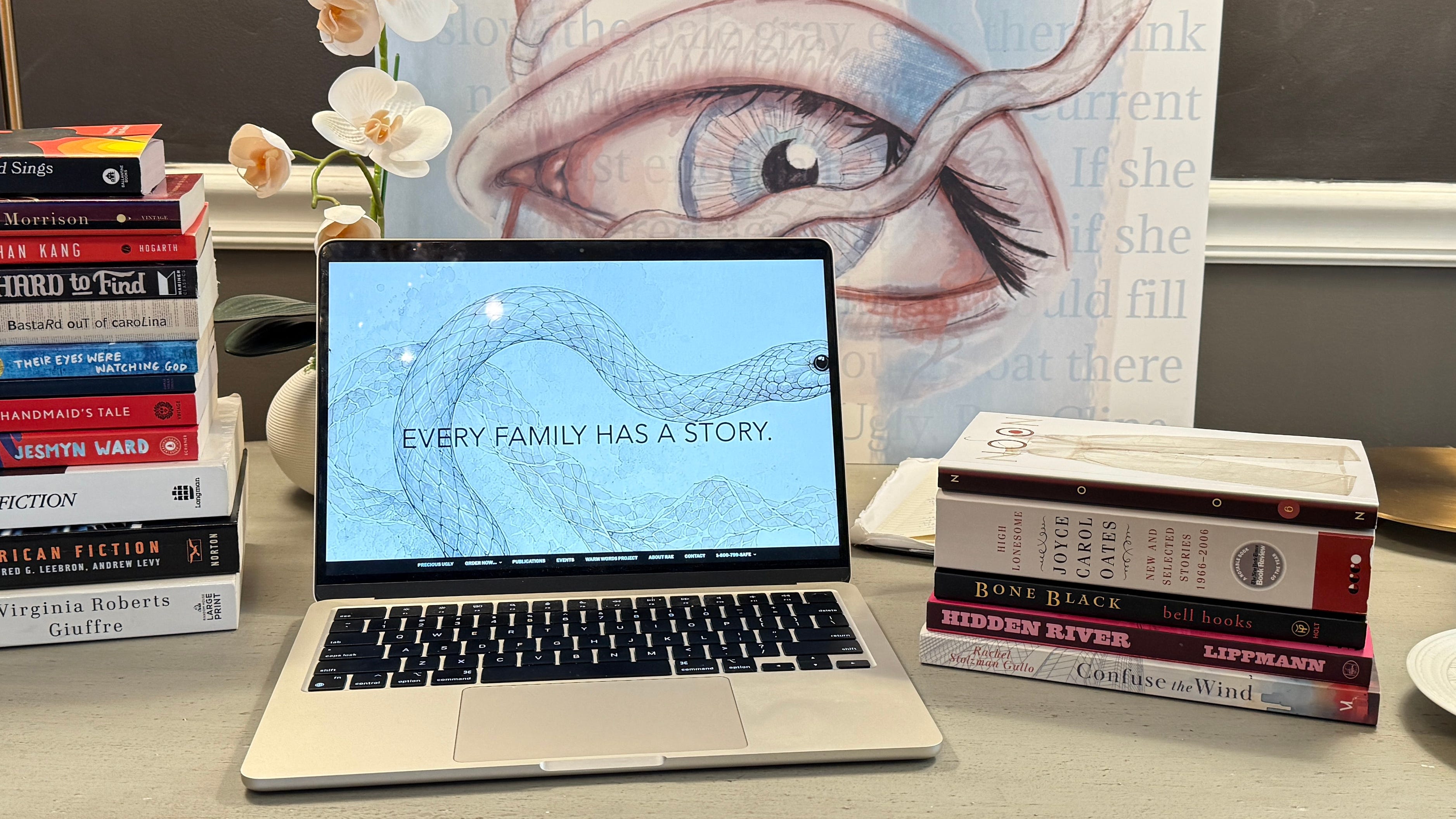
My latest book splurge is so beautiful, I had to share it with you. These are now beloved additions to my library…
NOON: 2026 edited by Diane Williams, who I first fell in love with when I got my hands on her collection, Some Sexual Success Stories: Plus Other Stories in Which God Might Choose to Appear. NOON is lovely. It is not only lovely, it is a lovely gem with French flaps. Have I explained to you my obsession with French flaps, yet?
There is nothing better than a paperback with French flaps. For those of you who have not had the pleasure, the French flap functions sort of like how a dust jacket functions on a hardback. The French flaps, however, are an extended part of the paperback’s front and back covers, creating not only a little gift of artistic fun but also functionality as the flaps can be used not only to tuck little notes into the cover but also to bookmark your page. And then you get to the brilliant stories.
NOON: 2026 opens with Mika Conradie’s delightfully sly microfiction “I Opened All the Way.” I devour wry microfictions. They are another obsession and Conradie is now a favorite:
“I opened all the way so that an educated man could stick his fingers into my mouth….”
I also have to give a shout out to Kim Chinquee and her microfiction, “Used To Being,” in the same issue. I have had a long adoration with Chinquee’s work and this story makes me giddily happy:
“In the years living in my partner’s house, he called me a cunt more than once….”
With Joyce Carol Oates’ collection of short stories, High Lonesome, I return to one of my favorite short stories, a story that made me want to write what I write. In “Where Are You Going? Where Have You Been?” Oates’ encapsulates the supreme awkwardness and vulnerability of being a teenaged girl in a predatory world. What I particularly crush on is how she magnifies not only the predator, Arnold Friend, but also Connie:
“Her name was Connie. She was fifteen and she had a quick, nervous giggling habit of craning her neck to glance into mirrors or checking other people’s faces to make sure her own was all right….”
In bell hooks’ Bone Black, hooks recounts growing up in Appalachia as a young, gifted, black female. The beauty of hooks’ landscapes and innocence and search for voice speaks to me so thoroughly, marked by the opening recounting of a quilt that seems so simple, and, yet, so rich in story passed from one generation of women to the next, a passing of treasures that can create great jealousy within family:
“Mama has given me a quilt from her hope chest. it is one her mother’s mother made. It is a quilt of stars—each piece taken from faded-cotton summer dresses—each piece stitched by hand….”
In Sara Lippmann’s Hidden River, we meet Cassandra as she runs along the Schuylkill and contemplates its filth in a deliciously wry humor. I find myself immediately drawn into the currents of Lippmann’s words, the way she reflects on and forms the landscape and the people who live there:
“It’s impossible to tell how polluted the Schuylkill is just be looking, though one can assume. How clean can a river be that wends through a city?”
In Rachel Stoltzman Gullo’s Confuse the Wind, we open with Jonathan, an architect deciphering the rhythms of his son who is living with setbacks from infant encephalitis. Stoltzman Gullo beautifully captures the intricacies that come with parenting, the indescribable pain when your child suffers from something you cannot fix:
“Jonathan stood in the dark by the window. The sun would be up soon. He waited there to save Theo the trip down the long hallway. Every day Theo woke at eleven minutes to sunrise. These days he was waking at 5:56. But he would shift the time as the days wore on, to pace the sun….”
I’m so excited to add these fantastic books to my library.
“Vivid…harrowing…lyrical, meticulous prose…bold, courageous”
—Matt Bondurant, author of North Country,
Oleander City, The Night Swimmer, and Lawless
Precious Ugly is a searing debut novel for readers of Bastard Out of Carolina and Demon Copperhead, a story about survival, set in the Reagan era—Clementine is a thirteen-year-old girl living in a van with her father, a preacher and cult leader, on a campsite along the river. She must decide if the miracle he promises will save her or destroy her.
Rae Cline is the author of the story collection The Indefinite State of Imaginary Morals. Her fiction and essays have appeared in The Paris Review, McSweeney’s, North American Review and StoryQuarterly and more. She is the founding editor of Eckleburg and lives in New York City. Precious Ugly, her debut novel, was a finalist for the Curt Johnson Prose Award for Fiction and shortlisted for Craft’s First Chapters Award. Read more at raecline.com.
Comments
Nothing yet. Say the first thing.
Sign in to join the conversation.