
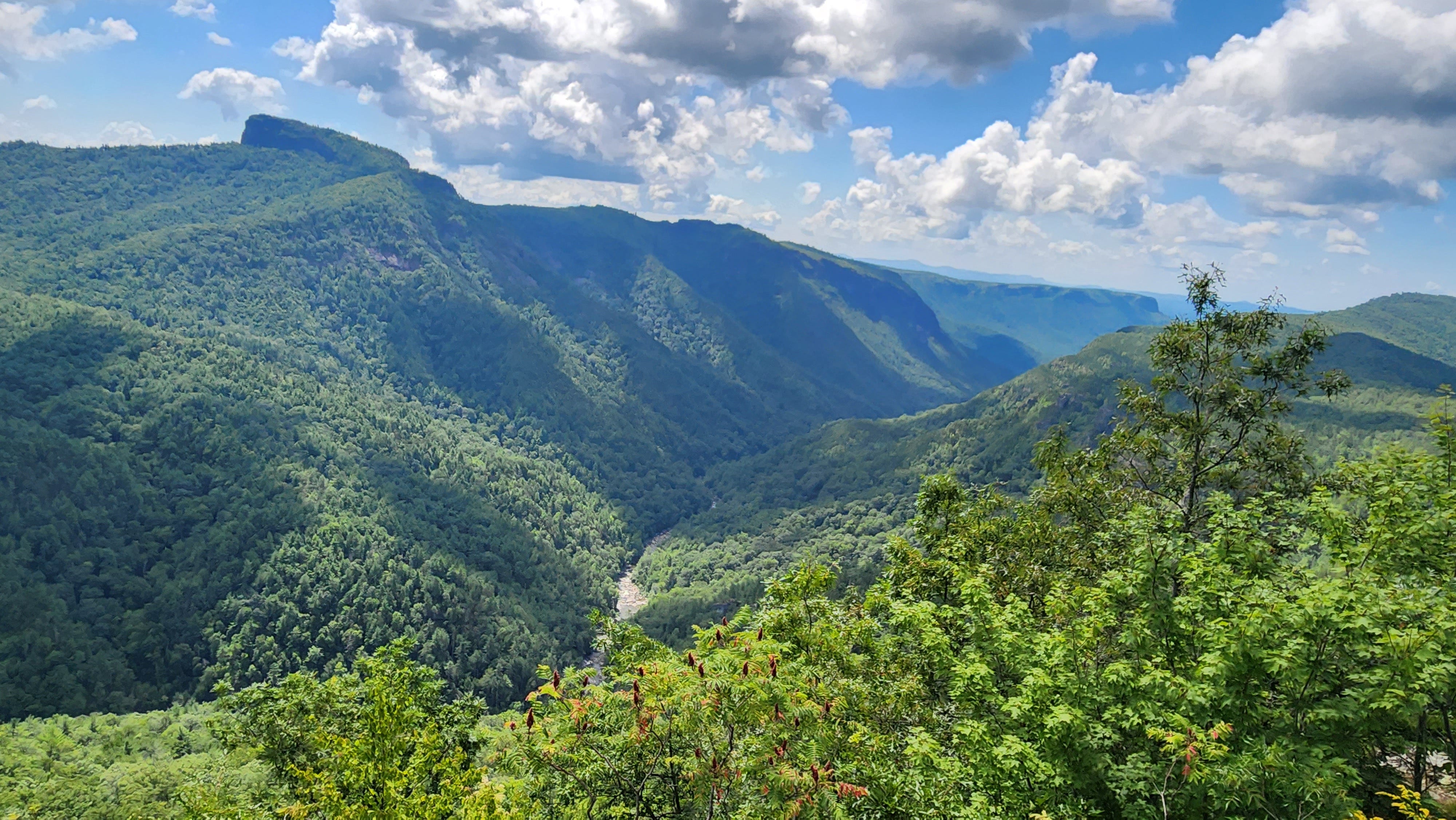
After Hurricane Helene, there was much discussion of which geographic features contributed to the catastrophic impact of the storm. There were some noticeable omissions from this conversation, namely the history of industry and how it has shaped the landscape. We cannot talk about the ecology of Appalachia and how it contributes to flood dynamics without talking about the history of resource extraction in this region. Dave and I live high on a mountain in a remote forested holler. This area is so inaccessible that it did not host year-round inhabitants until the early 1900s when logging companies moved Scots-Irish loggers in to clear the mountains for lumber. Nearly all of the current residents of this neighborhood are descendants of those early settler loggers. The elders in the cove tell stories of how the logs were moved down the mountains in their youth. Before there were decent roads and big trucks, settler logging companies used mountain streams and rivers to move wood as they systematically deforested this region. They would dam the creeks and pile the logs up behind the dams then release the dams, using the torrent to carry the logs down the mountain to the lower elevations. This practice tore off the anchor trees and steepened the banks of the creeks and streams thereby creating deep gullies that shunt the water swiftly down the steep grades and increase the likelihood of flooding. After the deforestation, the logging companies turned the land into pasture land for cattle. Fortunately, that venture was ultimately a failure in the most remote areas so this incredibly rich ecology has been able to recover most of its biological diversity, minus the chestnuts, of course, but that is a story for another day.
Eventually, another form of extraction emerged. The Blue Ridge mountains are famously beautiful and have long attracted wealthy people looking for a place to cool off in the summer. Housing developments high in the mountains tend to be marketed to people who want to feel safe and secluded, who want to live above the fray. As climate chaos makes many parts of the continent feel unsafe, Southern Appalachia has become a destination for those fleeing potential disaster. In the past decade this region has been inundated with people who seek the perceived peace of this land and has been subsequently beset by real estate developers. Mountain development involves massive deforestation. Forests excel at holding onto water so the fewer trees there are, the more water that pours into streams and rivers. Developments create run-off, water that is not held in. As the rate of development on the ridges has skyrocketed, people in the low areas who live by streams see more & more bottom land lost to the increasingly regular floods.
Alongside the real estate development, we are seeing a surge in deforestation in steep remote areas as logging companies from outside of the state and even outside the country buy up land as a timber investment. Local loggers tend to log selectively, leaving behind forest for their children and grandchildren to hunt and forage in. International companies hire loggers from elsewhere to do the dirty work of taking all the trees. I had never seen a clear cut in Southern Appalachia until a few years ago. Now this is a common sight. This practice is also contributing to our flood risk.
People talk a lot about the climate crisis when discussing the impact of hurricane Helene. And yes, the storms come more often now; they are more and more devastating. I worry though, that when we talk about climate, we are describing symptom rather than cause. All too often, climate “solutions” are little more than tinkering with numbers and columns. Emphasizing climate change can obscure the direct cause of the ongoing crisis. Capitalism and its methods of extracting wealth from the land are the root of the crisis. The capitalist looks at these mountains, at this impossibly rich ecology, and only sees where there is money to be made, with no concern for consequences, leaving those who do not profit from this thoughtless development to pay the price. We cannot address the ongoing crisis without dismantling the engine that drives it.
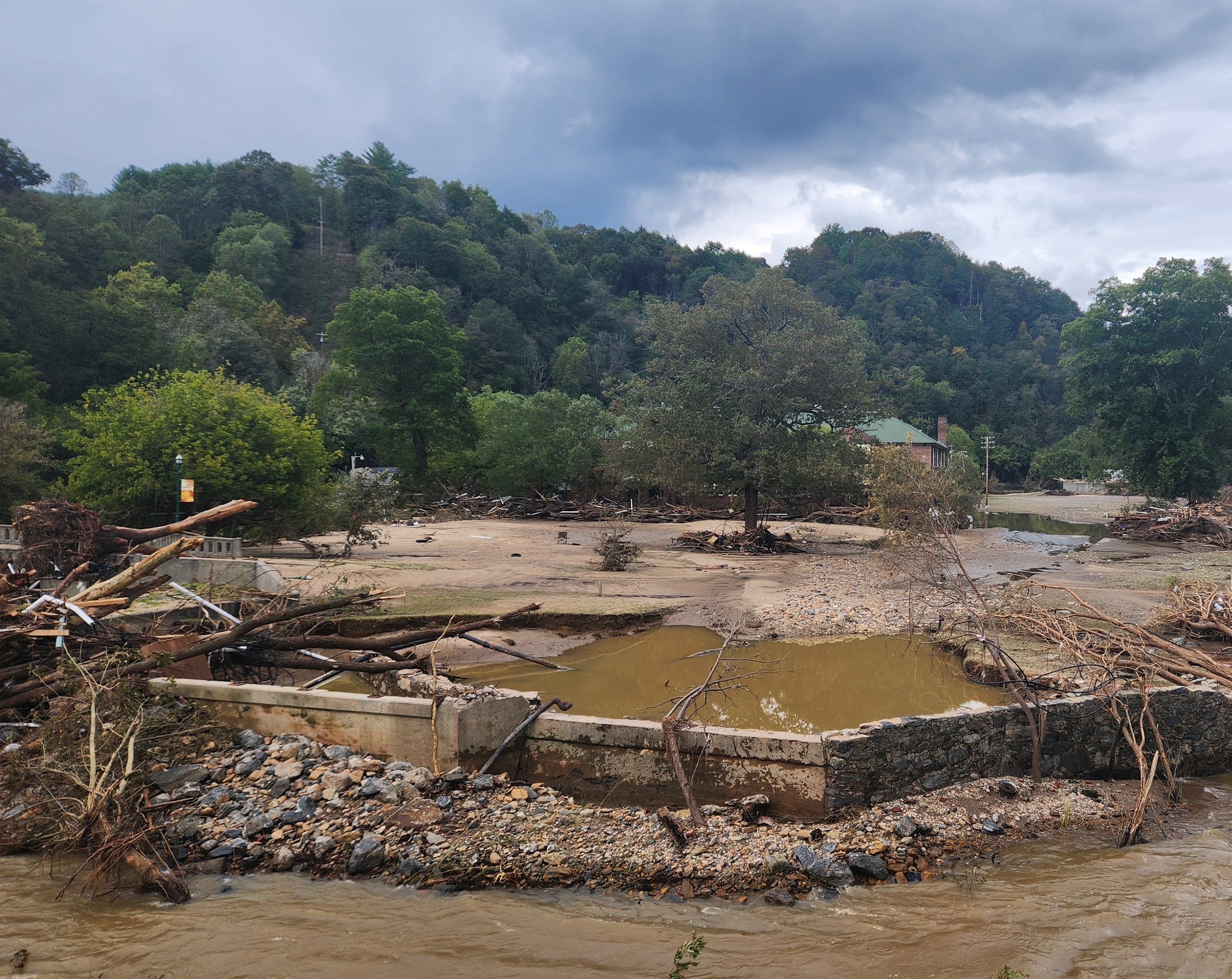
I published a version of this post on another platform on October 10, 2024, a couple of weeks after Hurricane Helene transformed this land and its inhabitants. I am sharing an expanded version here for archival purposes but also because we intend to build on this idea as the forces of extraction accelerate. There is much at stake here in Appalachia and everywhere else.
No posts
Comments
Nothing yet. Say the first thing.
Sign in to join the conversation.