

Navigating perimenopause is like entering a new chapter in life, full of unknowns. As women, we are no strangers to change, but this stage can bring a mix of emotions and physical challenges that sometimes catch us off guard. As our bodies shift, our needs in the kitchen shift too. What once worked seamlessly might now feel like a struggle—physically, emotionally, and mentally. But here’s the good news: we can take control of our environment to support this transition, starting with the heart of our homes—the kitchen.
Lately, I’ve noticed some changes in myself—nothing too dramatic, just a little less energy, some unexpected mood swings, and a deep craving for comfort in both my environment and what I eat. As an organizing expert, I’m used to having everything in its place, running smoothly. But as I step into what I believe is the start of perimenopause, I’m realizing that my old systems aren’t working quite like they used to. And that’s okay. This stage is all about adapting, and it’s got me rethinking not just how I organize my life, but how I organize my kitchen, pantry, and meals—especially on those busy days when I’m constantly on the go.
To begin with, perimenopause can bring fatigue, hot flashes, and joint pain, making everyday tasks more challenging. Therefore, it’s essential to redesign your kitchen layout to reduce physical strain:
Reorganize Your Layout: Move frequently used items to eye or waist level to avoid unnecessary stretching and bending. Consequently, place your favorite pots, pans, and dishes within easy reach.
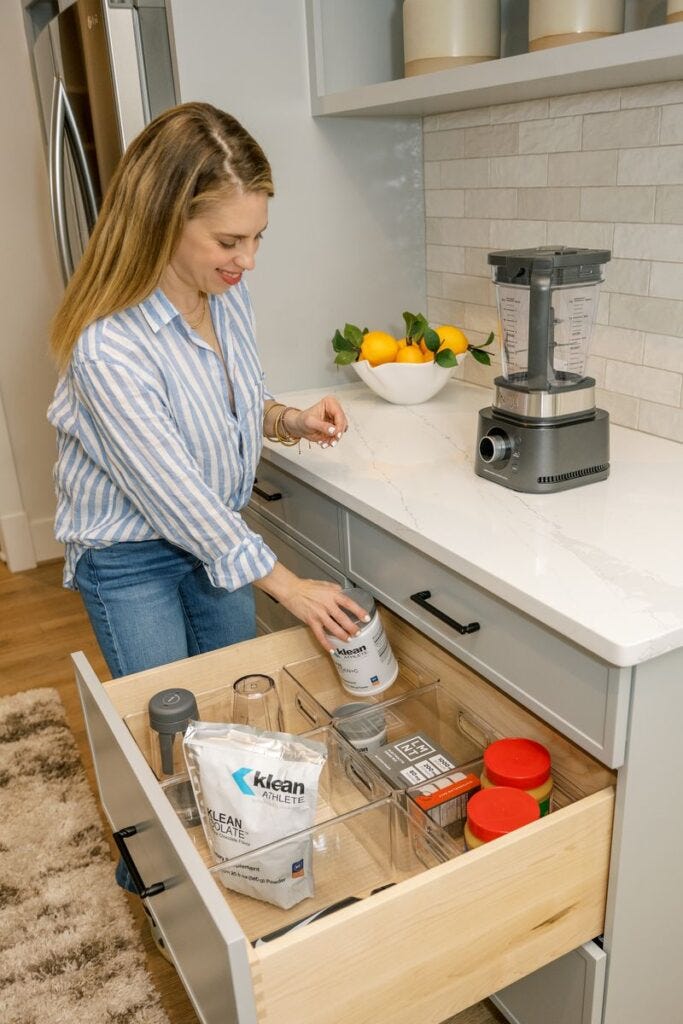
Consider Functional Additions: A rolling cart, for instance, can help store heavy appliances like mixers or blenders, making them easier to access without straining.

Spend a few minutes observing your kitchen habits. What do you reach for most often? Relocate these items to spots that don’t require bending, stretching, or heavy lifting.
Hormonal changes during perimenopause can affect everything from metabolism to mood. Stocking your pantry with nutritious, easy-to-prepare foods can make all the difference. Think whole grains, nuts, seeds, and canned beans. These are your allies for quick, balanced meals.
Choose Nutrient-Dense Foods: Fill your pantry with whole grains, nuts, seeds, and canned beans for quick, balanced meals. In contrast, minimize processed foods that may trigger bloating or exacerbate hot flashes.
Organize for Accessibility: Reduce clutter and arrange your pantry so that healthy options are easily visible and accessible. Group similar items together for better organization.
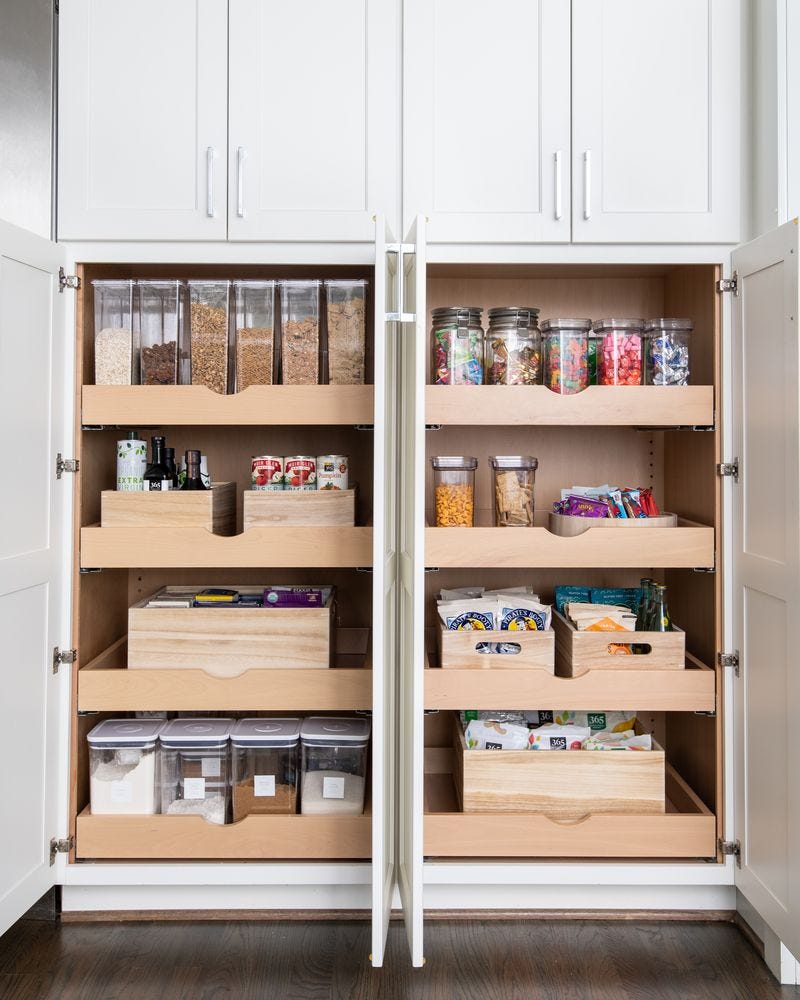
Designate a “quick meal” shelf in your pantry filled with go-to ingredients like quinoa, canned chickpeas, and olive oil. On those low-energy days, you’ll have the foundation for a healthy meal at your fingertips.
Energy levels can be unpredictable during perimenopause. Some days you’re ready to conquer the world, and other days, getting out of bed feels like a victory. Meal prep can be your saving grace, but it needs to be flexible.
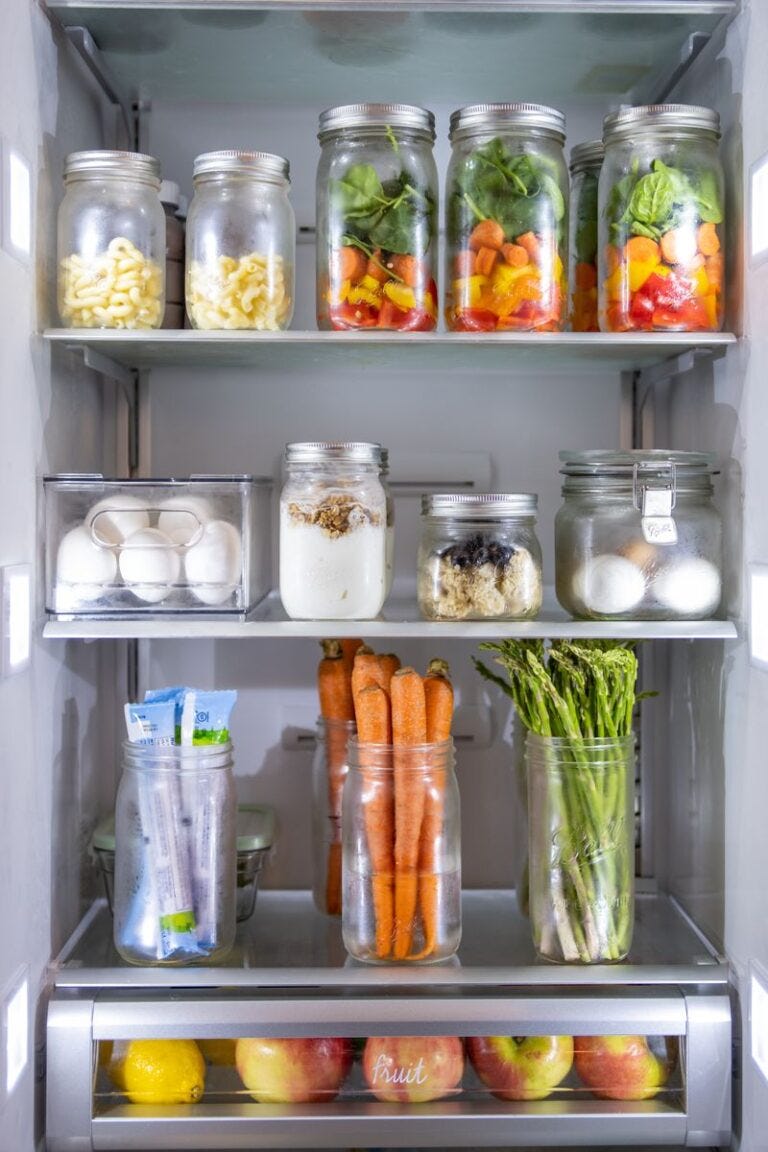
Prep in Advance: On high-energy days, prepare components such as roasted vegetables, cooked grains, and lean proteins. Store them in clear containers at the front of your fridge for easy access. Consequently, on low-energy days, these prepped ingredients will be your shortcut to nourishment without the fuss. For more ideas on simplifying meal prep, check out this blog on using ball jars to streamline your morning meals here
Navigating perimenopause is like entering a new chapter in life, full of unknowns. As women, we are no strangers to change, but this stage can bring a mix of emotions and physical challenges that sometimes catch us off guard. As our bodies shift, our needs in the kitchen shift too. What once worked seamlessly might now feel like a struggle—physically, emotionally, and mentally. But here’s the good news: we can take control of our environment to support this transition, starting with the heart of our homes—the kitchen.
Lately, I’ve noticed some changes in myself—nothing too dramatic, just a little less energy, some unexpected mood swings, and a deep craving for comfort in both my environment and what I eat. As an organizing expert, I’m used to having everything in its place, running smoothly. But as I step into what I believe is the start of perimenopause, I’m realizing that my old systems aren’t working quite like they used to. And that’s okay. This stage is all about adapting, and it’s got me rethinking not just how I organize my life, but how I organize my kitchen, pantry, and meals—especially on those busy days when I’m constantly on the go.

To begin with, perimenopause can bring fatigue, hot flashes, and joint pain, making everyday tasks more challenging. Therefore, it’s essential to redesign your kitchen layout to reduce physical strain:
Reorganize Your Layout: Move frequently used items to eye or waist level to avoid unnecessary stretching and bending. Consequently, place your favorite pots, pans, and dishes within easy reach.
Consider Functional Additions: A rolling cart, for instance, can help store heavy appliances like mixers or blenders, making them easier to access without straining.
Spend a few minutes observing your kitchen habits. What do you reach for most often? Relocate these items to spots that don’t require bending, stretching, or heavy lifting.
Hormonal changes during perimenopause can affect everything from metabolism to mood. Stocking your pantry with nutritious, easy-to-prepare foods can make all the difference. Think whole grains, nuts, seeds, and canned beans. These are your allies for quick, balanced meals.
Choose Nutrient-Dense Foods: Fill your pantry with whole grains, nuts, seeds, and canned beans for quick, balanced meals. In contrast, minimize processed foods that may trigger bloating or exacerbate hot flashes.
Organize for Accessibility: Reduce clutter and arrange your pantry so that healthy options are easily visible and accessible. Group similar items together for better organization.
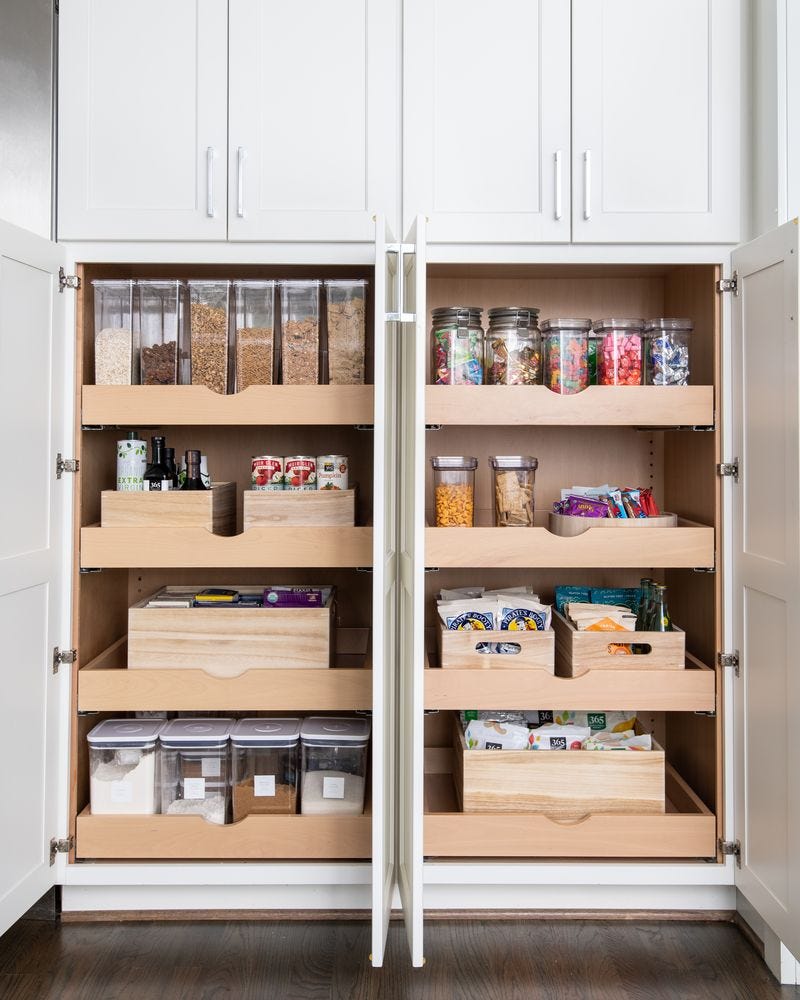
Designate a “quick meal” shelf in your pantry filled with go-to ingredients like quinoa, canned chickpeas, and olive oil. On those low-energy days, you’ll have the foundation for a healthy meal at your fingertips.
Energy levels can be unpredictable during perimenopause. Some days you’re ready to conquer the world, and other days, getting out of bed feels like a victory. Meal prep can be your saving grace, but it needs to be flexible.
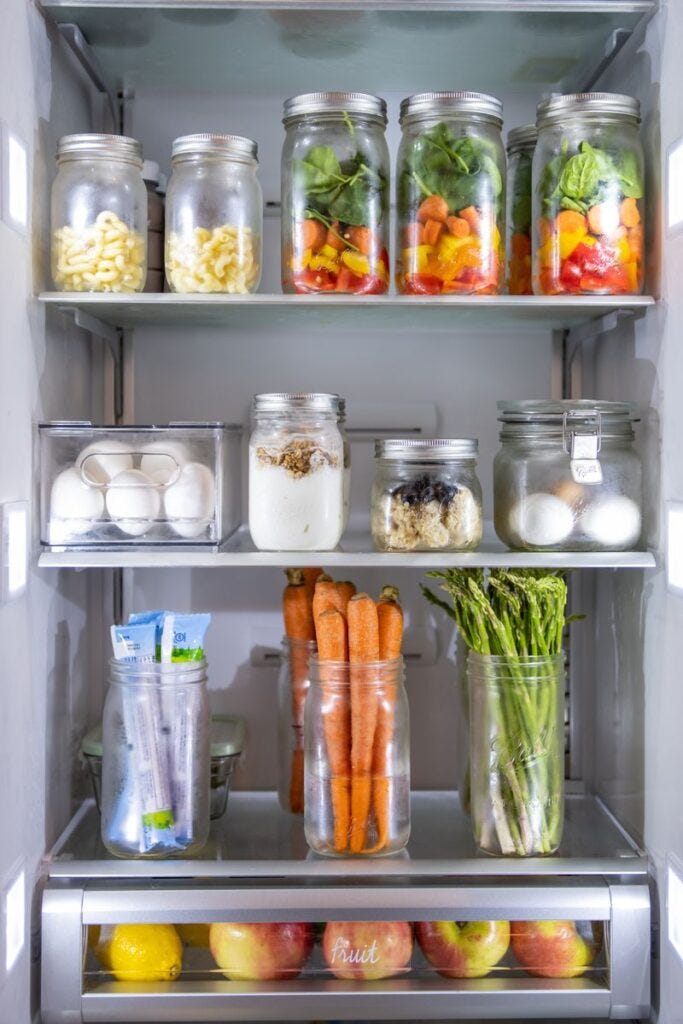
Prep in Advance: On high-energy days, prepare components such as roasted vegetables, cooked grains, and lean proteins. Store them in clear containers at the front of your fridge for easy access. Consequently, on low-energy days, these prepped ingredients will be your shortcut to nourishment without the fuss. For more ideas on simplifying meal prep, check out this blog on using ball jars to streamline your morning meals here
Be Flexible: Even minimal prep, like chopping vegetables or cooking a batch of quinoa, can be beneficial. It’s okay if meal prep isn’t perfect; every bit helps.
Remember, meal prep doesn’t have to mean full meals. It’s okay to just chop some veggies or cook a batch of quinoa. Every little bit helps.
Use a whiteboard or a sticky note system on your fridge to remind yourself of what’s prepped and ready to use. This small step can reduce decision fatigue and make meal choices easier.
Moreover, cravings can intensify during perimenopause. Instead of resisting them, manage them mindfully:
Healthy Comfort Foods: Keep a designated spot in your kitchen for healthier versions of your favorite treats, such as dark chocolate, nuts, or homemade granola bars. This approach allows you to indulge without derailing your nutrition.
Track Emotional Eating: Use a journal or smartphone notes to track instances of eating for comfort rather than hunger. By doing so, you can find balance and maintain a healthier relationship with food.
Consider creating a “self-care corner” in your kitchen—a spot where you keep herbal teas, a cozy mug, and perhaps a small treat. It’s a reminder to nurture yourself, not just with food but with moments of calm.
Perimenopause is not the time to strive for perfection—it’s a time to embrace what’s real and present. Your kitchen doesn’t need to look like a magazine spread; it just needs to function in a way that supports your well-being.
If the pantry isn’t perfectly organized or meal prep doesn’t go as planned, give yourself grace. This journey is about listening to your body, adjusting as needed, and finding what works for you. The kitchen can be a sanctuary, a place where you nourish not just your body, but your spirit too.
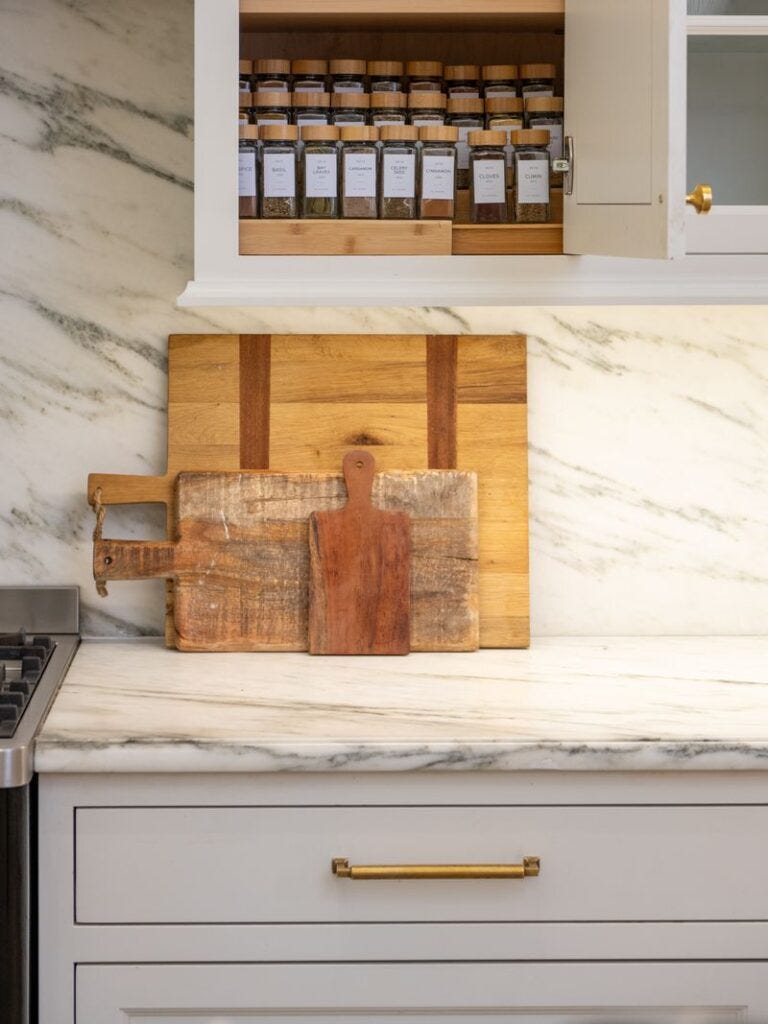
It’s also worth noting the impact of organization on mental health. A well-organized space can contribute to reduced stress and increased clarity, which is crucial during perimenopause. For insights into how organization can enhance mental well-being, check out this blog on the connection between organization and mental health here.
In conclusion, perimenopause is a significant life transition that calls for adaptability and self-compassion. By thoughtfully organizing your kitchen, pantry, and meal prep, you can create a supportive environment that makes this transition smoother. Remember, this process is as much about caring for your emotional well-being as it is about managing your diet and kitchen. Embrace the changes, listen to your body, and take comfort in knowing you’re not alone in this journey.
Tell Me: Have you experienced perimenopause, or do you feel you’re approaching it? What small changes have you made in your kitchen to help with this transition?
PS: I’ve curated a list of must-reads, organizational tools, and non-toxic essentials to help embrace this new chapter of life. You can find them HERE. Any to add?
Comments
Nothing yet. Say the first thing.
Sign in to join the conversation.