
In the film industry, it seems no one mourns the bottomline.
There’s always a level of risk when you plough huge amounts of marketing budget into a campaign. But if the blockbuster campaigns for Barbie and Wicked campaigns are anything to go by, film industry marketing teams are fearless.
From a Super Bowl first look through to partnerships with LEGO, Mattel, and even Starbucks, the marketing around Wicked has been truly budget-defying. While there’s no official figure out there, according to Variety, Universal have spent around $150 million on this campaign.
The question is, why? Wicked has been such a phenomenal success on stage, and was inspired by a book, giving you a massive engaged audience that will dutifully buy tickets. The film always felt like a home run, particularly with Ariana Grande taking on the role of Glinda - musical obsessives, book lovers AND Arianators? You’re on track for a healthy outing at the box office.
But it seems the Wicked team weren’t willing to rest on their laurels. The last few months have been a total onslaught of all things green and pink, with Cynthia and Ariana throwing themselves into the press tour, massive brand partnerships to reach every potential audience, and endless TikTok content.
It’s clear that the audience for this film is… literally anyone with a pulse. It certainly flies in the face of marketing segmentation 101:
Is your segment relevant to your brand and/or product?
Does it have unique characteristics that make it distinguishable from other segments?
Is it big enough to be worth targeting?
Is it reachable through marketing activities?
TL;DR: If you’re targeting everyone, you’re targeting no-one.
And yet, many major news outlets are reporting that Wicked has smashed through multiple box office records with a phenomenal opening weekend of $164.2 million worldwide. Movie of the year; the biggest opening for a movie based on a Broadway show, which includes beating Les Misérables by a respectable $61.2 million; and immediate entry into the all-time box office rankings. Deadline are reporting that it’s on track to hit $358 million worldwide in the next few days.
Traditionalist marketers will be left shaken to their core. While consumer fatigue is a very real issue with a campaign of this scale, there’s so much to love about it.
What can publishing take away from it? Lest we forget, a book inspired all this madness. This edition of marketing hotline is all about diving into some of their tactics and providing actionable learnings, whether or not you have an eye-watering budget to waste. As Fiyero once said: ‘You've got me seeing through different eyes’.
When it comes to developing a marketing campaign, are you holding space for the fans? Wicked is rich in memorable, iconic moments that stay with you, whether you’ve seen the musical or not. I was singing the soundtrack in the car with my friends on the way to college was back in 2009 before I’d even seen the show and ever since, I’ve been holding space for Defying Gravity.
So to include snippets of the song and the iconic battle cry in the first look at the 2024 Super Bowl? It was a genuine shivers down the spine moment. There’s fan service, and then there is FAN SERVICE. As of writing, the trailer has had 6.4 million views on YouTube alone, and was seen by around 123.4 million people in real-time. It was also seen by a surprising number of Swifties, given Taylor’s beau Travis Kelce was there playing for the winning team.
The Universal marketing team understood the importance of making this an epic moment, with Michael Moses, CMO at Universal, telling Variety: ‘We wanted to declare that we intended Wicked to be a cultural event. And there is no bigger media event than the Super Bowl. If we were going to invest in the 60-second spot on the Super Bowl, you have to put as many goodies in there that were available at the time. We know what a triumph that battle cry is, and ending that spot with it felt assured and inescapably the right call.’
We’ve seen this in the books world among the fantasy genre, where whipping fans into a frenzy is the golden ticket to word-of-mouth and Sunday Times bestseller placements. It’s also critical if you want to secure support from the big retailers in terms of table space and window displays.
I’ve recently been reminded of this by working on the UK influencer mailing for Quicksilver by Callie Hart (Hodder), which saw my social media DMs, website contact form, and email get absolutely hammered by super fans offering blood, firstborns, souls and kidneys for SHADOW DADDY jumpers and bespoke candles that were described as ‘sexy ice cream’.
As a previously self-published author with a massive fanbase, it seemed like a no-brainer to reward the biggest fans with thoughtful ‘money can’t buy’ merch that tapped into their favourite things about the book. We added a level of intrigue by keeping it invite only, you had to be on my blogger database if you wanted a shot at one of the limited edition boxes.
The key takeaway here is that your fans, and book bloggers in general if you’re working on debuts, are your biggest champions and most loyal advocates, and marketers need to respect and acknowledge that in their campaigns.
2023 was the year that the world turned hot pink, 2024 has added a splash of green. From brat, yes, but also from Wicked. Representing the two main characters, the green-and-pink barrage has been relentless, but it’s also brilliant brand marketing.
Developing a clear visual identity for your brand or product is the key to unlocking consumer awareness. If you get it right, you don’t even need to mention the name for fans to know exactly what it’s referring to. Case in point: the Starbucks collaboration. Utilising the green and pink to create bespoke character drinks, Starbucks lovers in the US can enjoy Glinda’s very sweet Pink Potion or Elphaba’s classic green-cold-foam-topped cold brew.
Barbie wrote the playbook, providing a clear path to follow with Barbie-core, from fonts to hot pink. The magic ingredient from brand awareness is to lean into the symbolism behind your brand or product, using familiar touch points to engage old fans while using intrigue to invite new audiences to engage.
When colour transcends into a cultural moment it becomes ‘culture-jacking’ - defined as appropriating aspects of popular culture for commercial purposes - which brings relevance and excitement to the release while also spreading it as far as possible. Moses said: ‘We live in an environment where monoculture doesn’t happen in the way it used to. So, you have to be everywhere.’
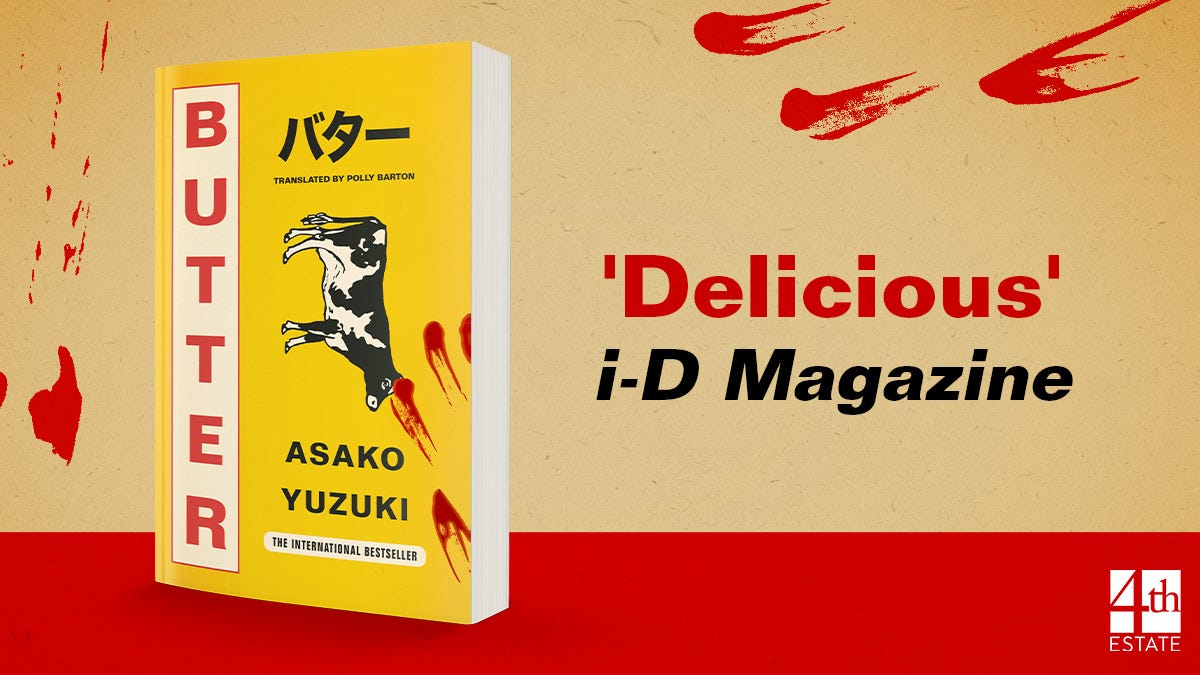
We’ve seen this in the publishing industry too. Think about the biggest books of the last five years, what did they all have in common? Yellowface and that sunshine yellow jacket, The List and the shh emoji against the purple, Intermezzo’s dark blue and the chess piece, and the Lessons in Chemistry colour blocks. And obviously, Butter.
And of course sometimes, you’ve just got to fake it until you make it. Like the Arc de Triomphe projection moment, which Moses admits ‘were a bit of digital wizardry that didn’t actually happen’.
Partnerships are one of the most elusive marketing activities that we all secretly yearn to secure. For the right book, or film in this case, they provide an opportunity to expand your marketing reach into previously untapped audiences that align perfectly with your ideal reader.
Wicked went hell for leather with brand partnerships, with multiple sources reporting they’ve worked with over 400 brands to ensure mass saturation and a variety of diverse touchpoints. I can only imagine the level of email traffic it takes to pull that off.
One of the most striking things about Wicked’s approach to partnerships is the level of accessibility. They’ve curated a perfect blend of luxurious high-end brands and affordable high-street collaborations, from Primark and r.e.m beauty in Boots to Béis luggage and the Oz-mazing Lexus.
There are far too many partnerships for me to deep dive into each one, but I did want to highlight a few favourites that also feel accessible.
First, Spotify. They’ve been tapping into musical fans old and new with curated playlists to help fans hold on to the magic after they’ve left the cinema, but they’ve also been producing exclusive behind-the-scenes podcasts with the cast and, most interestingly for musical fans, composer Stephen Schwartz. Partnerships of this nature allow Wicked to extend its cultural footprint beyond the screen and into everyday life, whether you’re relaxing at home or commuting to work.
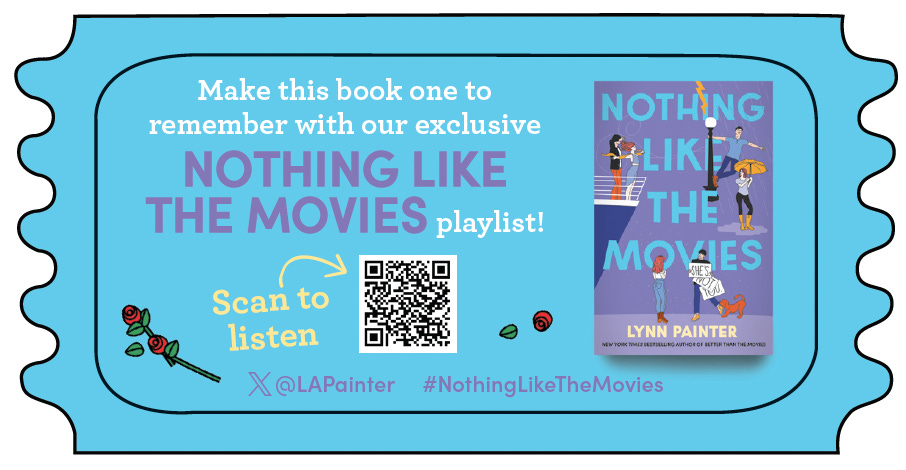
This can work beautifully with books too. Because what can be better than creating an immersive atmosphere while escaping into a new world? Recent examples of this for campaigns I’ve worked on including a ‘scary festive’ playlist for Janice Hallett’s The Christmas Appeal (who knew Carol of the Bells was so terrifying?); a Taylor Swift: Era by Era playlist featuring only Taylor’s Versions; and a rom-com inspired playlist for Nothing Like The Movies, complete with movie ticket and QR code for bloggers.
And a personal favourite, the St Pancras station Wicked-themed Christmas tree which made a mundane, mildly stressful, space into a magical festive experience. Obviously, let’s give credit here to the Penguin Random House Christmas tree from last year.
The broad range of partnerships represents the diversity of the potential audience. Wicked spans all age groups, from original Wizard of Oz fans interested in exploring the lore, to musical fans that have been singing it for decades, to a brand new generation discovering it for the first time. This commitment to reaching a diverse range of demographics through strategic partnerships is enchanting.
It also highlights the role of partnerships in storytelling, which is particularly interesting for books. The team behind the campaign have done their best to ensure that every product collaboration and brand partnership align with the message of the film: friendship, transformation, and individuality.
It’s not about slapping your logos on green, pink or yellow products. It’s about allowing your audiences to carry a little piece of that magic into their everyday lives, whether they take home a branded Stanley Cup or a set of OPI nail polishes. This takes a partnership beyond the pure transactional relationship to an emotional connection.
There are lots of little learnings we can take from this, but most of all, you don’t need to reinvent the wheel to execute an excellent marketing strategy. Wicked’s CMO admitted that Barbie was the inspiration and we’ll likely see this insane level of marketing rolled out again and again - or at least, for Wicked round two next year.
Creativity doesn’t always involve coming up with something brand-new every time. If it’s resonating with your readers, why not roll it out again? Establishing a clear marketing formula is essential when developing a book marketing campaign, and can often be credited for the success of the major book campaigns you see at the Big Five (I say this from experience).
Think about ways you can encourage your target audience to interact with your campaign and execute your marketing plans with your target reader in mind. The real magic happens when you can develop a winning formula that brings in your own brand voice and values, great examples of this can be found in HarperVoyager’s Locked Library and Vintage Classics.
Rach x
Comments
Nothing yet. Say the first thing.
Sign in to join the conversation.