
Elon Musk has spent much of the past decade building companies. He has also become remarkably adept at combining them at prices that seem to grow quickly.
Tesla acquired SolarCity for ~$2.6B. xAI acquired X at a $33B equity valuation ($45B including debt). SpaceX then acquired xAI in a deal valuing xAI at ~$250B.
And now, with Tesla and SpaceX both carrying extraordinary valuations (Tesla near 200x forward earnings and SpaceX spending extraordinary sums on AI and trading at roughly 90x to 100x 2025 sales), the possibility of an eventual combination between Musk’s two largest companies raises a more interesting question than whether such a transaction could be justified strategically.
The question is: what happens after a Tesla and SpaceX merger? I mean, other than Musk taking a shortcut to a $1 trillion personal payday1 while SpaceX enters Q3 2026 coming off a -$541 million net loss from Q2?
I ask because Musk’s corporate empire has increasingly come to resemble a financial roll up in which the solution to a troubled, capital hungry or difficult to value asset is to place it inside another Musk controlled entity with greater financial capacity and a more generous valuation.
The strategy has an obvious advantage: any financial reckoning can be deferred. SolarCity, run by Elon Musk’s cousin, was facing severe liquidity and financial pressure. Arguably, the biggest beneficiaries of xAI’s acquisition of X were Musk himself, who converted his troubled X investment into equity in the more highly valued xAI, along with X’s creditors and debt holders, who seemed to be effectively rescued from any potentially ugly outcome as X entered the xAI corporate structure carrying roughly $12 billion of debt.
Then, Musk and xAI shareholders exchanged their holdings, valued in the transaction at roughly $250 billion, for equity in the far more established SpaceX, giving xAI access to SpaceX’s balance sheet, cash flows and prospective public-market liquidity.
This shuffling of assets has an obvious limit. One of which is that, eventually, you run out of companies to roll things into. And if SpaceX ever buys or otherwise merges with Tesla, Musk may be approaching precisely that point.
The important thing about Musk’s collection of companies is that they have never behaved like completely independent islands. Capital, employees, technology, contracts, investors and corporate ownership have all moved across the boundaries separating them. Musk has repeatedly shifted resources among his companies: Tesla engineers helped at Twitter after his takeover, SpaceX and later Tesla each invested $2 billion in xAI, Nvidia GPUs intended for Tesla were redirected toward X/xAI, and xAI’s Grok was subsequently built into Tesla vehicles.
When one part of the empire becomes difficult to finance or difficult for the market to value on its own, another part can sometimes provide a larger and more forgiving home.
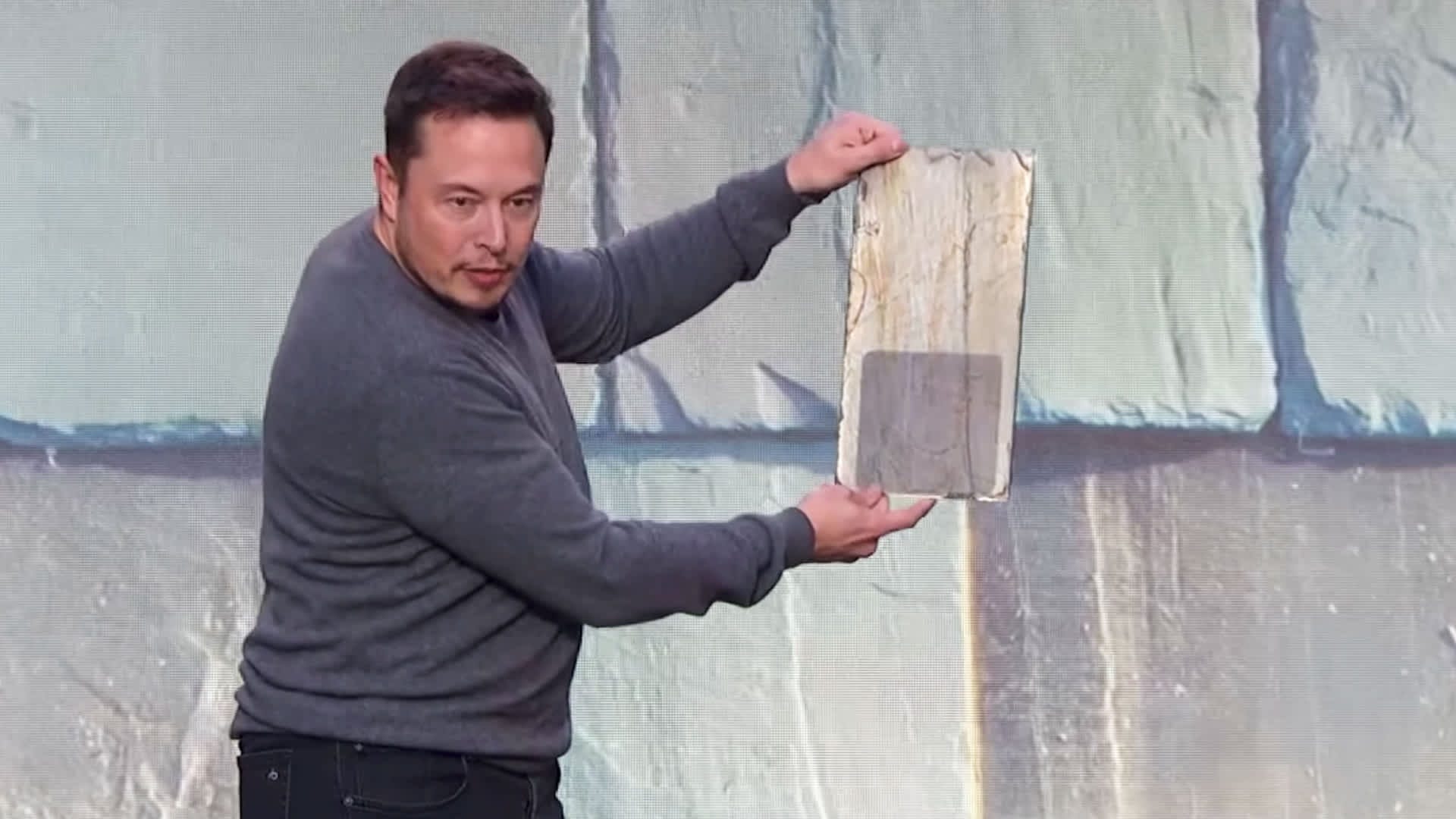
SolarCity’s was an early example. Tesla agreed to acquire the solar installer in 2016 in an all stock transaction worth roughly $2.6 billion. Musk chaired SolarCity, his cousins ran it, and the company was facing serious questions about liquidity and financing. Shareholders later sued Musk, alleging that Tesla had effectively bailed it out. Musk ultimately prevailed in court, but the economic observation is simpler. Before the transaction, SolarCity had to survive as SolarCity. Afterward, its financing requirements and operating problems became part of Tesla.
That distinction is important because a company can eliminate a standalone financial crisis without eliminating the underlying economics that created it. The financial risks, in this case SolarCity’s shitty (for lack of a better word) liquidity simply migrated onto a larger balance sheet at Tesla.
Then, the pattern became clearer.
Comments
Nothing yet. Say the first thing.
Sign in to join the conversation.