
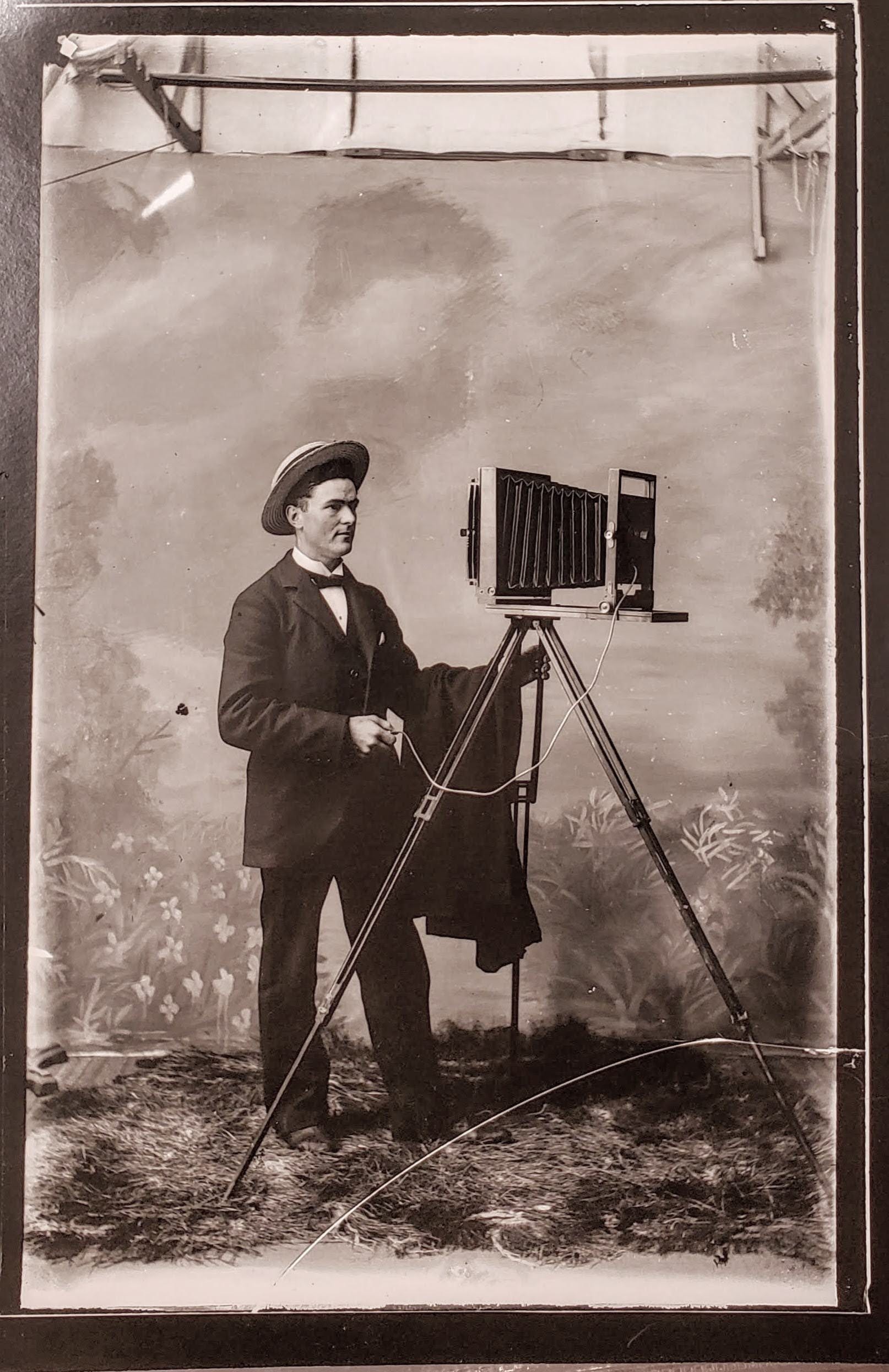
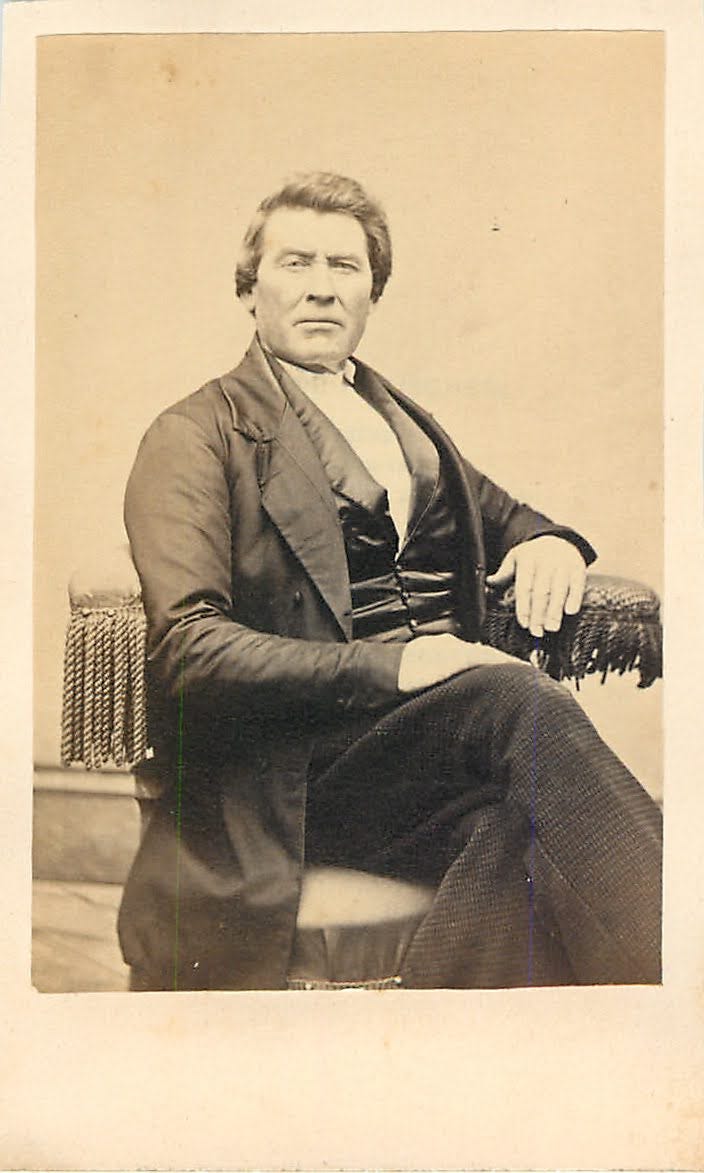
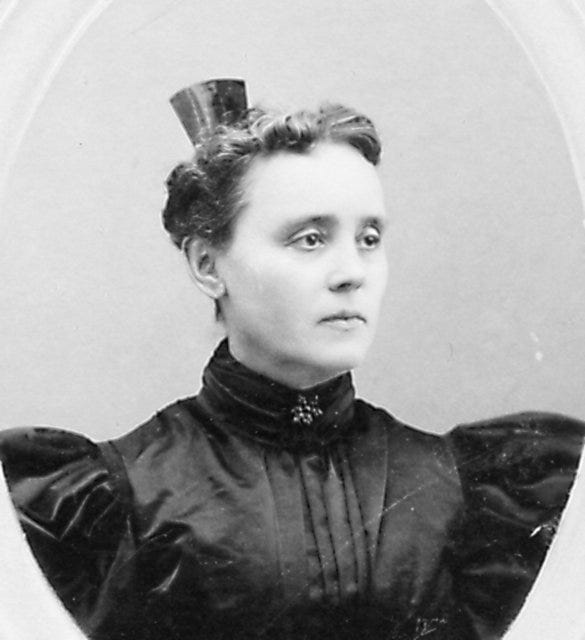
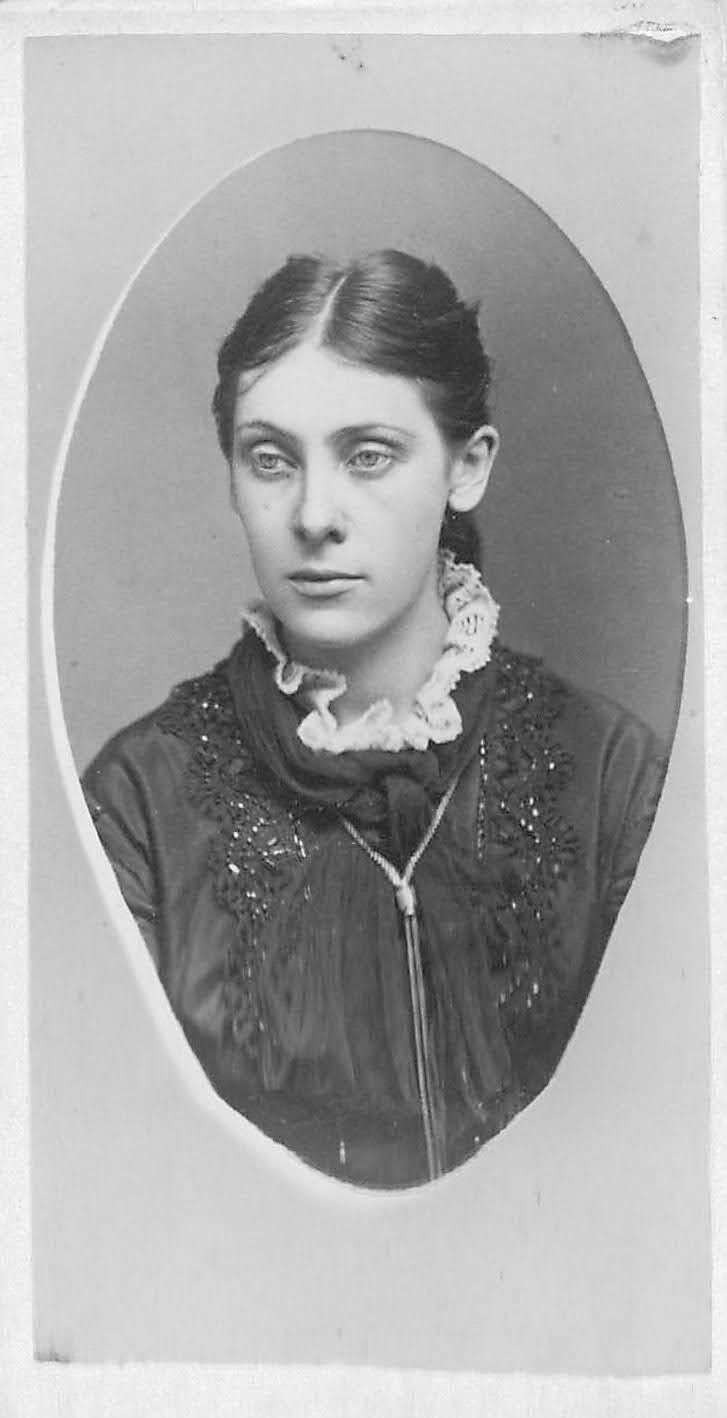
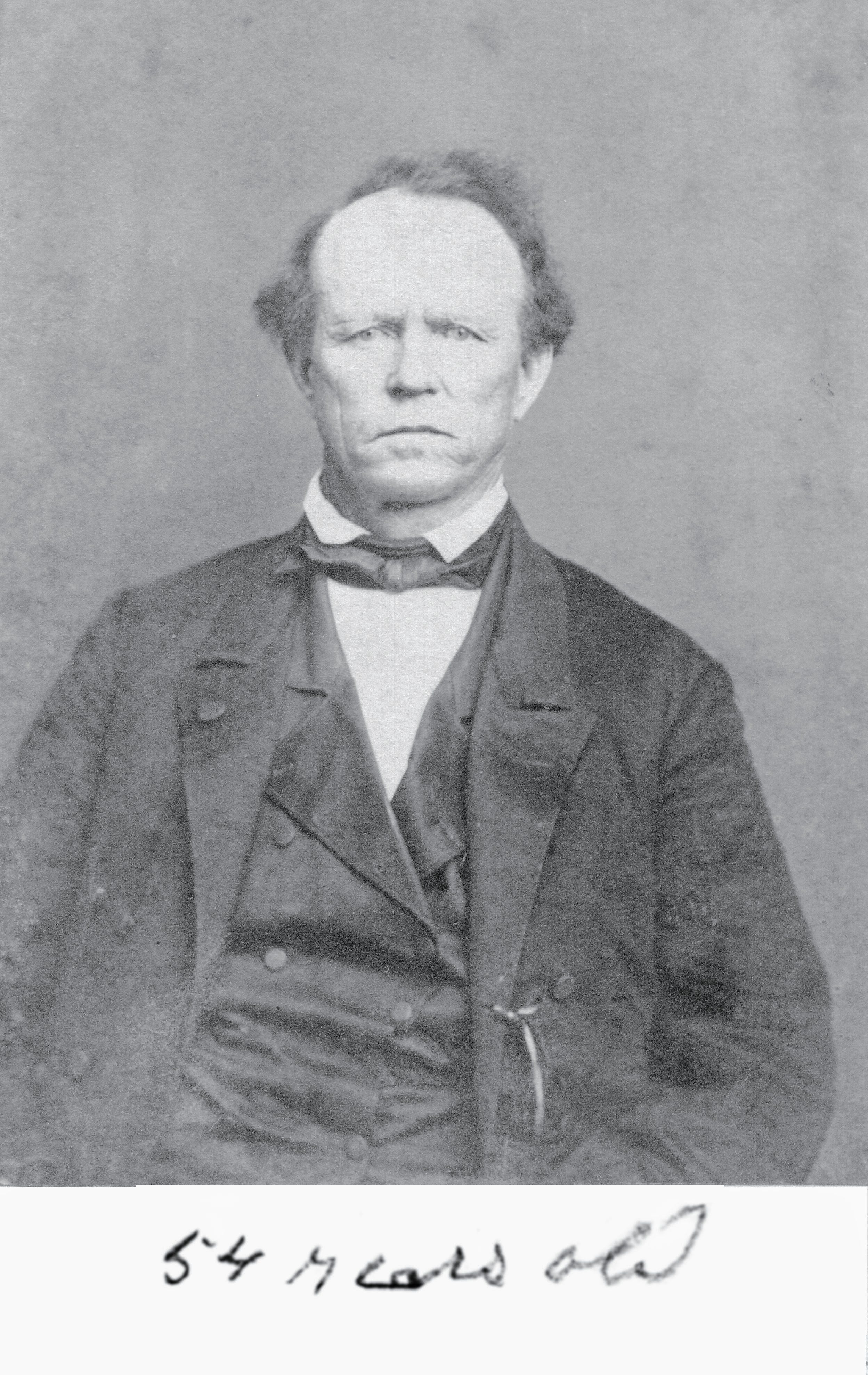
Before 1900, a photograph was usually treated more like a formal painted portrait than a casual snapshot. People were expected to look composed, dignified, and serious. A broad grin could look foolish, childish, drunken, or unserious by 19th-century standards. So the “proper” face for a photograph was often calm, still, and solemn.
Still, if you look closely, there are a few faces that seem to be wanting to smile, and a few that look as if they would rather be anywhere else.
There were also practical reasons. Early exposure times were long, especially in the first decades of photography, and a smile is harder to hold naturally than a relaxed, neutral expression. By the mid-1800s, exposure times had improved a lot, so technology alone does not explain the lack of smiles, but it helped create the habit.
The big change came when photography became cheaper, faster, and more personal. You no longer had to go to a professional studio. You could take pictures yourself whenever you wanted. Kodak and other snapshot cameras helped turn photos from formal events into records of ordinary life: vacations, children, parties, pets, and family moments. By the 1920s and 1930s, smiling for photographs had become much more common, and by the mid-20th century it was the expected American photo expression.
So, the short version is this: people before 1900 were not necessarily unhappier. They were posing according to a different social rule. A photograph then said, “Here I am, respectable and composed.” A modern photo often says, “Here I am, happy, approachable, or silly.”
Let’s look at a few examples of the different versions of expression shown in old photographs. These are not shown in any particular order. It is up to you to decide whether the person is grumpy, dignified, uncomfortable, or simply doing what the photographer expected. Then there are a few where you can almost see the person ready to crack a big smile or laugh, while still trying to cooperate with the expected composed look.
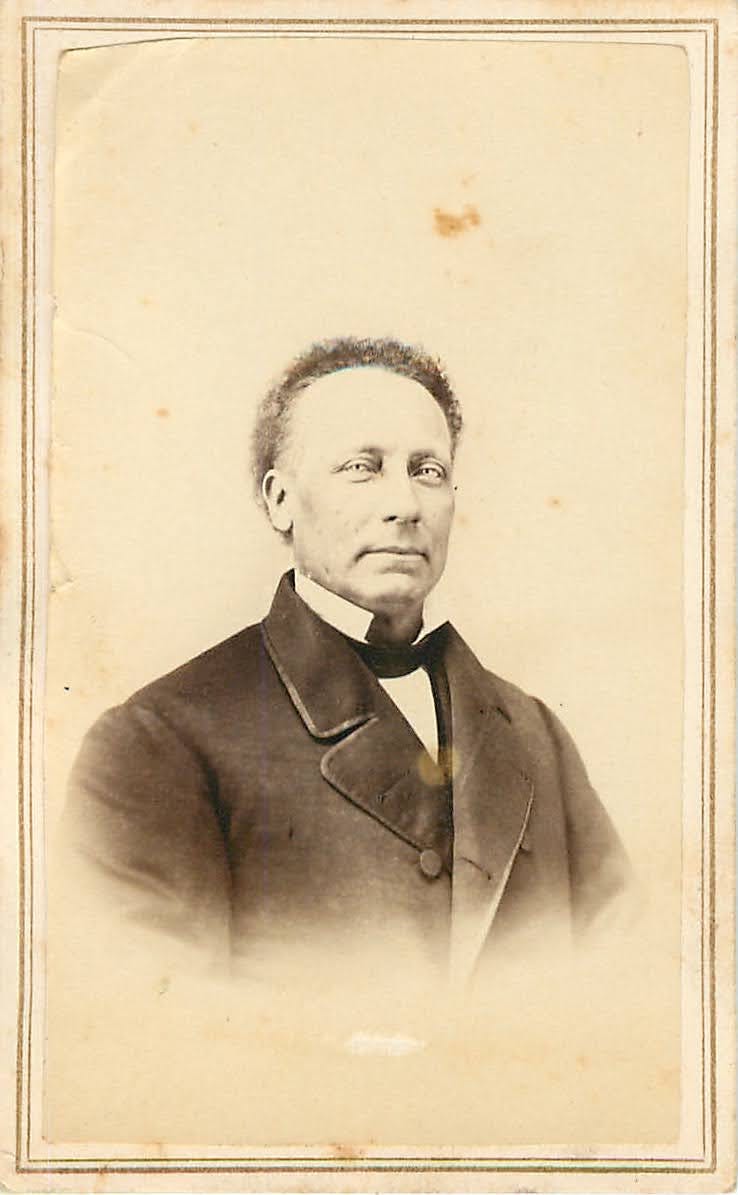
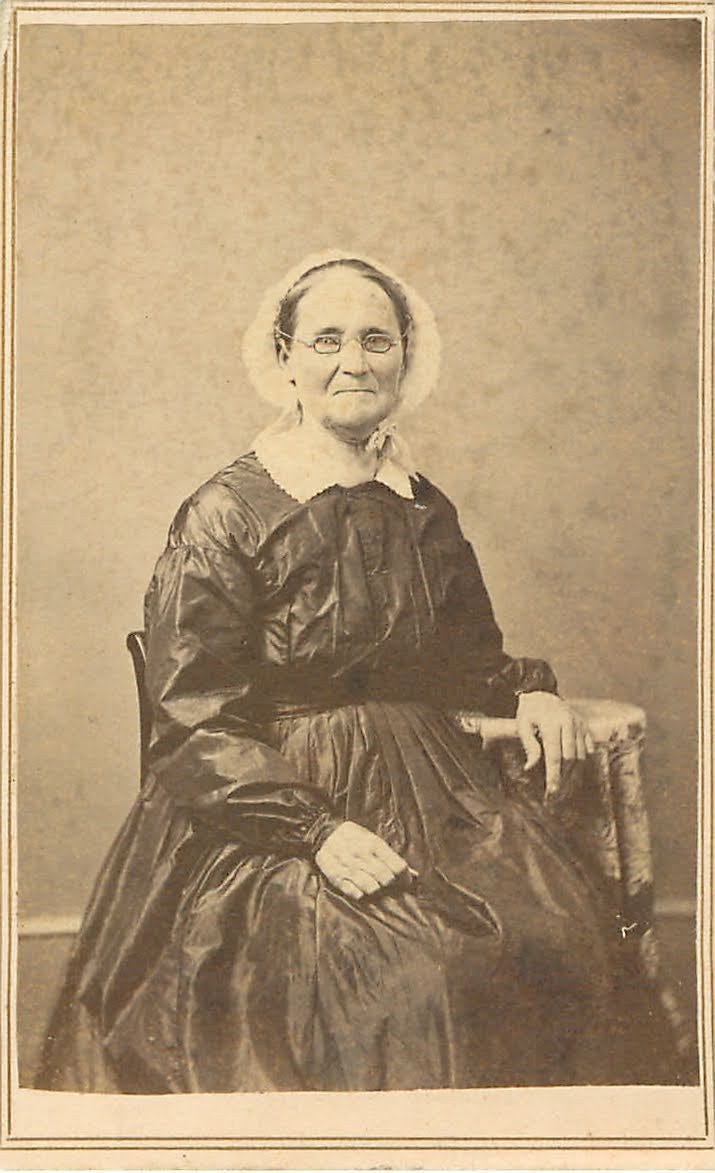
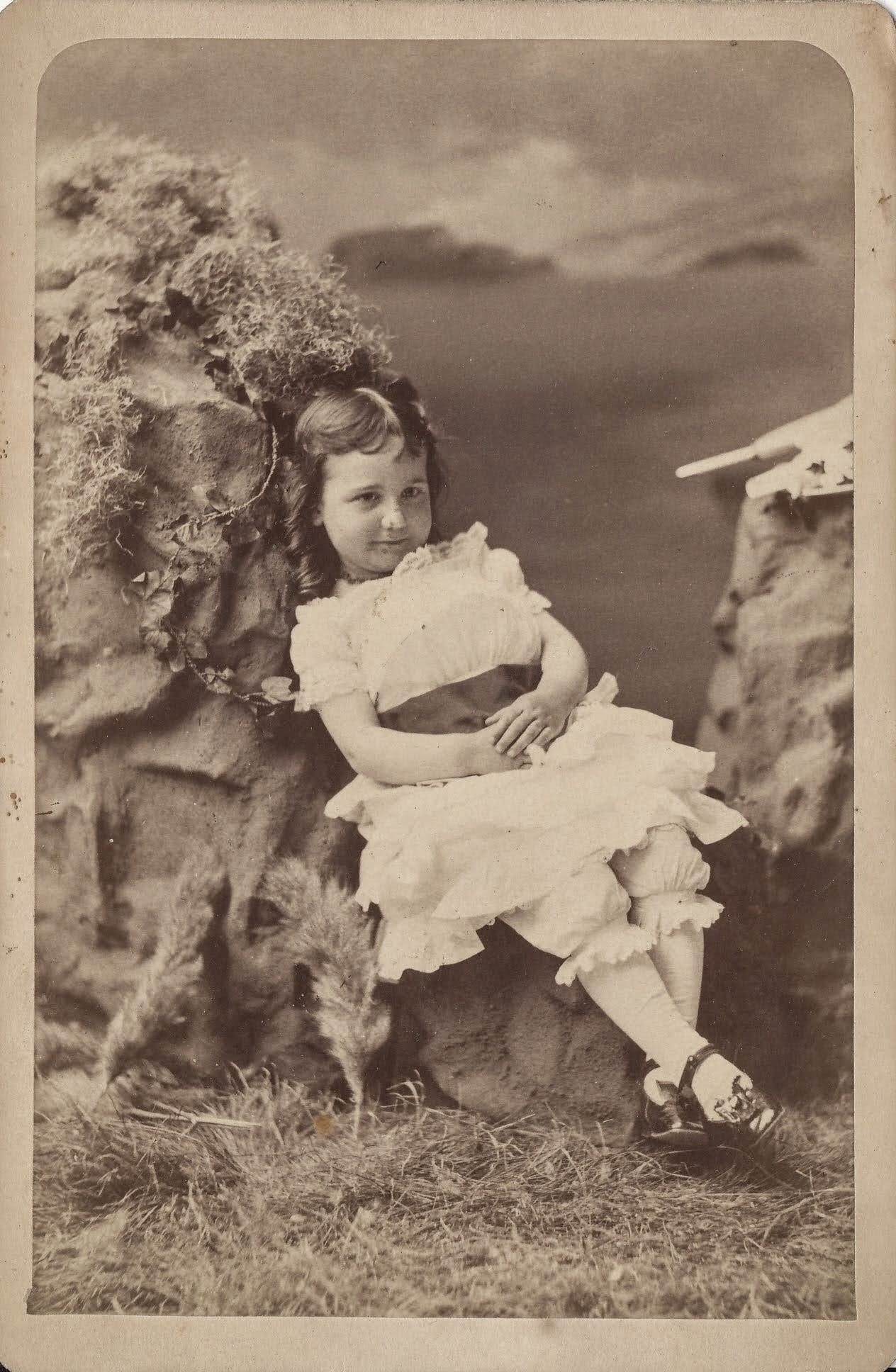
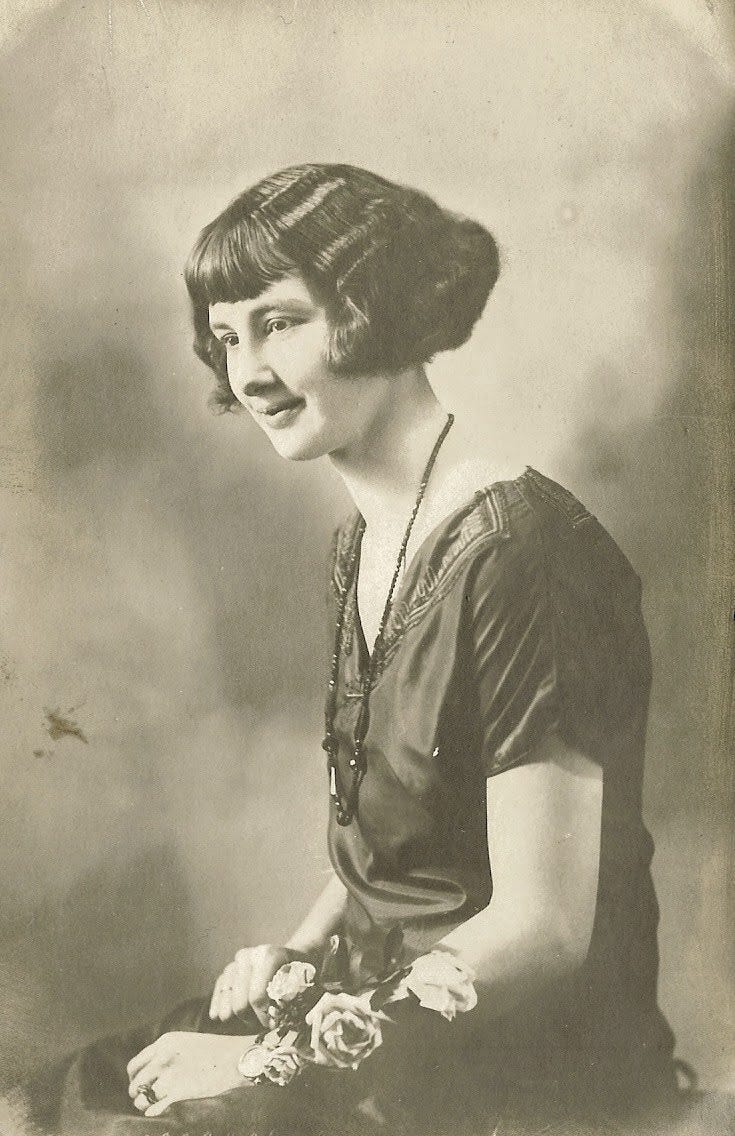
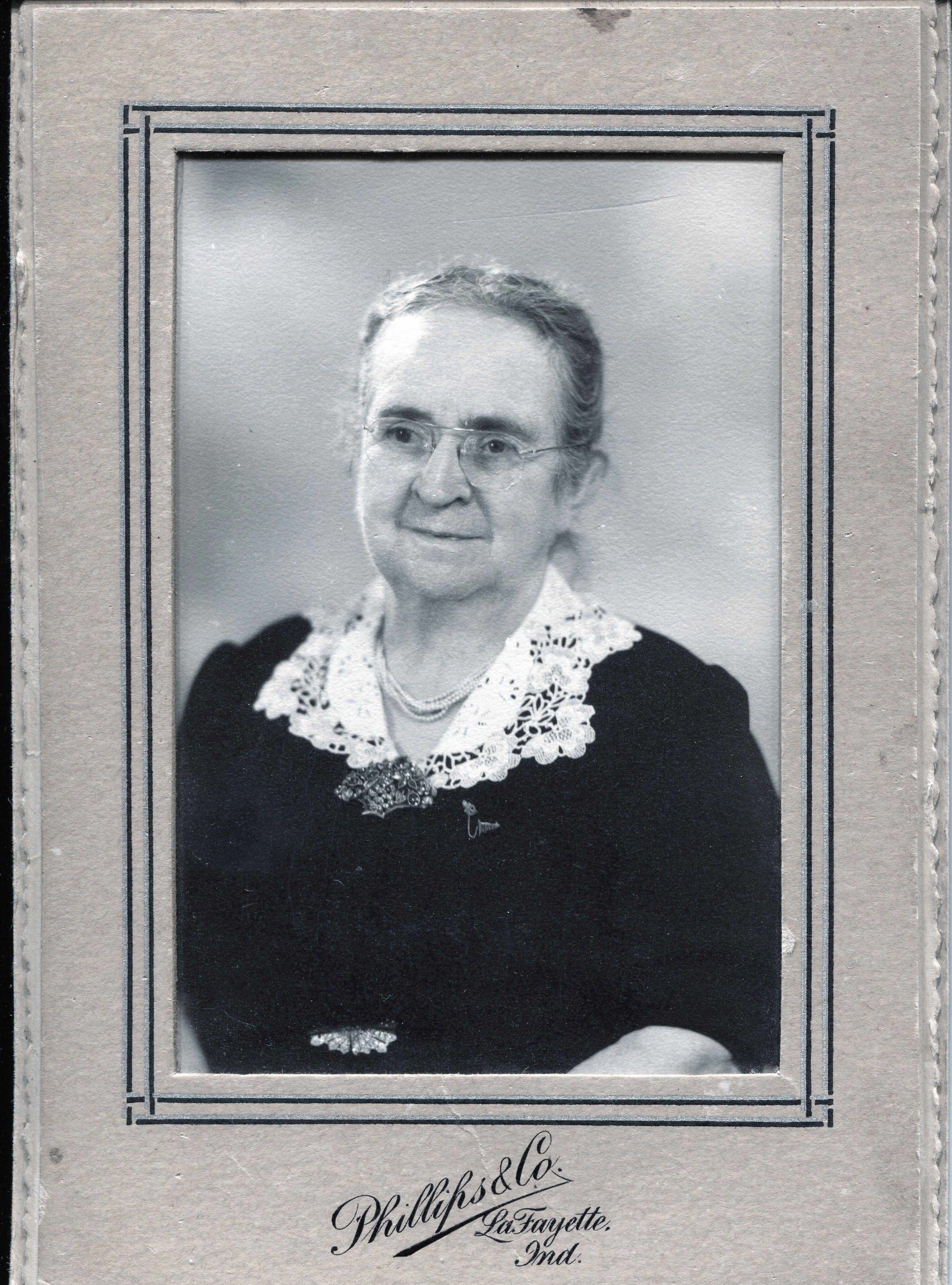
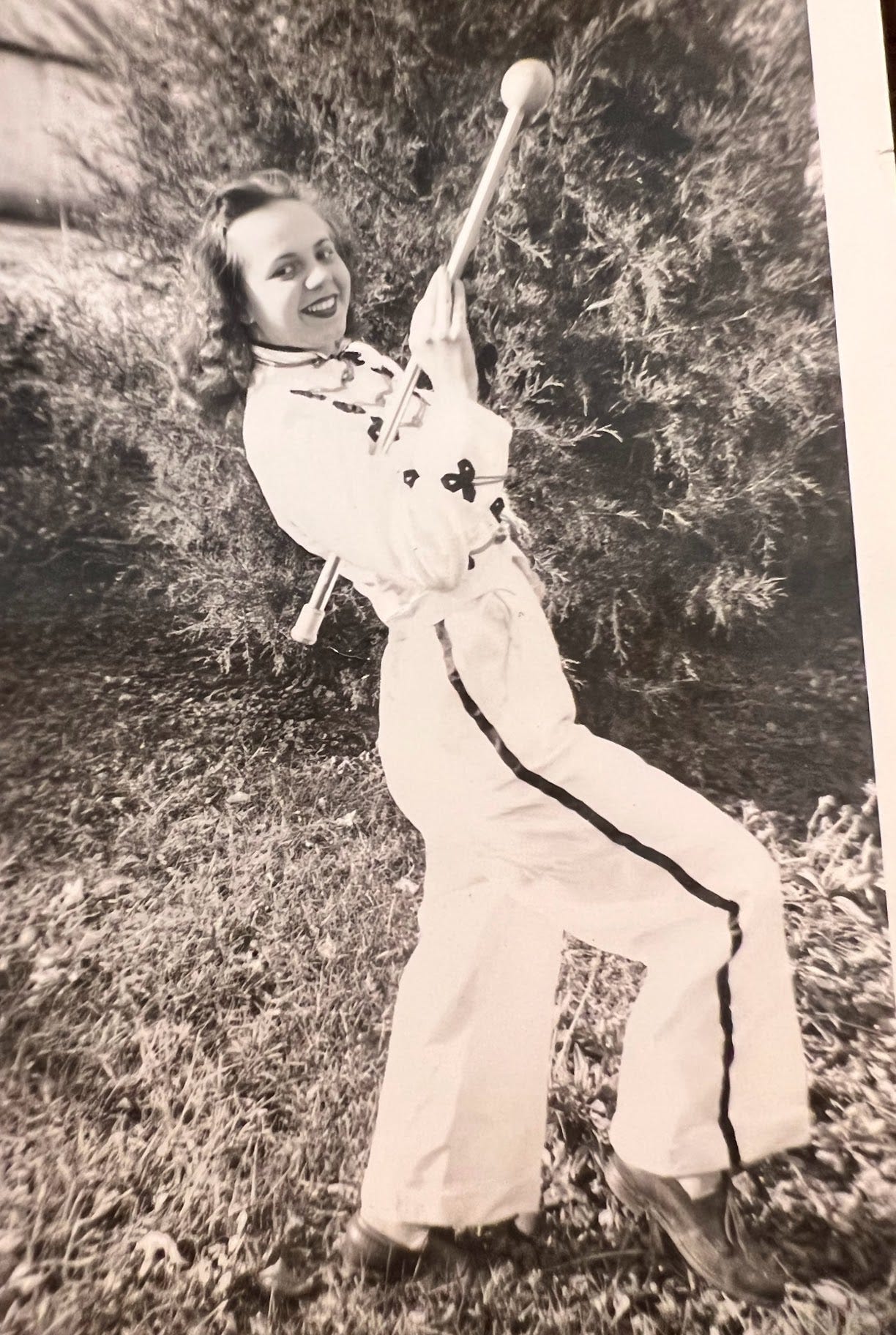
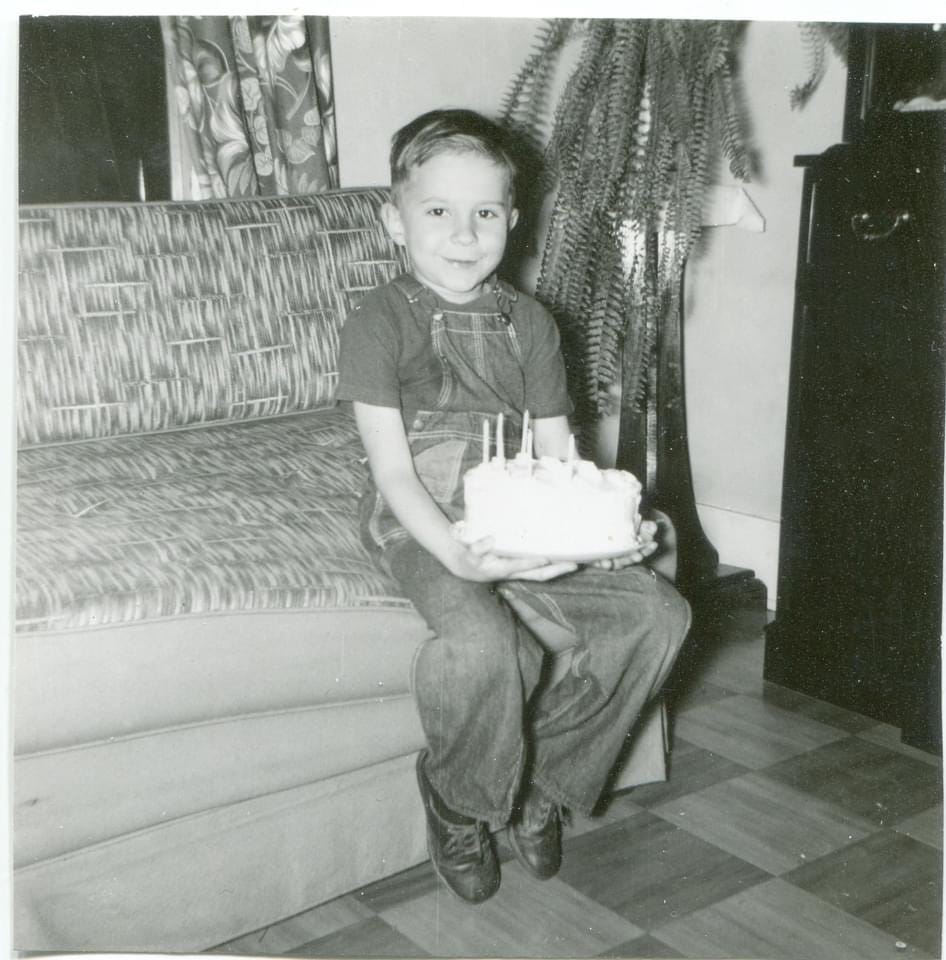
Besides those practical reasons and social expectations, there are other reasons broad smiles are rarely seen in old photos. Some of those reasons have to do with anatomy, habit, personality, dental history, and social learning.
Some people naturally show teeth more easily than others. A person with a shorter or more mobile upper lip, or a naturally wider mouth, may show teeth even with a modest smile. Others have lips that cover more of the teeth even when they are smiling.
Tooth and jaw structure also matter. If the front teeth are prominent, even, or sit forward, they may show more readily. If teeth are smaller, set farther back, worn, missing, crowded, or uneven, the person may naturally, or consciously, keep the mouth more closed.
Facial muscles play a part too. Smiling uses several muscles, especially the ones that pull the corners of the mouth up and back. Some people’s smiles lift the lips strongly; others smile in a more subtle way. That can be natural, not intentional. In short a smile involves most of your face, not just the lips.
So yes, there are anatomical reasons, but there is also a lifetime of learned behavior in it. In photographs especially, people often repeat the smile they learned was “their photo smile.”
People who feel good about their teeth often smile broadly. People who are self-conscious about their teeth, dentures, staining, gaps, missing teeth, or bite may develop a closed-mouth smile over many years.
Family and culture matter too. Children often learn how to smile from parents. Some families are big-grin families. Others are more restrained.
Personality and emotion also shape expression. A big open smile can signal ease, enthusiasm, or extroversion, but not always. A closed-mouth smile can be warm, polite, shy, controlled, or simply habitual. It does not necessarily mean the person is less happy.
There is also a difference between a posed smile and a real spontaneous smile. A genuine smile often involves the eyes. The cheeks lift, the corners of the eyes crease, and the expression looks more alive. A person can have a closed-mouth smile that is very genuine, and a toothy smile that is mostly posed.
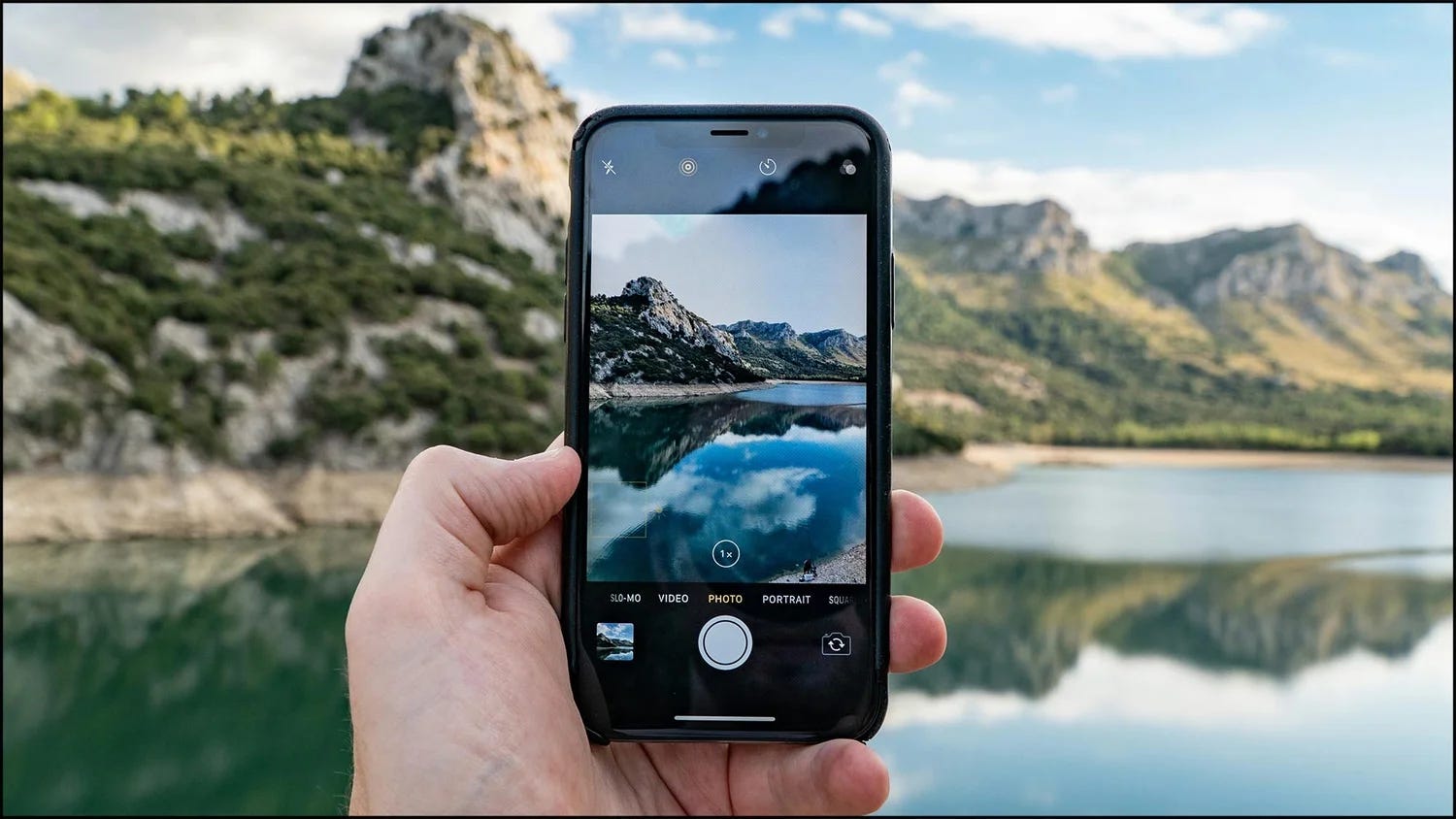
Technology changes every day, and that includes cameras and photography. Today most of us carry a camera in our pocket everywhere we go. That ability to react quickly allows us to capture informal but priceless moments in our lives.
And there is your historical, anatomical, and social analysis of smiles, and the interaction between smiles and a camera.
No posts
Comments
Nothing yet. Say the first thing.
Sign in to join the conversation.