
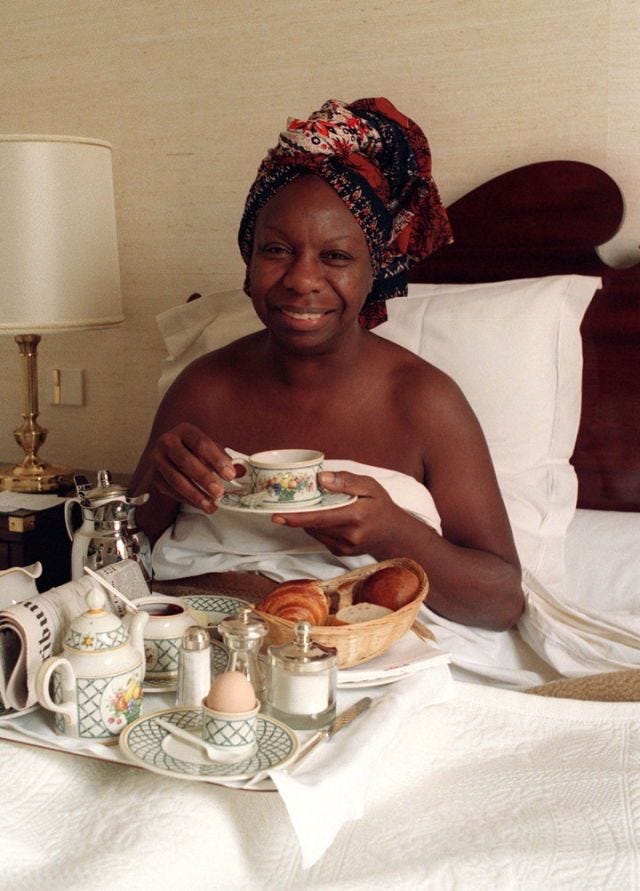
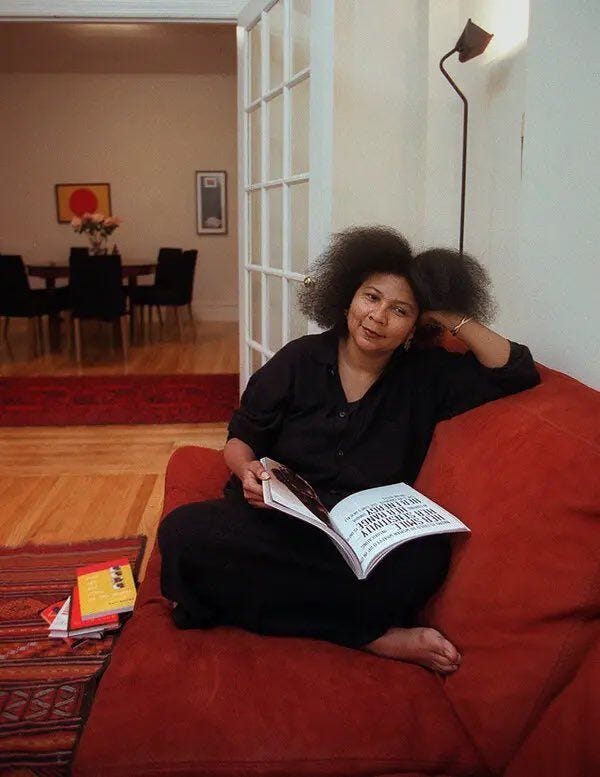
I have been doing some research on Black women’s relationship with rest and recovery. Sisters of the Yam: Black Women and Self-Recovery by bell hooks has been a beautiful dot connector for me, particularly the Work Makes Life Sweet chapter, for the context of this post. I can’t recall when I didn’t work, was focused on work, or knew that I had to work. I’ve been working since I was fourteen years old, honestly even younger on the weekends, answering phones and filing paperwork.
Reading this book started my quest to understand my relationship with rest and recovery, and hopefully, this reflection helps you identify yours and create the best Bleuprint forward.

I worked on “bed rest” up until the day I gave birth and returned to work in the office 6 weeks postpartum. I had to return before my daughter could start daycare due to immunizations beginning at 8 weeks. So for two weeks, my daughter shared an office space with me and I nursed between meetings and emails. During that time, I had no time to be exhausted or even honor the feeling. I was caring for my first newborn around the clock while managing projects, all while trying to remember to eat healthily because I was solely breastfeeding at the time.
My job at the time tried to accommodate me by providing a baby swing and installing blinds on my large office window so I wouldn’t have to nurse or pump in the bathroom stall. At the time, I was doing what I had to do to keep my livelihood afloat, and it feels like the cycle never slowed once I stepped back into work with my daughter’s carrier and laptop in hand. During this time, I lost sight of proper rest and did not know what recovery meant.
I now see that was a defense mechanism to deal with the traumatic events while being a new mother. I was subconsciously wiring my body to be a machine, defying the basic needs of survival, embodying militant precision to keep up with life’s demands, and my new world of motherhood. Seven years later, I am finally working to undo the programming within my body and mind to live well-rested and recovered.
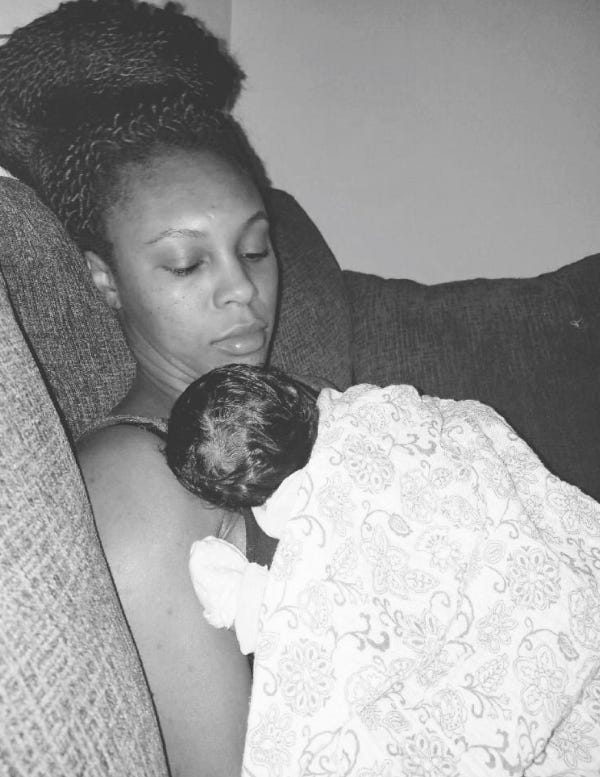
When conversations about postpartum depression come up, I always feel like there was a possibility that I could’ve gone through it, but never spoke to it or claimed it. I learned to suppress what I needed to be able to function for my sanity and the child who was depending on me. Now I am learning to give myself grace to feel what I need to feel and process it. But even this reflection and epiphany was a journey to understand alone. It’s a whole other process to begin the work.
Rest is defined as ceasing work or movement to relax, refresh oneself, or recover strength.
Recovery is a return to a normal state of health, mind, or strength, or the action or process of regaining possession or control of something stolen or lost.
There are two definitions that, no matter the situation, come with more challenges than not for Black women. It’s either:
We’re not provided the space and resources for a clear path to rest or recovery.
We’re judged and ridiculed when we claim rest for ourselves
We deny ourselves the right to rest and recover because you know the saying – we have to work twice as hard only to get half.
Our circumstances restrict our ability to rest and recover properly.
I’ve lived all four. Sometimes all at once.
Commentary on Black women can be harsh and critical when it comes to just being. It’s either we’re not doing enough or we’re doing the most. Sometimes it stems from beliefs not even our own, passed down from our loved ones and the environments we grew up in. I don’t know if you’ve ever experienced the early Saturday morning wake-up calls to clean and find something productive because it was “lazy” for a young girl to sleep in past a particular time. If you did, then the anxiety you feel connected to rest or being still was ingrained in you before you were old enough to understand that you indeed deserved rest after a taxing school week filled with assignments and sometimes extracurricular activities.
While planning this journal, I came across the abrasive comments people were putting out there about Flo Milli’s recent festival performance. Although no one knows the exact day she gave birth to her first child, it’s speculated that she gave birth less than two weeks ago. I’ve seen everything from asking, “Is her baby's father broke?, to her “Needing to sit down somewhere.” Judging her for who she procreated with as a dig for being back on a stage so soon, to them.
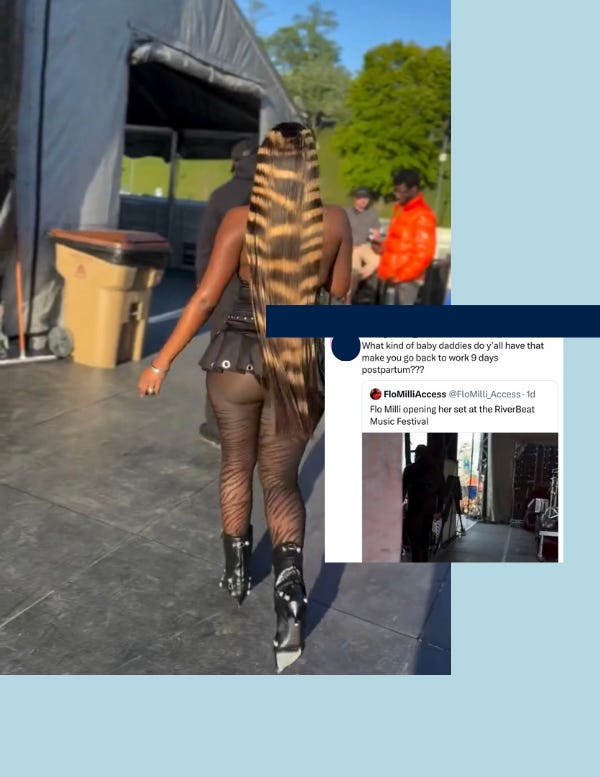
When I saw her on that stage, I saw myself seven years ago. Maybe it was something contractual. Perhaps it was a confidence boost when your body feels foreign and overtaken by hormones and around-the-clock feeding. Or, she just needed to feel like herself again.
Either way, who are we to judge another woman’s recovery process?
Black women and mothers often face criticism when it comes to work, which is rooted in generational trauma. The outrage should be directed at a system that fails to give Black women access to proper resources, maternity leave, paid family care, or mental health support. That’s a topic for another dive. Right now, we’ll focus on claiming the right to rest and recover without shame—even if it is misunderstood by the next person, your familial circle, or societal standard.
In Solange’s Cranes in the Sky, we were given a front-row seat to her healing process, which involved a long list of things she tried to indulge in to avoid addressing the real internal problems she was feeling. We all related and felt seen as she sang the lyrics of our experience with doing the work.
Her inspiration for the song came after a place that provided her with peace had become overrun by large cranes for construction.

“Like so much of America, [in that town] there was just so much real estate development. And, literally everywhere that I looked, I saw a crane in the sky. You could not look down any street without seeing dozens and dozens of them, and it felt very heavy. They were an eyesore and so disruptive to a place that I found peace in. All this excessive building was not really dealing with what was in front of us.” - Solange Knowles
When it comes to doing the work to allow our minds and bodies to recover from traumatic events, people and environments that no longer serve us, we either:
We avoid it because distractions provide a temporary relief
We don’t know where to begin because everything feels too big
We never learned what rest looks like because our mothers and grandmothers were never allowed it either
Whenever you decide to work towards self-recovery, remember that internally your body has also felt everything and requires your willingness to listen to what it has to say.
Rest is a biological reset your body depends on to thrive, not a luxury you must earn.
When the body doesn’t get a chance to rest and recover properly:
Cortisol becomes chronically elevated, leading to inflammation, high blood pressure, digestive disorders, and anxiety.
Sleep becomes disrupted, worsening hormonal imbalances and mental health struggles.
Muscle breakdown and immune dysfunction occur, making you more vulnerable to infections and slower to heal.
Brain fog, memory issues, and emotional dysregulation become daily battles.
Increased risk of major chronic illnesses like diabetes, cardiovascular disease, depression, and autoimmune conditions.
Cortisol (stress hormone) levels decrease
Chronic stress elevates cortisol levels, leading to immune suppression, weight gain, blood sugar imbalances, and memory loss. Proper rest signals the body to turn off the stress response, reducing cortisol and giving your organs, especially your heart and brain, a chance to recover.
Your nervous system shifts into parasympathetic mode ("rest-and-digest")
In burnout, your sympathetic nervous system ("fight or flight") stays chronically activated. That means your body always prepares for danger, even when no threat is present. Rest invites the parasympathetic system to take over, slowing your heart rate, deepening your breathing, repairing tissues, and restoring energy reserves.
Blood flow improves, and digestion resets.
Under stress, blood flow is rerouted away from your digestive system and toward your muscles — preparing you to "run." Rest redirects blood back to the gut, liver, and kidneys, where real repair and nutrient absorption can happen.
Hormone regulation stabilizes.
Chronic burnout throws off your endocrine system. Hormones like insulin, estrogen, progesterone, and even thyroid hormones can become imbalanced. Over time, this can contribute to conditions like adrenal fatigue, PCOS, infertility, and autoimmune issues. Rest recalibrates the delicate hormonal communication lines inside your body.
Your mind clears enough to reconnect to your body’s wisdom.
Burnout clutters your brain with static — impairing memory, decision-making, and emotional regulation. Studies show consistent restorative rest increases hippocampal activity (your brain's memory center) and improves emotional resilience. Burnout isn't just "being tired." It's your body's warning that you've been operating in survival mode for too long and need to recover.
Rest is not a reward. Rest is biological resistance.
Rest is how your body returns to itself.
Rest is how you reclaim your clarity, your softness, your strength.
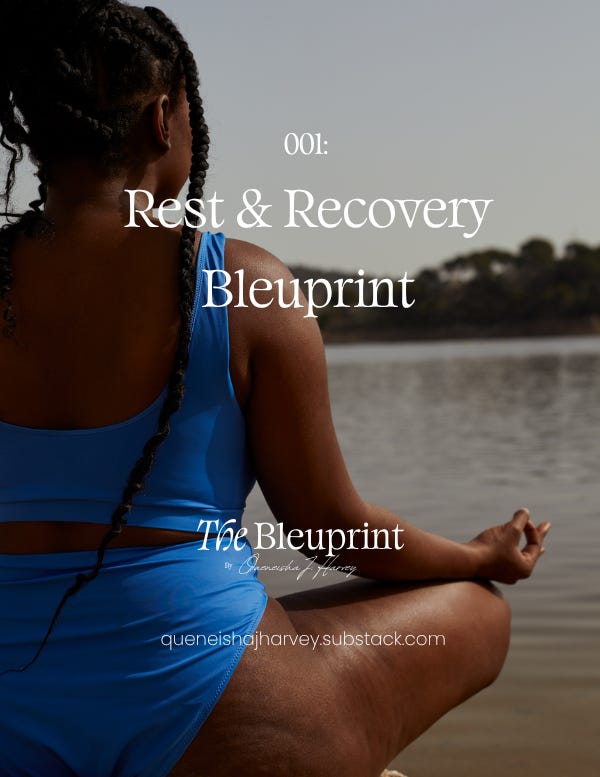
You don’t have to overhaul everything at once. Start small. Here are reflection prompts to gently guide your process:
What does rest feel like in my body?
Where do I notice myself resisting rest?
What was I taught about rest growing up?
How can I create small, intentional recovery rituals this week?
What would “well-rested” feel like in this season of my life?
What are three things I will commit to this week to support my rest and recovery ritual?
DISCLAIMER: The information shared is not to be taken as medical advice but to serve as a guide to help you ask your trusted medical team about the best options for you.
63% of Black women feel their healthcare concerns are dismissed or minimized by providers, leading to delayed diagnoses and treatment. Knowing and analyzing your blood work results can help you learn what your body is trying to tell you. While insurance continues to be a massive barrier to how often you can get your blood work checked, to avoid high out-of-pocket costs. When you’ve tried everything and still can’t shake the exhaustion and low mood feeling, it’s time to go beneath the surface. As you prepare for your annual physical or next appointment with your doctor, these are essential panels, supplements, and nutritional suggestions to keep at the forefront of the conversation, especially as a Black woman.
Cortisol levels to determine chronic stress patterns
Thyroid panel (TSH, Free T4, Free T3) can help explain fatigue and sluggish metabolism
Iron + Ferritin levels to determine Iron deficiency, which causes chronic exhaustion and is common in Black women
Vitamin D levels are linked to fatigue and low mood. When levels are extremely low, it mimics depression, and up to 80% of Black women are deficient.
CRP (C-reactive protein) is a marker of inflammation, which chronic stress fuels
Magnesium glycinate or citrate supports relaxation, muscle release, and sleep quality.
Ashwagandha (Withania somnifera) - shown to lower cortisol and support stress resilience
Omega-3 fatty acids (EPA/DHA) - anti-inflammatory and support mood regulation
Vitamin D3 - improves mood, immune balance, and energy levels.
High-quality protein + healthy fats stabilize blood sugar and hormones.
Dark leafy greens (magnesium-rich) support the nervous system.
Colorful antioxidant-rich foods (berries, sweet potatoes) help to fight inflammation.
Warm, grounding meals like vegetables, stews, and teas reduce nervous system overdrive.
Remember, any ritual you create to help you improve your relationship with rest and self-recovery doesn’t need perfection – it needs your commitment. It takes at least 90 days for any improvements to be noticed and seamlessly integrated into your lifestyle.
Wishing you well and plenty of rest. It doesn’t need to be deserved. It’s already yours. Revisit this whenever you need a reset.
Stay vibrant,
Queneisha
How to use:
Sit with 001: Rest & Recovery and dive into every external link to better understand your body. They were thoughtfully added to empower you.
Then, Journal to understand what your Rest & Recovery Bleuprint is to return to whenever your body begins to sound the alarm. The goal is to identify the whispers before the loud, blaring sirens.
Sources: American Psychological Association, 2021, Harvard Medical School, 2020, Journal of Physiology, 2017, Endocrine Reviews, 2018, National Institutes of Health, 2016
Queneisha J. Harvey is the CEO and craftswoman behind Le Bleu Bodycare. She is a certified Holistic Nutritionist, Body Care Advocate, and self-taught Perfumer. Her passion is helping Black women reconnect with their bodies through education, storytelling, and the natural power of botanicals. She created The Bleuprint to build a community centered around holistic wellness and inspire women to fully embrace the connection between self-care and well-being as an everyday practice.
The Bleuprint is currently a free wellness journal. If you’ve been nourished by the writing and resources, consider supporting Le Bleu Bodycare—a handcrafted fragrance and body care line rooted in safe, non-toxic rituals that elevate your senses without compromising care for your body.
Subscribe to get upcoming issues.
Share this post with a friend who deserves softness and rest.
Shop Le Bleu Bodycare
No posts
Comments
Nothing yet. Say the first thing.
Sign in to join the conversation.