Investing After a Liquidity Event
The recent IPO of SpaceX and the anticipated IPOs of Anthropic and OpenAI are focusing attention on how to invest following a liquidity event. We discuss several important decision points.

Investing and market insights. Quantitatively driven asset allocation.
Subscribe:.rss.atom.json.md.m3u.pls
Live Last read · last published · next check
The recent IPO of SpaceX and the anticipated IPOs of Anthropic and OpenAI are focusing attention on how to invest following a liquidity event. We discuss several important decision points.
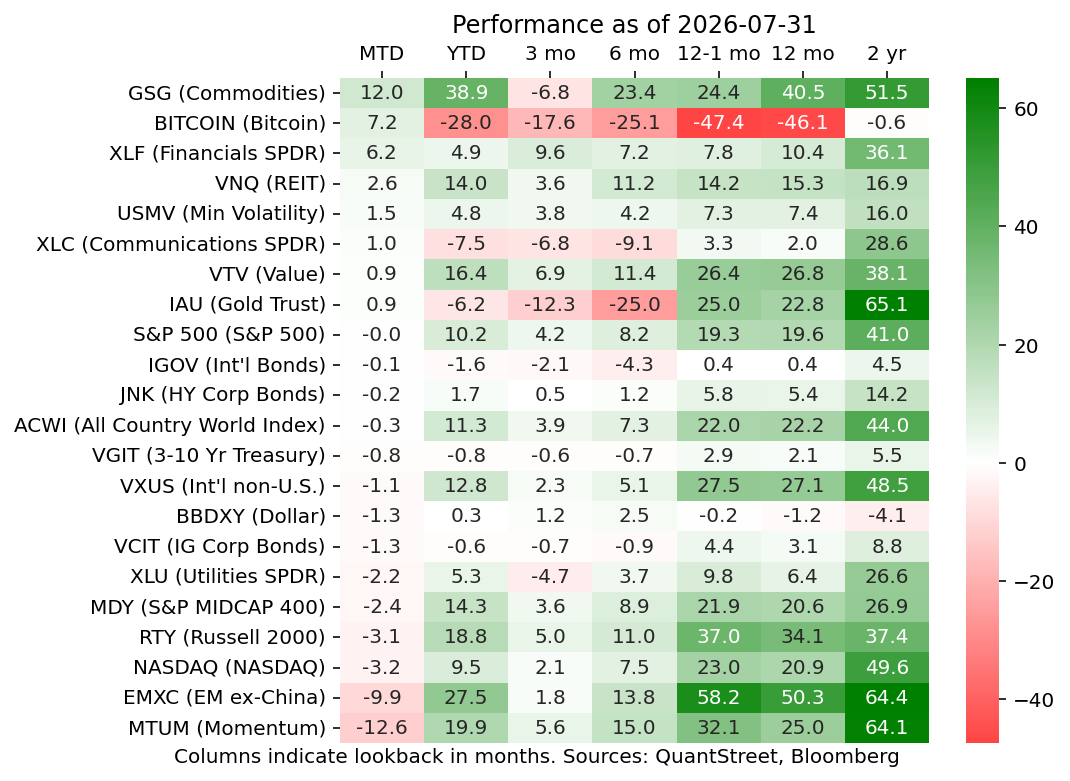
We discuss market performance in July of 2026 and thoughts on the coming month.
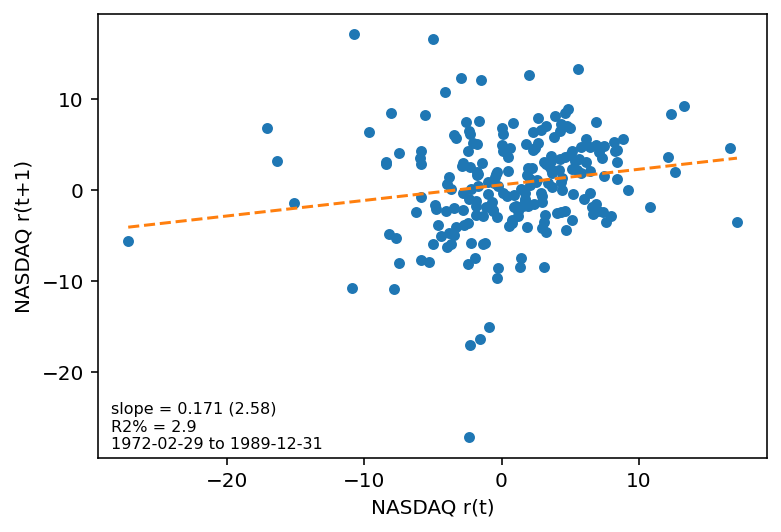
Asset allocation decisions often require taking a view on whether one month's price action will reverse or continue in the subsequent month. The recent evidence is not convincing in either direction.
Systemic risk originates in the financial system—though it could be broader—with the possibility of adversely impacting the real economy. Agentic AI is the perfect tool for monitoring systemic risk.
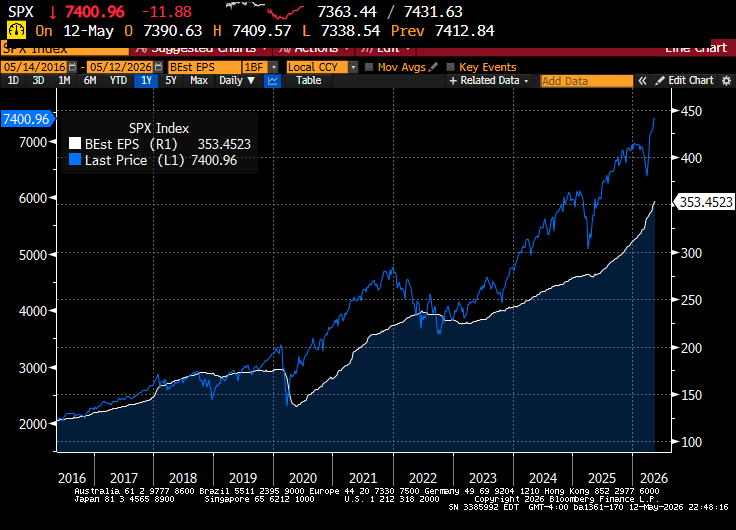
It’s likely not a bubble. Earnings are high, prices anticipate future high earnings growth, and the historical record shows that growth rate is achievable. (It may not be the fifth time, but close.)
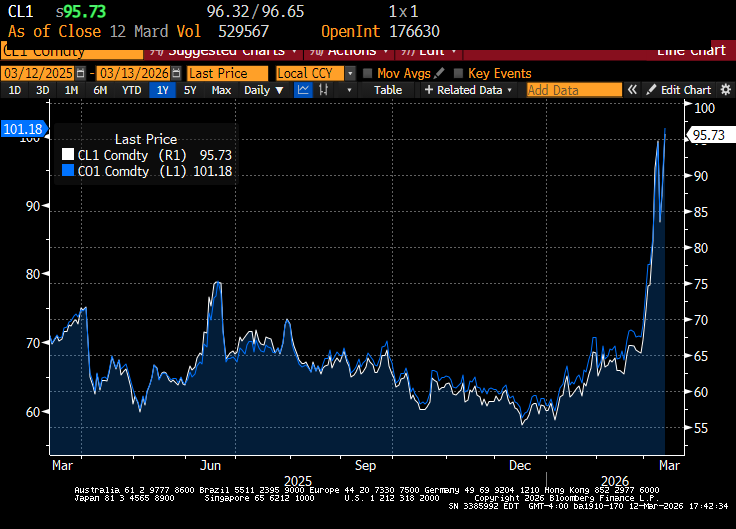
Iran's de facto closing of the Strait of Hormuz precipitated the latest in a series of energy crises. Since the 1970s, some energy spikes were associated with weak stock markets, but some were not.
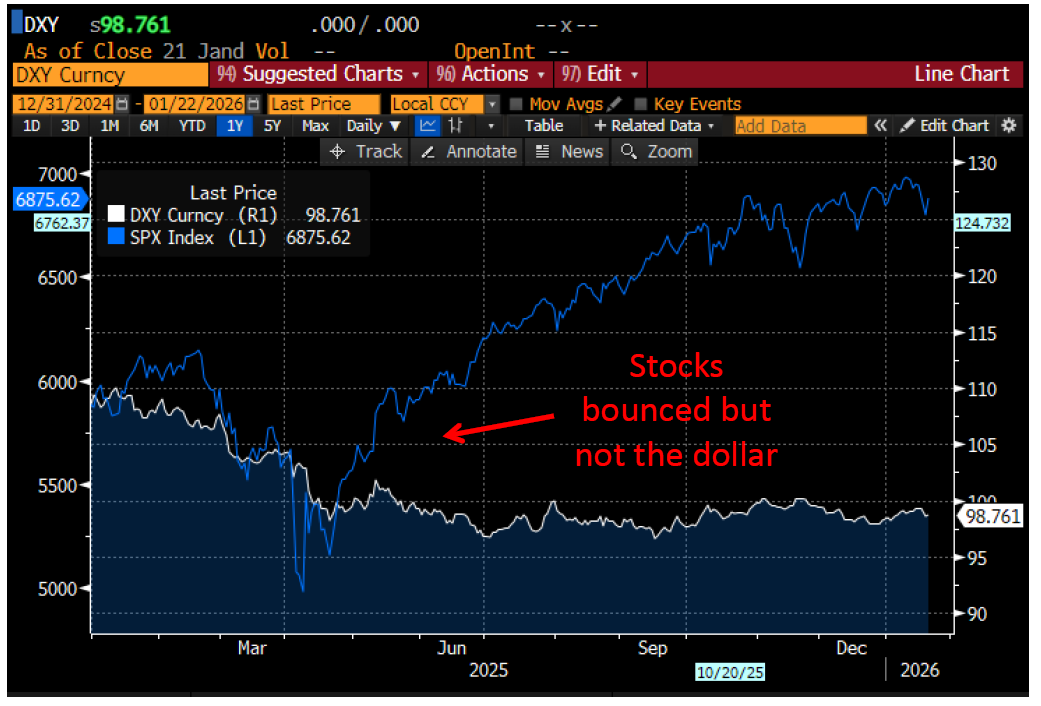
Dollar positives include relatively high US interest rates and robust growth. But dollar negatives are building. The political will for a stronger dollar isn't there and valuations aren't helping.
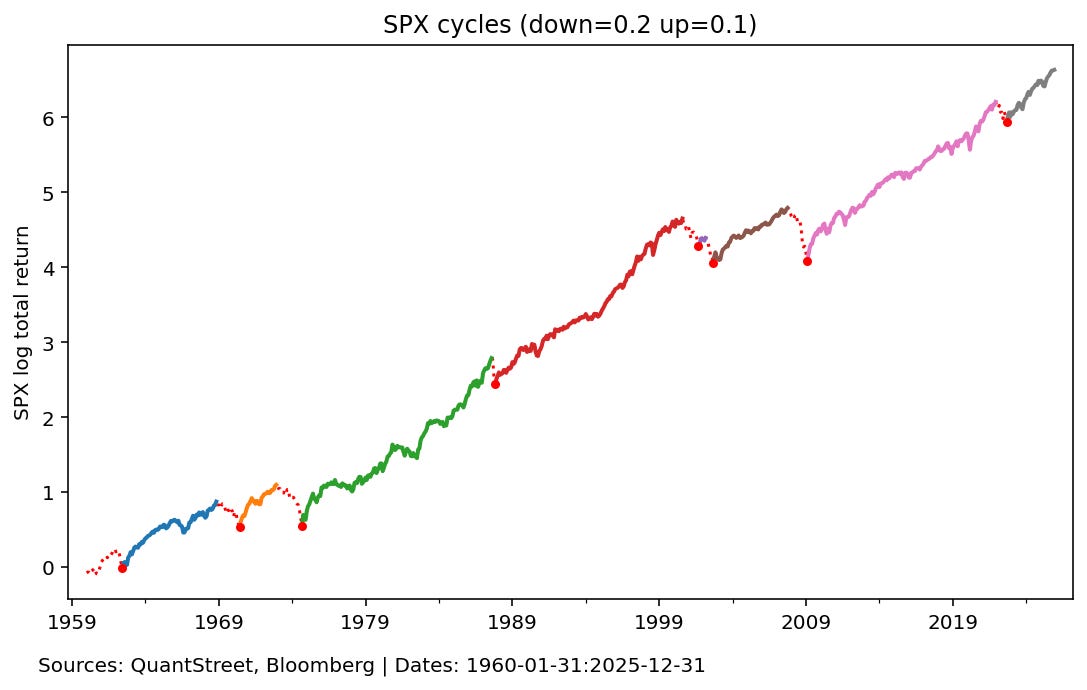
The S&P 500 is near all-time highs, leading some to question whether markets are in a bubble. A careful analysis of past bull markets suggests this is not the case.
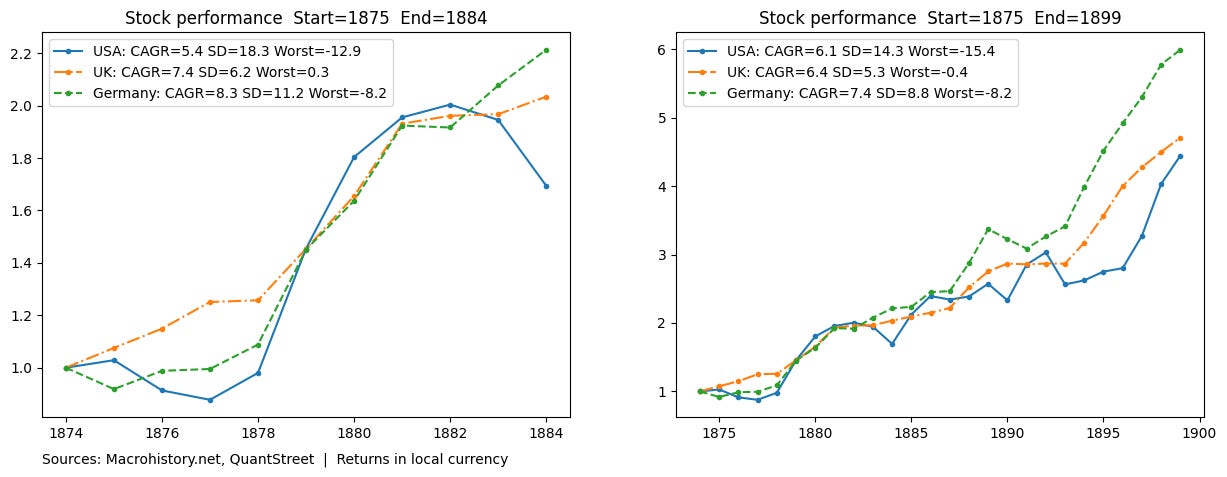
In "Technological Revolutions and Financial Capital," Carlota Perez argues technological revolutions occur in 50 year cycles. We analyze the last three to see if stock markets invariably correct.
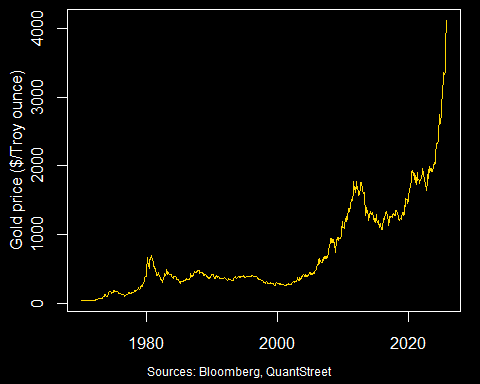
Gold doubled in price over the last two years on the back of geopolitical uncertainty and questions about the dollar's reserve currency status. We dig deeper into the underlying causes of the rally.