
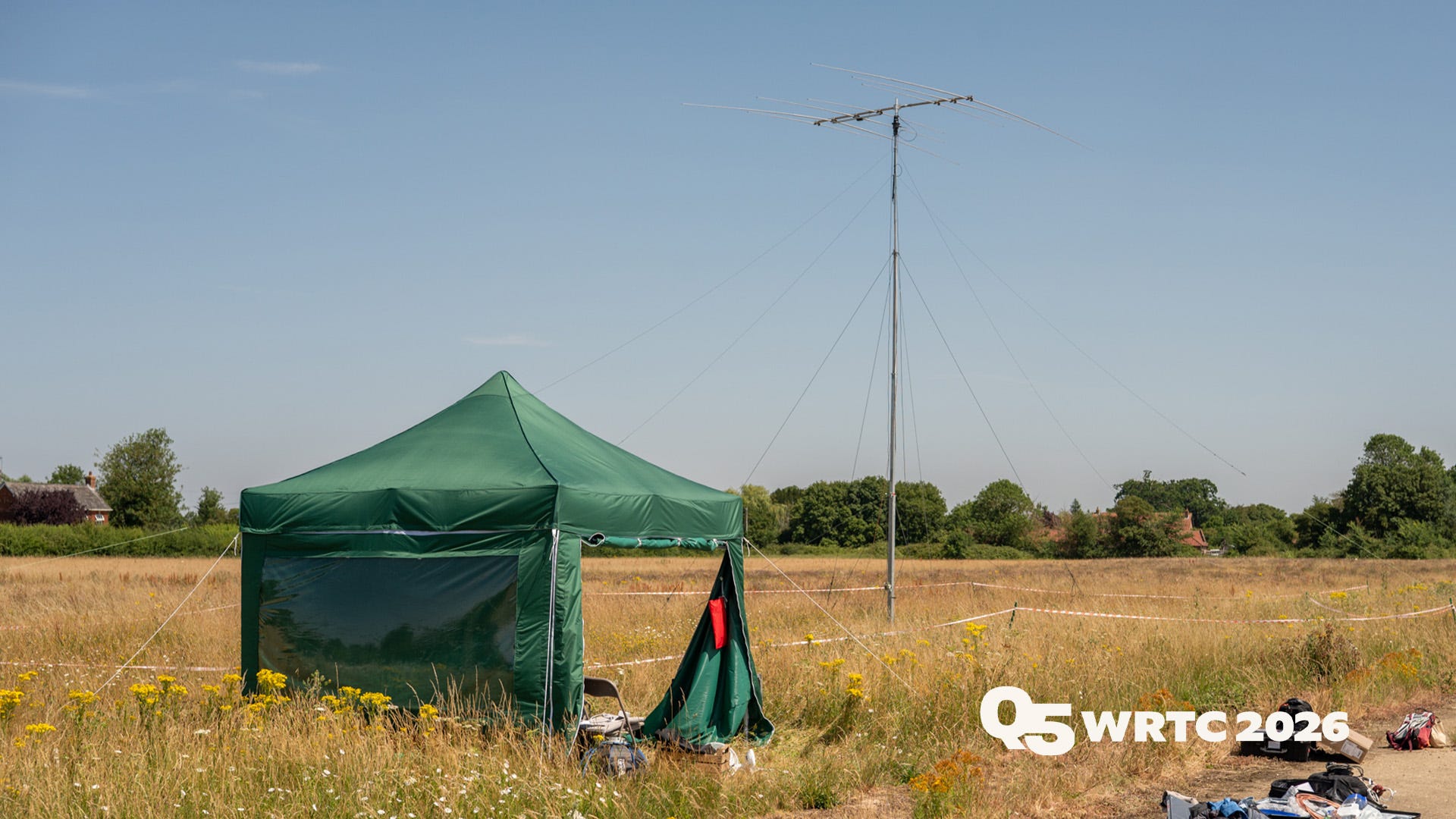
At 11:59 UTC on Saturday afternoon, the tents were almost unnervingly quiet.
Across fifty fields scattered throughout East Anglia, referees checked their watches one final time while operators adjusted headphones, rested their hands on keyboards and glanced toward antennas that had taken months to erect but, in another minute, would fade almost entirely from their thoughts. Years of preparation had narrowed to the final sixty seconds.
Then the clock rolled over to 12:00 UTC.
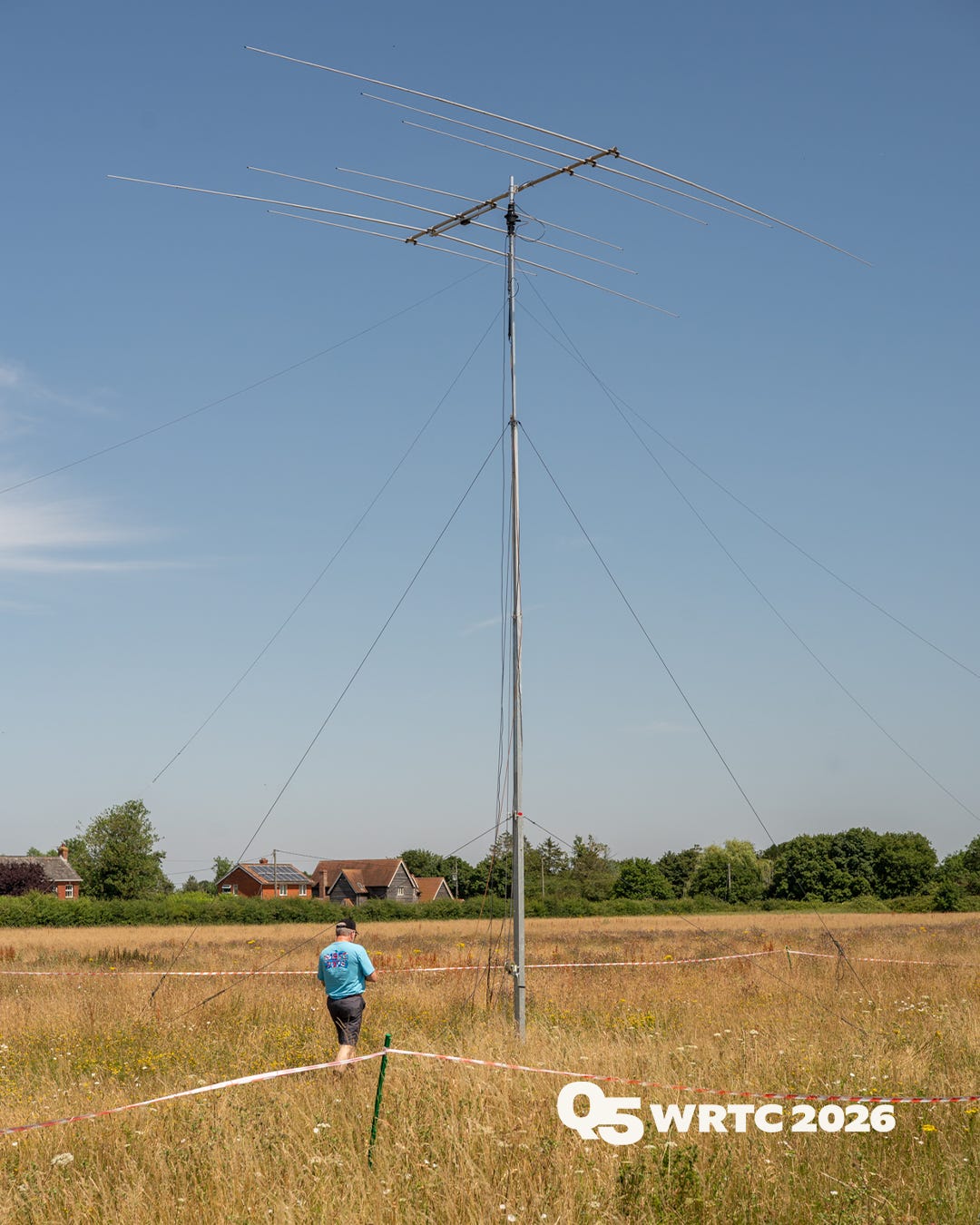
The silence disappeared beneath a wall of Morse code as one hundred of the best radio contest operators in the world began chasing contacts at a pace most amateurs will never experience. For the next twenty-four hours there would be little conversation, no sleep, and almost no room for mistakes.
This is the World Radiosport Team Championship, better known simply as WRTC. Held every four years, it is often described as the Olympics of amateur radio. Every station is built to be as identical as possible: the same antennas mounted at the same heights, the same one hundred watt power limit, the same operating conditions and callsigns assigned shortly before the contest begins (to preserve operator anonymity.) The objective is deceptively simple: strip away every equipment and location advantage until all that remains is operating skill.
For twenty-four hours, the world’s best operators are left to compete with nothing but their preparation, judgment and endurance. Every decision matters, which band to move to next, whether to call CQ or search for multipliers, when to push through fatigue because the propagation window you’ve been waiting for has finally arrived. By the time the contest ends at 12:00 UTC on Sunday, every team will have faced essentially the same conditions. The only question remaining is who made the best decisions along the way.
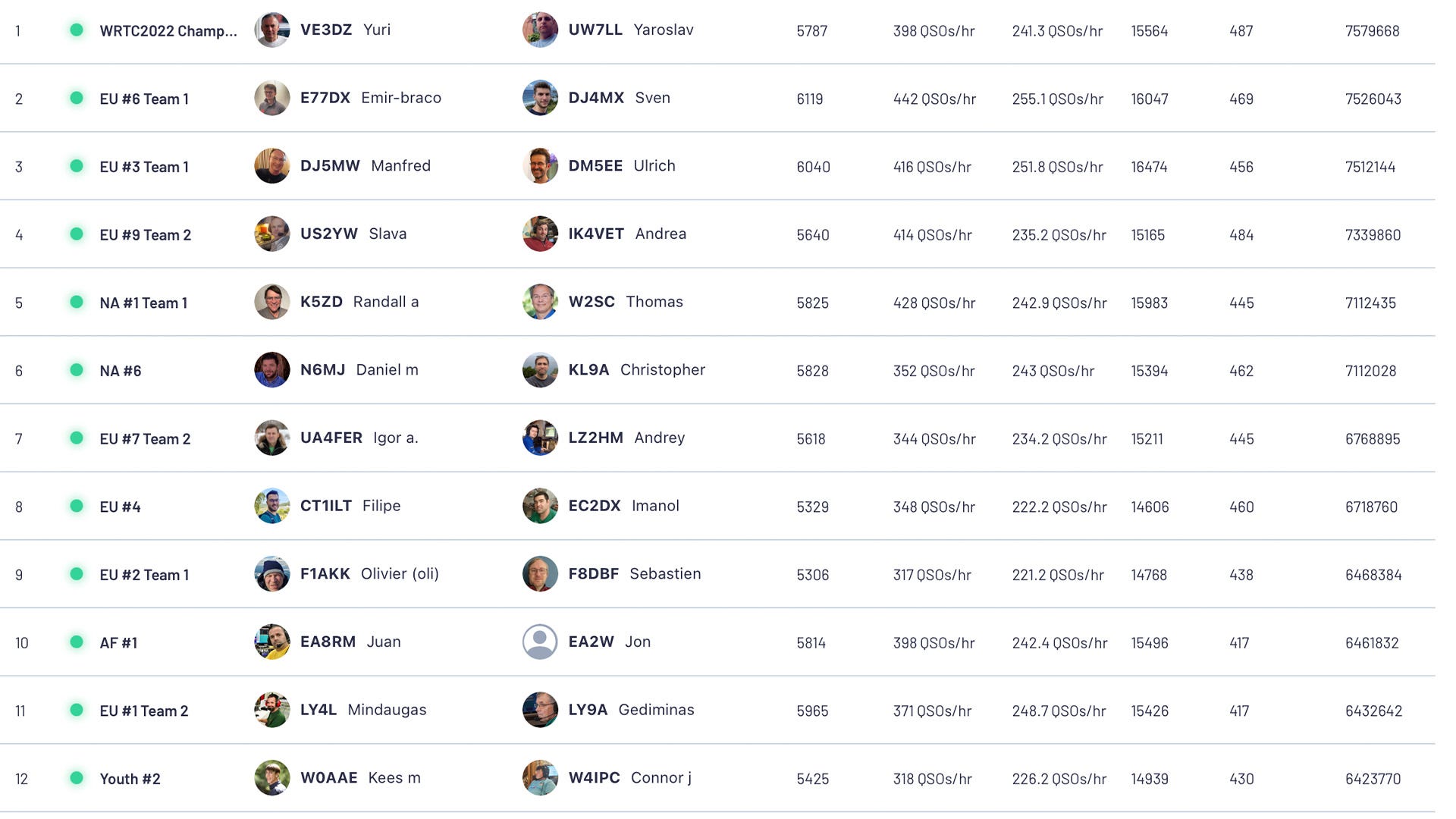
Watching from headquarters, with one eye fixed on the live leaderboard, the opening hours raised questions that only the operators themselves could answer. Why that band? Why that mode? More intriguingly, why not another? At one point we noticed one team hadn’t logged a single contact on 40 meters during the first four hours. Was it deliberate? Had they seen something in the propagation everyone else had missed? Or were they simply waiting for a better opportunity? Part of the fun of following WRTC from headquarters was knowing we’d eventually get to ask those questions.
I’ve been following this story for nearly three years, and it’s remarkable how different it looked when I first began reporting on it. Back in late 2023, WRTC 2026 wasn’t fifty operating sites spread across East Anglia. It was a collection of planning meetings, spreadsheets and an ambitious promise. Britain had never hosted a World Radiosport Team Championship, and because the previous event in Italy had been delayed by the pandemic until 2023, the British organizing committee had barely three years to accomplish what normally takes four.
When I first sat down with organizing committee chairman Mark Haynes M0DXR the conversation naturally revolved around logistics. There was a considerable amount of money to raise, fifty complete antenna systems to transport from Italy, hundreds of volunteers to recruit and coordinate, a headquarters venue to secure, and around five hundred competitors, referees, judges and visitors expected from every corner of the world. It was, by any measure, one of the most ambitious amateur radio events ever attempted in the United Kingdom.
Yet what struck me most about that first interview wasn’t the scale of the project. It was that every time our conversation drifted toward budgets, shipping containers or project plans, Haynes gently steered it back toward the people.
“You’ve got such an incredible collection of individuals coming together in one place,” he told me.
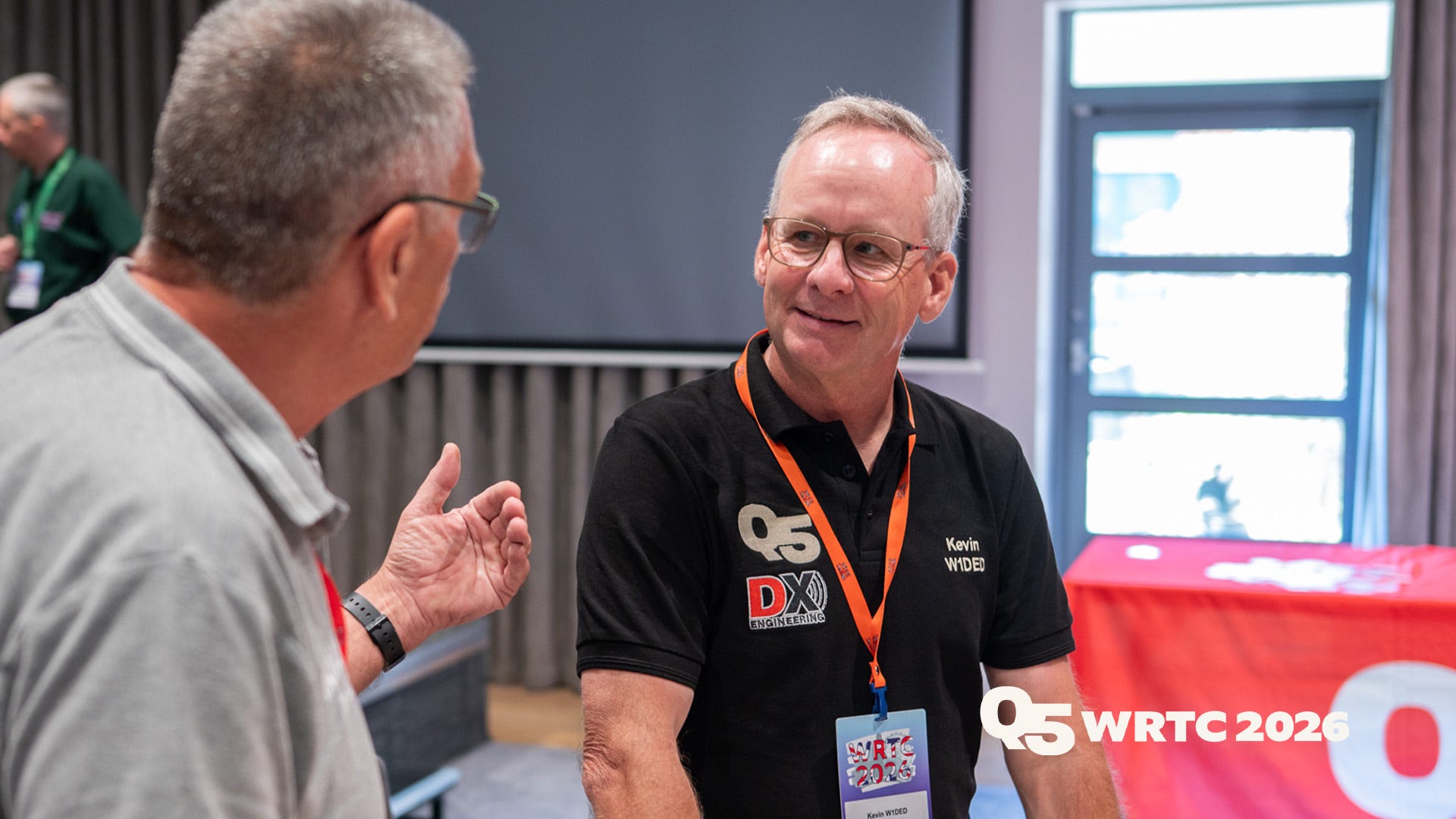
At first, I assumed he was simply being diplomatic. After all, organizers are supposed to talk about volunteers and community. But over the next three years, as I interviewed competitors from around the world and watched the event slowly take shape, I came to realize that Haynes wasn’t changing the subject at all. He was explaining what WRTC really is.
His vision for the week extended well beyond the contest itself. There would be school visits introducing young people to amateur radio, excursions to Bletchley Park and the National Radio Centre, and a dedicated youth station at headquarters where tomorrow’s competitors could experience the excitement of a WRTC-style pileup years before they might earn a place in the championship themselves. Winning the contest mattered, of course, but so did creating an environment where the next generation could see what was possible.
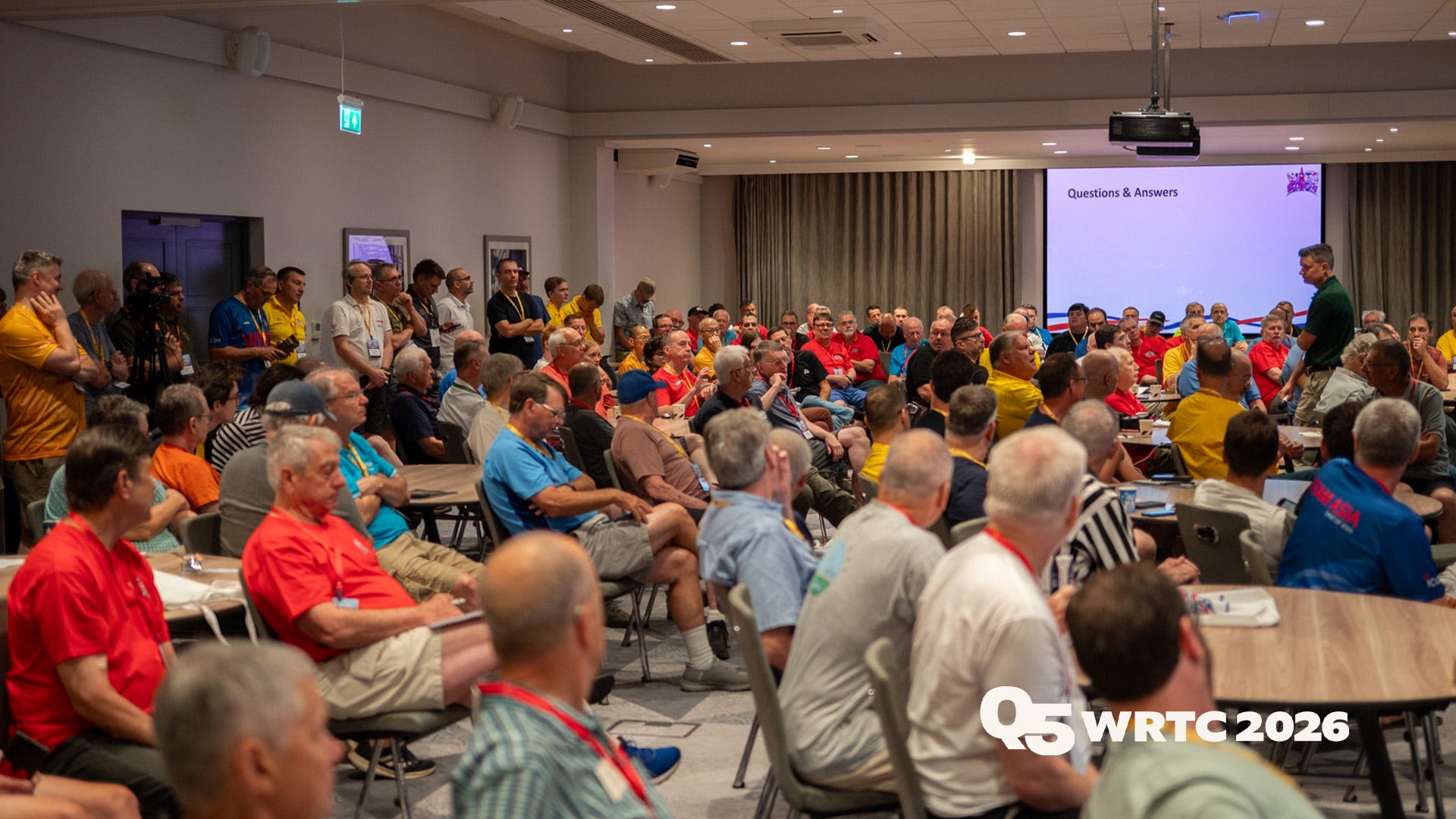
Walking through headquarters in Wyboston this week, that vision had become reality. The youth station was almost never quiet. Young operators took turns behind the microphone while parents, volunteers and some of the biggest names in contesting stopped to watch, offer encouragement or simply smile as another generation discovered the thrill of making contacts in the middle of a pileup. Three years ago, it had been an idea discussed during an interview. Now it was simply part of WRTC.
As the week unfolded, I found myself thinking about something I’d noticed during those three years of reporting. Whether I was talking with operators in Portugal, Australia, New Zealand, Austria, Estonia, the United States or here in England, the conversations almost always followed the same pattern. We’d begin by discussing qualification, strategy or radios. We’d speculate about who might win. Inevitably, though, the conversation would drift somewhere else entirely.
Officially, WRTC exists to identify the best contest operators in the world. Unofficially, almost everyone I interviewed admitted there were probably fifteen teams capable of winning if conditions happened to break their way. Twenty-four hours is a long contest, but it’s still only one contest. Even at this level, luck has a vote.
What people spoke about with far greater certainty wasn’t the competition. It was each other.
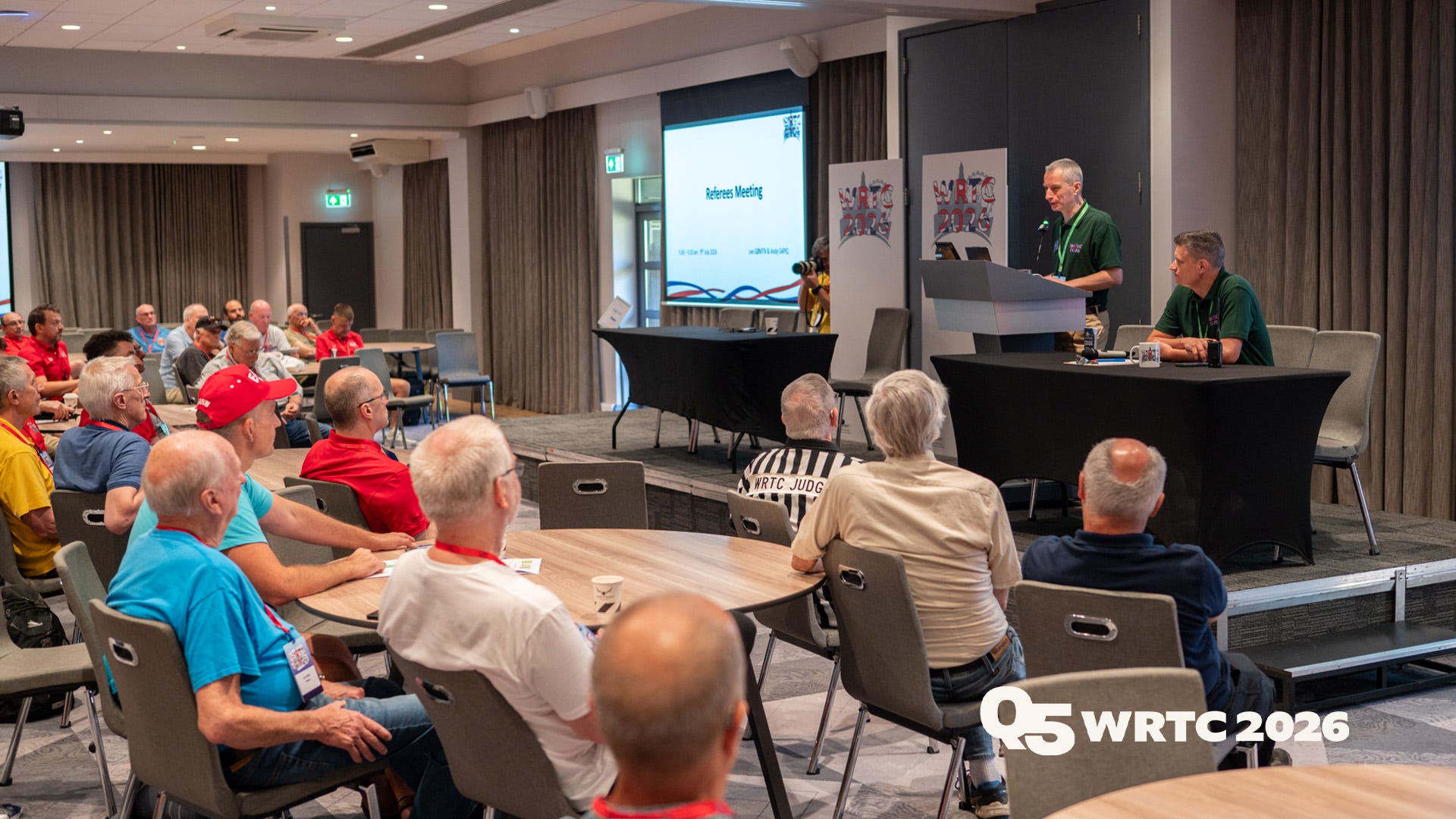
These operators have spent decades crossing paths in contests, on DXpeditions, at Dayton, Friedrichshafen, Visalia and previous WRTCs. They’ve borrowed gear from one another, shared operating techniques, celebrated victories, endured heartbreaking equipment failures, joked about “sekret” boxes, teased one another about their inevitable “excuses,” and quietly helped newcomers find their footing. Every four years they reunite somewhere new, determined to beat one another for twenty-four hours after spending several days catching up over breakfast, swapping stories in the hotel lobby or laughing about some contest disaster that has somehow become funnier with age.
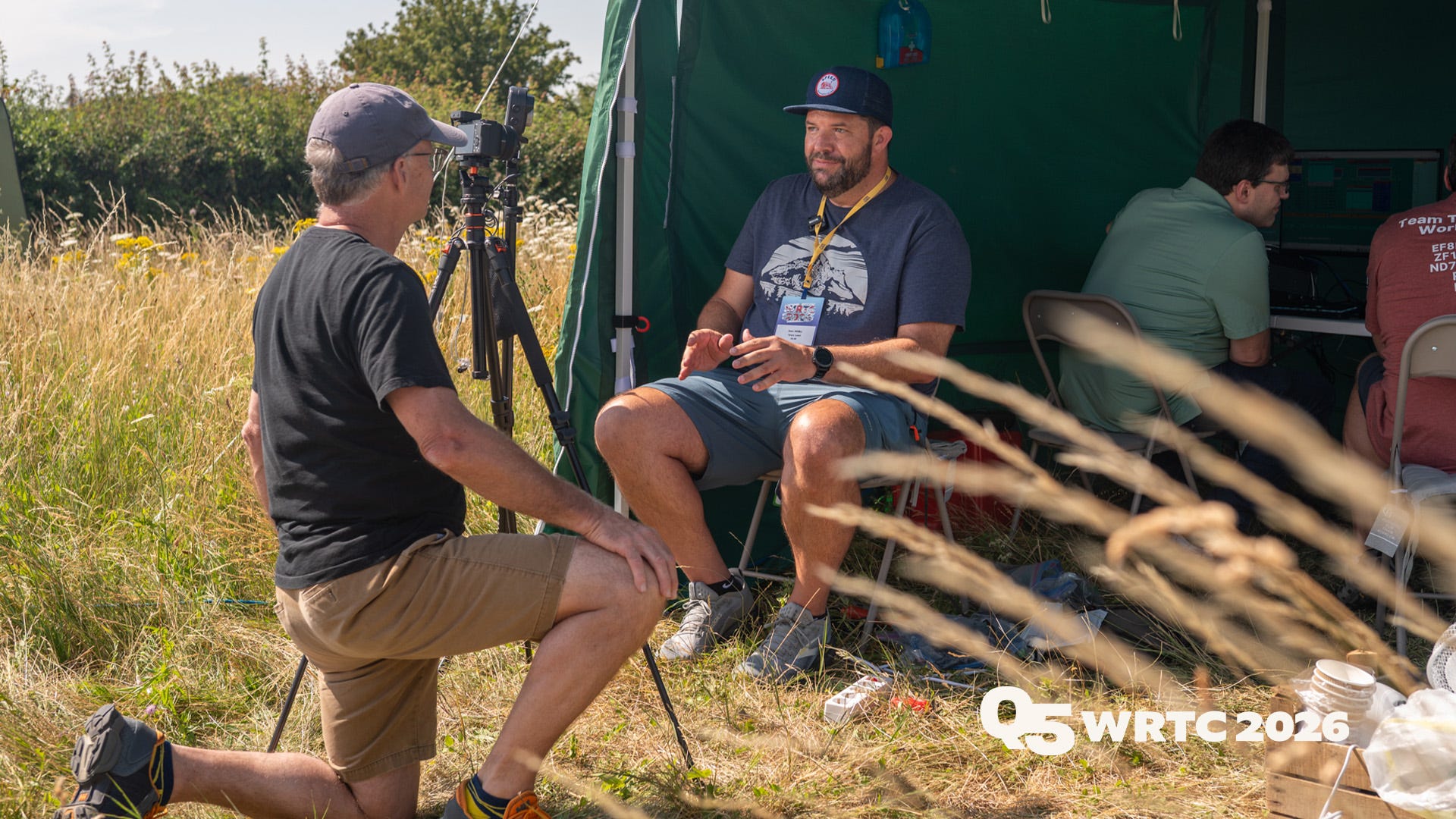
In an era where so much of our professional and personal lives happen through screens, algorithms and video calls, there is something quietly remarkable about watching five hundred people travel across the world simply because they want to spend a week with others who understand their obsession.
They come for the competition, but they return because of the community.
Long before the first CQ was sent, I was beginning to suspect that this, not the podium, was the real story.
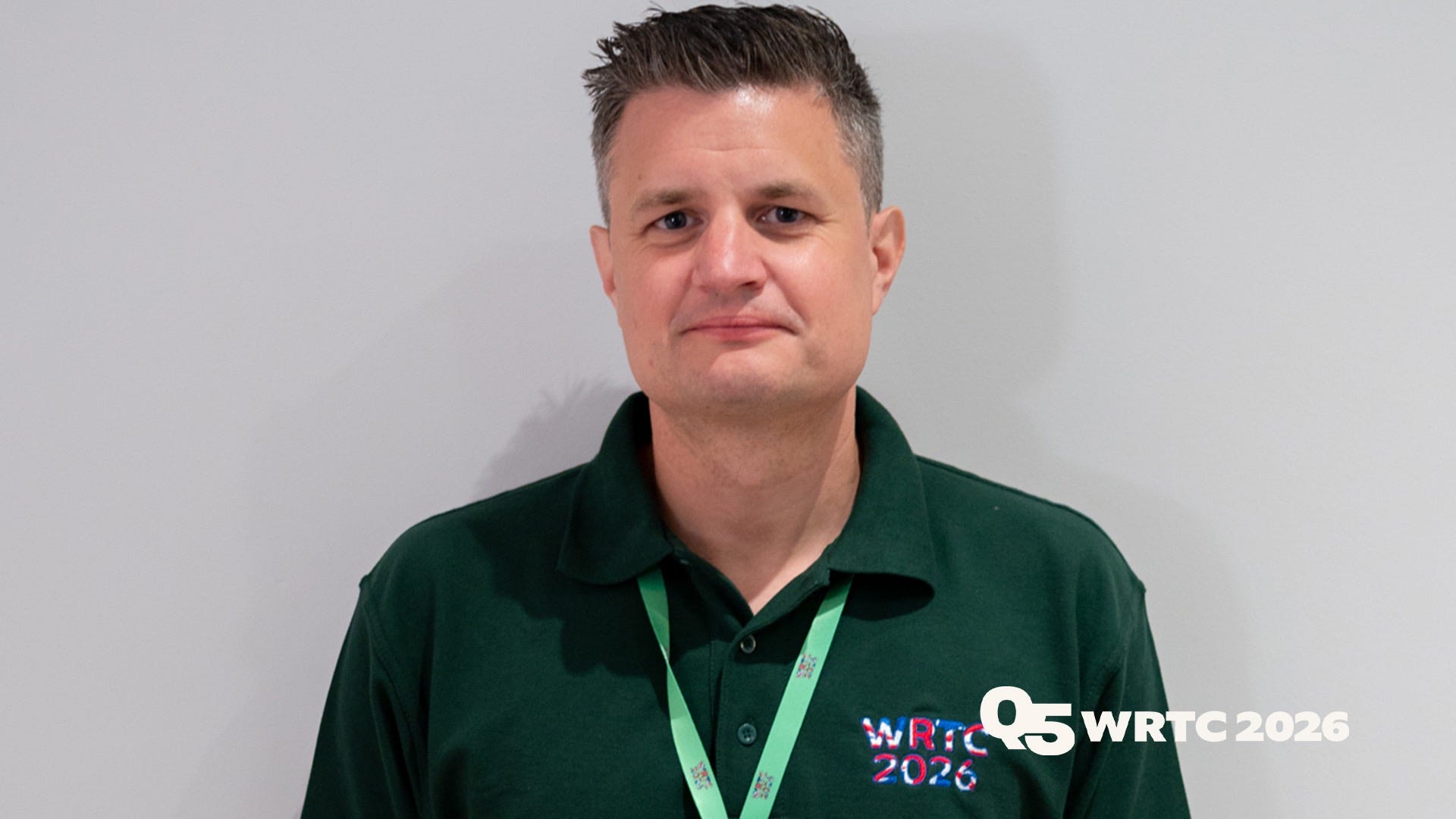
If WRTC 2026 has a single architect, it is Mark Haynes, M0DXR.
Over the course of three years, I watched Haynes and an army of volunteers transform an ambitious proposal into fifty fully equipped contest stations spread across the fields of East Anglia. That’s a sentence that’s easy to write and surprisingly difficult to appreciate until you begin adding up everything hidden behind it. Each site required permission from landowners. Every mast, guy rope and antenna had to be installed and tested. Generators had to be delivered, networking established, transportation coordinated, referees assigned and volunteers organized. By the time competitors arrived this week, much of that work had become completely invisible, which is perhaps the highest compliment an organizing committee can receive.
Contesters arrived with their radios and ancillary gear, sat down, plugged in their headphones and got on the air. They never had to think about the thousands of volunteer hours, countless planning meetings or endless emails that had made those twenty-four hours possible. Everything simply worked.
Standing in headquarters this week, watching operators from every corner of the globe greet old friends before heading out to their assigned fields, I couldn’t help thinking back to that first conversation in 2023. Haynes had told me they were trying to “squeeze a four-year project into three.” It sounded optimistic at the time. Looking around Wyboston as WRTC finally became reality, it felt like an understatement.
They hadn’t simply organized a world championship.
They had built the stage on which one of amateur radio’s most remarkable communities could gather once again.
Coming next in this series:
The Grinder — What it’s really like to operate for 24 straight hours at WRTC.
The Veterans — The operators who have spent decades shaping competitive amateur radio.
The Next Generation — Why WRTC’s future may be its most inspiring story.
The Reunion — What keeps people coming back long after the trophies are awarded.
Photo credit: Sean Sullivan Thomas

Q5 Ham Radio’s WRTC 2026 coverage is made possible with support from DX Engineering.
If you’d like to go beyond the written story, this interview takes you inside WRTC 2026:
Comments
Nothing yet. Say the first thing.
Sign in to join the conversation.