
Welcome to your monthly Alpha Lab deep dive.
At the end of each month, you’ll get a deep dive featuring Python code to backtest and analyze a live trading strategy. Remember, you can also drive the conversation and support topics your way. Create new threads to start conversations about the code, strategies, and topics you care about.
In this month’s deep dive inside PyQuant News Alpha Lab, you’ll build and backtest a classic anomaly-driven strategy: Momentum Factor Effect in Stocks.
The idea is simple but powerful—identify stocks that have performed well over the past year, skip the most recent month to avoid short-term reversal effects, then buy past winners and short past losers with the expectation that trends will persist. The strategy selects the top and bottom quintiles from the top 500 stocks by dollar volume, equal weights positions within each group, and rebalances monthly to capture the momentum premium.
You’ll also walk through the full workflow in Zipline, including liquidity-based universe selection, custom momentum factor creation, 12-1 month return calculation, realistic commission and slippage modeling, monthly long/short rebalancing logic, and long-term performance analysis. By using a liquid stock universe and skipping the most recent month, the strategy aims to reduce noise, avoid microstructure effects, and make the momentum anomaly more practical to test.
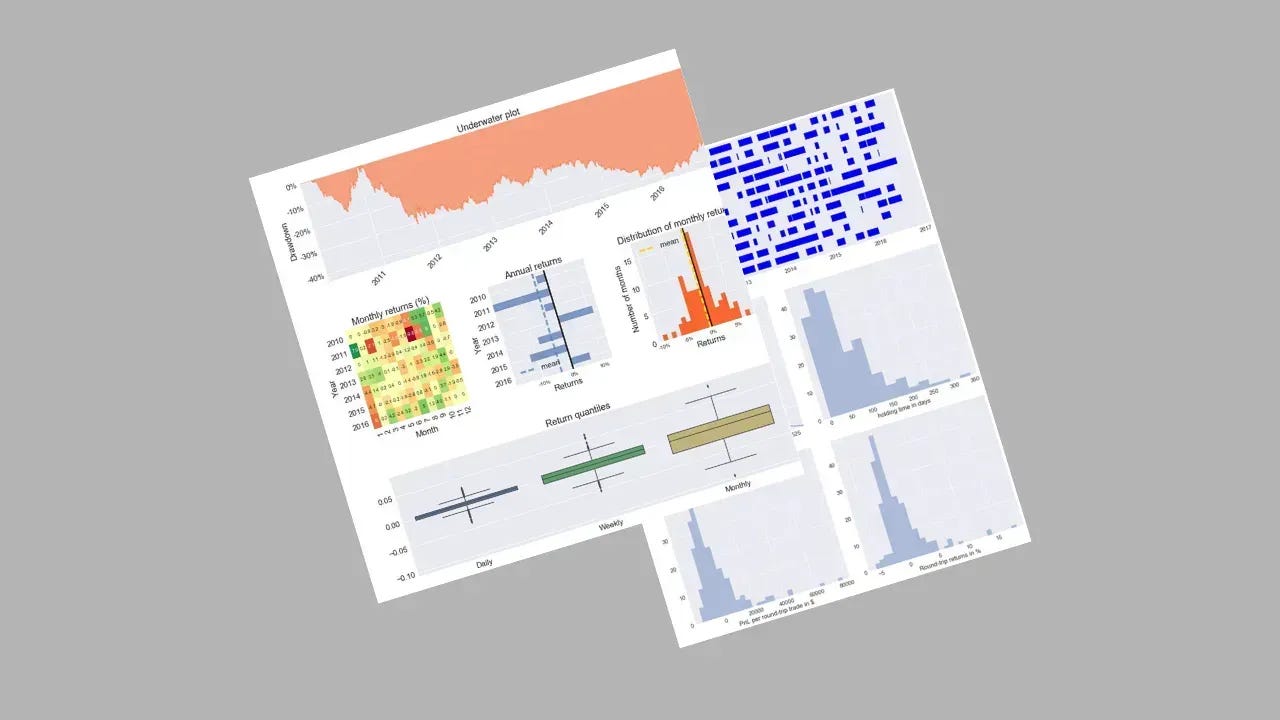
By the end, you’ll have a complete backtest, from factor creation to backtest execution, plus performance evaluation using CAGR, Sharpe ratio, annualized volatility, and max drawdown.
Comments
Nothing yet. Say the first thing.
Sign in to join the conversation.