
Each week, I send out one Python tutorial to help you get started with algorithmic trading, market data analysis, and quant finance. Upgrade to a paid plan to access the Python code notebooks, Discord community, and code support.
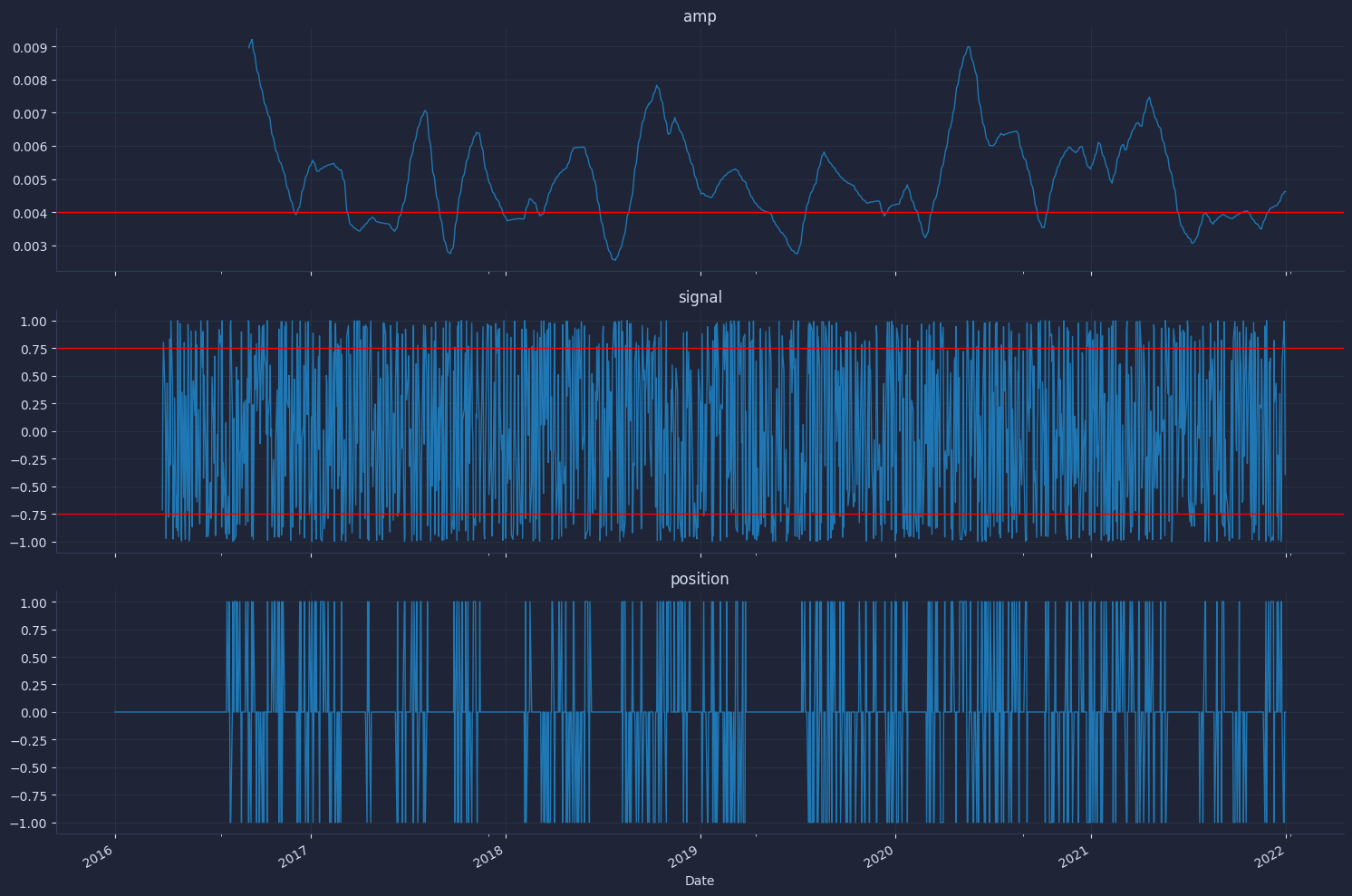
Most trading strategies fail because they react to noise instead of real patterns.
Beginners assume that more data and more indicators lead to better decisions.
The opposite is usually true.
The best traders strip away the noise and focus on one or two patterns they understand deeply. Adding complexity without understanding what you’re filtering for just creates more ways to lose money.
That confusion leads to months of wasted effort, testing ideas that looked promising but turned out to be random price wiggles on a chart.
My first day at a hedge fund, I lost $3,200 in simulated trading on EUR/USD.
Thankfully it wasn’t real money, but the lesson stuck with me for years. The traders who consistently made money weren’t using more indicators or fancier charts. They used filters to separate meaningful price movements from random fluctuations.
Most beginners skip this step entirely and trade on raw, unfiltered price data.
Professionals at firms like Renaissance Technologies don’t look at raw prices and guess. They use signal processing techniques (methods borrowed from electrical engineering) to isolate specific patterns in price data before making any trading decision.
In this post, you’ll use Python to build a bandpass filter that isolates a specific price cycle in EUR/USD data, then generate trading rules based on when that cycle is strong enough to trade.
Let’s go.
Comments
Nothing yet. Say the first thing.
Sign in to join the conversation.