

Psychic Hotline founders Amelia Meath, Nick Sanborn, and Martin Anderson first collided when Amelia gifted Nick a Michael Hurley Ancestral Swamp record during a Megafaun show in Carrboro, NC. It was the first time the trio found themselves in the same place — Amelia fresh off tour with Feist, Nick open to possibilities after Megafaun’s last show, and Martin having just returned from living in LA. That spark of connection soon evolved into Sylvan Esso, with Martin later joining as their manager.
In this transcribed conversation, recorded on a rainy night at their studio, Betty’s, the three reflect on their beginnings and discuss the future of Psychic Hotline. Along the way, they share insights from over a decade in the music industry, shaped by a strong commitment to putting artists first.
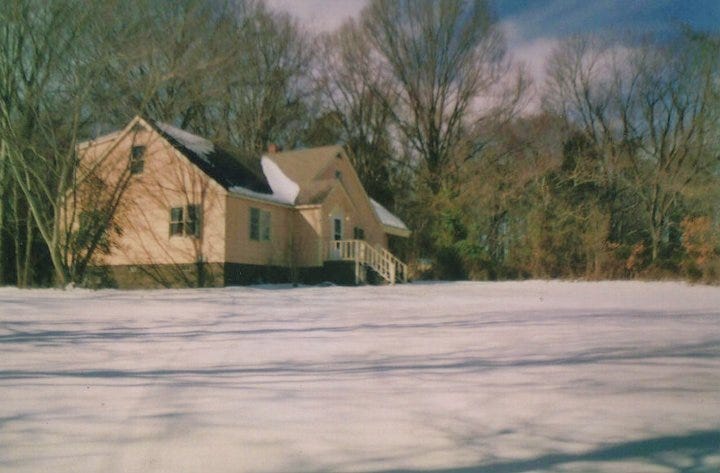
Martin: From 2010 to 2018 a lot of us lived on a street called Huse Street, kind of right on the edge of Chapel Hill and Durham. That was the Lost Boys band house. I remember it was so cheap — when we moved in, there was a couple splitting a room, each paying 75 bucks.
It had that kind of vibe. You could just go on tour, it was cheaper rent than a storage unit, and someone would be around to watch your stuff. Those were early days of Sylvan Esso touring, so we were all kind of doing that. And by 2016 or so, you guys were renting another house on that street, running a studio out of it.
Nick: We did the Mountain Man record there, and Alex's record too.

Amelia: Alex's first record as Daughter of Swords.
Martin: That was the beginning of other people using the space. Whenever you guys were on tour, or if someone couldn't find a place to make a record, it became that communal space. The Dead Tongues, Helado Negro, Wye Oak all worked out of there in that time — Joe Westerlund and Jenn Wasner were living in different houses in the neighborhood. Huse was this little horseshoe road that had 12 houses on it, and between the big house that we lived in, the studio house, our office, and then a bunch of friends — we had folks renting like 6 of the 12 houses. We had a street quorum.
Amelia: We did, yeah.
Martin: So we had this weird, kind of DIY commune. I think that was the soup Psychic Hotline came out of. At the time I was managing other bands, and it felt like a lot of people were getting fed up with their labels — labels were getting less imaginative, taking fewer risks, and the deals just didn’t look right.
This also marked the advent of going back to the distro model. The Chance the Rapper record was such a watermark moment — distributing independently through AWAL or DistroKid. We found that every time we did that, we had to rebuild the whole system from scratch. There was this early idea of, what if we just built the system once and kept refining it? That period lined up with you guys getting the rights back to the first Sylvan Esso and Mountain Man records.
Amelia: Yeah, and it just made so much more sense for us to put those out ourselves. That this can be something that we do together, an alternative collaboration that isn't just Sylvan Esso. It's in support of all of the other things we make, as well as the people that we love.
Martin: That's always been at the root of Psychic Hotline and our broader community. When gaining traction, our first thought has always been, how does this help our friends? How do we redistribute?
Nick: Absolutely.
Martin: Friends ahead of us were always looking back and helping out, and that always felt like an important continuum to be a part of. That community was a big inspiration. We wanted to pass it back and keep creating opportunities for projects that might otherwise get left behind.
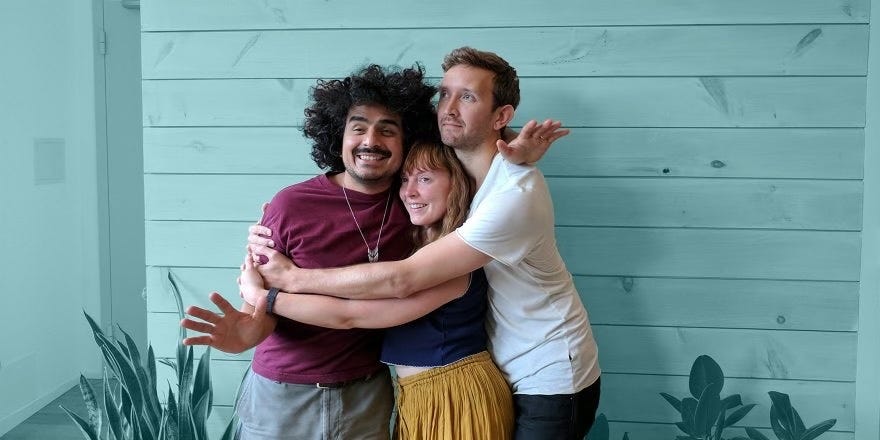
Martin: We wanted to take the negative experiences we had as artists or managers — things record labels and the systems that created record labels had defined – and push back on those conventions a bit.
We said “no” – this stuff should be owned by the people who make it and they should be making the most money from it. It was all very idealistic in that way.
Nick: Absolutely. I think it’s interesting to flip the model around and ask, if we start from idealism, can the business still work? The balance between idealism and business is a constant negotiation.
Amelia: We always want to push and pull our endeavors more toward what we truly believe in.
Martin: Exactly. All of these ideas were colliding right as we started building Betty’s, our recording studio in 2018. A small ecosystem was forming where you could make a record cheaply — or even for free, through favors — and then release it on a favorable deal.
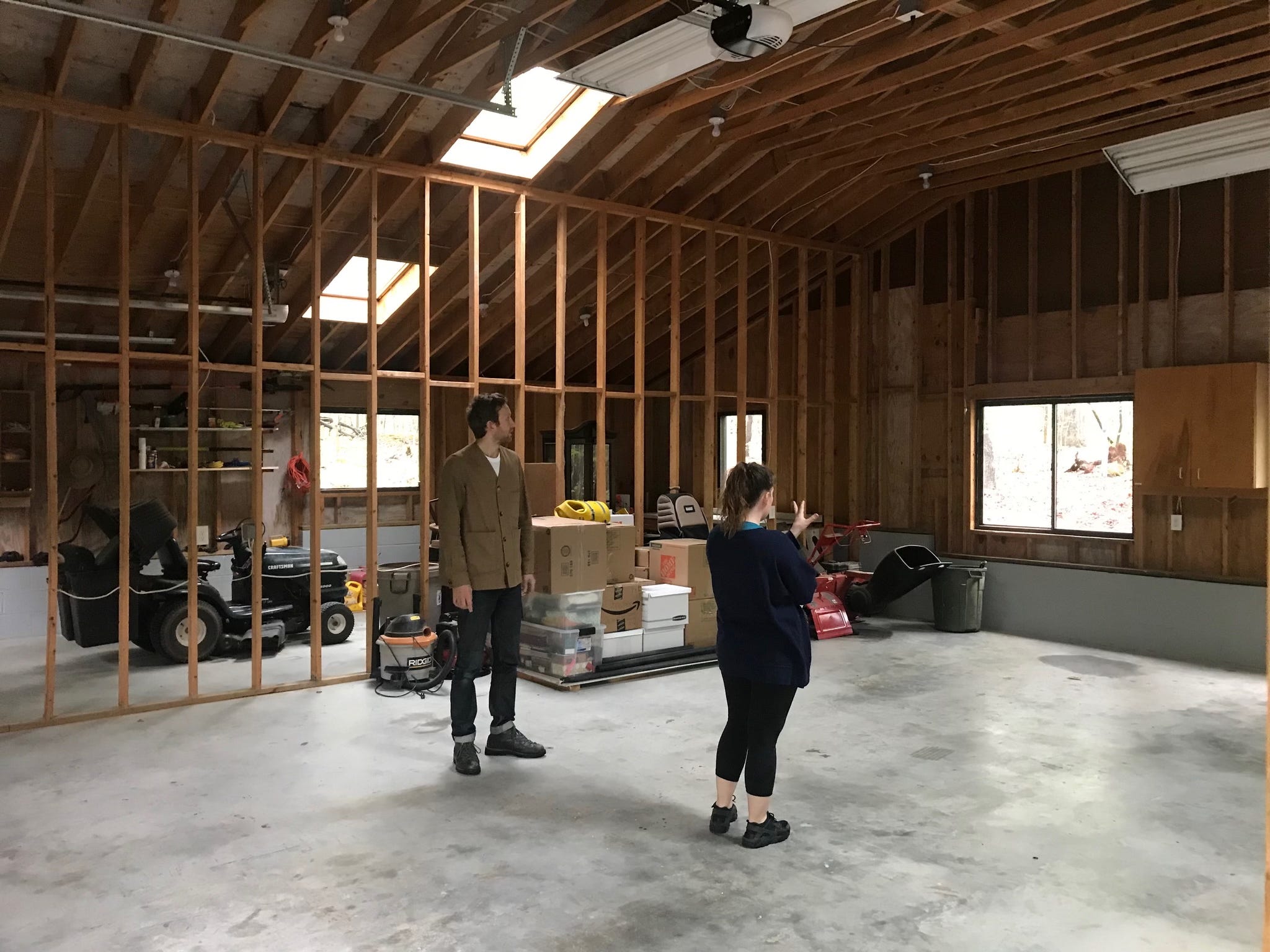
Nick: We wanted to make it easy for artists and vertically integrate the process.
Amelia: I’ve never paid for studio time on any record I’ve made.
Martin: I mean, it makes sense. Paying for studio time is not conducive to creativity. There’s nothing creative about being on the clock and having that reality looming.
Amelia: Yep.
Nick: I've always hated it too. It's another primary reason why we started Betty’s. We always had home studios, but the one on Huse Street was the first studio that felt it should exist outside of our house. It deserved to be its own thing.
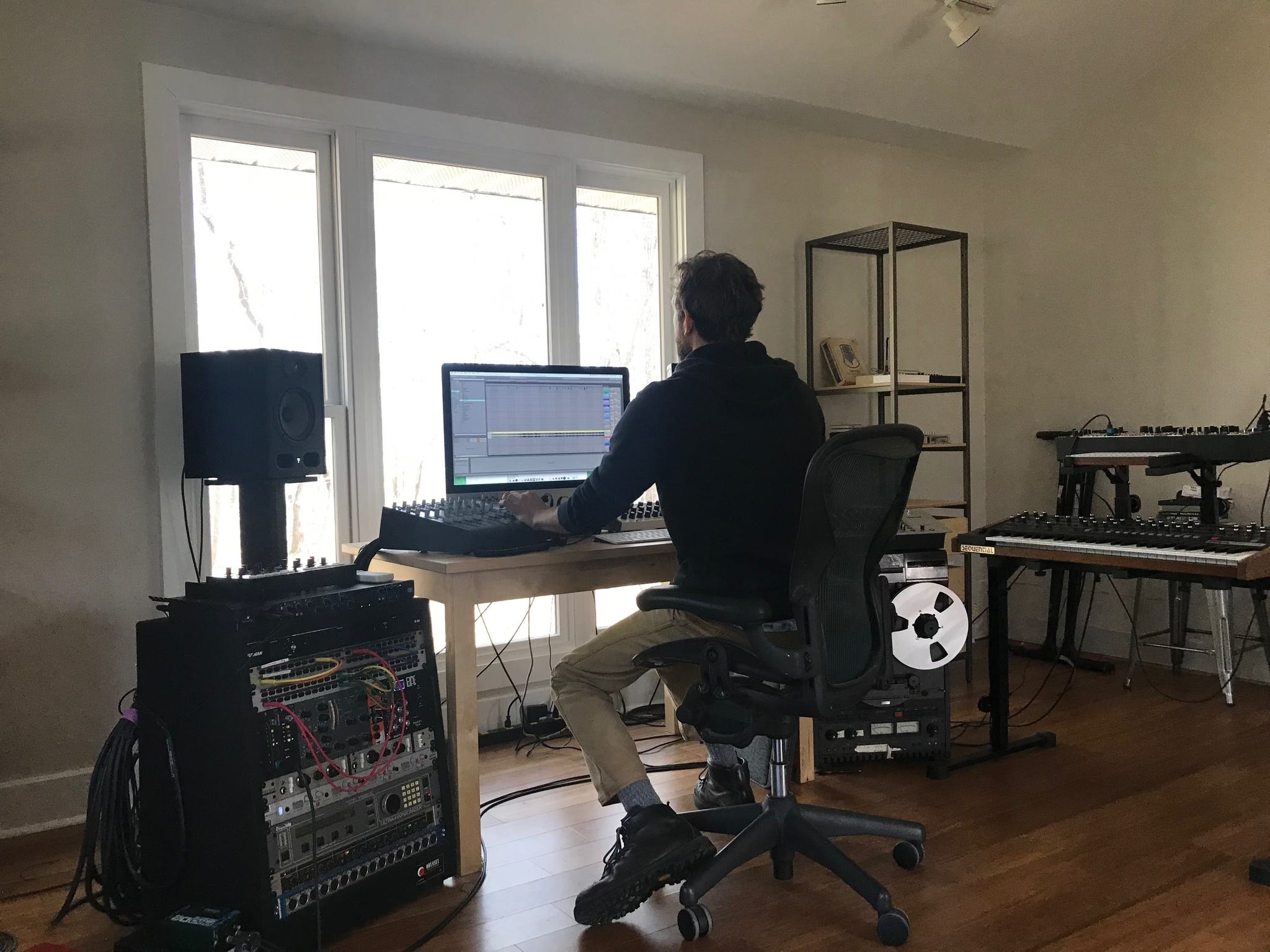
Having a studio outside our house meant a lot more people could use it. It opened up a new way of thinking about the space as a resource. Betty’s is a natural extension of our philosophy on community, and it’s rooted in the mindset of not paying for studios. When starting Betty’s we were asking questions like, where’s the coolest place to make something? Or, what type of environment puts making art first? That’s been the through line since we started making records in our bedroom. It’s all the same.
Amelia: I think studio time only makes sense if you're not looking at the bill.
Nick: How could you possibly not be looking at the bill?
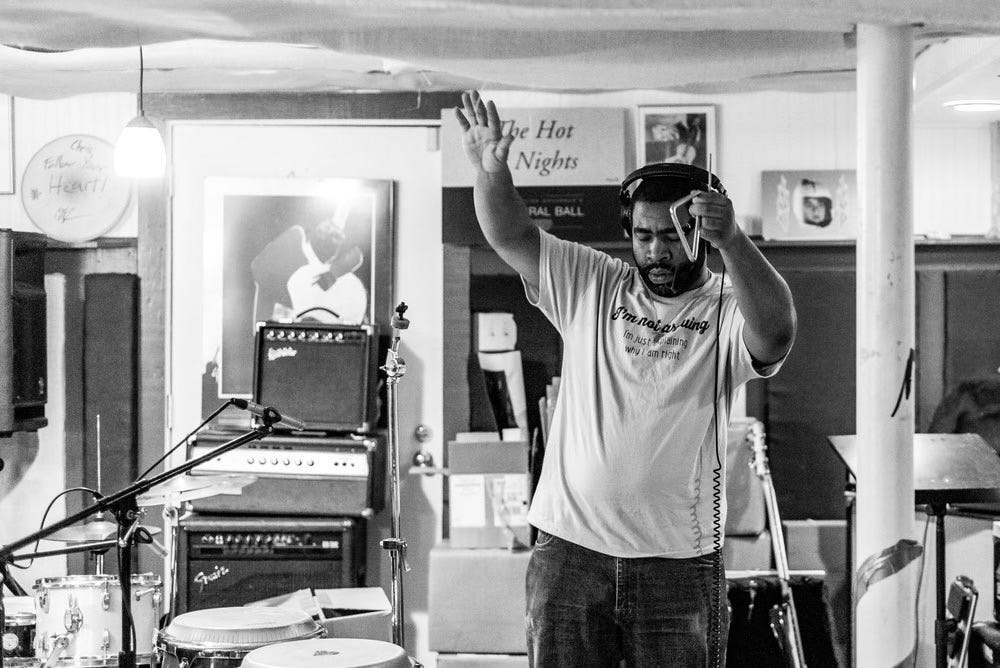
Martin: The whole point is what's the bill? We’re from the generation when home studios were ubiquitous. We were kind of the first generation where anyone in a band could get an interface, a microphone, and learn to use Pro Tools. People were learning those tools like instruments. But what you’ve created with the studio space is something different. The best thing about a studio can be the space itself. Studios can be these “third places” like a clubhouse. That’s something you just don’t get if it’s only in someone’s bedroom.
Nick: Right, exactly.
Amelia: The studio as a nucleus. A place where people can meet. The third space, like you said. That's the dream.
What is the future vision for Psychic Hotline?
Nick: That’s tough — if you’d asked me when we started what Psychic Hotline would look like now, I wouldn’t have had any idea it would turn out like this. What’s most important to me is the continued blooming of our ideas and figuring out how to lay the road out in front of it enough so that Psychic Hotline can continue to naturally grow.
The most exciting part is just helping the work happen — making things possible that might not have happened otherwise, or would’ve been way less cool if they had. That mindset has led to so much crazy shit coming together. It honestly feels like the one thing I know we’re always gonna keep doing.
Nick: And it might run us right into the ground, but if it doesn’t…
Amelia: Yeah, exactly. I think where we’ve ended up is due in large part to our creative vision. We’re able to push this beautiful thing forward by finding the right artists who keep the whole thing afloat. Where we're at is so exciting and cool, so who knows?
Martin: Who knows. It's cool how Psychic Hotline has mapped onto a growing community of people. It started with just our best friends and roommates, but as our lives have changed, so has the meaning of community. Ideally, your world expands as you get older, but natural entropy can work against that—so it’s something really worth embracing and moving toward.
Martin: Meeting friends in LA like Sam Gendel, Blake Mills, and Meg Duffy has added new layers to Psychic Hotline, as have our friends in São Paulo, experiences at the Frue festival in Tokyo, and more. It feels like we’re building a broader constellation of people who share a similar ethos and approach to music. Coming back from Big Ears was definitely a big ratification of that feeling.
Nick: Absolutely.
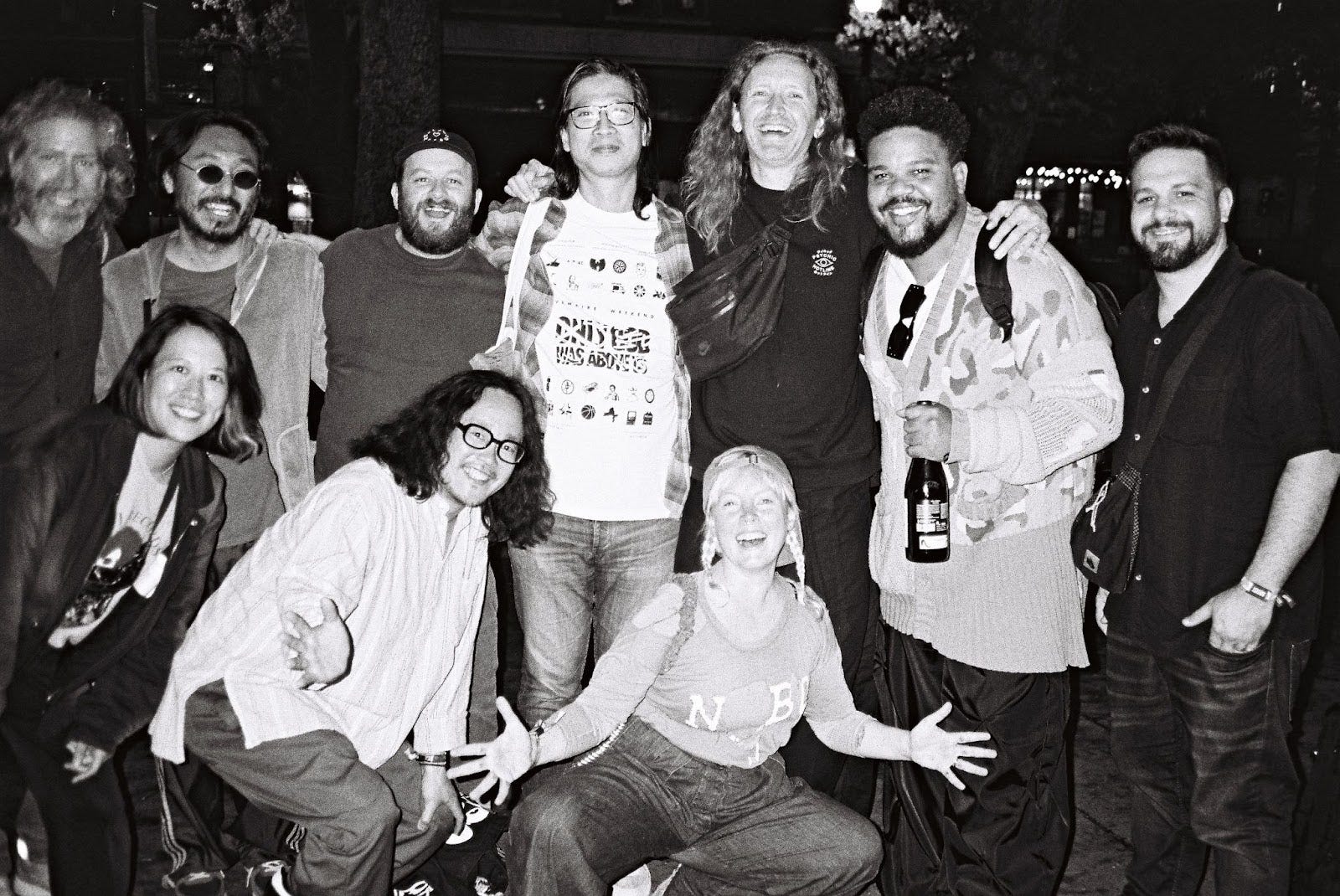
Martin: I think places like Big Ears, music festivals, promoters, venues, and record labels like International Anthem, Leaving Records, and Nonesuch are all investing in communities. Being in communion with them, in whatever shape that takes, is the big win of the project, you know?
Ameila: Mm-hmm. Yeah.
Martin: Helping younger artists is a major focus for us in this business. This space has no defined roadmap whatsoever. Being able to guide artists away from bad situations while getting their records out, and sharing what we’ve learned — breaking down that gatekeeping — feels like important work, no matter what happens with the label.
Nick: Yeah, definitely.
Amelia: Absolutely. It turns out if you keep on doing it, you find other people who like music too, and who like people, and who can see the good stuff. Music rules.
Nick: We should put that whole sentence you just said on a bumper sticker.
Amelia: We fucking should.
Martin: We absolutely should.
No posts
Comments
Nothing yet. Say the first thing.
Sign in to join the conversation.