
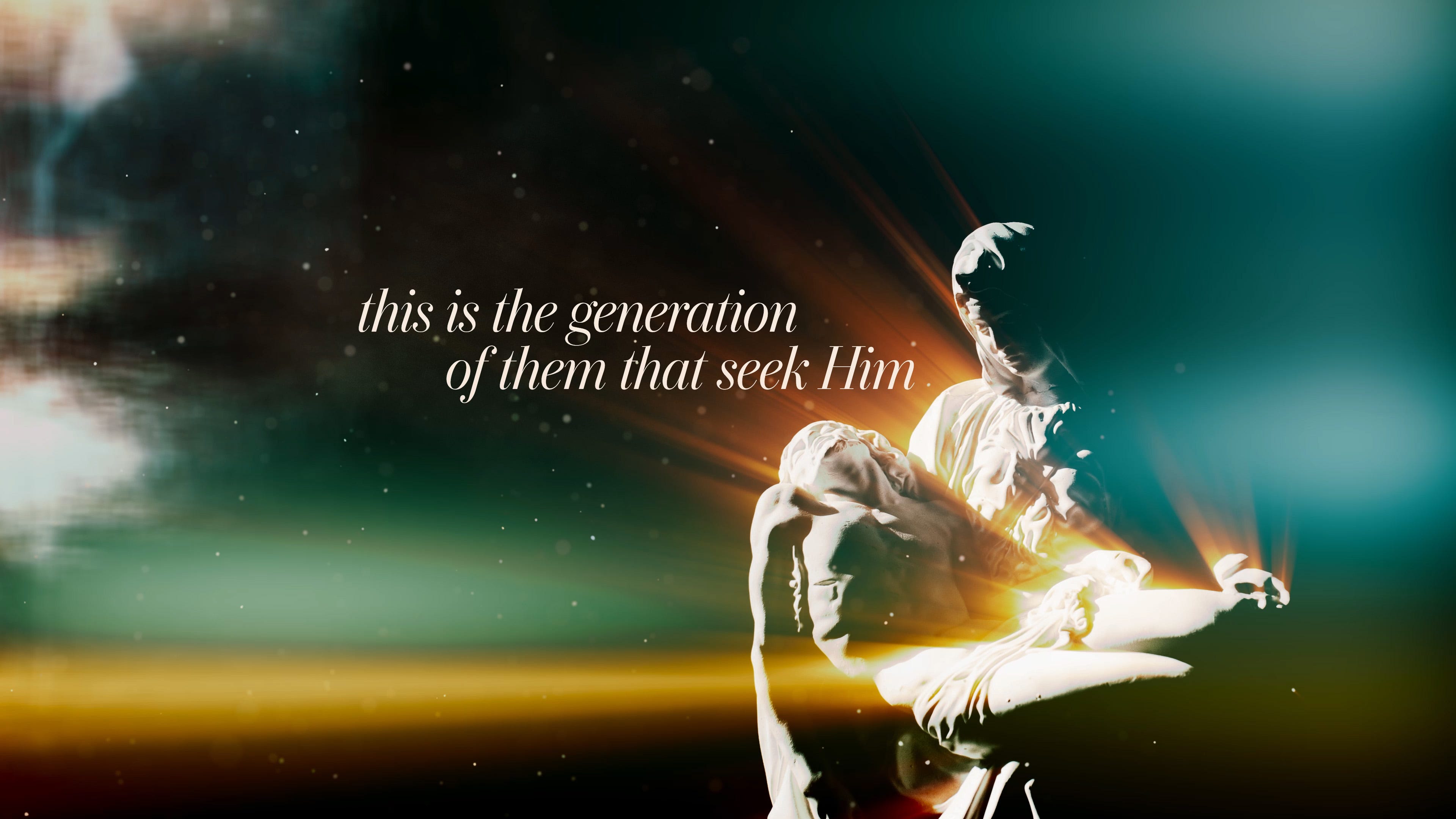
This is the generation of them that seek him, of them that seek the face of the God of Jacob. (Psalm 23:6 DR)
There is a fascinating book written in the late 19th century called Flatland: A Romance of Many Dimensions, by Edwin Abbott. I remember reading this when I was a teenager, apparently oblivious to the purported critique of Victorian social hierarchies. Or at least that is what Wikipedia declares, which has never been known to be wrong. And to be fair, I read Animal Farm at about the same time, oblivious to its political satirization, thinking it was just a weird book about animals wanting to exploit other animals with free stuff.
Perhaps I was more correct than I knew.
At any rate, Flatland follows the life of a two-dimensional Square.
He has a vision of going to a one dimensional world—Lineland—and attempting to convince its inhabitants that there is a dimension above points on a straight line. But since they exist in only one dimension, they only see of him a point, and they can never see his angles and sides, for even if he rotated they would only see a continuous point.
He is then visited by a Sphere, who attempts to convince him there is a third dimension. But just as the one-dimensional beings cannot perceive his two-dimensional-ness, so he cannot perceive the Sphere’s three-dimensional-ness. The Sphere moves through the Square’s house, but the Square only infers a circle expanding and contracting as it moves. It is not until he is taken to the third-dimensional world—Spaceland—that he finally is able to understand, for he now “sees” the reality of his world and its dimensions from above, as it were, rather than just inferring them.
His new vision is necessary for a new understanding.
In the previous passage the Psalmist described the blessing and the mercy which is given to those who ascend to the mountain of the Lord and who stand in His holy place. Christ is the exemplar of the one who receives this blessing, as He is innocent in hands, clean in heart, and the rest from verse 4. But the blessing He receives is received for His Church, and the Psalmist now takes care to elaborate upon how this blessing is diffused through the mystical Body of Christ.
The ones who receive this blessing and mercy from God—these are of the generation of those that seek Him. The word generatio signifies offspring and begetting, the issuing forth of descendants. St. John speaks of how the sons of God are born not of blood, nor of the will of the flesh, nor of the will of man, but of God. As such, Christ as Head of His Body receives and diffuses blessing and mercy to those united to Him and who are born of Him:
“This is the generation of them that seek him;” that means, he that ascends to heaven, is the generator of those that are regenerated in Christ, whose principal study is to seek God, to thirst for a sight of his face, and to make for his holy mountain, with all their strength. And, in fact, a unique and perhaps characteristic sign of the elect of God, is to have a longing desire for their home, their country—heaven. The generation of the children of this world seek everything in preference to God, dread nothing more than death; and, if they got their choice, would prefer living always in this world, to “being dissolved and being with Christ.” (St. Robert Bellarmine, A Commentary on the Book of the Psalms, 23, 6)
To seek after the Lord—quaerentium in the Vulgate—is to lift one’s eyes to the mountain of the Lord, as the Psalmist expresses elsewhere, to have one’s heart and desire set upon heavenly things instead of things of this world. In some versions of the Old Latin the word requirentium is used, having practically the same meaning as seek but with an undertone of need, as can be seen in the English word require which is derived from this term. The Psalmist employs this word in Psalm 26:
Unam petii a Domino, hanc requiram
One thing I have asked of the Lord, this will I seek after.
The Psalmist concludes that thought in that this one thing is to dwell in the house of the Lord, synonymous here with the mountain of the Lord and His holy place.
But to ascend the mountain of the Lord is fraught with peril, as the Scriptures recount. When Moses is on the mountain he wishes to see God’s glory, but is only allowed to see the glory of God pass by, lest he die. Elijah similarly is on the mountain and desires the same, and must cover his face at even the whisper of God’s presence, which is more forceful than the winds and earthquakes and fire. And when our Lord is transfigured before His apostles, they are terrified and hide their faces. This incompatibility between God’s glory and man’s frailty and sinfulness makes any approach impossible, until the mind and heart of man is transformed and configured to behold:
But no one who seeks the face of God will see the face of God here on earth; for He says, “No man shall see My face and live.” You must be transformed so that, in seeking the face of God, you may actually see it. (Origen, Selections on the Psalms, 23, 6)
This transformation is wrought in the sacrament of Baptism by which we are cleansed from sin and receive the gifts of faith, hope and charity through the outpouring of the Holy Ghost. This rebirth makes the members of the Body of Christ into the generation of those that seek Him, so that Christ stands as head of a new family of God:
For it became him, for whom are all things, and by whom are all things, who had brought many children into glory, to perfect the author of their salvation, by his passion. For both he that sanctifieth, and they who are sanctified, are all of one. For which cause he is not ashamed to call them brethren, saying: I will declare thy name to my brethren; in the midst of the church will I praise thee. And again: I will put my trust in him. And again: Behold I and my children, whom God hath given me. (Hebrews 2:10-13 DR)
St. Paul attaches Christ’s being brought to perfection to the Passion He underwent. Not, of course, that Christ was lacking anything in Himself, but rather salvation itself is consummated in Him though His suffering and death; as our Lord said from the cross: consummatum est, it is consummated or it is completed. And since He is Head of the Body, the One Who sanctifies and the ones who are sanctified are one, as St. Paul says, which entails that those who have a share in Him will also have a share in His sufferings as a means of their own perfection and sanctification.
This is perhaps hinted at in the parallelism of the final clause, which effectively restates the first clause in that they seek not only God, but seek the face of the God of Jacob. In St. Jerome’s Hebrew translation and in some versions of the Old Latin the word God is not present, such that it says who seek the face of Jacob. St. Bellarmine speculated that the translators of the Septuagint added in τοῦ θεοῦ, although its absence from the Old Latin in some places might indicate it was a later recension.
Whatever the case, what is to be made of seeking the face of Jacob? Given the context, the Psalmist is certainly not suggesting that an ancestor be substituted for seeking God, but is perhaps alluding to Jacob’s famous incident in wrestling with God.
In the account in Genesis he wrestles with an angel and neither is able to prevail, so eventually the angel strikes him to end the bout, and changes Jacob’s name to Israel. After being blessed by the angel Jacob realized what has happened, and builds an altar:
And Jacob called the name of the place Phanuel, saying: I have seen God face to face, and my soul has been saved. (Genesis 32:30 DR)
The name Jacob meant heel-grabber, and in his own life he fulfilled the name given him by his earthly parents. But after the struggle with God he has a new name, for now he has ceased to struggle with man. His face is set towards the face of God, even before he is fully aware of it. But this face nevertheless sees God’s face and lives, in a sense ascends unto the mountain of the Lord to see Him in His holy place.
The face of Jacob thus becomes a type for those who seek after God, who—like their ancestor in the faith—cease from struggling with the world, cease from chasing after its pleasures and goods, and instead ascend into a new dimension, as it were, to see the world from above and how lowly and worthless are its promises and pleasures.
Instead, they begin to struggle with God, to take the cross of their Lord upon themselves, to share in His sufferings so as to be made perfect in their sanctification. This transformation of the mind and heart wrought in Baptism draws their souls to ascend the mountain of the Lord, that they might [behold] the glory of the Lord with open face… transformed into the same image from glory to glory, as by the Spirit of the Lord.
Those, he says, who resolve to live according to these counsels truly desire to see the very Lawgiver of virtue, who long ago deigned to grant even the great Jacob the sight of His own countenance. Therefore, in the eleventh Psalm, [the Prophet, speaking] of that other generation consumed by every vice, prayed to God, saying: ‘Thou, O Lord, shalt keep us, and preserve us from this generation forever.’ But here, he prophesies the exact opposite: ‘This is the generation of those who seek the Lord.’ For after the incarnation of our God and Savior, the whole earth and sea, obeying the divine preaching, abandoned indeed their ancestral gods and sought instead the God of Jacob. (Theodoret of Cyrus, Commentary on the Psalms, 23, 6)
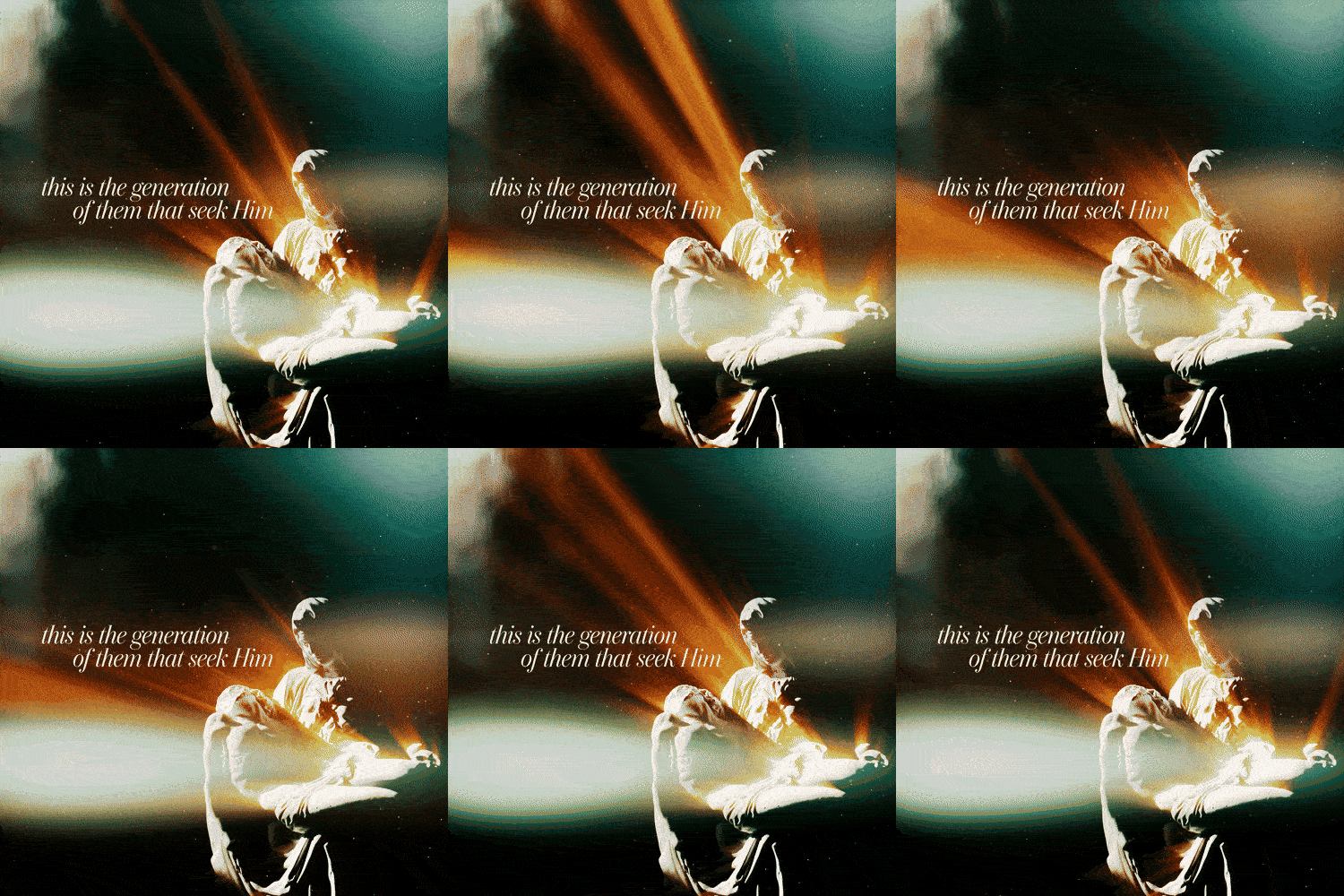
I found this great image of the Pieta and isolated it in Photoshop. In After Effects I used a series of blurry shapes behind it to give some outlined glow, and and then used Trapcode Shine to create the volumetric rays. The source point affects the shimmer, so I animated the shapes slightly so the rays would shimmer.
I then added in some particles and some color correction and glow.
Enjoy.
This is the generation of them that seek him, of them that seek the face of the God of Jacob. (Psalm 23:6 DR)
View a higher quality version of this gif here:
Comments
Nothing yet. Say the first thing.
Sign in to join the conversation.